
Travelling to Kenya and going on safari is a revelatory experience. The authenticity, the excitement and the fascination of these trips are hard to put into words. That is why, after a first safari, most travellers decide to do it all over again. However, for the trip to be truly unforgettable, it is important to prepare well and bear a few key points in mind. In this article you will find the best Kenya travel advice, from what to pack to how to choose the ideal itinerary, so you can enjoy a safe and rewarding adventure.
16 Pieces of Kenya Travel Advice
1. Have all the documents you need to enter Kenya
Whether you decide to plan an independent trip to Kenya or travel with an agency, you will have to arrange the visa yourself in order to enter the country. Luckily, it is a very simple process and you only need to keep the following in mind:
- The visa must be arranged before entering the country (it is best to do it about three or four weeks before your trip starts).
- The eVISA is applied for online, through this website.
- The process costs 50 US dollars, paid by card.
While applying for the eVISA you will need to follow these steps:
- Upload a photo of your passport (remember that it must be valid for more than 6 months on your travel dates).
- Take a selfie or upload an ID-style photo.
- Add your personal and contact information.
- Give details of your trip (arrival and departure dates, flights, itinerary, accommodation, agency…)
Once you have uploaded all this information and made the payment, your application is complete and you will receive a unique identifier by email so you can track the status of your visa (it is normally approved in about 3 days, but it can take up to a week).
2. Choose your travel dates according to the weather in Kenya
Although you can travel and go on safari in Kenya in any month of the year, it is usually best to avoid the main rainy season, which falls in March, April and May.
Safaris can still go ahead in the rain, but the experience is not as good. For one thing, the water reduces visibility. The vegetation also grows thicker, which makes some animals harder to spot. Finally, when there is a lot of mud, some tracks become impassable, so you cannot reach certain areas that are really good for seeing lions, leopards or cheetahs, the great stars of Kenya.
That is why it is generally better to go on safari from June to February. Within that period, it is worth distinguishing between some of the months:
- January and February. This is low season, so there are fewer people and prices are lower (in the Masai Mara the park fees are half price, 100 dollars per day). The only drawback is that it may rain on some afternoons. You also cannot see the great migration, as it is in the Serengeti.
- June. The weather is very good, and it is the start of high season.
- July, August, September. This is the peak of high season, because it coincides with the holiday period in Europe and North America. The great migration also arrives in the Masai Mara. During these months the Masai Mara entrance fee is 200 dollars per day.
- October, November and December. The number of visitors falls during these months, but it is still high. Conditions are also very good at this time, although there may be the occasional shower. The Masai Mara entrance fees are also 200 dollars per day.
For me, given the weather and the number of visitors, the best time to go is January and February.
3. Organise the trip with a local agency
Going on a safari in Kenya with a local tour operator is, for me, the best way to prepare a trip like this. These local agencies are a great help with organising all the logistics of the safari. In addition, travelling with a local guide, who drives the 4×4 and looks for the animals, is a huge help. Knowing the national parks and reserves is essential if you want to see far more wildlife.
Specifically, booking with a local agency rather than an international one has the great advantage of cutting out intermediaries. This makes the price much more competitive and makes it much easier to customise the safari. If this option interests you, just fill in this form and I will put you in touch with the trusted local agencies I have used on my own trips. Honestly, this is one of the most useful pieces of Kenya travel advice…
|
PLAN YOUR NEXT ADVENTURE Skip the middlemen: get a quote from local operatorsTell us when you want to travel and what you would like to see, and we will connect you with verified local safari operators in Kenya. Direct prices, a safari tailored to you and no commitment. |
Another feasible alternative is to travel to Kenya independently. In this case, there are two options:
- Rent a 4×4 and do the whole trip on your own. Keep in mind that since 2025 it has not been permitted to enter the Masai Mara without a guide.
- Rent a 4×4 with a driver. Car rental companies (and some local agencies that rent out vehicles) also offer the option of hiring the car together with a driver/guide. This would be a middle ground between travelling independently and organising the trip directly with a local agency.
4. Adapt the itinerary to your tastes
A piece of Kenya travel advice that I always give is to tailor the itinerary to your interests and tastes. Of course, practically everyone visits the same national parks, because that is where the quality of the safaris is highest. Even so, you can always make changes and adapt the itinerary.
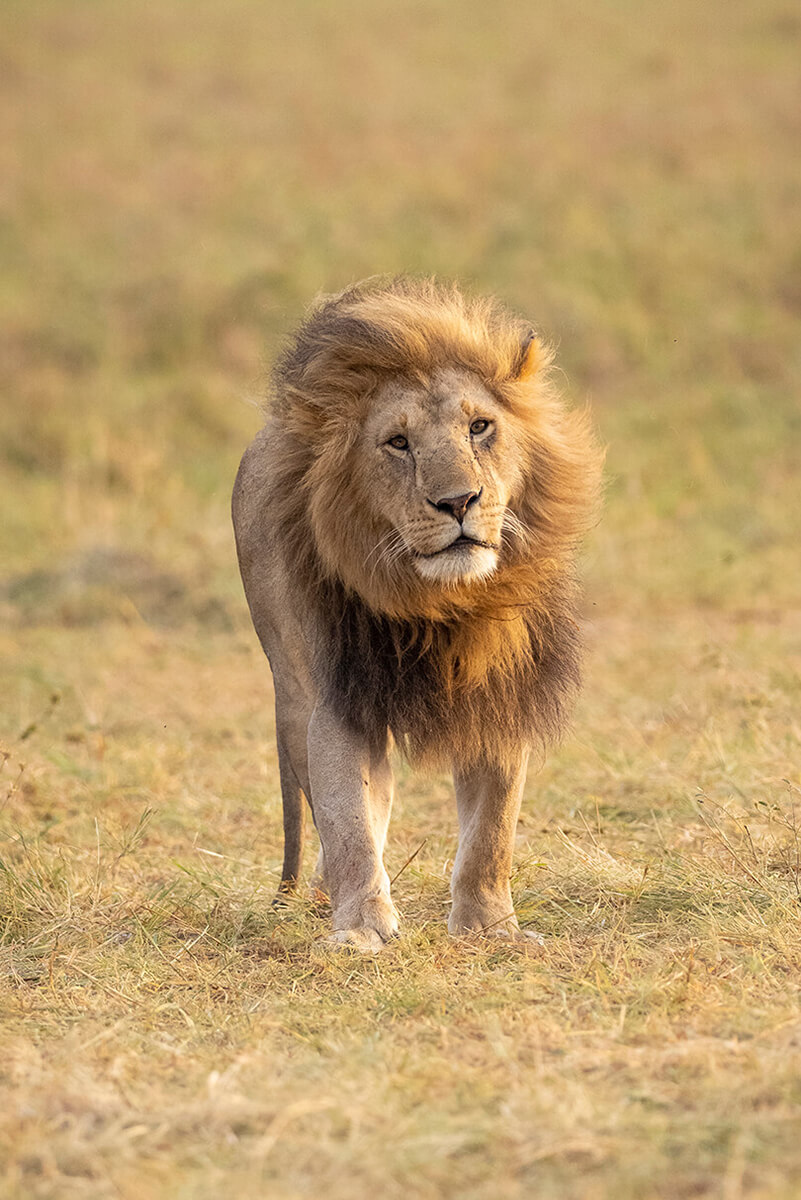
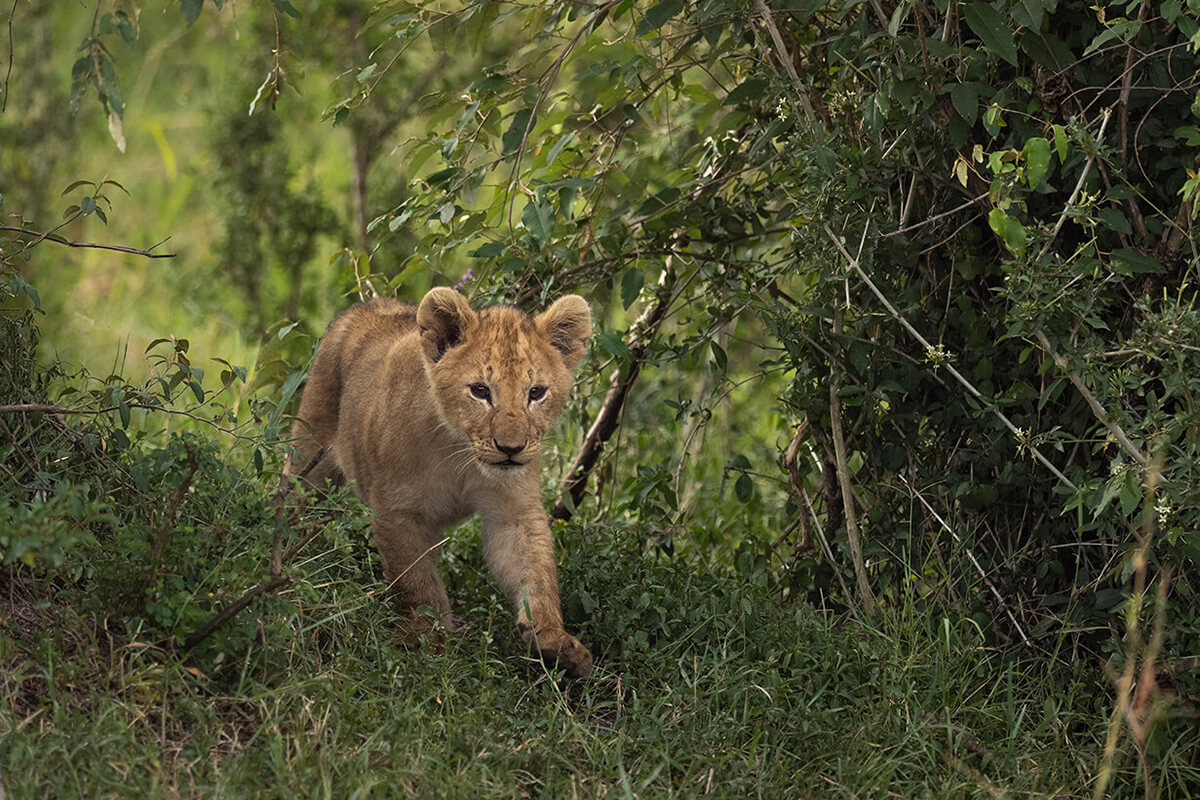
For example, on my latest eleven-day trip to Kenya I decided to go to Samburu National Reserve instead of visiting Amboseli National Park, and I also took the chance to visit Ol Pejeta Conservancy. I also chose to sleep in the Talek Gate area of the Masai Mara rather than near Sekenani Gate (much more common). This put me much closer to where the lions of the Rongai pride were, who gave me unforgettable moments.
For this reason, I recommend finding out plenty about the destination, even if you book everything through a local agency. You can start by reading some of the other posts about Kenya that I have published:
- 10 reasons to visit Ol Pejeta Conservancy
- Guide to planning a Masai Mara safari
- How to go on safari in Samburu National Reserve
- Kenya vs Tanzania safari: which one should you choose?
5. Set a budget before the trip
A safari is not cheap, so another piece of Kenya travel advice is to be clear about the cost of a trip like this before you start planning it. The high cost of these trips is largely due to the steep park fees for the reserves and national parks. For example, entry per person to the Masai Mara is 200 dollars per day, in Amboseli National Park it costs 50 dollars per day, and in Samburu National Reserve it costs 70 dollars per day.
So, in general, on a safari you can expect to pay the following:
- Budget safari (camping or basic accommodation, travelling in a group): between 175 and 250 dollars per person per day.
- Mid-range, private safari: between 250 and 500 dollars per person per day.
- Luxury safaris: more than 500 dollars per person per day.
So, if you want a private safari as a couple for around seven days, the usual price is about 2,500 dollars per person. However, you can always bring the cost down a little by choosing simpler accommodation or travelling in low season.
If you want to go on safari as cheaply as possible, the best option is a low-budget group safari. In this case, a 7-day safari costs around 1,100 dollars per person (sharing a vehicle with six people and sleeping in campsites or low-range accommodation).
What would your Kenya safari really cost?Prices change with the season, the parks and the type of lodging. Ask for a fixed quote straight from local operators, with no intermediary margin on top, and compare it against the budgets above. ✓ Personalised safari itineraries |
6. Buy a local SIM card for internet access
Mobile coverage in Kenya is quite good across the whole country, so if you want to stay connected during the trip it is much cheaper to buy a local SIM card.
Based on my experience, another piece of Kenya travel advice is to buy the local SIM card directly at Nairobi airport, since right after the baggage reclaim belts there are several sales points for different providers. The one with the best coverage is Safaricom, and a prepaid card with 5 GB costs about 1,100 Kenyan shillings.
7. Bring US dollars and some shillings
When making payments in Kenya (whether to pay part of the safari to the local agency or, if you are travelling on your own, to pay for accommodation or park entrance fees), the most practical thing is usually to carry US dollars in cash. If you do not bring dollars in cash from home, Nairobi airport has ATMs from which you can withdraw dollars directly.
Although more and more establishments accept cards, there are still many places where you cannot pay electronically. That is why it is also advisable to carry some Kenyan shillings. You can get them at the airport’s exchange offices or by withdrawing cash from ATMs. Shillings are especially useful for small expenses or for tipping during the trip.
8. Visit an international medicine clinic before the trip
Another important piece of Kenya travel advice is to visit an international medicine or travel health clinic before the trip. There are some tropical diseases in Kenya, and before the safari you need advice from a professional on the most suitable vaccinations for your type of trip and your medical history.
Currently, the only mandatory vaccine for entering the country is the yellow fever vaccine, as the disease is endemic there. In addition, the hepatitis, tetanus and typhoid vaccines are generally recommended as well.
Apart from this, you also need to bear in mind that Kenya has malaria, a disease transmitted by mosquitoes for which there is no vaccine. In most cases, doctors recommend taking prophylactic medication against malaria, but once again it is best to consult an international medicine doctor.
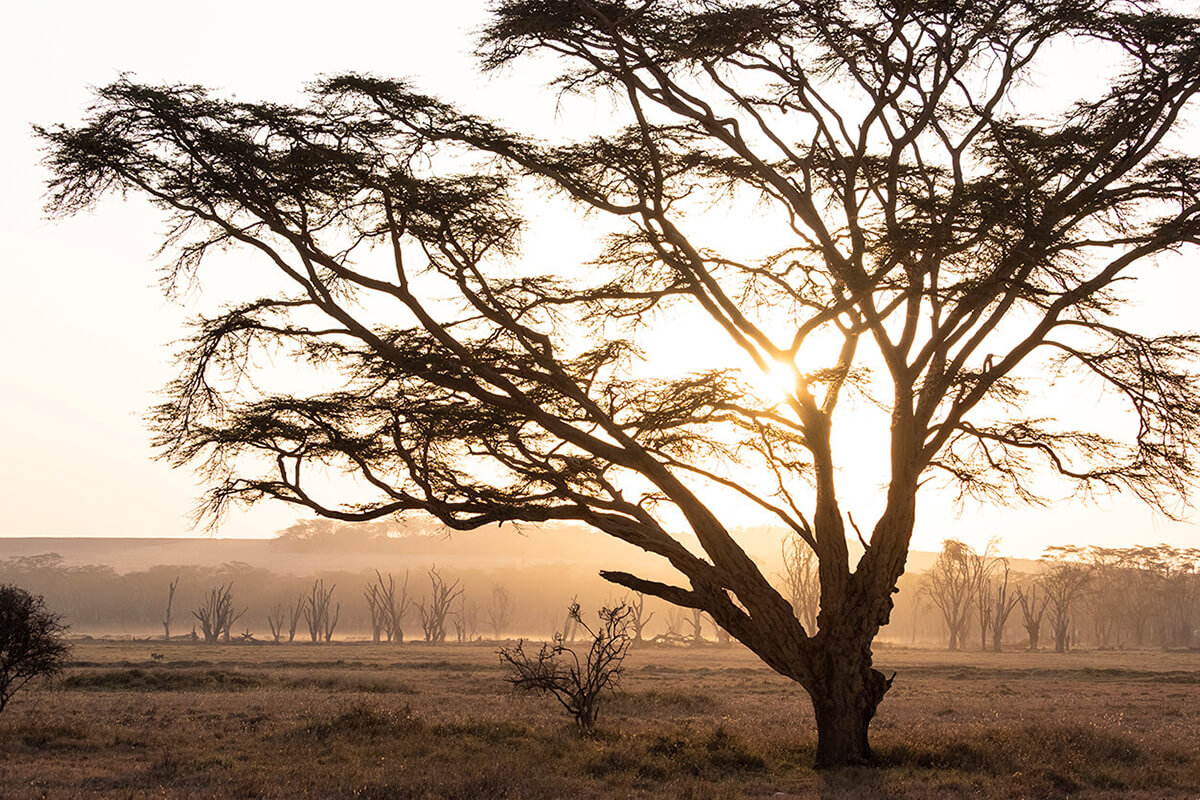
9. Pack light and wear comfortable clothes
Another piece of Kenya travel advice is to travel with light luggage. During a safari it is common to change accommodation every one, two or three nights in order to visit the different national parks. That is why it is much more comfortable to travel light.
When packing, I recommend bringing a large backpack for most of your luggage and a small backpack to keep at hand during the game drives, where you can carry sun cream, mosquito repellent, your camera and lenses, a book for the journeys between national parks, a jumper…
In the large backpack, when packing, you should not forget the following:
- Light-coloured clothes in neutral tones: dark colours (such as black or navy blue) attract more mosquitoes and tsetse flies.
- Thin but long-sleeved clothing: ideal for protecting yourself from the sun and insect bites without getting hot.
- A light jacket or fleece: early mornings and nights can be surprisingly cool, especially on the first game drives of the day.
- Comfortable closed shoes: although most safari activities are done in a 4×4 and you walk very little, it is always better to wear closed footwear
- A hat or cap and sunglasses: to protect yourself from the intense solar radiation.
- A head torch or torch: in some lodges you have to walk at night to reach the common areas, such as the restaurant. Although there is usually lighting, a head torch can be very useful for seeing better.
- Mosquito repellent with at least 30% DEET: essential to avoid bites, especially at dusk.
- High-SPF sun cream: essential for the middle hours of the day.
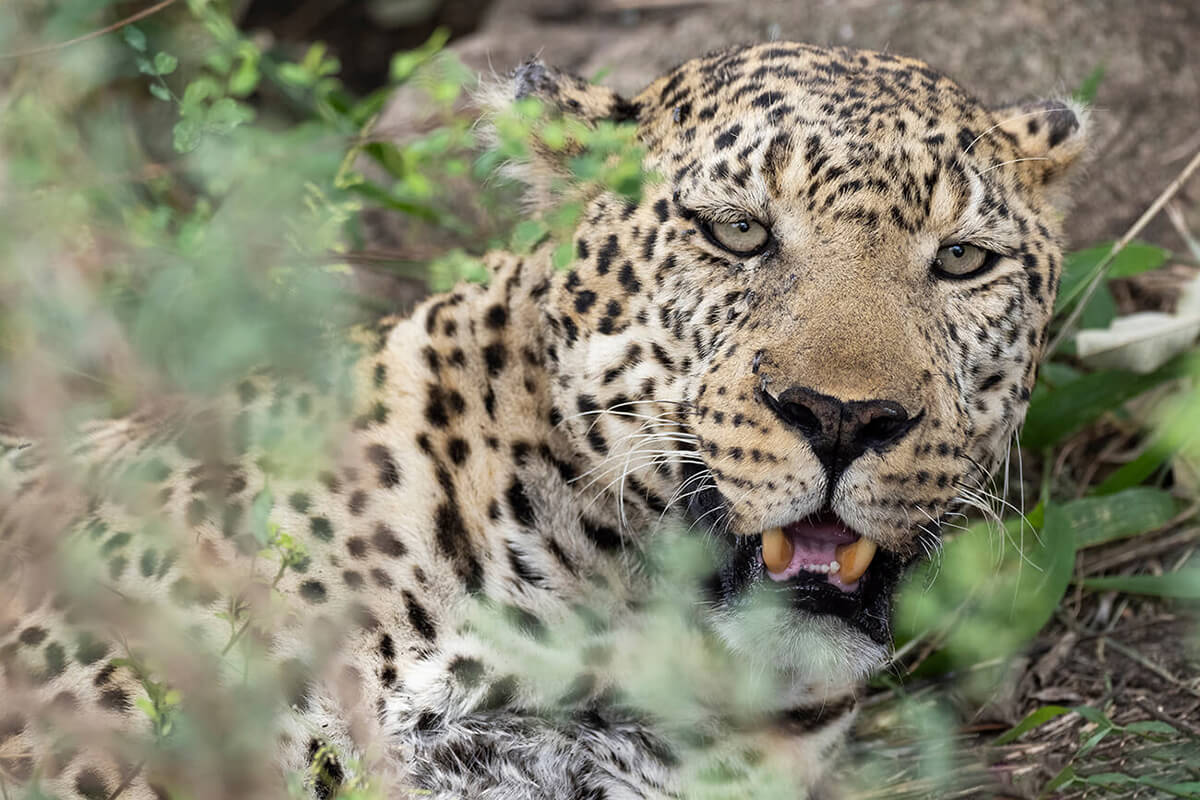
10. Watch out for mosquitoes
I have already mentioned it in some of the other pieces of Kenya travel advice, but it is important to take some care with mosquitoes, as they can transmit various tropical diseases such as malaria or dengue.
The mosquitoes that transmit malaria tend to be active at dawn, at dusk and during the night. The ones that transmit dengue, however, are active during the day. So there is a certain risk throughout the 24 hours of the day. There is no need to be obsessive or to worry too much, because by taking a few basic measures you can avoid most bites.
I recommend following this advice:
- As I have already said, wear long-sleeved clothing (above all long trousers).
- Apply mosquito repellent twice a day (always over the sun cream).
- Sleep under a mosquito net. Accommodation already has nets over the beds. However, if you are on a low-budget safari, some nets may have a hole, so in those cases I would recommend bringing your own (you can buy them second-hand for around fifteen euros, and they take up very little space).
- Avoid perfumes or scented creams. These smells attract insects, including mosquitoes.
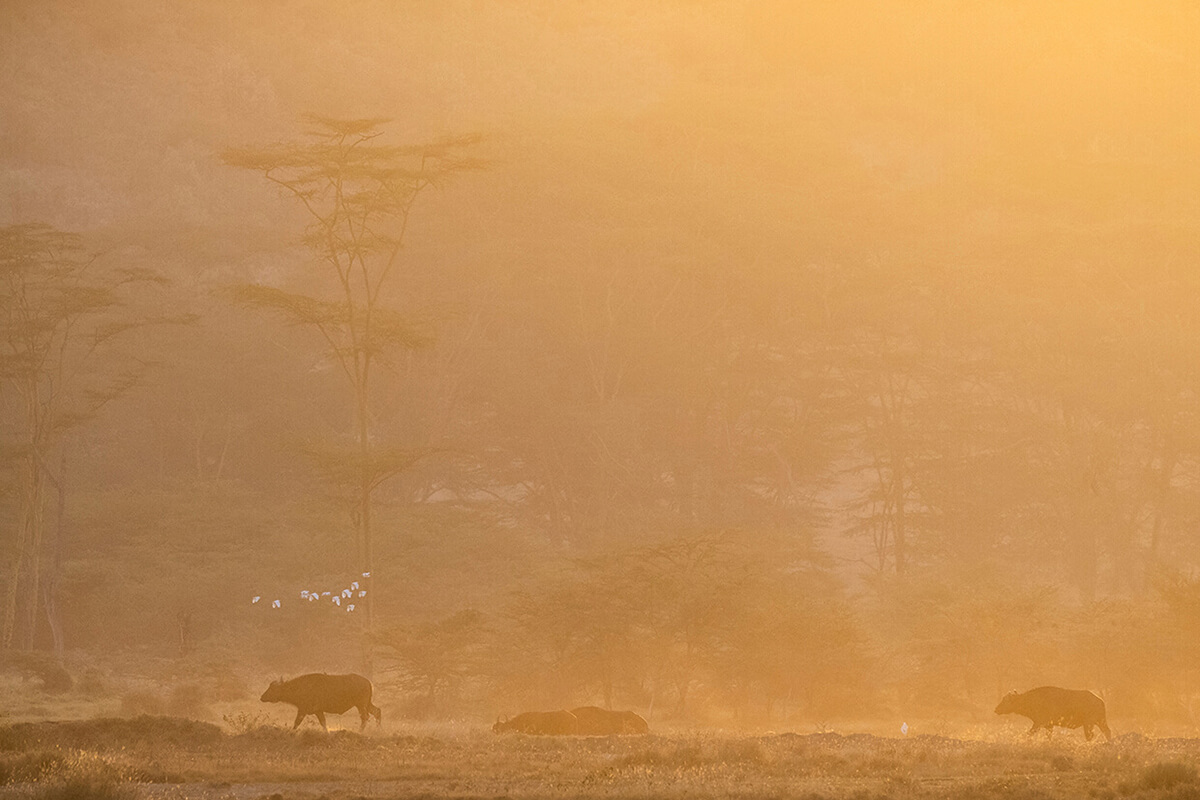
11. Use plenty of sun protection
Because safaris are done in a 4×4, many travellers are not aware of the need to put on sun cream. But in fact, when you drive with the windows open and the pop-up roof raised, it is very easy for the sun’s rays to reach your skin directly, so it is essential to wear sun cream.
In addition, Kenya lies around the Equator and the solar radiation is very high. I can tell you from experience that it is very easy to get burned.
12. Be careful with food
Another piece of Kenya travel advice is to be careful about what you eat, especially raw or undercooked food. On safari days it is best to avoid salads, fruit you cannot peel yourself, and ice. Food poisoning is always unpleasant, but if it happens in the middle of a safari, when you have to spend long hours in the vehicle with no toilets nearby, the experience is even worse…
That is why it is best to always eat at reliable places and choose well-cooked, simple food.
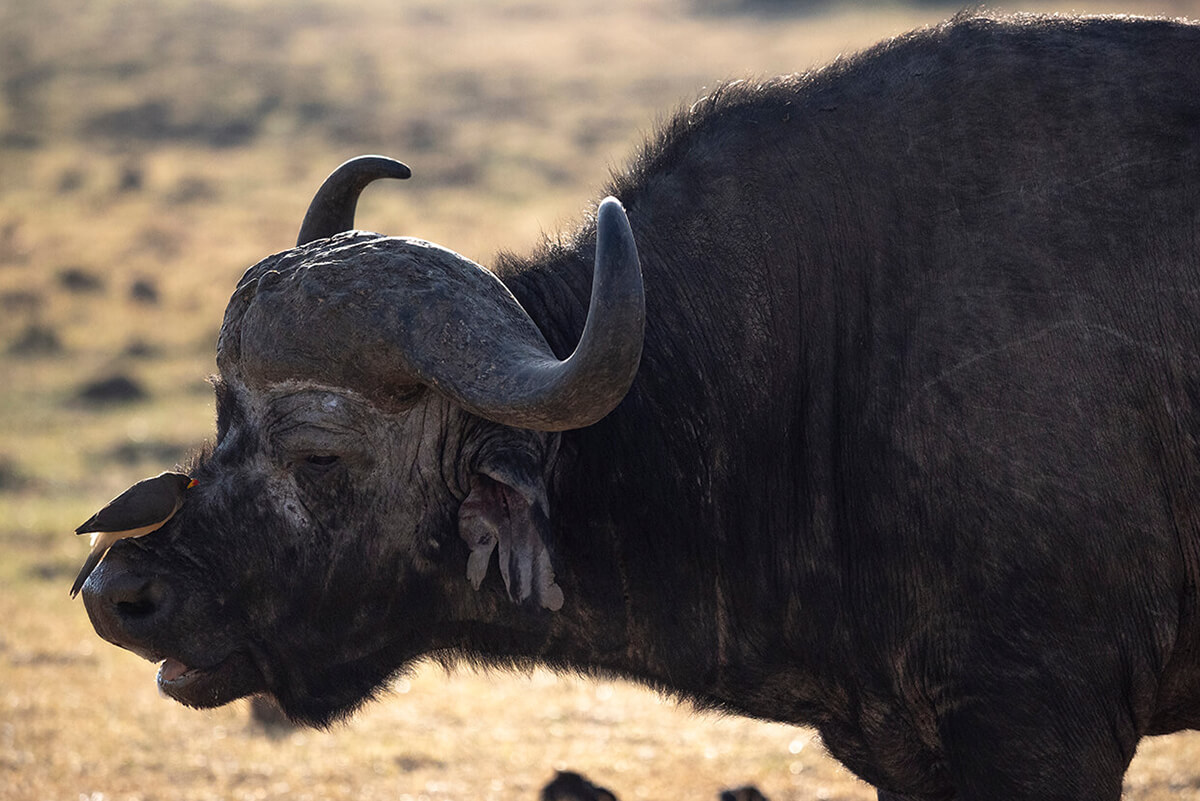
13. Respect the animals and the environment, essential Kenya travel advice
If you have decided to travel to Kenya and go on safari, you are most likely a lover of nature and animals, so you will not want your experience to have a negative impact on the wild animals you see.
That is why it is important to follow these guidelines during a safari:
- Avoid loud noises. Although the animals in the most visited national parks are used to vehicles, you should avoid making noise during sightings, especially when you are close to the animal. For that reason, it is always better to switch off the engine.
- Keep a respectful distance from the animals. You must stay on the tracks and not get excessively close to the animals, especially if you see that the presence of the vehicle bothers them. In this respect, I encourage you not to pressure the guide to get too close to the animals. Some guides, so as not to lose a tip, may give in to the pressure of clients, but if you see that they are doing something disrespectful to the wildlife or to the park rules, you can politely and respectfully say something.
- Avoid crowds of vehicles. There are situations and animals that capture everyone’s attention and can lead, especially in high season, to many vehicles gathering near an animal. In these cases, after taking a few photos I recommend asking the guide to move on and go in search of other animals. The national parks are very large and there are always interesting scenes, so there is no need for everyone to crowd into the same spot.
- Do not drop litter, and watch out for the wind. Obviously you must not throw rubbish out of vehicles, and practically nobody would do it deliberately. However, the air currents while driving through the national parks with the windows and roof open can lift a piece of paper or plastic out of the vehicle and make it end up outside. That is why I recommend keeping the inside of the vehicle tidy and storing all waste in a bag in your backpack.
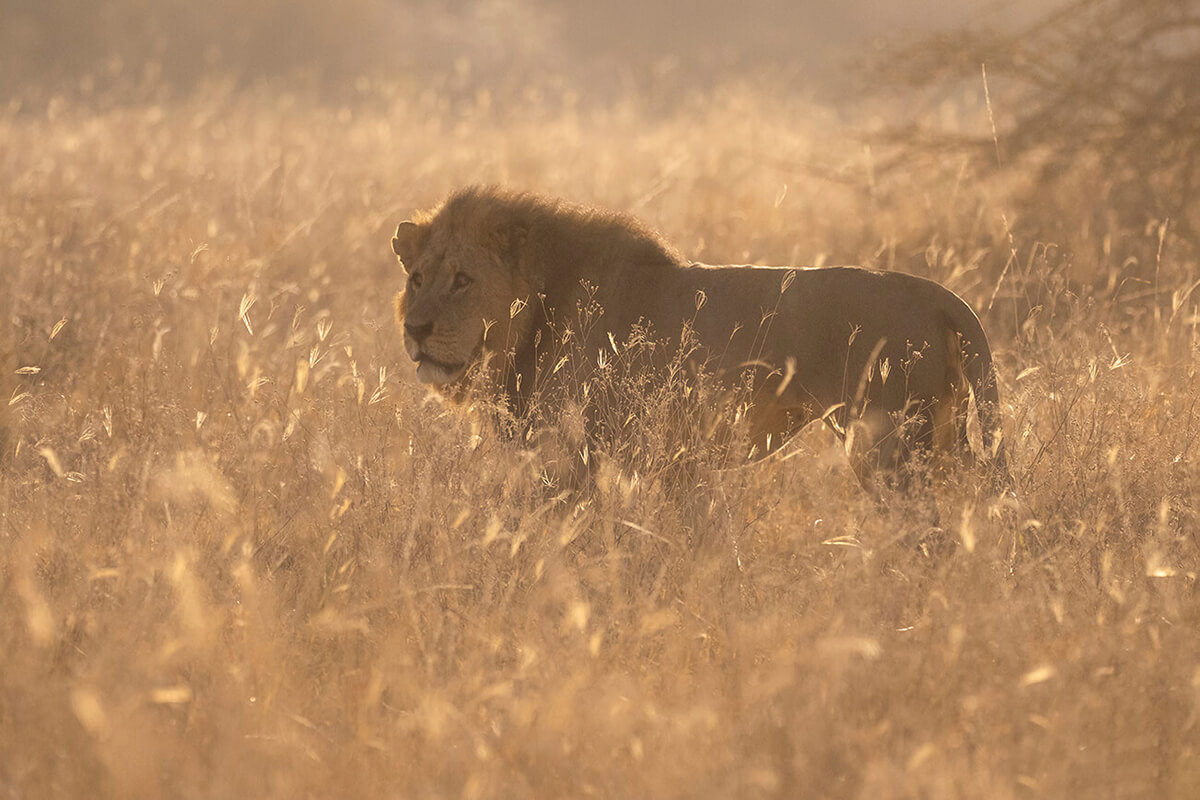
14. Bring a good zoom lens for photography (and spare batteries)
For many people, myself included, photography is an important part of safaris. It is thrilling to capture through the camera viewfinder the magical scenes you can see while exploring Kenya’s national parks.
Although many sightings are close, and you could photograph the animals even with a phone without zoom, to really take striking photos and portray the animals in detail, a good zoom lens is almost essential. I recommend a zoom of at least 300 mm, though if you have a 400 mm, 500 mm or 600 mm lens, even better. A good option, if you think you will not use it much after the trip, is to rent a lens from Grover.
Also related to photography, I recommend bringing three or four spare camera batteries. There are days on safari when you will not stop taking photos, and you may well drain more than one battery.
|
YOUR SAFARI STARTS HERE Ask for a free quote for Kenya with trusted local operatorsIf you would rather organise your trip with trusted local agencies, we can connect you with the best options for the kind of safari you are after. We will also be on hand to answer any questions throughout the planning process, so your safari is even better and free of hassle. |
15. Learn a little Swahili
Although many people in Kenya speak English, learning a few basic Swahili words can be very useful and will help you connect better with local people. It will not only make communication easier with guides and lodge staff, but it is also a sign of respect for the country’s culture.
I recommend learning these words:
- Jambo (hello)
- Asante (thank you) or Asante sana (thank you very much)
- Karibu (welcome or you’re welcome)
- Pole pole (slowly, slowly)
- Hakuna matata (no problem)
16. Take safety precautions along the route, a final piece of Kenya travel advice
Although the routes through Kenya’s national parks that you visit on safari are safe, you do need to take special precautions in cities (especially Nairobi and Mombasa). In these places it is best not to go out at night, and to always follow your guide’s recommendations. I also recommend finding out where to stay in Nairobi, so you choose accommodation in a safe area.
Also, when driving through cities, I recommend keeping the window closed and not leaving valuables in sight.
Finally, before the trip it is always advisable to check the travel advice issued by your country’s foreign ministry, to get an up-to-date assessment of the situation in the country.
 |
SAFARIS BY LOCALS Organise your trip to KenyaFind the best trips and safaris in Kenya with a local agency: a route built around your dates, your interests and your budget, with direct prices and no commitment. |

