
Going on a safari in Tanzania with a local operator is a unique and unforgettable experience. There’s nothing like planning this adventure from the start with care and attention to detail, and then living an extraordinary journey. One of the advantages of traveling in Tanzania with a local tour operator is the ease of customizing the itinerary, always with expert advice from people who know and live in the destination country—and at a much more affordable price, since intermediaries are avoided.
Organizing a safari in Tanzania with a local operaator is not complicated at all. But to make the process even easier, I’ve written this post with the steps I always follow when planning a trip like this
Tanzania with a Local Operator: 10 Steps to Prepare a Memorable Safari
1. Decide the Number of Days
The first important step in planning a safari in Tanzania with a local operator is deciding the duration of the trip, especially the safari portion.
Considering the time required for travel and to have a more complete experience, I recommend a safari of at least five days. Truly, nature’s spectacle is always unique, and no two safaris are ever the same—even if done in the same place. That’s why, for true nature and photography enthusiasts, it’s best to allocate at least eight to ten days.
Afterward, the trip to Tanzania can be extended with a few days in Zanzibar, a climb to Kilimanjaro, or visits to some rural areas of the country.
💡 Get a Free Quote for Your Trip to Tanzania with Trusted Local Operators
If you’d like to plan your trip to Tanzania with reliable local tour operators, I can help you connect with the best ones. Just fill out this quick form, and based on the type of safari you’re looking for, I’ll match you with the most suitable local agencies. I’ll also be available to answer any questions throughout the planning process — so your safari will be stress-free, authentic, and truly unforgettable!
2. Plan a Safari Itinerary with a Local Operator in Tanzania
With the number of days in mind, the next step is deciding which part of Tanzania to visit. Mainly, there are two areas where most safaris in Tanzania are organized:
- The North: The most famous and touristic area, home to the Serengeti, Ngorongoro Crater, and other smaller national parks like Tarangire and Lake Manyara.
- The South: A much wilder region with less tourist infrastructure and slightly lower wildlife density. Notable parks here include Nyerere, Ruaha, and Mikumi National Parks. The Udzungwa Mountains can also be visited.
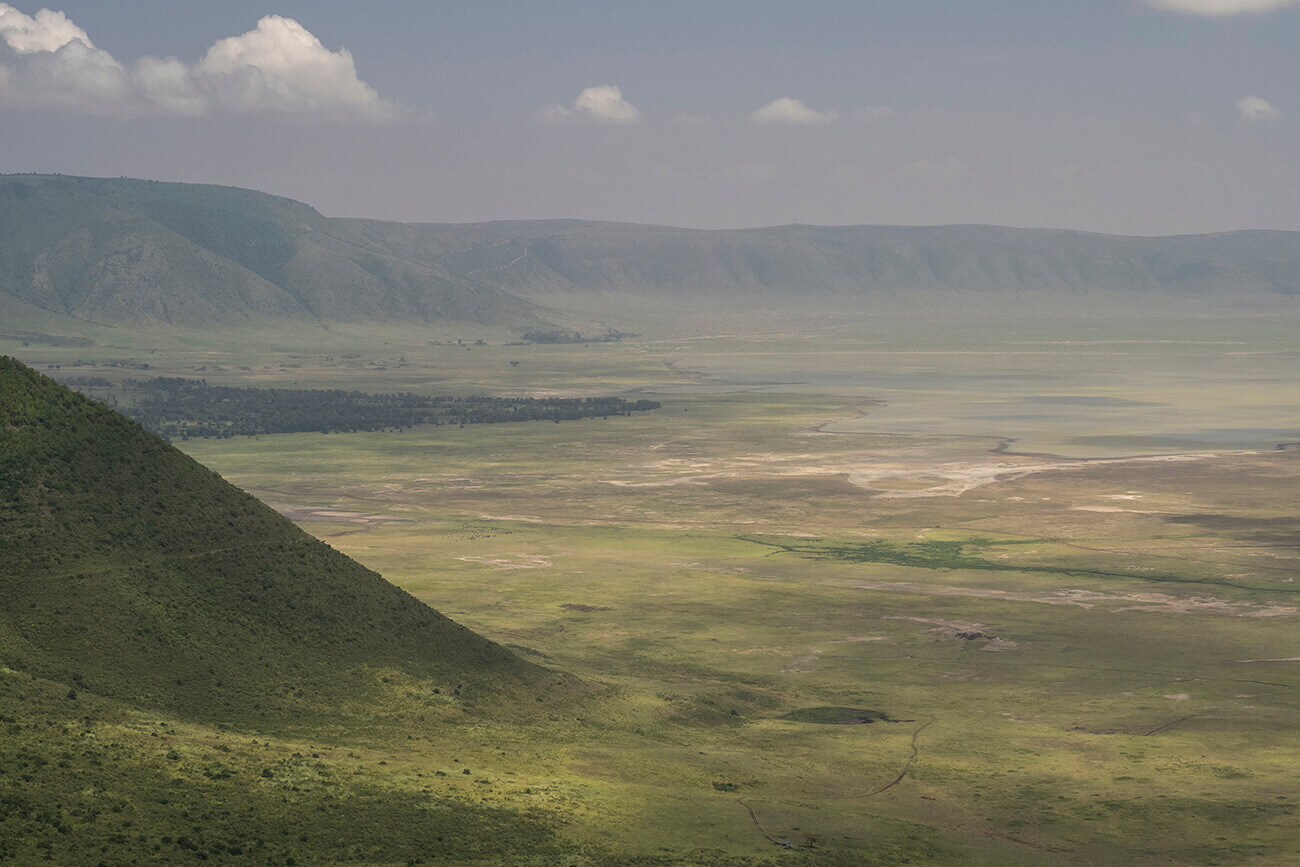
It’s not necessary to plan the itinerary in detail, as this can be done with help from the local operator . However, it’s advisable to decide which regions of the country you want to visit. For a first safari in Tanzania with a local operator, I recommend an itinerary in the north, especially to see the Serengeti savannah and the fascinating Ngorongoro Crater.

3. Choose Travel Dates (Preferably with Some Flexibility)
The planning continues with deciding the time of year for the trip. Since Tanzania is a nature destination, it’s important to consider the best time to visit the various national parks—especially with regard to weather and animal migrations.
In general, northern Tanzania safaris can be enjoyed year-round. However, March to May is the rainy season and the least recommended time. High season runs from July to November—ideal for photographing big cats and enjoying good weather. If you want to avoid the crowds, January and February are also excellent, with low rainfall, fewer tourists, and the Great Migration in the southern Serengeti (specifically the Lake Ndutu area).
If planning a trip to the southern parks, it’s essential to avoid the early months of the year (especially March and April), when flooding can occur and many lodges are closed.
If you want to visit Gombe National Park to see wild chimpanzees, the best time is from June to November.
4. Set a Budget for the Trip
Although going on a safari in Tanzania with a local operator is more affordable than many people think, it’s still not a cheap trip. This is especially true because entering the national parks requires paying fairly high fees (for example, in the Serengeti you have to pay $70 per adult per day, and to access the Ngorongoro Crater it’s necessary to pay $70 per adult plus $295 per vehicle).
The cost of park entry fees, along with the vehicle and the guide, makes it hard to significantly lower the overall price of the experience. However, there are ways to reduce costs, such as joining a group trip or camping in the national parks.
When thinking about your budget and the type of trip you want to book, you can consider the following price ranges:
- A group safari, camping in tents, costs between $180 and $250 per person per day.
- A private safari (for two people) with tent accommodation costs between $250 and $320 per person per day.
- A private safari (for two people) with mid-range lodge accommodation costs between $320 and $400 per person per day.
- A private safari (for two people) with high-end lodge accommodation costs at least $450 per person per day.
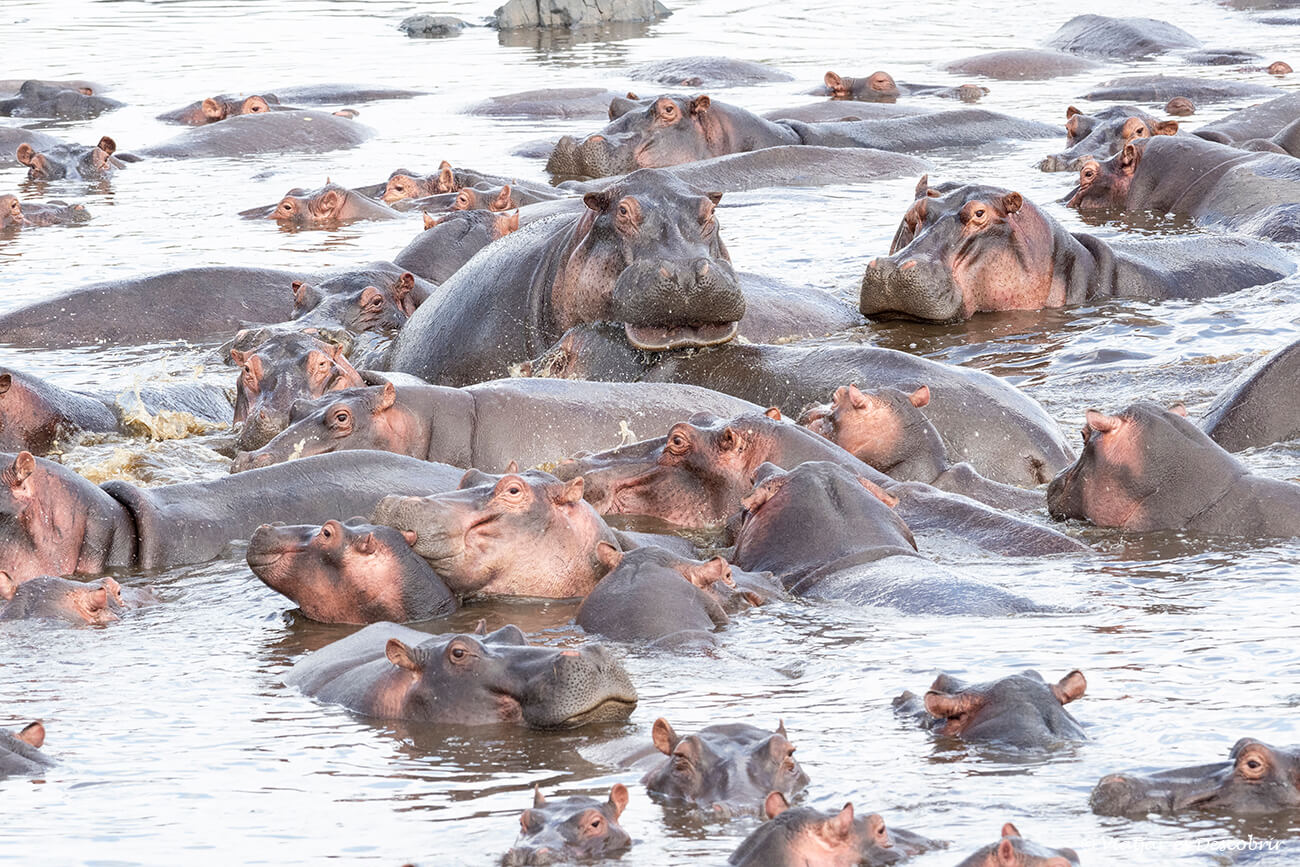
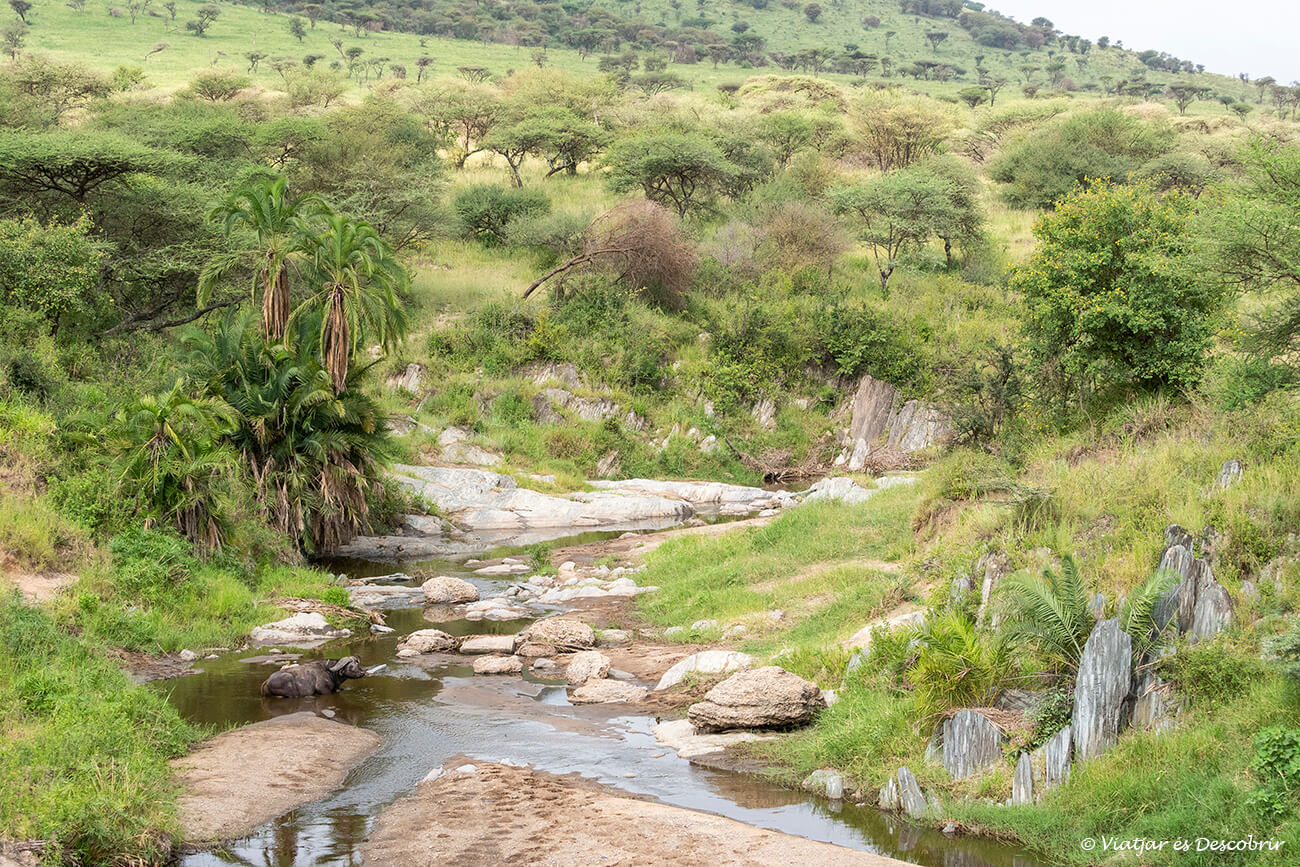
5. Search for Local Operators in Tanzania
With your dates, the areas to visit, and your budget in mind, it’s time for one of the most important parts of the planning process: starting to explore the different proposals from local tour operators and contacting the ones that best match the kind of trip you want to take. In recent years, the number of agencies has grown significantly. That’s why, when choosing one, it’s best to go with those that have more experience and positive reviews.
To help you with this, I recommend using this form I’ve developed to connect you with trusted local operators in Tanzania who specialize in the type of safari you’re looking for. Each of them will send you a personalized itinerary and quote, which you can later adjust with their guidance (and with mine as well, if you need it).
When selecting the best local operators in Tanzania, I considered my own experiences with them, their client reviews, the quality of their vehicles, and also their ability to create customized safari itineraries for each traveler.
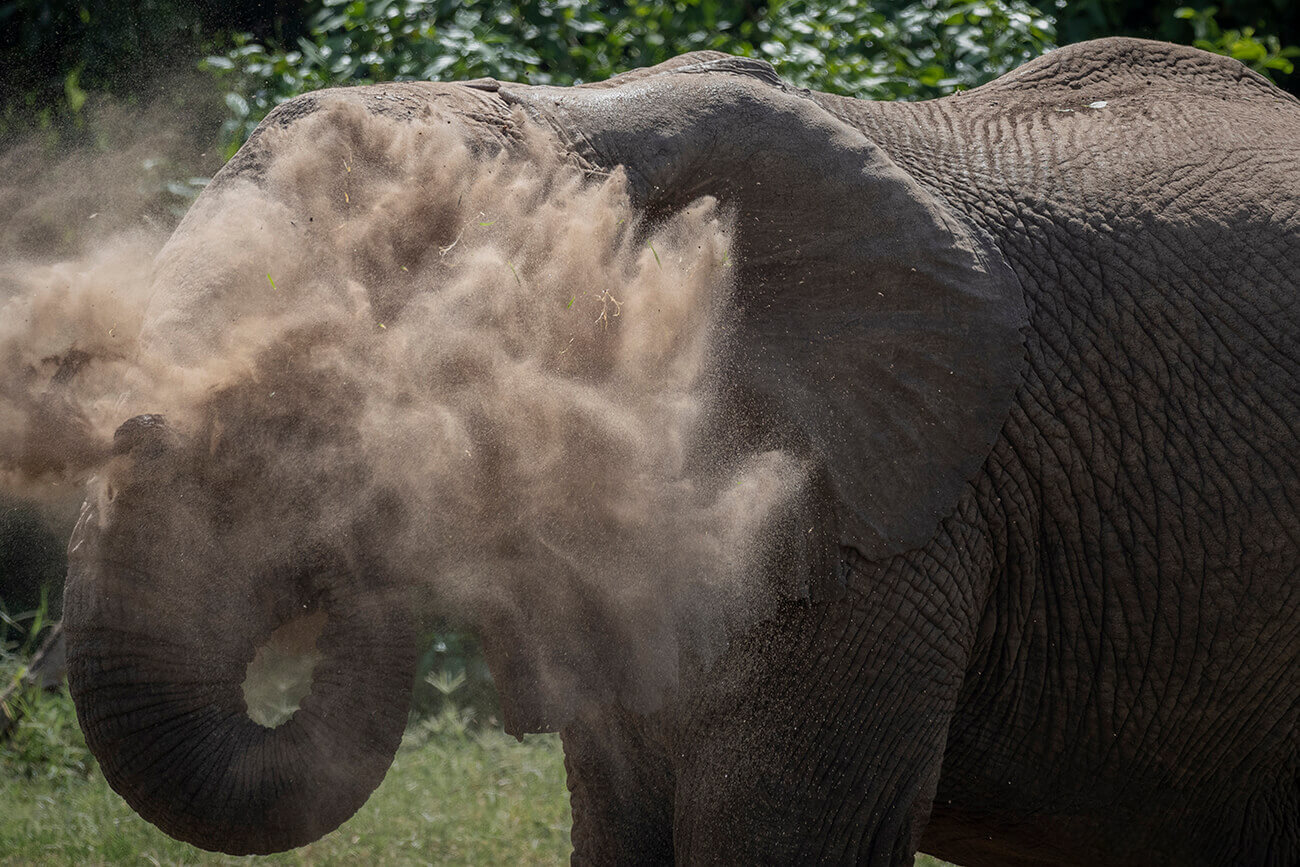
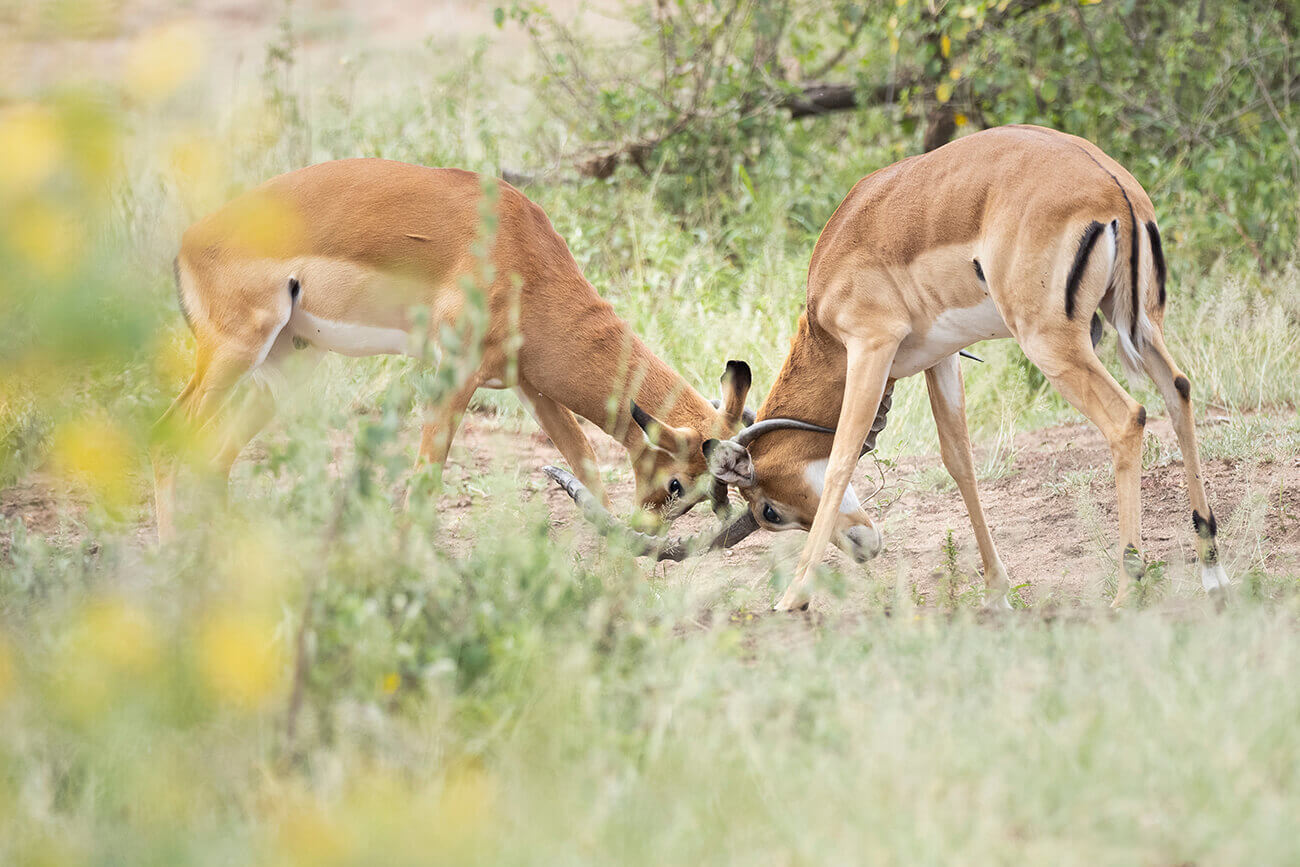
6. Customize Your Safari with a Local Tour Operator
Before officially booking your safari, it’s common to exchange several emails with the local operator in Tanzania. You can ask all kinds of questions or express any concerns, which are always addressed with kindness and professionalism.
During this email exchange, it’s also possible to customize the itinerary or the accommodations. One highly recommended tip is to always choose lodges or camps located inside the national parks, so you can make the most of the best times for wildlife viewing—sunrise and sunset.
This stage of planning is also the right time to mention any special requirements, such as dietary restrictions or other personal needs.
7. Make the Reservation Payment
Once everything is clear, it’s time to confirm your safari in Tanzania with a local operator by making a deposit. Typically, they will request a payment of 20% to 30% of the total cost of the safari.
This deposit usually needs to be paid in US dollars. If the local operator in Tanzania offers a card payment method, the most convenient option is to use it—ideally with a travel-friendly card like N26.
In other cases, it may be necessary to make a direct bank transfer to a Tanzanian account. For these situations, the most practical solution is to use Wise, a platform that allows you to send money internationally with very low fees.

8. Buy Flights and Travel Insurance
When organizing a safari in Tanzania with a local operator, the package usually includes all services from the moment you arrive in the country—guide, transport, park fees, meals, and more. However, it does not include international flights to Tanzania.
Therefore, once your trip is confirmed, the next essential step is to book your flights. It’s highly recommended to purchase them as early as possible, as prices are usually lower when booked in advance.
It’s also strongly advised to have a good travel insurance policy that offers medical coverage for any unforeseen events during your safari. I personally recommend Heymondo or Chapka.

9. Arrival and Start of the Safari
Finally, the time comes to begin your safari in Tanzania with a local operator. After your international flight, all local operators take care of picking up their clients at the airport and transferring them to the accommodation. It’s common to start the safari tour the following day.
Before starting the safari, it’s also necessary to pay the remaining balance. Typically, this payment must be made in cash and in US dollars, although more and more agencies are starting to accept card payments (usually with a 5% surcharge). It’s best to ask your chosen local operator in Tanzania directly about their payment options.
10. Enjoy a Fascinating Journey
Once everything is set, it’s time to relax and enjoy the magic of traveling to Tanzania. The thrill of going on safari and seeing animals in complete freedom is simply unmatched—an immersive journey deep into nature.
What makes the experience even more enriching is doing it alongside a local guide. Traveling with a local operator in Tanzania not only ensures a more authentic adventure but also helps you connect more meaningfully with the country’s landscapes, wildlife, and culture.
Tips for Booking a Safari with a Local Operator in Tanzania
Local operators in Tanzania have become accustomed to working directly with travelers, eliminating intermediaries. This makes the booking process much easier. However, if you don’t have experience organizing a safari, here are some important tips to help you book safely with a local operator in Tanzania:
- Carefully review the itinerary and accommodations. The plan the agency sends you will determine the structure of your safari, so it’s essential to verify all the proposed safari activities. If there’s anything you’d like to change, make sure to communicate it before confirming the booking.
- Check the price and what’s included. Prices for safaris with a local operator in Tanzania generally cover everything, except tips and optional activities (such as hot air balloon rides or Maasai village visits). Still, it’s wise to carefully read the list of inclusions and ask for clarification if anything is unclear.
- If you choose one of the trusted operators I recommend through this form, I can guarantee they are reliable. But if you decide to go with a different agency, make sure to thoroughly check reviews and confirm they are genuine. Personally, I only trust reviews written by users with at least three contributions and a review history. You can also ask the agency to provide their registration certificate with the Tanzania Association of Tour Operators (TATO) or the Tanzania Tourist Board (TTB).
- Ask about the cancellation policy before booking. In many cases, if you cancel more than two months in advance, the local operator will keep your deposit as credit so you can reschedule your safari in the future.
Plan Your Trip to Tanzania
🦍 Find the best trips and safaris to Tanzania with a local operator here.
✈️ The best flight deals to Tanzania here.
🏨 The best prices for accommodations in Tanzania here.
🚑 Get your travel insurance with a 7% discount here.
💳 The best card for paying (without fees) and withdrawing money abroad here.
Hola, Arnau,
Muchas gracias por tus recomendaciones. Al final contratamos con Safari Soles el viaje en julio, y ha resultado fantástico. Son muy profesionales, puntuales y amables.
Hicimos 9 días por el norte (cascadas Materuni, Tarangire, Serengeti, Ngorongoro, tribus del lago Eyasi, Mto Wambo (me encantó!)…más 6 días en Zanzíbar que cogí por libre y luego acabé contratando con ellos 4 excursiones.
Mil gracias,
Isabel