Many travellers dream of taking a 10-day Uganda safari, especially to see the majestic mountain gorillas, an experience that is very hard to match. But before you start planning the trip, one of the most common questions is whether Uganda is safe for tourists at the moment.
Before going into detail about whether it is safe to travel to Uganda and what the main dangers are, I can tell you up front that, although the situation in central Africa is somewhat turbulent, and Uganda is a country considered to have a high risk of terrorist attack, it really is safe to travel there, as long as you take precautions and stick to the main tourist areas. Trips generally take in national parks and natural areas, where security is high. Even so, it is a destination where you need to stay alert and bear in mind that, if you are very unlucky, you could end up in a difficult situation.
What does the foreign ministry say about the security situation in Uganda?
The official information you should always check about the situation in a country is the one published by your own country’s foreign ministry. In general, these pages are quite alarming, perhaps extremely so, but they are very useful for getting an idea of the political and social situation in the country, and for knowing whether it is safe to make a trip or better to postpone it.
Where there is a very high real danger at the destination, you will always see a message saying that travel is advised against under any circumstances. On the other hand, for destinations like Uganda, where the situation is delicate but it is safe to travel around the tourist areas, the message says that it is recommended to travel with extreme caution and to refrain from visiting certain areas. This generally means that if you travel through the usual areas and follow a few basic recommendations, you should not have any problem.
Going into more detail on whether it is safe to travel to Uganda, official foreign ministry travel advice usually says the following:
- Uganda is classed as a country with a high risk of indiscriminate terrorist attacks. This makes it necessary to be extra cautious and avoid visiting the highest-risk areas (I explain which they are in the next point).
- The highest-risk areas, which it is recommended to avoid, are the Karamoja sub-region, the areas near the border with the Democratic Republic of the Congo (DRC) and the border area with South Sudan. Among the tourist areas, bear in mind that Queen Elizabeth National Park in Uganda, one of the most famous and most visited in the country, is very close to the DRC border and that in 2023 there was an attack on a guide and two tourists. Most tourists continue to visit the park today, and military surveillance there has been stepped up, but it is an area where it is especially important to be vigilant.
- The rest of the country is considered a medium-risk area, and you need to be especially careful in the cities, above all in Entebbe and Kampala.
- Ebola outbreaks occur in Uganda from time to time. They are usually very localised, but before travelling it is always advisable to check for an update on your foreign ministry’s travel advice page, in the “Important notes” or “Health” section.
- Yellow fever vaccination is compulsory. Malaria is also widespread in Uganda and taking prophylaxis against this disease is generally recommended. It is recommended to visit an international travel medicine centre before travelling to Uganda.
- In general, using public transport for road travel is not recommended. It is advised to travel with reputable agencies (to keep the cost down, I recommend booking the trip with a trusted local safari operator) or, if you decide to travel on your own, with a 4×4 rental car. In any case, it is better to avoid travelling at night (lighting is very poor and there is a high chance of an animal crossing the road), to lock the car and keep the windows up when driving through urban areas (especially cities) and to drive carefully, as many roads are in poor condition.
- You also need to be well aware that since 30 May 2023 Uganda has had a very harsh law against homosexuality. Sexual acts between people of the same sex are now punishable by life imprisonment, and any promotion of or support for LGBTQ+ rights carries prison sentences. For this reason, it is advisable to avoid public displays of affection.
 |
SAFARIS BY LOCALS Travel to Uganda with the peace of mind of local expertsLocal operators know which roads, parks and routes are the best choice right now. Tell us what you would like to see and receive a free, no-obligation quote with a route built around safe, well-known areas. |
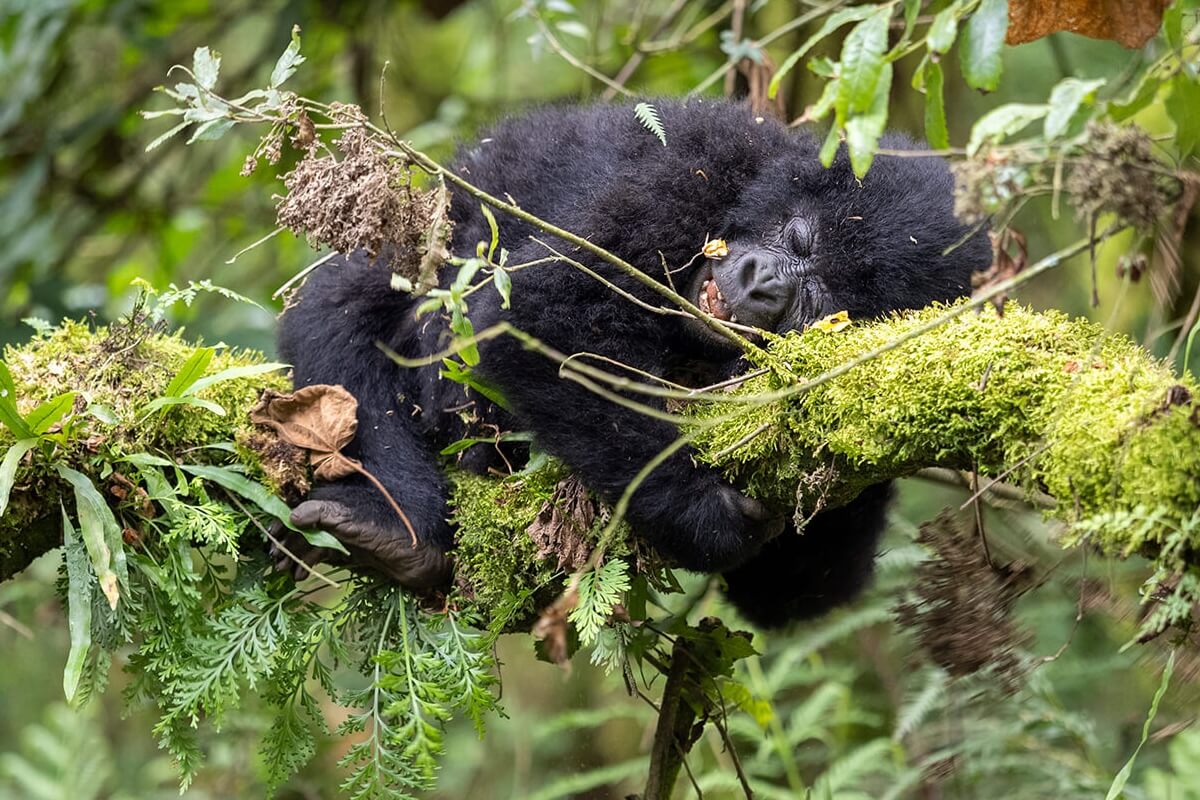
Is Uganda safe for tourists? An analysis of the main dangers
As I have already said, even though it is a politically unstable country and there are some areas with a high level of terrorism, it is safe to travel to Uganda as long as you do so with caution and visit the well-known tourist areas. So on a trip through the main national parks, there should be no serious mishaps.
Even so, and even on a standard route, these are some of the dangers you need to keep in mind:
Moving around at night
Even though Uganda is a safe country to travel in, the risks increase at night and it is advisable to stay in your accommodation.
For one thing, as I have mentioned, driving at night is not recommended: the lack of lighting and the poor condition of some roads mean the number of accidents is much higher in the hours of darkness.
For another, if you are inside a national park, bear in mind that it is harder to see animals at night, and that this is often when elephants, buffalo, hippos or even lions come close to the lodges. For this reason, after sunset the wisest thing is to always stay in your room. If you need to go out, most lodges have a night guard service: you just call reception and a guard will safely escort you to your destination.
Finally, if you are in a city, as everywhere in the world, risks and crime also increase at night. So again, the best option is to stay in your accommodation.
Crime in the cities
The capital is one of the places with the most crime, especially petty theft and robbery. So if you want to see Kampala, it is best to do so by car and accompanied by a guide.
Also, when driving through cities it is important not to leave valuables in sight and to keep the car doors locked and the windows up. Keep this in mind at the start and the end of the trip, when you will probably have to pass through Kampala.
Mosquitoes and tropical diseases
Another danger to keep in mind when travelling to Uganda is mosquitoes, as they are carriers of several diseases. Some of the diseases that mosquitoes can transmit are:
- Yellow fever. It is a very serious disease, but the good news is that vaccination against it is compulsory to enter Uganda, so you will be protected.
- Malaria. As I have already mentioned, malaria is endemic in practically the whole of Uganda. There is still no vaccine for this disease, so the usual recommendation is to take malaria prophylaxis tablets during the trip. However, the recommendation may vary depending on the length and type of trip, and each person’s medical history. That is why the most important thing is to visit an international travel medicine centre a couple of months before the trip, so you receive all the right advice from a medical professional in this field. The mosquito that transmits malaria is usually active from dusk until sunrise. That is why it is especially important to sleep under a mosquito net.
- Dengue, Zika and Chikungunya. These tropical diseases are also present in Uganda, although less prevalent than malaria. Bear in mind that the mosquito that transmits them is a different one, and it is usually active during the day.
To prevent these diseases the most important thing is to avoid mosquito bites, and that is why I recommend:
- Wearing long-sleeved clothing.
- Wearing light-coloured clothing.
- Applying mosquito repellent spray to any exposed skin. For adults, a DEET concentration of at least 30% is recommended.
- Sleeping under a mosquito net.
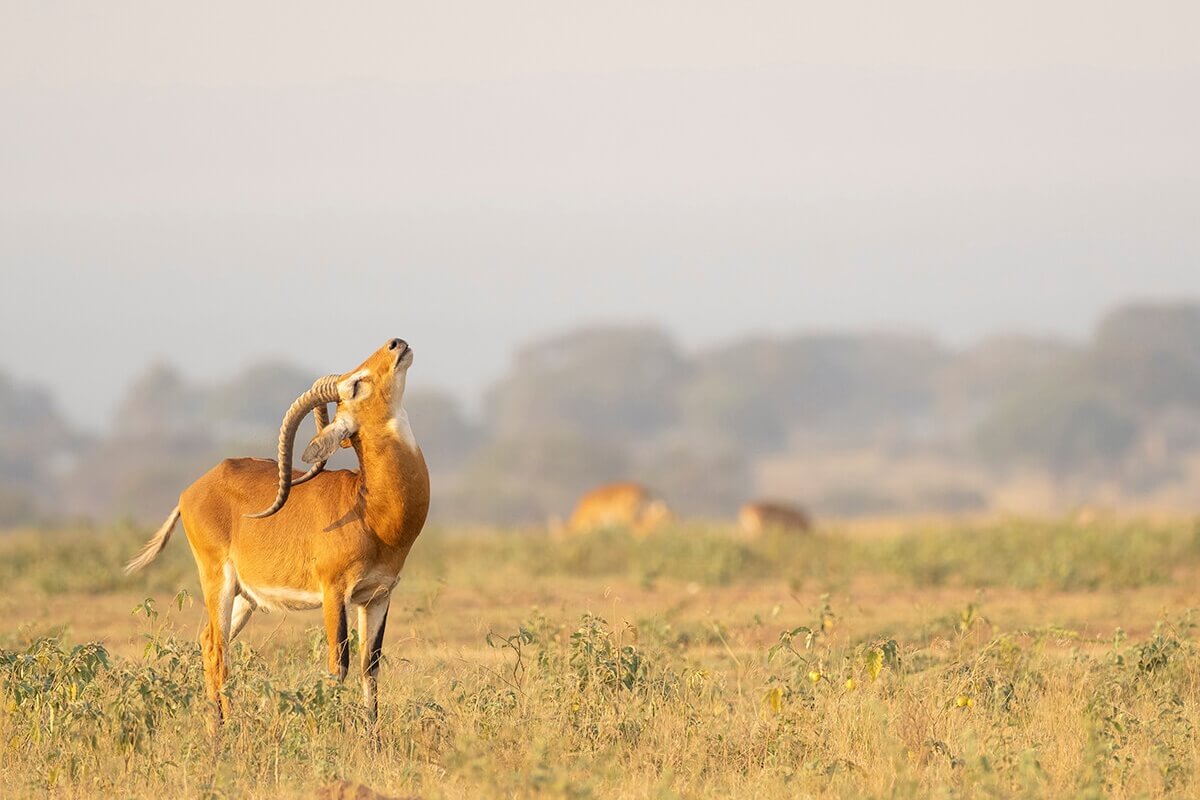
Risks in rivers and lakes: it is better not to swim
Another aspect to cover when talking about whether Uganda is safe for tourists is the danger of swimming in the country’s lakes or rivers. This is because some of Uganda’s fresh water (rivers and lakes) is contaminated, and swimming can lead to bilharzia or schistosomiasis, two serious parasitic diseases.
So even if you see people swimming or are told that somewhere is safe, it is better not to take the risk. Only swimming pools are safe, as long as they are properly maintained and treated with chlorine.
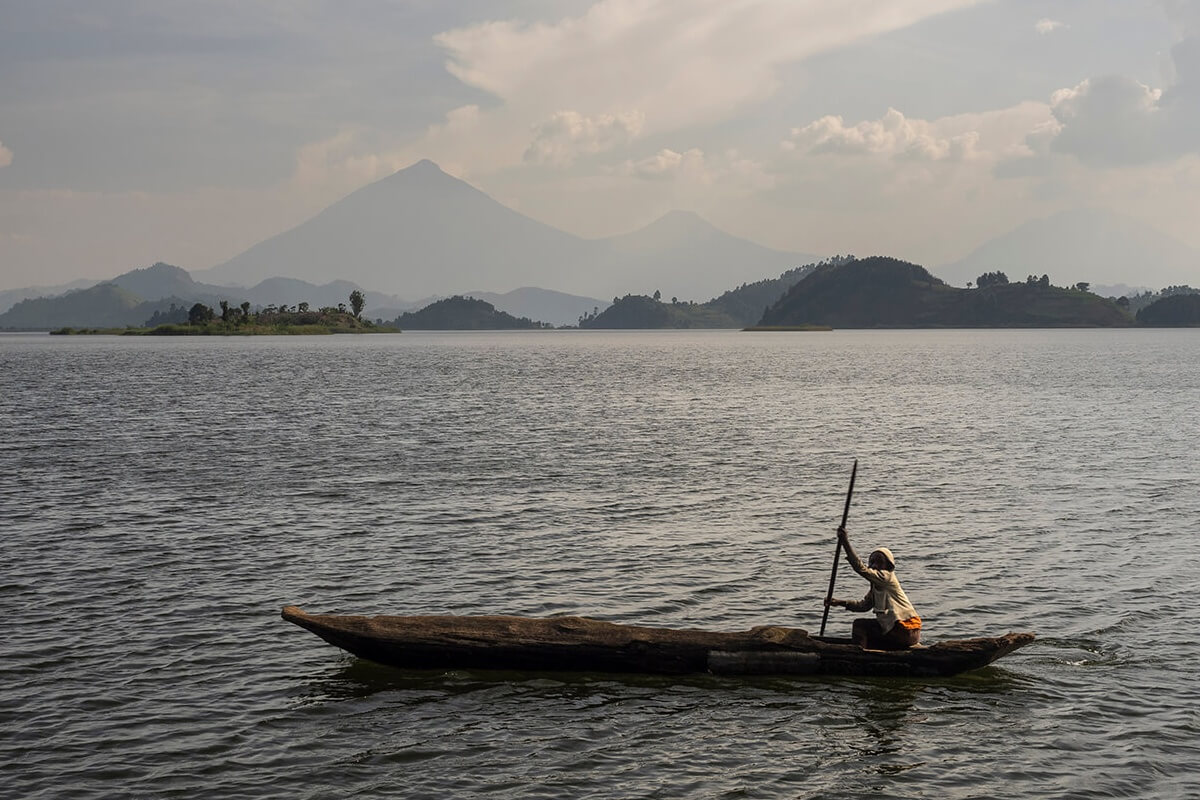
Stomach problems from water and food
Probably the most common problem travellers encounter when visiting Uganda is food poisoning and gastroenteritis, often caused by drinking non-bottled water, eating raw food or eating something that was off.
To avoid stomach problems, which can end up seriously affecting your route, I recommend:
- Drinking only bottled water or water that has been boiled for about five minutes. Bear in mind that at many lodges you will be offered a juice on arrival, and that they often add water to it, so before drinking it I recommend asking whether it contains water and whether that water is mineral water.
- Not drinking soft drinks, water or coffee with ice, unless you can check that it is made with mineral water.
- Avoiding raw vegetables and unpeeled fruit. For fruit you can peel, it is best to do it yourself just before eating it.
Scams (agencies or guides)
When wondering whether it is safe to travel to Uganda, you also need to consider the trip preparations, and the risk of booking your route with an unreliable agency or guide and ending up being scammed. I have read of more than one case of travellers who booked their trip with a local guide or agency and lost their booking money because they stopped replying, or who found on arrival that the hotels were completely different from the ones they had booked.
I am always in favour of booking safaris with a local operator, but it is important to choose trusted local operators that already have experience and operate in compliance with all of the country’s legislation. If you want to contact trusted Uganda tour operators, you can do so directly through this quote form.
|
PLAN YOUR NEXT ADVENTURE Worried about scams? Talk to verified local operatorsSend one request and compare proposals from local operators, with direct prices and no middlemen. No obligation, and you can ask all your safety questions before booking. |
Poor road conditions
Another consideration regarding the safety of travelling in Uganda has to do with road travel and the condition of the roads. Although some routes have improved a lot in recent years, there are still stretches that are unpaved or have badly deteriorated asphalt. This makes it important to drive carefully, and always during the day.
Also, even if some days you have long drives (around six or seven hours), I recommend always wearing your seat belt.
If you do your Uganda route with a local operator you will not have to worry much. Guides know the best routes to get from one point to another and have a lot of experience driving in the country. However, in some cases that experience, or overconfidence, can also make them drive faster than they should. If you do not feel comfortable, always tell your guide so that they slow down.
If you travel independently in a rental car, a basic point to keep in mind is that in Uganda Google Maps is not always reliable and does not always show the best routes. So I recommend carrying a road map of the country and always asking at your accommodation which is the best route to the place you want to reach that day.
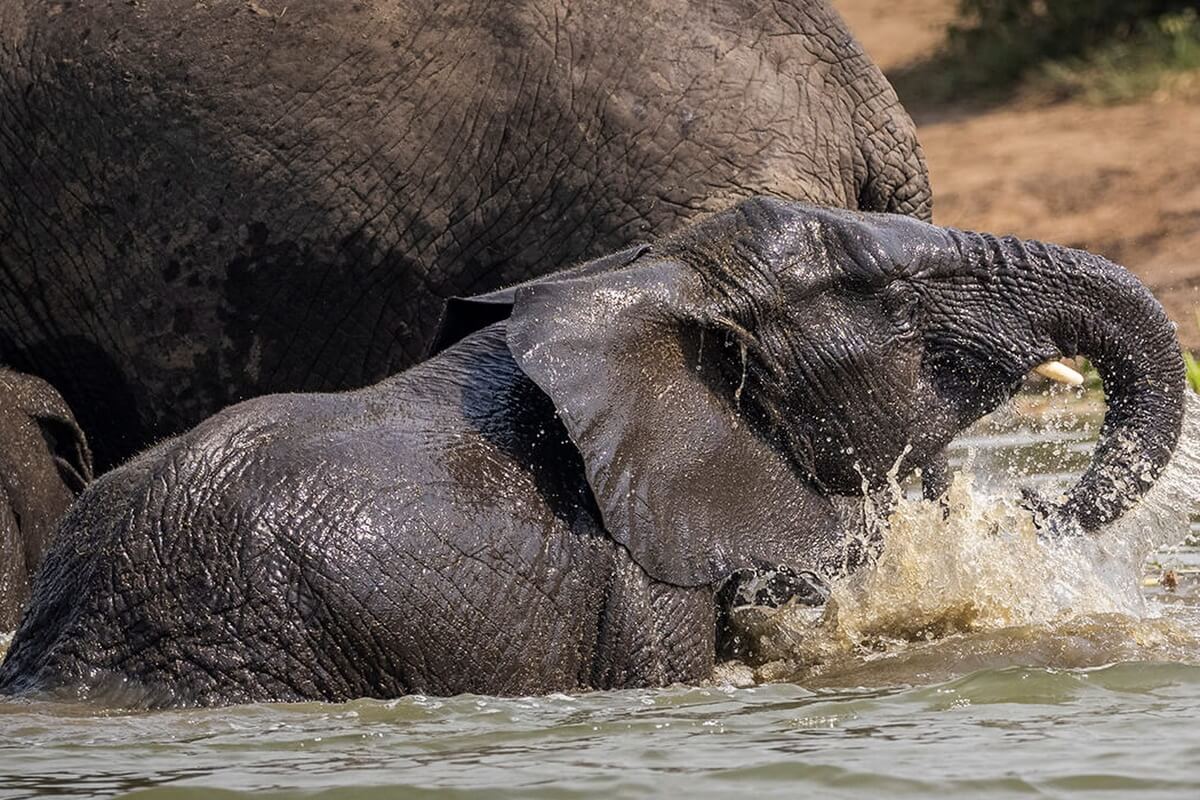
Is it safer to travel to Uganda with an agency or independently?
In general, travelling to Uganda is safe both with an agency and independently. Personally, I think that doing it with an agency and a local guide adds an extra level of safety: a person from the country, with experience of routes and travel, knows much better which situations can be dangerous. Also, organising safaris in the national parks on your own can be complicated; without knowledge of the terrain it is easy to get lost or stuck on muddy stretches. With a guide, these inconveniences practically disappear.
That said, travelling independently is also a viable option, as long as you plan well. It is important to choose your accommodation carefully and find out which areas of the national parks are best to visit. It is also advisable to have basic knowledge of mechanics, especially knowing how to change a tyre, as it is common to get a puncture during the trip.
Tips for travelling safely in Uganda
Throughout the post I have pointed out what for me are the main recommendations to keep in mind to travel safely in Uganda.
But I would like to take the opportunity to add three more points that I consider essential:
1. Take out travel insurance, a basic step for travelling safely in Uganda
Before any international trip, it is essential to take out travel insurance, especially for possible health problems. Medical insurance will guarantee you access to the best private hospitals in the country, with the associated costs covered (depending on the policy you take out, the amount covered may vary). In serious cases, it also includes repatriation costs.
A travel insurance policy does not only cover medical costs, it also gives you cover for flight delays or cancellations, lost luggage or any other logistical problem that may arise during your trip.
2. Register your trip with your country’s foreign ministry
Since the situation in Uganda is not very stable, before going to this country I strongly recommend registering your trip (with your full names and route details) with your country’s foreign ministry or embassy, if it offers a traveller registration service. That way, if you have any problem or an emergency response has to be activated, it will be much easier to locate you.
3. How to go on safaris and primate treks safely
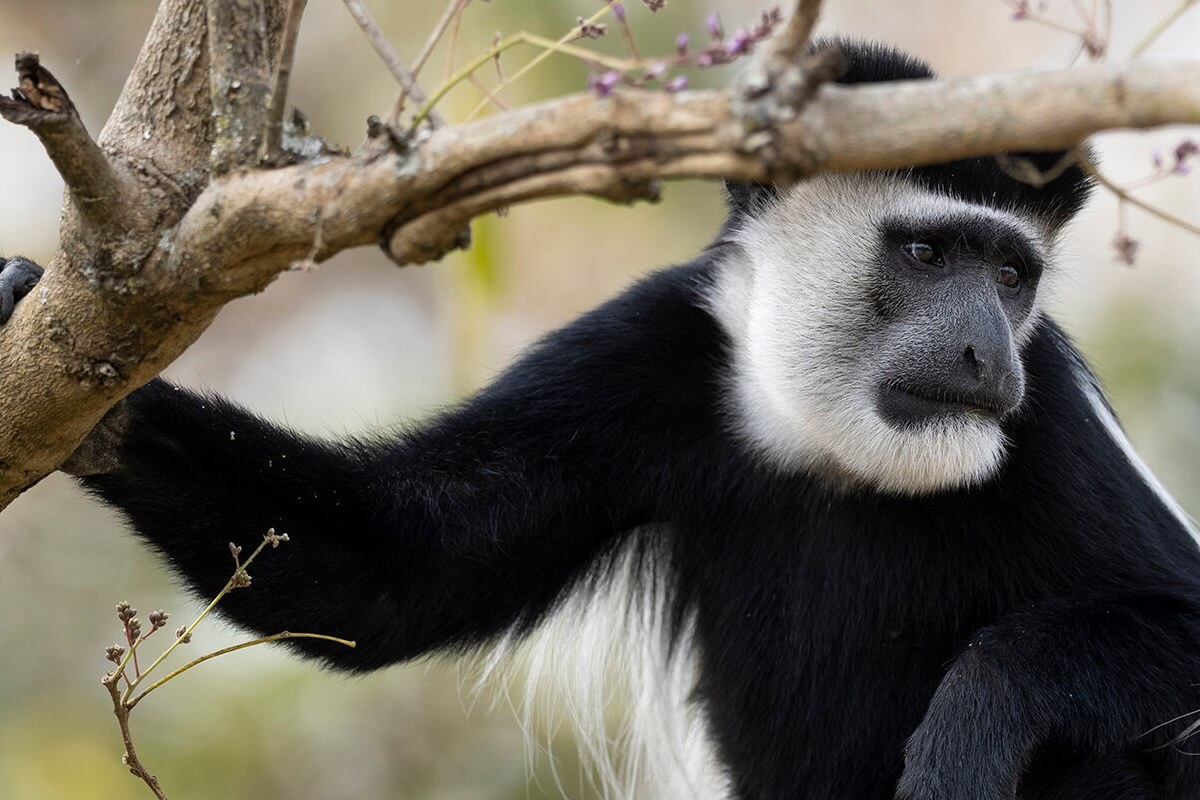
Uganda’s big attraction is its nature, especially its wildlife. That is why it is most common to spend most of the days on safaris, boat trips or primate treks. During these activities you need to remember that you are watching wild animals, and that some of them can be dangerous. So you should always follow a few basic guidelines:
- During safaris, never get out of the vehicle, except in the areas designated for it.
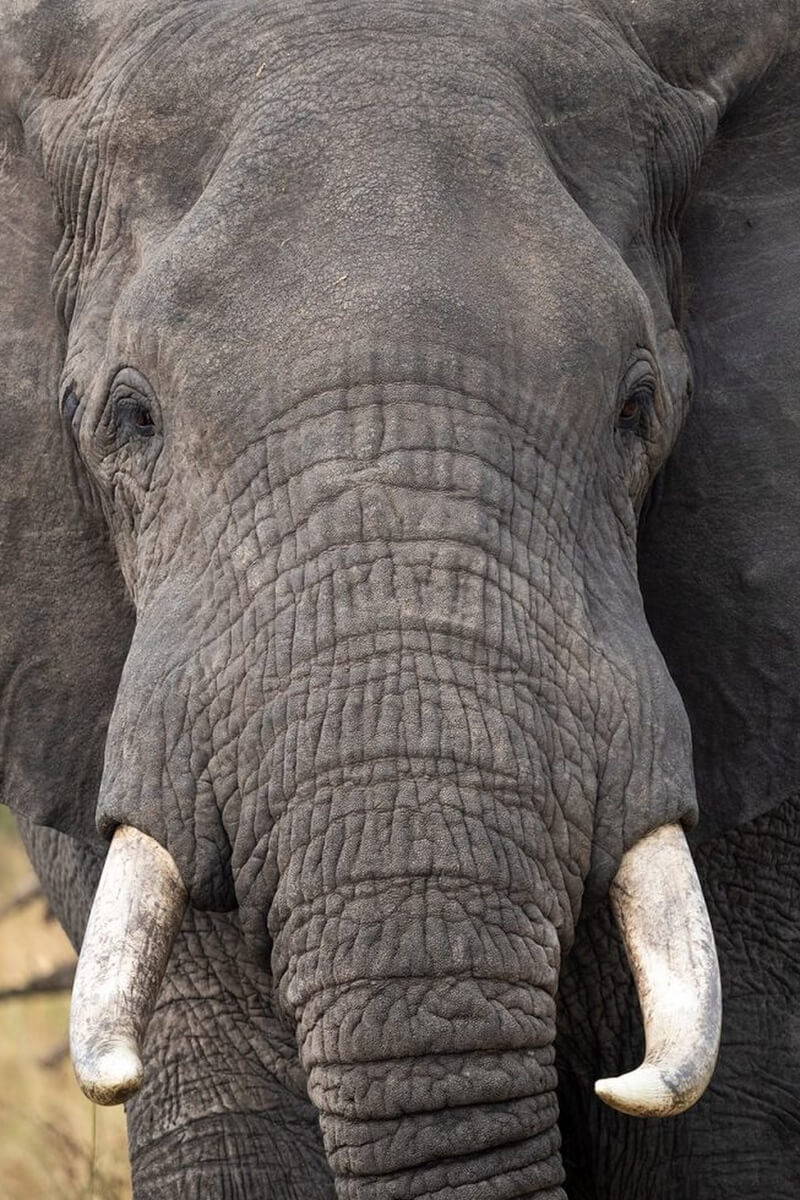
- If an elephant passes close to the vehicle (it is preferable that this does not happen, and you should always keep a minimum distance of about 20 metres from them), stay quiet. Elephants are very sensitive to noise.
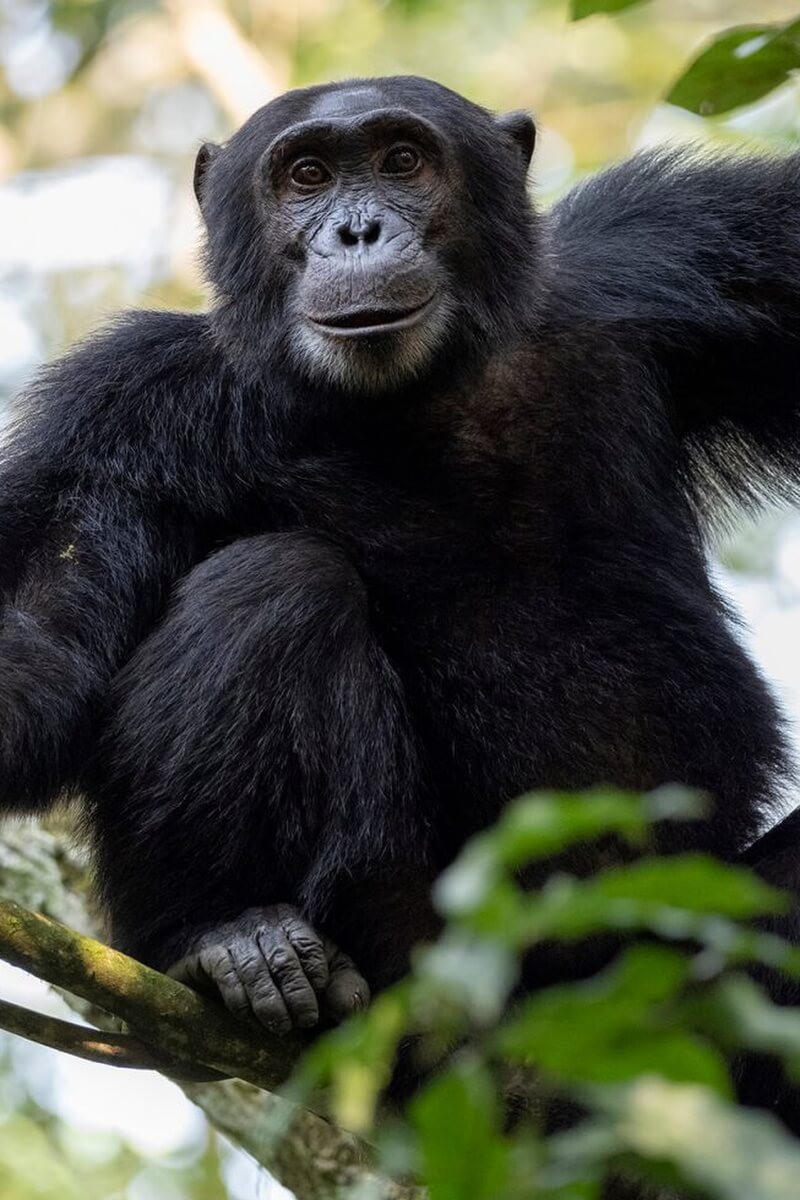
- Before the gorilla or chimpanzee treks, the ranger accompanying you will remind you of all the safety rules. But it is especially important not to imitate their sounds, to keep your distance (if a chimpanzee or gorilla gets very close to you, stay calm and follow the ranger’s instructions), not to look them in the eyes and not to smile (showing your teeth may be interpreted as a threat).
- Do not feed the animals or leave food in the vehicle (monkeys easily sneak into cars to steal food).
- On 4×4 safaris, respect the maximum speed of 30 km/h.
Is Uganda safe for tourists? My experience
On my 10-day Uganda safari with a local operator, I did a ten-day route through the country’s main national parks. It was a private safari, on my own, and I felt completely safe the whole time. We made all our journeys during the day and, travelling with the guide, I never felt unsafe. One day we stopped for lunch at a local restaurant in Fort Portal, where the atmosphere was also calm and pleasant; I had the rest of my meals at the lodges.
The only slightly uncomfortable moment was on the drive back from Lake Bunyonyi to Kampala. At a point on the road with local fruit and vegetable sellers, my guide wanted to buy potatoes to take home. Suddenly, a large group of people surrounded the vehicle, each trying to sell their produce and even putting their hands inside the car. Although it was an uncomfortable situation for me, at no point did I perceive it as dangerous; it is simply part of their way of selling, which is very direct and insistent.
Towards the end of the trip I also had a stomach upset. But nothing serious.
I finished the trip at a hotel I had booked myself in Entebbe. As my flight was not until the following day, I arranged the airport transfer through the hotel. That journey also went very well, with a very friendly driver with whom I was able to chat about my experience in Uganda.
So, as I have been repeating, I believe that Uganda is safe for tourists. It is only important, as I have said, to visit only the well-known, popular areas and follow all the recommendations you can find throughout this post.
|
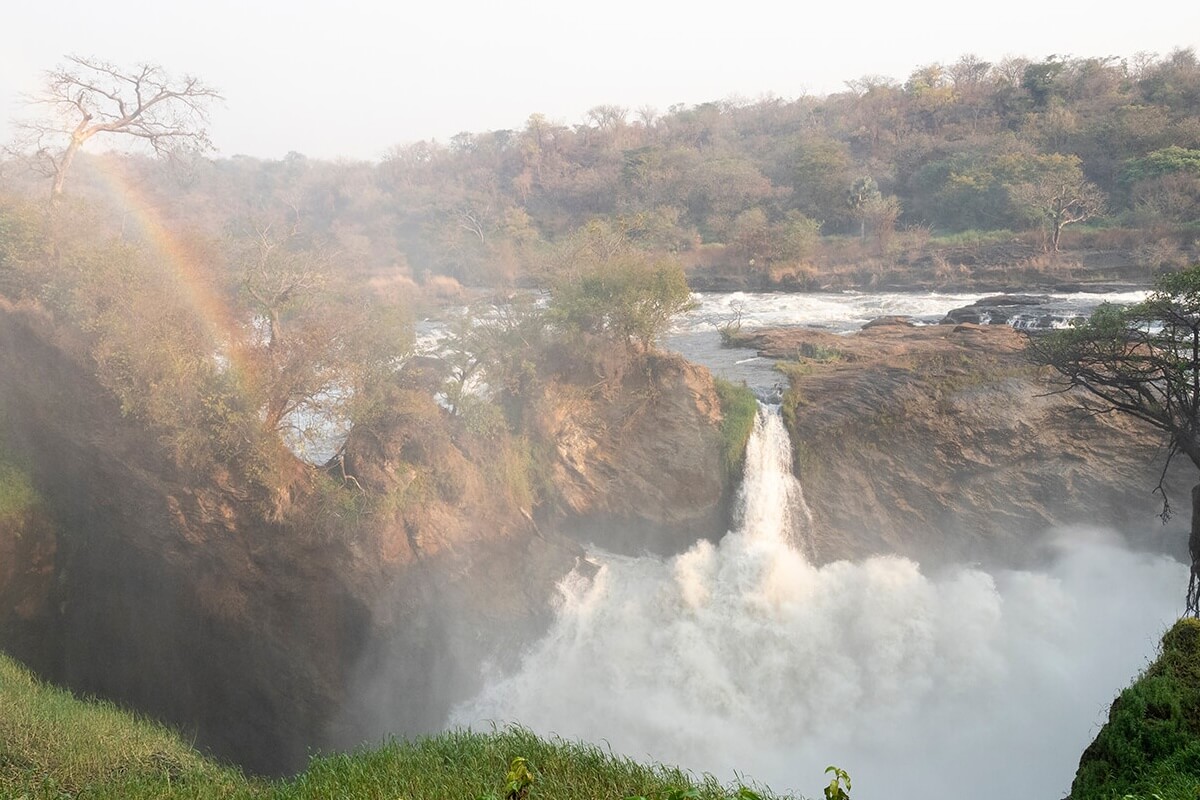
YOUR NEXT ADVENTURE AWAITS Ready to plan your trip to Uganda?Tell us your dates and what you would like to see, from gorillas to Murchison Falls, and local operators will adapt the route to you. Free, no-obligation quotes with direct prices. |