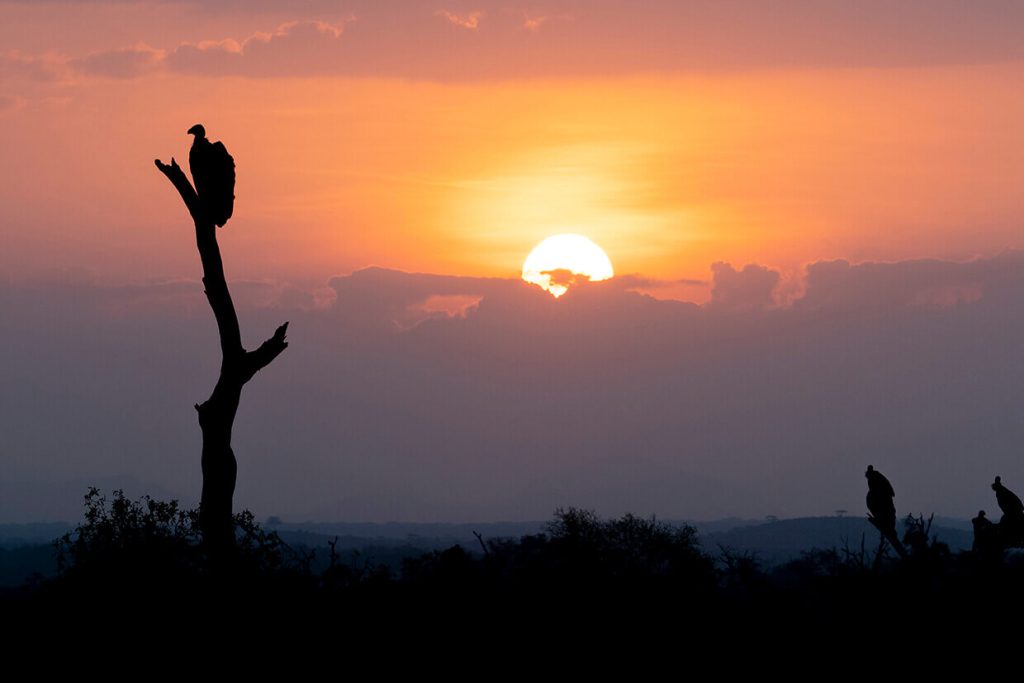
A Kenya itinerary 10 days long is the ideal length to see the best of the country and enjoy plenty of game drives in Kenya’s most outstanding national parks. It is true that five or six days is also enough for an interesting Kenya safari, but you would normally be limited to the Masai Mara and Lake Nakuru. With 10 days in Kenya, on the other hand, you can visit several different areas of the country and admire the variety of landscapes and ecosystems where African wildlife lives.
Although spending 10 days in Kenya allows you to do a fairly complete route, it is still not enough to visit all of the country’s national parks. So when planning your route you have to make some choices and leave out some conservation areas, even though they are all worth it. In my opinion, it is better to visit fewer national parks or reserves so that you can spend more time on game drives in each one, and fewer hours of the trip travelling between them.
I know that designing a route through Kenya is never easy. That is why I am suggesting three different 10-day Kenya safari itineraries. All of them are very interesting, with slight variations.
Kenya itinerary 10 days: my favourite route
If you have read my post about my independent trip to Kenya, you will have seen the itinerary I followed over eleven days. I really liked that route, above all because I am a keen wildlife photographer (felines are my great passion), and I prioritised visiting fewer reserves so I could spend more time on game drives and have more chances of seeing unique scenes. The Masai Mara in particular gave me unforgettable moments.
But I also know that some people look for more variety of landscapes and parks on a safari. If your goal is to take photographs and you are patient, I would recommend doing the same route I did, and if you only have 10 days, cutting out one day to gain an extra day in the Masai Mara. If you have a few more days, I would add a visit to Amboseli National Park without hesitation.
If, on the other hand, you are looking for a 10-day trip to Kenya with a bit more variety, then I recommend the route below. I put it together from my own experience, together with the opinions of the guides and trip planners at the trusted local agencies I recommend.
Day 1: Leaving Nairobi for Ol Pejeta
Assuming you arrive in Nairobi on the night before the safari starts, the best plan is to set off early in the morning. On the first day of a safari you always have to drive for a few hours to get away from the city and reach the reserves and national parks of Kenya, where the wildest landscapes in the country are found.
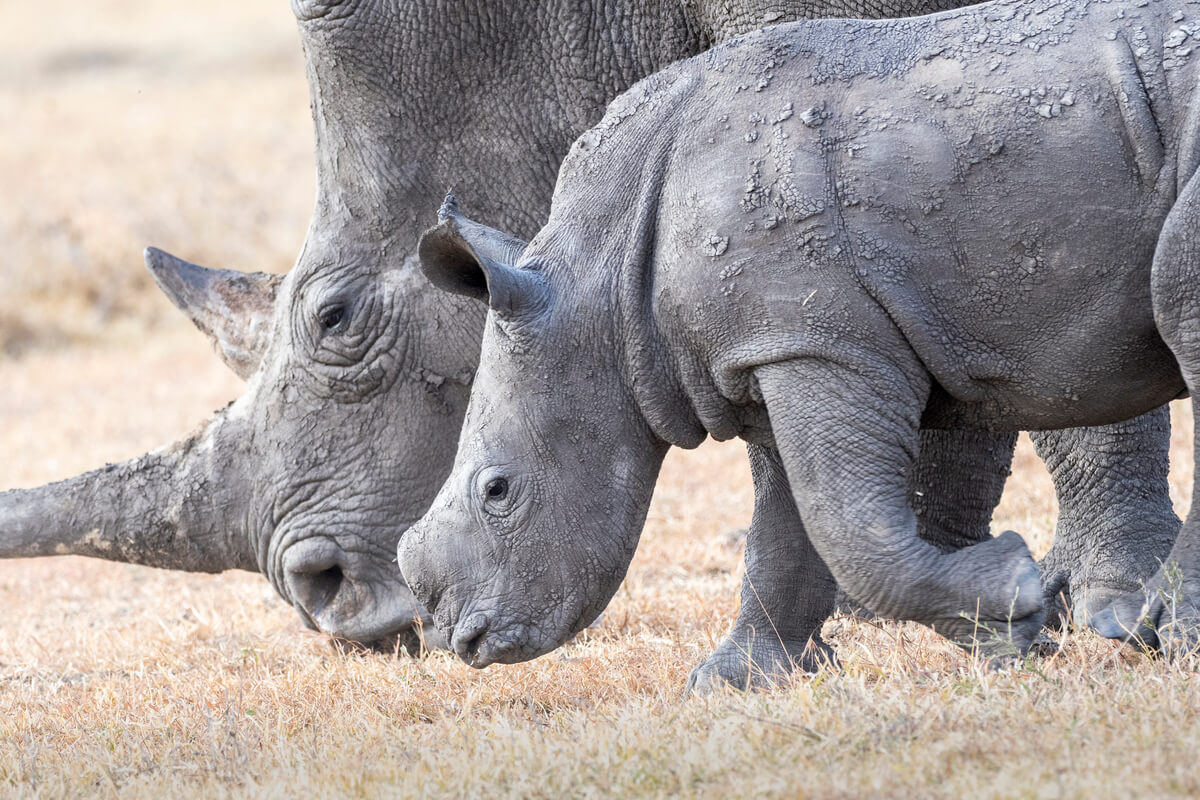
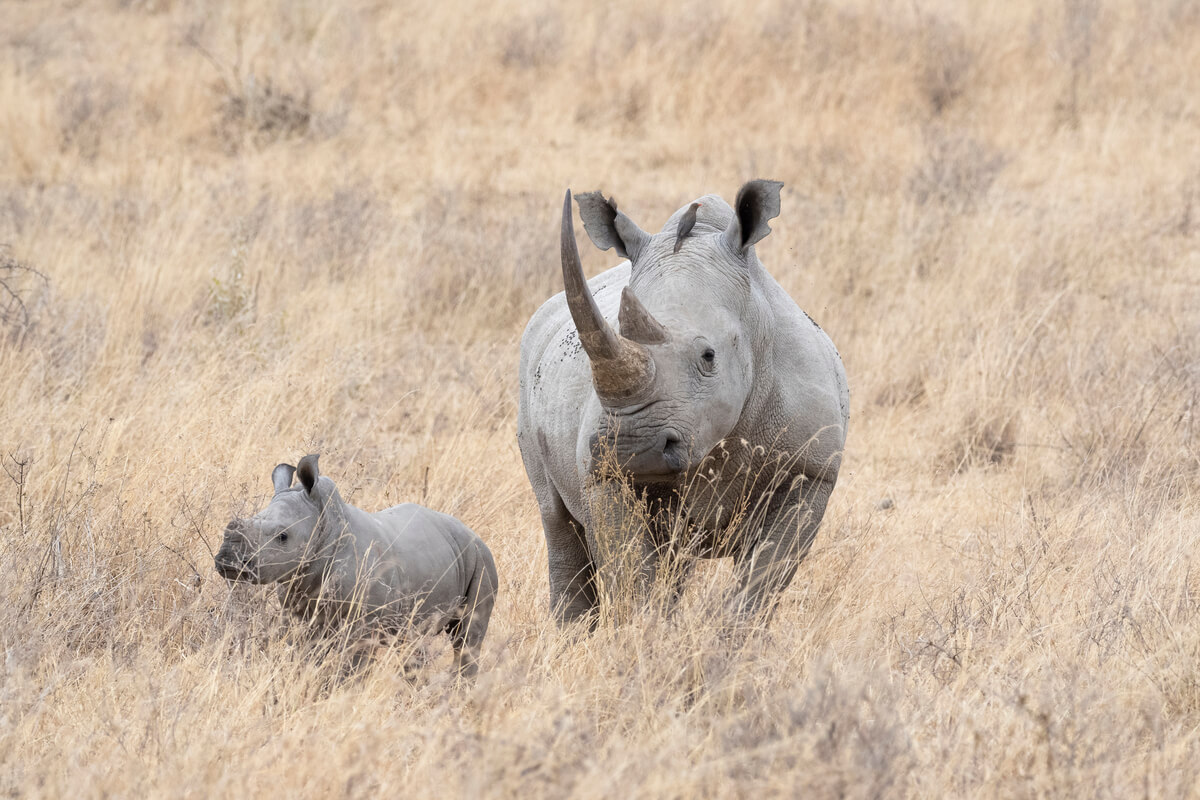
On this 10-day Kenya itinerary, the route heads first towards the northern half of the country, a drier, more arid area. The first stop I suggest is the Ol Pejeta Conservancy. This non-profit reserve, home to one of the most important conservation projects in Africa, is one of the best places on the continent to see rhinos in the wild. White rhinos and black rhinos are both regularly seen. In addition, lion sightings are becoming more and more frequent, and you can also see elephants, giraffes, buffalo, zebras…
Leaving Nairobi in the morning, you would reach the entrance of the Ol Pejeta reserve around midday. As it is a very hot time of day, it is best to go straight to your accommodation (preferably inside the reserve) to have lunch and rest a little.
After lunch, the first game drive of the trip begins. White rhinos are usually easy enough to see, but you need more luck and patience to spot a black rhino (they are much shyer and tend to live in areas with denser vegetation). By the way, the two rhino species are practically the same colour, and the name comes from a mistaken interpretation of the English word wide, which referred to the fact that white rhinos have a wider mouth.
The game drive can last until sunset, when you must return to your accommodation, as moving around the reserve at night is not permitted. The last hour of daylight is the best time to see lions, cheetahs or leopards.
What wildlife can you see at Ol Pejeta Conservancy?
As I mentioned, white and black rhinos are among the great stars when you visit Ol Pejeta Conservancy. Elephants, giraffes, zebras and buffalo are also commonly seen.
As for predators, hyenas and lions are the ones seen most often, though only occasionally. Leopards and cheetahs are sometimes seen too, but Ol Pejeta is not the best place to see these cats.
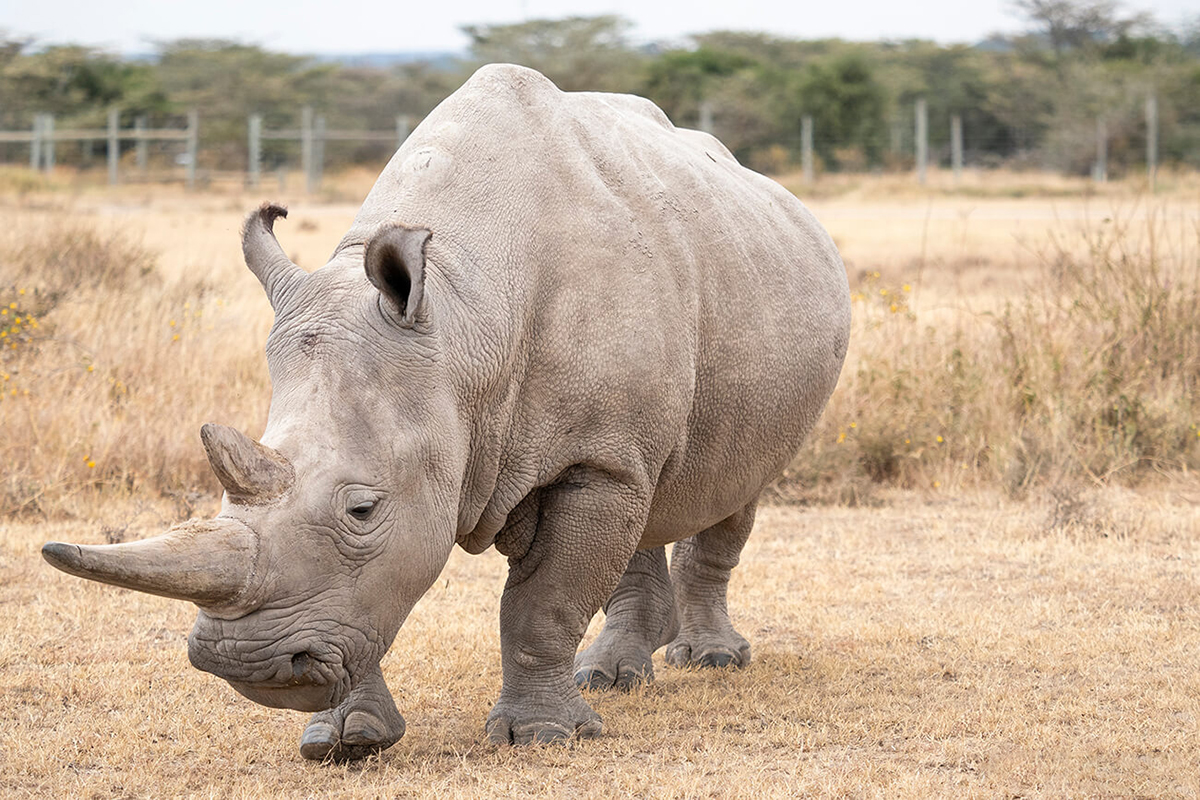
This reserve is also the only place on the planet where you can see the last two northern white rhinos. They live in semi-freedom, protected twenty-four hours a day. To see them up close you need to book a specific activity that allows you to go on a game drive inside the enclosure where they live. This activity costs an extra 70 USD per person, and takes place at 8:30–9:30, 11:00–12:00, 15:00–16:00 or 15:30–16:30.
A group of rescued chimpanzees also lives at Ol Pejeta. You can visit the sanctuary where they live free of charge.
Useful information for visiting Ol Pejeta
- Entrance fee: The current entrance fee for foreign adults is 110 USD, valid for 24 hours. Within the 24-hour period you cannot leave the reserve and re-enter with the same ticket. That is why it is much better to stay inside the reserve.
- Best time to visit the reserve: You can go on safari all year round, but the experience is more comfortable and recommendable during the dry season months (June to September and January to February). Between October and November and from March to May there can be heavy rains.
Where to stay at Ol Pejeta
Inside the Ol Pejeta reserve, the most recommendable places to stay are:
- The Stables: This accommodation is run by the Ol Pejeta Conservancy itself and is the cheapest option. The rooms are simple, but have all the necessary comforts.
- Sweetwaters Serena Camp. A mid-range to upper-range accommodation located inside the conservation area. It offers comfort and elegance, but its greatest asset is its location: right in front of the lodge there is a waterhole that animals visit frequently during the night and at dawn.
Day 2: Morning game drive at Ol Pejeta and transfer to Samburu
On this 10-day Kenya itinerary, you will have to get used to rising early so that your game drives start a few minutes before sunrise. It is always one of the best times to see animals and the light is usually spectacular for photographing them. In addition, at Ol Pejeta you can enjoy a beautiful view of Mount Kenya.
On this day, you can choose to spend the whole morning on a game drive, or take the opportunity to do the activity to get closer to the last two northern white rhinos.
Around eleven or twelve in the morning it is time to leave Ol Pejeta and head for the next stop: Samburu National Reserve. The drive takes about 3 hours.
It gets very hot in Samburu at midday, so when you arrive I recommend going to your accommodation to have lunch and rest for a while (naps are ideal for recovering your strength after the intense safari mornings).
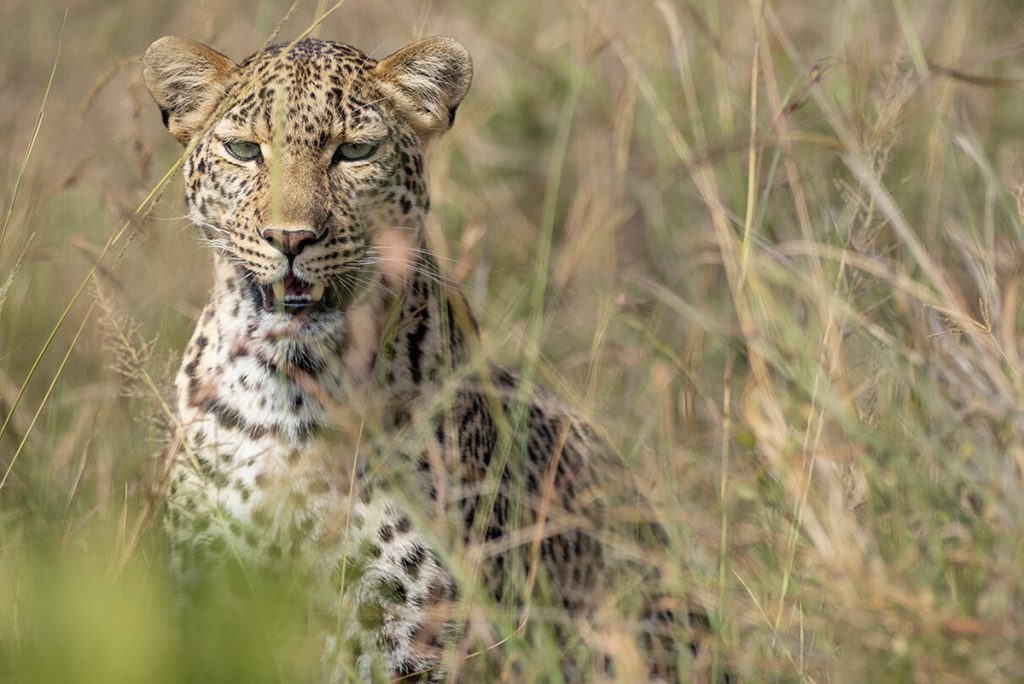
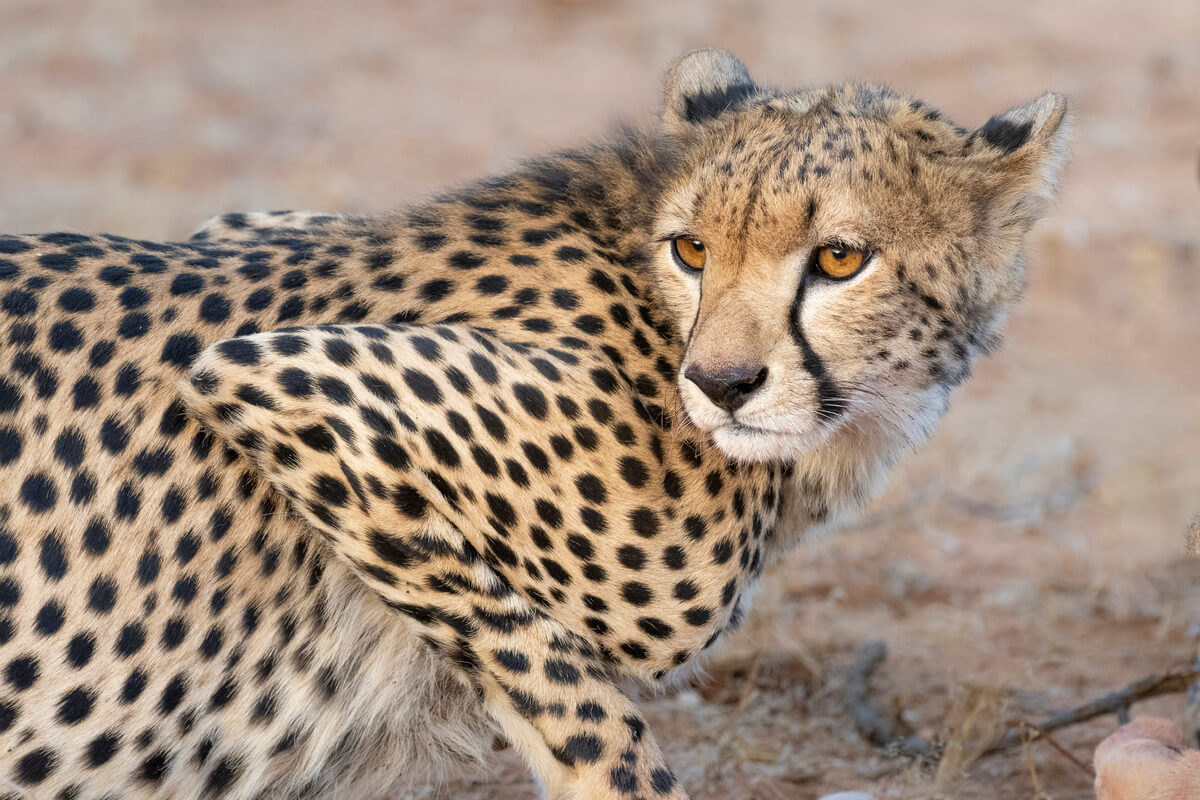
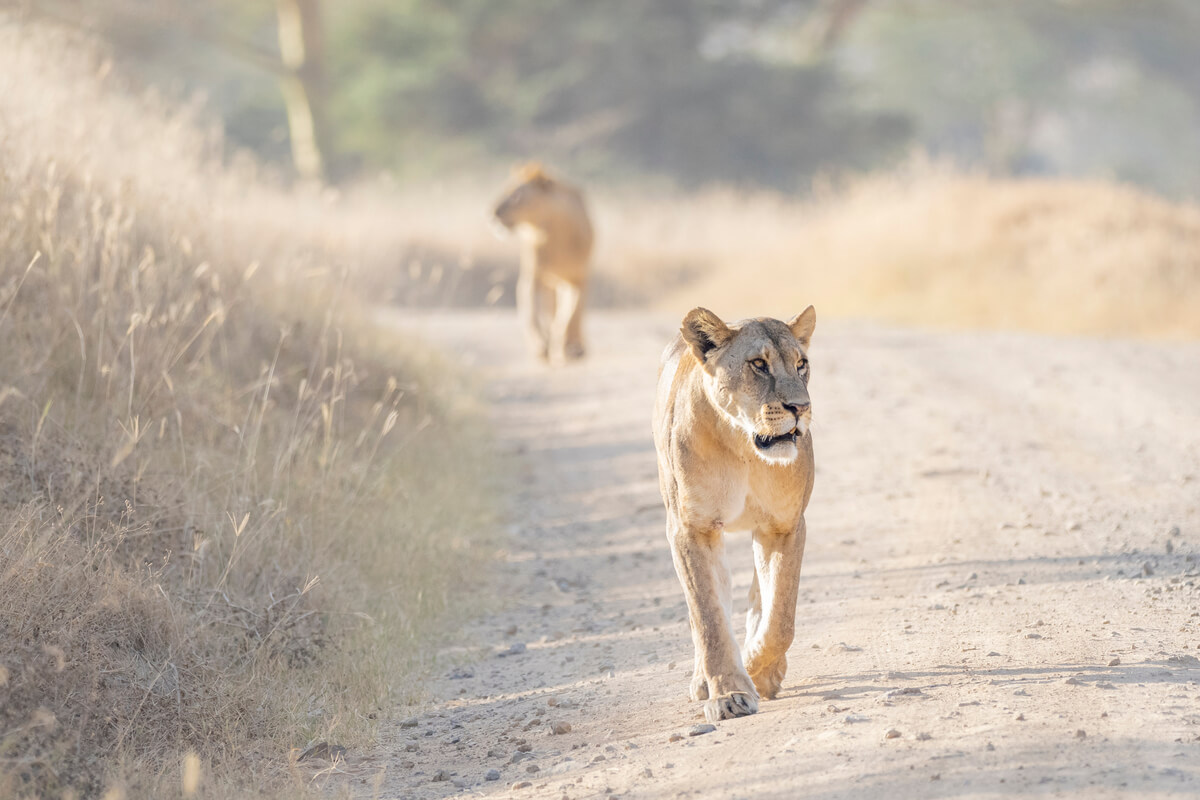
About three or four hours before sunset, it is time to get back into the vehicle and go in search of wildlife. Samburu is the land of the leopard. Although it is never easy to see these elusive cats, the odds are fairly high in this reserve. If you don’t see them, the game drive will still be fascinating, and you may be lucky enough to photograph a cheetah or a lion.
|
PLAN YOUR NEXT ADVENTURE Get a free quote for your Kenya trip from the trusted local agencies I work withIf you would rather organise your Kenya trip with trusted local agencies, I can help you get in touch with the best options. Just fill in this form and, depending on the type of safari you are looking for, I will put you in contact with the most suitable agencies. I will also be available to answer any questions you have throughout the planning process. |
What wildlife can you see in Samburu?
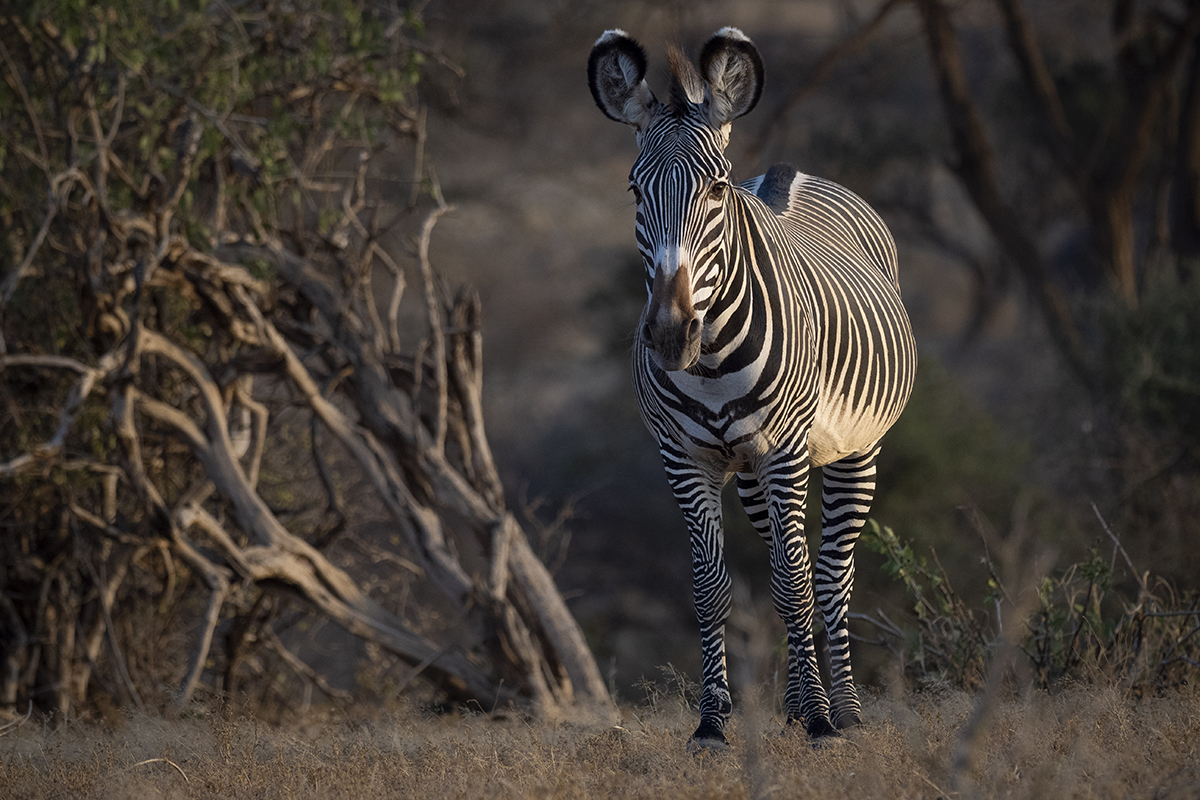
The semi-arid climate of Samburu National Reserve makes it possible to see species that are very uncommon (or impossible to see) in other parts of Kenya. For this reason, on Samburu game drives people often talk about the Special Five: the reticulated giraffe, the Grevy’s zebra, the gerenuk (giraffe antelope), the oryx and the Somali ostrich.
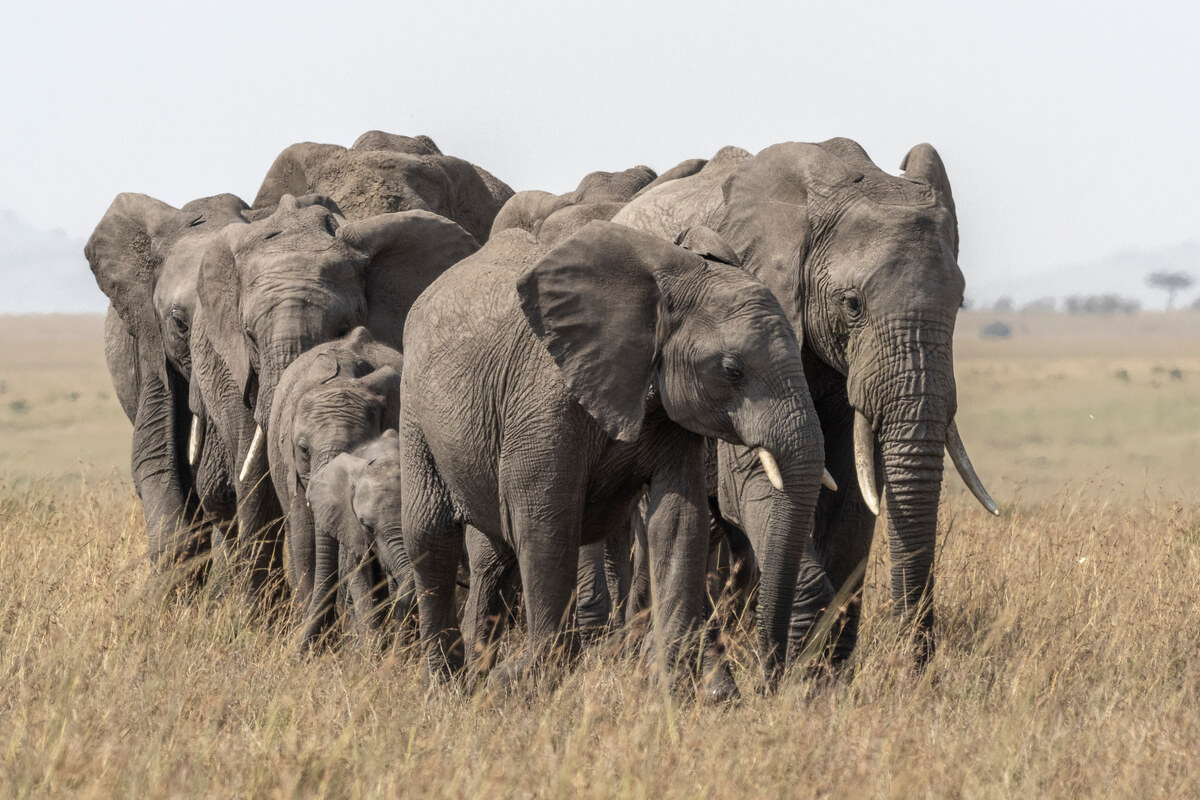
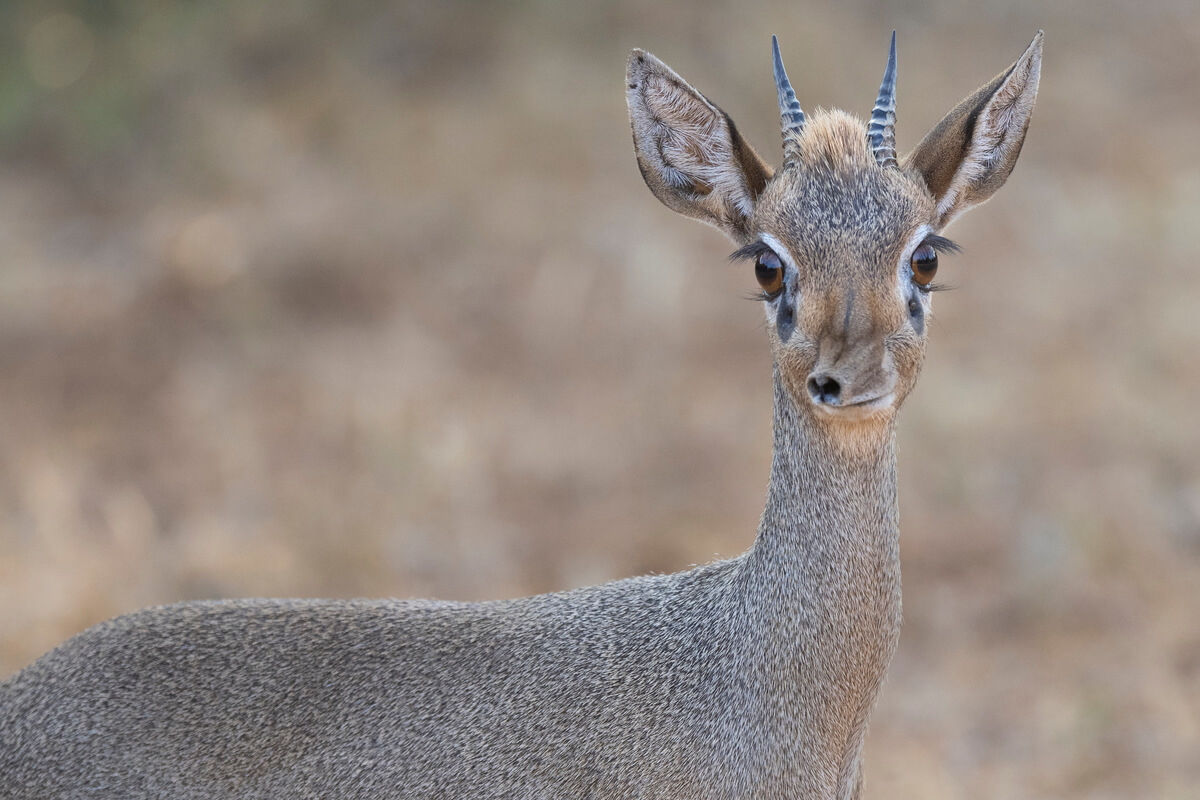
Samburu is also known for its many elephants, which can often be seen following the course of the Ewaso Ng’iro River. When they dig in the sand for water, they create small pools that other herbivores, such as impalas, Thomson’s gazelles or the tiny dik-diks, later make use of.
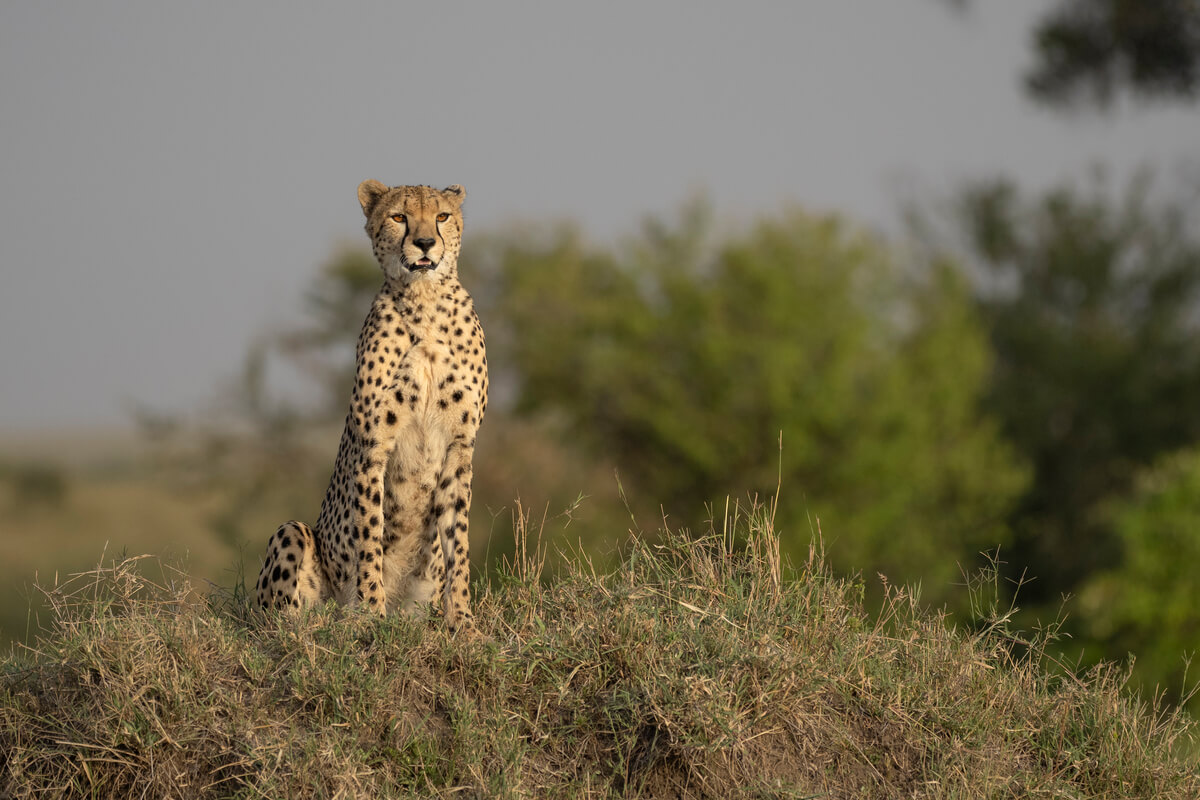
As for predators, the reserve is home to the three great African cats: lions, cheetahs and leopards. The latter, despite being hard to find, show themselves with surprising frequency, and Samburu is in fact considered one of the best areas in Kenya to see them. Lions are seen occasionally, while cheetahs are scarcer. From time to time there are also sightings of African wild dogs.
Finally, Samburu is a true paradise for bird lovers: more than 390 species have been recorded. Among the most notable are the vulturine guineafowl, the Somali bee-eater, the golden-breasted starling and the majestic martial eagle.
Practical information
- Entrance fee: For non-resident adults the entrance fee is 90 USD, valid for 24 hours.
- Best time to visit the park: Samburu National Reserve can be visited all year round, and game drives are always productive. However, the dry season months (June to September and January to February) are generally considered somewhat better.
Where to stay in Samburu
In Samburu I strongly recommend staying inside the reserve, given that there are options that are not excessively expensive and that put you much better placed to make the most of your game drives from the first to the last light of the day.
The options I recommend are:
- Samburu Riverside Camp. A small accommodation run by local people, where you sleep in simple tents (but well equipped with a bed, mosquito net and bathroom). Meals are included in the price too, and they always serve local cuisine.
- Lion King Bush Lodge. Also a tented camp-style accommodation, in the mid-range. It is a little more expensive than the previous one.
- Samburu Sopa Lodge. A higher-budget option with greater comforts. This lodge is also on top of a hill, offering a beautiful view over Samburu.
Day 3: Game drives in Samburu
If you sleep inside the reserve, you will probably hear the trumpeting of elephants or the roar of a lion during the night. For me, hearing those sounds at night, even if they wake me up, always brings great happiness. It is a reminder of what a special place I am in.
To make the most of your chance to see all of Samburu’s wildlife, on the third day you should start your game drive early, about fifteen minutes before sunrise. It is the ideal time to look for leopards and other cats.
After about three or four hours of game drive, you will notice how the heat sharply reduces the animals’ activity. So the best thing is to return to your accommodation (another advantage of sleeping inside the park is being able to take a break at midday) to have lunch and recover a little energy.
In the afternoon, it is time to repeat the same routine, but knowing that game drives are always different.
Day 4: Morning game drive in Samburu and transfer to Lake Nakuru
It is time to say goodbye to Samburu National Reserve with one last game drive, a new opportunity to see leopards, elephants or the iconic Special 5 of the reserve.
Around eleven in the morning, you need to start leaving the reserve to continue with your 10-day Kenya itinerary. Today’s drive is long, as it is about six hours to Lake Nakuru National Park. On the way you can stop for lunch at a local restaurant, and it is also well worth making a short stop to visit Thomson’s Falls.
Once you reach Nakuru, if you are staying inside the national park, I recommend entering to make the most of the last hours of the afternoon with a one- or two-hour game drive. However, if you decide to sleep outside the park to cut the cost of your 10-day trip to Kenya a little, then it is better to go straight to your accommodation and rest for the afternoon. The reason is that in this national park you cannot leave and re-enter with the same ticket, and I don’t think paying 60 USD for just a couple of hours of game drive is worth it.
What wildlife can you see at Lake Nakuru
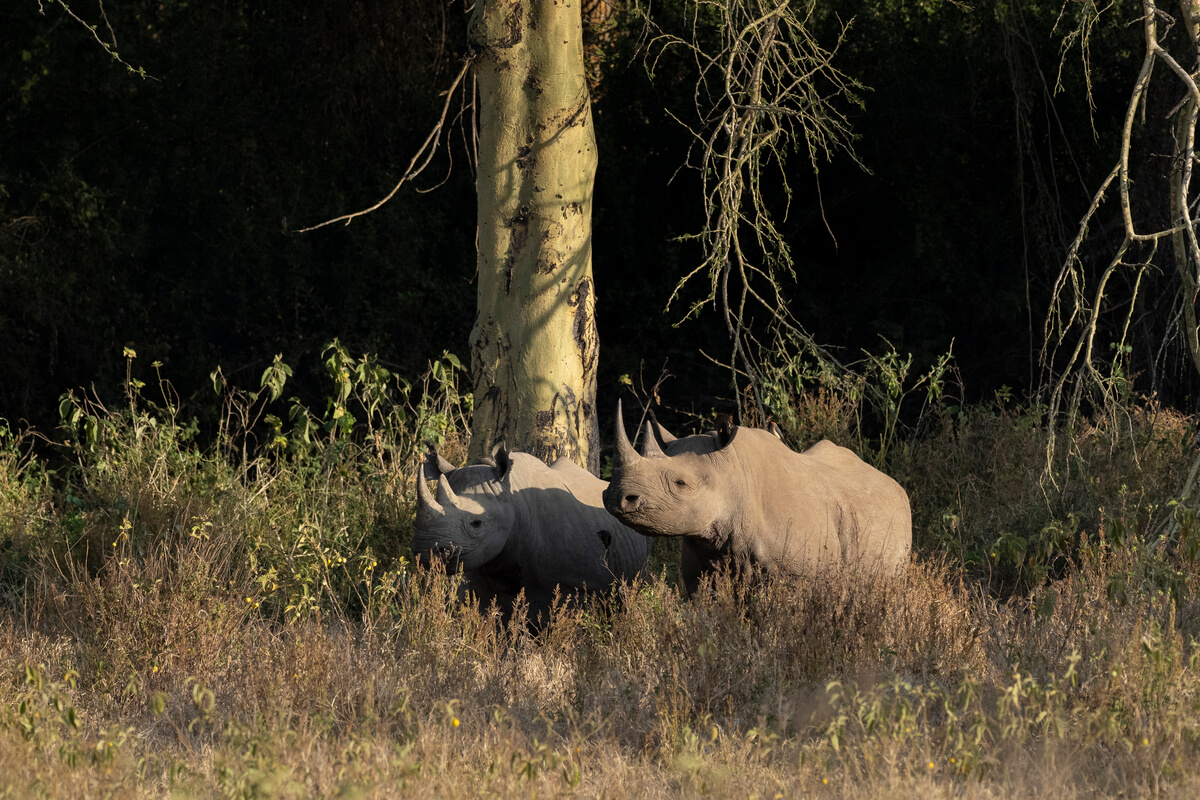
The Lake Nakuru National Park is quite famous for its rhino population (white rhinos are the easiest to see, but at sunrise you sometimes see black rhinos in the acacia forest on the north side of the lake). It is also a national park where you can see flamingos, although their numbers have fallen considerably in recent years.
You can also see lions, leopards, buffalo, hippos, zebras, hyenas, Rothschild’s giraffes (a different subspecies from the one found in the Masai Mara or Samburu National Reserve), elands, impalas or vervet monkeys.
However, there are no elephants in this national park.
Practical information for visiting Lake Nakuru National Park
- Entrance fee: The entrance fee for a foreign adult is 60 USD. It is valid for 24 hours, as long as you do not leave the park. If you leave, you have to pay the entrance fee again.
- Best time to visit this national park: Game drives here are interesting and productive all year round, mainly because this conservation area is fenced, so the wildlife that lives here does not migrate to other reserves or national parks. The only time a visit to the lake area can be a little worse is during April and May, when there are more rainy days.
Where to stay
Whenever it fits your budget, it is much better to stay inside the park. That way you can make better use of your game drives, and you won’t have the inconvenience of paying the entrance fee again if you want to go back for a rest or do a short game drive on your first afternoon in the area.
Inside the park, the two most recommendable places to stay are:
- Lake Nakuru Lodge. Inside the national park, for me this is the best option, with excellent value for money and a great location near the acacia forest in the north of Lake Nakuru.
- Sarova Lion Hill Game Lodge. This lodge has a bigger budget, but it is also a great alternative inside the conservation area.
You can also choose to sleep at the campsites inside the park, but you need to bring all your own equipment and bear in mind that there is no separation from the animals.
If you don’t want to camp and prefer cheaper accommodation, then I recommend the Lillypond Camp. It is a fairly rustic place, but very cheap and with a very good location. It is only three minutes from Nderit Gate, which for me is the best-placed entrance to the park.
Day 5: Full day of game drives at Lake Nakuru
After the game drives in the arid landscapes of Ol Pejeta and Samburu, it is exciting to start a game drive at Lake Nakuru, a much greener and more humid area. My favourite part of the park is the acacia forest. There you can often see Rothschild’s giraffes and, with a bit of luck, black rhinos. It is also the best area of the park for seeing lions and leopards. Especially when looking for leopards, I recommend checking the tree trunks carefully, as they love to rest there.
Because this national park is not too big, you can cover practically all of it in one day. As always, the best hours for a game drive are dawn and dusk.
Want this route adapted to your dates?Tell us when you are travelling and how many days you have, and a local operator will adjust this Kenya itinerary of 10 days to your budget and interests. No middlemen, no commitment. ✓ Personalised safari itineraries |
Day 6: Hell’s Gate National Park and Lake Naivasha
Once again, I recommend getting up early to enjoy a couple of hours of game drive in Lake Nakuru National Park before leaving for the next stop on your independent trip to Kenya.
Around nine in the morning you need to leave the park, to reach Lake Naivasha a little before eleven. On this lake you can take boat trips to see hippos and different bird species, the African fish eagle being the most notable bird. I also strongly recommend including in your boat trip a stop at Crescent Island Reserve. In this reserve you can go on walking safaris, and you will normally see giraffes, zebras, impalas… It is a very different experience from watching animals from a 4×4 vehicle.
In the afternoon, to continue this day of new experiences, the route goes on to Hell’s Gate National Park. There are no dangerous predators in this national park (the most dangerous would be the buffalo, so you always need to be careful and keep your distance), which means you can explore it in a different way: by bicycle. The usual cycling route is about 10 kilometres and normally takes about two hours to complete, bearing in mind that you tend to make many stops to photograph the animals.
What wildlife can you see at Lake Naivasha and Crescent Island?
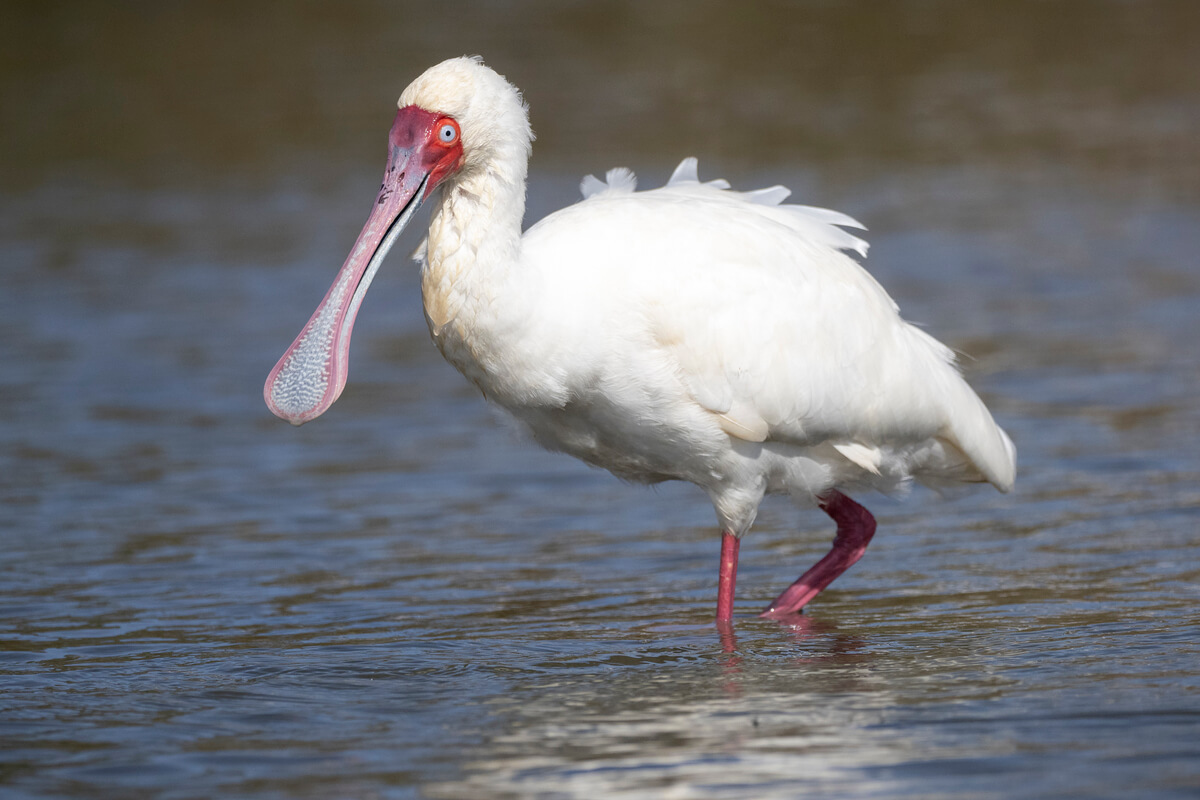
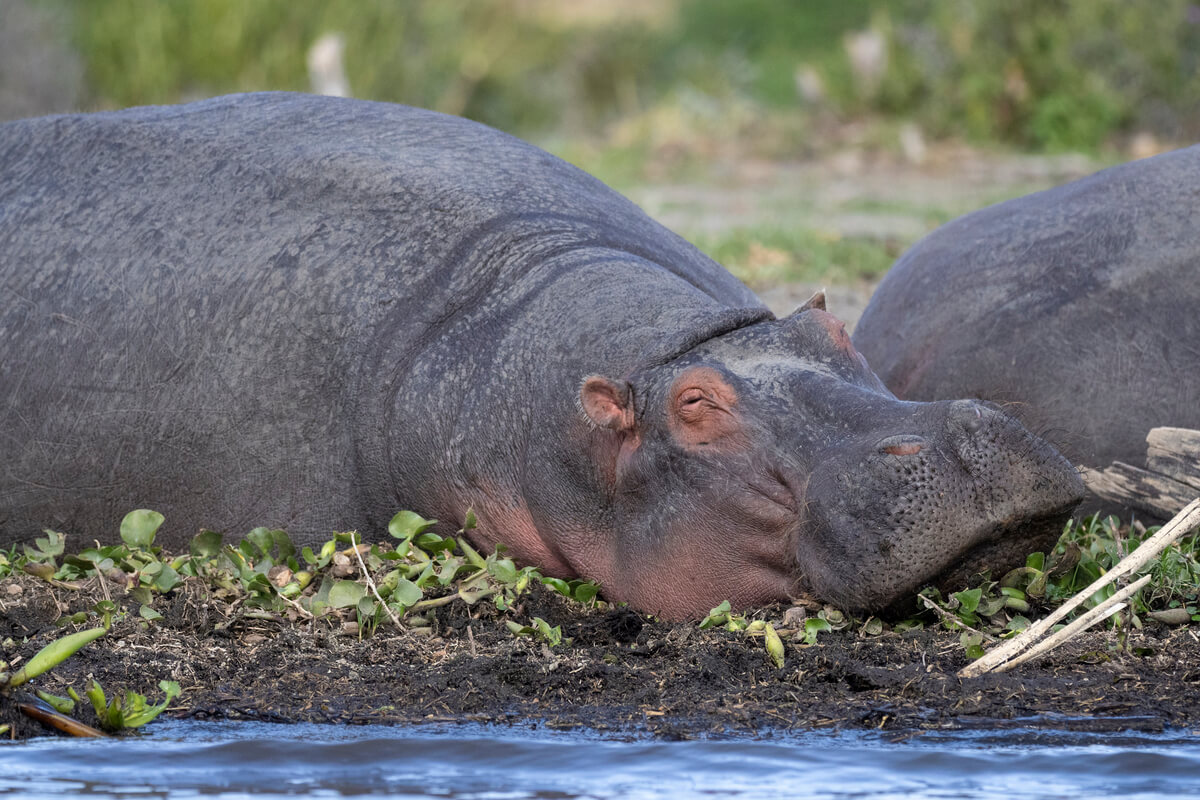
Lake Naivasha stands out above all as one of the best places to see hippos up close in Kenya. There is also a great variety of waterbirds.
At Crescent Island there are also plenty of bird species. In addition, on the walking safaris you can see giraffes, zebras, impalas, Thomson’s gazelles, waterbucks or wildebeest. The reserve also has bat-eared foxes, mongooses, hyenas or jackals, but they are much harder to see.
Practical information on Lake Naivasha and Crescent Island
- Cost of visiting Lake Naivasha: Access to the lake is free and you don’t need to pay anything. However, you do have to pay for the boat tour, usually between 25 and 30 USD per person.
- Cost of visiting Crescent Island: This reserve is private and entry costs 33 USD per person. There are some guides at the entrance, and if you ask for their services you only need to pay a tip.
- Best time to visit Lake Naivasha and Crescent Island: Between July and October or between January and February is when it rains least in Kenya, and generally it is also the best time to visit Lake Naivasha. However, storms are common in this part of Kenya (especially in the afternoon), so it is important to go well prepared and to avoid boat trips if there is a thunderstorm.
What wildlife can you see in Hell’s Gate National Park?
In this national park, what you will most commonly find are herbivores such as zebras, giraffes, Thomson’s gazelles, impalas or reedbucks. That makes it an ideal place for walking or cycling safaris.
However, you must always take care to keep your distance. In some cases you may see buffalo, probably the most dangerous animal in this national park, and also some hyenas.
Practical information for visiting Hell’s Gate National Park
- Entrance fee: For non-resident adults, the entrance fee is 26 USD. If you want to hire a bicycle, you need to pay about 5 USD extra.
- Best time to visit the national park: This national park can be visited all year round and the experience is fairly similar. Only during the rainy season, especially March, April and May, can there be some heavy storms that may affect walks or bike rides.
Where to stay near Lake Naivasha
- Avian Court Hotel. A mid-range option near the lake, but not right on the water’s edge.
- Lake Naivasha Simba Lodge. One of the most popular and well-rated hotels, right next to the lake.
- Lake Naivasha Sopa Resort. An upper-range option with every comfort and a good location with beautiful views of the lake.
Day 7: Transfer to the Masai Mara
For me, Masai Mara safari game drives are the most spectacular part of this route, and that is why I think it is the best way to finish a 10-day trip to Kenya. The amount of wildlife, the abundance of big cats and the endless savannah landscape of the Masai Mara make it an unforgettable place. This reserve is an absolute must-see in Kenya.
To get there from Lake Naivasha, the drive takes about four hours. So if you set off in the morning, you will normally reach the reserve entrance around one in the afternoon. It is a good time to check in at your accommodation (whether it is inside the reserve or near one of the access gates) and then start your first game drive.
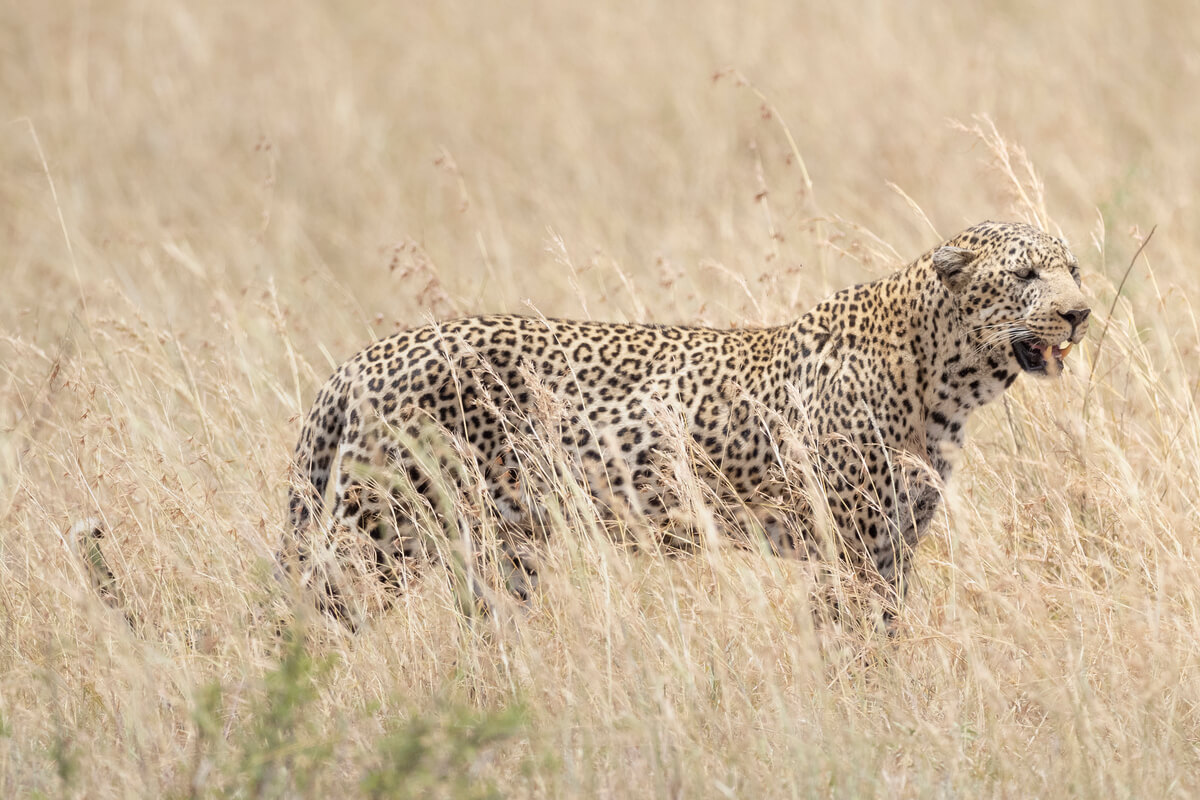
Most likely, during your first hours of game drive in the Masai Mara you will already see a lion, leopard or cheetah. This reserve is one of the best places in Africa to see the continent’s big cats. The experience of that first game drive there is hard to forget.
What wildlife can you see in the Masai Mara?
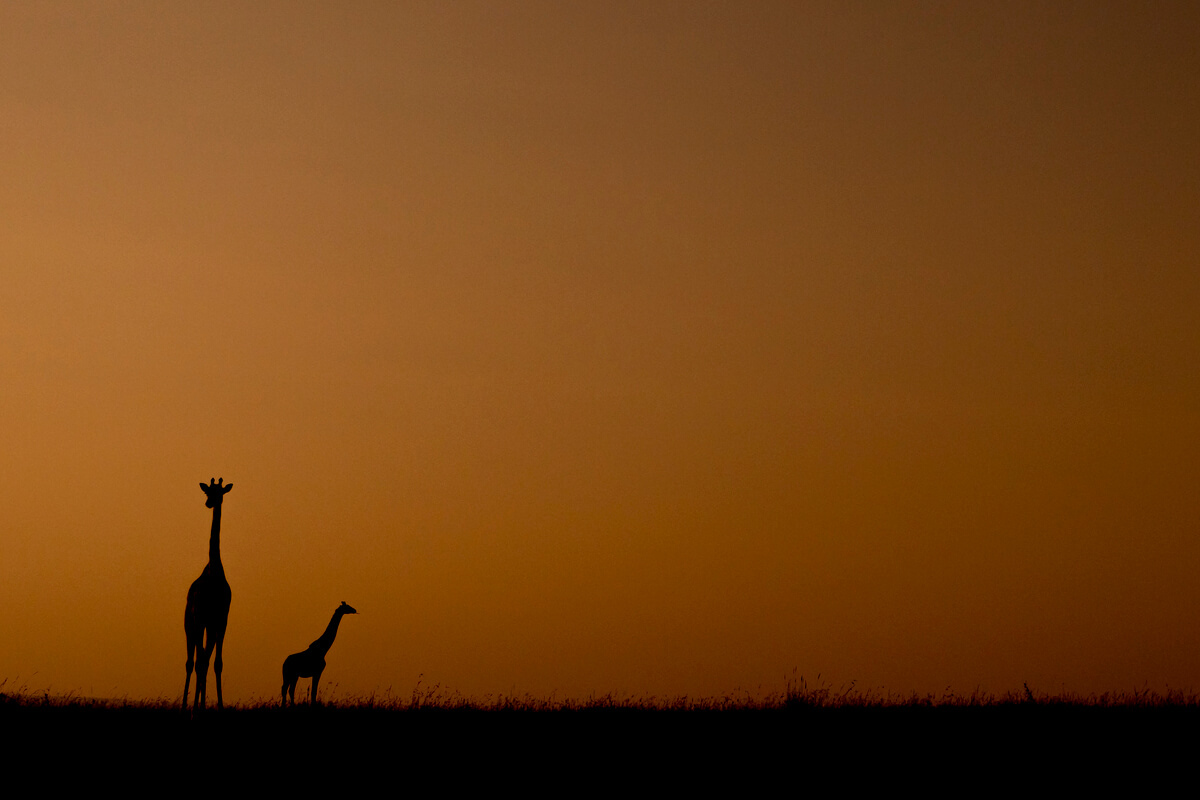
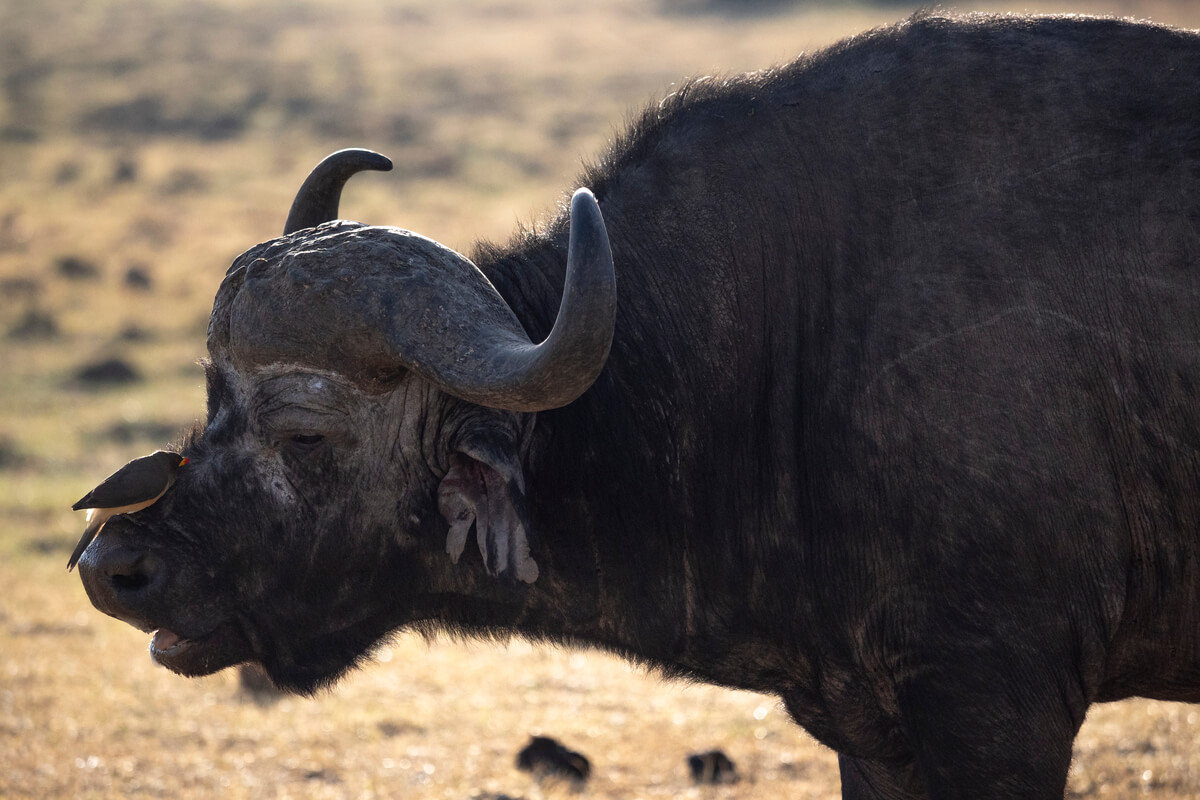
Throughout this reserve you can see the iconic big five (elephant, lion, rhino, buffalo and leopard). The hardest to see is the rhino. In the Masai Mara there are only black rhinos, and they are mostly seen in the Mara Triangle area. In general, the Masai Mara is one of the best places in Africa to see big cats. Also, between the end of July and the end of September you can see the great wildebeest migration.
Practical information for a safari in the Masai Mara
- Masai Mara entrance fee. This national reserve is the most popular in Kenya, which means prices are also higher. From January to June the entrance fee is 100 USD per foreign adult; from July to December it is 200 USD.
- Best time to visit this reserve: The best time for a safari in this Kenyan reserve is considered to be from June to October. These are the dry season months, when there is very little vegetation, making it easier to spot wildlife. That said, you can go on safari all year round.
Where to stay in the Masai Mara
If your budget allows you to sleep inside the reserve, this is without doubt the best option. It lets you make much more of the first and last light of the day, which is often when animals are most active and the most interesting scenes happen. Some of the best-located and well-reviewed places to stay inside the Masai Mara National Reserve are:
- Ashnil Mara Camp. Set beside the Mara River, it is one of the best-located camps in the Masai Mara.
- Fig Tree Camp. Beside the Talek River, also in a very good area from which to start your game drives and see animals right from the start.
- Sarova Mara Game Camp. An upper-range camp in the heart of the Masai Mara, in one of the best areas for seeing the great migration.
If you want a cheaper safari, it is preferable to sleep at one of the campsites in the Mara Triangle or choose one of the accommodations near the Masai Mara gates. In that case, I think the best choice is to stay around Talek Gate. From this gate it takes only about 15 minutes to reach one of the areas of the reserve that usually has plenty of wildlife (including the big cats). The most recommendable camps near Talek Gate are:
- Talek Bush Camp. A very good option if you want to sleep near Talek Gate without giving up comfort and good value for money.
- Mara Duma Bush Camp. A camp just outside the reserve, also beside the Talek River.
- Crocodile Camp. The perfect option for travellers on a tighter budget. The tents are simple but clean.
Days 8 and 9: Game drive days in the Masai Mara
During the last days of this 10-day Kenya itinerary, the game drives become the true stars of the trip. As I have already mentioned, it is best to start early, entering the park before the sun rises to make the most of the first light of the day. The last hours of the afternoon are also excellent for watching wildlife, so if you prefer to cut down your game drive time a little, midday is the ideal time to take a break.
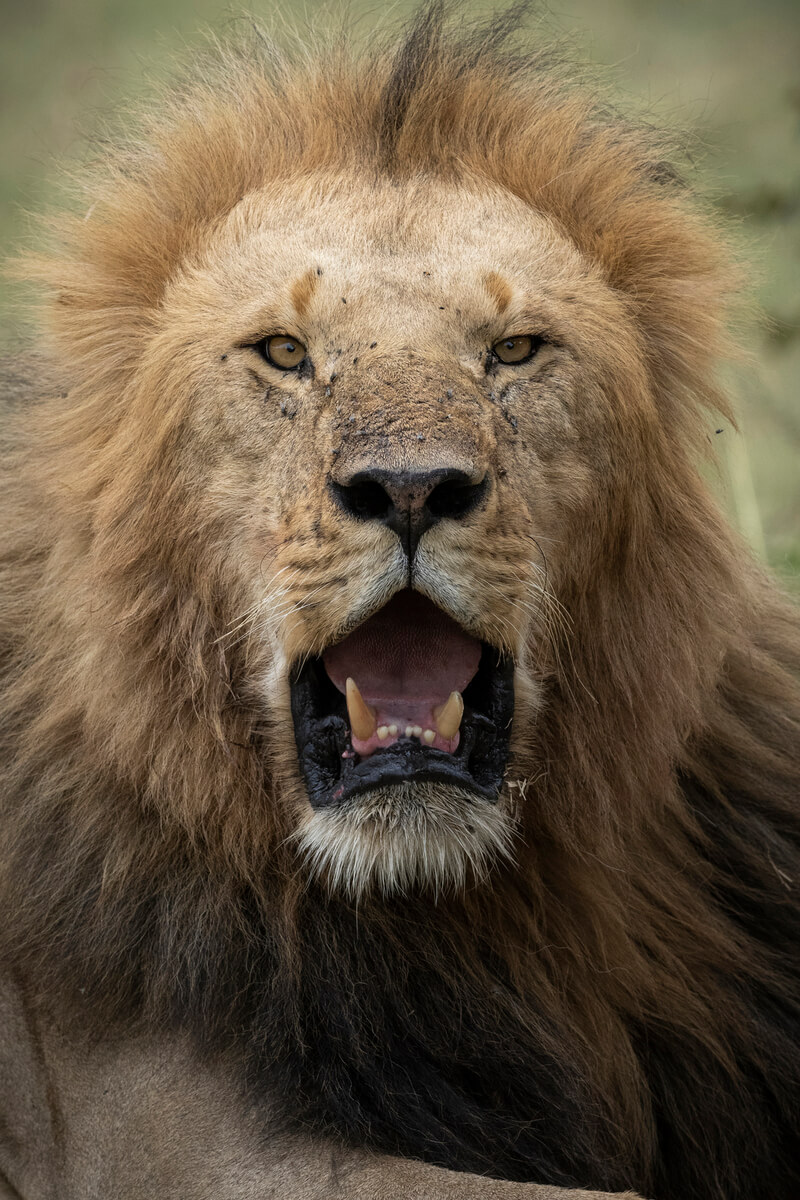
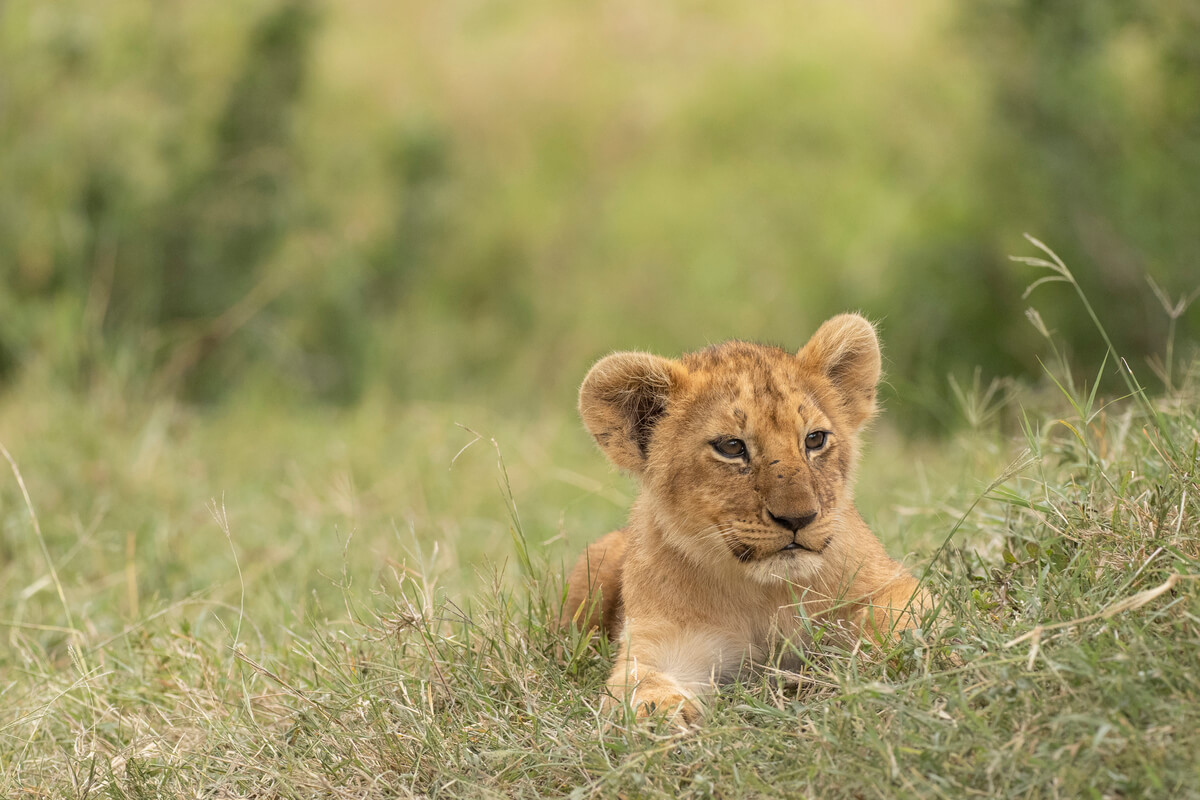
Along the way you will enjoy the endless plains of the savannah, a landscape that seems never to end, dotted with solitary acacias, where you will almost always see some herbivore, whether zebras, gazelles, wildebeest, giraffes or majestic elephants. You will probably also see a family of lions and lionesses (and, if you are lucky, their cubs) resting in the shade of trees or bushes.
On one of the game drive days, I recommend asking your guide to drive to the Mara River, where you can take a short walk with one of the park rangers to see the hippos and crocodiles. This river is where the famous wildebeest crossings take place, when the great migration moves from the Serengeti into the Masai Mara, and vice versa.
Day 10: Morning in the Masai Mara and return to Nairobi
The trip ends with one last game drive in the Masai Mara, the perfect setting to say goodbye to the savannah. I have a theory that the last game drive of a trip is always either exceptional or very quiet as far as wildlife is concerned. Either way, it always has a special air about it: it is the moment to travel across the savannah one last time and let nature surprise you. As you will have seen after 10 days on the road, every game drive is different, even when you drive through the same places…
During that day, if you are interested, it is also a good time to visit a Maasai village. This activity has an additional cost, usually around 30 USD.
The day ends with the drive back to Nairobi, which takes about five hours. That is why I recommend spending one last night in Nairobi, so you can take your flight the next day.
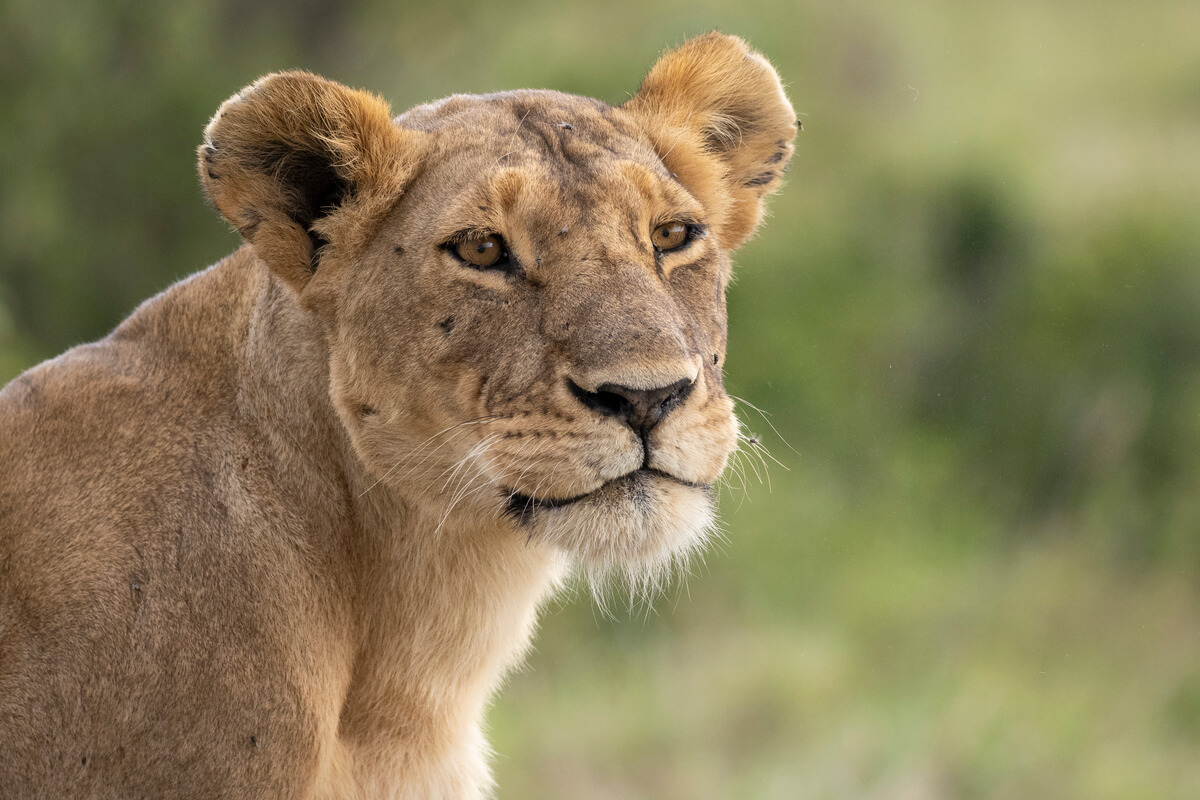
Southern Kenya in 10 days
The route above is, for me, one of the most complete 10-day Kenya itineraries and my favourite for a first safari in Kenya. However, it is true that there is one emblematic national park in Kenya that is not included in the itinerary: Amboseli National Park. Neither Tsavo East nor Tsavo West National Park is on the route. All of these are quite close together, in the south of Kenya.
If you want to visit these parks, the route I would suggest is the following:
- Day one: Leave Nairobi and drive to Lake Nakuru National Park. If you sleep inside the park, an afternoon game drive in Lake Nakuru National Park.
- Day two: Full day of game drives in Lake Nakuru National Park.
- Day three: Last morning in Lake Nakuru National Park and transfer to the Masai Mara Reserve, for a first afternoon game drive.
- Day four: Full day of game drives in the Masai Mara National Reserve.
- Day five: Full day of game drives in the Masai Mara National Reserve.
- Day six: Drive from the Masai Mara to Amboseli, a long journey of about 10 hours. A couple of hours of game drive in Amboseli, to watch the sunset and photograph elephants inside the park.
- Day seven: Full day of game drives in Amboseli National Park. With luck, you will see Kilimanjaro uncovered, and photograph elephants or giraffes with the highest mountain in Africa as a backdrop. The best time to see Kilimanjaro without clouds is at sunrise or sunset.
- Day eight: Morning game drive in Amboseli National Park, transfer to Tsavo East National Park and an afternoon game drive.
- Day nine: Game drive inside Tsavo East National Park.
- Day ten: Drive back to Nairobi.
A good option is also to finish this route in the Diani Beach area, and spend two or three days on the beach, relaxing or doing some activities in the area.
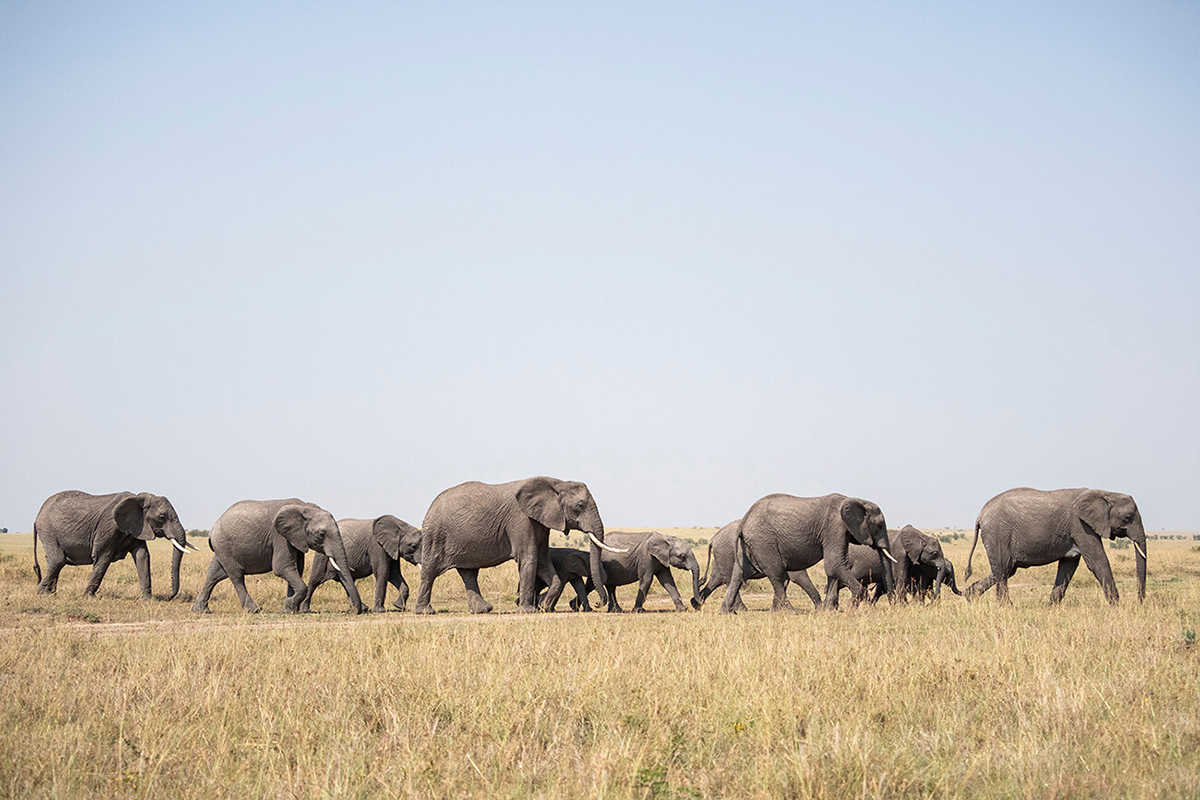
What wildlife can you see in Amboseli National Park?
Elephants are the great stars of Amboseli, especially because of their abundance and because some individuals have enormous tusks. These are the so-called big tuskers.
You can also see giraffes, buffalo, hippos, zebras, hyenas, wildebeest and a few more herbivores.
As for the cats, lions and cheetahs are the ones seen occasionally. There are also some leopards in the park, but they are not usually seen.
Finally, there are no rhinos in Amboseli National Park.
Practical information for visiting Amboseli National Park
- Entrance fee to the national park: Currently, after the latest increase in entrance fees at some Kenyan parks, the entrance fee for foreign adults at Amboseli is 90 USD.
- Best time for a safari in Amboseli: It is a park that can be visited all year round. November, April and May can see heavier rainfall, so those would be the least recommendable months.
What wildlife can you see in Tsavo East National Park?
The Tsavo East National Park would not be counted among the most popular in Kenya, but it is a place where the quality of the game drives is very high, as there is great diversity and density of animals. Once again, elephants are among the great stars. There are large herds of elephants, and their reddish colour, which they acquire from the clay dust of the area, is very characteristic.
You can also see lions and cheetahs. As for the lions, some males stand out for having no mane.
Several herbivores can also be seen, and some are hard to find in other parts of Kenya, such as the oryx, the gerenuk or the kudu.
Practical information for visiting Tsavo East National Park
- Entrance fee: The entrance fee for non-resident adults is 52 USD.
- Best time to visit: To see more wildlife on your game drives, it is best to visit this national park from June to October or from January to February. These are the months when it rains least, which makes it easier to spot animals, as they gather in specific areas where there is water. When it rains, although you can still visit the park, the animals disperse much more and it can be
|
YOUR SAFARI STARTS HERE Elephants in Amboseli, big cats in the Mara: which route suits you?Send us your wish list and local operators who know these parks first-hand will propose the Kenya itinerary that fits you best, with direct prices and no intermediaries. |
Kenya itinerary 10 days: the classic route
As I have said, I always prioritise spending more time in the national parks, even if it means visiting a few fewer. But if you prefer to visit as many national parks in Kenya as possible, and don’t want to rule out any of the classics, then this would be the most suitable route:
- Day one: Leave Nairobi in the morning, to reach Amboseli National Park by mid-afternoon. First afternoon game drive in this national park.
- Day two: Full day of game drives in Amboseli National Park.
- Day three: Morning game drive in Amboseli, then drive to the Ol Pejeta reserve, about 8 hours by car. Late in the afternoon, a game drive in Ol Pejeta or the activity to meet the last northern rhinos.
- Day four: Game drive in Ol Pejeta until midday, then drive to Samburu National Reserve, where you can go on a game drive for about three hours in the afternoon.
- Day five: Full day of game drives in Samburu National Reserve.
- Day six: Morning game drive in Samburu and drive to Lake Nakuru National Park. In the afternoon, a game drive in this national park.
- Day seven: Morning game drive in Lake Nakuru National Park and drive to the Masai Mara National Reserve, where you can do your first game drive in the afternoon.
- Day eight: Full day of game drives in the Masai Mara.
- Day nine: Full day of game drives in the Masai Mara.
- Day ten: Last morning game drive of the trip, in the Masai Mara, and drive back to Nairobi.
Practical information for organising a 10-day trip to Kenya
How do you book a safari?
When planning a 10-day trip to Kenya, there are three ways to organise it:
- Book the safari with an international agency. This option is usually the most expensive and does not let you customise your route.
- Book the safari directly with a local Kenya tour operator, to avoid middlemen. This way prices are much more competitive, you can customise the route and you work directly with the local economy. To make this option easier, I have created this form through which I will put you in touch with the best trusted local agencies according to the type of safari you want to do.
- Rent a 4×4 and book accommodation independently. This is the most adventurous option, but also the cheapest. When it comes to driving, you can do it on your own (except in the Masai Mara, where a guide is compulsory) or hire a driver/guide together with the vehicle rental.
If you would like to book a safari with an English-speaking safari guide in Kenya, you can also do so directly with a local agency, as there are local guides who speak English perfectly.
What is the best time to go?
To enjoy an independent trip to Kenya, the best months are those of the dry season. The weather is especially good from June to October and during January and February.
From June to September, although there are many more people, you can see the great wildebeest migration. This makes them exceptional months to visit the park. In late August and early September the famous crossing of the Mara River by the wildebeest takes place, as they move from the Masai Mara to the Serengeti.
From January to June, entry to the Masai Mara costs 100 USD per person per day, while from July to December it costs 200 USD. This is an important point to consider, especially if you want to spend around three or four days in this reserve during a 10-day trip to Kenya.
What budget do you need for a 10-day trip to Kenya?
The Kenya safari cost varies depending on the number of people and the accommodation. As a reference, these are the ranges in which the costs of a trip like this fall:
- Upper-range accommodation: between 300 and 400 USD per person per night (meals included).
- Mid-range accommodation: between 200 and 300 USD per person per night if it is inside the national park and between 100 and 200 USD if it is outside the national park (meals included).
- Budget accommodation or camping: between 15 and 30 USD per person per night (meals not included).
For the itineraries above, on a 10-day route through Kenya the cost would vary a little depending on the reserves you visit (above all, it is higher if you spend more days in the Masai Mara, since the entrance fee is higher). But in general, for the routes above, the usual cost would be between 3,200 and 3,500 USD per person (on a private safari for two people). If you travel with more people, the cost per person would go down.
|
YOUR NEXT ADVENTURE AWAITS Organise your Kenya trip with a local agencyCompare the safari budgets that local operators can offer for your dates and group size. Direct prices, a route tailored to you and no commitment. Tell us what you are looking for and we will put you in touch with the most suitable agencies. |