Doing a Uganda self drive safari is neither the easiest nor the most comfortable way to travel. Driving around the country, especially inside the national parks, takes some skill behind the wheel and a decent sense of direction. If you want to see the animals, you also need a good eye and you need to know the best areas to look for them. The preparations can be stressful and confusing too, particularly when it comes to arranging some of the permits. And since Uganda is a faraway country with a completely different culture, it is normal to have doubts and a little uncertainty about travelling around it without any help.
For all these reasons, when I planned my independent trip to Uganda, I decided not to do the route in a rental car, driving myself. I travelled alone, at the start of a long seven-month journey across Africa, and I preferred to ease into it. So I chose an alternative that still gives you plenty of freedom, but is safer and less stressful: travelling around Uganda independently with a local agency, with whom I organised a private itinerary before arriving.
In this post I share everything I found out about travelling to Uganda independently and the different ways of organising a safari in the country. Each option has its pros and cons, and the best approach is to decide based on your budget, the number of days, your experience of similar trips and the number of people travelling. Whichever you choose, I strongly encourage you to visit this country. Is Uganda worth visiting? Absolutely: it is a destination with astonishing nature.
Is a Uganda self drive safari possible?
It is getting easier and cheaper to travel the world independently. The huge amount of information available about destinations, and the ease of getting around thanks to Google Maps and other navigation apps, have made places that used to be hard to explore on your own much more accessible. Uganda is no exception. You can travel around Uganda independently, although you need to be clear from the start that it is a fairly complex type of trip, and I wouldn’t recommend doing it this way to everyone.
For years now, a good number of travellers have been exploring Uganda on their own. The most common way to see the country completely independently is by renting a 4×4. With a good vehicle you can get into the national parks (you are not required to go with a guide) and go on safaris to see the wildlife. The only activities that must be done under the supervision of a ranger are the primate treks, which are highly regulated.
That said, getting to know Uganda on your own is not simple. The country’s roads are not in exceptional condition (although they have improved a lot in recent years) and sometimes you have to spend quite a few hours at the wheel. But the biggest challenge comes once you head into the national parks. It is not easy to do safaris on your own. Without experience driving a 4×4 on dirt tracks or knowing how to look for animals, this part of the trip can be quite stressful.
For this reason, there are two variations of the independent trip that, in my view, are far more manageable for most travellers:
- Rent a 4×4 with a driver. In this case, you take care of all the logistics and organisation of the trip, but once you arrive in Uganda you are always accompanied by a driver. The driver takes care of the transfers, drives during the safaris and helps you find the animals. In fact, many drivers are also guides, so it is a great privilege to get to know the country through their knowledge, their advice and their company.
- Book a safari with a local agency. If you want to travel to Uganda independently but would rather hand over the driving and the handling of the trip’s permits, the best option is to organise the trip with a local Uganda tour operator. With these agencies you can fully customise the route and, since there are no intermediaries, it is a much cheaper option.
So the conclusion is that yes, you can travel around Uganda independently, but in most cases I think it is better to go with a local guide or driver, either by renting a 4×4 with a driver or by organising the route with a local agency.
Uganda, your way
Want Uganda your way, without the logistics?
A Uganda self drive safari is possible, but you can also keep the freedom and let a local operator handle the roads and permits. Share your dates and interests and get a free, no-obligation quote.
How do you get around Uganda on a self-drive route?
To see Uganda you need a 4×4 vehicle. It is true that you could do the trip by public transport and arrange some safaris and other activities from your accommodation, but it is not an option I would recommend. It is a slow way to get around and it carries more risks.
If you want to travel independently in Uganda, you will need a 4×4 to get around the country’s roads and also the dirt tracks of the national parks. As I mentioned in the previous section, there are three ways to approach the trip and get around the country:
1. Rent a 4×4 and drive around the country
Renting a 4×4 and driving around Uganda is the most adventurous option for seeing the country. More and more travellers are daring to explore it this way, but they are still a minority. I myself chose a different option, because I travelled to Uganda alone and didn’t feel comfortable getting around the country without company, even though I have quite a lot of experience travelling solo.
Before choosing this option, I recommend asking yourself these questions:
- Do you have experience driving 4x4s on dirt roads, and would you know how to get the car unstuck if it got bogged down?
- Do you know how to change a wheel if you get a puncture during a safari?
- Do you have experience looking for wild animals, and do you know where and how to look to improve your chances of finding them?
- Can you find your way around even when Google Maps doesn’t always work, and can you tell when the GPS is pointing you down an unreliable minor track?
- Have you already travelled in any sub-Saharan African country?
If you feel comfortable with these situations, you could be a good candidate for a Uganda self drive safari and have a great experience.
What I don’t recommend is going completely on your own if you have never done a safari before and have little knowledge of driving, navigation and mechanics. In that case, you will probably spend a large part of the trip suffering, and it isn’t worth it.
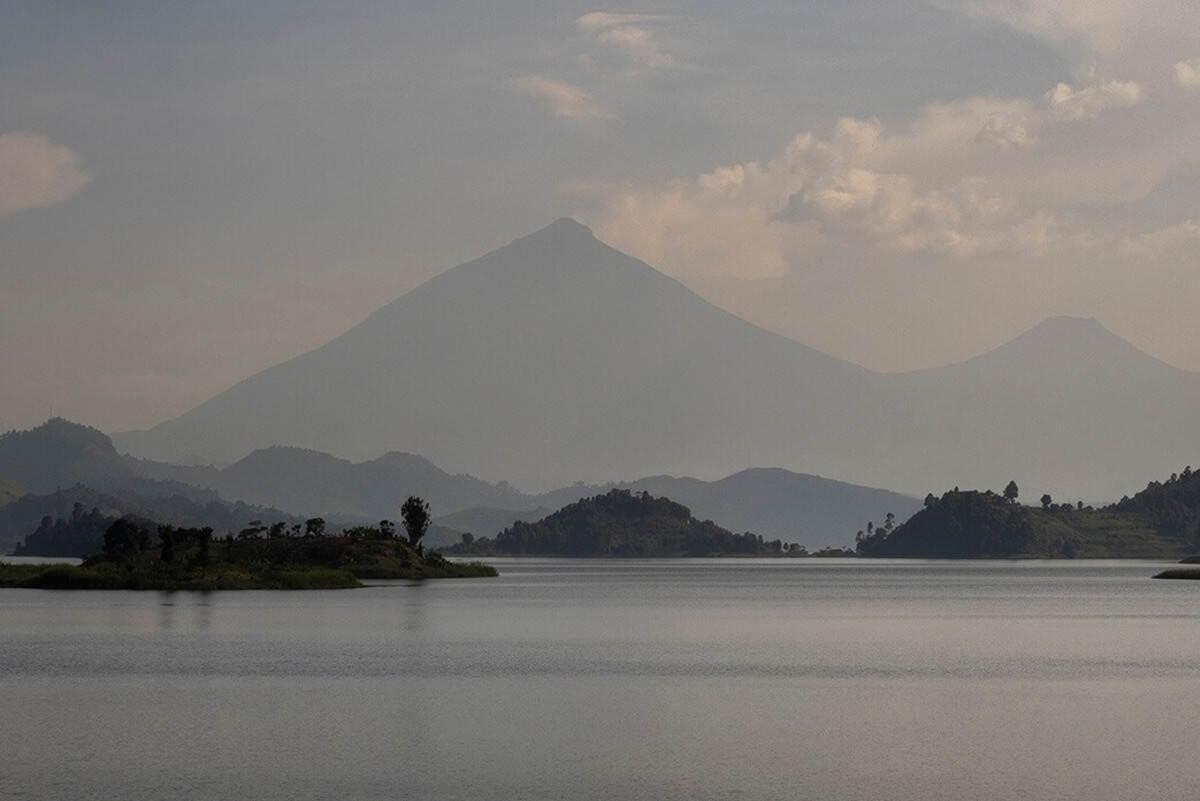
2. Rent a car with a driver
If you want to travel with flexibility and independence but don’t feel comfortable driving, a good option is to rent a car with a driver.
That way you can hand over the most complicated part of getting around Uganda independently, and you will have the help of someone who knows the country well.
Several companies offer cars with drivers, and the price already includes all of the driver’s meals and accommodation.
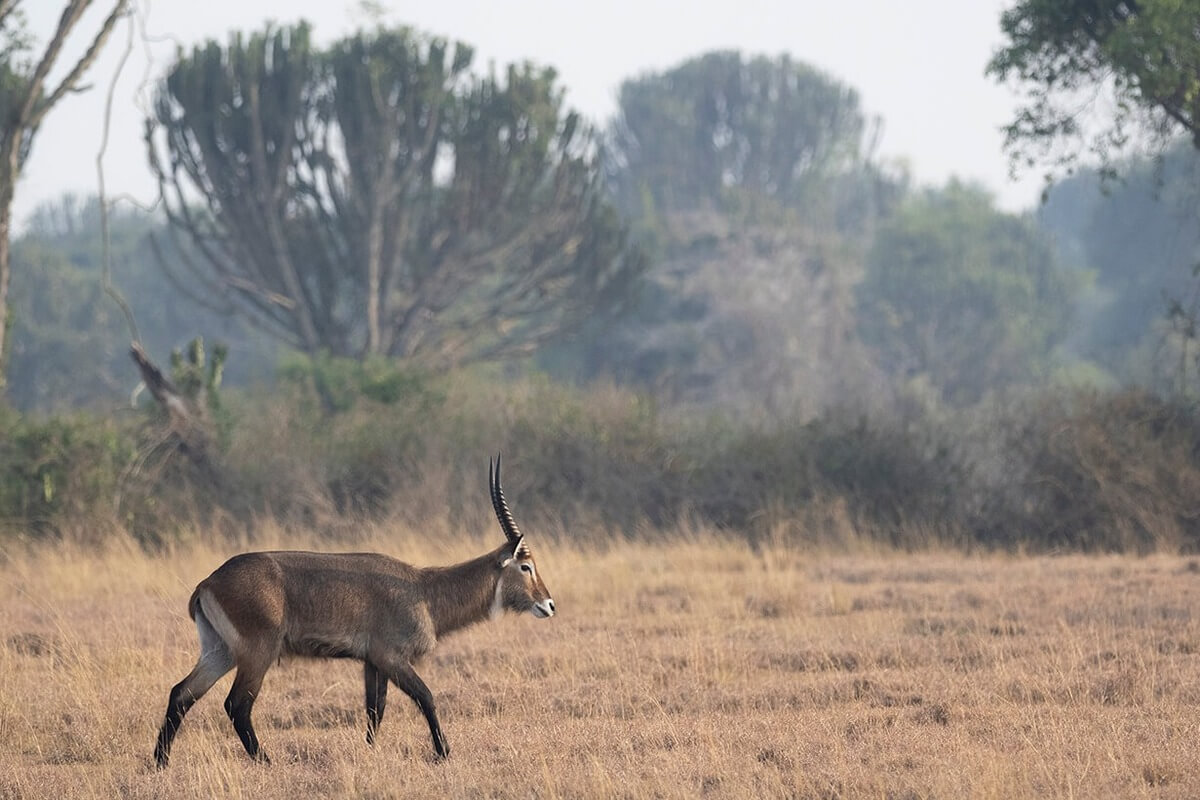
3. Book the trip with a local agency
If you also want to hand over the arrangements for the primate trekking permits and the accommodation bookings, the third option for travelling around Uganda independently is to book the safari route with a local agency.
In this case, you pay for the safari directly to a local agency (usually part of it before you arrive in the country and the rest on arrival), and this includes the 4×4, the guide, the accommodation, the activities and the national park entrance fees.
Obviously, this option is more expensive than travelling completely on your own in Uganda. However, the price difference between renting a car with a driver and booking the trip with a local agency is not so clear-cut. It depends on the type of accommodation and also on how you want to handle meals (buying food in supermarkets, eating at local restaurants or at the hotels).
Depending on this, one option or the other may work out better value, but there usually isn’t much difference. Bear in mind that local agencies have good deals with the accommodation providers and often manage to get better prices.
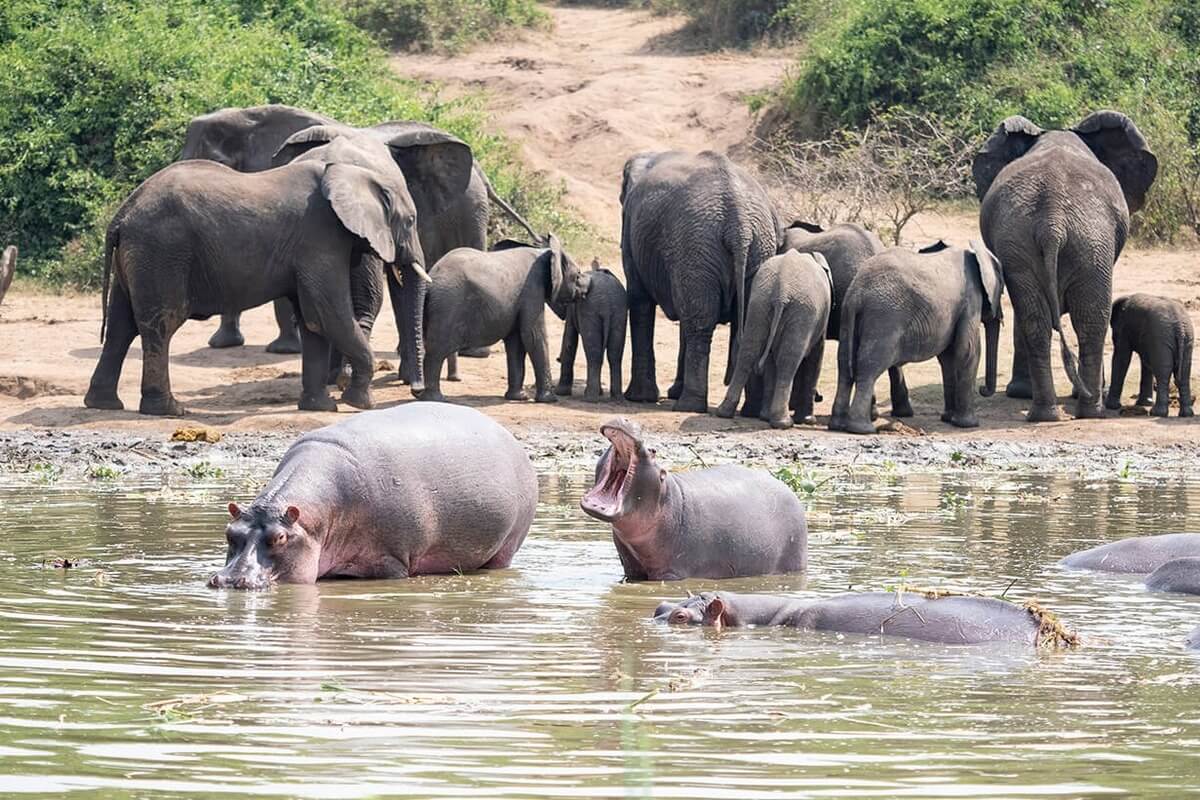
How much does a Uganda self drive safari cost?
When you travel around Uganda independently, a large part of the budget goes on the car rental. The good news is that the price is a flat rate, meaning it doesn’t depend on the number of travellers. So if you travel in a group of three or four people, the trip can work out really cheap.
4×4 rental prices in Uganda vary depending on the vehicle model, the number of rental days and the month of the rental. The price ranges are as follows:
- Large 4×4 rentals (Toyota Land Cruiser style) cost around 150 € a day in high season and about 100 € a day in low season.
- Small 4×4 rentals (Toyota RAV4 style) cost around 100 € a day in high season and about 60 € a day in low season.
One of the most popular companies is Road Trip Africa. So, if this option interests you, I recommend contacting them to find out the final price for your travel dates.
If you want to add a driver, the cost is around 40 € a day.
You also need to pay for fuel on an independent trip. At the moment, a litre of petrol in Uganda costs about 6,870 UGX, or roughly 1.37 euros.
Another important part of the Uganda safari cost goes on the permits to enter the national parks and the fees for the primate treks. These permits are set by the Uganda Wildlife Authority (UWA), and the amount is the same whether you travel independently or do the route with a local or international agency. Some of these amounts are:
- Permit for gorilla trekking in Uganda: 800 USD per person.
- Permit for the trek to see chimpanzees in Kibale Forest National Park, Uganda: 250 USD per person.
- Entry to Murchison Falls National Park or Queen Elizabeth National Park: 45 USD per person per 24 hours.
Finally, you also have to add the accommodation costs. If you are travelling around Uganda independently you can choose the cheapest options, but I recommend always sleeping in accommodation located in safe places with good reviews. This cost varies a lot, as Uganda has accommodation for every budget.
In any case, by adding up all these costs you can get a fairly accurate estimate of your budget for travelling in Uganda. That way you can compare the cost of travelling completely on your own with the cost of going with a driver or a local agency.
If you are curious to know more about this, you can read my post on the Uganda safari cost.
On my own 10 days Uganda safari I spent around 3,500 euros (including the flight, the visa and the SIM card). It was honestly a very good price, especially considering I was travelling alone. But because I travelled in February (outside high season), I was able to negotiate a very good deal. However, my trip was three years ago, and I think something similar would now cost around 4,500 euros, or about 3,500 euros if travelling as a couple. Doing this kind of trip solo makes it much more expensive…
Compare real prices
See what your Uganda trip would really cost
Rental prices are only a guide. Tell us your dates, group size and budget, and local operators will prepare a direct quote with no intermediaries.
✓ Free, no-obligation quote
✓ Local operators, no intermediaries
✓ Route adapted to your budget
How to organise safaris and activities on your own
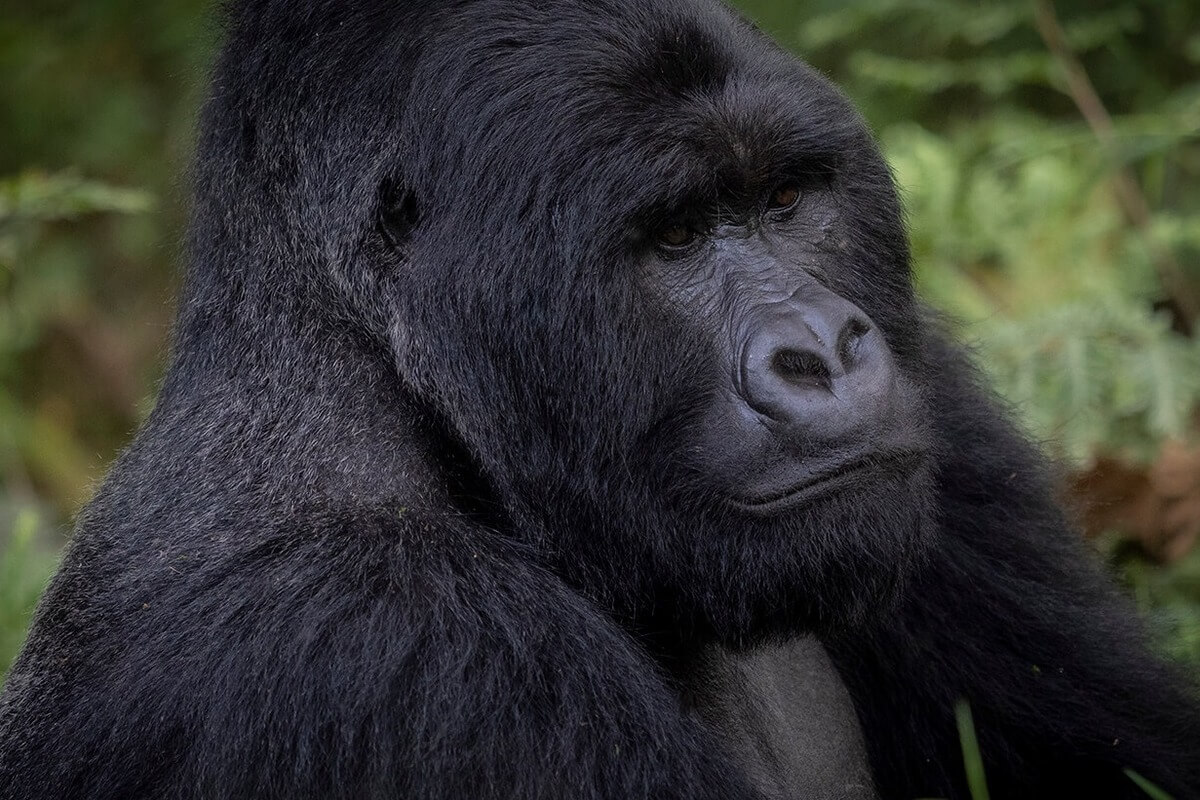
When organising a Uganda self drive safari, something that deserves a special mention is how to arrange the permits for gorilla trekking in Uganda. This is without doubt the country’s star activity and the main reason many people decide to travel to Uganda.
Booking gorilla permits
Permit availability is very limited (each gorilla family can be visited by a maximum of 8 people a day) and, for this reason, it is advisable to arrange the permits about 6 months in advance.
There are three ways to arrange these permits:
- Arrange the permits directly with the Uganda Wildlife Authority, by email. Booking and paying for the permits directly with the institution that manages them is the cheapest way, but also the most stressful. From what I have read, email communication with the UWA is very slow, and they take a long time to confirm they have received the payment and to send the permits. For this reason, I don’t recommend this option.
- Arrange the permits through the car rental company. 4×4 rental companies in Uganda can also handle the gorilla trekking permits. In this case, the whole process is easier and quicker, although they charge a commission. The commission is currently around 25 USD per person.
- Arrange the permits through a local agency. If you do your Uganda route with a local agency, they will book and pay for the permits as soon as you confirm the trip and have paid the deposit. All you need to do is email them a scanned copy of your passport, nothing more. It is without doubt the easiest way to organise it.
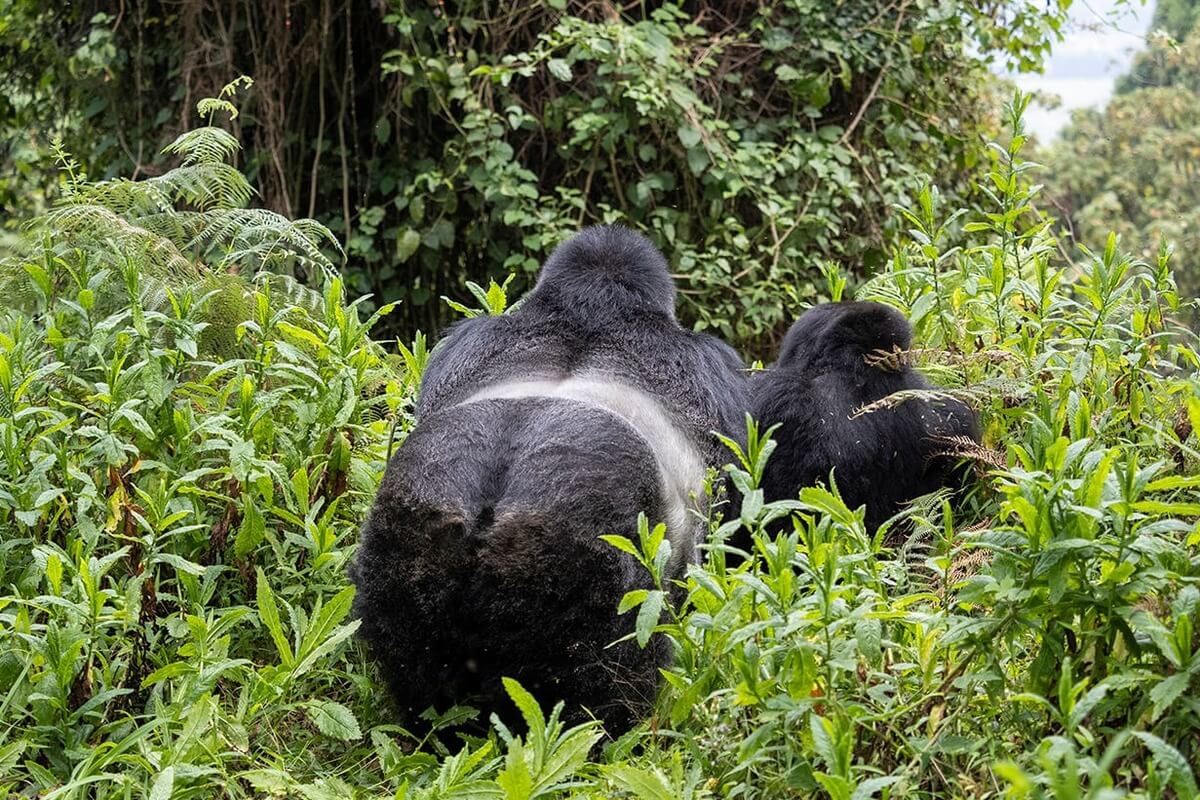
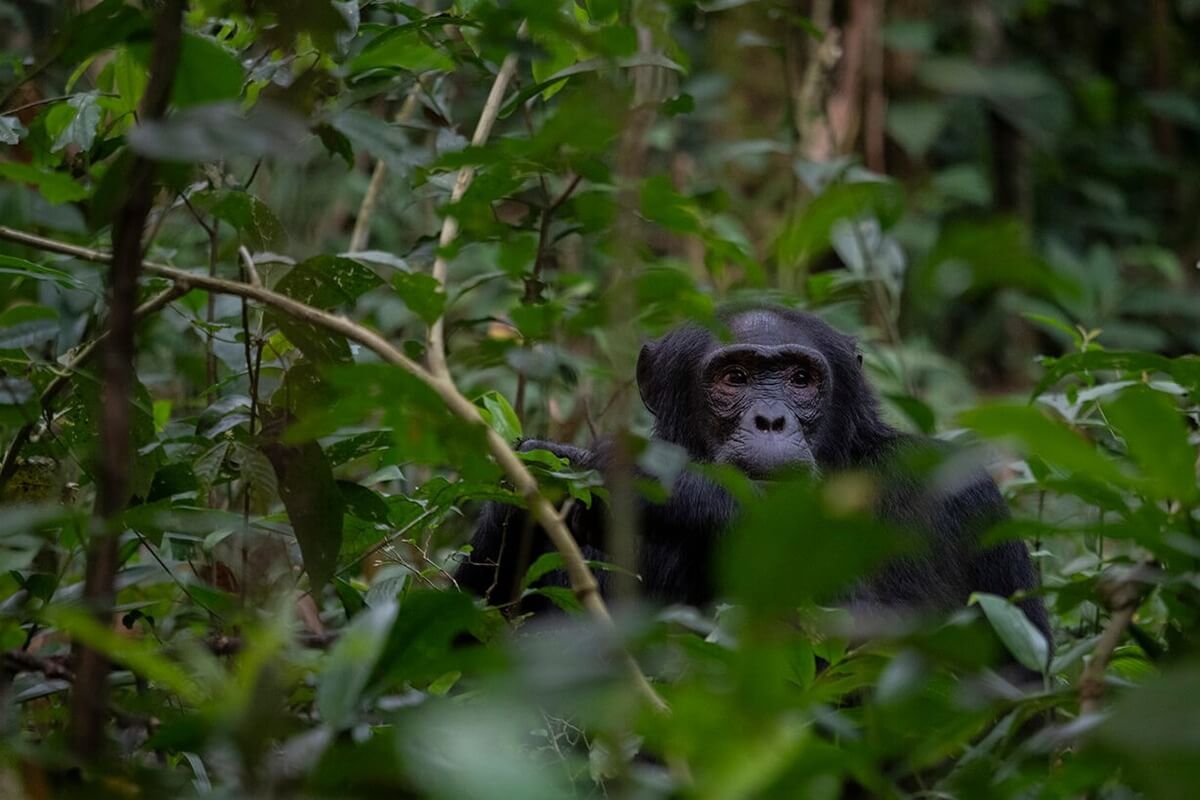
Booking permits for chimpanzees or golden monkeys
For other primate treks, such as chimpanzee trekking in Kibale or golden monkey trekking in Uganda in Mgahinga Gorilla National Park, you also need to buy permits. In these cases, however, you don’t need to book 6 months ahead, although it is better to have the permits bought before you start the trip. Again, the three ways of buying them described above apply here too.
As far as I understand, if you use the car rental company to arrange these permits, the cost is 15 USD per person, for each permit.
Organising safaris in the national parks
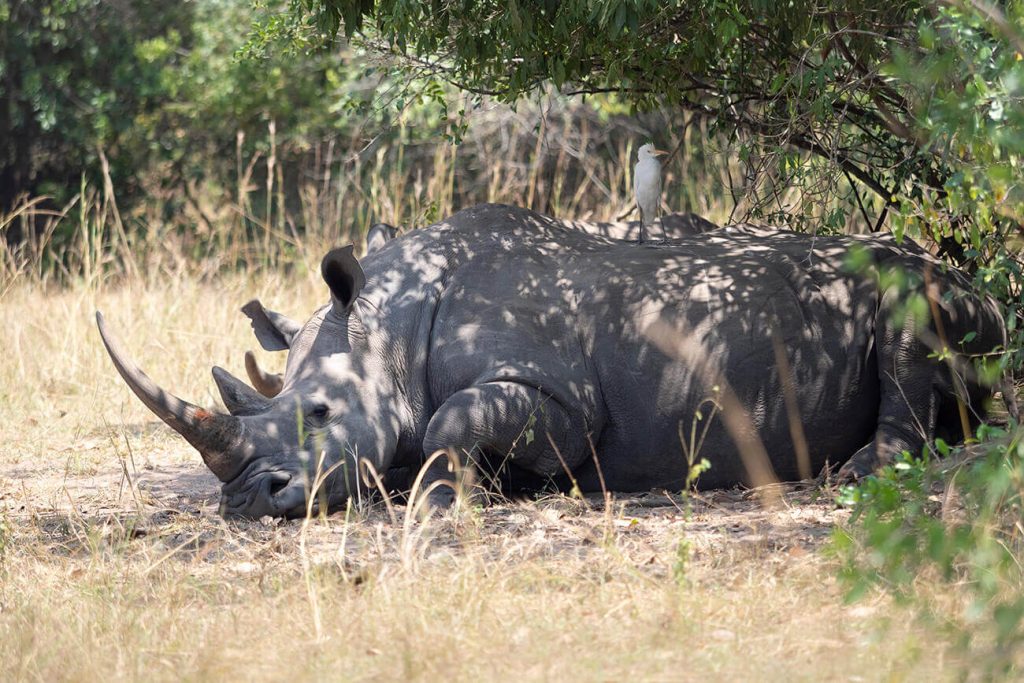
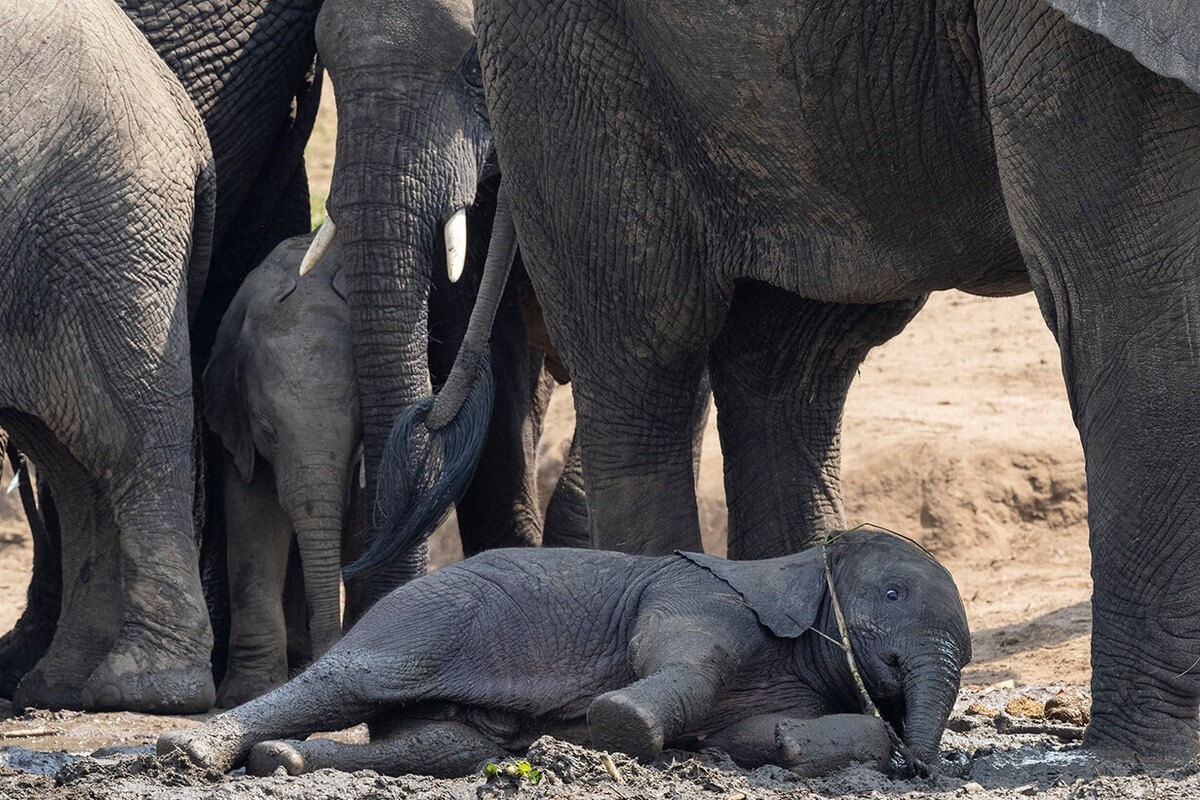
On a trip to Uganda it is also very common to go on safaris and book other activities, such as rhino trekking or boat safaris.
For any of these activities you don’t need to make any arrangements in advance.
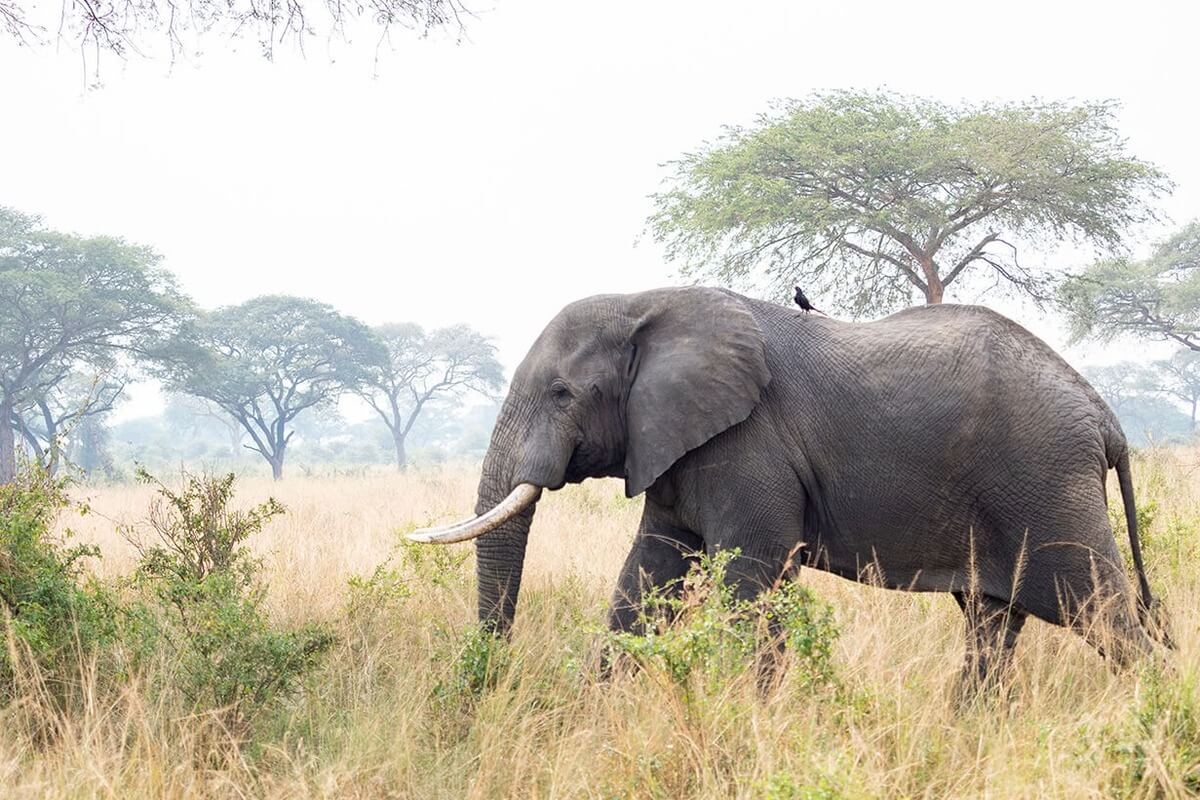
For 4×4 safaris in the national parks, you simply pay the fees when you enter. The amount depends on the number of people and the number of days you want to spend in the park, since you pay for each 24 hours.
The other additional activities can be booked on the spot, and no prior reservation is needed.
Uganda self drive safari: how to organise the trip step by step
1. Choose the length of the trip: how many days do you need to see Uganda?
Before you start making preparations for an independent trip to Uganda, one of the first steps is to decide how long the trip will be. Depending on your budget and interests, I recommend having an initial idea of how many days you want to spend in the country.
For a trip to Uganda in which you want to see the country’s main attractions, I recommend having around 10 days at the very least. Even so, if you have around 15 days, it is better still. In that case, I don’t recommend visiting many more places, but rather spending more time in Murchison Falls National Park, Uganda and Queen Elizabeth National Park, Uganda, so you can go on more safaris.
If your trip to Uganda is focused solely on seeing gorillas, you will ideally need three or four days. It would also be possible to do it in two days, but it isn’t the most advisable.
2. Decide what to visit and plan the itinerary
Once you have an idea of how many days you have, you can start building the itinerary.
Most travellers end up visiting the same must-see places among the things to do in Uganda, because going off the classic routes is usually complicated (the roads are in worse condition, there is less infrastructure and fewer tourist services, and the level of safety also drops). I recommend sticking to the classics, as there are enough places to see for a trip of ten to twenty days.
These posts, with practical information and some descriptions of my experience, can help you plan your preferred itinerary:
- Practical guide to a 10 days Uganda safari
- Golden monkey trekking in Uganda: the Virunga Mountains
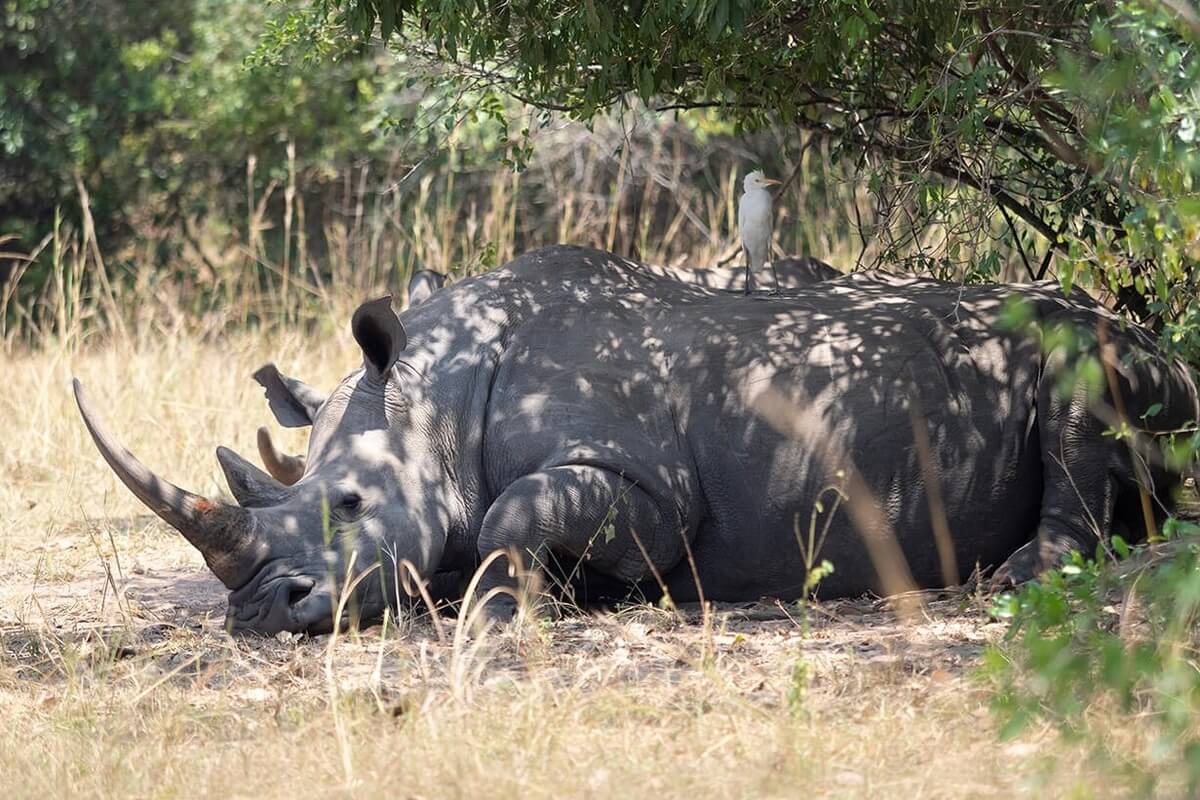
- How to visit Ziwa Rhino Sanctuary, Uganda
- Gorilla trekking in Uganda: price, where to see them and tips
3. Choose the type of accommodation and your budget
As you will have seen from the information in this post, travelling in Uganda is never cheap if you do safaris and primate treks.
However, the budget for a trip to Uganda also depends enormously on the accommodation you choose. The type of accommodation can change the price significantly.
For example, on safaris with local agencies, the cost of a trip around Uganda for a couple varies as follows depending on the accommodation:
- Routes around Uganda with standard accommodation cost between 300 and 400 dollars per person per day.
- Routes with mid-range accommodation usually cost between 400 and 600 dollars per person per day.
- Routes with luxury accommodation start at 600 dollars per person per day.
For this reason, to cut costs it is important to choose standard-range accommodation, which is usually fairly simple but safe and covers all the basics.
You can also save money by having some cold meals with food from the supermarket.
If you would like a no-obligation quote from my trusted local agencies, you can fill in this form and they will send you all the information in less than 48 hours.
4. Book your flights and arrange travel insurance
Once you are clear on your dates and your itinerary, it is time to confirm your adventure to Uganda. I always recommend starting by booking the flights, so you know exactly when you will arrive at your destination and when the trip will end.
Booking flights independently is easy these days. I recommend comparing prices and checking which airlines fly the route, and then buying directly from the airline’s website to avoid intermediaries.
After booking your flights, I recommend getting travel insurance, an absolute must on any trip to a foreign country.
5. Make your bookings for a Uganda self drive safari or a trip with a local agency
After buying your flights, it is time to book everything you need for your route around Uganda once you arrive in the country.
If you have decided to travel 100% independently, I recommend starting with the 4×4 booking, the primate trekking permits and the accommodation. With that sorted, you will be ready for the adventure. Remember that when you book the car you also have the option of hiring a driver, for an extra charge.
For accommodation bookings, you can find plenty of options on Booking.com. In my view, it is the easiest and safest way to book and pay for accommodation in this country.
On the other hand, if you have decided to see Uganda with a local agency, I recommend confirming and paying for the trip booking once you have already bought your flights. That way, before paying, you can ask the local agency for the final itinerary with confirmed dates (which is needed to check availability at the accommodation).
To confirm the booking, local agencies usually require an initial payment of 30% of the safari price. You can normally pay by card and, to avoid paying fees, it is worth checking beforehand what your bank charges for foreign card payments. If you prefer to pay by bank transfer, check the transfer fees as well.
Uganda self drive safari or local agency: which is better?
There is no perfect way to travel to Uganda. So the important thing is to be clear about the advantages and drawbacks of each travel style, so you can decide wisely based on your preferences and priorities.
Below you can read my opinion on each of these travel styles. As I said, in Uganda I travelled with a local agency. Even so, in other countries in southern and eastern Africa I have chosen to rent a 4×4 with a driver, and in other cases I have gone completely independently. So I have been able to try all the options and see the pros and cons of each.
Pros and cons of a Uganda self drive safari in a rental car
Travelling with a rental 4×4 and driving independently has the following advantages:
- The main advantage is the price. It is the cheapest option, especially if you travel as a couple or in a group of three.
- It is the option with the most freedom. Even if you have customised and decided the itinerary when going with a driver or booking the trip with a local agency, there is still another person involved and some things have to be agreed along the way.
- Travelling this way also means more interaction with local people, since you will be the one handling the permits to enter the national parks, stopping to refuel, talking to a local if you get lost in a village… This way you will see first-hand the great friendliness and hospitality of Ugandans.
On the other hand, the drawbacks of this travel style are:
- Arranging the permits to see primates is stressful if you do it on your own. For this reason, as I said, I recommend using the service of the car rental company or a local agency to take care of this.
- If you don’t have experience, doing safaris in the national parks can be stressful, and you can get lost or get the car stuck in the mud. It is also harder to see animals.
- Google Maps doesn’t work very well in Uganda and invents shortcuts along minor roads. This can also be a source of stress or of problems during the trip.
- If the car has a mechanical problem or you get a puncture, you will have to sort it out, which again can be a bit overwhelming, especially if you have no experience travelling in Africa.
Pros and cons of booking the trip with a local agency
I find the option of seeing Uganda with a local agency very interesting for people who are used to travelling independently but, having less experience in Africa, prefer to have some support and help with the preparations and during the trip.
For me it is the most suitable option for most travellers, myself included, as it is still competitively priced, but at the same time offers more safety, more control and less stress.
In short, the main advantages of this way of travelling around Uganda are:
- With the help of a local agency, the pre-trip arrangements are much simpler. You only need to decide the itinerary and the accommodation, and make the initial payment to confirm the route.
- By travelling with a guide and driver, local people who know the country, this is a safer way to get to know it.
On the other hand, these are the drawbacks of this travel style:
- Although there are no intermediaries when you book a trip with a local agency, it is still a more expensive option than renting a 4×4. In the end, you also have to pay for the guide’s work and for the agents who take care of the bookings and the permit arrangements for the trip.
- Safaris with local agencies can be customised, but during the trip there is less room for improvisation.
- You have to pay the full amount of the trip to a single person or company, which can create some uncertainty. That is why, before confirming any booking, it is important to check that it is a reliable company.
Uganda self drive safari or agency: real price comparison
Before my 10-day trip to Uganda, I spent many hours researching and deciding whether to rent a car with a driver or book the trip directly with a local agency. I was clear that renting a 4×4 and driving myself wasn’t the best option for me at that time, but I had quite a few doubts between the other two options.
For this reason, I asked for quotes from several local agencies, from several companies renting 4x4s with drivers, and from a private driver I found recommended on a blog.
With all this data, I prepared a spreadsheet with all the costs, so I could compare the price of travelling independently in Uganda in a rental 4×4 with a driver against the price the local Uganda agencies were offering me.
In my case, these are the costs I calculated I would have had if I had gone independently:
| Item | Cost | Notes |
|---|---|---|
| 4×4 car + driver | 1,110 USD | Rental of a small 4×4 with a driver for 10 days. The daily price was 110 USD. |
| Full-board accommodation | 665 USD | I checked the prices of the same accommodation the local agency was offering me, which were standard-range options. Because I was travelling alone, the price per person is higher, as you normally pay the price of a double room. |
| Chimpanzee trekking permit | 250 USD | In Kibale National Park |
| Gorilla trekking permit | 600 USD | The cost is now 800 USD. |
| Golden monkey trekking permit | 100 USD | In Mgahinga Gorilla National Park |
| Rhino trekking permit | 50 USD | |
| Murchison Falls National Park entry | 45 USD | One day’s entry to the park |
| Boat trip in Murchison Falls N.P. | 30 USD | |
| Queen Elizabeth National Park entry | 90 USD | Two days’ entry. |
| Boat safari in Queen Elizabeth N.P. | 30 USD | |
| TOTAL | 2,970 USD |
As you can see, for my 10-day route, I calculated that travelling in a rental 4×4 with a driver in Uganda would have cost me 2,970 dollars (not including fuel). In contrast, for the same itinerary, the local agency told me the price would be 3,000 dollars (including fuel and all meals). As you can see, the local agency’s price was better, so I didn’t think twice and booked the trip with them.
To be fair, it was shortly after the pandemic and outside high season, and I am aware that the price the local agency offered me was very good.
Prices would now be higher in both cases (the prices of the primate permits have gone up, and so have accommodation prices). Even so, this analysis shows that local agency prices are competitive and remain a great option when travelling to Uganda independently.
Travelling to Uganda independently: how did I organise my trip?
As I have mentioned throughout the post, when planning my independent trip to Uganda, I ended up organising a private, tailor-made route with a local agency. It was the start of my seven-month journey across Africa, after leaving my job, and I already had enough excitement ahead of me without adding the stress of travelling alone around Uganda and driving a 4×4 for the first time.
For this reason, from the start I was comparing these two options: renting a 4×4 with a driver or doing the trip with a local agency. I ended up comparing more than ten local agencies and, finally, I found one that gave me excellent service, answered all my questions and prepared an itinerary with everything I wanted to do at an unbeatable price. As you saw in the previous section, it even worked out cheaper than organising the trip myself with a rental 4×4 and driver.
So I decided to book the trip with them and had a wonderful experience.
Tips for travelling to Uganda
Travelling to Uganda means discovering the Pearl of Africa. It is a friendly country with overflowing nature.
To enjoy a good trip, here are some tips worth bearing in mind before and during the journey:
- If you travel in high season (June to September), book your mountain gorilla permit about 6 months in advance.
- Before the trip, visit a tropical medicine clinic to get all the vaccinations and the malaria medication.
- Take out good travel insurance.
- Bring a power adapter: in Uganda the sockets are type G.
- Apply for the eVisa a few weeks before arriving in the country. You can do it online, through this link.
- Drink plenty of water.
- If you travel independently and drive a 4×4, don’t rely too much on Google Maps and check routes against a map. It is best to stick to the main roads. I also recommend having an offline map, either Google Maps or mapy.me.
- The electricity doesn’t always work in the accommodation. Carrying a power bank can be useful in these cases.
- Travel times are slow and, if you want to visit many national parks in a few days, you actually spend very few hours inside them. So, depending on your interests, it may be better to be selective and visit fewer national parks, but spend more time in each one. Safaris, even in the same place, are different every day. That is the magic of wild nature.
- Card payments are not very widespread in the country, so it is important to carry cash if you travel around Uganda independently. If you go through an agency, you will only need a small amount for tips.
- The first hours of the morning and the last of the afternoon are the best for seeing wild animals. Getting up early is always a good idea!
Frequently asked questions about travelling to Uganda independently
Is it safe to do a Uganda self drive safari?
In general, yes. Uganda is a friendly country and Ugandans are very hospitable, but it is worth taking a few precautions: always sleep in accommodation located in safe places with good reviews, and stick to the classic routes. If you prefer to travel with more peace of mind, travelling with a driver or a local agency is a safer way to see the country. If you want more detail, you can read my post on whether Uganda is safe for tourists.
Can you visit Uganda without booking an agency?
Yes, you can, and more and more travellers do it by renting a 4×4 and driving themselves. However, it is a fairly complex trip: the roads are not in their best condition, safaris on your own require experience and the permits to see primates can be stressful to arrange. For that reason, I don’t recommend it to everyone. A good alternative is to rent a 4×4 with a driver or book the trip with a local agency.
Do you need to rent a 4×4 in Uganda?
If you want to get around on your own, yes, it is practically essential, especially for the dirt tracks in the national parks. You could travel by public transport, but it is slow and carries more risks, so I don’t recommend it. And if you don’t feel like driving, you can also go with a driver or a local agency, which already include the vehicle in the price.
Your trip to Uganda
Ready to see gorillas and the Pearl of Africa?
Tell us your dates, interests and budget and receive a free, no-obligation proposal from local Ugandan operators, with a tailor-made route and no intermediaries.