Trusting a local Uganda tour operator to organise a trip or safari through this spectacular country is an excellent decision if you want to get the most out of this kind of journey. Local operators offer cheaper, more personalised trips with a positive impact on the local economy, because they cut out intermediaries.
However, the number of local operators in Uganda has grown considerably in recent years, and it can be hard to choose one that is reliable, offers quality and has competitive prices. That is why in this post I have gathered some tips for choosing a good Uganda tour operator, based on my experience of the 10 days Uganda safari I did and on the many safaris I have been on in East and Southern Africa.
How to Choose a Good Uganda Tour Operator: Essential Requirements
Before travelling to Uganda I contacted more than ten local operators to assess their proposals and decide on a good option. When choosing a good operator in Uganda, it was essential for me that they met all of these criteria:
- Clear, fast communication. Communication with local operators usually takes place by email or WhatsApp, and for me it is important that it is quick and smooth, and that they answer all my questions. In the end it is a sign of quality and good service.
- A clear quote. Transparency in the quote is very important. That is why I prioritised the local operators in Uganda that gave me a clear quote that included all costs.
- It is also important to choose a Uganda tour operator that has its own fleet of vehicles. This is a sign that they have a regular volume of customers. It is also usually a guarantee that the vehicles will be in good condition and properly maintained.
- The choice of accommodation. Local operators in Uganda usually work with specific lodges they have agreements with. So it is not enough to compare itineraries; it is also important to evaluate the accommodation. Good accommodation matters for being comfortable and eating well, but also for being well located in the national parks so you can make the most of every hour of safari or activities.
Based on these points, and after evaluating different proposals and comparing prices, service and itinerary, I decided to do my 10 days Uganda safari with a local operator. And the experience there was truly excellent. From the moment I arrived in the country, my guide was already waiting for me, and he accompanied me throughout the 10-day route.
So, if you are also looking for a good Uganda tour operator and want to organise your itinerary without intermediaries, you can contact this operator directly through this form.
Tips for Organising a Safari in Uganda with a Local Tour Operator
As I said, in terms of organisation I think it is very convenient to travel to Uganda with a local operator. It is a cheaper and more flexible option, but with the help and knowledge of an expert guide who knows the country. When planning a route with a Uganda tour operator based in the country itself, I recommend following these tips:
Choose a Trusted Local Operator
The first step in organising a safari in Uganda with a local operator is to choose carefully who you trust. It can be hard to know which operators are truly reliable and offer good quality service.
After my various experiences in Uganda, I have decided to promote only those local operators that, in my opinion, offer an excellent service and that I trust completely. If you fill in this form, I will put you in touch with the operators that best fit the type of safari you want to do, and they will send you an itinerary and a personalised quote. I will also be available throughout the process to help with any questions, so that you can enjoy a perfect trip from the very first moment.
|
PLAN YOUR NEXT ADVENTURE Talk to Verified Local Operators in UgandaSkip the middlemen. Tell us what you would like to see and do, and receive free, no-obligation proposals from local operators who run these trips on the ground. |

Opt for a Private Safari
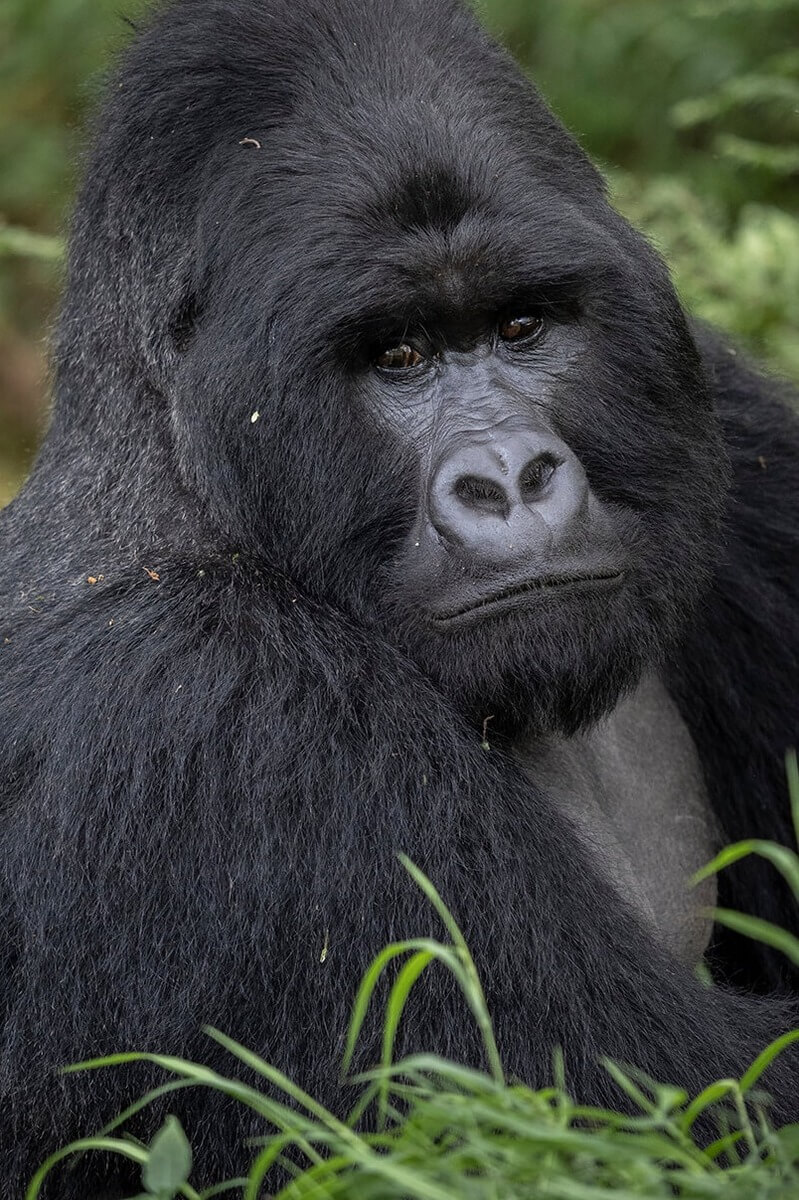
Whenever possible, it is highly advisable to opt for a private safari. It gives you a much more flexible experience, adapted to your tastes and interests. You can decide the schedule, the style of accommodation and the pace of the trip. In Uganda, this is especially useful if you want to spend more time on certain activities such as trekking to see gorillas or chimpanzees, 4×4 game drives, or if you want to do a cultural activity.
Suggest Changes to the Itinerary
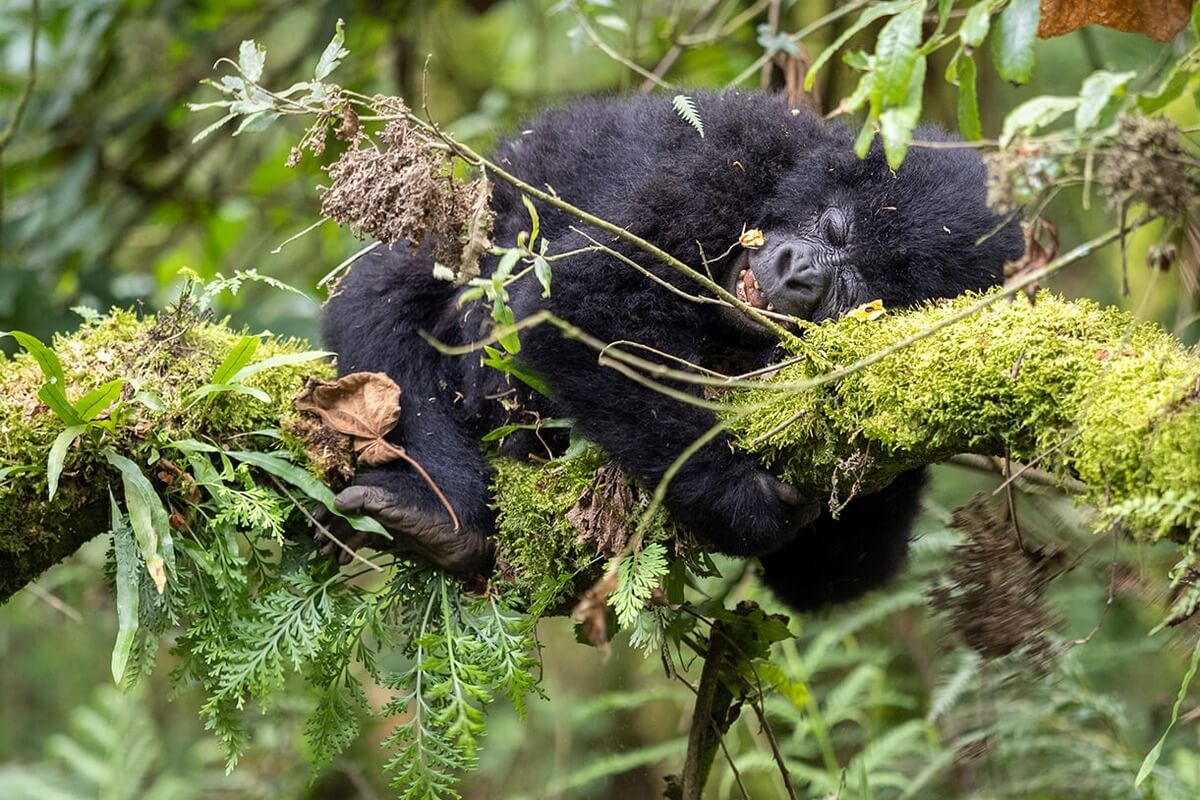
If you do a private safari, I recommend that you research the destination well and suggest changes to the local operator’s initial itinerary. Bear in mind that local operators usually offer the most requested itineraries, but in Uganda there are other, less popular activities that can also be included in your trip.
That is why I recommend finding out about everything there is to see and do in Uganda and using it to create your ideal itinerary. To start, you can read the following posts I have written about Uganda:
- Travelling to Uganda Independently or with a Tour Operator
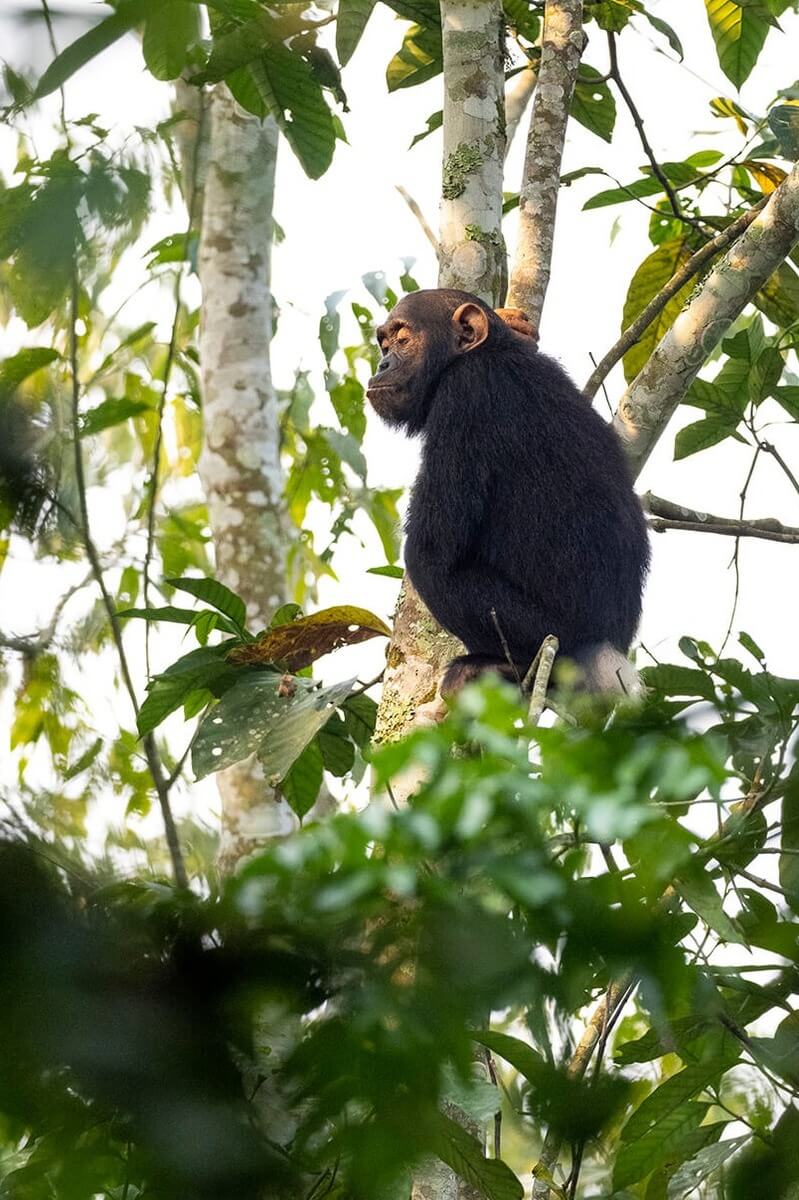
- Gorilla Trekking in Uganda
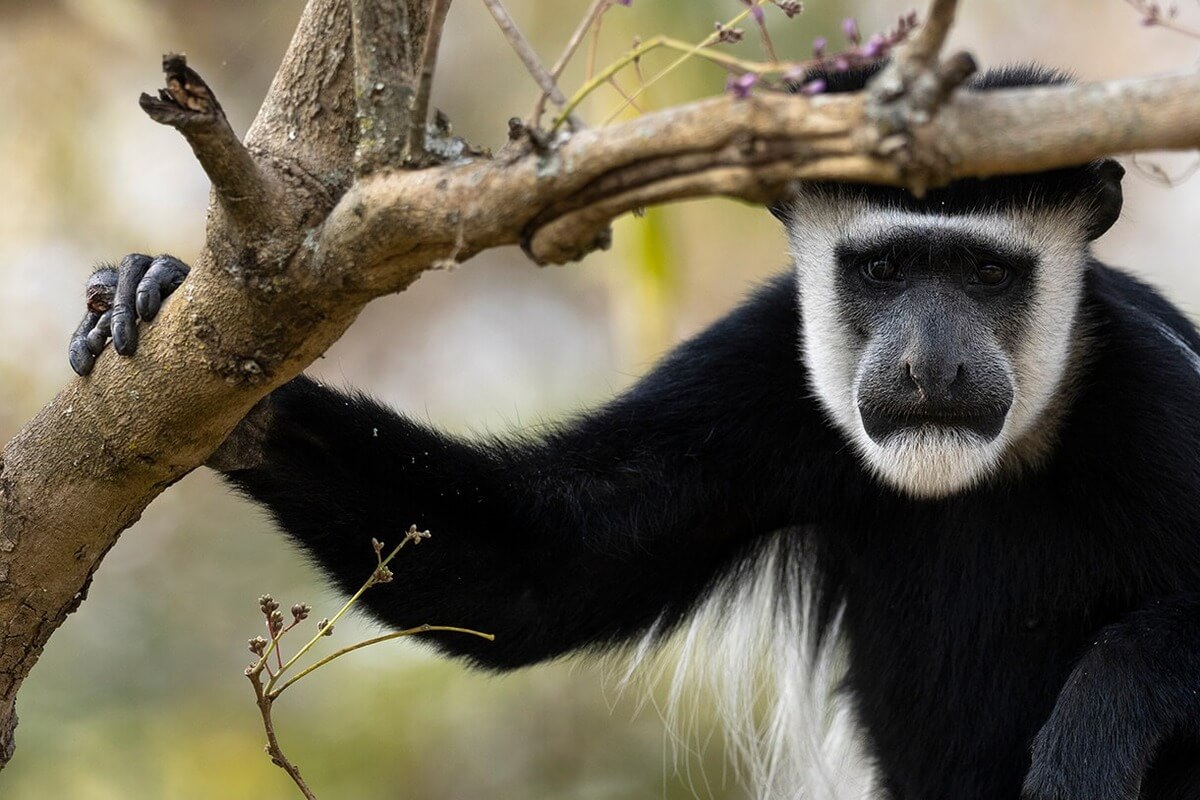
- Kibale Forest National Park, Uganda
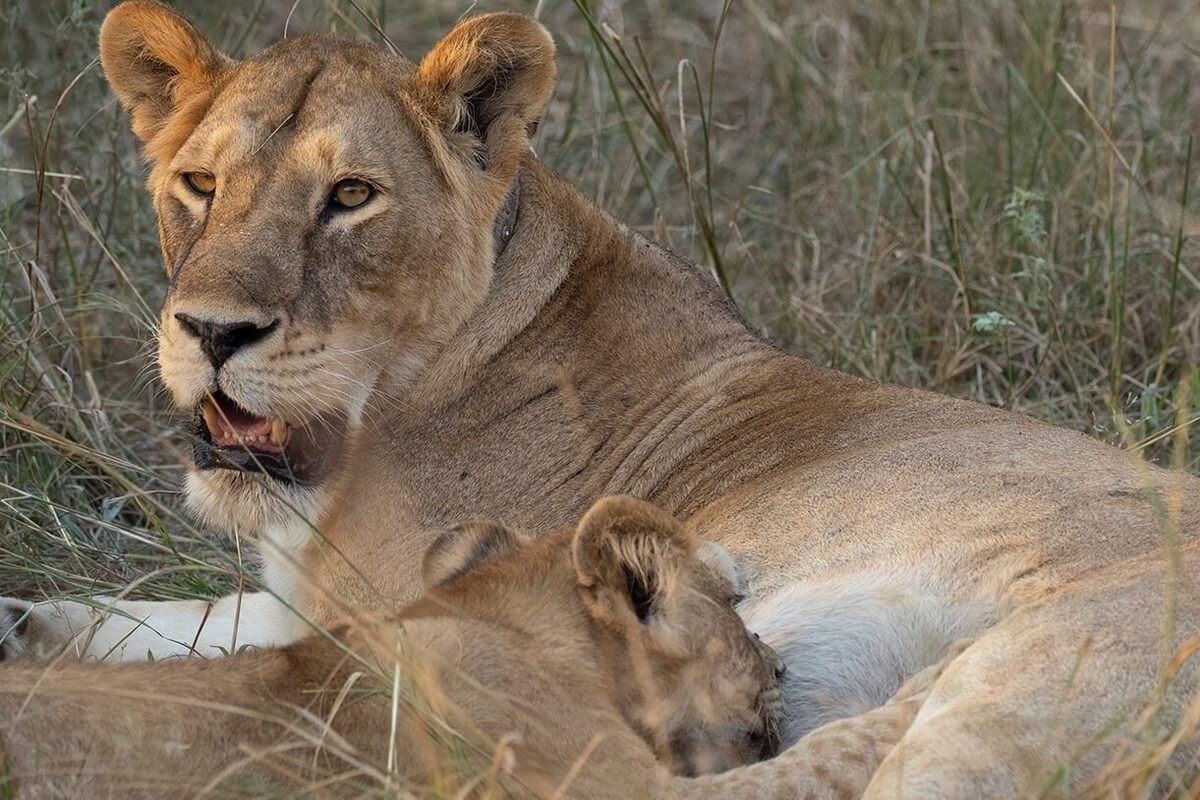
- Murchison Falls National Park, Uganda
Tell Them About Any Dietary Restrictions in Advance
Most safaris in Uganda include meals. If you have any allergy or dietary preference, it is very important to let them know in advance. Operators are used to adapting menus and there is normally no problem, but it is better to make it clear from the start.
Ask for a Guide Who Speaks Your Language
Although most guides in Uganda speak English, there are also operators with guides who speak other languages. If you don’t feel comfortable in English, you can ask for a guide who speaks your language.
Check Reviews and Social Media
Since there are more and more local operators in Uganda, it is essential to read the reviews carefully before making any booking. It is not enough to look at the price and the itinerary; you should also look at the experience of other travellers. I recommend reading the reviews on Tripadvisor and Google.
It is also worth taking a look at the operator’s social media to see how active it is, the kind of trips it organises and the confidence it inspires.
Paying to Confirm Your Booking
One of the points that can raise the most doubts when booking with local operators in Uganda is payment. Normally a 30% deposit is requested and the rest is paid on arrival, often in cash.
More and more operators accept card payments (in US dollars), so it is worth checking this with your operator beforehand. If you need to make a bank transfer, it is worth comparing the fees so you avoid high charges.
Uganda Tour Operators: How Much Does a Route with a Local Operator Cost?
The price of a route in Uganda with a local operator varies above all depending on the number of people and the activities you want to do. Gorilla trekking in particular costs far more than any other activity, as the permit currently costs USD 800, which clearly shapes the budget.
In general, on a ten-day trip with a local operator for two people, including the permits to see gorillas and chimpanzees, you can expect to pay the following:
- Budget accommodation: Between USD 250 and 400 per person per day.
- Mid-range accommodation: Between USD 400 and 600 per person per day.
- High-end accommodation: Between USD 600 and 1,000 per person per day.
If you travel with more than two people, the price goes down. That is why it is ideal to organise a trip to Uganda with a local operator in a group of four.
|
YOUR NEXT ADVENTURE AWAITS Get a Fixed Quote, Direct from the OperatorWondering what your Uganda trip would cost? Tell us your group size and the activities you want, and local operators will send you a personalised proposal with direct prices and no intermediaries. |
Practical Information for a Trip to Uganda with a Local Tour Operator
What Is the Best Time of Year for a Safari in Uganda?
January, February, June and July are the best months to enjoy a trip to Uganda, mainly because of the weather. These months coincide with the dry season. With little rain, the conditions for trekking to see mountain gorillas and chimpanzees are especially good. In addition, the vegetation is less dense and it is easier to see wildlife during game drives.
Do You Need a Visa to Go to Uganda?
EU citizens need a visa to enter Uganda. Currently, it has to be arranged online before arriving in the country. You do it through this website.
If you are only travelling to Uganda, you need to apply for the tourist visa. It allows you to stay in the country for a maximum of 3 months. It has a cost of USD 50, paid by card when you submit the visa application online. Approval usually takes about 48 hours. It is advisable to apply one or two weeks before arriving.
If, besides visiting Uganda, you plan to enter Kenya or Rwanda, it is more efficient to apply for the East African Tourist Visa. This visa is valid for 90 days from the day of arrival, allowing you to move freely between Uganda, Kenya and Rwanda. When applying for this visa, it is important to do so through the embassy of the first country you will visit. This visa costs USD 100.
Is There Good Mobile Coverage and Wi-Fi?
In general, there is good coverage in most towns and cities in Uganda. So, during a trip to Uganda with a local operator it can be useful to buy a SIM card. Just outside Entebbe airport, turning left, there are three stands from different companies selling prepaid SIM cards: MTN, Airtel and Africell.
In general, Airtel and MTN are the companies with the best coverage. For me, 10GB cost 50,000 UGX.
On the other hand, there is usually no coverage in the national parks. In these cases some lodges, especially mid-range or high-end ones, have Wi-Fi, but sometimes only in the reception area.