Having explored a number of countries in East and Southern Africa, in my view Uganda is one of the most complete destinations on the continent. Nature is the star of the things to do in Uganda, but you can experience it in many different ways. You can go on 4×4 safaris across the savannah, cruise rivers by boat to see elephants and hippos, trek through the jungle on foot to see gorillas or chimpanzees, or explore volcanic Lake Bunyonyi to immerse yourself in Ugandan culture.
Unlike a Kenya vs Tanzania safari, where practically the whole trip revolves around 4×4 game drives, Uganda stands out for the sheer diversity of activities, ecosystems and wildlife it offers. It is an ideal destination for lovers of landscapes, wildlife and active travel.
Throughout this post, you will find the main attractions to see in Uganda: spectacular places that will make you fall in love with this country and want to visit Uganda as soon as possible.
10 Things to Do in Uganda
On my 10-day Uganda safari, I got to see the country’s biggest highlights. It was still a slightly short trip, but I was travelling alone and my budget did not allow me to extend the route any further.
In the list below, I have included the most impressive places I was lucky enough to see in Uganda, but also a few other fascinating destinations that I would have loved to visit. Although I have not been to them personally, I decided to add them because they can be useful for other travellers when planning their itinerary through Uganda.
1. Mgahinga Gorilla National Park
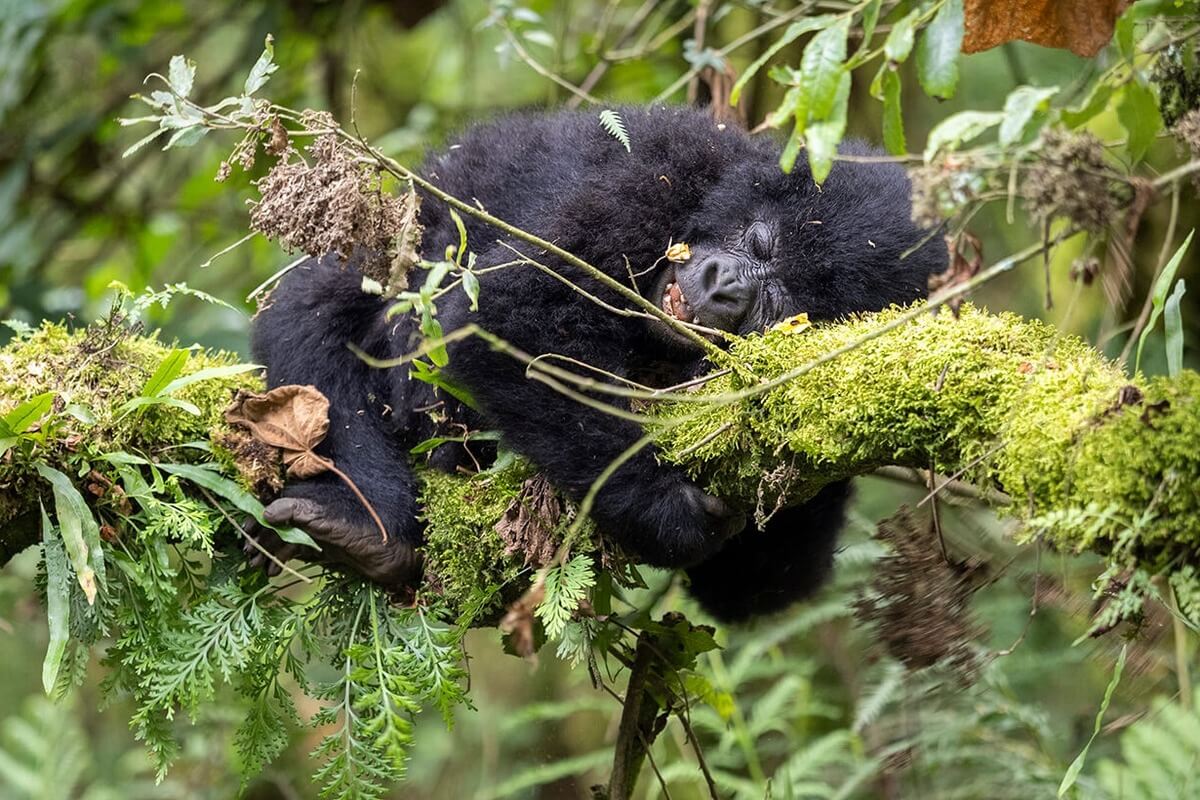
Gorilla trekking in Uganda is the country’s greatest attraction. And, for me, the best place to do it is Mgahinga Gorilla National Park, in the south of the country, within the Virunga massif.
Mgahinga Gorilla National Park is just 34 km² and is the smallest national park in Uganda. It was established in 1991 and, although it is still a little-visited area of Uganda, it has been gaining popularity in recent years. In this national park you can go trekking to see gorillas and golden monkeys, as well as hike up the Sabinyo, Muhavura and Gahinga volcanoes.
Although there are two gorilla families habituated to humans in Mgahinga, only one of them always stays in Uganda, and it is the only one that is visited daily and for which tourist permits are issued. It is the Nyakagezi family.
These are the reasons why I think the Mgahinga area is a better place to see mountain gorillas than the famous Bwindi National Park (I talk about it below):
- The Nyakagezi gorilla family, the one visited on the treks and habituated to humans, has three silverback males. It is the habituated family with the most silverbacks. I can assure you that seeing them in person is impressive.
- The forest is somewhat less dense, so the gorillas are easier to see, with fewer branches and leaves in between.
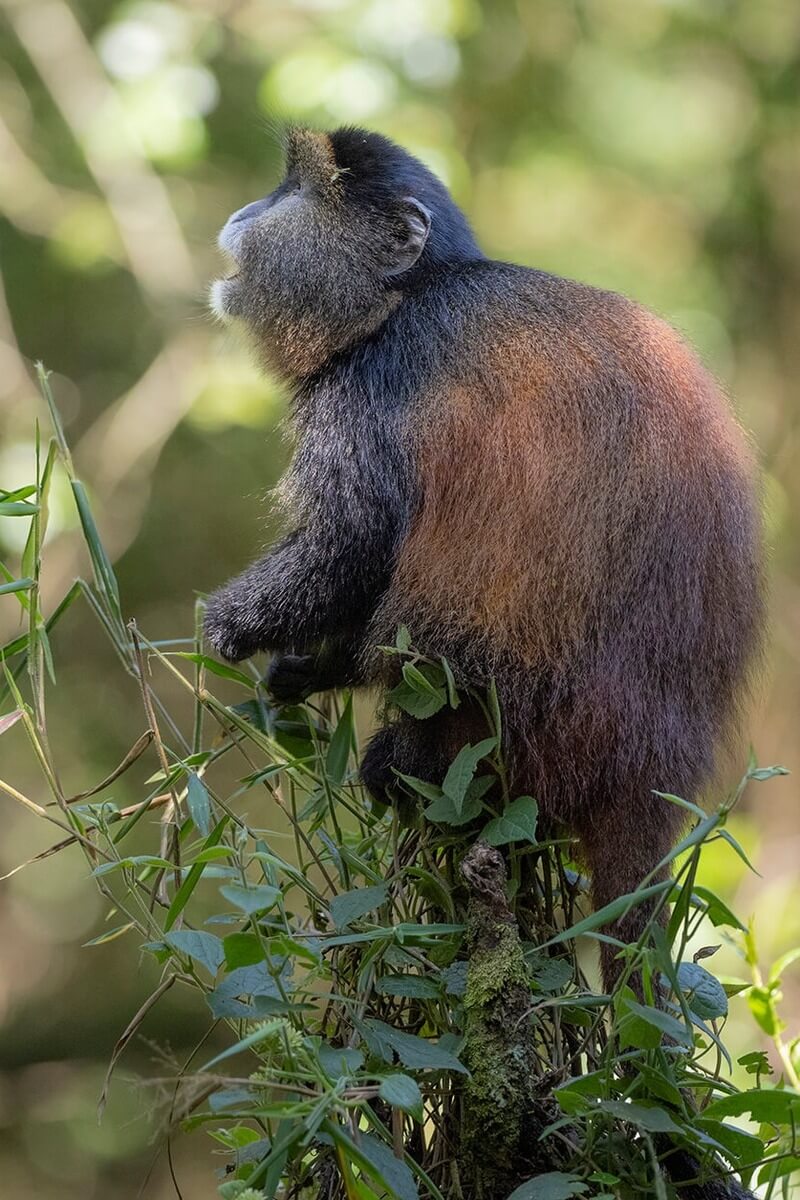
- Besides seeing gorillas, in this national park you can also do a golden monkey trekking experience, to see a primate endemic to the Virunga massif.
What the gorilla trek in Mgahinga Gorilla National Park is like
In case you have never read about the gorilla trekking experience, here is a summary of mine, so that you are clear about how it works:
- Months before arriving in Uganda (about 6 months before, to be exact), I booked my trekking permit to see gorillas in Mgahinga Gorilla National Park. Although in theory you can arrange the permit directly with the Uganda Wildlife Authority, in practice it is very slow and not really advisable. In my case, I booked the whole trip with a local Uganda tour operator, and they took care of the permit. The cost is 800 dollars per person.
- On the day of the trek, a group of trackers set out before dawn to locate the gorilla family. These trackers spend the whole day with the gorillas, until they build their nests to sleep, so they always have a fairly clear idea of where to start looking.
- Meanwhile, my guide and I arrived at the car park of the Mount Muhabura Lodge at around 7:30 in the morning, and from there we walked about 200 metres to Muhabura Gate, at an altitude of 2,200 metres.
- After the check of permits and passports, the rangers gave a briefing, and a group of people from the local community also explained their relationship with the gorillas and performed a traditional dance.
- Then the trek began. We were a group of 8 travellers (the maximum allowed), accompanied by 2 armed rangers, in case we had any encounters with forest elephants or buffaloes.
- I was quite lucky and only had to walk for about an hour and a half before we found the gorillas.
- From the moment we saw the gorillas, the clock started ticking. You are only allowed to spend 1 hour with them, so as to interfere as little as possible with their lives.
- When the hour was up, which I remember as one of the most intense, unforgettable and magical hours of my travelling life, we walked back to the starting point.
|
PLAN YOUR NEXT ADVENTURE Get a free quote for your Uganda trip from trusted local operatorsIf you would rather organise your Uganda trip with trusted local operators, I can help you get in touch with the best options. Just fill in the form and, depending on the type of safari you are looking for, I will connect you with the most suitable local operators. I will also be around to answer any questions you have during the whole planning process, so your safari is even more incredible and hassle-free. |
Where to stay in Mgahinga Gorilla National Park
Before or after your gorilla trek in Uganda, specifically in Mgahinga Gorilla National Park, it is best to sleep near Muhabura Gate.
Here, these two places to stay are highly recommended:
- Travellers Rest Hotel. This is where I stayed on my trip. It is a historic hotel where Dian Fossey also slept.
- Mount Gahinga Lodge. This lodge is very well located, very close to the area where the gorilla treks in this national park begin.
2. Bwindi Impenetrable Forest National Park
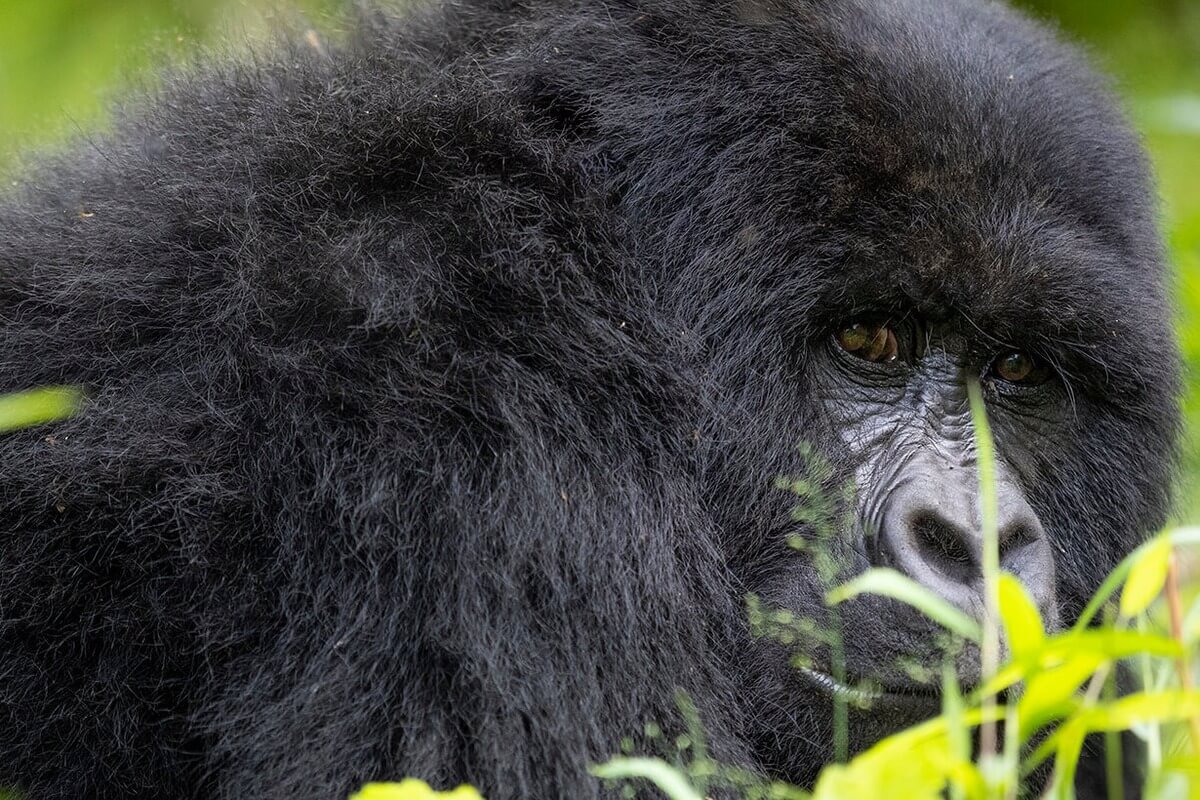
Bwindi Impenetrable Forest National Park, which is also a UNESCO Biosphere Reserve, is another incredible destination among the things to do in Uganda. This conservation area is home to great biodiversity, including mountain gorillas, chimpanzees, forest elephants, buffaloes and a wide variety of birds.
The chance to see gorillas in Bwindi forest is the reason it is such a common stop on trips to Uganda. In this forest there are 19 gorilla families habituated to humans, which you can observe on one of the daily gorilla treks. Each day, a single group of 8 people visits each of the families. As in Mgahinga Gorilla National Park, the cost of the permit for this trek is 800 dollars.
Another important thing to bear in mind about Bwindi forest is that the national park is divided into four sectors: Buhoma (the most touristy), Ruhija, Nkuringo and Rushaga. When you apply for the permit, you have to specify which sector you want to visit.
Apart from this, everything works in a very similar way to what I described from my experience in Mgahinga. Given the high cost of the permit, most people (and this is what I did) only do the gorilla trek in one of the two national parks.
The reason most travellers choose to visit Bwindi forest is that it is a much bigger national park, with many more gorilla permits. It is also closer to Uganda’s capital, so you have to make less of a detour on the most common itineraries through the country.
Which sector of Bwindi forest should you choose?
An important question when organising a gorilla trek in Bwindi forest is choosing the sector in which you will do the activity. When you book the permit, you are usually asked to name two sectors, and if there is availability you are assigned to one of them. All sectors offer gorilla trekking with an almost 100% guarantee, but the experience can be somewhat different depending on the area.
- Buhoma is the best-known and most touristy sector, and it was also the first area of Bwindi where gorilla treks began. It has a good choice of accommodation and is a very convenient option for those arriving from Queen Elizabeth National Park.
- Ruhija is a good alternative, and the lodges are in a somewhat quieter area. This sector is also in the upper part of Bwindi forest, at around 2,600 metres of altitude, which means the gorillas tend to stay in the same area more. For this reason, the trekking time needed to locate the gorillas is usually somewhat shorter in this sector.
- Rushaga is the largest sector, and the one with the most habituated families. There are 10 habituated families, so 80 people set off every day on a gorilla trek from this sector. It is also the only sector where you can do the habituation experience, a special (and more expensive) permit that lets you spend up to four hours with a gorilla family that is in the process of being habituated to humans. This sector also has a wide variety of accommodation.
- The Nkuringo sector is the least visited, and the treks there are considered the toughest, as the terrain is very steep. The upside is that the views of the Virunga mountains and volcanoes are spectacular.
Depending on the sector you end up choosing, it is important to book accommodation near it, as there are considerable distances between the different sectors.
3. Kibale Forest National Park, a must-see in Uganda
Besides mountain gorillas, Uganda also has a good number of chimpanzees, which can be seen in several parts of the country. However, the best place to see chimpanzees in Uganda is Kibale Forest National Park. Thirteen species of primate live in this national park, although the chimpanzees are the main stars. In fact, one of the most important chimpanzee populations in Africa lives here.
In Kibale forest there are several chimpanzee families habituated to humans, and it is the place in Uganda where this habituation process has been going on for the longest. This means that the chances of sighting them are much higher (over 80%) and that the chimpanzees tend to ignore the presence of humans, so you can see them from closer and in a calmer state.
To see chimpanzees in Kibale, there are two types of activity:
- The standard chimpanzee trek. In this case, you visit one of the chimpanzee groups habituated to humans and can only spend one hour with them. The price of this permit is 250 dollars.
- The habituation experience for chimpanzees. In this case, you visit a chimpanzee family that is in the process of being habituated to humans, but you spend four hours with them. As it is a group still being habituated, they tend to move around a lot and you have to keep walking the whole time. This is the option I chose. The price is 300 dollars.
In addition to chimpanzee trekking, in Kibale you can also take a guided walk through the Bigodi Wetland Sanctuary, to see birds and other primates.
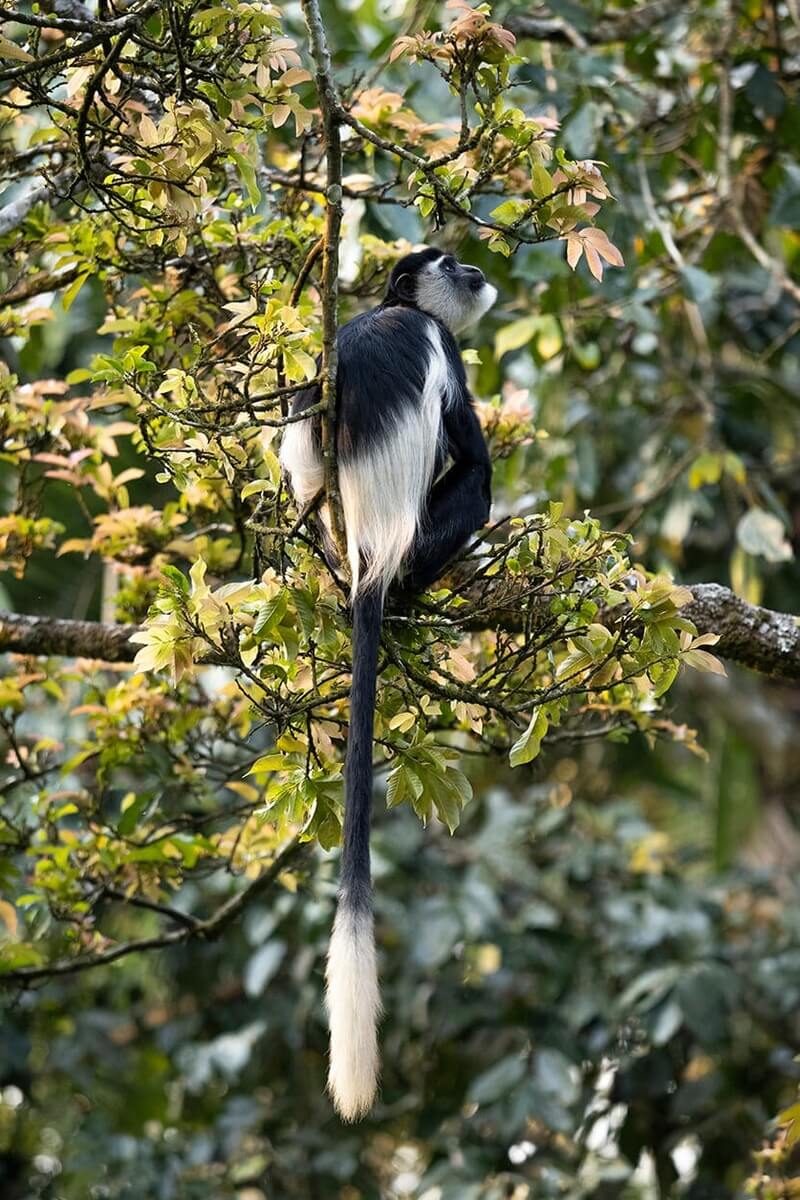
It is also highly recommended to stay at lodges near the forest, because you can often see colobus monkeys at the lodges themselves. I stayed at Kibale Forest Camp and, during the afternoon before my visit to Kibale forest, I was able to see colobus monkeys strolling around the hotel gardens.
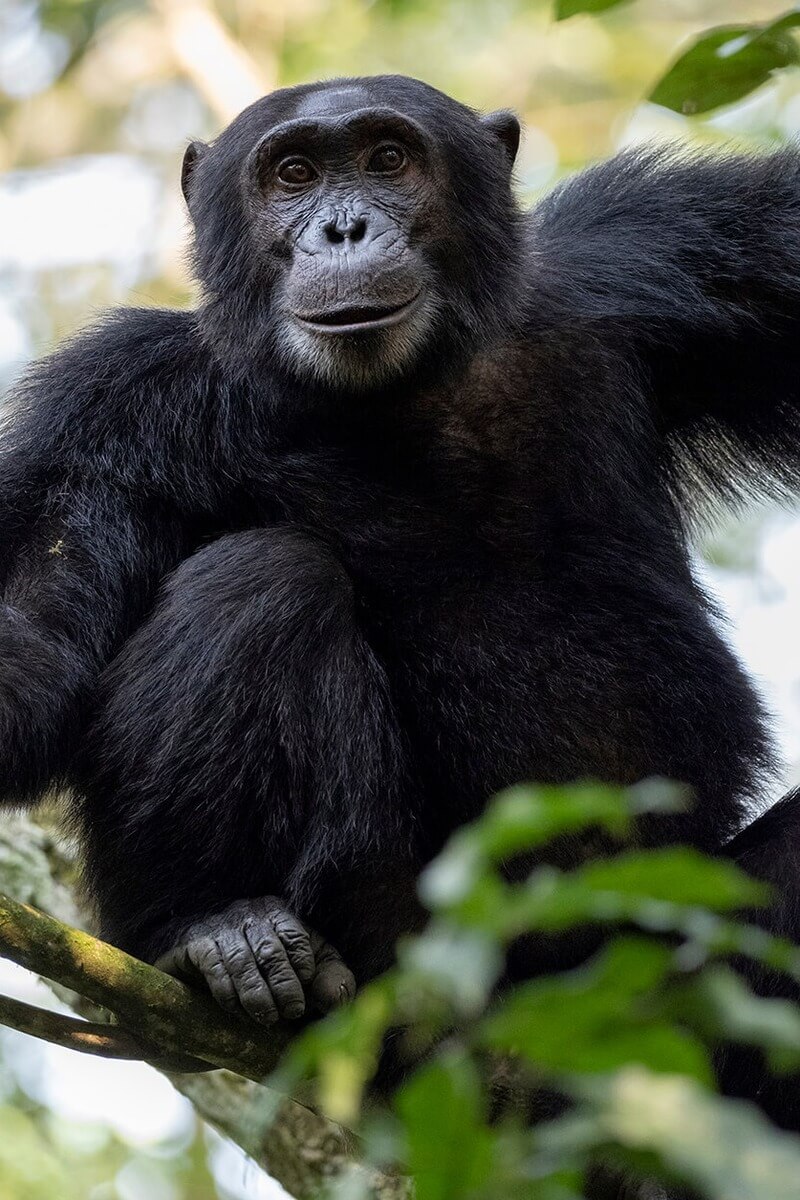
What chimpanzee trekking in Kibale is like: my experience
In my case, as I explain in my Uganda trip diary, in Kibale I did the chimpanzee habituation experience, so I had a permit to spend four hours with a chimpanzee family in the process of being habituated to humans.
The activity went as follows:
- After a quick breakfast at the lodge, I went with my guide from the local Uganda operator to the Kibale point center. There, they checked my chimpanzee permit and told me which ranger would lead the group.
- Together with the other participants, six of us in total, the ranger gave us a briefing on the trek and all the rules to follow. He told us that we would be visiting a chimpanzee family that had been in the process of habituation to humans for a few months.
- As dawn was starting to break, we began the most uncertain part of the activity: the trek through Kibale to locate the chimpanzees. The ranger was armed in case we came across an elephant or a buffalo.
- At first we walked along the road.
- When we had not been walking for very long, we heard the first chimpanzee screams. Our ranger went into the vegetation to check whether they were there. A few minutes later he reappeared and signalled for us to follow him quietly. From that moment on we walked through the interior of the forest. We were not following any path.
- Suddenly, the ranger stopped and pointed at a black silhouette. There was still little light, but I had no doubt. It was a chimpanzee.
- From this moment the four hours we could spend with the chimpanzees began. The experience was not as calm as with the gorillas. Chimpanzees move around a lot, so we kept walking through the forest non-stop, watching some individuals eating in the trees, others resting and others walking on the forest floor.
- After the four hours, this magical experience came to an end and we returned to the starting point. In total I walked more than twelve kilometres through the dense forest.
Where to stay in Kibale National Park
Kibale National Park is one of the most touristy places in Uganda. Near the park there is a wide choice of accommodation, with options for every budget.
Some of the best-rated options are:
- Kibale Forest Camp. It is about fifteen minutes from the starting point of the chimpanzee trek. This is where I slept. The tents have beds and are very comfortable. The lodge also has gardens where you can often see different types of primates.
- Isunga Lodge. It is about 20 minutes from Kibale National Park, in a spectacular setting.
- Kibale River Camp. One of the cheapest options for sleeping near Kibale forest.
4. Murchison Falls National Park
As I said in the introduction, on my trip I was very impressed by the great variety of ecosystems to see in Uganda. In fact, Murchison Falls National Park in Uganda, the largest in the country, protects very different habitats within its borders, from forest to savannah, along with the riverine environment of the White Nile.
The great size of this national park allows for very varied activities:
- 4×4 safaris.
- Boat cruises on the White Nile.
- Viewing the Murchison Falls.
- Chimpanzee tracking in Budongo forest.
4×4 safaris across the savannah
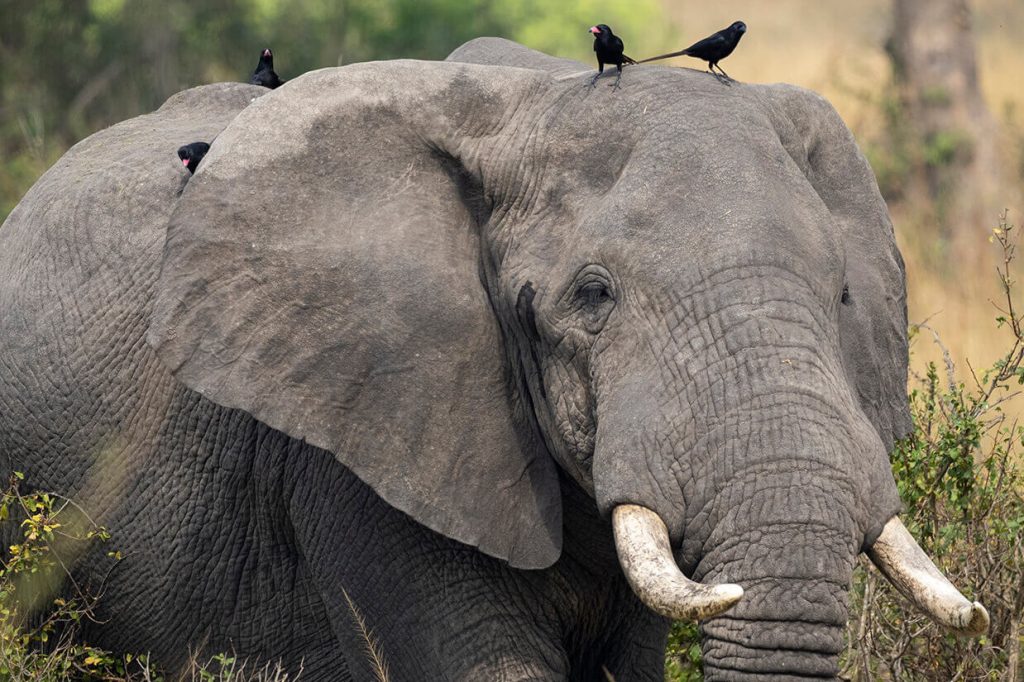
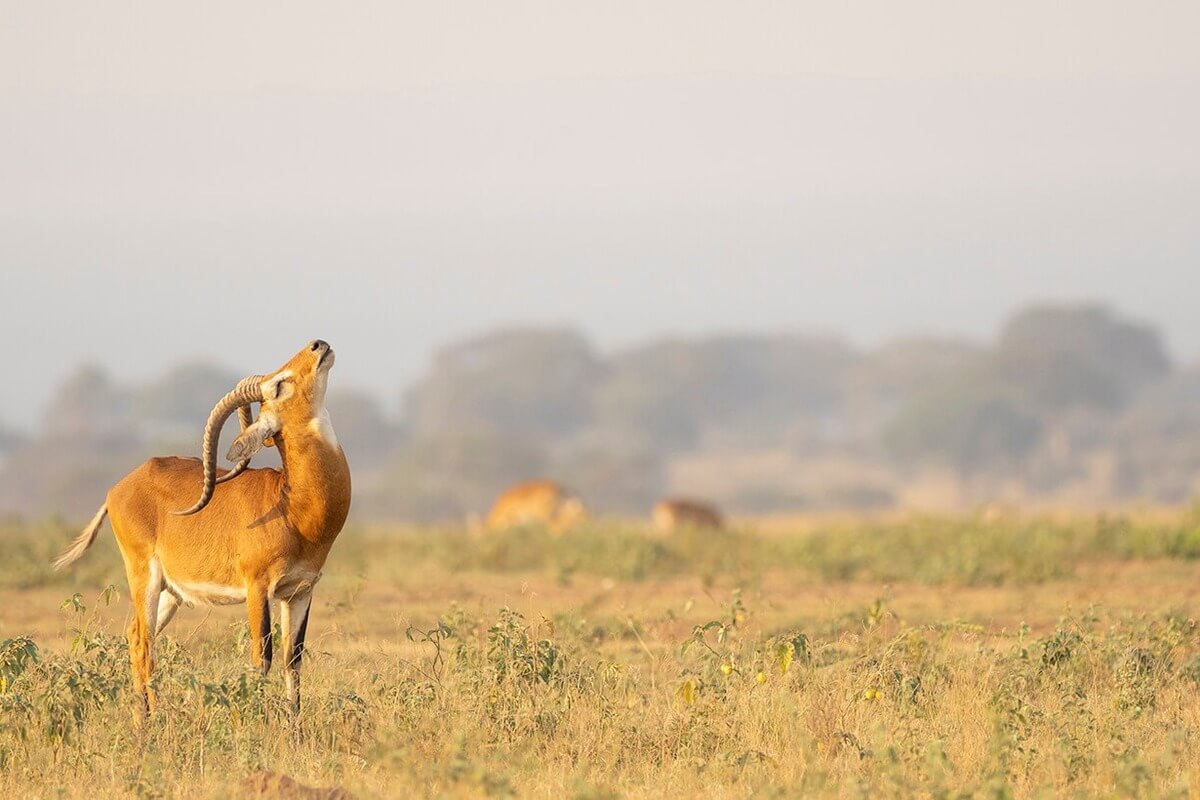
The savannah plains in the north of the national park are one of the best places in Uganda to go on safari. You can easily see elephants, Rothschild’s giraffes, kobs, zebras and other herbivores. Sightings of hyenas and lions are also occasional, although you need a bit more luck to see them. Leopards are also seen from time to time, but there are no cheetahs in this national park.
To go on safari, a 4×4 is essential. If you are travelling in Uganda on a self-drive safari, you can hire a guide at the park entrance to help you find your way around and locate the animals.
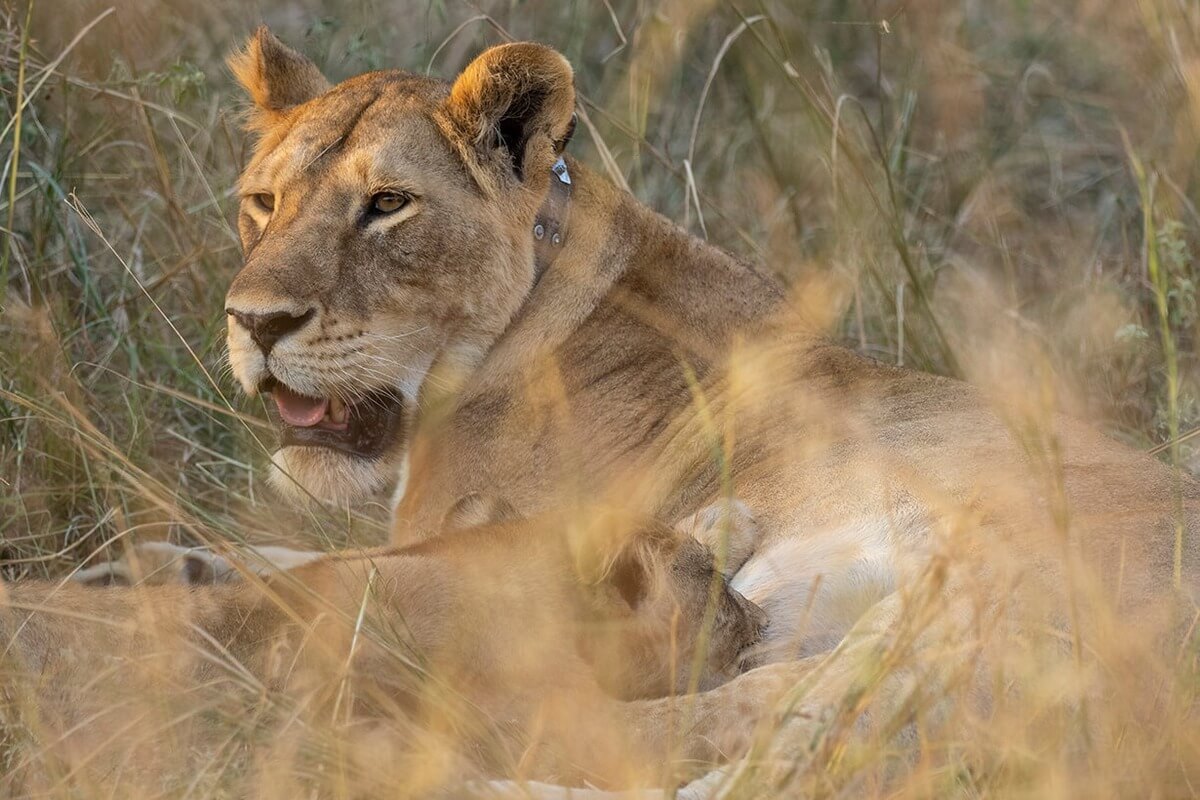
Boat cruises on the White Nile
Another highly recommended and different activity to do in Uganda is a boat cruise on the White Nile. These cruises usually head upriver towards the Murchison Falls and, along the way, it is very common to see crocodiles, elephants and a wide variety of birds.
For me, being lucky enough to see a group of elephants playing, drinking and cooling off in the river is unforgettable. Even so, you are not always lucky enough to see these scenes, as sometimes the elephants are hidden in the forest or in other, more inland areas of the national park.
Viewing the Murchison Falls
The falls that give this national park its name are another essential among the things to see in Uganda. Although you can see the lower part of the falls during the White Nile cruise, to really see them well it is best to head to the viewpoints at the top of the falls.
Access to the viewpoints costs 10 dollars per person and you have to walk for about two minutes to get there. But it is well worth it. Being close to the falls is the only way to appreciate the huge volume of water they carry. In fact, they are classed as the most powerful falls in the world.
Seeing chimpanzees in Budongo forest
Finally, in Murchison Falls National Park you can also go chimpanzee trekking, specifically in Budongo forest. These are guided treks and cost 90 dollars per person.
Even so, it is important to bear in mind that the chimpanzee groups living in this forest are less habituated to humans, so they are harder to see. In many cases you only see them from a distance and for just a few minutes.
My experience exploring Murchison Falls National Park
The visit to this national park was my first safari in Uganda and the first of the seven-month trip I made around Africa, so it was a very exciting moment. This is how my experience in the park went:
- After a long journey from Kampala, I arrived at the entrance of the national park in the afternoon. I entered from the south, through Kichumbayobo Gate. There my guide bought the permits to enter the park that day, the next day and the morning of the last day there.
- The most interesting safaris are in the north of the park, so we first crossed the much more wooded southern zone. After crossing the Nile (there is now a bridge, so you no longer have to take the ferry), we reached the plains in the north of the park. While my guide drove along the main road, I was already able to see the first elephants and giraffes.
- We did not have any more time that day, so we went straight to the lodge.
- The next morning, I spent about five hours on a first 4×4 safari. It was a very full morning, with close sightings of elephants, giraffes, kobs, hyenas and hippos. But I had no luck with the big cats.
- After the 4×4 safari I took a boat trip along the Nile to the foot of Murchison Falls. It was a completely different experience: I was able to get very close to groups of hippos and crocodiles and watch elephants and birds from the water. The trip lasted about three hours.
- From the boat, Murchison Falls is seen from a certain distance, so it is well worth visiting the top of the falls at another time.
- To end the day I went on a last sunset safari. Just as we were about to leave, another vehicle told us that there was a lioness nearby. We went there and found a lioness with her small cub, lit by the orange light of the sunset. It was, without a doubt, one of the moments I remember best from my visit to Murchison Falls.
- As it got dark, we headed back to the lodge.
- The next morning, before leaving, I was able to visit the top of Murchison Falls. To be honest, it amazed me.
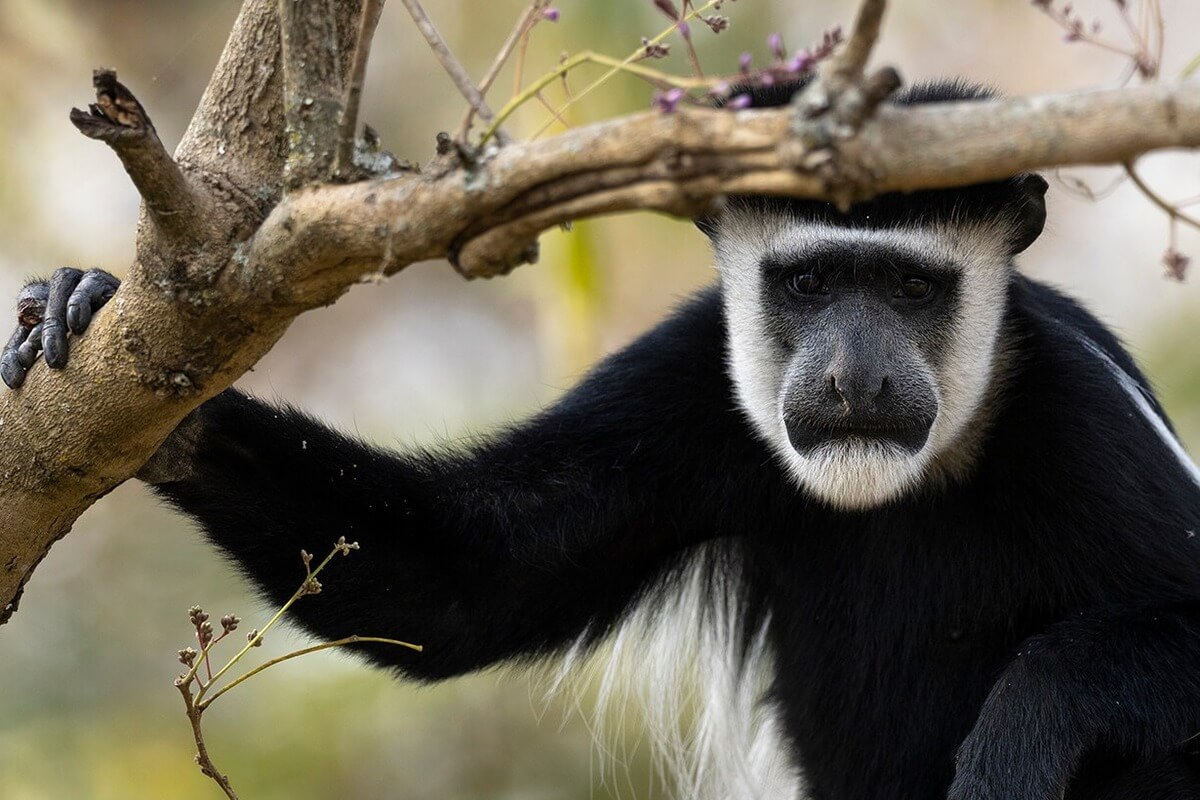
Where to sleep in Murchison Falls National Park
The variety of accommodation around Murchison Falls National Park is huge. There is something for every taste and budget.
If budget is not an issue, the best option is to stay inside the park in the northern area. This way you can go on safari from early in the morning until the last hour of the day. Some of the most notable places to stay there are:
- Paraa Safari Lodge. It is one of the best places to stay inside the national park, and it is located in an area with lots of wildlife.
- Chobe Lodge Uganda. A five-star lodge, for travellers looking for an exclusive, high-quality experience.
- Nile Safari Lodge. A very good lodge inside the national park, with fantastic views of the Nile.
To bring down the cost of accommodation a little, you can choose to sleep outside the park but close to Tangi Gate. In this case, these are some of the best options:
- Tilenga Safari Lodge. This lodge is in the north of the national park, and you can often see elephants from the rooms. It is where I stayed during the trip.
- Fort Murchison. This lodge is part of the Nature Lodges Uganda chain, which offers mid-range accommodation that is very well rated by international travellers.
- Red Chilli Rest Camp. It is ideal for people travelling independently on a low budget. It offers good value for money.
For adventure lovers, there is also the option of sleeping in one of the campsites inside the park.
5. Queen Elizabeth National Park
The most visited national park in Uganda is Queen Elizabeth National Park. It has a reputation as the best place for a safari in Uganda, as the density and variety of animals is spectacular. In the savannah areas, where most game drives take place, it is common to see elephants, giraffes, buffaloes and a wide variety of antelopes. It is also the best national park in Uganda for seeing lions, and leopard sightings are occasional too.
This national park covers around 2,000 km². It is huge, but the best approach is to focus your visit on these areas:
- The central sector. This is the largest part and where you can do the most complete safaris. It is also where most of the accommodation is.
- The Kazinga Channel area. One of the great attractions of Queen Elizabeth National Park is the boat safaris on this channel. During the cruise you see huge numbers of hippos and a few crocodiles. In the dry season, land mammals also tend to come to the channel to drink, so it is common to see elephants, buffaloes or some antelopes too.
- The southern Ishasha sector. The Ishasha sector is another of the wonders to see in Uganda. This area is known for its tree-climbing lions, groups of lions that have become used to sleeping among the branches of trees. They are believed to behave like this to escape the heat and keep away from tsetse flies, so the best time to see them is during the hottest hours of the day.
When planning a safari in Queen Elizabeth National Park, the time of year you visit is also very important. Safaris in this park are far more spectacular in the dry season, when there is little vegetation and the animals gather in the north of the park, where there are more water points. Outside this season, all the wildlife is much more dispersed and it is harder to see animals.
I visited this reserve in February and, to be honest, it disappointed me a little. I saw little wildlife and just one lioness with her cubs, but very far away and hidden by vegetation. Perhaps I was unlucky, so I am keen to visit again and see first-hand the wonders other people have seen on safari there.
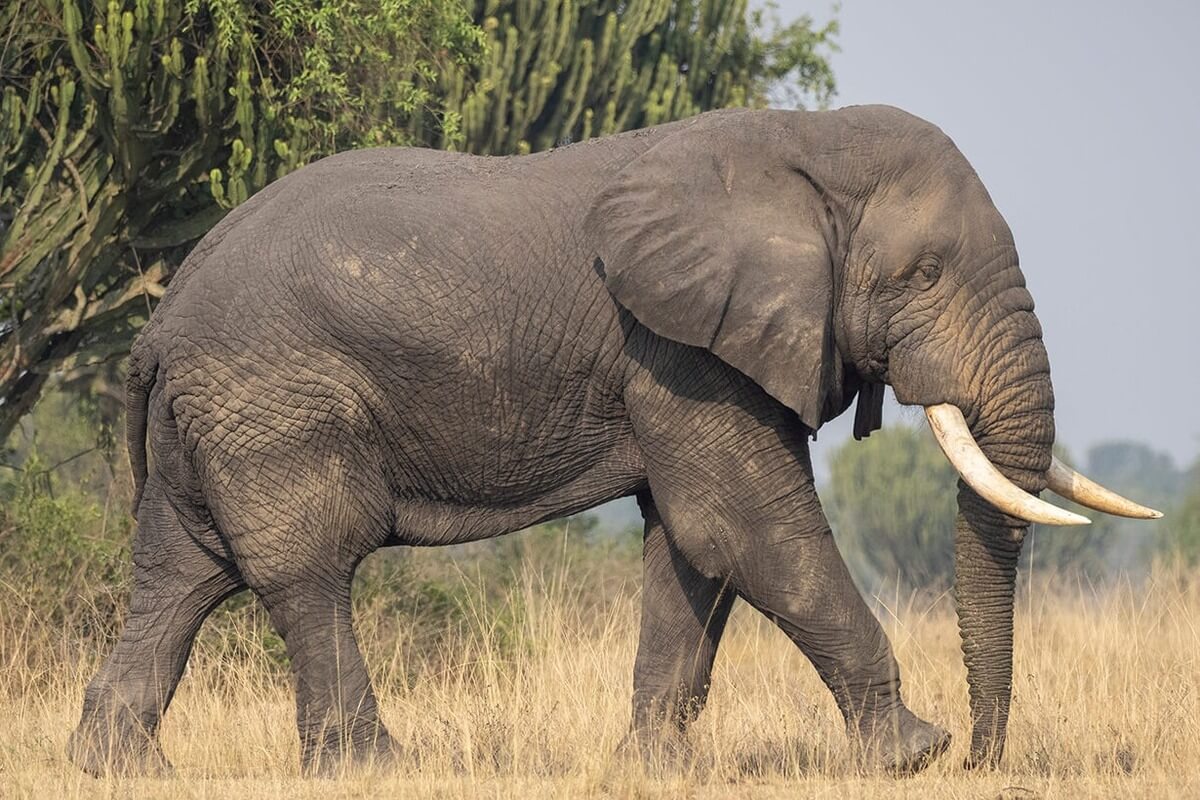
My experience exploring Queen Elizabeth National Park
My visit to Queen Elizabeth National Park in Uganda came after the chimpanzee trek in Kibale. Although the first safari seemed somewhat disappointing because of the small amount of wildlife, the experience on the Kazinga Channel left me with a good taste in my mouth. This is what I did:
- After about two hours by car from Kibale National Park, I reached Queen Elizabeth National Park in the afternoon. I stayed near the Kazinga Channel and made the most of the last hours of the day to enjoy the views and see a few elephants and buffaloes in the surroundings.
- The next morning, I set out very early for the Kasenyi sector, hoping to find a lion. Shortly after entering the park we were told that a lioness with two cubs had been located, although they were quite far away and hard to see.
- Over the next few hours we continued driving across the savannah looking for wildlife. I saw buffaloes, elephants, kobs, warthogs and numerous birds, but I was surprised that there were fewer animals than I expected and we did not manage to find any more big cats.
- After lunch, I did one of the park’s great attractions: a boat safari on the Kazinga Channel. The experience amazed me, especially because of the enormous number of hippos along the channel.
- The most special moment came when we found a group of about twenty elephants eating, drinking and bathing in the water, alongside several hippos. We switched off the boat’s engine and watched them for quite a while. It was one of the best moments of my visit to Queen Elizabeth National Park.
- There were still a couple of hours of daylight left after the cruise, so I did a final safari in another part of the park, closer to the border with the Democratic Republic of the Congo. There I found a more wooded landscape and was able to see elephants, warthogs and different species of birds again, although I had no luck with lions either.
- The next morning I had planned to pass through the Ishasha sector, but my guide told me that the road was in very bad condition at that moment and, given that we had to go all the way to Mgahinga Gorilla National Park, the journey would have taken more than twelve hours. For this reason, we ended up ruling out this sector, to my great regret. But that gives me one more reason to travel to Uganda again.
Want to be in the right place at the right time?Wildlife sightings depend a lot on the season, the sector and the length of your stay. A local operator knows where the animals are at the time you travel and can build a plan around it, with more time in the parks and fewer hours on the road. Tell us your dates and what you want to see, and get a no-obligation quote with direct prices, without intermediaries. ✓ Personalised safari itineraries |
Where to sleep in Queen Elizabeth National Park
If you have enough time, it is advisable to spend three nights in Queen Elizabeth National Park. The first two nights (the day of arrival and after the first day of safari) are normally spent in the Mweya Peninsula area (in the north of the national park). The following places to stay stand out in this area:
- Buffalo Safari Lodge. A highly recommended lodge, close to the Kazinga Channel, from which you can often see buffaloes or elephants.
- Elephant Hab Lodge. This mid-range lodge is on the edge of the national park, very close to the entrance gate. People appreciate the quiet, well-kept atmosphere, as well as the food.
- Engire Game Lodge and Campsite. A cheaper option for sleeping near Queen Elizabeth National Park.
After the second night, you can do a safari on the way to the Ishasha sector, in the south of the park. It is worth using the afternoon and the following morning there to try to find the tree-climbing lions. For sleeping in this sector, some of the best-rated options are:
- Enjojo Lodge. A simple lodge, but very well located near the Ishasha sector of the national park. They also offer a camping option.
- Topi Lodge. Another option with excellent value for money in the Ishasha sector area.
6. Ziwa Rhino Sanctuary, a conservation project to visit in Uganda
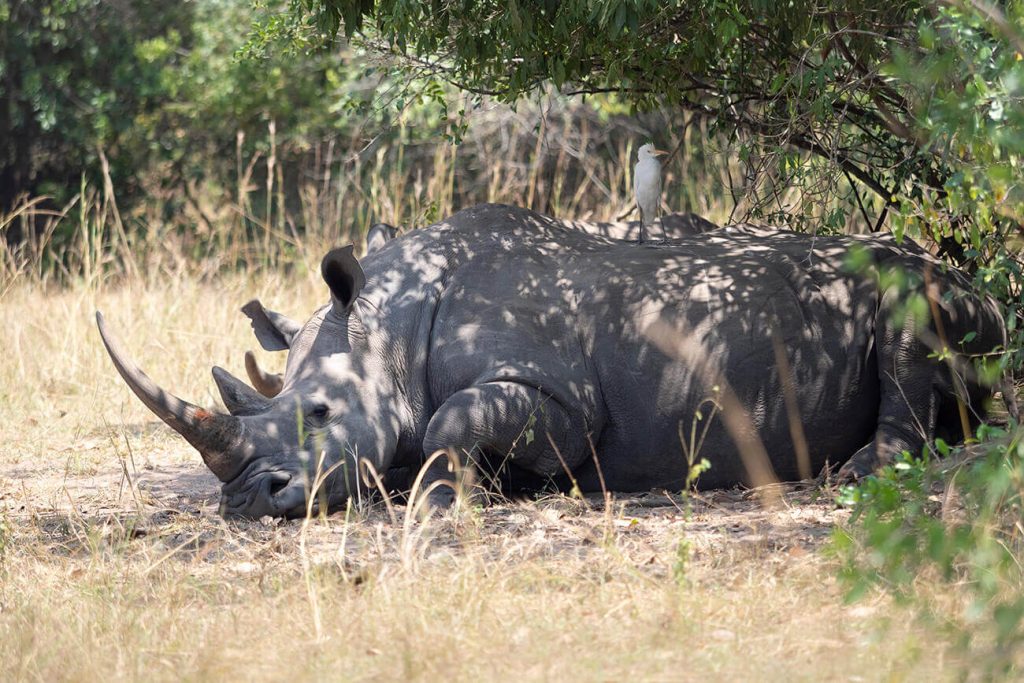
Walking treks to see primates in Uganda are such a special activity because of the closeness and connection you feel with wild animals. Standing in front of a wild, free animal, with no barrier or vehicle between you, is indescribable. And in Uganda you can have another experience like this at Ziwa Rhino Sanctuary, walking among huge white rhinos.
An important thing to bear in mind is that until 2026 there were no wild rhinos in Uganda, as they became extinct because of hunting. This is why the Ziwa Rhino Sanctuary project was born, and it is currently home to more than 40 white rhinos living in semi-freedom (the reserve covers 70 km²). The aim of the reserve is to protect the rhinos from poaching and gradually increase their numbers, so that they can later be released into the country’s national parks. In fact, the first release took place in January 2026, a great success for this conservation and sustainable tourism project. Uganda has free-roaming rhinos again!
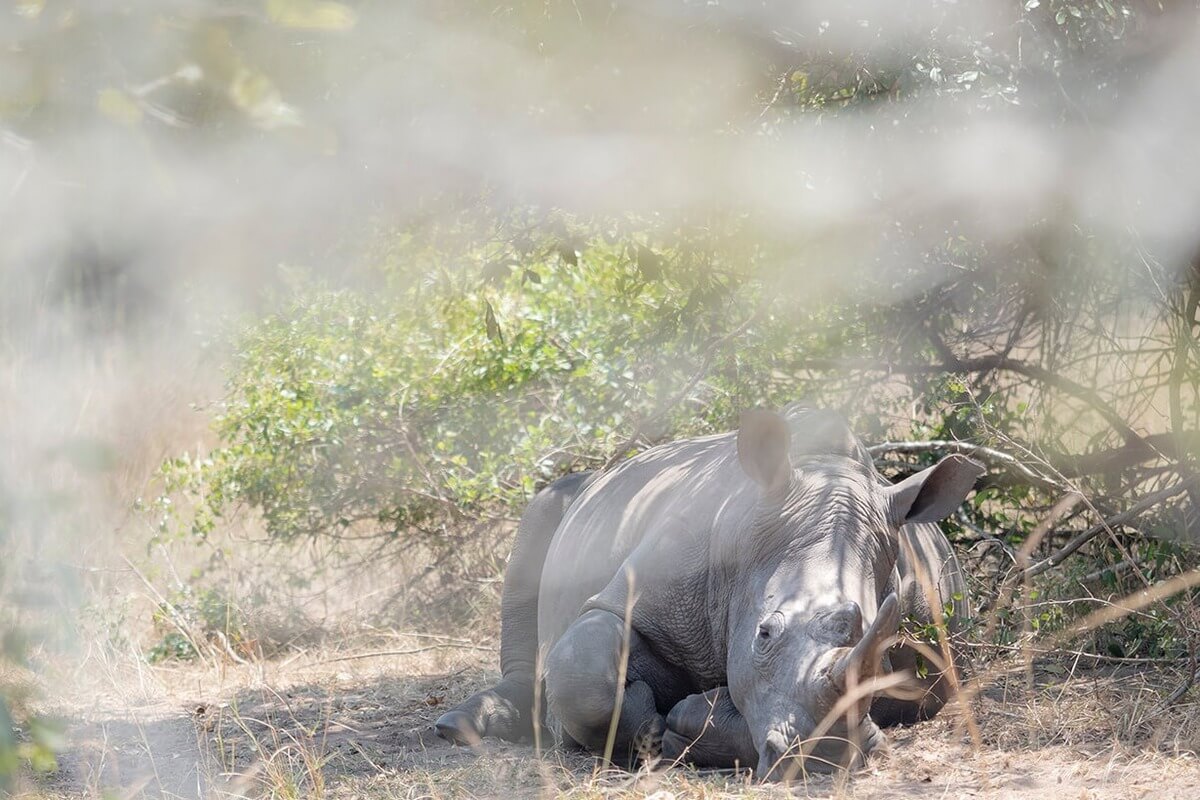
One of the sources of funding for this project is tourism. The entrance fee to the reserve, which costs 50 dollars, includes the rhino trek. So, under the supervision of a guide and a reserve ranger, you go on a walk to approach the rhinos and watch them from a distance of about twenty or ten metres. It is impressive to be so close to these huge mammals and watch them peacefully as they eat, sleep or move around the reserve.
My experience walking among rhinos
The visit to Ziwa Rhino Sanctuary was my first contact with Ugandan wildlife on the trip. It was also a very different experience from the safaris I would do later, as I was able to approach the rhinos on foot, without being inside a vehicle. In short, this is what I experienced:
- After spending the first night in Entebbe, the next day I set off at around 8:30 in the morning with my guide from the local operator. The journey to Ziwa Rhino Sanctuary took about four hours, mainly because of traffic on the outskirts of Kampala.
- I arrived at the reserve right at midday, when it was quite hot. After a brief explanation about the project and the rhinos, they drove me to the area where some of the animals had been located.
- From there began the part I had been most looking forward to: we left the vehicle and approached the rhinos on foot. Along the way we came across different groups of two or three animals.
- In total I was able to see 14 white rhinos, including a calf only a few months old. As it was very hot, most of them were lying down resting in the shade, although an adult male stood up for a while.
- What impressed me most was being able to watch them without the protection of a vehicle. Even though the rhinos were resting, the closeness and the enormous size of these animals made it a very special experience.
- After the rhino tracking I went to have lunch at the reserve’s own restaurant. While I ate I could keep watching wildlife, including warthogs, Uganda kobs and green monkeys.
7. Lake Bunyonyi, an interesting place to see in Uganda
Days in Uganda spent looking for wild animals tend to be intense. You usually need to get up early and make the most of the day until the last hours of light. That is why an ideal place to relax a little in Uganda is Lake Bunyonyi.
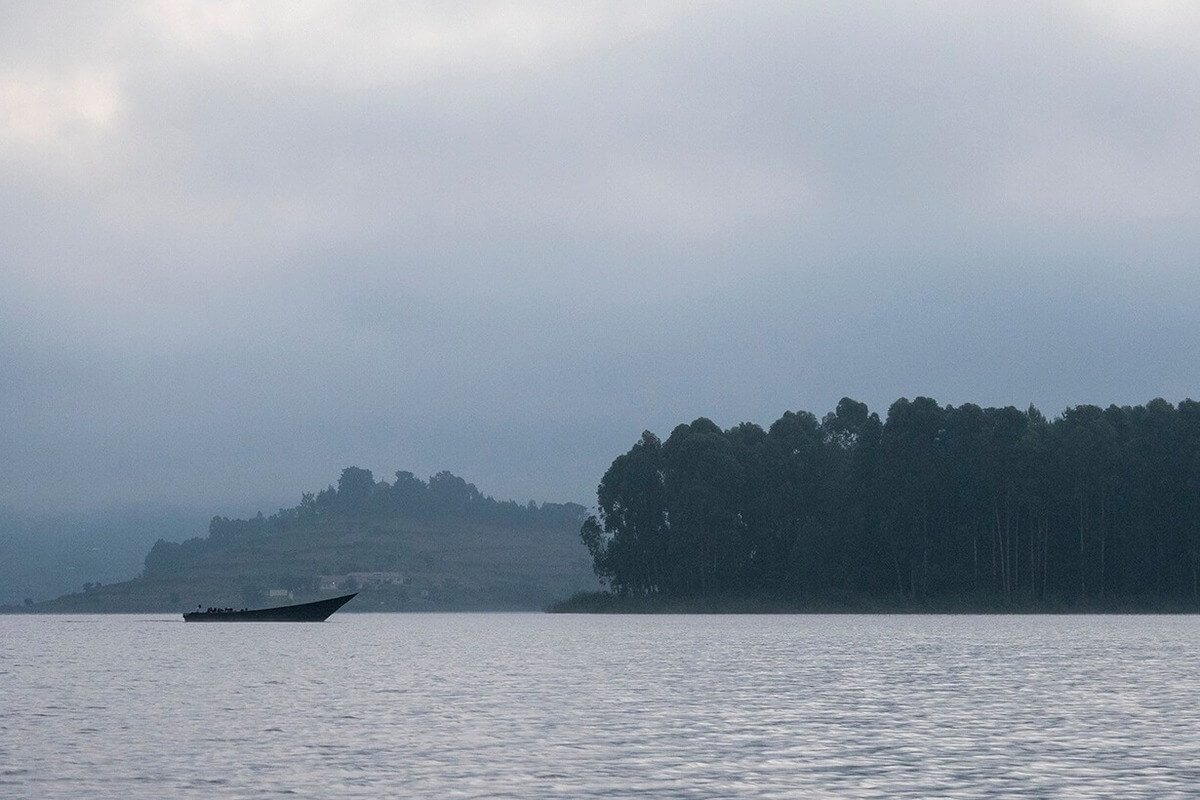
Lake Bunyonyi is a lake of volcanic origin, 25 kilometres long and almost 7 kilometres wide. The surroundings radiate peace and tranquillity, with a green landscape full of hills. It is also a place where you can visit local markets and come into contact with local Ugandan culture in a very calm and safe area.
For me, it is worth visiting this lake at the end of a trip to Uganda, to rest and look back on everything you have experienced. But there are also several activities to do at Lake Bunyonyi:
- Visiting the local market.
- Birdwatching and bird photography.
- Swimming in the lake.
- Paddling around the lake in a canoe.
- Walking and watching wildlife on Kyahunge Island.
My experience enjoying Lake Bunyonyi
At the end of my trip to Uganda, I was able to spend an afternoon and a night at Lake Bunyonyi. A lovely, relaxing stop after the intensity of the previous days. This is how my experience at the lake went:
- I reached Lake Bunyonyi in the early afternoon, after visiting the Virunga mountains to see golden monkeys. From Kisoro I went to the lake, where a small boat came to pick me up and take me to Heritage Lodge Habuharo, where I stayed.
- In the afternoon I took the chance to rest and stroll around the island where the lodge was located. I spent my time searching for and photographing birds. After several days of treks and safaris, I was very grateful for a quiet afternoon.
- The next morning I took the boat trip again to get back to the car. There was some rain and mist, creating a completely different landscape from the previous afternoon.
- From there I set off on the long road to Kampala, about nine hours by car. On the way I stopped at the equator and crossed Lake Victoria by ferry before reaching the city.
Where to sleep at Lake Bunyonyi
On a trip to Uganda, most days are long and you spend little time at your lodge. At Lake Bunyonyi, in contrast, it is most common to spend one afternoon and one morning, and although there are things to do at the lake, it is one of the places in the country where you really have time to enjoy your accommodation and its surroundings.
The best choice is a lodge located on one of the lake’s islands. Access is by boat and, once there, everything invites you to switch off: silence, tranquillity, walking paths, good views and a great diversity of birds that make this corner a very special place.
Some of the most recommended places to stay are:
- Heritage Lodge Habuharo. This is where I slept. It is a beautiful lodge on a private island. I really liked the path that runs around the island, where I spent the afternoon photographing many species of birds.
- Lake Bunyonyi Eco Resort. This is one of the most popular places to stay at Lake Bunyonyi. It is on a private island with plenty of wildlife.
- Paradise Eco-Hub. An exclusive lodge on another idyllic island with a huge amount of birdlife.
8. Lake Mburo National Park
Lake Mburo National Park is the national park closest to Uganda’s capital. It is an accessible and fairly small conservation area, covering around 370 km².
For a trip of ten days or less, it is not usually a must-see in Uganda, as the safaris are not usually as impressive as those you can do in Murchison Falls National Park or Queen Elizabeth National Park. Even so, for longer routes, this national park is an interesting stop.
The setting of Lake Mburo National Park, with the lake and wetland areas, is very beautiful. It is also home to a great variety of birds. As for mammals, it is the only place in Uganda where you can see zebras. It is also common to see impalas, giraffes, hippos or buffaloes. There are also some hyenas and leopards, but sightings are very rare.
The low density of predators makes it possible to go on walking safaris in this national park. However, they must always be done with an official national park ranger. You can also go on 4×4 safaris and boat safaris.
9. Sipi Falls, an impressive setting to see in Uganda
For those looking for a hiking route in Uganda and a chance to enjoy its landscapes, the hike to Sipi Falls is one of the most attractive options. It is a place somewhat away from the most typical routes, as these waterfalls are in eastern Uganda, about five hours by car from Kampala.
Still, if you have a couple or three spare days on your trip, I think these waterfalls are a lovely corner to see in Uganda. You can also use the journey to spend a relaxing day in Jinja, a quiet area near the source of the Nile.
As for the falls, the classic route is a walk of about six or seven hours, which lets you see all three waterfalls. The smallest has a drop of 68 metres, the middle one 80 metres, and the largest looks imposing at 100 metres. The route is not signposted, so to be safe and not get lost it is best to hire a guide (you can arrange one directly through your accommodation in Sipi).
10. Lake Victoria, home of the shoebill
Near Kampala there is another great attraction to see in Uganda. It is a prehistoric bird: the shoebill. This bird lives in the swampy area of Lake Victoria known as Mabamba Swamp. In recent years, this area has been gaining popularity and it is increasingly common to take a boat tour through the channels to see this bird. Although a sighting is not guaranteed, it happens in most cases.
These tours, which are done in small wooden boats, usually last between two and three hours. If you have not booked the activity beforehand, you can arrange it through your accommodation in Entebbe or also online. They usually cost around 50 dollars per person.
Map of the places to see in Uganda
In case you are still preparing your route, this map of the must-see places in Uganda may be useful to give you a clear picture of where all these attractions are located:
How to visit Uganda affordably and safely
If the list above has already made it clear that you want to travel to Uganda, your next question will surely be how to get there and travel around the country. On this site you can find many other detailed articles (above all, I recommend reading the post where I discuss whether it is better to travel to Uganda independently on a self-drive safari or with an agency), but here I will give you a preview of a few points.
There are four main ways to travel to Uganda:
- Booking a trip with an international agency.
- Booking a trip to Uganda with a local operator.
- Renting a 4×4 and travelling independently (there is also the option of renting a 4×4 with a driver).
- Travelling independently by public transport and booking activities through your accommodation.
In my view, visiting Uganda with a local operator is the best option for the following reasons:
- It is cheaper, thanks to cutting out intermediaries.
- You can customise the trip, including the itinerary, accommodation and activities. This way, it can be adapted to each traveller’s budget and tastes.
- You contribute more to the local economy, helping small businesses that create jobs and resources in the country itself.
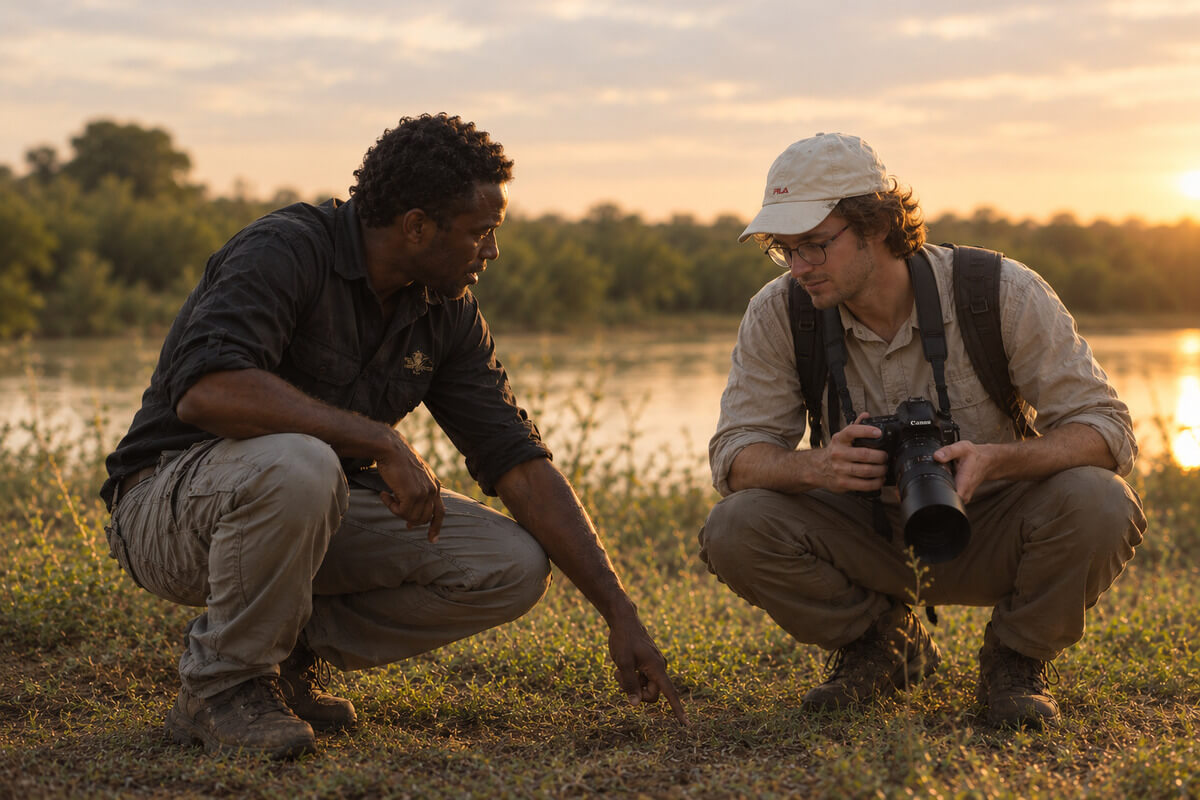
If this option interests you and you do not want to spend a lot of time searching for local operators, you can use this form. I will put you in touch with trusted local operators in Uganda, whom I know personally and have been recommending for some time through this site.
 |
SAFARIS BY LOCALS Talk directly to verified local operators in UgandaSkip the middlemen and get a quote straight from the people who run the safaris on the ground. Tell us what you would like to do in Uganda and we will match you with local operators who can tailor the itinerary, lodges and activities to your budget and travel style. |
Which route should you take to see the best of Uganda?
Although Uganda is not a huge country and the distances do not look very long on paper, the state of the roads makes journeys slow and tiring. That is why it is important to plan your route well and not try to cover too many places.
I would also advise you to leave the gorilla trek for the end of the route. It is the best part of the trip, and this way you will finish on a high.
Here are some recommended routes, depending on the number of days you have available:
Uganda in 7 days: a route with the country’s must-sees
Since I created the form to contact local operators in Uganda on this site, I have seen that quite a lot of people only want to visit Uganda for about 7 days, to combine this country with Kenya, Tanzania or an island such as Mauritius, Zanzibar or the Seychelles.
In this case, I recommend focusing the route on the experience of seeing gorillas in Uganda, and the most suitable route would be the following:
- Day 1: Arrive in Entebbe in the morning and start the trip, heading towards Murchison Falls National Park. On the way, stop at Ziwa Rhino Sanctuary to walk among white rhinos.
- Day 2: Full day in Murchison Falls National Park, spending the morning on a 4×4 safari, the afternoon on a boat safari on the Nile and the sunset on a final 4×4 safari.
- Day 3: Visit the Murchison Falls viewpoints and transfer to Kibale.
- Day 4: Morning chimpanzee trek in Kibale National Park, then transfer to Queen Elizabeth National Park. At sunset, boat safari on the Kazinga Channel.
- Day 5: Morning safari in the Ishasha sector of Queen Elizabeth National Park, on the way to Bwindi National Park. Arrive in Bwindi in the afternoon.
- Day 6: Gorilla trek in Bwindi, an unforgettable experience. In the afternoon, transfer to Lake Bunyonyi or Lake Mburo National Park.
- Day 7: Morning at Lake Bunyonyi or Lake Mburo National Park and transfer to Entebbe. If your flight leaves late and there is time, I recommend taking the boat trip on Lake Victoria to see the shoebill.
Bear in mind that this route is intense, with quite a few hours by car each day. Even so, in my experience, it is the itinerary most travellers prefer, in order to see the most emblematic places to visit in Uganda. If you want a more relaxed route, I would recommend not going to Murchison Falls National Park, which, although it is an impressive place, is somewhat far from the other sites.
10-day itinerary: a route with the best of Uganda
For me, 10 days is the perfect minimum to see the best of Uganda on one trip.
In this case, the itinerary would be similar to the previous one, but with these changes:
- I would add a full day of safari in the northern area of Queen Elizabeth National Park.
- Instead of doing the gorilla trek in Bwindi, I would go to Mgahinga Gorilla National Park, and there I would also spend a day on the golden monkey trek.
- I would visit both Lake Bunyonyi and Lake Mburo National Park.
- Also, if you prefer not to be so tired on the first day, you can spend the first day in Entebbe resting and taking the shoebill tour.
To see an example itinerary in more detail, you can read my post about the 10-day Uganda safari that I did myself.
Uganda in 15 days: a very complete route
If you have 15 days, the route I would take would be very similar, but spending more time in the national parks. On safari, I always repeat that, for me, the best advice is to focus on fewer areas and spend more time inside the national parks. In the end, you see animals when you go on safari, so it is better to do several safaris in the same place than to spend many hours going from one place to another without seeing anything interesting along the way.
So, in this case I would recommend adding another day in Murchison Falls National Park (it can be interesting to do the chimpanzee trek there) and another in Queen Elizabeth National Park.
With 15 days, I also think there is enough time to dedicate three days (or two and a half days) to visiting Sipi Falls (including driving time from Entebbe).
Uganda itinerary in 20 days
If you have 20 days, you can visit all the must-sees in Uganda that I mention in this post. You will have more than enough time.
If you prefer to add a few more places (although I do not recommend it), you could consider going to these:
- Kidepo Valley National Park: This national park, in the north-east of Uganda, is one of the most remote and impressive in the country. Getting there from the capital requires a long journey, of about 10 hours, with stretches of very poor road.
- Fort Portal: Fort Portal, often called the city of gardens, is one of the most beautiful cities in Uganda. It is at around 1,500 metres above sea level and is surrounded by green hills, crater lakes and tea plantations. It is a very interesting stop for those looking to go hiking during a trip to Uganda. Some of the most attractive areas for hikes are the routes between the Crater Lakes, Mahoma Falls or the trail to Nyamiska Falls.
- The Rwenzori Mountains: If you enjoy trekking routes, you could also consider a multi-day trek in the Rwenzori Mountains.
Need help planning your trip to Uganda?
If my experience and thoughts have convinced you, and you agree that a trip to Uganda is worth it, you can read some of my other posts to prepare your route:
- Uganda self-drive safari
- 10-day Uganda safari: itinerary and preparations
- Visiting Ziwa Rhino Sanctuary in Uganda
- Kibale Forest National Park in Uganda and its chimpanzees
- Gorilla trekking in Uganda
In addition, I recommend making the trip directly with a local operator, to avoid intermediaries, be able to customise the route and support the local economy. If you are interested, I can put you in touch with the local operator I travelled with if you fill in the following form.
Also, if you have any questions, you can leave a comment below and I will be happy to answer.
|
YOUR NEXT ADVENTURE AWAITS Organise your trip to Uganda🦍 Find the best Uganda trips and safaris with a local operator: tell us your dates and interests and we will adapt the route to you. |