
It isn’t easy to find a cheap Kenya safari. And a price that is too low often ends up causing problems during the trip, such as poor-quality accommodation, 4×4 vehicles in bad condition or unregistered operators.
After my independent travel in Kenya, in this post I’ll share how much a budget safari in Kenya really costs and how to get one without sacrificing safety, quality or the experience. I’ll say it upfront: the price of a safari is never going to be low-cost, mainly because of the high fees you have to pay. Even so, you can get better prices by following a few tips.
Is it possible to do a cheap safari in Kenya?
Although you can find “cheap” safaris in Kenya compared with the prices of some international agencies, the truth is that it is practically impossible for a trip of this kind to cost less than 150-200 dollars a day. Travelling around Kenya can be cheap, but going on safari is always expensive.
You can understand this by bearing the following in mind:
- To spend a day inside the national parks or reserves, you have to pay fees. Depending on the park, they range from 90 to 200 dollars per person per day.
- Accommodation is in isolated areas, so even the cheapest options, such as tents, cost no less than 30 dollars per person per night. And if you book full board, the price doesn’t drop below 80 dollars per person.
- In the national parks and reserves you need to travel in 4×4 vehicles to get around all the tracks. What’s more, these vehicles are expensive and costly to maintain.
- Guides need to be paid a fair wage, given their gruelling working day, which often exceeds 12 hours.
With all this in mind, it’s easy to see that a safari in Kenya can’t really be cheap. That’s why you need a decent budget.
Even so, you can lower the price of the safari by looking for alternative ways to do and book this trip. In particular, there are three main ways to do a cheap safari:
- Book a safari with a local operator. If you’re looking for the lowest possible price, the best option is a group safari (this means travelling with up to 6 people and not being able to customise the route).
- Rent a 4×4 and travel independently.
- Use public transport to get to the national parks and reserves and, once there, book only a 4×4 vehicle and a guide for the safari days. Safaris can normally be booked through the accommodation near the parks.
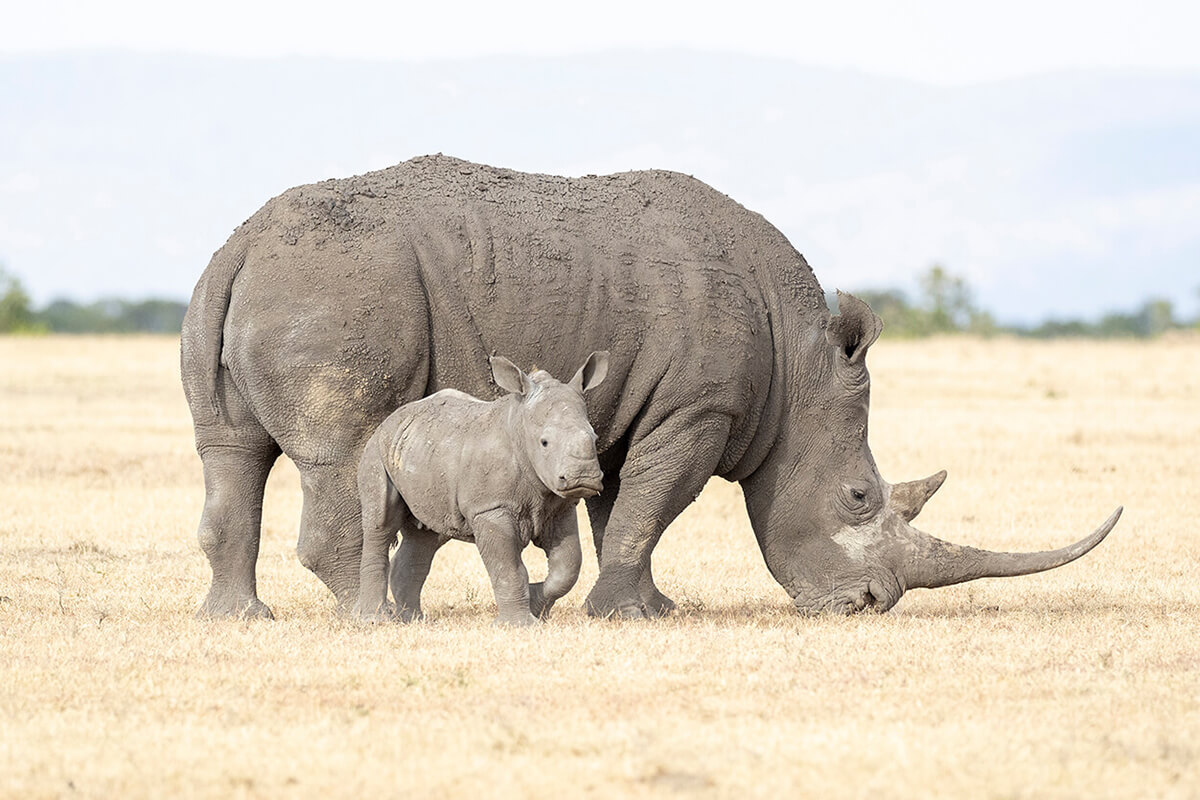
Cheap Kenya safari
Want to know what your Kenya safari would cost?
Prices vary a lot with season, group size and style of trip. Tell us your dates and budget and get a free, no-obligation quote from local operators, without intermediaries.
1. A cheap Kenya safari with a local operator
Why is a local operator the best option for saving money?
For me, the best way to do a safari in Kenya with good value for money is to book directly with a local operator. It’s the best option for getting an affordable safari that is still good quality and responsibly run.
By cutting out intermediaries, you get much more competitive prices. In addition, the itineraries of local operators (especially if you travel privately) can be customised. So you can adjust the number of safari days, the accommodation and the parks and reserves you visit.
In any case, choosing the local operator is essential. It’s important to compare carefully and choose operators with a good number of clients, all their paperwork in order and good, genuine reviews. If you don’t want to do all this groundwork, just fill in this form and I’ll put you in touch with the trusted local operators in Kenya that I’ve travelled with and had a very good experience with.
Group safari: the cheapest option
The best trick for getting a cheap Kenya safari is to book a budget group safari. These are safaris with standard-range accommodation (usually in tented camps) that depart daily all year round. To fill these groups, partner local operators share their clients. This way, they almost always manage to fill the six seats available in the vehicles. As a result, the cost per person is as low as possible.
If you travel alone or as a couple, the price difference between a group safari and a private one can be significant. That’s why this is key to reducing the cost of the trip.
Is it worth paying more for a private safari?
If there are four of you or more, it is well worth organising a private safari directly with a local operator. If you aren’t a group of six, the cost may be somewhat higher than a group safari. But the small price difference is more than made up for by all these advantages:
- The chance to fully customise the itinerary and the accommodation of the safari.
- The comfort of travelling with people you know well and get along with.
- The advantage of being able to adapt the pace of the safari to your tastes. That way, you can spend more time watching the animals that interest you most, or have more rest time if you need it.
Another situation in which a private safari may be much more advisable is if you are passionate about photography and one of your priorities on safari is to get good portraits of wildlife. Travelling in a vehicle with fewer people gives you more space and more windows, which is key to finding the best angle. You can also spend more time at each sighting (in a group, less time is usually spent at each sighting, as people tend to be impatient…).
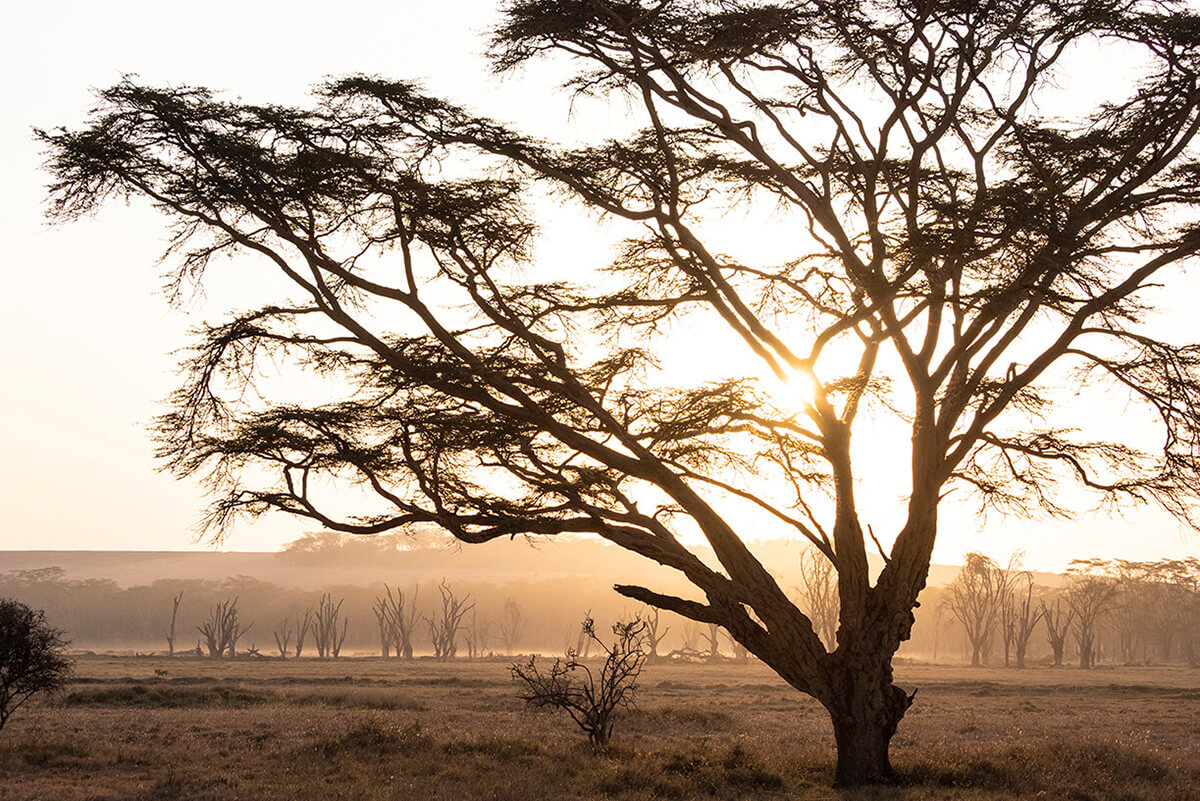
How can you save money on a safari in Kenya with a local operator?
By booking a safari in Kenya with a local tour operator, you can get very competitive prices without sacrificing safety or the quality of the experience.
Even so, the price may still be a little high for some travellers. In that case, here are some tips that can help you cut the cost of this trip a bit further:
Choose simple accommodation outside the parks.
In general, I recommend choosing well-located accommodation inside the national parks so you can make the most of the first and last hours of daylight. However, this means paying more. For this reason, if you want to do a low-budget safari, it’s important to choose accommodation outside the parks, but as close as possible to the entrance gate.
There’s also the option of sleeping in a tent, as some lodgings have a camping area. In these cases, to get the best prices it’s best to bring your own tent and sleeping bag.
Save money by buying food in supermarkets
Another trick for saving during a safari with a local operator is to ask for the accommodation not to be booked on a full-board basis. That way the cost of the accommodation is lower. To cover the meals that aren’t included, you can do an initial shop at a supermarket. A good option is to buy tinned pulses. They won’t be the most complete or delicious meals, but it can be a way to cut costs if you need to.
For me, this trick was one of the main ways of saving on my independent trip to Kenya. In Ol Pejeta and Samburu I did have meals included, as the accommodation there only accepted full-board bookings. However, during the four days I spent in the Masai Mara and the two days in Nakuru, I ate pulses, nuts, fruit and bread that I had bought at a Naivas supermarket in Naivasha. At the accommodation where I stayed in the Masai Mara, each meal cost 20 dollars. So I saved around 200 dollars.
That said, if you bring food, store it very carefully at the accommodation (for example, in a rucksack closed with a padlock or in the wardrobe drawers). I had a bad experience while staying in a tent at Crocodile Camp. While I was out on a safari, a troop of baboons managed to get into the tent and took part of my food.
Don’t save money by choosing a local operator with no reviews or track record
Choosing a cheap Kenya safari from a local operator that offers a much lower price than the rest often hides irregularities. In many cases, a price that is too low can end in a scam (the company keeps the money and disappears), terrible-quality accommodation, badly paid guides or unregistered operators that don’t pay the national park fees.
For this reason, it’s important to do your research and book with trustworthy Kenya tour operators that have all their documentation up to date. You can use this form to book a safari with a local operator through the trusted local operators I know.
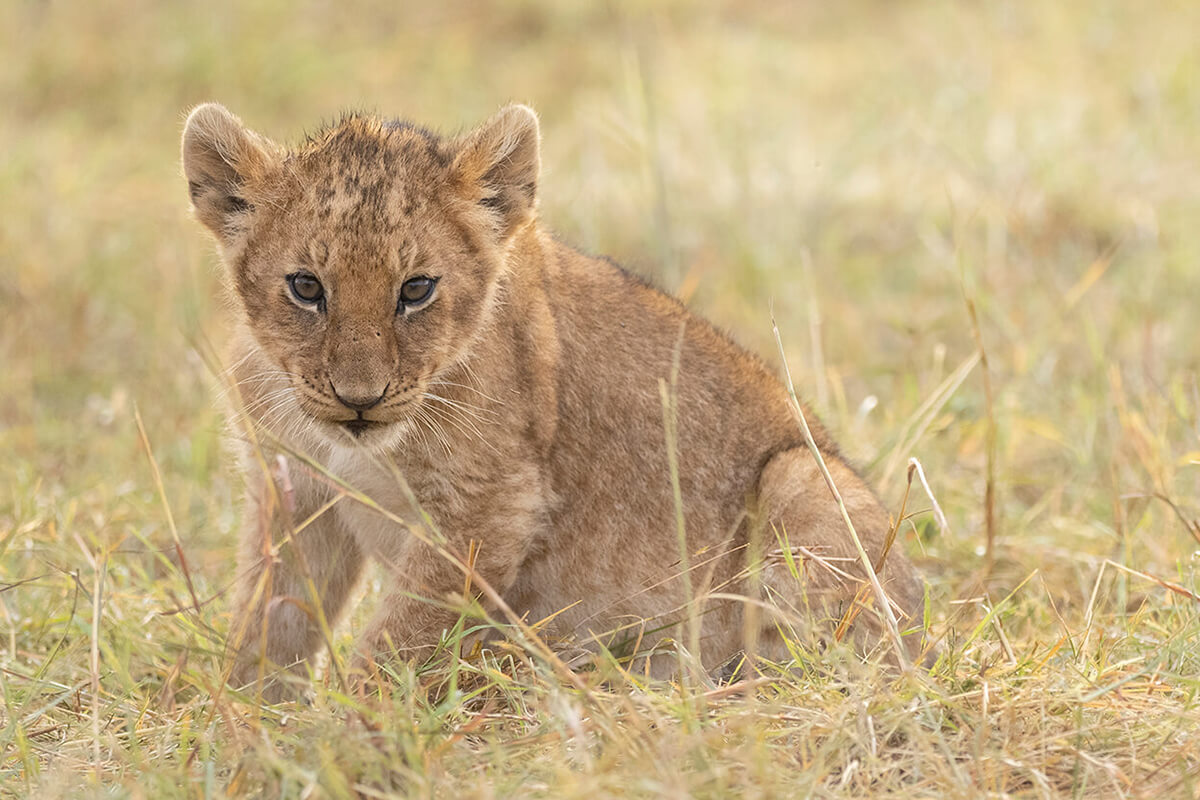
Steps to book a cheap Kenya safari with a local operator
If you want to do a cheap safari in Kenya and organise it with a local operator, these are the steps to book it:
- First of all, it’s important to set your total budget for the safari. From that, you’ll know how many safari days you can do. As a general guide, on a group safari you’ll spend around 200 dollars a day per person, while on a private safari it will be around 350 dollars a day per person. In addition, if you want an English-speaking safari guide in Kenya, that is, a local guide who speaks English, there may be a small daily supplement.
- Once you’re clear on the length of the safari, contact a local operator and tell them your budget and the type of safari you’d like to do. You can easily get in touch with local operators in Kenya using this form.
- After the first contact with the local operator, an agent will get in touch with you to finalise the safari. If necessary, they can also modify the initial itinerary to suit your tastes and budget.
- To confirm the safari, you’ll need to make a deposit. Local operators normally ask for a first payment of 20% or 30% of the total booking. This payment can be made by card or bank transfer, but the amount is normally expressed in dollars.
🤞 Practical information for going on safari
If you’re starting to plan a safari in Kenya, here are some of the most-read and most useful guides on this site about Kenya and its safaris:
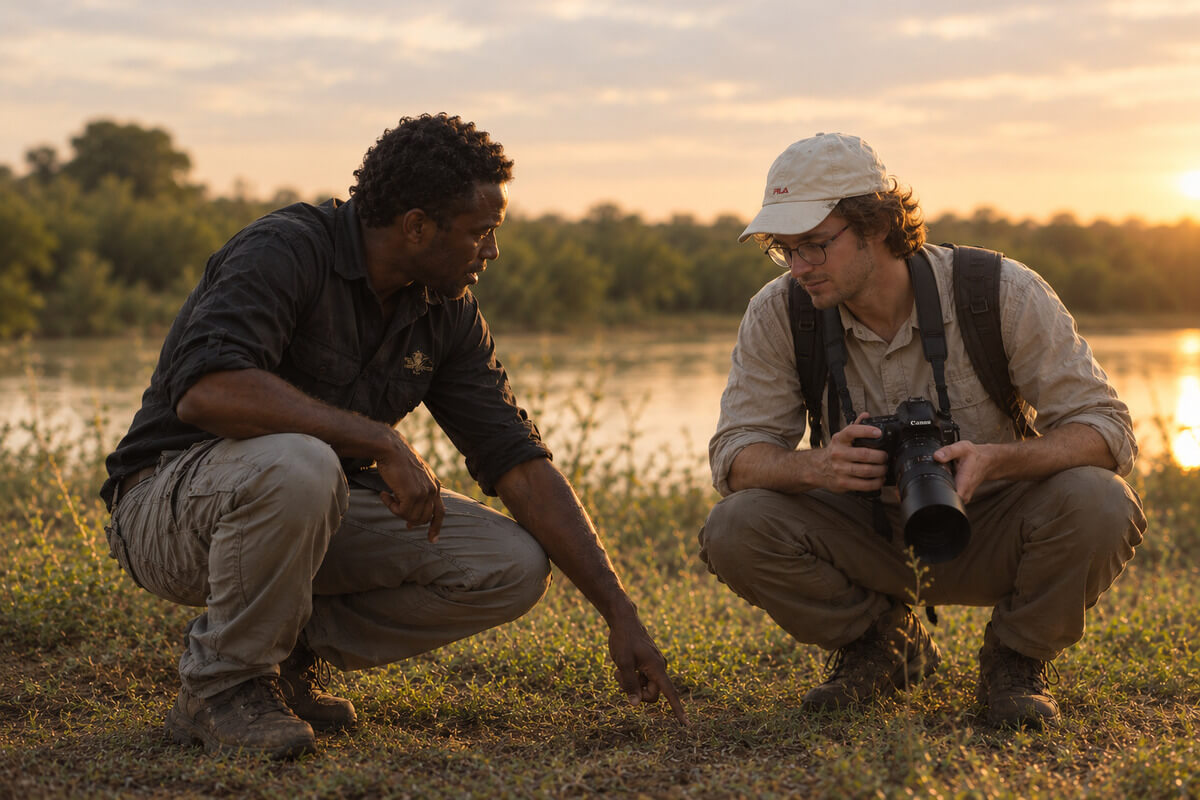
2. Travelling cheaply in Kenya by renting a 4×4
How much does it cost to rent a 4×4 in Kenya?
Another way to travel cheaply in Kenya and go on safari without spending a fortune is by renting a 4×4 vehicle. Rental prices for these vehicles are usually between 120 and 200 dollars a day, depending on the type of vehicle and the tourist season.
It is also possible to rent a 4×4 with a driver/guide. This has a daily supplement of around 40 or 50 dollars, which covers the guide’s wages and all of his living costs.
Some of the companies that rent 4x4s in Kenya are:
- Roadtrip Africa. It is one of the most established 4×4 rental companies for safaris in Africa. Do bear in mind, though, that it isn’t a local business, as the owners are Dutch.
- Black Leopard 4×4 Hire. A fairly new company, but with good reviews and a good fleet of 4×4 rental vehicles.
- Bigmac African Safaris. This local operator also rents out vehicles, always with a guide/driver. I did a safari renting one of their vehicles and my experience was somewhat bittersweet. I rented a 4×4 van that was in rather poor condition, and I lost a whole day of safari because of a mechanical problem with the vehicle. On top of that, the driver/guide was uncommunicative, unfriendly and a bit unpunctual. Although their prices are very competitive, I would recommend other options.
How much can you save by travelling independently in a rented 4×4?
When you travel independently in a rented 4×4, you save in several ways:
- If you do the safari completely on your own, that is, driving the rented vehicle yourself, you won’t pay for a guide/driver during the trip. Do note, however, that at present, to go on safari in the Masai Mara National Reserve, it is compulsory for an official guide to drive the vehicle. If you travel independently, these guides can be hired at the entrance to the reserve.
- When you travel this way, the accommodation bookings are up to you. In this case, you can opt for the cheapest options. Most of these are not the ones local operators book, as they tend to look for somewhat better accommodation.
- You can also save on food if you eat supermarket food every day and don’t eat at the accommodation.
- You also won’t pay the management and operating costs of local operators, which are usually 5 to 10% of the safari price. That said, this isn’t always the case, since local operators also get better rates on accommodation bookings. Doing the trip in a rented 4×4 doesn’t always save money compared with booking the safari with a local operator, so I recommend weighing up all the options.
In general, you can save between 50 and 100 dollars a day (in total) compared with booking the safari directly with a local operator. If you rent a 4×4 with a driver, the saving is between 0 and 50 dollars a day (in total).
The downside of travelling this way is that all the logistics are up to you. You’ll have to plan the route, book the accommodation and also carry local currency in cash (Kenyan shillings) to pay for fuel.
For entry to the national parks, you don’t need to make any reservation. You pay on arrival and in dollars. Most reserves and national parks accept cards, although they sometimes have problems, so I also recommend carrying dollars in cash.
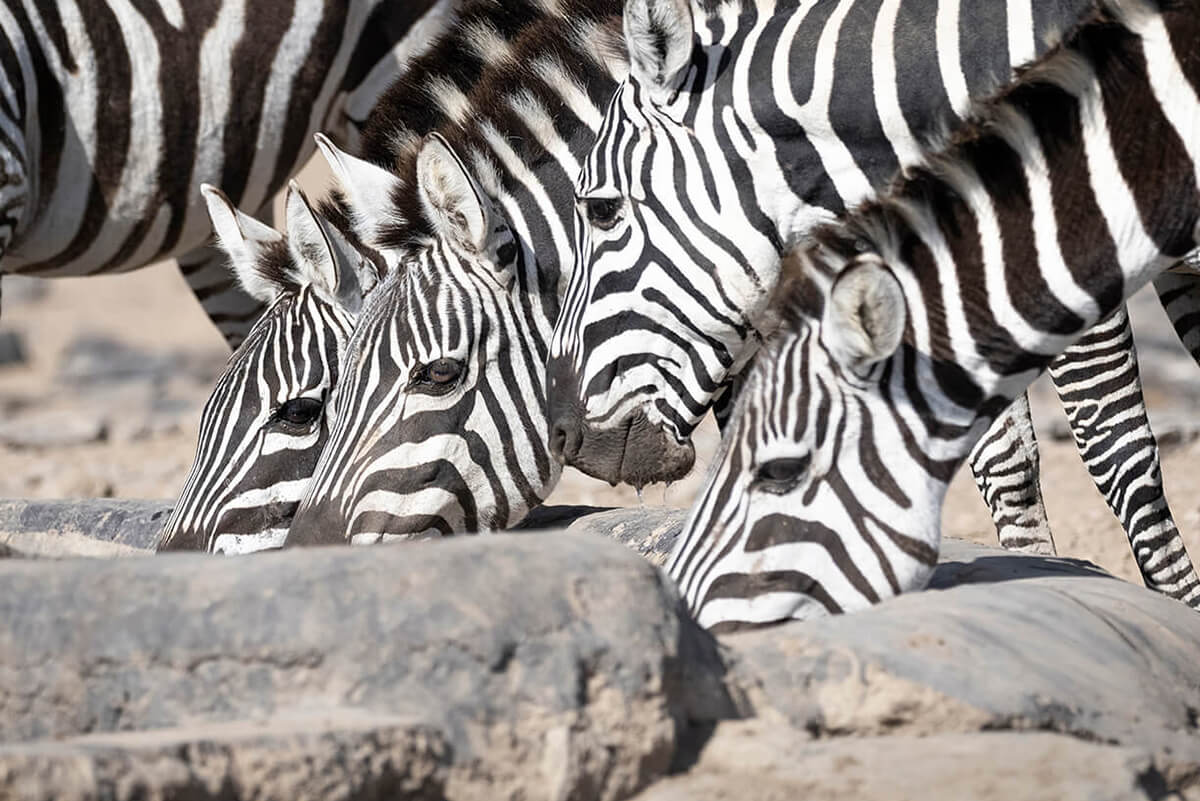
Steps to do a cheap Kenya safari in a rental car
Doing a safari in Kenya independently can be complicated if you have no experience of this kind of trip, but if you’re set on travelling around the country in a rental car, these are the steps to prepare the trip:
- Research the destination well and define the route and the national parks to visit. I always recommend visiting fewer national parks and spending more time in each, rather than spending most of your days driving between national parks without seeing animals. Distances in Kenya are long and you drive slowly, so I recommend making the most of your visits to each national park.
- Book the 4×4. There are local operators in Kenya that also book 4×4 vehicles, normally with a driver, and there are also companies specialising in renting 4x4s for safaris. If you can afford it, I recommend renting a 4×4 with a guide/driver. You’ll enjoy the experience much more.
- Book the accommodation or campsites. Not all accommodation appears on Booking.com, so I recommend using Google Maps to find other alternatives. In many cases, you’ll have to contact the accommodation by email.
3. A cheap Kenya safari by public transport
Can you reach the Kenyan parks by public transport?
Finally, the way to do the cheapest safari in Kenya is to travel around the country by public transport and book a few safari days directly through the accommodation near the national reserves or national parks.
Although Kenya’s national parks are in remote areas, every one of them has a small village nearby, less than an hour from the entrance to the park or national reserve. So it is possible to reach these villages by public transport (matatus) and do the last stretch by taxi, shared taxi or transfer (booked through the accommodation).
This option is more complicated logistically and the journeys are much slower, so I would only recommend it to travellers who have plenty of time and a very tight budget.
How to get to the Masai Mara by public transport
Most travellers who decide to go on safari in Kenya this way focus on visiting only the Masai Mara National Reserve from Nairobi (if you need to sleep in the capital, I recommend my post on where to stay in Nairobi).
In this case, the route to follow is as follows:
- First you need to go from Nairobi to Narok, a town 150 km from Nairobi and 87 km from the Sekenani entrance. For this stretch, there are two options:
- The matatus that leave from this point in Nairobi. It’s the cheapest option and they cost around 800 KES per person. They don’t have a fixed timetable, although the first one usually leaves between seven and eight in the morning. It’s the cheapest option, but also the least comfortable.
- There’s also the option of booking the journey on a “premium” bus. The company Easy Coach has a fairly good reputation. In this case, you can book the ticket online, with a reserved seat and a fixed departure time. The price is around 1,350 KES per person.
- On arrival in Narok, you need to arrange transport to the Sekenani Gate area, the nearest entrance to the Masai Mara. There are three options:
- Take a public matatu from Narok to Sekenani, which usually leaves between 1:00 pm and 1:30 pm. It’s the C12 matatu.
- Go to Sekenani by shared taxi. The usual price for the journey is around 500 KES, although you usually need to haggle a bit to get this price.
- Book transport through the accommodation where you’ll be sleeping in the Masai Mara, agreeing a pick-up time in Narok. In this case, the price per journey is usually between 70 and 100 dollars.
As you can see, getting around by matatu and shared taxi is possible, but there is little information available and you need to be well prepared for the uncertainty and know how to find your way around the destination.
I’ve never travelled around Kenya this way, so I can’t give you any further advice on how to get around like this. But, given how little information there is, I recommend asking at the accommodation for details of which matatus you should use and which station they leave from, so that you have a clearer idea of the journeys.
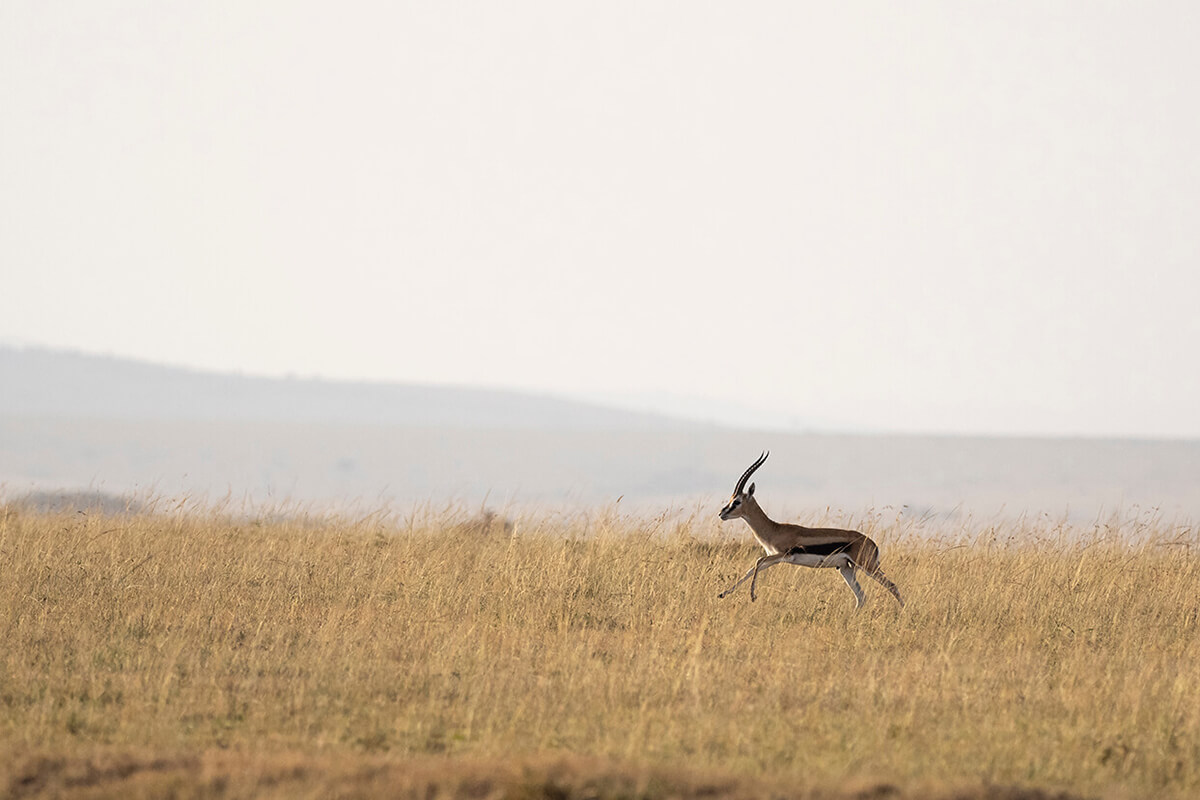
How to book a safari through your accommodation
If you choose to travel this way, the safari activity itself has to be booked through the accommodation. Most of the accommodation near or inside the national reserves and national parks usually offers full-day or half-day safaris to its guests. This includes 4×4 transport and a guide. Depending on the place, you either spend the whole day inside the park or do a morning safari and an afternoon one.
To book these safaris, it’s best to speak directly to the accommodation when you make your reservation. It’s better to book in advance, as availability is usually limited.
In general, these safaris are priced per vehicle and usually cost between 180 and 200 dollars per vehicle, to be split between the passengers. In addition, each passenger must pay their own park entry fees.
If you’re lucky and there are other guests at the accommodation who also want to go on safari booked through the accommodation, it’s often possible to team up, making a larger group so that the price per head is lower. But keep in mind that this doesn’t always happen, and if there’s nobody else you’ll have to cover the full cost of the activity (around 200 dollars plus the park entry fees) if you want to go on safari.
Is travelling by public transport much cheaper?
When you travel around Kenya by public transport, the saving is mainly clear because you pay far less on the travel days, when you aren’t going on safari. On the days when you do go on safari, the price is practically the same (or even higher).
So if you’re going to do a safari in Kenya with lots of safari days in the same place (which is what I recommend), it will be much more comfortable and economical to opt for a safari with a local operator or in a rented 4×4.
On the other hand, if you only want to do one or two safari days in a reserve, doing a route like this will let you save a lot on the travel days and pay only for the safari day.
For example, on 3-day safaris in the Masai Mara from Nairobi, it is usual to pay around 600 dollars per person with a local operator on a group trip (this usually includes a day and a half of safari in the Masai Mara). If, on the other hand, you do the transport independently, you can do a single safari day and pay a total of around 350 to 450 dollars (depending on when you travel and the Masai Mara entry fees).
Also, if you want to travel as cheaply as possible in Kenya, a good idea is to bring a tent and sleeping bag, since there are very cheap campsites on the outskirts of the national parks. From these places, you can organise day safaris.
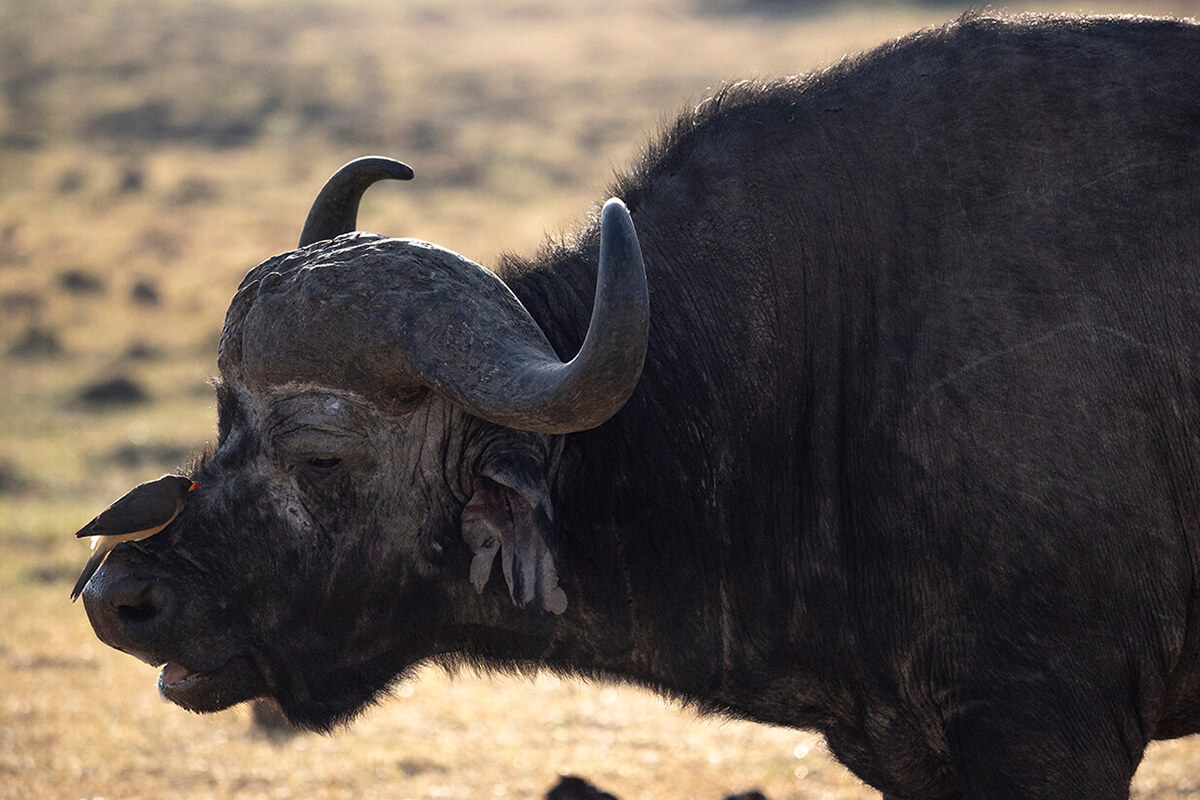
How to do a cheap Kenya safari by public transport
As I’ve said, organising a cheap safari in Kenya by public transport is somewhat more complicated logistically, basically because matatu journeys are slow and unpredictable. If you want to travel this way, these are the steps I would follow:
- Research Kenya and its national parks, and decide which parks you want to visit and for how many days.
- In each of the national parks or national reserves you want to visit, look for accommodation near the entrance gates that fits your budget. Remember that if you want to save money, it’s best to look for accommodation that also has a camping area, where you can sleep in your own tent.
- Once you’ve chosen the accommodation, contact them to find out whether they offer day safaris and how much they cost. They can probably also help by offering you transport from the nearest bus station, although it may be a little more expensive than hiring a shared taxi directly.
- Plan your public transport journeys carefully. Before you arrive, I recommend searching online for tips or emailing the accommodation to ask about the best route to get there. Also bear in mind that this information may change, so during the trip you’ll need to be flexible and keep asking locals to make sure.
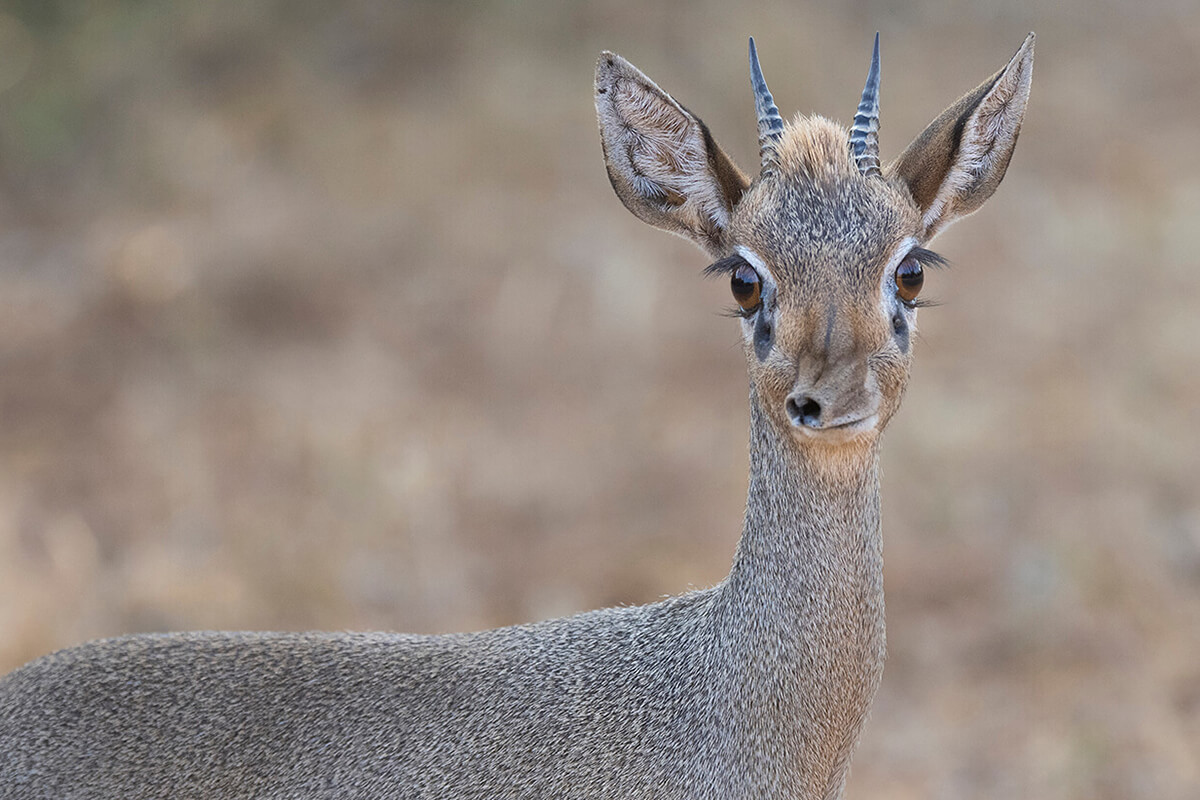
Before comparing costs
Which Kenya safari style fits your budget?
Local operator, 4×4 rental or public transport: each option changes the price and the effort. We help you choose the one that suits you.
✓ Local operators, no intermediaries
✓ Option adapted to your budget
✓ Free, no-obligation quote
Kenya safari cost: comparison by travel style
After a lot of research and drawing on my own experiences, in my post on the Kenya safari cost I go into detail on this subject and on how the costs of a safari like this are broken down. This is essential to telling the difference between a cheap safari and one that is simply cheap because essential services have been cut.
Even so, when thinking about a cheap safari in Kenya, the important thing is to compare the three travel styles and their associated costs. By understanding how the costs are broken down, it’s easier to understand the price of a safari when you book with an operator, and also to see which costs can be reduced to make the trip cheaper.
For this comparison, I’m going to start from a fairly classic five-day safari route, among the cheap safaris in Kenya:
- Day 1: Arrival in Nairobi and transfer to the Masai Mara National Reserve for a first safari until sunset.
- Day 2: Full day of safari in the Masai Mara.
- Day 3: Transfer day from the Masai Mara to Lake Nakuru National Park and an afternoon of rest.
- Day 4: Full day of safari in Lake Nakuru National Park.
- Day 5: Transfer from Nakuru to Lake Naivasha for a two-hour boat safari on the lake. The route ends with the transfer to the Masai Mara.
This itinerary, done as a group safari with a local operator and standard-range accommodation, costs approximately USD 1,150 per person.
The costs, approximately and based on my own estimates, break down as follows:
- The cost of the 4×4 for five days (including the vehicle, fuel and the vehicle’s national park entry fees) would be around 875 dollars, assuming a daily rate of 175 dollars. Divided between six people, the cost per passenger would be 145 dollars.
- The average cost of accommodation per person for four nights would be around 80 dollars per person, on full board. So the cost for the whole trip would be 320 dollars.
- The two Masai Mara entries (assuming you travel in high season) would cost 400 dollars per person. Entry to Lake Nakuru National Park, 90 dollars per person, and the Lake Naivasha activity, 50 dollars per person. The total would therefore be 540 dollars per person.
- The cost of the guide and his living costs is 50 dollars a day, so for the whole trip it would cost 250 dollars. Per passenger, this comes to 42 dollars.
- The difference up to the final price (in this case 103 dollars) corresponds to the operator’s management and operating costs, plus the commercial margin applied by the operator. This amount can vary considerably between operators and depending on the conditions of the safari.
If you do the trip in a rented 4×4, the operator’s running costs and profit drop to 0, so you could do the trip for about 1,050 dollars per person (or 1,008 dollars without a guide/driver), provided there were six passengers. With fewer passengers, the cost per person would rise. That’s why, if you’re travelling alone or as a couple, it would be cheaper to do a group safari with a local operator than to rent a 4×4.
Finally, if you do this trip by public transport, the approximate costs would be:
- 200 dollars for the full-day safari in the Masai Mara, which, assuming 6 people, works out at 33 dollars per person.
- 100 dollars for the half-day safari in the Masai Mara. 16 dollars per person.
- 200 dollars for the full-day safari in Lake Nakuru.
- The fees part would be the same: 540 dollars per person.
- The cost of accommodation would be about 320 dollars on full board, although it could be halved by camping and bringing supermarket food.
- Transport costs by matatu and shared taxi would be around 70 dollars (20 dollars Nairobi to Masai Mara, 20 dollars Masai Mara to Nakuru, 10 dollars Nakuru to Naivasha and 20 dollars Naivasha to Masai Mara). I’ve estimated this and the cost would probably be a bit lower.
So in this case the cost would be 989 dollars per person. As you can see, there is little difference here if you travel as a group of six in a rental car, but the difference becomes much more significant if you travel in a smaller group.
How the number of people affects the price of a safari
In the analysis above, I assumed the ideal situation of six people, which is the best setup for a cheap Kenya safari where you can split the costs. But that isn’t always the case.
For this reason, the number of people you travel with is very important when deciding which type of safari suits you best, since it is a factor that has a huge influence on the price of a safari.
In the end, a safari has a very large fixed cost associated with the 4×4 and the guide. This cost is divided among the passengers, so you can get a much more competitive price if you travel in a group of 6 people.
Taking the costs above into account, in the following table you can see how the price per person varies with group size. This gives you an idea of the price of the safari in each case. I’ve used the 5-day safari I described earlier (in all cases assuming standard-range accommodation on full board):
| Type of safari | 1 person | 2 people | 3 people | 4 people | 5 people | 6 people |
|---|---|---|---|---|---|---|
| Private safari with a local operator | $3,500 | $2,200 | $1,750 | $1,550 | $1,350 | $1,150 |
| Group safari with a local operator | $1,150 | $1,150 | $1,150 | $1,150 | $1,150 | $1,150 |
| Safari in a rented 4×4 | $1,700 | $1,290 | $1,200 | $1,120 | $1,070 | $1,008 |
| Safari by public transport | $989 | $989 | $989 | $989 | $989 | $989 |
Note: The prices above are approximate, based on 2026 rates, for a 5-day standard-range safari, and may vary depending on the operator, season, how far in advance you book and the services included. Also bear in mind that for longer safaris, the price differences depending on the number of people would be larger and larger.
Paying less, wisely
Save money without losing the essentials
Seen the costs by travel style? A local operator can show you what is worth saving on and what is not, with an itinerary adapted to your budget.
What is the best way to do a cheap safari in Kenya?
So far, I’ve mainly focused on the costs of a safari and on the things that let you do a safari in Kenya as cheaply as possible. Even so, you should also keep in mind that paying less means fewer comforts and, in some cases, a lower quality of service.
The best cheap safari in Kenya depends on which aspect you prioritise. In this table, I briefly sum up the strengths of each travel style:
| Option | Price | Comfort | Flexibility | Ease |
|---|---|---|---|---|
| Shared safari with a local operator | Low | High | Low | Very easy |
| Private safari with a local operator | Medium | Very high | Very high | Very easy |
| Self-drive 4×4 | Low | Medium | Very high | Difficult |
| Public transport | Very low | Very low | Medium | Very difficult |
In case it helps, from my point of view, for most travellers looking for a cheap safari in Kenya, I think the best option is a shared safari with a local operator. Also, if you want more comfortable accommodation, you can always ask for an upgrade by paying a little more, while still benefiting from sharing the vehicle during the safari to keep these costs down.
Only if there are four to six of you do I think it is far more worthwhile to explore renting a 4×4 or doing a private safari with a local operator.
For me, the public transport option isn’t worth it. I think that to make the most of a trip to Kenya you need to do at least three or four days of safari and, in that case, the saving shrinks considerably. On top of that, matatu journeys are uncomfortable and can be somewhat unsafe depending on the driver and how much of a hurry he is in.
I recommend saving on your choice of accommodation, on meals, by travelling in the low season and in a group; but not saving at the expense of the quality of the vehicle, the guide or safety on the road.
The best parks to visit on a cheap Kenya safari
The national reserves and national parks where you can do the best Kenya safaris are very varied, and not all of them are ideal for a cheap safari.
When choosing your itinerary, if you want to keep to a low budget, it is essential to pick a route that doesn’t involve long journeys. So I recommend prioritising parks that are closer to each other, or focusing on doing safaris in a single place.
For a cheap safari in Kenya, I recommend the following options:
- Focus solely on the Masai Mara National Reserve. This national reserve is the best place to go on safari in Kenya and the safaris are always very productive. With two or three days of safari, you can have an unforgettable experience and see a huge amount of wildlife. The only drawback is that the entry fees are the highest in the country, 100 dollars per person per day from January to June and 100 dollars per person per day from July to December. Read more in our Masai Mara safari guide.
- Combine a day of safari in the Masai Mara with a day of safari in Lake Nakuru National Park. Lake Nakuru National Park is one of the most recommended parks if you have a tight budget. The fee is 90 dollars per person per day, and it is also a small park, located about 4 hours away.
- Visit the national parks in the north, combining Ol Pejeta Conservancy and Samburu National Reserve. This is an ideal option for those who want fewer crowds, although it can be a complicated route to do by public transport.
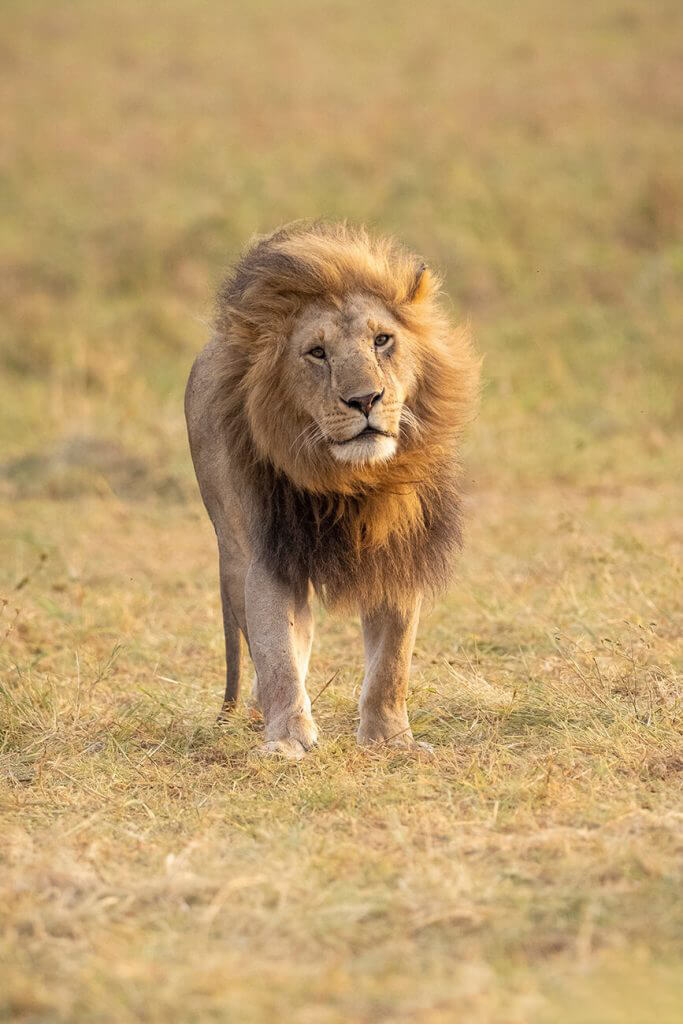
A cheap safari in Kenya: where is it worth saving?
Doing a cheap safari in Kenya doesn’t have to mean looking for the lowest possible price at all costs. In my opinion, to enjoy the safari experience the key is knowing which areas are worth saving on and which are not. Some expenses can be cut quite a lot without affecting the experience too much, but there are others where trying to save can turn out to be a mistake. Remember that if you’re thinking of going on safari in Kenya, it’s to enjoy the country and its wildlife.
From my point of view, to reduce the cost of a safari it is worth saving on these things:
- Accommodation outside the parks: Sleeping outside the reserves and national parks is usually quite a lot cheaper than staying inside. If your budget is tight, you can look for simple accommodation near the entrance gates. That way, you’ll save money without giving up good safaris.
- Travelling in the low season: Accommodation rates and some services can be cheaper outside the periods of highest demand. In addition, in the case of the Masai Mara, travelling in the months with lower entry fees can mean a very significant saving.
- Food: You don’t need to eat in the accommodation restaurants every day. Buying food in supermarkets (you can even buy ready-made food in supermarkets) and preparing simple meals can cut the budget quite a bit.
- Number of days: If you have a limited budget, it’s better to do a somewhat shorter but well-organised safari than to try to cover too many parks. In addition, entry fees are paid per person per day, so cutting one safari day can also mean a considerable saving.
- Sharing the vehicle: This is probably one of the factors that most influences the final price. The cost of the 4×4 and the guide is practically fixed, so sharing it among six people greatly reduces the price per traveller.
- Choosing parks close to Nairobi: Kenya is a big country and journeys between parks can be long. Choosing parks that are relatively close to each other lets you cut the time and money spent on getting around, as well as making better use of your safari days.
On the other hand, I think that to enjoy a safari and have an unforgettable experience it isn’t worth saving on:
- Quality of the vehicle: A 4×4 in good condition is essential for enjoying the safari and avoiding problems during the trip. The tracks in the parks can be demanding and a breakdown can completely ruin a safari day.
- 4×4 maintenance: Related to the above, I wouldn’t trust a company simply because it offers the cheapest vehicle. It’s important to make sure the vehicles are properly maintained and ready to cover long distances on poor roads.
- The guide’s experience: A good guide can make an enormous difference on a safari. Their knowledge of the parks, the animals and the best places to find wildlife will make the experience far more interesting.
- Safety: I would never try to cut the budget at the expense of safety. This includes the condition of the vehicle as well as the driver’s experience, the organisation of the journeys and the conditions of the accommodation.
- An unregistered operator: If an operator offers a considerably lower price than the rest, it’s worth investigating why. Before booking, make sure it operates legally, has good reviews and a verifiable track record. A cheap safari isn’t worth it if there’s a risk of losing your money or having problems during the trip.
- Travel insurance: Finally, I also don’t recommend saving by going without travel insurance. A medical problem, a cancellation or any other unforeseen event can quickly turn a budget safari into a very expensive trip. Insurance is a small part of the total budget and can prevent much larger expenses.
In short, a cheap safari in Kenya shouldn’t mean cutting costs indiscriminately, but choosing carefully where to do it. Trying to pay less at the expense of safety, the vehicle or the guide can directly affect the quality of the experience and also the impact of the safari on the local population and ecosystems.
Your cheap Kenya safari
Ready to plan an affordable safari in Kenya?
Request a free, no-obligation quote and receive a proposal from local operators, without intermediaries. Tell us your dates, parks and budget, and we adapt the itinerary.

