
Independent travel Kenya is entirely possible: planning your own trip is the preferred option for travellers looking for alternative ways of getting around, so they can save on unnecessary costs. I had always dreamed of spending several days on safari in Kenya, especially in the Masai Mara, and the experience exceeded all my expectations. For nature lovers, and above all for fans of the big cats, there are few places comparable to this national reserve.
Moreover, by travelling in Kenya independently and booking only the safaris through a local agency, I got much more competitive prices. Thanks to this, I could afford an eleven-day safari on my own.
I devoted every day of my route to safaris, as watching and photographing wildlife is my great passion. Even so, while preparing my trip I discovered that Kenya is much more than its safaris. The country has paradise beaches around Mombasa, especially Diani Beach, and there are also some very interesting trekking routes in Mount Kenya National Park. Still, if safaris are your thing, I encourage you to keep reading this guide, as you will find all the information you need to plan an independent trip to Kenya.
Is Independent Travel Kenya Easy? Can You Do It Without a Tour?
Yes, travelling independently in Kenya is perfectly possible, especially for the parts of the trip that do not involve safaris, such as getting around the capital, Nairobi, or visiting the beaches and other areas of the country. For short journeys like these, it is easy to book a transfer through your accommodation, or you can use Uber, which is very cheap and does not usually cause any trouble.
On the other hand, when it comes to the safari part, things change. Doing it independently brings more complications: you need experience driving 4×4 vehicles in conditions that can be difficult; you need to know where to look for the animals and have good eyesight to spot them; and you also need a good sense of direction so you do not get lost in the maze of tracks inside the reserves. For this reason, although it can be done, I believe that for safaris it is best to have the help of a guide or driver.
That is why I recommend booking the safari part with a local agency. In general, you can book every service (the 4×4, guide, park entry fees, accommodation and meals), or you can book only the vehicle and the guide and organise the rest of the logistics yourself.
So, in short: yes, you can travel independently in Kenya, but for safaris it is best to let local professionals guide you.
Independent trip, local safari
Plan the trip yourself, book only the safari
Organise the trip yourself and hire only the safari with a local operator: it is a good way to keep the cost down. Tell us what you have in mind and receive a no-obligation proposal, without intermediaries.
Before You Start Your Independent Trip to Kenya
Organising the trip
How to get to Kenya
If you are going on safari in Kenya, the usual way to arrive is by plane at Jomo Kenyatta International Airport in Nairobi. From Europe, there are direct flights with Kenya Airways, Lufthansa, Brussels Airlines, Air France and KLM.
Once you arrive in Nairobi, you can reach the national parks and national reserves by road.
How to get around Kenya
Although it is possible to travel around the country by bus, if your trip to Kenya is focused on safaris, it is far better to have a 4×4 (whether by booking a trip with an agency, hiring a car with a driver, or hiring a car and driving yourself). By bus, you can reach the outskirts of the national parks, and from the lodges you can book half-day or full-day safaris. However, prices tend to be higher. Therefore, if you are doing safaris every day, it works out better to have a 4×4.
If you want to plan independent travel in Kenya, several agencies rent out 4×4 vehicles. However, if you have no experience of doing safaris, I recommend organising the safari directly with a local agency and, at the very least, hiring a car with a guide-driver. Knowing the national parks is essential to see more animals and enjoy the experience to the fullest.
You can use this form to be put in direct contact with local agencies I trust, which will prepare a personalised itinerary and quote for the type of trip you want to do.
Where to sleep
For the safari part, most local agencies include accommodation in the price. So they are the ones who take care of booking and managing the lodging.
If you do the safari independently, or book only the 4×4 and the guide/driver, you will need to sort out accommodation yourself. But booking accommodation for an independent trip to Kenya is actually very easy. All the national parks have good accommodation infrastructure, both inside the reserves (these are the more expensive options) and on their outskirts. Most options are listed on Booking.com and can be booked directly there. In other cases, you can book directly through the accommodation’s own website. Finally, for some of the simpler options, you have to book by email and confirm the reservation with a bank transfer.
For nature and outdoor lovers, there is also the option of sleeping in the campsites inside the reserves. These campsites are run by the authority that manages the reserve, and the price ranges from $15 to $50 per person. They cannot be booked in advance, and payment is made when you enter the reserve.
Emergency numbers
The emergency numbers in Kenya are 112 and 999.
For consular emergencies, contact the embassy or consulate of your home country.
Vaccinations
Yellow fever is endemic in Kenya, which is why the yellow fever vaccine is mandatory.
Vaccines against hepatitis, tetanus and typhoid are also advised. Depending on the length of your trip, other vaccines may be recommended too. It is best to visit a travel medicine clinic a few months beforehand to get all the health information you need.
Malaria
During a trip to Kenya you must also keep in mind that malaria is present in the country. That is why you need to take every possible measure to avoid mosquito bites: a good repellent, a mosquito net, and light-coloured, long-sleeved clothing. Although most accommodation has mosquito nets, they often have holes, so it does no harm to bring an extra one.
In most cases, antimalarial prophylaxis is recommended. Again, it is best to discuss it with a doctor at a tropical medicine or travel health clinic.
SIM card
To have internet access during an independent trip to Kenya, you can easily buy a SIM card at the airport. At Jomo Kenyatta International Airport, the counters selling SIM cards are right after the baggage reclaim belts. There are several companies, but if you are travelling through nature areas, the most recommendable provider is Safaricom. It has the best coverage in the various national parks.
In my case, I bought a Safaricom SIM and paid 1,100 shillings for 5GB. The other companies have cheaper options, but their coverage is usually worse.
Geography of Kenya
Language
The official languages of Kenya are English and Swahili.
Capital
Nairobi
Visa
Previously, to travel in Kenya independently or with an agency, you had to apply for a visa. But this changed in 2024. Now EU citizens travelling to Kenya for tourism or business do not need to apply for a visa, but they do have to obtain an electronic travel authorisation (known as the Electronic Travel Authorization, or eTA). The application has to be made through this website.
To submit the eTA application, you need the following documentation:
- A passport valid for at least 6 months from your arrival in Kenya.
- A passport-size photo (or a digital photo taken during the eTA application process).
- Contact details.
- Your arrival date and details of the itinerary you plan to follow during your trip to Kenya.
- An accommodation booking, or the itinerary if you book a full safari with an agency.
- A credit or debit card to pay the eTA fee, which costs 35 dollars per person.
The application can be made up to 3 months in advance, and the eTA is usually approved in about 3 days. Also, an approved eTA allows only one entry into Kenya, so if you need to re-enter, you have to apply for the authorisation again.
Although this is the most common way of applying for authorisation to travel to Kenya, if you plan to enter Uganda or Rwanda, it is more efficient to apply for the East African Tourist Visa. This visa is valid for 90 days from the day of arrival, allowing you to move freely between Uganda, Kenya and Rwanda. It is important to process this visa through the embassy of the first country you will visit. It costs 100 dollars.
Time zone
Kenya’s time zone is GMT+3 (two hours ahead of central Europe, CET).
Climate
Kenya lies around the equator, so temperatures vary little throughout the year. The average temperature is about 25 ºC. In some parts of the country it gets cool at night, so bringing a jumper is always useful.
What you above all need to take into account when planning a trip to Kenya is the rainy season and the dry season. The wettest months are March, April and May. It also tends to rain from October to December, but in shorter and less intense spells. During the rest of the months, it rarely rains much.
Other facts about the country
Kenya was a British colony until 1963. People still drive on the left.
Tourism is the main economic sector, accounting for 53% of the country’s GDP.
Economy and prices
Currency
The official currency of Kenya is the Kenyan shilling (KES). At the moment, 1 euro equals 134 KES. To convert mentally, it helps to remember that 1,000 KES is about €7.5.
However, the safari industry (payments to local agencies, park entry fees, etc.) usually quotes prices in dollars. In many cases you also have to pay in dollars, although they usually accept the local currency.
Card payments are starting to be accepted in some hotels and large supermarkets. However, in many cases they only accept cash or M-Pesa, which is a mobile payment system.
Park entry fees can be paid by card in some cases (Nakuru National Park and the Masai Mara National Reserve, for example), but in others only cash is accepted (Samburu National Reserve, for example).
Prices when travelling independently in Kenya
Basic goods in Kenya are cheaper than in Europe.
However, the fees to enter the national parks and national reserves are high for foreigners. They vary depending on the reserve, but are usually between $60 and $90.
Here are some examples of the prices you may come across during independent travel in Kenya:
- A set meal in a local restaurant: 350 KES.
- A starter and main course in a standard hotel restaurant: 1,500 KES.
- A one-and-a-half-litre bottle of water: 80 KES.
- One litre of petrol: 165 KES.
- Accommodation in a tent with a bed on the outskirts of a national park: 40 dollars for a double room.
- Accommodation in a tent with a bed inside a national park: 90 dollars for a double room.
- Entry fee for the Masai Mara National Reserve: $100 per day, per person, from January to June and $200 per day, per person, from July to December. At present, the permit does not allow you to leave and re-enter the reserve.
- Entry fee for Samburu National Reserve: $70 if you spend the night inside the reserve, $80 if you spend the night outside. The permit allows you to stay in the reserve for 24 hours and to enter and leave the park an unlimited number of times.
- Entry fee for Nakuru National Park: $60. The permit allows you to stay in the reserve for 24 hours, but if you leave the park and want to re-enter, you have to pay the fee again.
- Entry fee for Amboseli National Park: $60. The permit allows you to stay in the reserve for 24 hours and to enter and leave the park an unlimited number of times.
If you book a safari trip with a local agency, everything is usually included (guide, vehicle, permits, meals and accommodation). The cost of a safari in Kenya varies depending on whether you travel in a private vehicle or in a group, and on the number of people. In general, the price of a private safari for a couple, in standard-class accommodation and booked with a local agency, ranges between €250 and €350 per day.
Tipping
Tips during a trip to Kenya are not compulsory, but they are expected, especially when you are happy with the service provided.
It is better to tip in the local currency, that is, Kenyan shillings.
Some indicative amounts for tips are:
- For the driver: between €10 and €15 per day, per person.
- Hotel staff: between €2 and €10 per day, per person. (There is usually a general tip box for all the staff.)
Haggling
In Kenya you should only haggle if you want to buy at a local market or in a souvenir shop, where they generally quote very high prices at first.
Safety on an independent trip to Kenya
If you travel independently in Kenya, you cannot forget that crime rates in the country are high. However, the main tourist areas, linked to natural spaces, are very safe. During my trip I felt safe at all times, whether on the road, in supermarkets, in accommodation or inside the national parks.
Before the trip, it is advisable to check the travel advice issued by your own country’s foreign ministry. There are some problem areas in the country (above all border areas with other countries and some neighbourhoods of Nairobi) and you need to avoid them.
When travelling by road, it is important to be extremely careful. Kenyans drive in a rather reckless way, and the condition of the roads is not very good either. This makes accidents common. By avoiding driving at night and respecting speed limits, you can avoid most problems.
Best Time for Independent Travel Kenya
Best time
January, February, June, July, August and September
To enjoy independent travel in Kenya, the best months are those that coincide with the dry season. The weather is especially good from June to October and during January and February.
From June to September, although there are many more people, you can see the great wildebeest migration. This makes these exceptional months to visit the park. Late August and early September is when the famous crossing of the Mara River by the wildebeest takes place, as they move from the Masai Mara to the Serengeti.
High season
June to December
The most touristy part of Kenya is its national parks. Especially the Masai Mara National Reserve, Nakuru National Park and Amboseli National Park. High season in these parks runs from June to December. The busiest months, though, are July, August and September, which coincide with the great wildebeest migration in the Masai Mara.
During these months prices rise significantly. Some of the more popular accommodation also needs to be booked in advance.
Low season
January to May
The first five months of the year are usually quiet in Kenya in terms of tourism. The low season is even more marked in the rainy months (March, April and May). These months are ideal for finding better deals. With fewer vehicles in the national parks it can be harder to spot the animals (there are fewer eyes looking), but you can enjoy extraordinary sightings without extra cars or noise. A truly incomparable experience.
Although there are no wildebeest in the Masai Mara during these months, the big predators (lions, leopards and cheetahs) are still there and can be seen just as often.
Good weather
June, July, August, September, January and February
From June to September it hardly rains at all in Kenya. These are the dry-season months. It is a very good period for safaris. They are also the coolest months, and the morning temperature can drop to 10 ºC.
Between January and February it usually rains little. However, there is sometimes the odd isolated shower.
Less favourable weather
March, April, May, October, November and December
The main rainy season in Kenya runs from March to May. These are months of long rainy spells, with lots of humidity and rather overcast skies. This results in lush, growing vegetation. When the rain is heavy, some of the tracks in the national parks become impassable.
During November and December there are only short rains. They tend to fall in the afternoon or at night, so they have little effect on the safaris.
Free quote
Know when you want to go? Get your safari priced
Send us your dates, the parks you would like to visit and your budget, and receive a tailor-made proposal from local operators.
✓ Local operators, no intermediaries
✓ Itinerary adapted to your dates and budget
✓ No obligation to book
Steps to Organise Independent Travel Kenya
Planning independent travel in Kenya may seem complicated, but by following these steps, which I followed when organising my route, I hope you will find it much easier.
1. Choose where to go on safari and any trip extensions
On an independent trip to Kenya, the most important part of the itinerary is the safari. So I recommend starting by planning this part of the trip.
The first thing to choose is the reserves or national parks you want to visit. After my own experiences, I recommend being selective and not trying to visit every reserve in a single trip. In the end, visiting more reserves also means more long drives, and therefore less time looking for and watching animals, which is the really interesting part.
For me, the most interesting reserves are:
- The Masai Mara National Reserve
- The Samburu National Reserve
- Amboseli National Park
- Lake Nakuru National Park
- The Ol Pejeta Conservancy
- Lake Naivasha
I recommend looking carefully at the distances between them when thinking about your itinerary.
On my latest 11-day trip, as you can read in the itinerary details a little further on, I focused on Ol Pejeta, Samburu, the Masai Mara, Lake Naivasha and Lake Nakuru.
For shorter routes, you can take inspiration from my guide to a Kenya itinerary of 10 days or go on a 5 day Kenya safari.
2. Decide how long your independent trip to Kenya will last
Depending on your budget, the national parks or reserves you want to visit and the number of days you have for the trip, the next step is to decide the length of the route.
For the safari part, I recommend spending at least 5 days, so you can visit more than one reserve. If you have fewer than 5 days, then I recommend focusing on the Masai Mara National Reserve and, at most, devoting one day to Lake Nakuru or Lake Naivasha.
In general, the ideal length for a first safari is around 7 days. For people who have been on safari before and know it is an activity they enjoy, a safari of between 10 and 12 days is usually ideal for a very complete route through Kenya.
Also, as part of your independent trip to Kenya, you need to decide whether to add an extension to the safari part. Most people add two or three days at the beach, either at Diani Beach or on the island of Zanzibar (Tanzania). This is the part that can easily be organised independently, although I always recommend comparing with the prices of local agencies.
3. Choose the type of accommodation and your budget
You need to be clear that the cost of a safari in Kenya is high. You cannot travel cheaply to this destination, because the costs of 4×4 vehicles and reserve entry fees are already quite high.
Even so, by travelling independently in Kenya and booking the safari directly with local agencies, you can get much more competitive prices. In general, if you travel as a couple, costs usually fall within these ranges:
- Group safari, sleeping in a tent: around 200 USD per person per day.
- Private safari in standard accommodation: between 300 and 400 USD per person per day.
- Private safari in mid-range accommodation: between 400 and 600 USD per person per day.
- Private safari in luxury accommodation: more than 600 USD per person per day.
To reduce costs, it is important to choose standard-range accommodation, which is usually quite basic. Another good option for a cheap safari is to go with more people, since safari vehicles have 6 seats, so the costs can be split.
That said, this is a very general estimate. If you would like a no-obligation quote from my trusted local agencies, you can fill in this form and they will send you all the information in less than 48 hours.
4. Book the safari with a local agency or independently
Once you are clear about the itinerary, the number of safari days and the budget (above all to know the type of accommodation), the next step is to go ahead and book the safari.
As I have mentioned, on an independent trip to Kenya the most advisable thing is to book your safari days with a local agency. By doing so, the most common approach is to book a package that includes all services during the safari days. That is, the price includes the 4×4, the guide, the accommodation, the meals, the fuel and the entry fees to the national parks.
There is also the option of hiring a car with a driver from some of the local agencies. In this case, the traveller is responsible for finding and booking the accommodation and for defining the itinerary. In addition, along the route you will have to pay the entry fees to the reserves or national parks, and also the fuel. This option is sometimes a little cheaper, but there is not usually much difference.
Finally, there is also the option of booking only the 4×4 and doing the whole trip to Kenya independently, including the safaris. I only recommend this option to people who have already done several safaris before and who feel comfortable driving a 4×4 on difficult tracks. Also, at present it is not permitted to enter the Masai Mara without a guide, so for this part of the trip it is compulsory to hire an official guide.
5. Confirm the safari before travelling independently in Kenya
If you have decided to do the safari with a local agency, I recommend confirming it once you have bought your flights, so that you have the final itinerary with confirmed dates.
To confirm, local agencies usually require an initial payment of 30% of the safari price. You can normally pay by card, or by bank transfer if you prefer.
If you do the trip completely independently, you will only have to pay the car rental price in advance. Bear in mind that the cost of entry to the national parks or reserves is paid directly on the spot, before starting the safaris in each of them.
With this, you will have most of your independent trip to Kenya planned. If you want to book a hotel night in Nairobi or on the coast separately, you can use Booking.com. Most accommodation is listed there.
How to Choose a Good Local Agency for Your Safari
I have been lucky enough to go on safaris both with a guide and independently in other countries, and I have seen that without enough experience it is hard to drive a 4×4 and look for animals at the same time. That is why, even when travelling independently in Kenya, I believe the best option is to rely on a good local agency for the safaris.
When you book a safari with a local agency, intermediaries are eliminated, so the price is much more competitive, and you can also customise the itinerary and the accommodation according to each traveller’s budget and interests.
For this reason, more and more travellers are choosing this option. But this has also led to a big increase in the number of local agencies, many of them small family businesses. It is not easy to find a good, trustworthy agency that offers a quality service from the very first moment.
To find a good local agency in Kenya, I consider it essential that it meets the following points:
- Clear and fast communication. Communication with local agencies is usually by email or WhatsApp, and for me it is important that it is quick and smooth, and that they answer all my questions. In the end it is a sign of quality and good service.
- A clear quote. Transparency in the quote is very important. It is essential that the quote lists all costs.
- It is also important to choose a local agency that has its own fleet of vehicles. This is an indicator that they have a regular volume of clients. It is also usually a guarantee that the vehicles will be in good condition and with up-to-date maintenance.
- Choice of accommodation. Local tour operators in Kenya usually work with specific accommodation they have agreements with. For this reason, it is not only necessary to compare itineraries; it is also important to assess the accommodation. A good place to stay matters for being comfortable and eating well, but also for being well located in the national parks so you can make the most of every hour of safari or activities.
Before my independent trip to Kenya I spent many hours comparing agencies and talking to them. Now I have the contact details of the best ones, and I have been recommending them successfully for some time. So if you are looking for a good local agency to organise your safari in Kenya, you can contact them directly through this form.
Can you book the safari when you arrive in Nairobi?
A question I am frequently asked is whether it isn’t better, or cheaper, to book the safari directly once you have arrived in Kenya. From my point of view this is not the best option, for the following reasons:
- The best-located accommodation, with the best value for money, is usually full if it is not booked in advance. For me, choosing good accommodation is essential, so you can use the sunrises and sunsets for safaris, as this is the best time of day to see the big cats active.
- It is harder to compare options. From the calm of home, it is much more comfortable and relaxed to analyse each agency’s proposal properly, and also to check its reviews. If you book there, the sales reps are often quite insistent, and sometimes impulsive decisions are made that are not always the best.
- By having to negotiate your safari on arrival in Kenya, you will probably lose a day or two of your trip to Kenya.
The only advantage of doing it this way is the price. It is true that you can haggle more and get a more competitive price. But sometimes the service you receive is not the best. I think that, given the saving involved, which is not much, it is preferable to book the safari with a local agency before arriving at your destination.
Independent Travel in Kenya in 11 Days: My Experience
While preparing my independent trip to Kenya, I was clear that I wanted to spend at least three days in the Masai Mara and visit the Samburu National Reserve. I considered looking for a group tour, since travelling alone made the trip quite a bit more expensive. However, nothing suited me. In every case they visited many national parks but did few safaris. The opposite of what I like: visiting fewer places but in greater depth. That way you waste much less time on transfers and can devote more days to doing safaris inside the parks or national reserves.
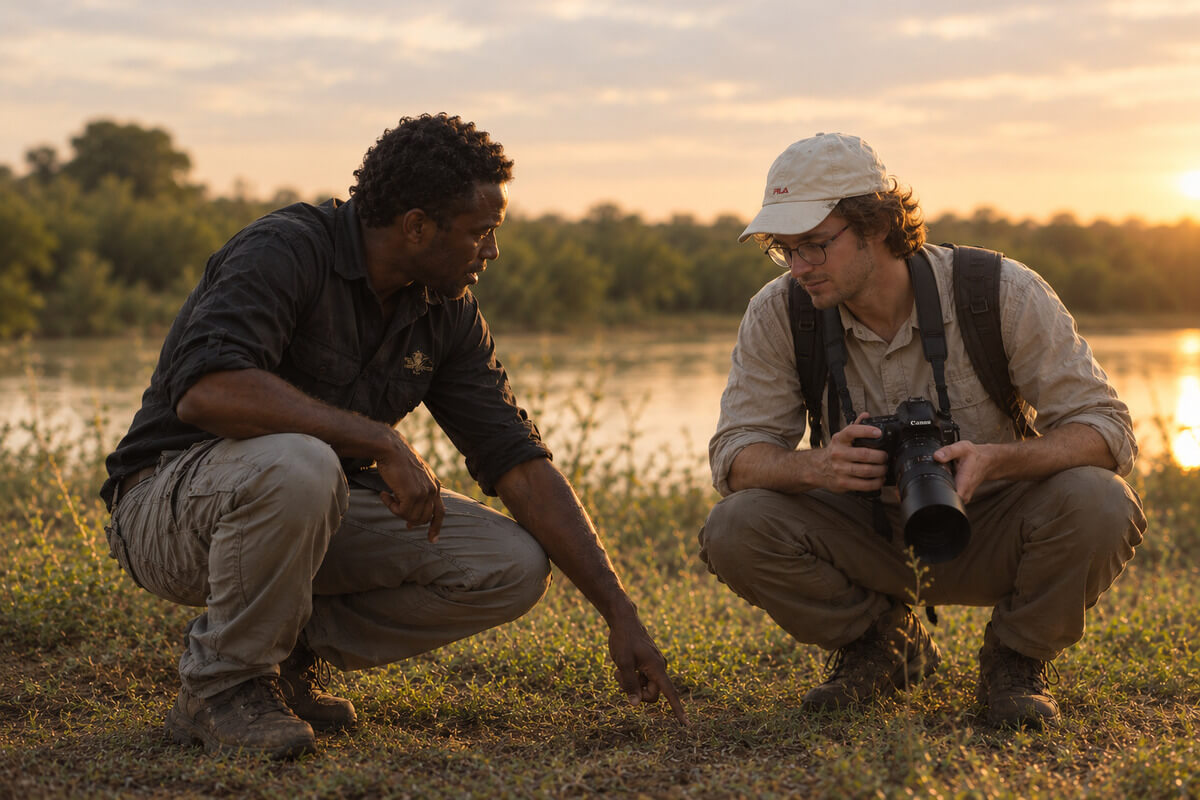
That was the reason I decided to travel independently, hiring a car with a guide-driver from a local agency. I reached an agreement with a local agency a few months before the trip. They offered me a 4×4 van at a cost of $120 per day, which included the vehicle, the guide-driver and his meals, fuel, and the park entry fees for the guide and the vehicle. Deciding the itinerary and booking the accommodation was down to me.
When building the itinerary I kept very much in mind that the safaris in the Masai Mara are unrivalled, and for that reason it is not advisable to start with this park. It is better to build up gradually.
I would start by heading north of Nairobi, towards the Samburu National Reserve. But on the way, I would stop to visit the Ol Pejeta Conservancy. By visiting this reserve, where you can also do very interesting safaris, I could support its important rhino conservation project.
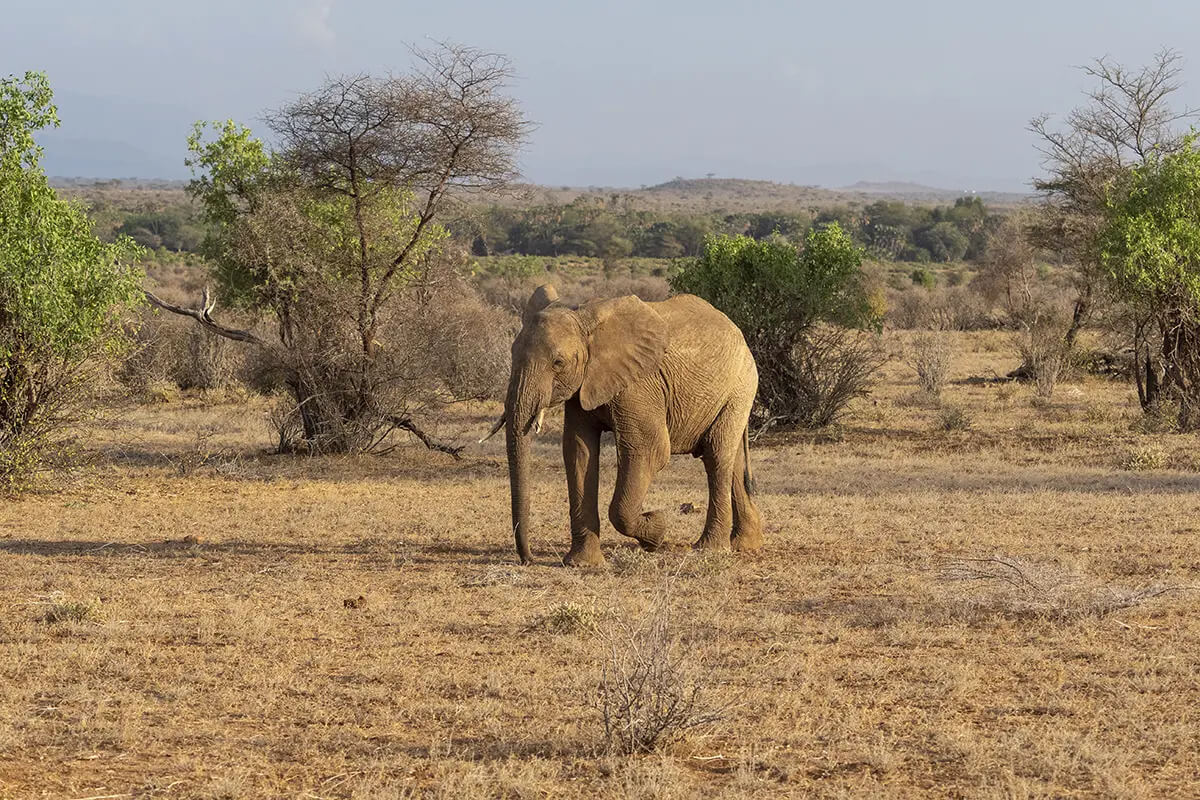
The next day I would arrive at Samburu National Park, where I would spend two nights. This park, characterised by its arid climate, has many particularities. There are several animal species that, within Kenya, can only be seen here. It is also known as a very good area for seeing leopards. One of my favourite animals.
From there I would head towards the Masai Mara, but stopping at Lake Naivasha. This 139 km² lake is excellent for seeing a great variety of birds, as well as some mammals such as zebras, waterbuck or warthogs.
And finally, I would arrive at the Masai Mara. One of the most fascinating territories in the world. The destination par excellence for safaris in Africa. And the place where I hoped to see the three big cats of the savannah: the lion, the leopard and the cheetah. After a thorough analysis of the areas of the park, I chose to stay right next to the Talek Gate. Sleeping outside the park is much cheaper, but the location is worse. However, setting out from the Talek Gate you quickly reach some of the best areas for seeing animals.
To end the trip, I would spend two nights in Lake Nakuru National Park. This park has one of the most beautiful settings in Kenya. It is a very good area for seeing rhinos, Rothschild’s giraffes and, with a bit of luck, the tree-climbing lions.
Travel Notebook: My Independent Trip to Kenya
- TRAVEL DATES: 16 to 26 February 2023.
- TYPE OF TRIP: Solo independent trip. Hiring a car with a guide-driver through the local agency Bigmac Africa Safaris.
- GETTING TO THE COUNTRY: I arrive in Kenya after a 10 days Uganda safari. I fly with Uganda Airlines from Entebbe International Airport to Jomo Kenyatta International Airport.
- GETTING AROUND: I travel around Kenya in a four-wheel-drive SUV van. It is the cheapest option. The vehicle is quite old, has over 500,000 kilometres on it and gives more than one problem. In fact, on one of the days we have to stop for more than four hours at the mechanic’s to get a problem fixed. The guide-driver who accompanies me is called John. Although his African punctuality bothers me a little, he knows the national parks very well and is good at finding animals.
- ACCOMMODATION: I book all the accommodation before the trip, most of it through Booking.com and the rest by contacting the places directly. This is the list of places where I end up sleeping:
-
- 🏡 Ol Pejeta Stables: The cheapest option for sleeping inside the Ol Pejeta Conservancy reserve. This lets you extend the safaris and start early in the morning. It costs $55 and is full board. A simple place to stay, but without any drawbacks. 1 night. Rating: ⭐⭐⭐⭐⭐
- 🏡 Samburu Riverside Camp: A small eco-friendly camp built two years ago inside the Samburu reserve. They offer tents (with bed and bathroom). It is quite an affordable option and very well located. 2 nights. Rating: ⭐⭐⭐⭐⭐
- 🏡 Dovenest Lodge : A fairly spacious lodge on the outskirts of Naivasha, about 20 minutes from the lake. It is a good option if you have a tight budget. 1 night. Rating: ⭐⭐⭐
- 🏡 Masai Mara Crocodile Camp : This accommodation is only 2 minutes from the Talek Gate, one of the best entry points to the Masai Mara. From this lodge you get very good views of the Talek River (with crocodiles and hippos) and of the plains of the Masai Mara. You sleep in tents with bed and bathroom. The food is quite expensive, so if you are travelling on a low budget, it is worth bringing your own food. 4 nights. Rating: ⭐⭐⭐⭐⭐
- 🏡 Lillypond Camp: The best option for sleeping near Lake Nakuru if you do not have enough budget to spend the night in the lodges inside the park. This camp is only 5 minutes from the Nderit Gate, the best entry point to this national park, as it is very close to the areas where rhinos, lions or leopards are usually seen. 2 nights. Rating: ⭐⭐⭐⭐
- 🏡 Kozi Suites Nairobi Airport: A perfect option for sleeping near Jomo Kenyatta International Airport. It has excellent value for money. 1 night. Rating: ⭐⭐⭐⭐⭐
Day by Day of My Independent Trip to Kenya
Day 1: The rhinos of Ol Pejeta Conservancy
After meeting John, the guide-driver who will accompany me during my independent trip to Kenya, I begin the route. The first stop will be the Ol Pejeta Conservancy reserve. It is about four hours by car from Nairobi. However, the journey takes longer than I expected: after about two hours on the road, one of the van’s tyres gets a puncture. The spare wheel is not the most suitable for safaris, so this forces us to stop at a mechanic in the town of Nanyuki. Once the problem is sorted, we head for the reserve entrance.
Ol Pejeta is a not-for-profit conservation area. They work to conserve wildlife and generate income through wildlife tourism, which they reinvest in conservation and community development. Inside the reserve is the largest population of black rhinos in East Africa. They are also carrying out a project to try to prevent the northern white rhino from going extinct.
I enter the reserve through the main entrance, the Rongai Gate. After so many mishaps, I have just enough time to go to the enclosure where I can see the last two northern white rhinos: Fatu and Najin. Learning their story and what they represent is very moving, and a way of contributing financially to the organisation.
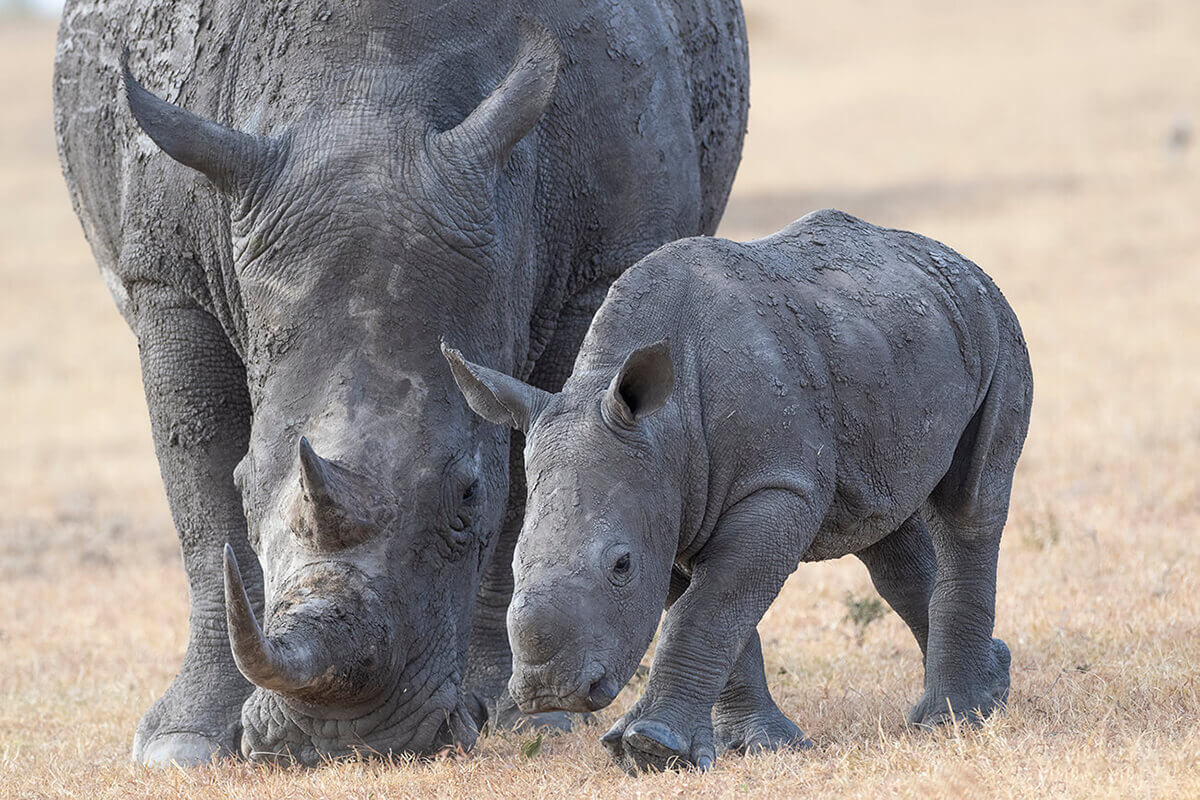
During the last hours of the afternoon, I do the first safari of the trip to Kenya. I see my first zebras, giraffes, elephants and also a white rhino with her calf. The high point of the afternoon comes just before sunset, when my guide spots a group of lionesses with their cubs. There is no other vehicle around. And it is a magical experience to watch them interacting with each other.
📚 Post about the first day of the trip: Ol Pejeta Conservancy: 10 reasons to visit this reserve
Day 2: From Ol Pejeta Conservancy to the Samburu National Reserve
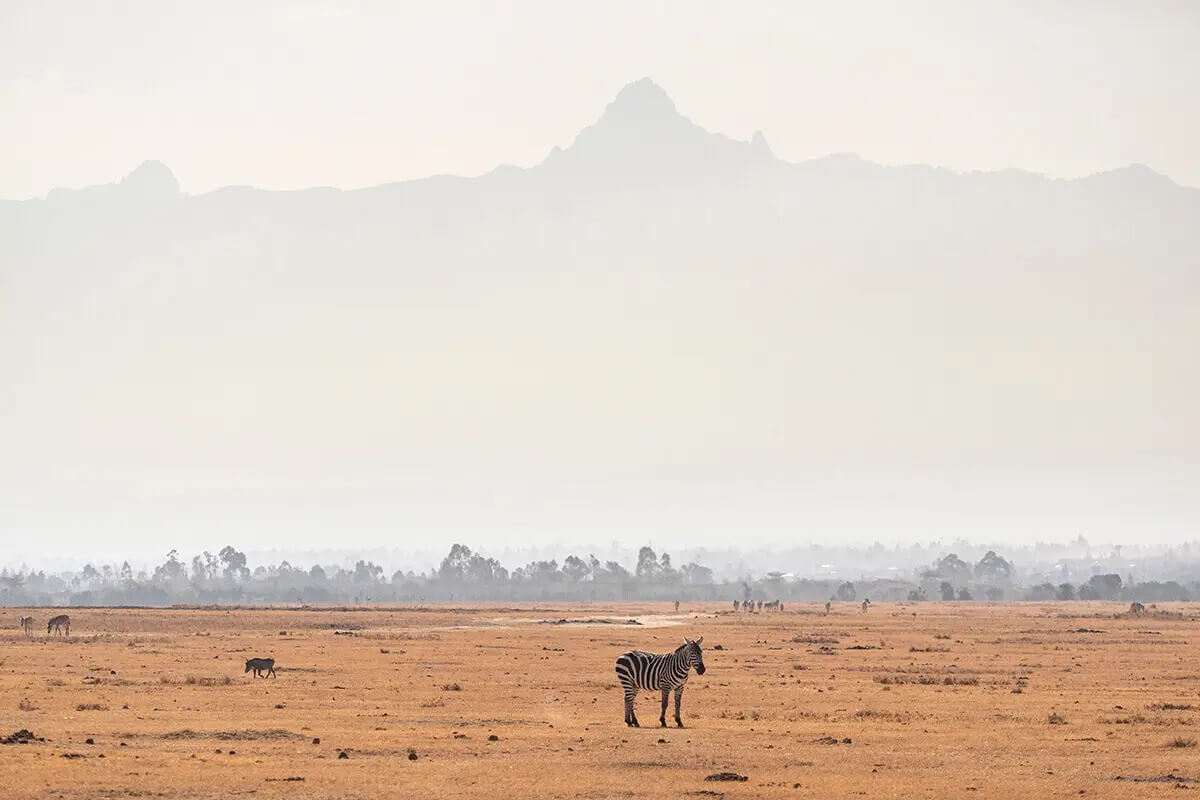
I begin the second day of my independent trip to Kenya with a safari across the savannah of the Ol Pejeta reserve. Starting the safari early is key to seeing more animals and getting the best light. I enjoy beautiful views of Mount Kenya, with a group of white rhinos walking in front. I can also see a black rhino hidden among the vegetation. And the zebras, elephants and giraffes also let themselves be photographed.
Mid-morning, when it is already getting quite hot, it is time to continue driving north to the Samburu National Reserve. As we get closer, the landscape becomes more and more arid and desert-like. I even see herders grazing camels.
I arrive at the Samburu reserve at midday and go straight to the accommodation. When it is this hot, you do not usually see any animals. The best hours for safaris are the first and last of the day.
I start the safari at 4.30 pm, discovering the beautiful landscape of this reserve. In the arid, semi-desert landscape of Samburu, the only hope of water is the Ewaso Nyiro river. But in mid-February, after months of drought, it is completely dry. Only the elephants are able to find pools of water hidden underground. Doum palms stand out among the sparse vegetation and terrain.
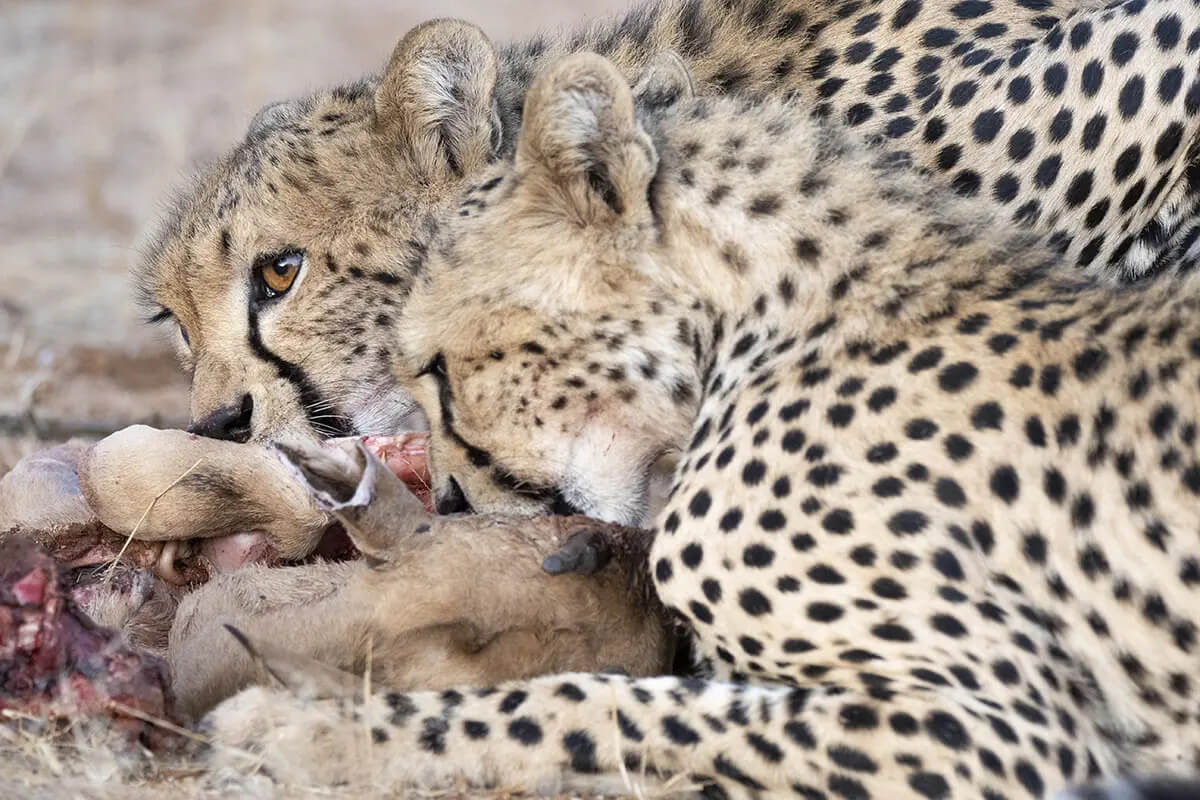
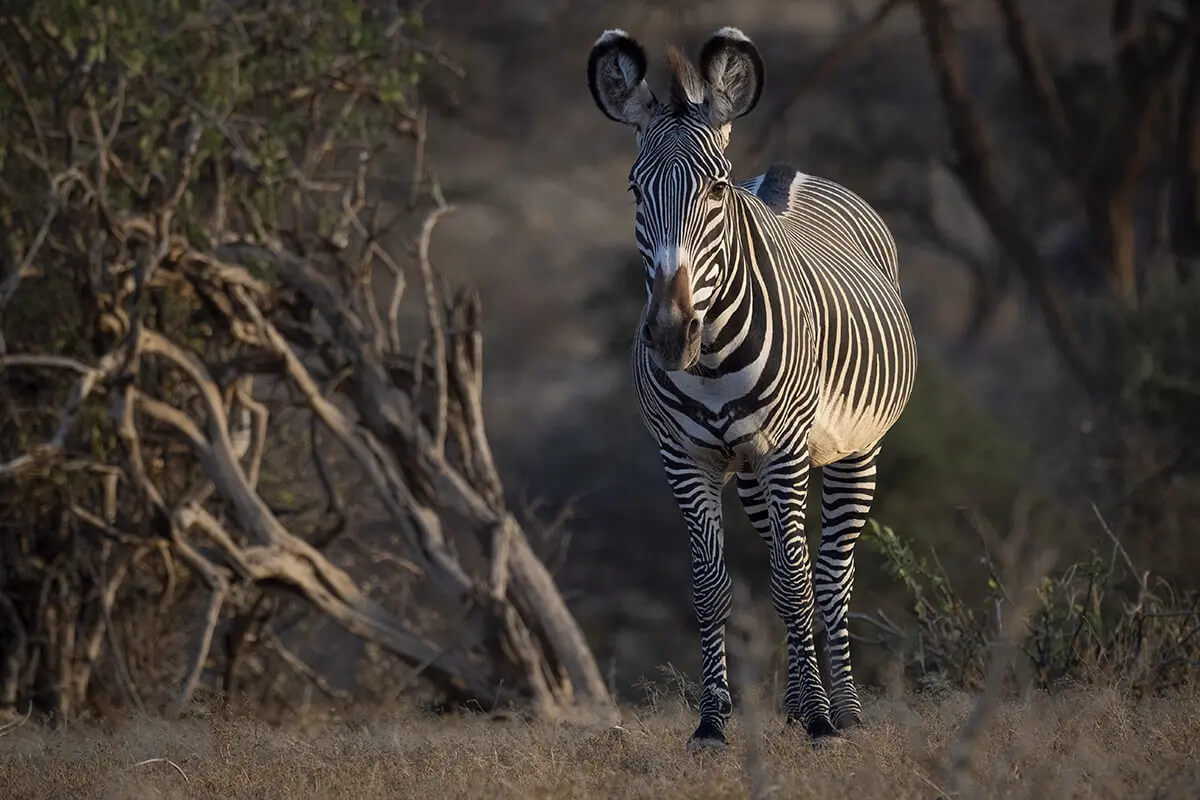
After seeing a group of elephants walking along the Ewaso Nyiro river, my guide suggests we focus on finding the Samburu special 5. Five species that, in Kenya, are only found in this reserve. They are the Grevy’s zebra, the reticulated giraffe, the Somali ostrich, the gerenuk and the beisa oryx. I am lucky enough to see them and to finish the day with a stunning sighting: a group of three cheetahs feeding on a Thomson’s gazelle they have just hunted.
📚 Post about the second and third day of the trip: Safari in the Samburu National Reserve
Day 3: The Samburu National Reserve
Sleeping inside the Samburu reserve, separated from the savannah only by the thin canvas of the tent, is a great experience. While I lie on the bed I can hear the elephants, the alarm calls of the monkeys and also the roar of a lion.
Before the sun has come up, I am already in the vehicle to start the safari in the Samburu reserve. I dream of seeing one of its famous leopards, which often turn up walking along the dusty tracks that run through the park. A few minutes after starting the safari we find tracks of this cat. We can follow them for a few metres, but then they disappear. They are probably a few hours old.
During the morning safari I see elephants around the Ewaso Nyiro river, as well as a large group of reticulated giraffes. When it starts to get very hot, we go back to rest at the accommodation.
I head out on the afternoon safari at around 4.30 pm. We have about two hours until it gets dark, but they are the most intense. We drive along the various tracks that cross the arid savannah of the park, trying to find a big cat. No luck. But watching the sunset inside the Samburu reserve is always sensational. The landscape is simple, minimalist, but full of beauty.
📚 Post about the second and third day of the trip: Safari in the Samburu National Reserve
Day 4: From Samburu to Lake Naivasha
During the last safari in Samburu the big cats still do not appear. Even so, I never tire of driving around this reserve and watching the other animals. Since arriving in Samburu I had been very struck by some small antelopes, the dik-diks . I take advantage of finding a couple near the track to photograph them.
At around ten in the morning we leave the national reserve. We head for Lake Naivasha . It is a long journey: about seven hours by car. I make only one stop, at the Thomson’s Falls , the highest waterfall in the country.
I reach the lake at around four in the afternoon. And I take the chance to do the star activity there: a boat safari . It is a trip in a small boat on the lake to see the abundant birdlife, hippos and also some zebras and waterbuck. Many locals offer this outing; I book it through the Lake Naivasha Crescent Camp , for a price of $30.
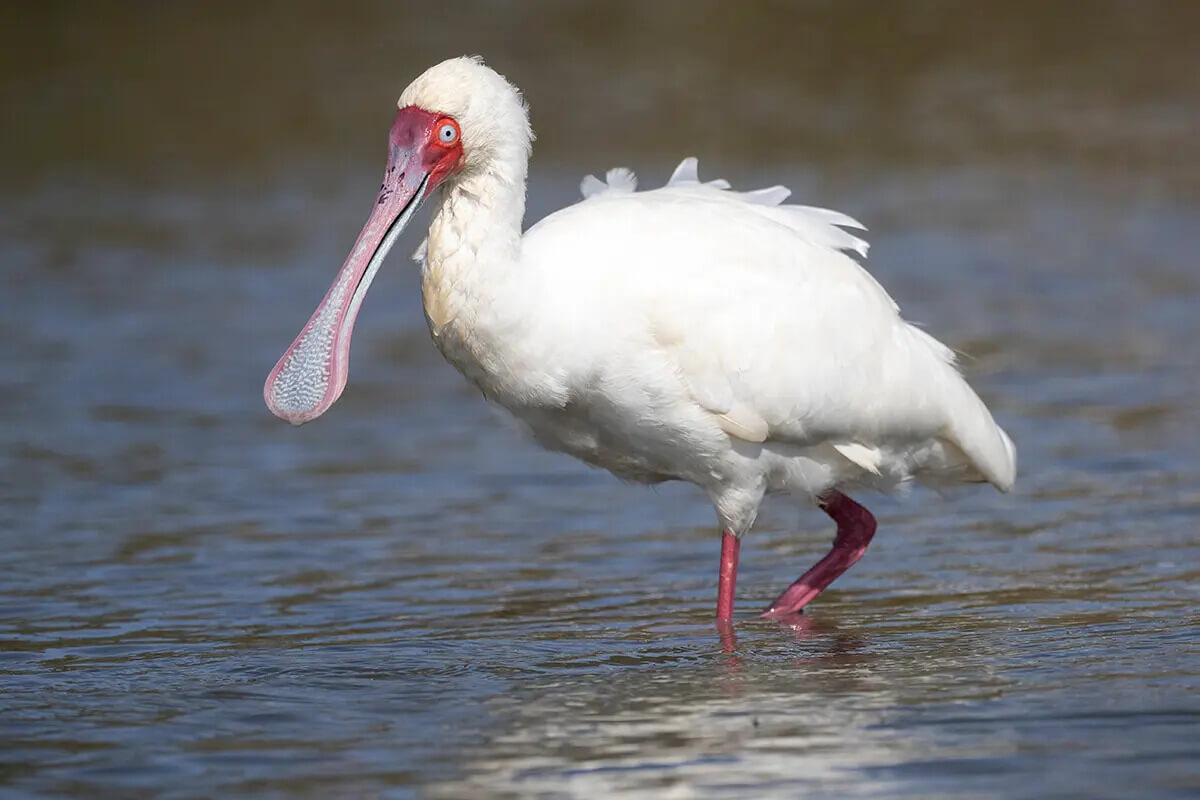
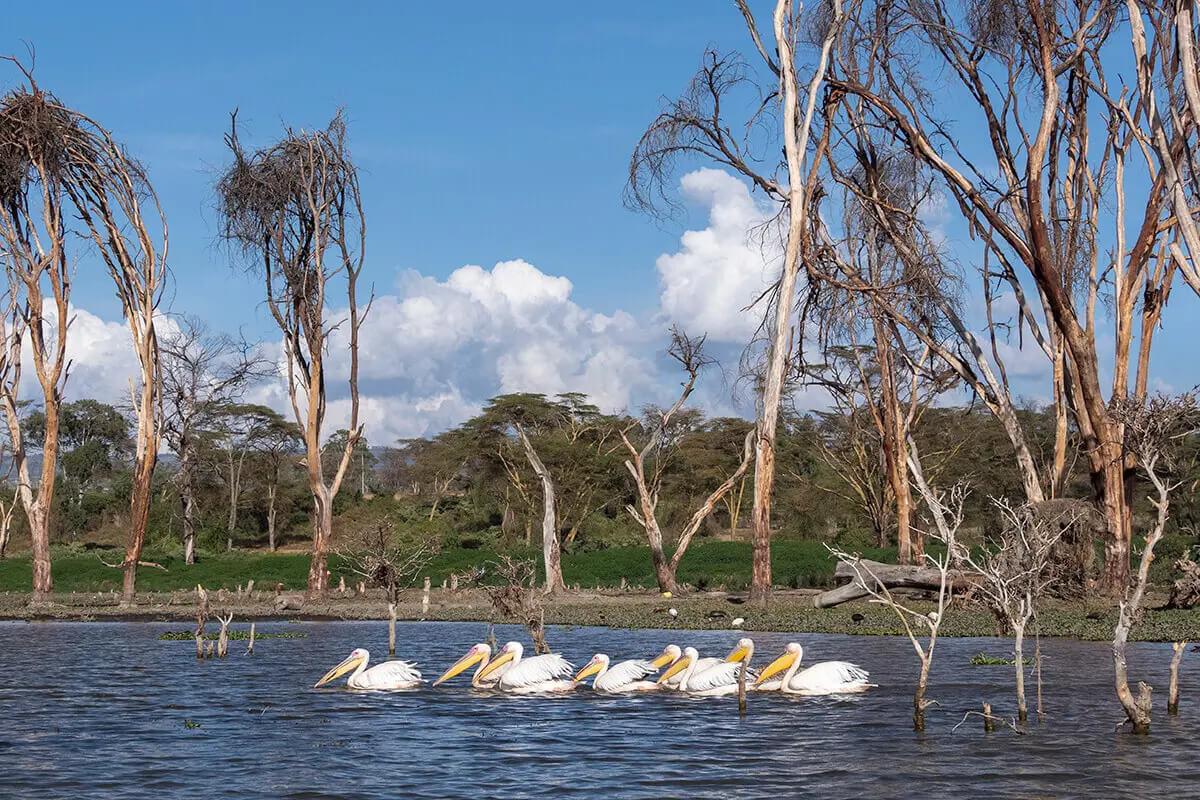
During the trip I get to see a great variety of birds . Some of the most notable are pelicans, giant kingfishers, African spoonbills and the majestic African fish eagles. We also pass very close to some groups of hippos, and I am amazed to see a tiny calf only five days old. During the trip I also go over to Crescent Island , but without getting off on the island. This island is known because you can do walking safaris there among zebras, giraffes and other herbivores.
📚 Post about the fourth day of the trip: Lake Naivasha guide
Day 5: From Lake Naivasha to the Masai Mara National Reserve
Independent travel in Kenya also means being prepared for the unexpected . The roads are in poor condition, the cars are often quite old, and this means problems are common. In my case, nothing serious happens, but the vehicle stops working properly. And we have to visit the mechanic.
I end up spending more than four hours with two different mechanics until they manage to fix the problem. And although the journey from Lake Naivasha to the Masai Mara is only three hours, I do not reach the reserve entrance until six in the evening.
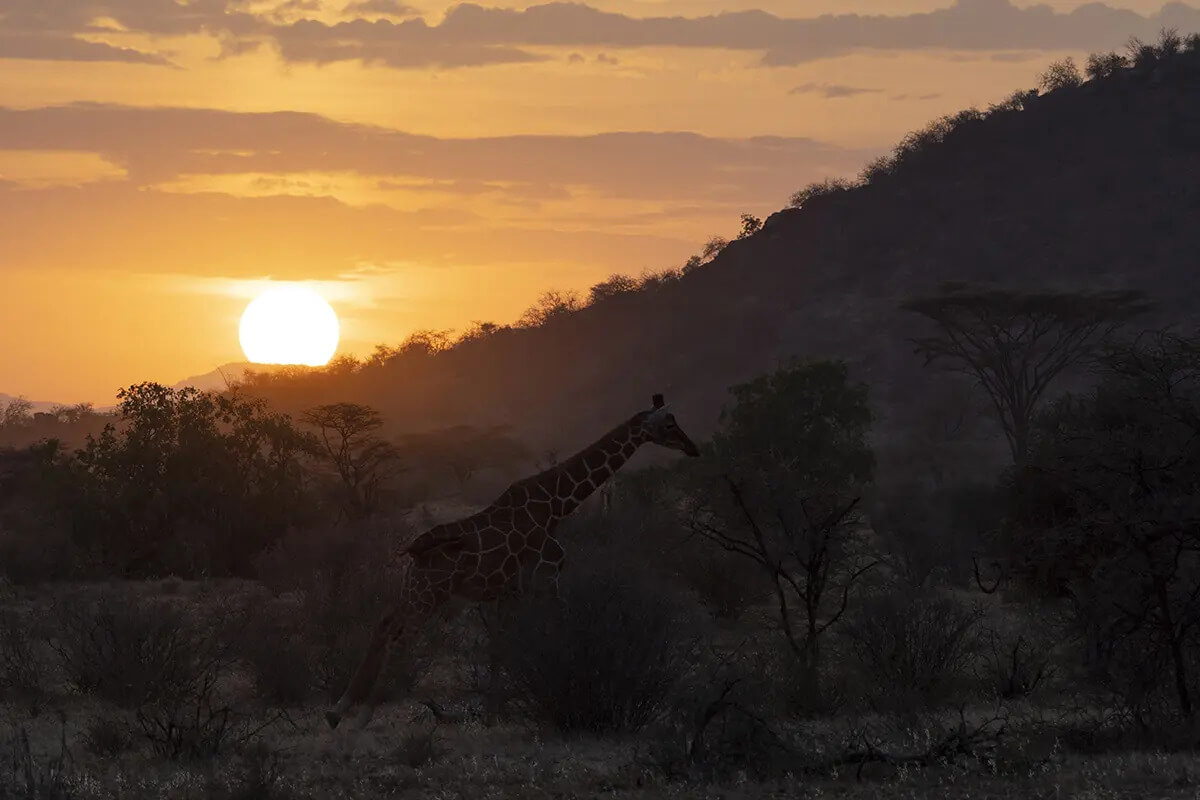
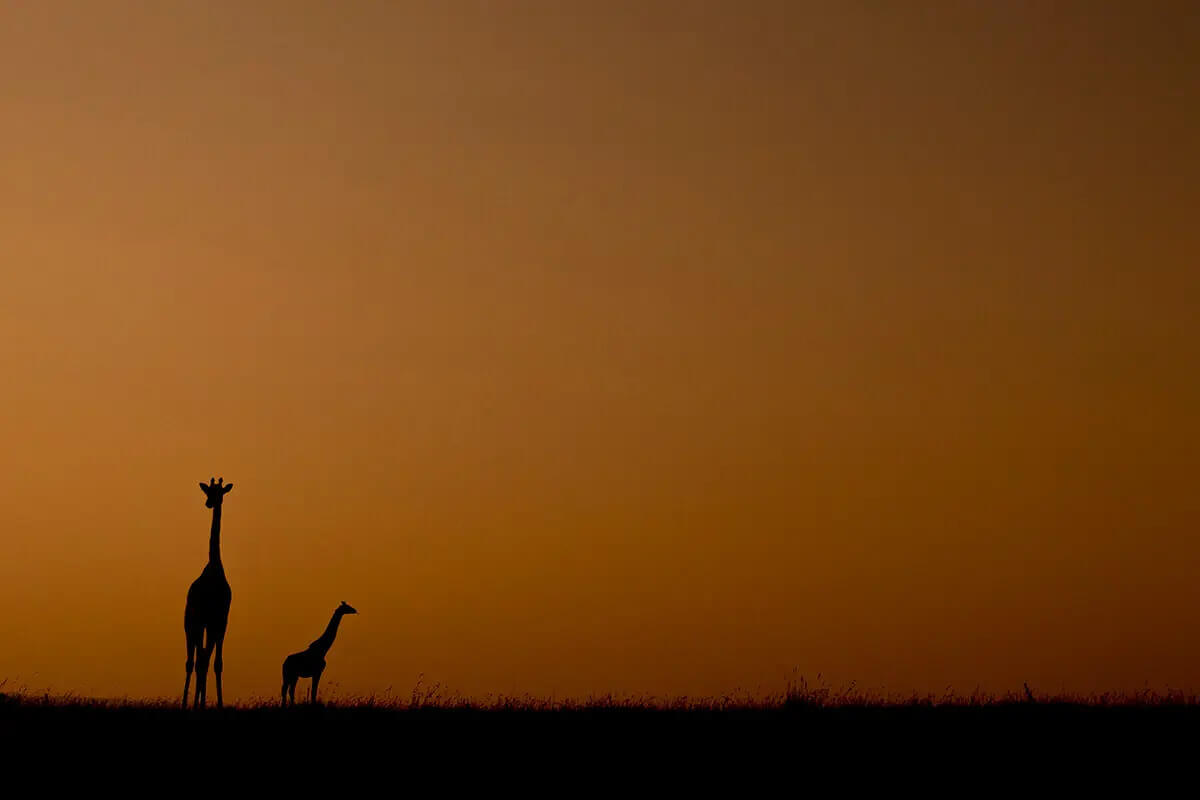
Unfortunately, I have lost an afternoon of safari in the Masai Mara, but I still have days left to enjoy this exceptional territory to the full. Besides, the good thing is that the park rangers let us enter the Masai Mara after six, to go from the Sekenani Gate to the Talek Gate, where I have my accommodation booked. Being able to see the colours of the sunset from inside the savannah, watching the silhouettes of the trees, the zebras or the topis, is wonderful. And a small foretaste of the great scenes the Masai Mara will give me.
📚 Post about the fifth, sixth, seventh, eighth and ninth days of the trip: Masai Mara safari
Masai Mara
Want the Masai Mara on your route?
The next three days of my route are spent in the Masai Mara. Tell us how many days you have and what you would like to see, and we will adapt an itinerary to your dates and budget.
Day 6: The first day of safari in the Masai Mara
I begin the first safari in the Masai Mara National Reserve . One of the best places in the world for safaris and for seeing the big cats of the savannah: lions, leopards and cheetahs. All it takes is a bit of luck and good eyesight.
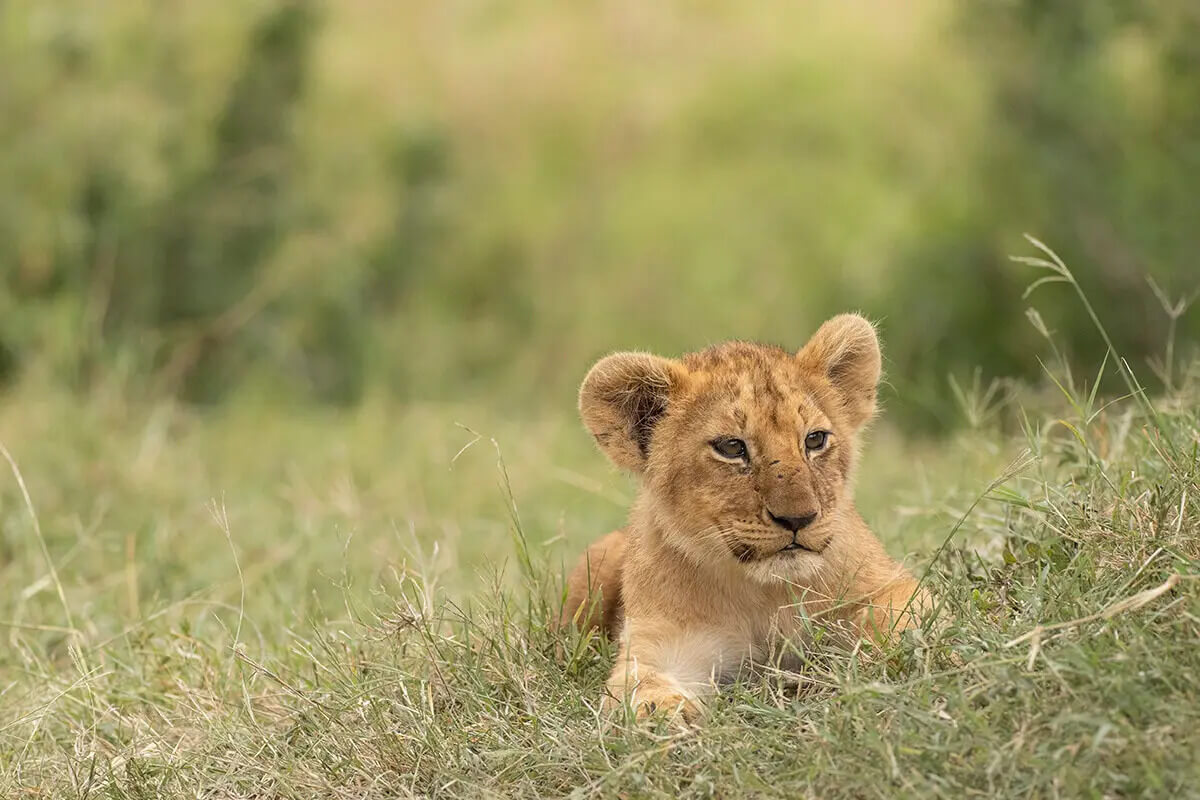
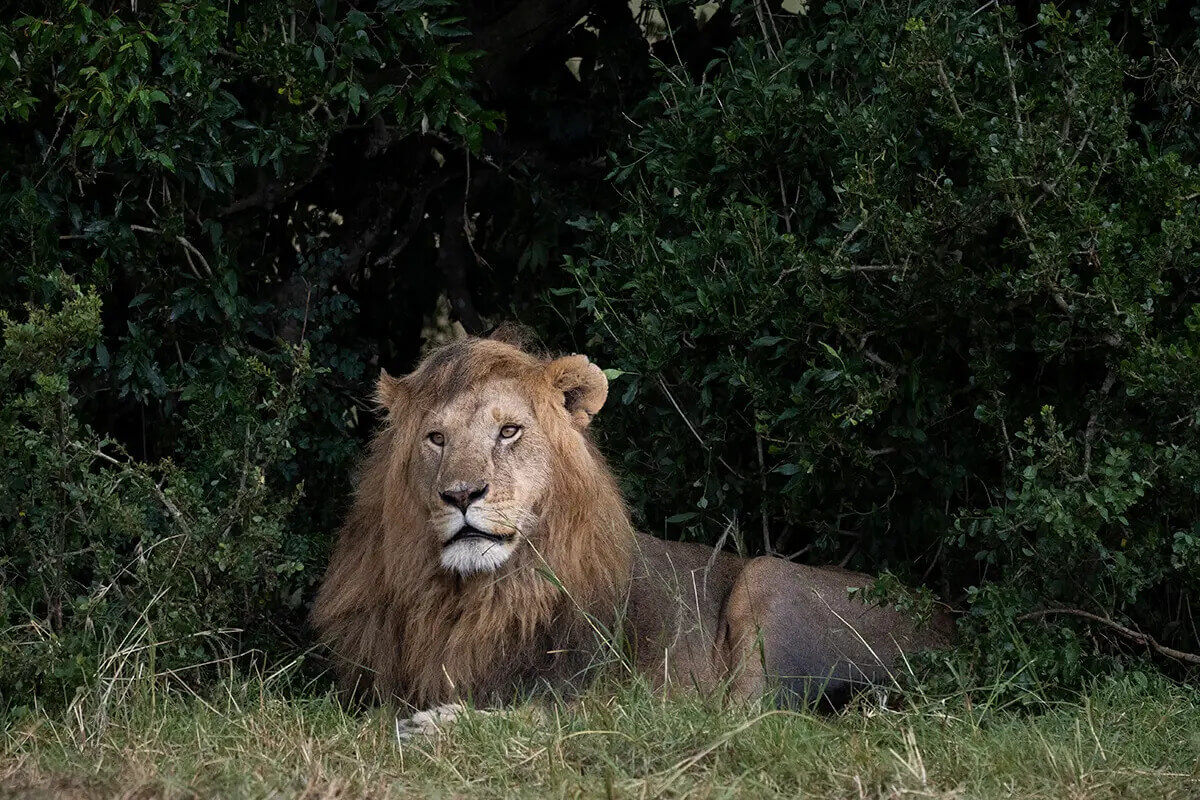
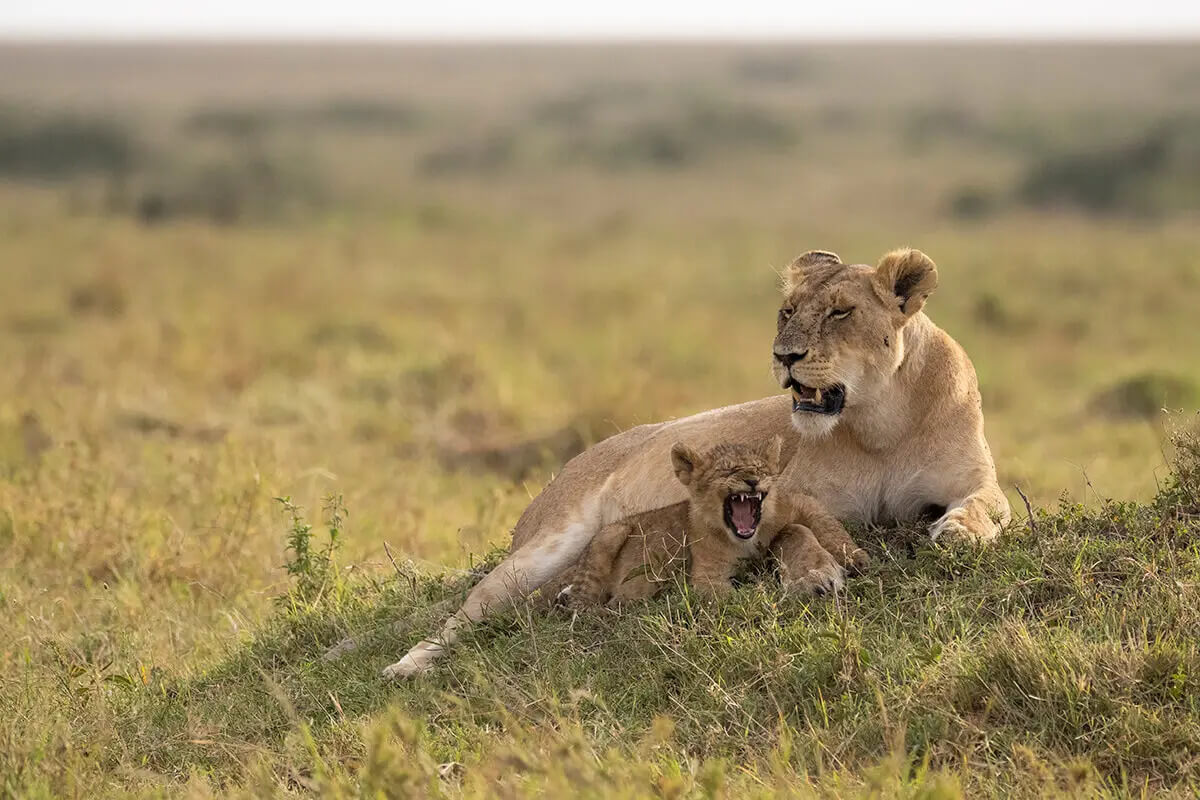
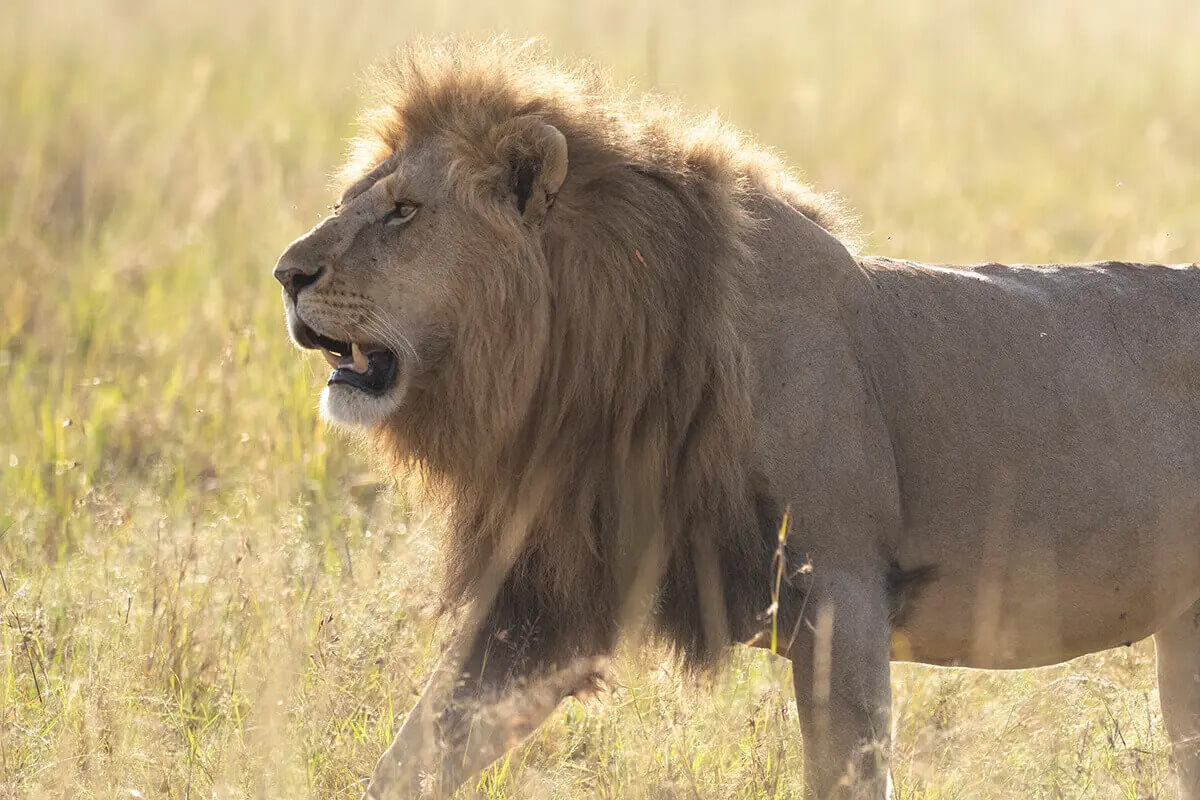
After seeing some hyenas, jackals, wildebeest and zebras, we find a huge male lion walking across a meadow. It is an impressive moment. Following the direction the male is walking in, we see that very close by there is a group of lions and small cubs. They are the Rongai pride .
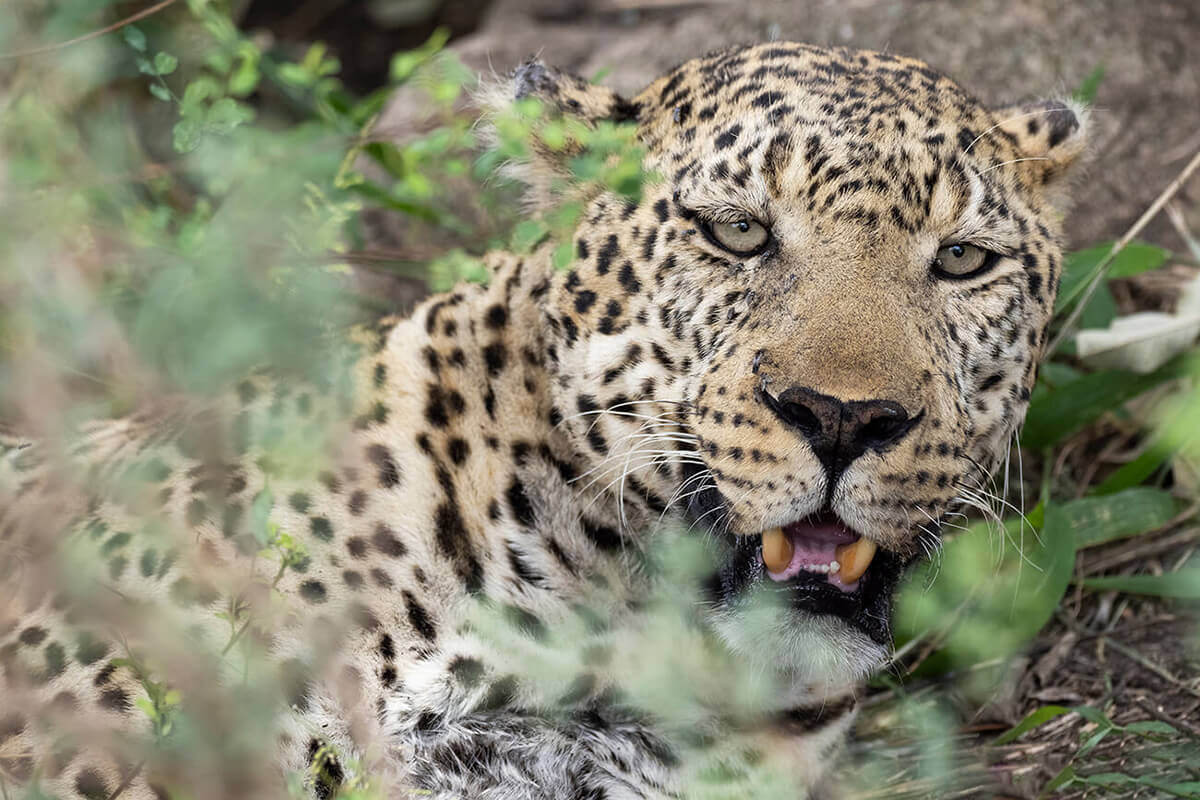
After spending a good while watching the little lions, three or four months old, and the adult lionesses, I carry on exploring the Masai Mara. It is not long before we see a group of vehicles stopped near a tree. This is usually a sign of an interesting animal. There is a leopard lying among some bushes.
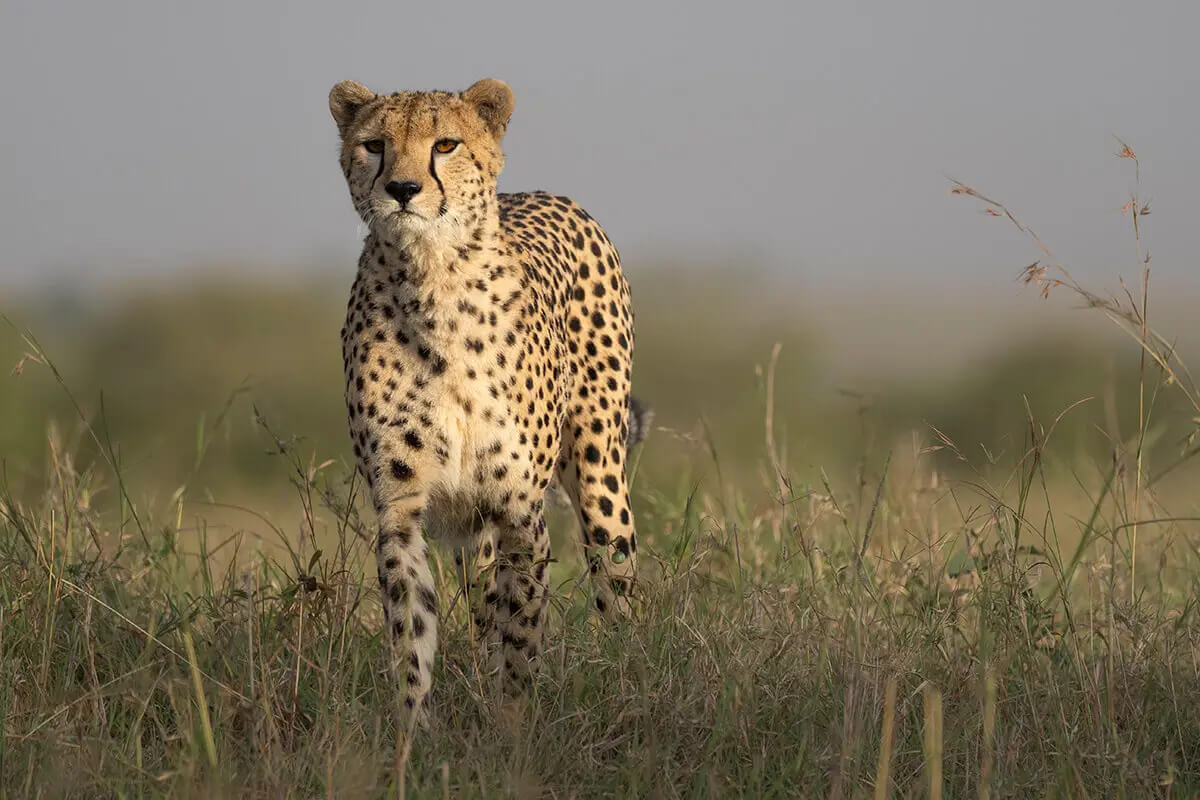
I end the day in the best possible way, watching a pair of cheetahs . I feel very fortunate to have seen the three big cats on my first day in the Masai Mara.
Day 7: The second day of safari in the Masai Mara
On my second day in the Masai Mara, instead of doing a safari all day, I do one in the morning and another in the afternoon. Above all I want to be in the park during the hours when the animals are most active. At midday it is very hot and there is little activity.
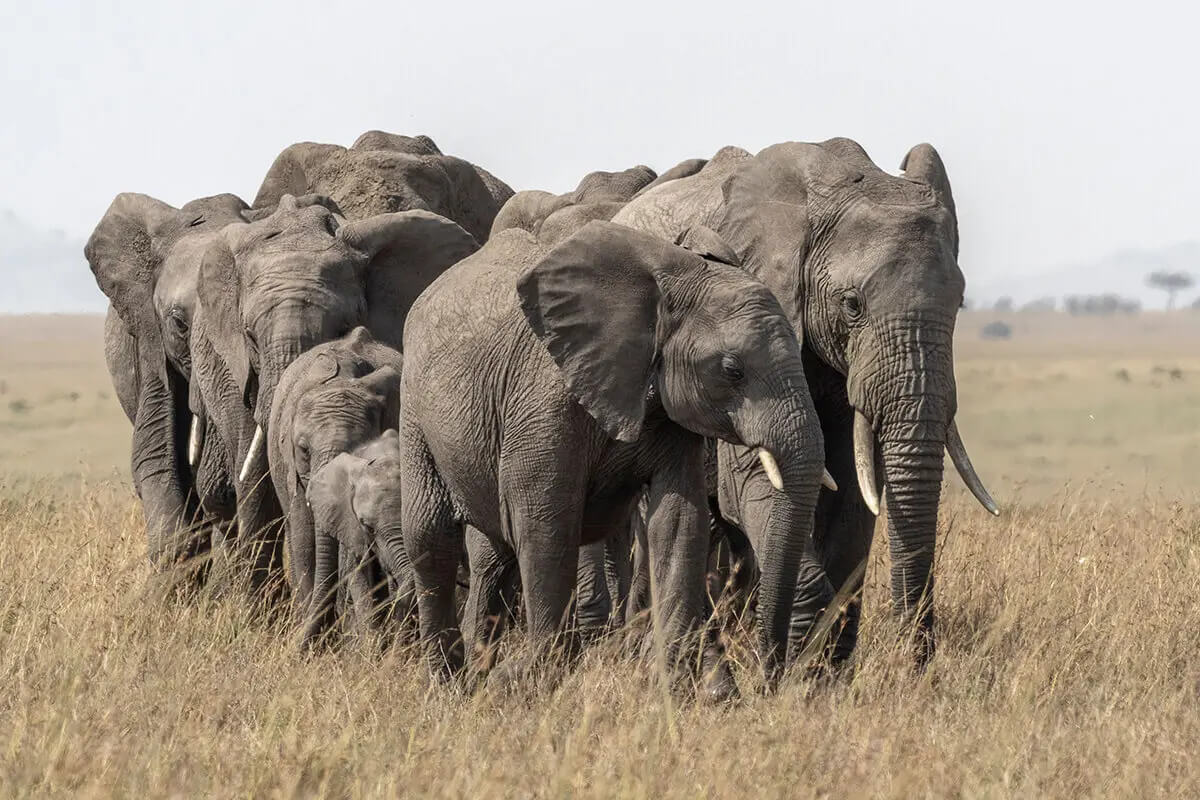
The morning safari is unbeatable. I start the day seeing a cheetah lit up by the light of sunrise ; then I get to spend an hour watching the little lions of the Rongai pride ; and, to round it all off, in mid-morning I see a leopard . I can also photograph a large group of elephants, which gradually approach the vehicle.
In the afternoon, I decide to go straight to the area where the pride of lions I have been watching since I arrived in the Masai Mara is. They are still there. The hours fly by as I watch them.
At dusk, we are caught by an intense downpour. When it rains, the tracks of the Masai Mara turn into an ice rink . It is essential to travel in a 4×4 with good tyres.
Day 8: The third day in the Masai Mara
The great stars of the last day in the Masai Mara of this independent trip to Kenya are the lions . After watching the sun rise surrounded by the whole Rongai pride (including the two males), I suggest to my guide that we go and drive around new areas. I want to see more parts of the Masai Mara.
After about half an hour of driving, we find two lions feeding on a freshly killed zebra . It is a wild scene, full of power.
Before stopping at midday, I see a great variety of animals as we head back to the accommodation: zebras, topis, Thomson’s gazelles, elephants, giraffes and also several Lord Derby’s elands (the largest antelope species in the world).
In the afternoon, we return to the same area where we saw lions in the morning. Once again, I spend a good while photographing the little cubs of the Rongai pride. I can also see again the two lions that had killed the zebra during the morning.
Day 9: From the Masai Mara to Lake Nakuru National Park
Every day in the Masai Mara has been spectacular, but the time has come to leave the reserve. I have only a few last hours of safari left. As my guide drives, I notice there are far fewer animals. It rained during the night, and they seem to have dispersed and moved to another area . We are also told that the lions of the Rongai pride are no longer in the same place.
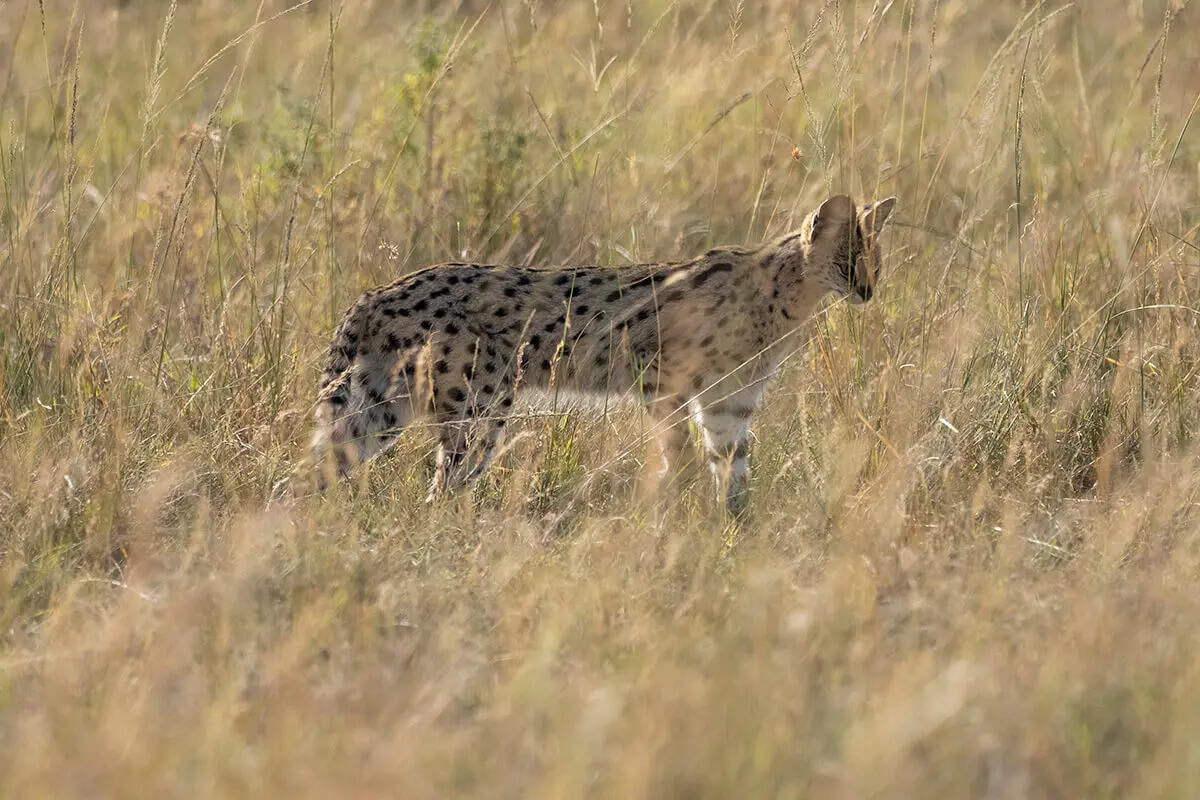
So he suggests heading towards the border with the Serengeti, to see what we can find there. I am surprised to still not see many zebras or topis. I only see a Thomson’s gazelle, a couple of hyenas and several birds. It looks like an unproductive day when I see a small silhouette moving through the grass. It’s a serval ! One of the most elusive cats of the Masai Mara. We manage to get a little closer, but in the blink of an eye it disappears among the bushes.
With this great sighting, we now head for the Sekenani Gate to leave the Masai Mara. From there, about four hours of road await me to Lake Nakuru . Tomorrow will be the day to discover that national park.
Day 10: Lake Nakuru National Park
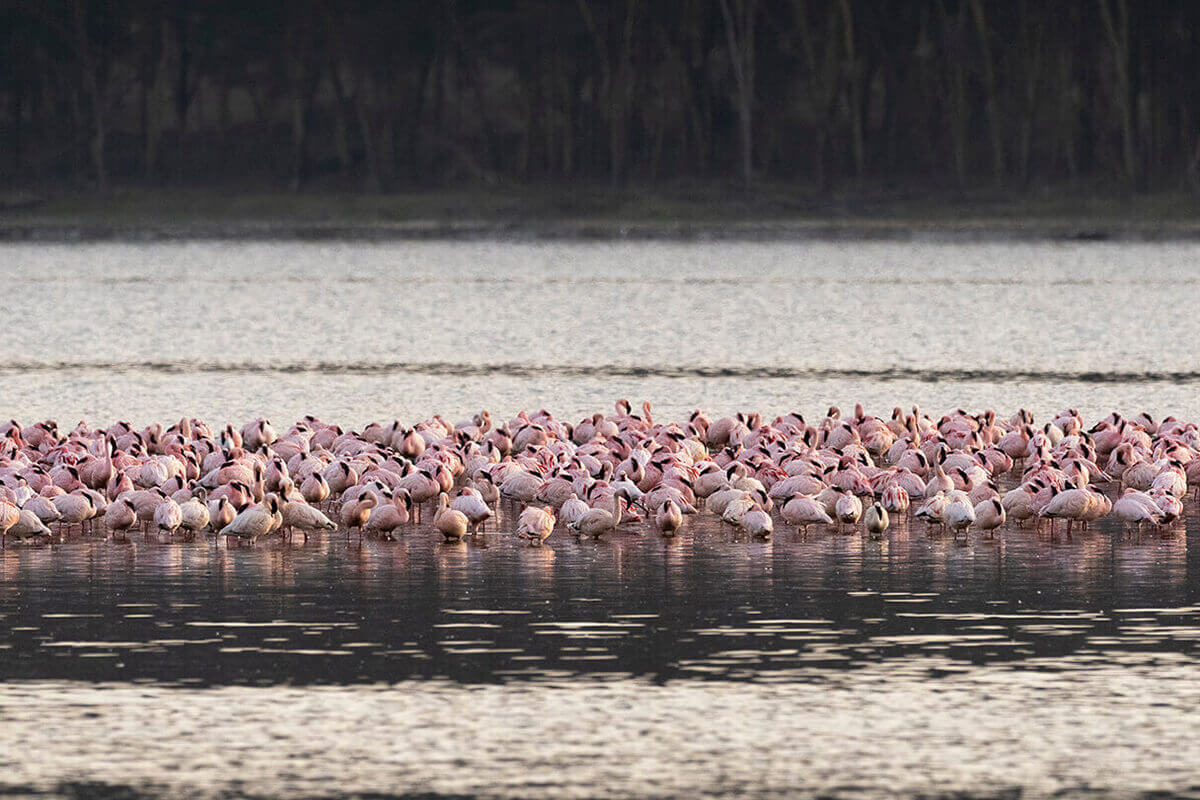
Lake Nakuru National Park is located in the southern stretch of the Rift Valley. The great emblem of this park is its lake, where dozens of flamingos gather. A few years ago the number of flamingos was far more impressive, but it has been shrinking.
The park is also one of the best areas in Kenya for seeing rhinos (white and black) and is one of the few places where you can see Rothschild’s giraffes . Lions and leopards also live here, but they are hard to see.
When I start the safari in Lake Nakuru National Park at dawn, entering through the Nderit Gate , I can already hear the noisy cries of the flamingos. We go up to the vehicle, and from there I watch a beautiful sunrise. Then we start driving along the tracks that lead into the acacia forest , looking for rhinos, giraffes or a big cat. I am lucky enough to see two black rhinos and also three giraffes. A little further on, my guide spots lion tracks. We stay alert as we keep moving slowly forward. And a few minutes later I spot a young lion lying on a rock. While I photograph him, three more lionesses appear on the scene. A spectacle I did not expect to see in this national park.
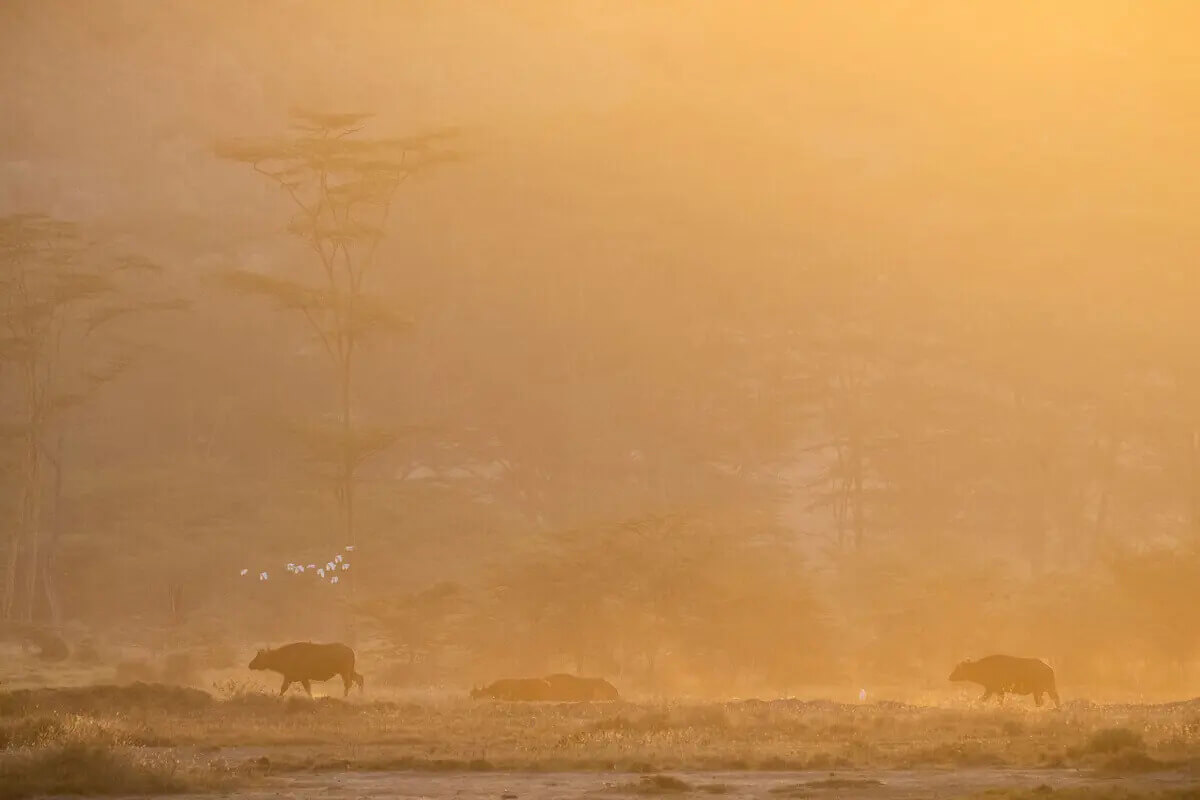
In the afternoon, when the temperature drops, we continue the safari. I see more giraffes, zebras and buffalo. Although the highlight is a white rhino cow with her calf.
📚 Post about days ten and eleven of the trip: Safari in Lake Nakuru
Day 11: From Lake Nakuru National Park to Nairobi
The last hours of my independent trip to Kenya have arrived. The last safari of this memorable route. When we enter the park in the first light of day, the first thing we do is head to the area where we saw the lions the day before. Just as we arrive, we see an adult male lion , disappearing behind a small hill. We missed him by a few minutes .
We keep moving around the area, and while we are stopped and I photograph a giraffe, a new lion appears on the scene. He is an imposing male, walking calmly down the middle of the track. He is heading towards where we saw the other male. We follow him slowly, while he keeps advancing majestically.
Once I lose sight of the cat, we go to explore some of the areas of the park I had not yet seen. We take the track that runs along the side of the lake. From there I can see a good variety of birds , among which an African darter eating a fish stands out.
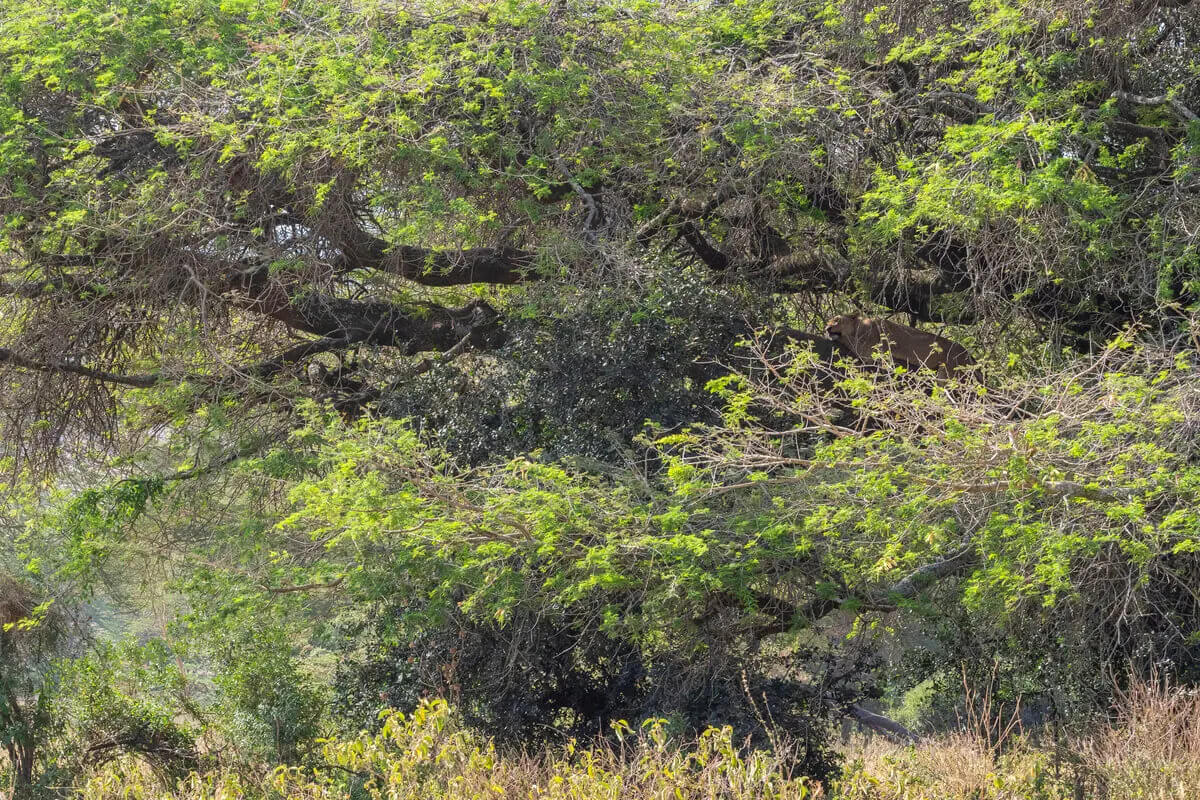
At the end of the drive, just as we are about to leave the park, I get to enjoy the scene I had most wanted to see in Lake Nakuru National Park: two lions stretched out high up in an enormous tree .
With this the safari comes to an end, and all that remains is the drive to Nairobi . It is about 3 hours and 15 minutes by car.
Independent Travel in Kenya: The Top Destinations on My Route
Masai Mara National Reserve
The Masai Mara National Reserve is a unique natural area in Kenya, famous for its rich wildlife and flora. It is an excellent place to watch emblematic animals such as lions, elephants, cheetahs, leopards and giraffes. From July to October you can see the great wildebeest migration.
Samburu National Reserve
The Samburu National Reserve is one of the most distinctive places to go on safari in Kenya. Its aridity makes the landscape very different and allows you to see unique animals. It is a good area to try to see leopards.
Lake Nakuru National Park
Lake Nakuru National Park is a nature reserve famous for its large salt lake and its concentration of birdlife, among which flamingos stand out. It is also possible to find leopards, tree-climbing lions, baboons, Rothschild’s giraffes and rhinos.
Ol Pejeta Conservancy
The main goal of the Ol Pejeta conservation area is the protection of endangered wild animals, such as the northern white rhino. There is also a chimpanzee sanctuary, and you can go on safari to see a great variety of animals in the wild (elephants, giraffes, white and black rhinos, zebras, lions…). Ol Pejeta promotes sustainable tourism and community initiatives to protect the local fauna and flora.
Lake Naivasha
Lake Naivasha is a freshwater lake with a surface area of 140 km 2. A great variety of wildlife gathers on this lake (birds, hippos, zebras, waterbuck…) and the best way to see it is on a boat safari.
Other Interesting Places for Independent Travel in Kenya
When I prepare a trip, there are always places I research and find interesting but that I ultimately end up not visiting. In Kenya, in order to stick to the budget I had, I ended up ruling out quite a few interesting spots.
In this list you will find other areas that, depending on your tastes, you may want to get to know during independent travel in Kenya.
Amboseli National Park
Amboseli National Park is one of the most spectacular places in the African savannah. Located in south-western Kenya, it is famous for its panoramic views of Mount Kilimanjaro and for its huge elephants.
Tsavo East and Tsavo West
Located in south-eastern Kenya, Tsavo is an immense area of wilderness that has been divided into Tsavo East and Tsavo West national parks. It is particularly known for its large herds of elephants and captivating landscapes. It is one of the least visited safari areas, ideal for those looking for a wild and authentic experience.
Mount Kenya National Park
At an altitude of 5,199 metres, Mount Kenya is the highest mountain in Kenya and the second highest in Africa. Within the national park that protects this mountain and its surroundings, you can do some of the most interesting hiking routes in the country.
Mombasa
Mombasa is home to some of the most idyllic beaches in Kenya. It is an ideal area to relax. You can also go snorkelling and try to spot dolphins.
Trips to Kenya with Local Agencies
If you prefer to simplify the organisation of your trip to Kenya, an excellent option is to book a safari directly with a trusted local agency. By doing so, you can avoid intermediaries and access more affordable options. I have had the opportunity to book several trips directly with local agencies in Uganda, Kenya, Tanzania and Botswana, and it has always been a very positive experience. If you would like more direct contact with recommended local agencies, you can fill in this form, and I will send it to the trusted local agency or agencies that best fit the type of safari you want to do.
Your Kenya safari
Ready to plan your own trip to Kenya?
Request a free, no-obligation quote and receive a proposal from local operators, without intermediaries. It only takes a couple of minutes to tell us what you have in mind.

