Is independent travel in Tanzania possible?
Independent travel Tanzania
Planning Tanzania on your own? Ask for a quote
Before you dive into the details, tell us what you have in mind. You will receive a free, no-obligation proposal from local operators, without intermediaries, for the safari you want.
Independent Travel Tanzania: Trip Preparations
📚 Organising your trip
How to get to Tanzania
If you are doing a safari in the national parks of the north of the country, the usual way to start your trip to Tanzania is from Kilimanjaro International Airport. This airport is an hour from Arusha. There are also some international routes that stop over in Dar es Salaam and then fly directly to Arusha airport, which is about 15 minutes from the city.
If you are travelling to Zanzibar, you can fly directly to the island’s airport: Abeid Amani Karume International Airport.
If you are doing a route through the national parks of southern Tanzania, a much less touristy area, it is better to fly to Dar es Salaam airport, Julius Nyerere International Airport.
If you are combining Kenya and Tanzania, you can fly from Nairobi to Kilimanjaro International Airport; or take a bus connecting Nairobi with Arusha. It takes between five and eight hours. One of the best-rated companies is Riverside Shuttle Bus.
How to get around Tanzania
If you are travelling to Tanzania to go on safari, a 4×4 is essential.
Through local agencies, the most common option is to book all the services, which include the 4×4 vehicle, the guide, national park entry fees, accommodation and food. However, some agencies also let you book only the 4×4 and the guide.
In addition, in Arusha there are also a few agencies that let you rent only the 4×4 vehicles. Even so, I insist that for a first safari trip, especially if you have no experience driving 4x4s, I do not recommend this option.
If you are doing a longer route around the country, between towns or cities you can take the bus or book a private transfer through your accommodation.
Where to sleep
In all the tourist areas of the country, including the national parks, there is a wide variety of accommodation, from simple options to luxurious lodges with plenty of comforts. A good share of the accommodation is listed on Booking.com.
Above all, when visiting Serengeti National Park and the Ngorongoro Conservation Area, bear in mind that they are not close to any town, so you have to sleep inside these natural areas. There, the only budget option is to sleep in a tent at the public campsites, which costs 35 dollars per person. By contrast, the lodges are all mid-range or high-end, and rarely go below $250 per night (for two people).
Emergency numbers
The emergency number in Tanzania is 112.
For consular emergencies, contact the embassy or consulate of your country.
Vaccinations
There is no yellow fever in Tanzania, and so the yellow fever vaccine is only mandatory if you come from a country where the disease is endemic. The Tanzanian authorities have established that a stopover of more than 12 hours in a country with endemic yellow fever (such as Kenya) is enough to require the vaccine.
Hepatitis, tetanus and typhoid vaccines are recommended. Depending on the length of the trip, other vaccines may be advisable. The best thing is to visit a travel medicine centre a few months beforehand to get all the health information.
Malaria
When you travel independently in Tanzania, it is important to bear in mind that malaria exists in the country (with the exception of Zanzibar). You should therefore avoid mosquito bites by taking every possible measure: a good repellent, a mosquito net, and light-coloured, long-sleeved clothing. Although most accommodation has mosquito nets, they often have holes, so it does no harm to bring an extra one.
In most cases, malaria prophylaxis medication is advised. Again, the best thing is to consult a doctor at a tropical medicine or travel health centre.
SIM card
The companies with the best coverage in Tanzania are Airtel and Vodacom. At Kilimanjaro International Airport you can buy a Vodacom SIM. It costs about 7 dollars for 5 GB over 7 days. They can also be bought in most towns and cities.
Plug type
In Tanzania the sockets are type G. You will need to bring an adapter.
🗺️ Geography of Tanzania
Language
The official languages of Tanzania are English and Swahili.
Some words you will certainly hear when travelling independently in Tanzania are:
- Jambo (hello)
- Karibu (welcome, although it is also used to mean you’re welcome).
- Asante (thank you)
- Asante sana (thank you very much)
Capital
Dar es Salaam
Visa
EU citizens need a visa to enter Tanzania. It can be processed on arrival in the country or through this website. Approval of the application can take more than a week, so it is advisable to apply well in advance of your trip. It costs 50 dollars.
Time zone
The time zone in Tanzania is GMT+3 (two hours ahead of Central European Time, CET).
Climate
When travelling to Tanzania, you need to pack for the country’s tropical climate. Temperatures are very similar at any time of year. What varies from month to month is the rainfall. There is mainly a long rainy season (known as masika) that starts in March and ends in early June. The short rainy season (known as vuli) runs from November to early January. For the rest of the year it rarely rains much.
The average temperature is about 25 °C. However, it gets cool at night, so it is advisable to bring a warm layer. In addition, some parts of the Ngorongoro Conservation Area are more than 2,000 metres above sea level, which makes the temperature drop much further at night.
💰 Money and costs when travelling to Tanzania
Currency
The official currency of Tanzania is the Tanzanian shilling (TZS). At the moment, 1 euro is worth about 2,960 TZS. To do the conversions in your head, it helps to remember that 10,000 TZS is about €3.5.
However, the safari industry (payments to local agencies, national park entry permits…) usually quotes prices in dollars. In many cases you also have to pay in dollars, although the local currency is usually accepted.
In general, when you travel independently in Tanzania and do a safari with a local agency, you will pay that agency directly, normally before arriving in Tanzania. Agencies currently tend to accept bank transfers or card payments through Pesapal (a platform very similar to PayPal, used in Uganda, Tanzania and Kenya).
If you are doing the whole trip independently, bear in mind that card payments are starting to be accepted in some hotels and large supermarkets. However, they normally add a surcharge of between 3% and 4%.
Entry permits for the national parks are paid by card at the entrance gate of the reserves. Cash is not accepted. However, the permits to enter the Ngorongoro Conservation Area and descend into Ngorongoro Crater cannot be obtained at the entrance gate. They have to be arranged beforehand, and you can read how to do it here.
That said, you only need to know how national park entry permits work if you decide to do the safaris completely independently. If you go with an agency, the price includes all the permits and the guide takes care of all the paperwork.
Prices
Basic products in Tanzania are cheaper than in Europe.
However, the permits to enter the national parks and national reserves are expensive for foreigners. They vary depending on the park, but are usually between $60 and $90.
Here are some examples of the prices you can find during a trip to Tanzania:
- A set meal in a local restaurant: 7,000 TZS.
- A starter and main course in a standard hotel restaurant: 15,000 TZS.
- A one-and-a-half-litre bottle of water: 2,000 TZS.
- A litre of petrol: 2,900 TZS.
- Permit to sleep in a public campsite inside the national parks: 35 dollars per person.
- Accommodation in a lodge on the edge of a national park: 35 dollars for a double room (the cheapest alternatives).
- Accommodation in a tent with a bed inside a national park: 250 dollars for a double room (the cheapest options).
- Entry permit for Serengeti, Kilimanjaro and Nyerere National Parks: 82.60 dollars (valid for 24 hours).
- Entry permit for Tarangire, Lake Manyara and Arusha National Parks: $59 (valid for 24 hours).
If you travel with a local agency, prices will vary depending on the accommodation chosen and whether you travel in a group or privately. The cheapest options (which involve travelling in a group and camping) cost around $200 per day per person.
TIPS
Tipping during a trip to Tanzania is not compulsory, but it is expected, especially for tourist services and when the customer is happy with the service received.
It is better to tip in local currency.
Some approximate tipping amounts are:
- For the safari guide-driver: about $10 per day (if you travel in a group, this amount can be reduced slightly to about $8).
- For the cook: Budget safaris, camping and travelling with a cook, are common in Tanzania. It is usual to tip cooks about $4 per day (again, when travelling in a group the amount can be reduced a little).
- Hotel staff: between $2 and $10 per day per person. (There is usually a general tip box for all the staff).
Haggling
In Tanzania you should only haggle if you want to buy something in a local market or in a souvenir shop. They generally triple the prices at first.
👮 Safety in Tanzania
In general Tanzania is a safe country. The national park areas in particular are very peaceful and crime is very rare. It is important to take extra care in big cities, such as Arusha or Dar es Salaam.
Before travelling independently in Tanzania it is advisable to read the travel advice issued by your country’s foreign ministry. There are some troubled areas of the country (above all the border areas with Burundi and Mozambique) and you need to avoid them.
Some of the main safety recommendations are:
- Avoid isolated areas, especially at night.
- Do not walk alone around cities at night. It is better to travel by official taxi or one arranged through your accommodation.
- Do not show off valuables or money.
- If you book a safari through a local agency, check before making any payment that it has good reviews on Tripadvisor.
- Avoid driving at night. Although the condition of the roads is fairly good, there is little lighting and this causes more accidents.
- If you sleep inside a national park, bear in mind that most accommodation has no fence at all. The animals can therefore move around freely. That is why it is essential to follow all the recommendations of the guide or accommodation staff. You must never leave your tent at night.
The best time for independent travel in Tanzania
Best time
From June to October
The best time of year to travel to Tanzania varies a little depending on the area you want to visit.
The national parks in northern Tanzania can be visited all year round. However, the months from June to October are especially ideal because there is little rain. In addition, from June to July you can see the great wildebeest migration in the Serengeti. Meanwhile, from the end of January until March is the best time to see the “calving” (the birth of a huge number of wildebeest) in the Lake Ndutu area.
The national parks in southern Tanzania are really best visited from June to October. During the rainy seasons some areas are inaccessible and some of the lodges close.
If you want to climb Kilimanjaro, the best months to do it are January and February.
High season
From June to December
The most touristy part of Tanzania is its northern national parks, above all the Serengeti and Ngorongoro Crater. High season in these parks runs from June to December, with the peak of visitors from July to September. During these months prices rise significantly and it is advisable to book safaris in advance.
In the southern national parks, although there are also more tourists from June to September, it is an area that never gets crowded.
Low season
From January to May
The first five months of the year are usually quiet in Tanzania. Low season is most marked in the rainy months (March, April and May). During this period you can still enjoy the national parks in the north, although the rain can be a nuisance on some days. There are usually fewer vehicles in the national parks.
Good weather
June, July, August, September, January and February
From June to October it hardly rains at all in Tanzania. These are the months of the dry season. It is a very good period for going on safari in all the country’s national parks.
Between January and February it usually rains little. However, there is sometimes an occasional shower.
Less favourable weather
March, April and May
The main rainy season in Tanzania takes place between March and May. These are months of long periods of rain, with high humidity and fairly overcast skies. This results in an increase in vegetation.
When there is heavy rain, some of the tracks through the national parks become impassable, especially in the south of the country.
Free quote
Found your month? Get your Tanzania safari priced
Send us your dates, the parks you would like to visit and your budget, and receive a tailor-made proposal for your safari in Tanzania.
✓ Local operators, no intermediaries
✓ Itinerary adapted to your dates and budget
✓ No obligation to book
How to Travel Independently in Tanzania Step by Step
Planning a trip to Tanzania independently may seem complicated, but by following these steps I hope you will find it much easier. They are the steps I follow when organising my safaris in Africa.
1. Choose where to go on safari and your trip extensions
On an independent trip to Tanzania, the most important part of the itinerary is normally the safari. So I recommend starting by planning this part of the trip.
The first thing to choose is which national parks you want to include in your itinerary. Based on my experiences, I recommend being selective and not trying to visit every reserve on a single trip. In the end, visiting more reserves also means more long drives, and therefore less time looking for and watching animals, which is the really interesting part.
In Tanzania, the most interesting reserves are in the north of the country and are the following:
- Serengeti National Park
- Ngorongoro Conservation Area: within this vast conservation area, Ngorongoro Crater safari and the Lake Ndutu area stand out.
- Tarangire safari in Tarangire National Park
- Lake Manyara National Park. This is currently the least recommended national park, since after several periods of flooding and heavy rain there is much less wildlife in this park, and Tarangire National Park is a better option nowadays.
In the south of the country, on the other hand, there are other national parks that are very wild and less visited. Seeing wildlife there is harder, but it is a different experience and also recommended for people with some experience of going on safari. The ones that stand out especially are:
- Nyerere National Park
- Mikumi National Park
- Ruaha National Park
- Udzungwa Mountains National Park
In general, for a sufficiently complete route, whether in the north or the south of the country, I recommend a Tanzania safari of 5 days. Even so, as you can see in the following Tanzania itinerary examples, it is better to have a few more days.
2. Decide how long your independent trip to Tanzania will be
Depending on your budget, the national parks or reserves you want to visit and the number of days you have for the trip, the next step is to decide the length of the route.
For the safari part, I recommend setting aside at least 4 or 5 days, so that you can visit more than one reserve.
If you have fewer than 4 days and are doing a route in northern Tanzania, I recommend not going to the Serengeti and focusing the safari on Tarangire National Park and Ngorongoro Crater. I only recommend going to the Serengeti on a route of 3 days or fewer if the journeys to the national park are made by light aircraft, a possible but much more expensive alternative.
From my point of view, the ideal length for a first safari is about 7 days. For people who have already been on safari before and know it is an activity they enjoy, a safari of between 10 and 12 days is usually ideal for doing a very complete route through Tanzania. In these cases, you can include very interesting areas in the route, such as Lake Natron or Lake Eyasi.
Also, as part of your independent trip to Tanzania, you need to decide whether you want to add an extension to the safari part. Most people add two or three days on the beach on the island of Zanzibar. This is a part that can easily be organised independently, although I always recommend comparing with the prices of local agencies.
3. Choose the type of accommodation and your budget
You need to be clear that the Tanzania safari cost is high. You cannot travel cheaply to this destination because the costs of 4x4s and reserve entry fees are already quite high.
Even so, when you travel independently in Tanzania and book the safari directly with local agencies, you can get much more competitive prices. In general, if you travel as a couple, costs are usually in these ranges:
- Group safari sleeping in tents: about 200 USD per person per day.
- Private safari in standard accommodation: between 300 and 400 USD per person per day.
- Private safari in mid-range accommodation: between 400 and 600 USD per person per day.
- Private safari in luxury accommodation: more than 600 USD per person per day.
This is a very general estimate. If you would like a no-obligation quote from the local agencies I trust, you can fill in this form and they will send you all the information in less than 48 hours.
To cut costs, it is important to choose standard-range accommodation, which is usually fairly basic. Another good way to reduce the cost of the safari is to travel in a group. In general, local agencies run low-budget group safari departures (in tents). If you are interested in a mid-range group safari, I recommend looking at the group safari alternatives offered by local agencies.
4. Book the safari with a local agency or independently
Once you are clear about the itinerary, the number of safari days and the budget (above all to know the type of accommodation), the next step is to go ahead and book the safari.
As I have mentioned, when you travel independently in Tanzania the most recommended option is to book the safari days with a local agency. When you do it this way, the usual thing is to book a package that includes all the services during the safari days. That is, the price includes the 4×4, the guide, the accommodation, the meals, the fuel and the national park entry fees.
There is also the option of renting a car with a driver from some of the local agencies. In this case, the traveller is responsible for finding and booking the accommodation and for defining the itinerary. In addition, during the route you will have to pay the entry fees for the reserves or national parks and also the fuel. This option is sometimes slightly cheaper, but there is usually not much difference.
Finally, there is also the option of booking only the 4×4 and doing the whole trip to Tanzania independently, safaris included. I only recommend this option for people who have already done several safaris before and who feel comfortable driving a 4×4 on difficult tracks.
5. Book your flights
Once you are clear about your dates and your travel itinerary, it is time to confirm the adventure to Tanzania independently. I always recommend starting with booking the flights, so that you know exactly when you will arrive at your destination and also when the trip will end.
Nowadays it is easy to book flights yourself. I recommend comparing the routes and airlines available and then buying directly from the airline’s website, to avoid intermediaries.
6. Confirm the safari before travelling to Tanzania independently
If you have decided to do the safari with a local agency, I recommend confirming it once you have bought the flights, so that you have the final itinerary with confirmed dates.
For confirmation, local agencies usually require an initial payment of 30% of the safari price. You can normally pay by card or by bank transfer.
If you do the trip completely independently, you will only have to pay the car rental price in advance. Bear in mind that the cost of entry to the national parks or reserves is paid directly there, before starting the safaris in each one of them.
With this, you will already have most of your independent trip to Tanzania planned. If you want to book a hotel night independently in Arusha or Zanzibar, you can use Booking.com. Most accommodation is listed there.
How to find a good local agency in Tanzania
I have been lucky enough to go on safari both with a guide and independently in other countries, and I have seen that without enough experience it is hard to drive a 4×4 and look for animals at the same time. For this reason, even if you travel independently in Tanzania, I think the best option is to rely on a good local agency for the safaris.
When you book a safari with a local agency you cut out the middlemen, so the price is much more competitive and you can also customise the itinerary and accommodation according to each traveller’s budget and interests.
For this reason, more and more travellers are choosing this option. But this has also meant that the number of local agencies, many of them small family businesses, has risen a great deal. It is not easy to find a good, trustworthy agency that offers a quality service from the very first moment.
To find a good Tanzania local tour operator, for me it is essential that it meets the following points:
- Clear and fast communication. Communication with local agencies is usually by email or WhatsApp, and for me it is important that it is quick and smooth, and that they answer all my questions. In the end it is a sign of quality and good service.
- A clear quote. Transparency in the quote is very important. It is essential that the quote lists all the costs.
- It is also important to choose a local agency that has its own fleet of vehicles. This is a sign that they have a regular volume of customers. It is also usually a guarantee that the vehicles will be in good condition and up to date with their maintenance.
- The choice of accommodation. Local agencies in Tanzania usually work with specific accommodation they have agreements with. So it is not only necessary to compare itineraries, it is also important to assess the accommodation. Good accommodation matters for being comfortable and eating well, but also for being well located in the national parks and making the most of all the hours of safaris or activities.
Before travelling independently in Tanzania I spent many hours comparing agencies and talking to them. Now I have the contact details of the best ones, and I have been recommending them successfully for some time. So if you are looking for a good local agency, you can contact them directly through this form.
Can you book the safari when you arrive in Arusha?
A question I am asked frequently is whether it is not better or cheaper to book the safari directly once you have arrived in Arusha. From my point of view this is not the best option, for the following reasons:
- The best-located accommodation, with the best value for money, is usually full if you do not book in advance. For me, choosing good accommodation is essential, so that you can make the most of sunrise and sunset for safaris, since that is the best time of day to see the big cats active.
- It is harder to compare options. From the calm of home, it is much more comfortable and relaxed to analyse each agency’s proposal properly, and also to assess their reviews. If you book there, the salespeople are usually quite insistent, and sometimes impulsive decisions are made that are not always the best.
- Having to negotiate your safari on arrival in Arusha, you will probably lose a day or two of your trip to Tanzania.
The only advantage of doing it this way is the price. It is true that you can haggle more and get a more competitive price. But sometimes the service you receive is not the best. I think that, given the saving involved, which is not much, it is preferable to book the safari with a local agency before arriving at your destination.
Independent travel in Tanzania: my experience
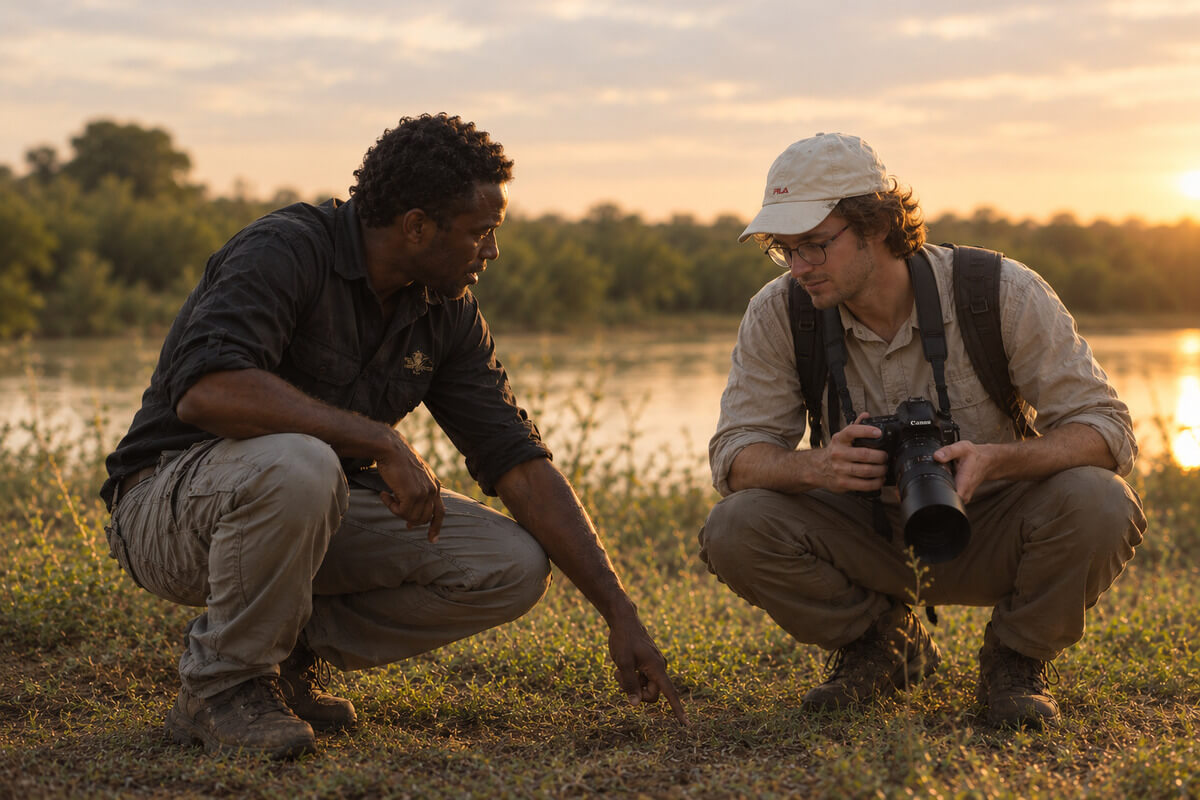
Although very different areas can be visited when travelling to Tanzania, with a wide range of activities, my route through the country was focused on going on safari in the national parks of northern Tanzania. I did not have a very high budget and I was travelling alone, so I decided to book group safaris through local agencies. I booked the cheapest options, travelling in a group of six people and sleeping in a tent at the campsites inside the national parks.
Although everything was simple, to be honest both the guide and the cook I had during my two group safaris were very professional. They had everything very well organised.
For me, the drawback of doing group safaris is that you cannot customise the itinerary, and the longest options are usually six days. For me that was too short, so in the end I booked a six-day safari and then a four-day one. Obviously, it was not the most practical or optimal route, since I had to travel along some quite slow roads twice. But it allowed me to cut the cost of my safaris in Tanzania considerably.
In both cases, I booked the safari before arriving in Arusha and before starting my independent trip to Tanzania. I think it is better and less stressful to do it this way. If you would like to get in touch with these and other trusted local agencies, you can use this form.
Tanzania travel diary
- TRAVEL DATES: From 1 March to 10 March 2023.
- TYPE OF TRIP: Solo trip, booking group safaris through local agencies.
- TRANSPORT TO THE COUNTRY: I arrive in Tanzania after my independent travel in Kenya. I fly with Precision Air from Jomo Kenyatta International Airport to Kilimanjaro International Airport.
- LOCAL TRANSPORT: The group safaris I book include transport in a Toyota Land Cruiser, adapted for safaris.
- ACCOMMODATION: During this trip I stay in simple hotels and I also camp inside Serengeti National Park and the Ngorongoro Conservation Area. Specifically, this is the list of places where I end up sleeping:
- 🏡 Arusha Tourist Inn: A simple hotel in the centre of Arusha. 2 nights. Rating: ⭐⭐⭐⭐
- 🏡 Jambo Lodge: A lodge in the village of Mto wa Mbu, near Manyara National Park. On group safaris it is usual to spend a night in this village before reaching the Serengeti. The accommodation is simple, but clean. 2 nights. Rating: ⭐⭐⭐
- 🏡 Nguchiro Campsite: One of the public campsites in the Seronera area, in the centre of Serengeti National Park. The campsite has no separation from the savannah, so wild animals can wander through. There are toilets and cold-water showers. But you need to bring the tents and the cooking equipment (if you travel with an agency, they take care of that). 2 nights. Rating: ⭐⭐⭐⭐⭐
- 🏡 Nyani Campsite: Another public campsite in the centre of Serengeti National Park. Very similar to the previous one. 1 night. Rating: ⭐⭐⭐⭐⭐
- 🏡 Simba Campsite: The public campsite closest to Ngorongoro Crater. It is located in the Ngorongoro Conservation Area. Buffalo often wander between the tents at night, and it is also common to hear hyenas and lions. The toilets and showers have been renovated and are in very good condition. It is one of the best campsites in Tanzania. 2 nights. Rating: ⭐⭐⭐⭐
- 🏡 Fig Tree Lodge : Another simple lodge in the village of Mto wa Mbu. 1 night. Rating: ⭐⭐⭐
- 🏡 Crest Safari Lodge: A very quiet place on the outskirts of Arusha. Very comfortable, spacious rooms. Rating: ⭐⭐⭐⭐⭐
6-day group safari: in search of the great migration
Specifically, I first did a six-day safari with a local agency. It was the longest group route I could find. It also included an attempt to see the great migration at Lake Ndutu, as I made the trip in early March.
The route we followed was:
- Day 1: Departure from Arusha and afternoon safari in Tarangire National Park.
- Day 2: Transfer to the Ngorongoro Conservation Area, where we went down to Lake Ndutu looking for the great wildebeest migration. We ended the day on a safari in Serengeti National Park, on our way to the campsite in the centre of the national park (in the Seronera area).
- Day 3: Full day of safari in Serengeti National Park.
- Day 4: Morning safari in Serengeti National Park and transfer to Simba Campsite (the campsite closest to Ngorongoro Crater).
- Day 5: Safari in Ngorongoro Crater and transfer to Mto wa Mbu.
- Day 6: Safari in Manyara National Park and transfer to Arusha.
This itinerary is one of the most recommended for getting to know some of the most famous national parks in Tanzania. With a bit of luck you can see the emblematic Big 5 (elephant, lion, leopard, buffalo and rhinoceros) and enjoy the diversity of landscapes between the parks.
4-day group safari: the national parks of northern Tanzania
With the second group safari I booked, of 4 days, I would visit the same areas again. But with wildlife every safari is different. To try different agencies, I booked a different agency. The itinerary we followed was:
- Day 1: From Arusha to the centre of the Serengeti, with an afternoon safari.
- Day 2: Morning safari in Serengeti National Park and transfer to Simba Campsite (the campsite closest to Ngorongoro Crater).
- Day 3: Safari in Ngorongoro Crater and transfer to Mto wa Mbu.
- Day 4: Safari in Tarangire National Park.
Travelling to Tanzania in a group: recommendations
After the experience of these two safaris, when it comes to travelling to Tanzania and planning a safari, my recommendations would be:
- Do a safari of at least five or six days. That way you can make better use of the days. My feeling was that on four-day routes everything is a little too tight, and you can spend little time looking for the animals.
- Book the safari directly with a local agency. Their prices are cheaper and, if you want to travel in a group, they will help you find other people. To get a personalised itinerary and quote for your trip, I encourage you to use this form that I have created. Depending on the type of safari you want to do, I will put you in touch with the trusted local agency that can offer you the best service.
- Although sleeping in the public campsites is somewhat uncomfortable (you sleep on a small mattress and there is no hot water), it is a very good opportunity to experience the nature of the savannah in an authentic and different way. Animals (giraffes, buffalo or elephants) often come close to the camps. Being able to see them without the protection of a car is a magical feeling.
Independent travel Tanzania: 10-day itinerary through the north of the country
Although I ended up not doing this itinerary, since I decided to travel in a group to cut costs, this is the route I would have done if I had travelled privately:
- Day 1: Departure from Arusha and afternoon safari in Tarangire National Park.
- Day 2: From Tarangire National Park to Lake Natron.
- Day 3: Climb of the Ol Doinyo Lengai volcano.
- Day 4: From Lake Natron to Serengeti National Park.
- Day 5: Full day of safari in Serengeti National Park.
- Day 6: Full day of safari in Serengeti National Park.
- Day 7: Morning safari in Serengeti National Park and transfer to Lake Ndutu.
- Day 8: Morning safari in the Lake Ndutu area and transfer to the area near Ngorongoro Crater.
- Day 9: Safari in Ngorongoro Crater and transfer to the area near Lake Manyara National Park.
- Day 10: Morning safari at Lake Manyara and transfer to Arusha.
After this trip, I have been lucky enough to return to Tanzania and keep exploring the country. These are the Tanzania itinerary options I recommend most.
Northern Tanzania route
Want a northern Tanzania route like mine?
Tarangire, Lake Manyara, Ngorongoro and the Serengeti can be combined in many ways. Tell us your days, dates and interests and we will adapt an itinerary for you.
My safari in Northern Tanzania
Although on my independent trip to Tanzania I could not do the itinerary I had always imagined, for budget reasons, I ended up adapting to group routes. I won’t deny that, as a keen photographer, I always enjoy private safaris more, because that way I can decide how long to spend at each sighting and I have more room inside the vehicle to look for good angles for photos.
Even so, on a tight budget, a group safari is a good decision. I travelled with two very pleasant groups, and we had very good sightings.
In addition, I was able to get to know three of the icons of northern Tanzania in considerable depth: the Serengeti, Tarangire National Park and Ngorongoro Crater.
Below, you will find a brief introduction to the national parks I visited, along with a summary of my personal experience during this trip.
Tarangire National Park
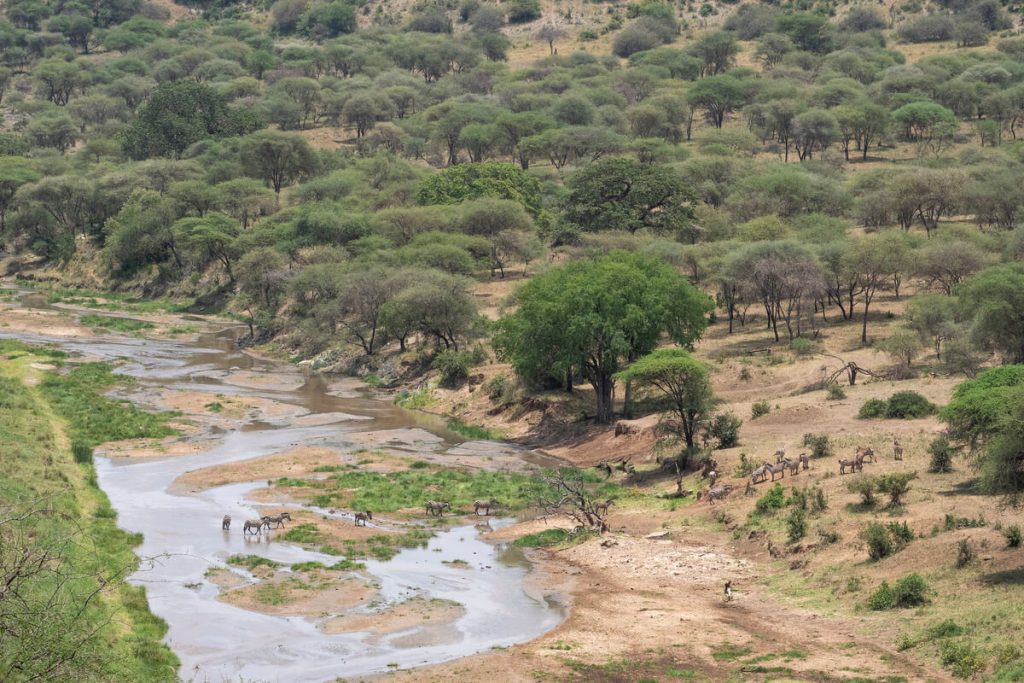
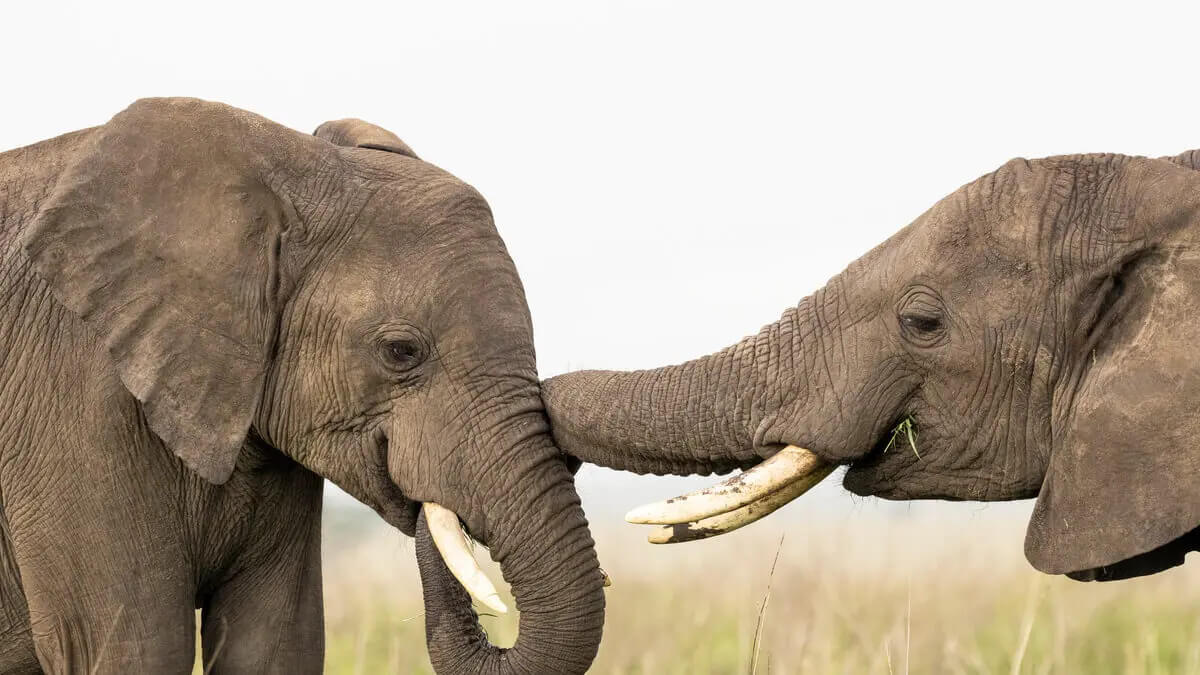
Tarangire National Park is the park of baobabs and elephants. The silhouettes of the great baobabs draw a landscape in which it is not hard to find large herds of elephants, which come up to these trees to scratch themselves or sharpen their tusks.
Tarangire is the sixth largest national park in Tanzania, with an area of 2,850 km². Especially during the dry season, from June to November, it is an exceptional park for going on safari. During these months a large number of herbivores, around 55,000, gather in the park, searching for the little water available in the area.
Apart from elephants, it is also very common to see giraffes, zebras, wildebeest, impalas and buffalo. As for the big cats, lions are seen on a good number of safaris. And with a bit of luck, you can see a leopard or a cheetah.
📚 More information and my experience: Tarangire safari guide
How to get to Tarangire National Park
This national park is about 110 kilometres from Arusha. It takes around 2.5 hours to get there by car.
My experience in Tarangire National Park
During my independent trip to Tanzania I did two safaris in this national park, and on both I was able to enjoy very close sightings of several herds of elephants, many of them with very young calves. On the first safari I also saw a cheetah, although quite far away, and a pair of adult lionesses.
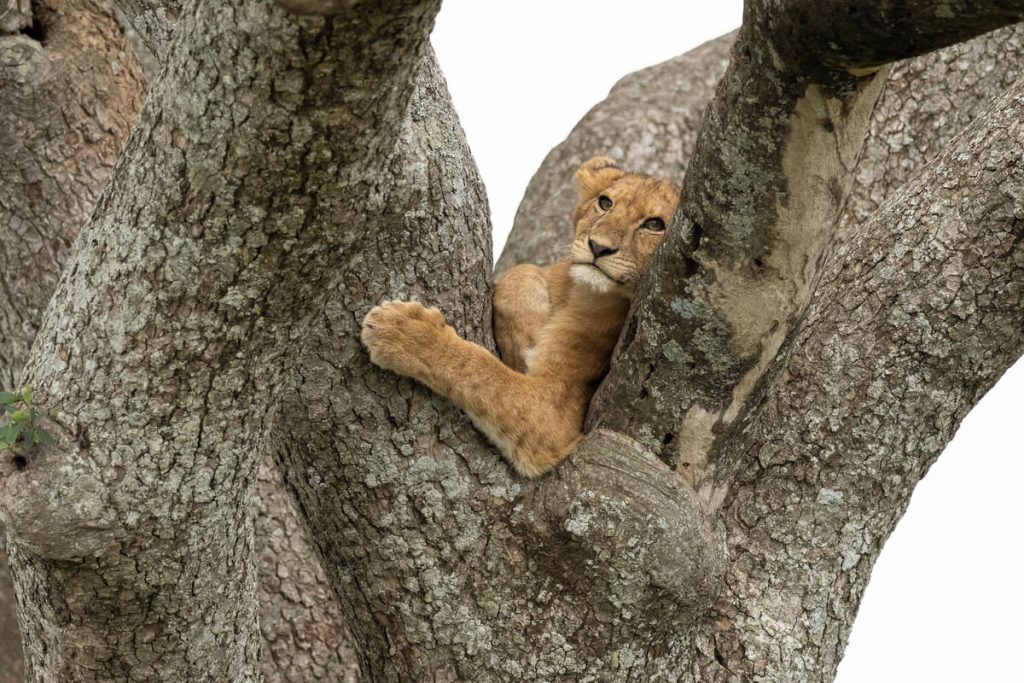
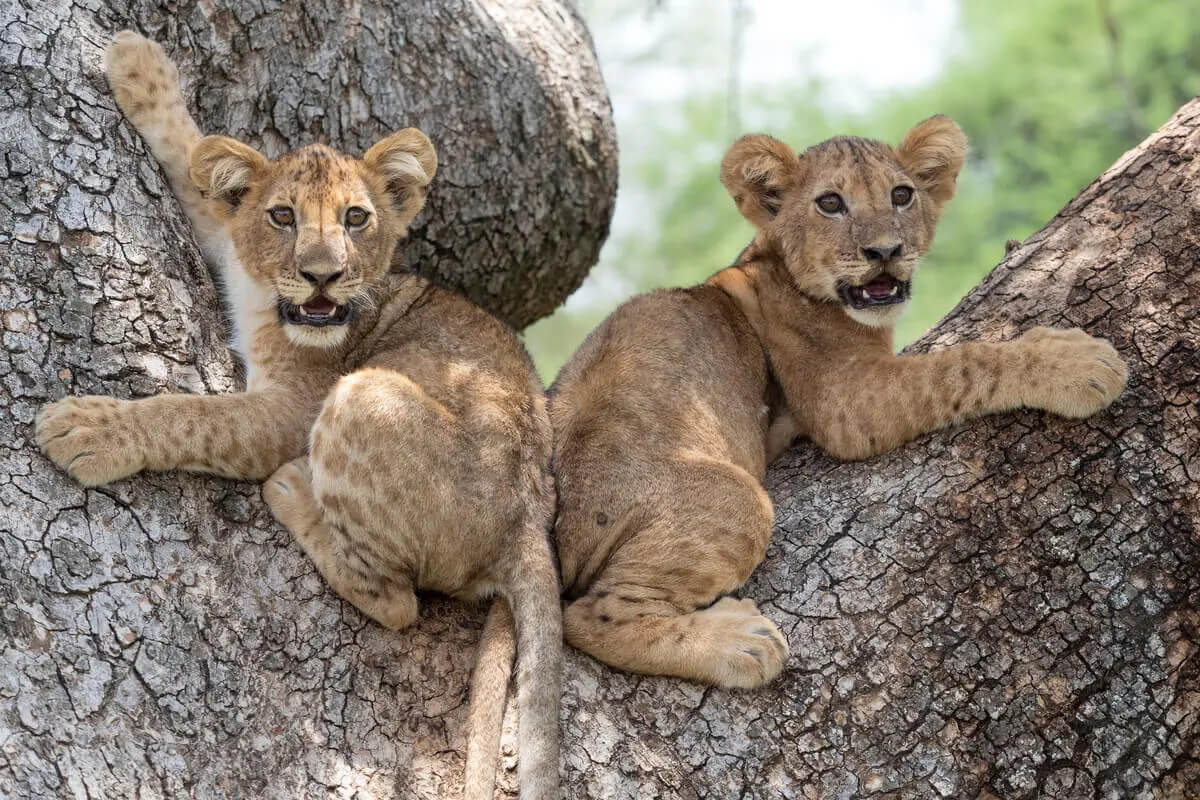
The best moment came at the end of the second safari in this national park. I saw a group of lionesses and cubs of about three months old sleeping in the branches of a tree. It was a long and fairly close sighting, ideal for making the most of the kings of the savannah.
Lake Manyara National Park
Lake Manyara National Park is a small park in northern Tanzania. Two thirds of the park’s 300 km2 surface is taken up by its lake. In recent years the lake has stopped having flamingos, which for a long time were one of the park’s great attractions.
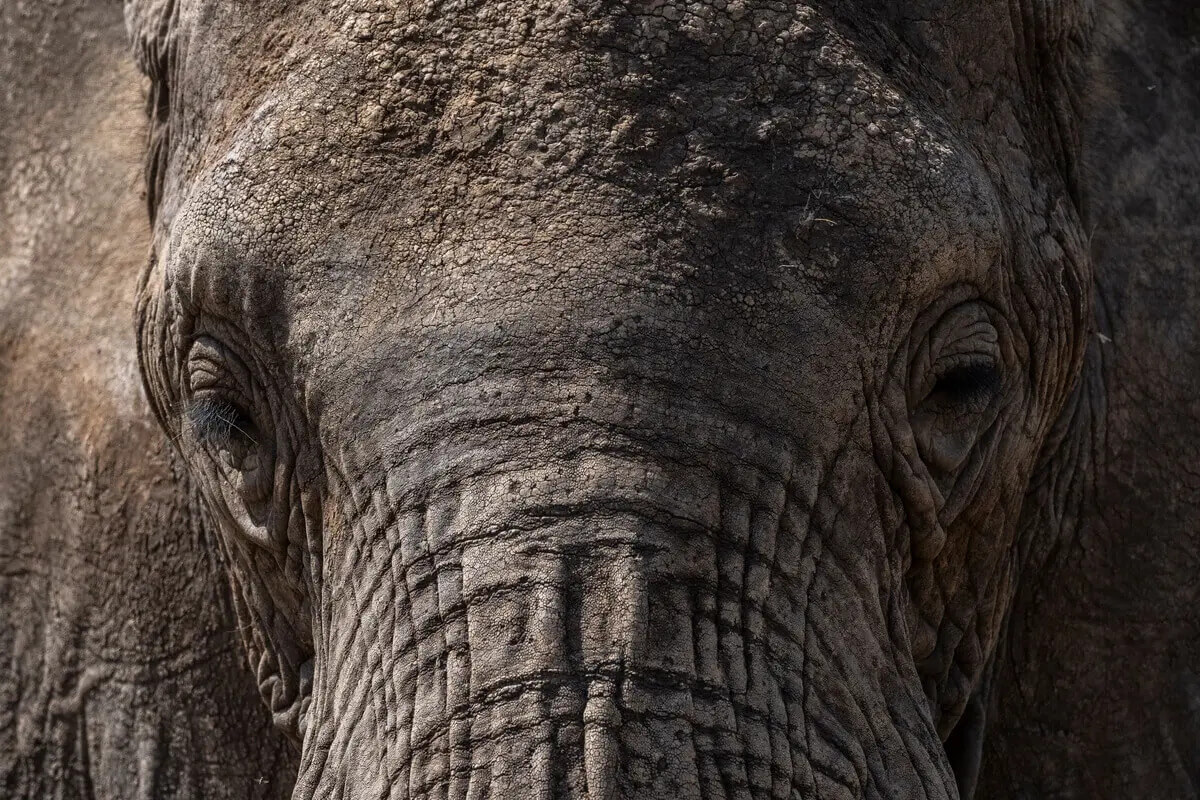
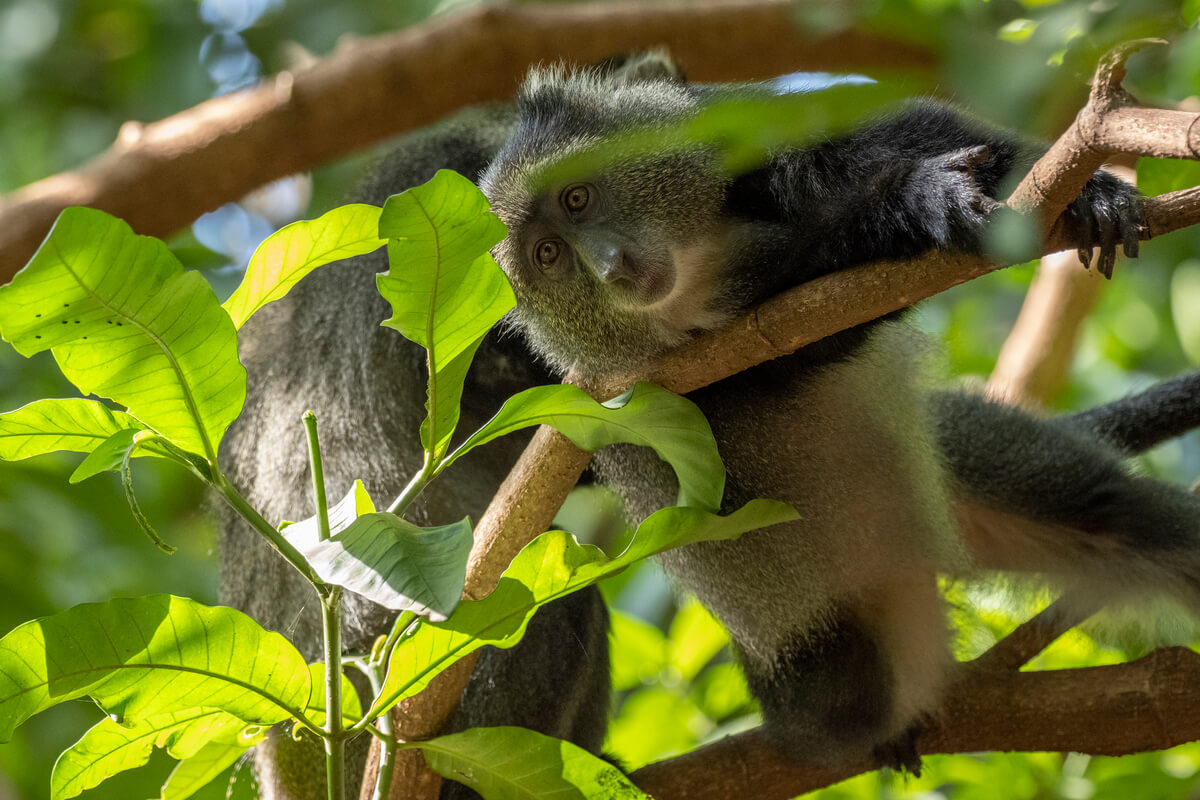
Today, the stars of this park are its elephants and blue monkeys. The park’s tree-climbing lions are also quite famous, although they are quite hard to see.
How to get to Lake Manyara National Park
By road from Arusha, you reach this national park after 1 hour 30 minutes. Some areas in the northern part of the park are very busy with large numbers of tourists, especially in the afternoon.
My experience in Lake Manyara National Park
On the last morning of the six-day safari I did around the country, I was able to visit this national park. The safari was quite disappointing. Apart from seeing a few groups of elephants and some blue monkeys, I noticed there was very little wildlife. It was probably the least interesting safari of those I did on my independent travel in Tanzania. According to my guide, the animals move between Tarangire National Park and Manyara National Park depending on the availability of food and water. Depending on the time of year, they are mostly concentrated in one of the parks.
The Ngorongoro Conservation Area
The Ngorongoro Conservation Area covers an area of 8,300 km² and extends over the eastern part of the Rift Valley, south-east of Serengeti National Park. Some 40,000 Maasai herders still live there, coexisting with the abundant wildlife of the area.
Travelling through this conservation area, which is a UNESCO World Heritage Site, is a journey through a great variety of environments. At the entrance, a lush rainforest walls in the road, making it difficult to spot any animals. After about 20 minutes of climbing, you reach one of the most spectacular spots: the Ngorongoro Crater viewpoint. This enormous caldera, 20 kilometres in diameter, is the habitat of more than 25,000 animals of different species, which live there all year round. It is one of the best areas for going on safari in Tanzania at any time of year, and one of the few places where it is relatively common to see the black rhinoceros.
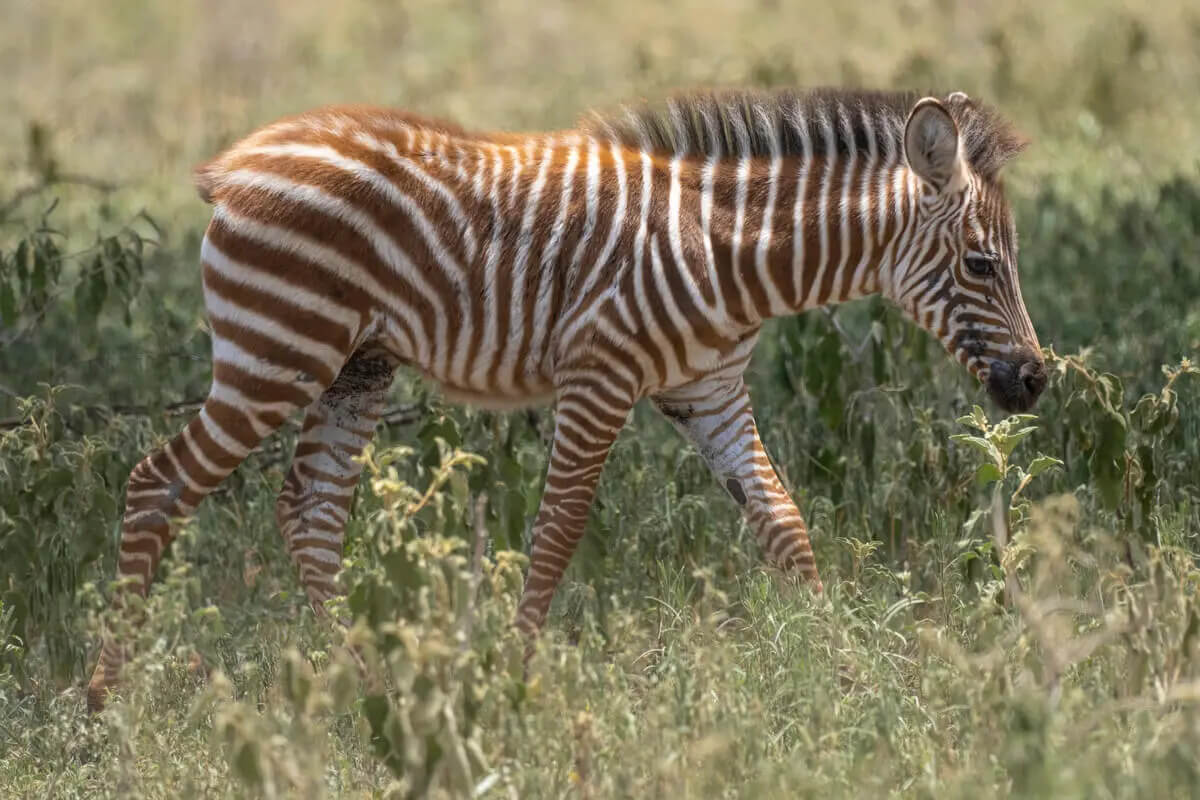
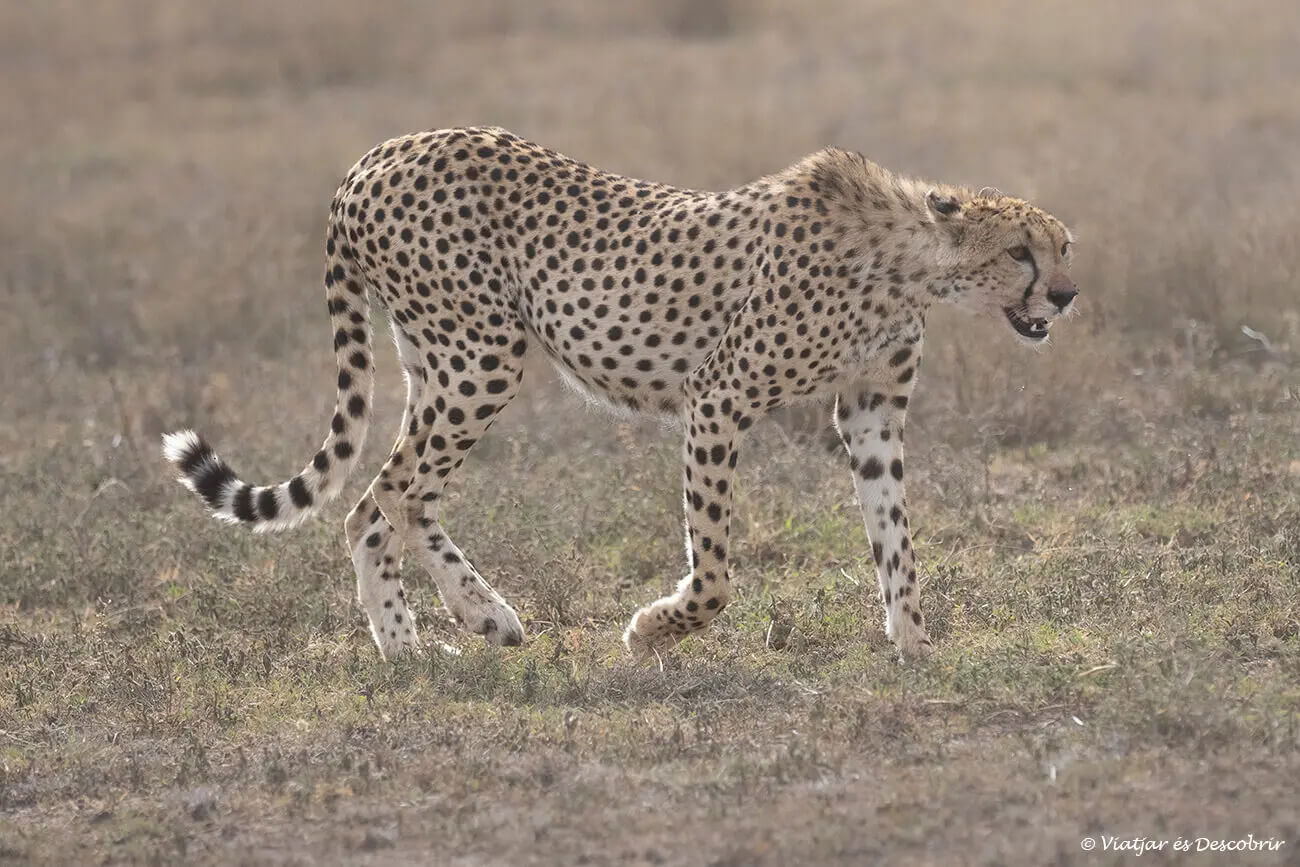
As you continue along the dusty dirt track that crosses this region, the vegetation disappears and the plains seem to have no end. Giraffes, zebras, wildebeest and gazelles are the great protagonists of this savannah area, where the big predators also roam, especially lions and cheetahs.
In the southern part of the Ngorongoro Conservation Area, Lake Ndutu witnesses one of the most impressive natural spectacles in the world. From the end of January until early March, up to two million wildebeest gather to give birth to the new generations. This also attracts a large number of predators, making this area one of the most interesting for seeing wildlife.
Other interesting places within this conservation area are Lake Eyasi and Lake Natron, from where you can see and climb the Oldoinyo Lengai volcano (the only active volcano in Tanzania).
How to get to the Ngorongoro Conservation Area
The most common way to reach the Ngorongoro Conservation Area by road is to book a safari by car. Safaris generally start in the city of Arusha, and it takes about three hours to reach the entrance gate, the Lodoare Gate.
My experience in the Ngorongoro Conservation Area
To get to the Serengeti, you usually have to cross the Ngorongoro Conservation Area, so I ended up passing through this territory several times. On each journey, one of the highlights was the stop at the Ngorongoro Crater viewpoint. It is a unique landscape. With binoculars, you can make out the great herds of herbivores and even spot an elephant.
Driving through this conservation area, past one small Maasai village after another, I saw mostly giraffes, zebras, Thomson’s gazelles and Grant’s gazelles.
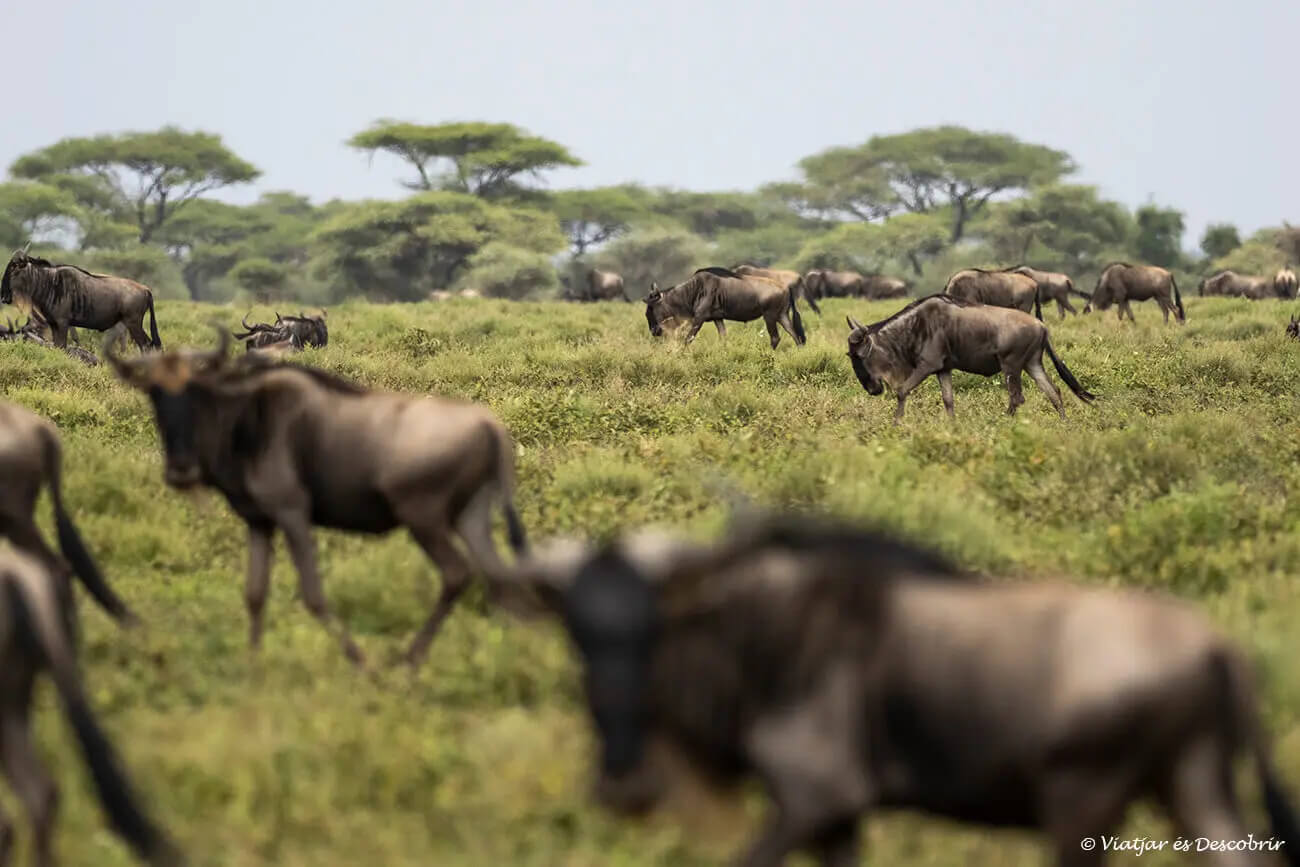
Also, during the first safari, we headed to the south of this region, looking for the great migration. We found thousands of wildebeest grazing on green plains, and also a group of lions and lionesses resting peacefully. Nearby, we stopped to photograph Lake Ndutu and its flamingos. However, there is no area in this part where camping is allowed, so we could only stay a couple of hours before heading to the centre of the Serengeti.
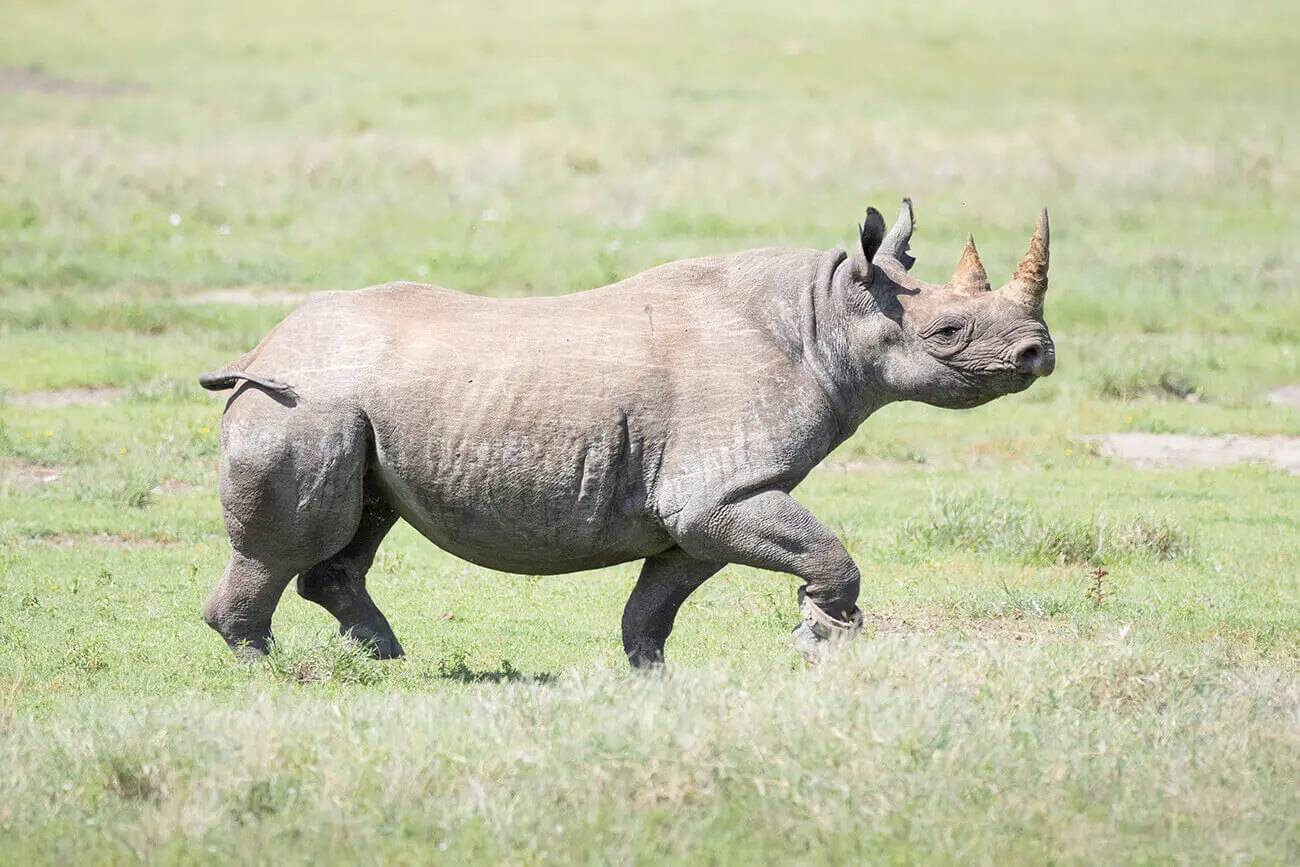
I did two safaris in Ngorongoro Crater. It is an exceptional area. You see animals constantly and it is quite easy to see lions. During the second safari, I saw an imposing black rhinoceros up close. If you want to plan one yourself, here is my Ngorongoro Crater safari guide.
Serengeti National Park
Serengeti National Park is one of the wildest and most impressive ecosystems you can discover when you opt for independent travel in Tanzania. Serengeti means endless plain in the Maasai language. A totally fitting name. The savannah of this national park seems infinite.
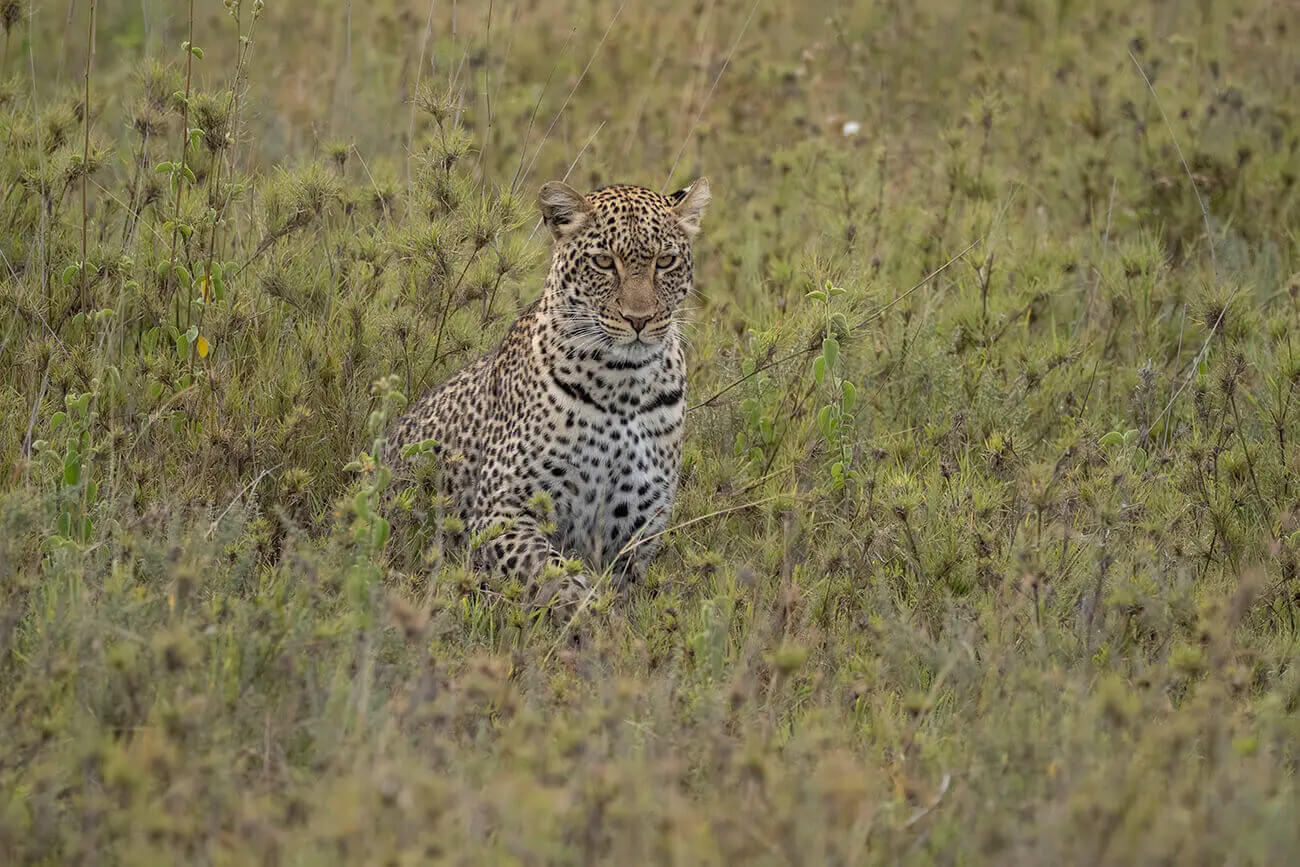
In the Serengeti there is the highest concentration of lions in Africa; leopards are also quite abundant, especially in the Seronera area; and cheetahs are common on the southern plains.
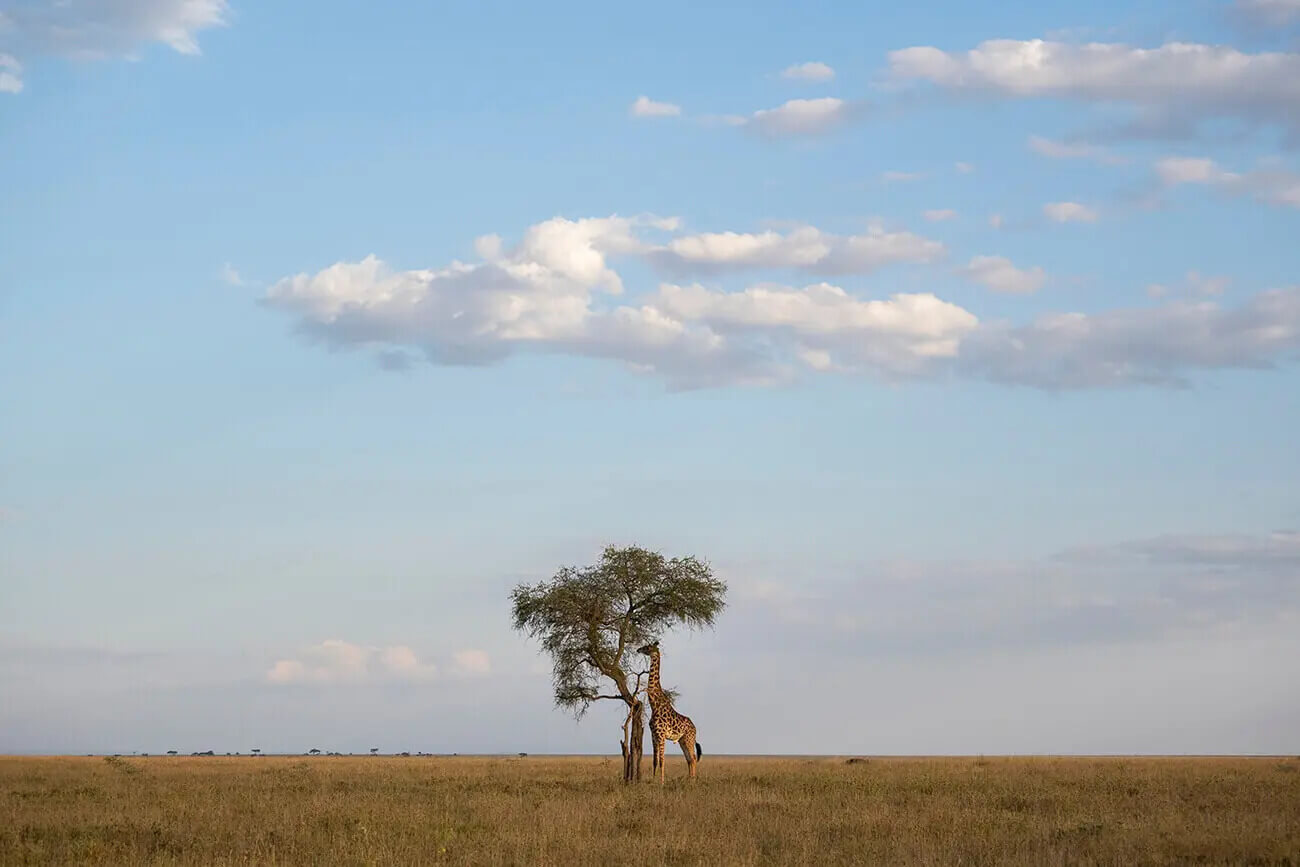
The monotony of the savannah is broken only by a few solitary acacias and by rock formations that are very typical of this part of Tanzania, known as kopjes. It is very easy to think of the scenes from The Lion King when you see groups of lions and lionesses resting on top of these rocks.
The Serengeti is also the territory where, together with the Masai Mara, the great migration of wildebeest and other herbivores takes place. A movement of millions of animals, moving in a circle to look for fresh, green pastures. It is one of the most impressive wildlife spectacles on the planet.
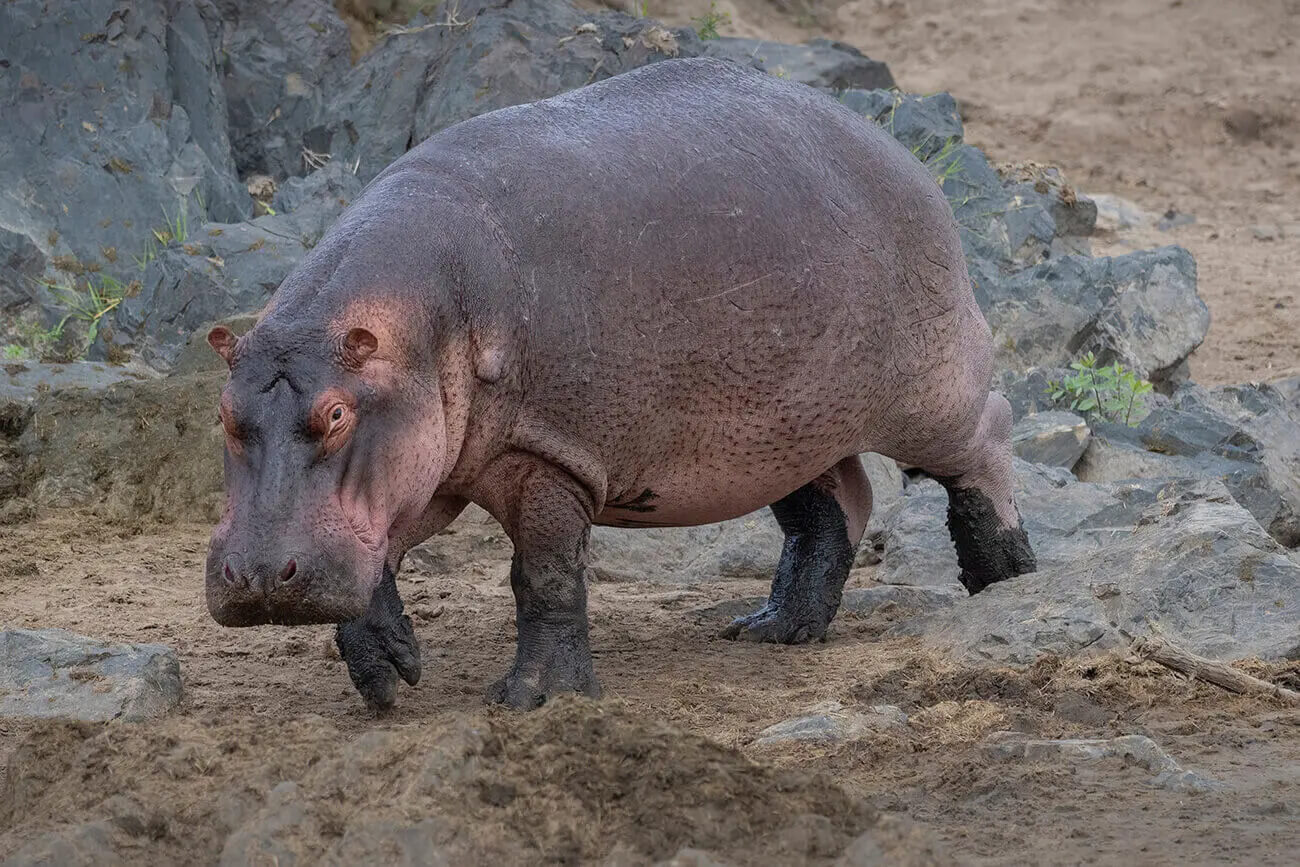
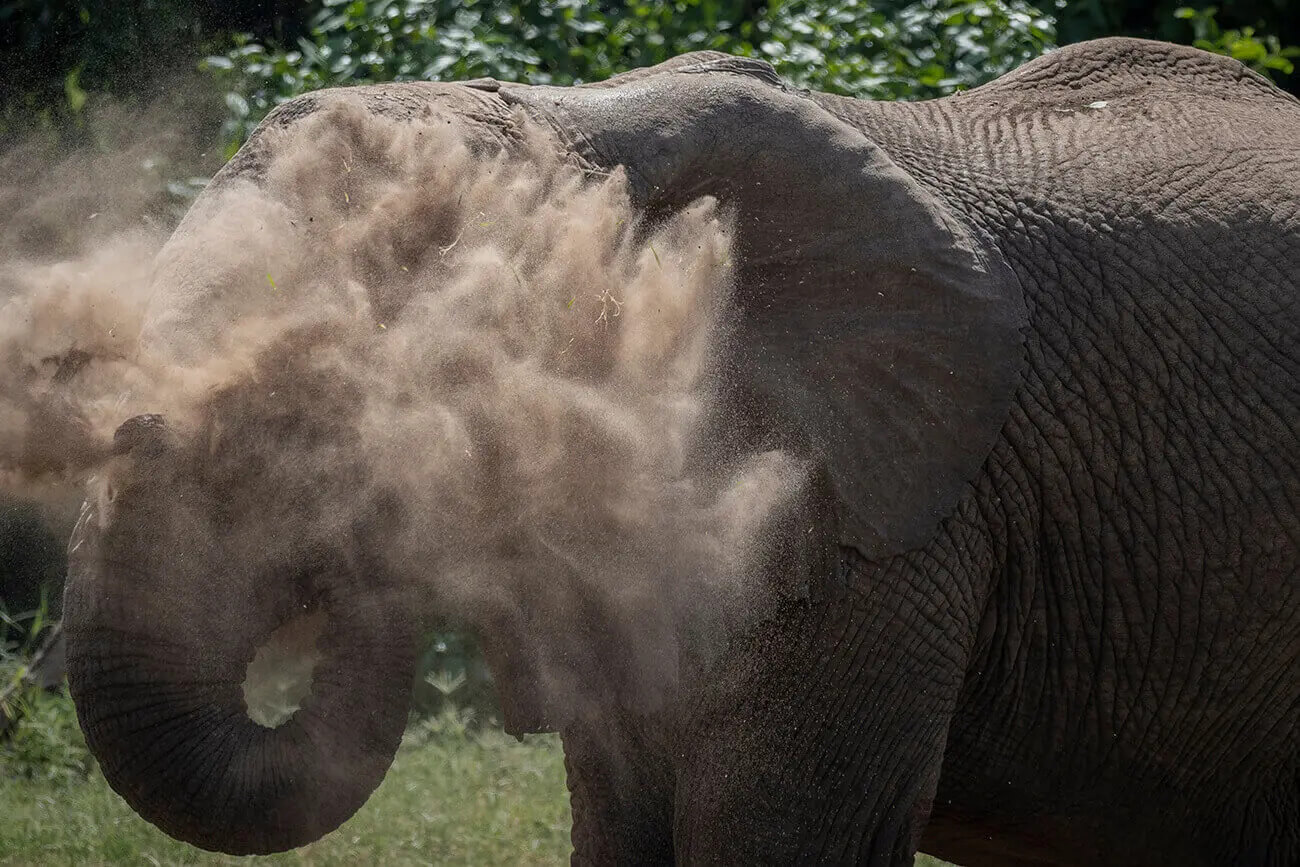
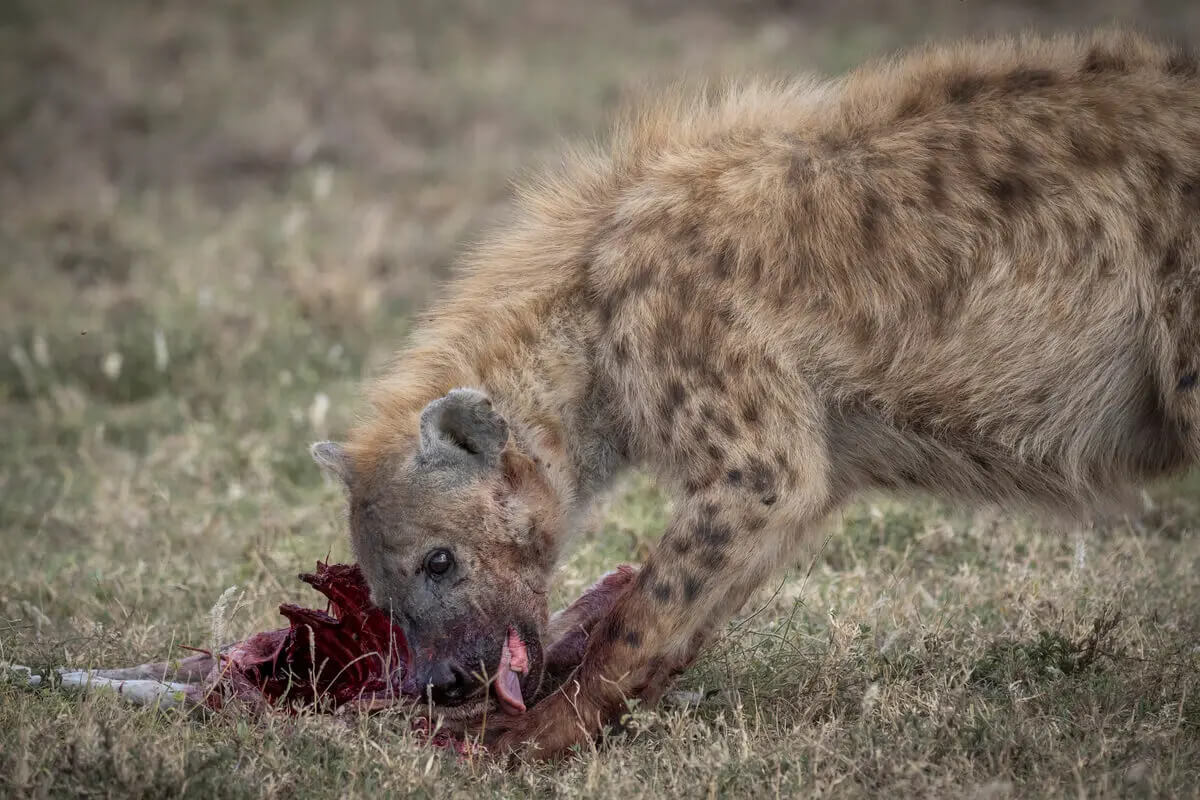
Throughout Serengeti National Park it is also quite common to see elephants, giraffes, hippos, buffalo, zebras, wildebeest and hyenas. The only species of the Big 5 that is quite hard to see here is the black rhinoceros.
📚 More information and my experience: Tanzania safari: discovering the Serengeti safari
How to get to Serengeti National Park
You can reach the Serengeti by flying from Arusha, but the cheapest and most usual option is to go by 4×4. The journey takes between six and eight hours, and covers about 325 kilometres. A good part of this journey goes through the Ngorongoro Conservation Area, where great views and wildlife sightings are practically guaranteed.
My experience on the Serengeti plains
Adding up the two safaris I did during my trip to Tanzania, I ended up spending two afternoons, one full day and two mornings in Serengeti National Park. Although it was not easy to find some of the park’s most representative animals, I was fascinated by this territory.
One morning I was lucky enough to observe and photograph a leopard as it inspected its territory. I also saw a pair of lions on top of a kopje, one of the scenes I had most wanted to see.
Seeing elephants was not easy, but one morning we spent an hour surrounded by a large group of the biggest animals of the savannah.
In the Serengeti you can also see many hippos, resting in their pools (areas of shallow, stagnant water). I spent several spells watching and photographing them.
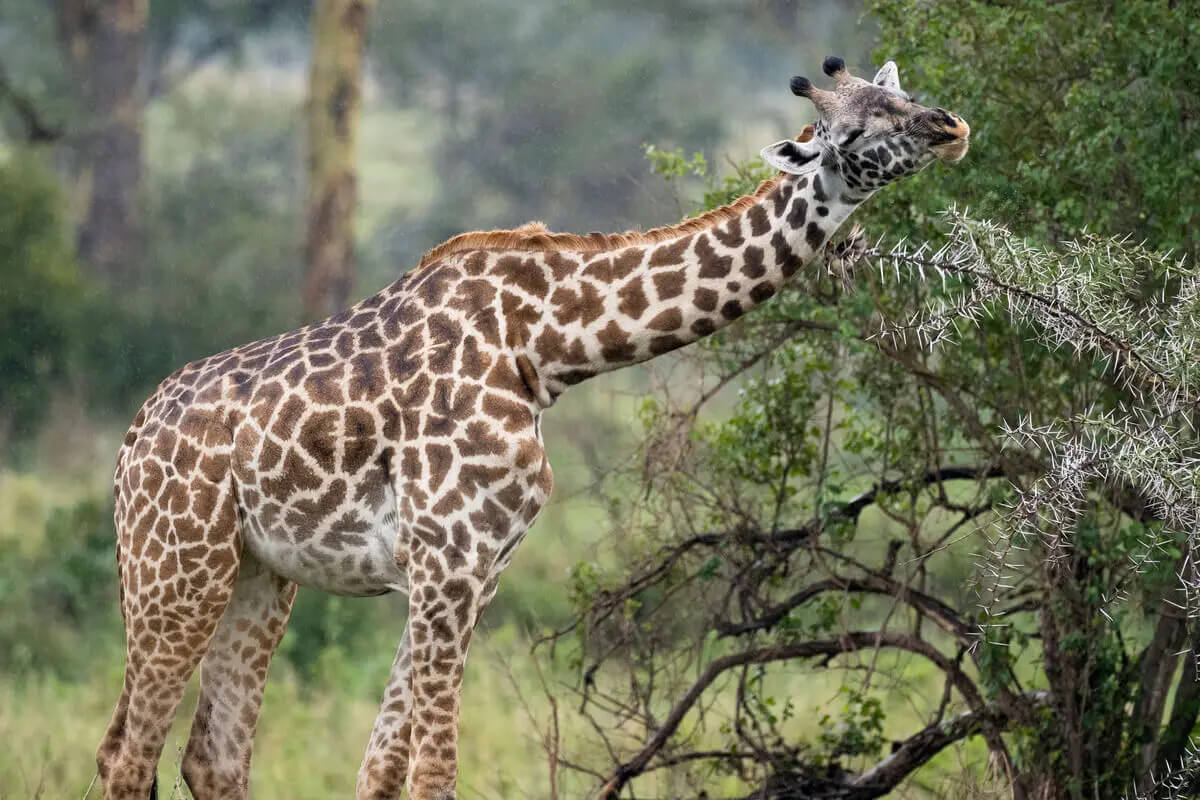
However, one of the most intense moments of my stay in this national park came while staying at Nguchiro campsite. In the evening, while there was still light, a group of giraffes came very close to the camp. Watching them in silence, as they ate under a fine rain, was wonderful. At night, an elephant also came up to the campsite. A very exciting and slightly unnerving visit.
Other interesting destinations in Tanzania
When I prepare a trip, there are always places I research and find interesting but that in the end I do not visit. In Tanzania I was left wanting a longer, fully customised route, which I could not do because I decided to go on group safaris to reduce the cost of the trip. These are some of the interesting areas of the country that I could not visit during this trip:
Kilimanjaro National Park
Kilimanjaro, at 5,895 metres above sea level, is the roof of Africa. One of the emblems of this continent. This mountain of volcanic origin can be climbed without great technical knowledge. However, given the altitude, certain precautions are necessary and you need to be in good physical shape.
To climb it you must hire a guide, a cook and two porters. This makes it quite expensive. It is not permitted to make the ascent independently.
The most popular routes are the Marangu route (5 days) and the Machame route (7 days). The second, because it ascends more gradually, has a higher success rate.
For those who do not want to take on the ascent, there are also one- or two-day routes through the lower slopes of Kilimanjaro National Park. There are also interesting waterfalls in the area, such as Materuni Falls and Marangu Falls.
Arusha National Park
For those who want to go on safari without having to travel too far from the city of Arusha, Arusha National Park is the best option. It is a small national park with none of the big predators, but you can see giraffes, zebras, buffalo and elephants. It is also a very good area for seeing black-and-white colobus monkeys and blue monkeys.
Within this park, besides safaris by car, you can also do walking and boat trips.
Mount Meru
Mount Meru, at more than 4,500 metres, is the second highest mountain in the country, after Kilimanjaro. Mount Meru is also known for its spiritual and cultural importance to local communities. Its slopes are covered with dense tropical vegetation and its summit is crowned by a spectacular caldera, an impressive sight for hikers and nature lovers.
To climb this mountain you must also be accompanied by a guide, a cook and porters. The most usual route takes four days.
Lake Natron and Ol Doinyo Lengai
Lake Natron is a salt lake in northern Tanzania, near the border with Kenya. Its high sodium and mineral content makes its waters extremely alkaline and inhospitable to most forms of life, but this does not stop a great variety of birds from being found there, especially flamingos. Near Lake Natron is the Ol Doinyo Lengai volcano, which in Maasai means “Mountain of God”. This active volcano is known for its black lava eruptions, one of the few in the world, which makes it a popular destination for nature lovers. Watching the sunrise from Lake Natron with Ol Doinyo Lengai in the background is a visual spectacle.
The Southern National Parks
In the national parks of southern Tanzania there is great natural wealth, and although little known, they are a must-visit for wildlife lovers. Nyerere National Park (formerly known as Selous), recognised by UNESCO as a World Heritage Site, is the largest in Tanzania and an excellent area for seeing most of the savannah’s herbivores and also large prides of lions. Mikumi National Park is famous for its population of elephants, buffalo and hippos. There are also lions, but sightings are occasional. Finally, Ruaha National Park, the second largest protected area in Tanzania, is the perfect place for watching predators, such as lions or the rare wild dogs.
If you do a route through the national parks of southern Tanzania, you must also visit Udzungwa Mountains National Park. There are many hikes in this national park, among which the climb to Sanje Falls and the trails to see the endemic Udzungwa red colobus stand out.
Zanzibar
Travelling to Tanzania and spending a few days in the Zanzibar archipelago can be the high point of the trip. The white-sand beaches and crystal-clear waters of the Indian Ocean are the perfect place to relax and switch off. In addition, Zanzibar is an island full of culture and history, with Arab, Indian and African influences. The city of Stone Town, declared a UNESCO World Heritage Site, is a maze of narrow streets, markets and mosques, which reflect the island’s rich history.
Your Tanzania safari
Ready to plan your independent trip to Tanzania?
Request a free, no-obligation quote and receive a proposal from local operators, without intermediaries. It only takes a couple of minutes to tell us what you have in mind.