Wondering what the best time to visit Tanzania is is one of the most common questions when you start planning a safari in the country. Everyone wants to travel at the best time to see as many animals as possible, without the weather getting in the way of the safari route. And although the dry season is generally considered the best time to explore the country, every month has its pros and cons.
In this post you will find a detailed guide to how wildlife, vegetation, weather and prices change month by month. That way, depending on your priorities, you can decide on the best time to visit Tanzania.
What Is the Best Time to Visit Tanzania? The Best Months
When working out the best time to visit Tanzania, there are two important factors to bear in mind:
- The weather. Here it is especially important to tell the rainy season and the dry season apart. In general, safaris in Tanzania during the dry season let you see more animals, because there is less vegetation and the animals gather closer to water.
- The high tourist season. Although the huge size of Tanzania’s national parks means you never feel crowded or see big queues of vehicles, the high season pushes prices up and means more people everywhere. So if you are after a quieter and cheaper experience, it is always better to avoid this period.
When Is the Dry Season in Tanzania?
The dry season in Tanzania runs from June to October and from January to February. As a rule, June to October is when it rains least, making for exceptional safaris. In January and February there is sometimes the odd shower, but these are also months with little rainfall.
In general, the dry season is considered better for going on safari for the following reasons:
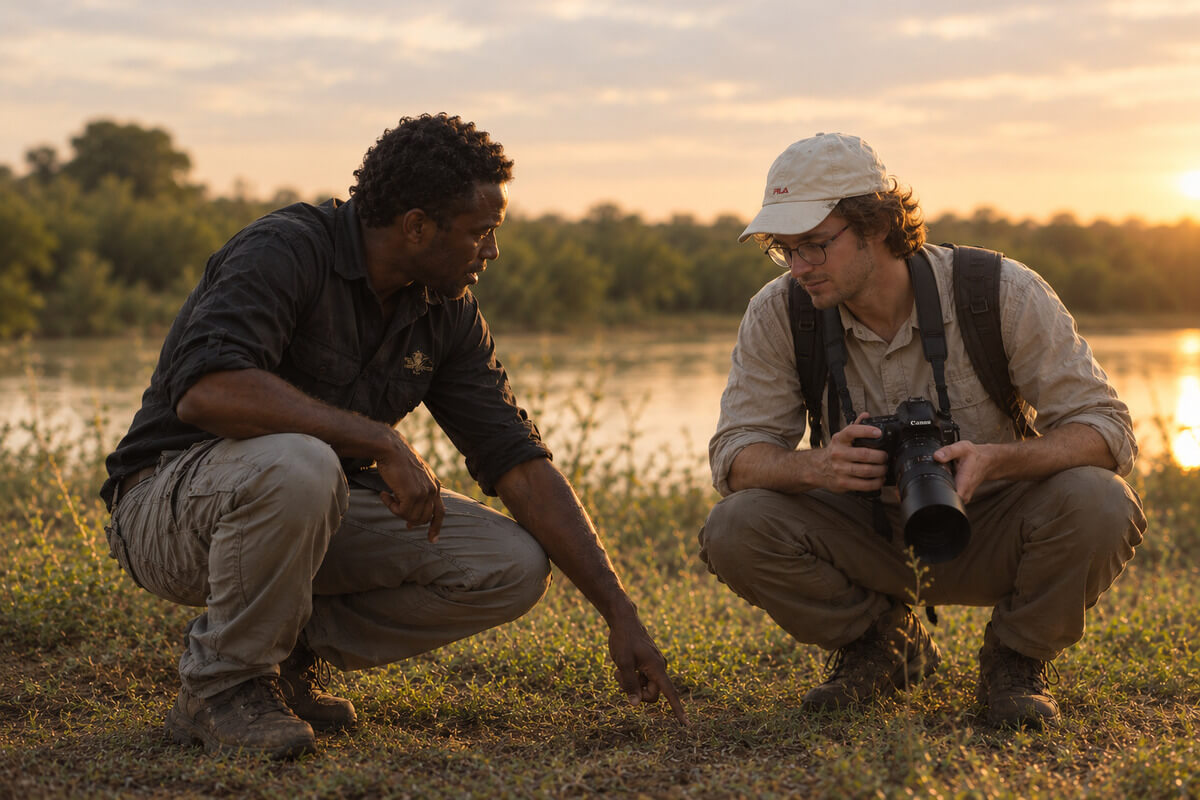
- There is less vegetation. In the savannah, the grass can grow quite tall during the rainy season, and this means animals can easily be camouflaged. When it doesn’t rain, there is hardly any vegetation, which makes it much easier to spot elusive animals such as leopards or cheetahs.
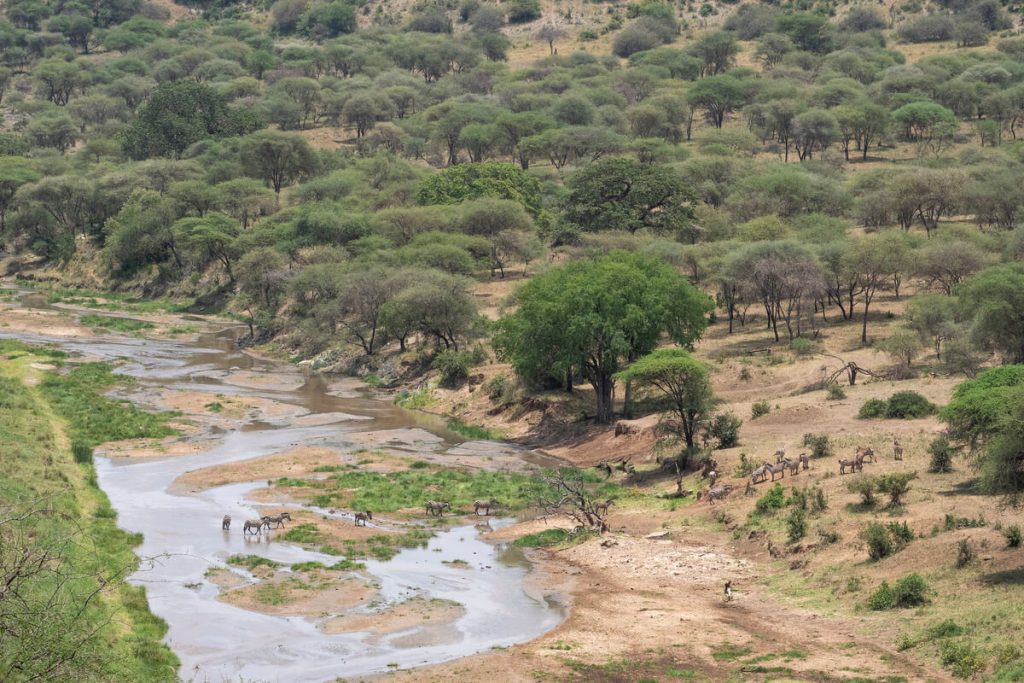
- Animals concentrate around water points. The lack of water also means more animals gather around rivers or lakes, which are the only source of water during these months. This makes spotting herbivores much easier, and it also helps you find the big cats.
When Are the High and Low Seasons in Tanzania?
Another factor to consider when looking for the best time to visit Tanzania is the seasonality of the high and low seasons, as this affects the price of a safari in Tanzania.
In general, the high season in the national parks of northern Tanzania, the most popular part of the country, runs from June to December. Within those months, visitor numbers peak in July, August and the second half of December. During this period the price of a safari in Tanzania is higher and it is more important to book in advance. The upside is that if you want to join a Tanzania group safari, it is much easier to find other people to share costs with, especially on low-budget group safaris (camping).
On the other hand, the first half of December and January to February are considered the shoulder season. This is a middle ground between high and low season, with fewer visitors, last-minute safaris available and more competitive prices.
The months of March, April and May are the low season for a safari in Tanzania, mainly because it is the rainy season, when the weather can affect safaris the most. Even so, you can still go on safari during these months, and the advantage is a much quieter and cheaper experience. The dramatic skies of the rainy days also offer plenty of photographic opportunities.
|
PLAN YOUR NEXT ADVENTURE Get a free quote for your Tanzania trip from the trusted local agencies I work withIf you would rather organise your trip to Tanzania with trusted local agencies, I can help you get in touch with the best options. Just fill in this form and, depending on the kind of safari you are looking for, I will put you in touch with the most suitable agencies. I will also be on hand to answer any questions you have throughout the planning process. That way your safari will be even more amazing and hassle-free! |
When Can You See the Great Migration in Tanzania?
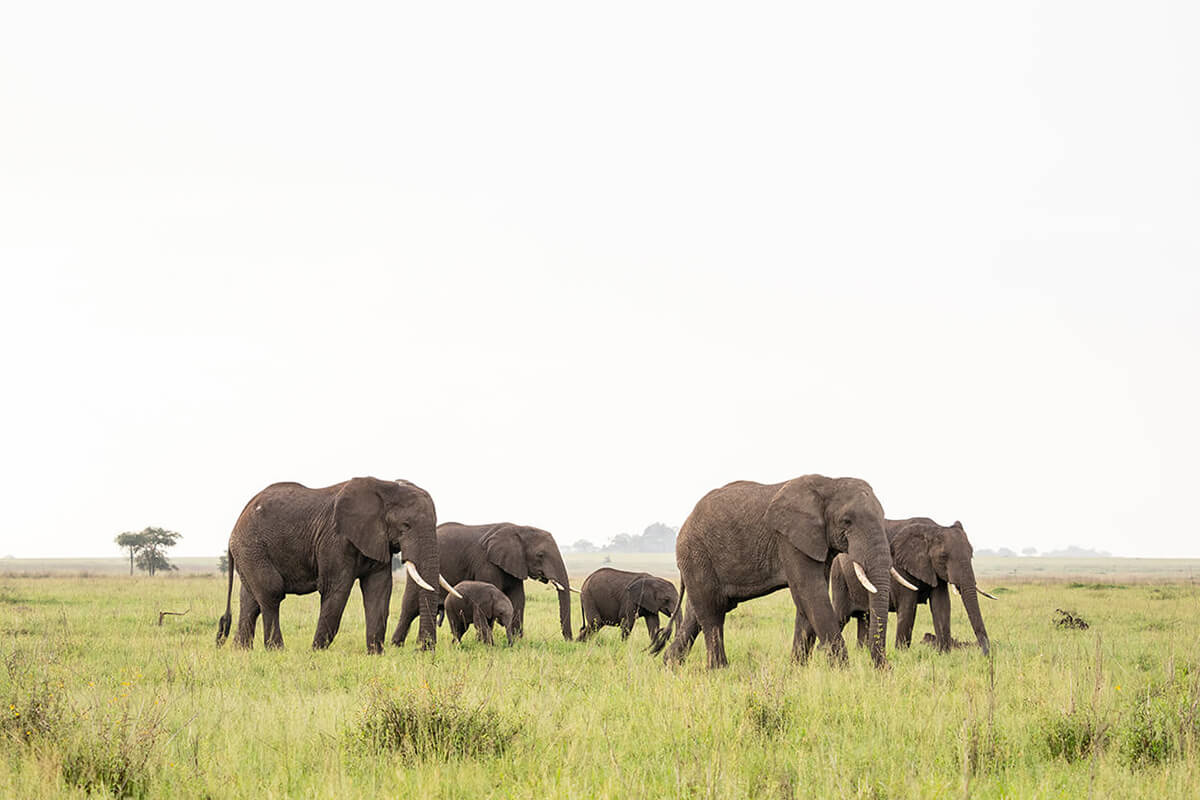
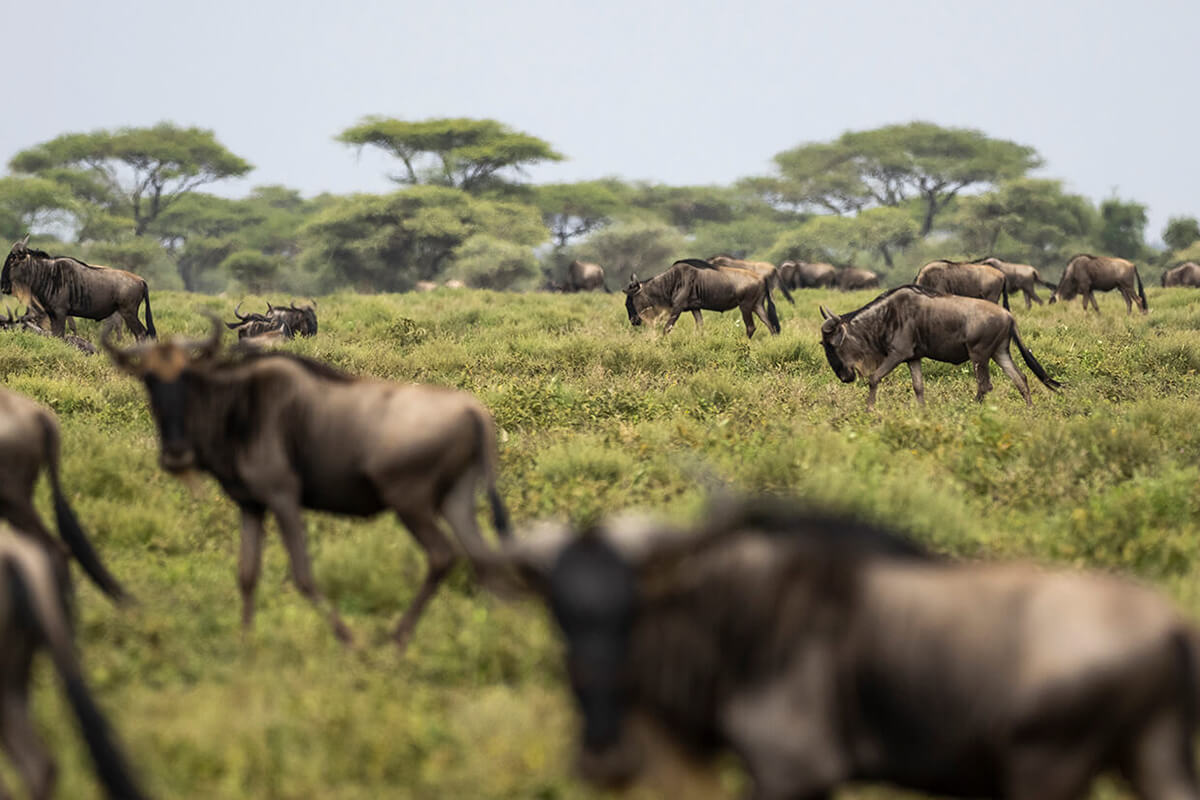
Many travellers who decide to visit Tanzania and go on a Serengeti safari do so hoping to witness the Great Migration. The Great Migration of wildebeest across the Serengeti-Mara ecosystem is an endless cycle, in which millions of wildebeest (and zebras too) move in search of grazing. The animals travel in a clockwise direction, passing from the Masai Mara National Reserve (Kenya) into Serengeti National Park (Tanzania), and continuing to the Lake Ndutu area in the Ngorongoro Conservation Area (Tanzania). They then head north again across the plains of Serengeti National Park to reach the Masai Mara once more.
In general, in Tanzania you can see the Great Migration in any month, but there are times when it is in areas much further from the usual routes, and only the longer safaris (usually eight days or more) can reach them.
Specifically, the Great Migration follows this route:
- January: The wildebeest begin to arrive in the south of the Ngorongoro Conservation Area.
- February-March: The wildebeest gather in the Lake Ndutu area, in the south of the Ngorongoro Conservation Area. During these months the calving takes place, when half a million wildebeest are born.
- April-May: The wildebeest start moving north, and large concentrations can be found in the centre and west of Serengeti National Park.
- June-July: Most of the wildebeest group together in the centre of the Serengeti and begin to advance north towards the Masai Mara. It is one of the best times in Tanzania to see the Great Migration.
- August-September: In early August the wildebeest reach the north of the Serengeti. This is when the famous and dramatic Mara and Talek river crossings begin. In these months, a large part of the wildebeest are in Kenya, but there are always groups in the north of the Serengeti. If you plan to travel in this period, I recommend weighing up the pros and cons of a Kenya vs Tanzania safari.
- October-November: In early October the Great Migration starts heading back towards Tanzania. During these months, the north of Serengeti National Park is the best area to see this spectacle. It is also a good time to see the dramatic river crossings. By mid-November, the big herds of wildebeest are usually in the centre of the Serengeti, in the Seronera area, which is a time when it is fairly easy to see them.
- December: As December goes on, the wildebeest cross the south of Serengeti National Park to reach Lake Ndutu.
Does the Great Migration Affect Big Cat Sightings?
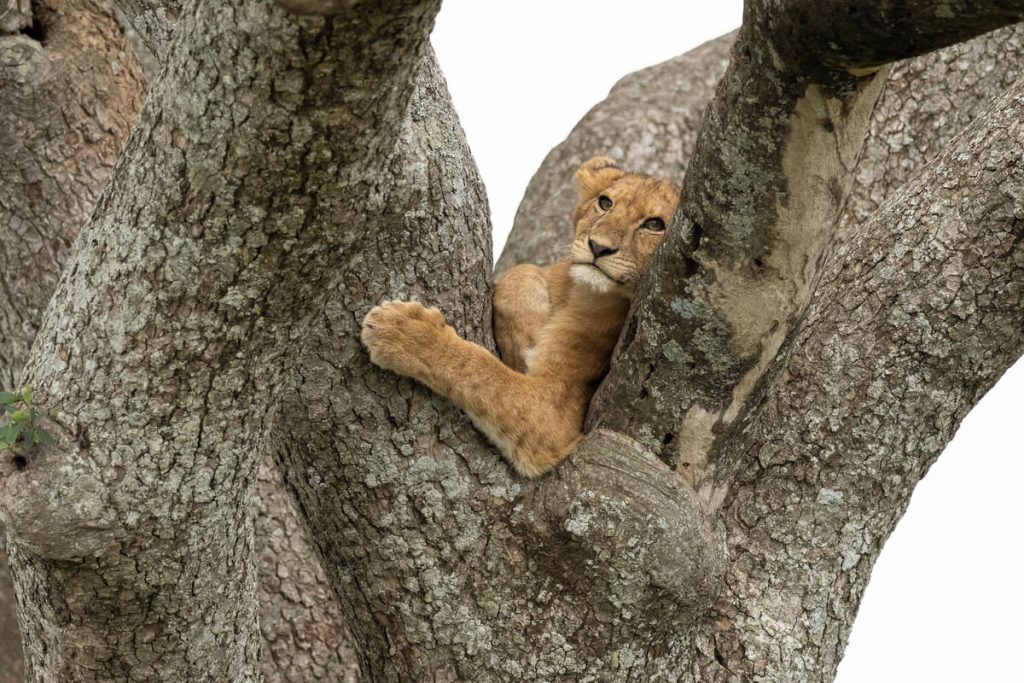
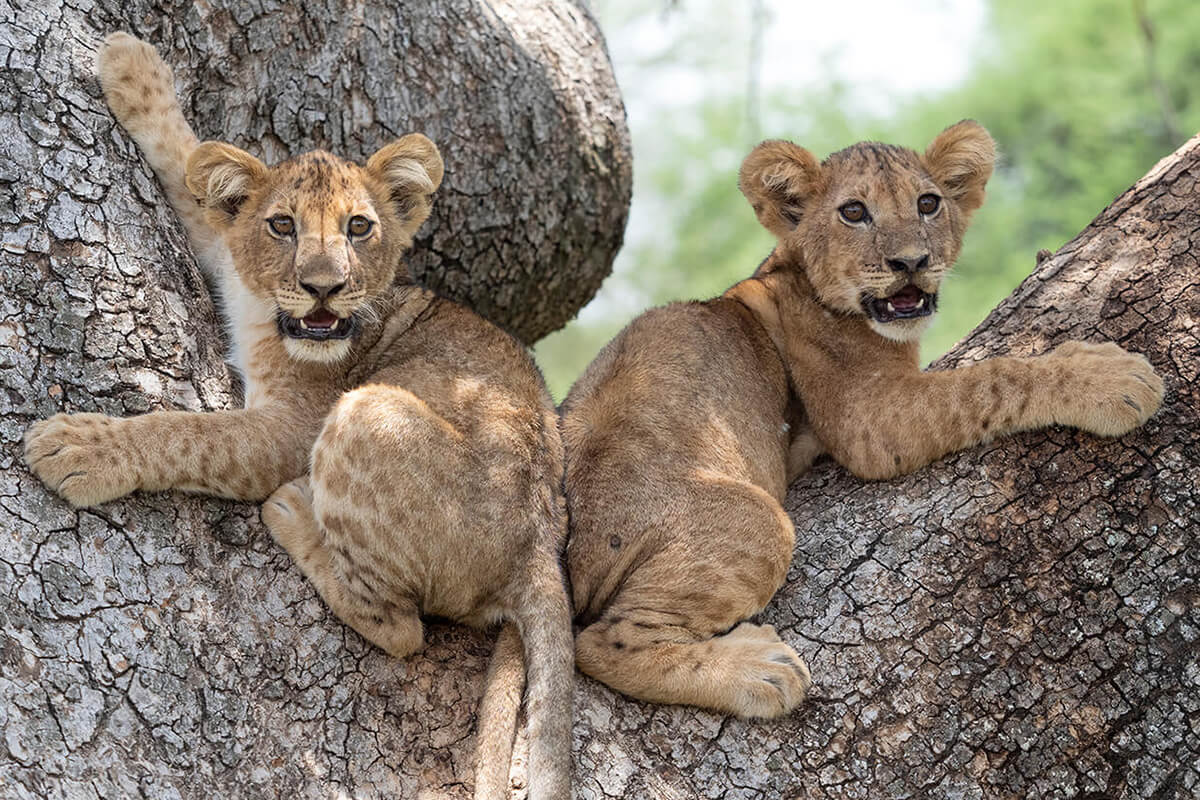
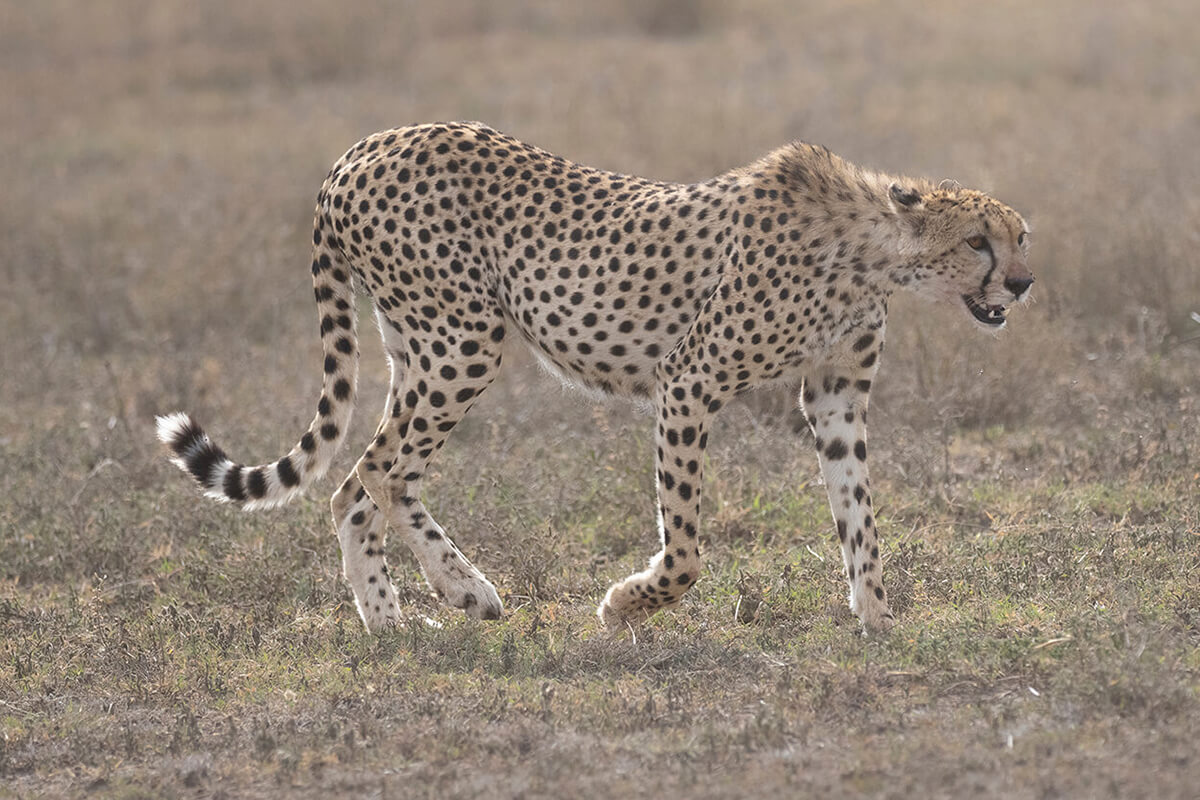
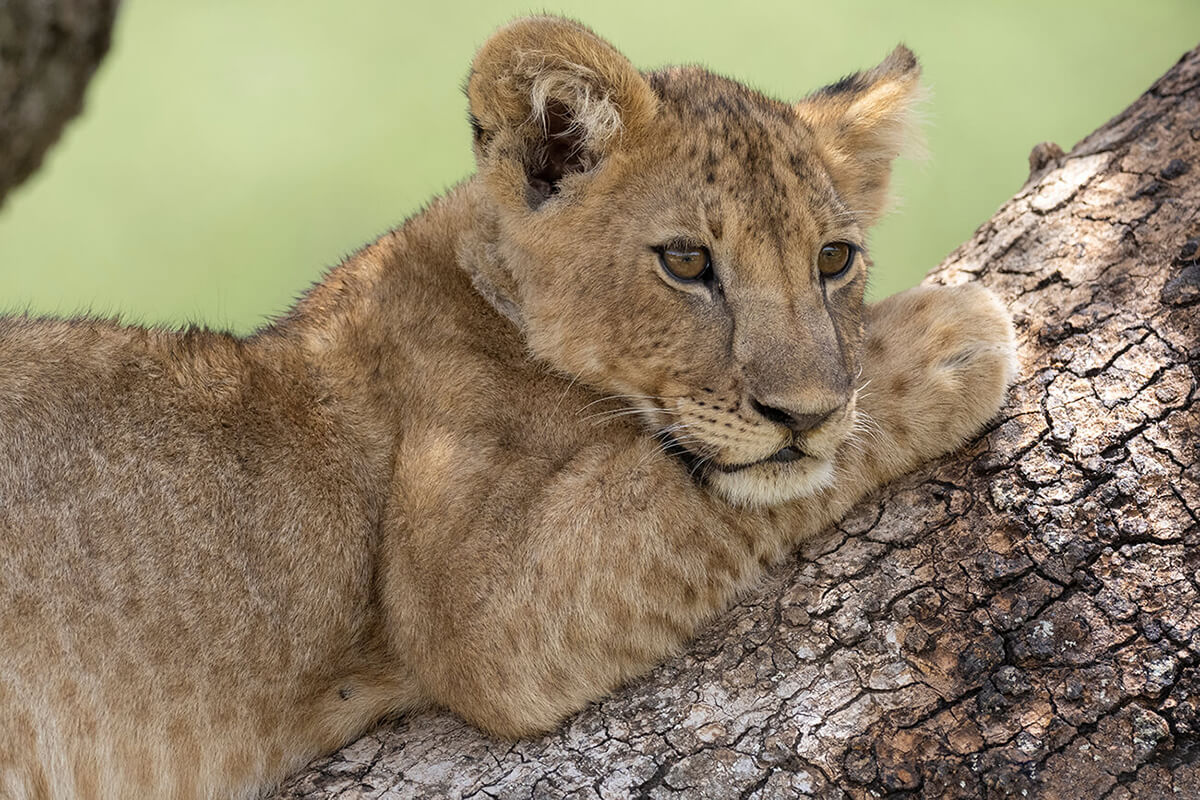
It is important to bear in mind that the Great Migration does not affect sightings of the Serengeti’s big cats, that is, lions, cheetahs and leopards. These animals are territorial and are therefore always found in the same area, so they can be seen at any time of year. Big cats only leave their territory if something very extreme prevents them from feeding or drinking.
What Is the Best Time of Year to Visit Zanzibar or Climb Kilimanjaro?
This post focuses mainly on the experience of a safari in Tanzania, since it is the top activity for most people who decide to discover this country. It is also common to combine it with a few beach days in Zanzibar or with a climb of Kilimanjaro.
In that case, here is what you need to know:
- The best time to visit Zanzibar is from June to October, the dry season. That is when the weather is most pleasant for enjoying the sea, the sun and the beach.
- For climbing Kilimanjaro, the dry season is once again the best time for this adventure. In general, mid-June to mid-October is considered the best period to attempt the ascent of Africa’s highest mountain. January and February are also two good months for this activity.
My Opinion: What Is the Best Time to Visit Tanzania?
Based on everything I have said and on my own experience, for me January and February are the best months to travel to Tanzania. The weather is quite good, although there may be the odd shower, and there is none of the peak of high-season visitors, so prices are better. On top of that, it is a time when you can see the Great Migration and the calving on the Ndutu plains, one of the must-sees among the things to do in Tanzania.
I also think that travelling during the other months of the dry season is a very good decision, but you need to be aware that the price can be higher, especially if you don’t book in advance, and that at times quite a few vehicles can build up in one spot.
In any case, if you are thinking of organising a safari, I recommend booking it with a local Tanzanian agency. It is the best way to personalise your safari and get a more competitive price, cutting out intermediaries. You can fill in this form and I will put you in touch with the best Tanzania tour operators I know personally.
What Is the Best Time to Visit Tanzania? A Month-by-Month Analysis
All the information above is already enough to give you an idea of what a safari in Tanzania is like throughout the year, and to decide on the ideal time according to each traveller’s interests and priorities. But to go into a little more detail and see the particularities of each month, I recommend you keep reading this post about the best time of year when it is worth visiting Tanzania.
What Is a Safari in Tanzania in January Like?
After the rains of November and December, during a safari in Tanzania in January the green, lush landscape always gives visitors a warm welcome. But it doesn’t usually rain too much this month, so the weather is ideal for safaris.
It is also considered shoulder season, so there aren’t many visitors and prices are quite good.
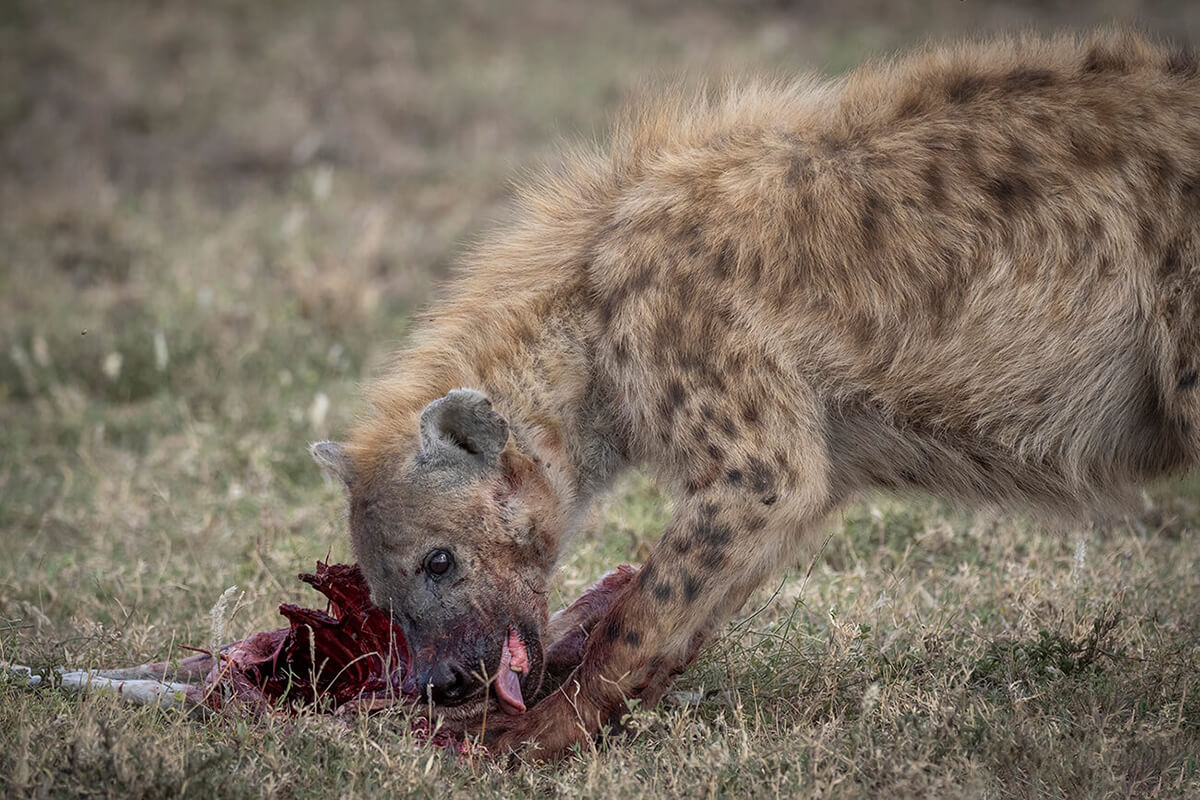
This month is a great chance to see the Great Migration in the Lake Ndutu area, where the calving takes place and half a million wildebeest, zebras and impalas are born. It is one of nature’s most extraordinary spectacles. Not only because of all the baby herbivores, but because it also usually means easy food for predators, and there is a good chance of seeing action and hunting scenes.
The Pros and Cons of Travelling to Tanzania in January
✅ The parks are less crowded and prices are lower than in the high season.
✅ The weather is warm and the chance of rain is relatively low.
✅ It is the start of the wildebeest calving season (calving), with lots of young and plenty of big cat activity in Ndutu.
✅ Good chances of witnessing a hunt thanks to the abundance of young animals.
✅ Migratory birds arrive from Europe and Asia, and it is the breeding season for several resident species.
✅ Very good weather in Zanzibar, sunny with bearable humidity.
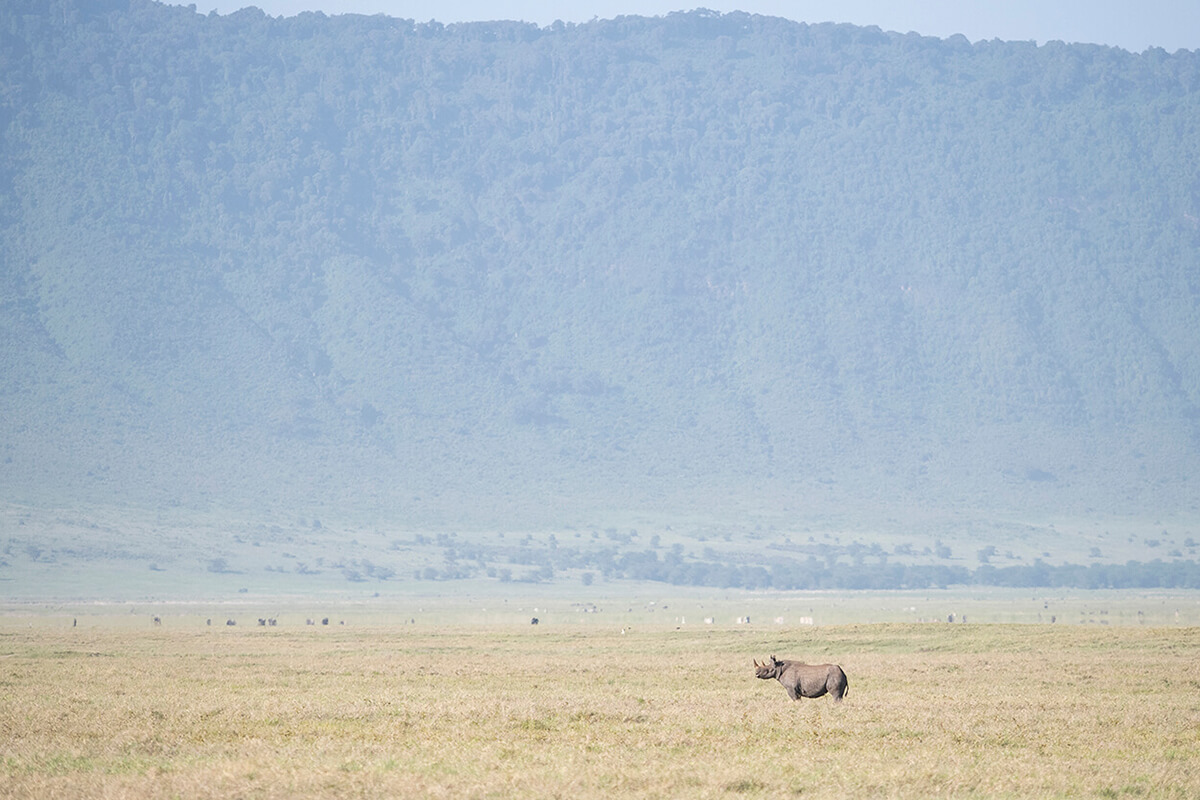
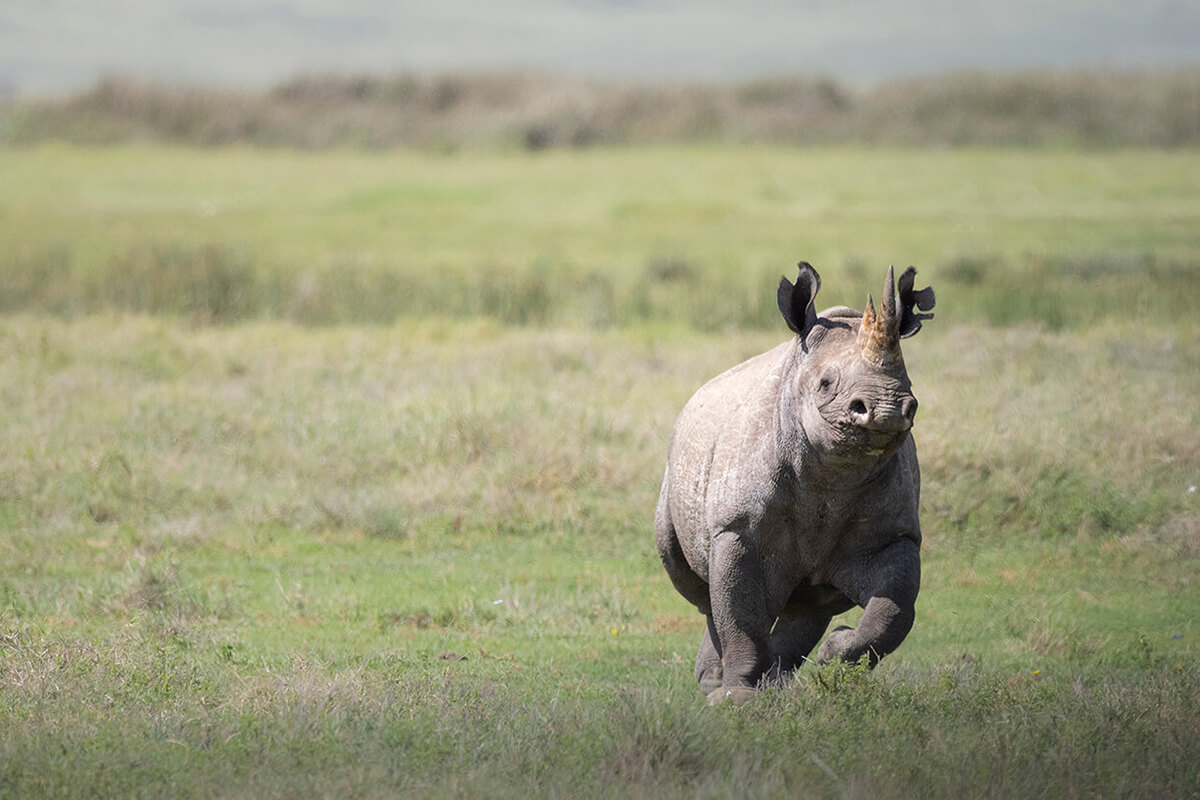
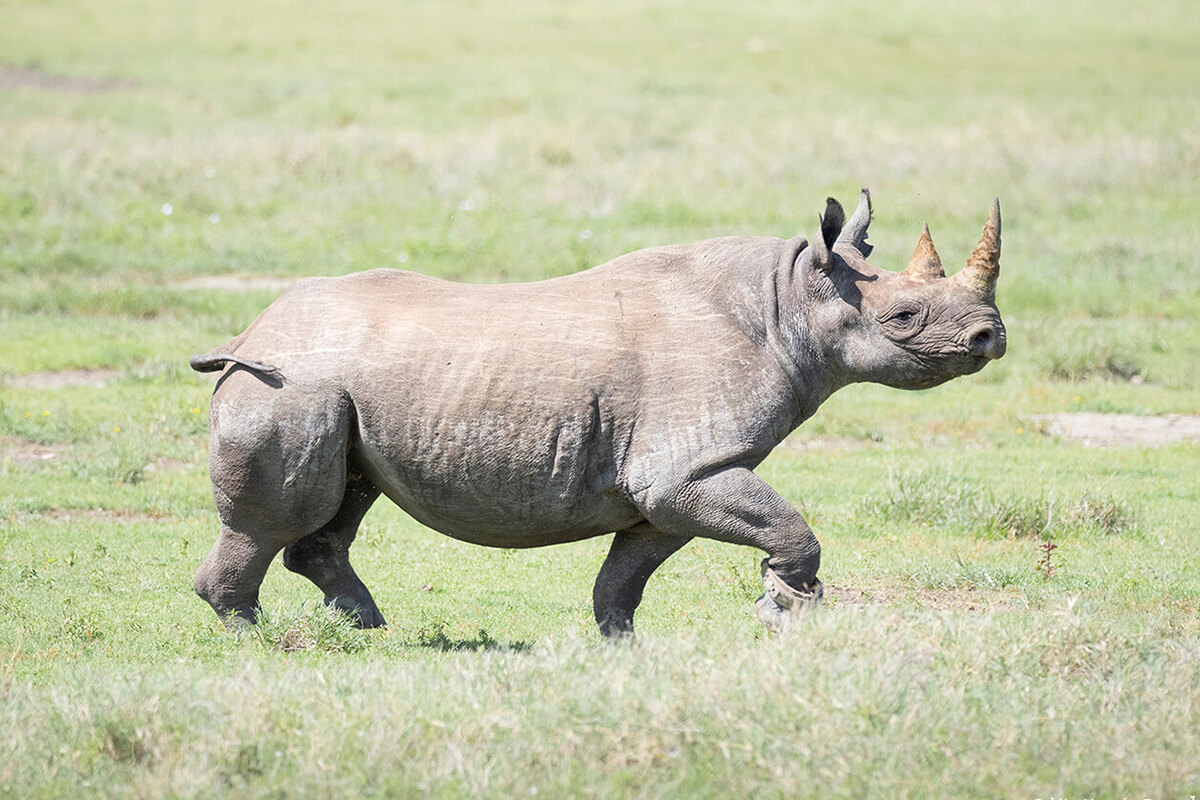
✅ It is easier to see black rhinos in the Ngorongoro Crater, because the tall, fresh grass draws them out to graze in more open areas.
❌ The lush vegetation can make it slightly harder to find animals compared with the long dry season, but with an experienced guide you will still have plenty of sightings.
❌ There may be some rain, but it is usually short showers during the night.
February, the Best Time to Visit Tanzania
During February, the landscape begins to dry out and the weather remains very good, although towards the end of the month there may be some afternoon showers. February is also the month par excellence to witness the calving and the Great Migration on the plains of Lake Ndutu. It is a unique opportunity to see unimaginable numbers of wildebeest, and also to see lions and cheetahs.
It is also shoulder season, so prices tend to be better. The only drawback of travelling when there is less tourism is that there are also fewer vehicles looking for wildlife. This means that most sightings you will have to make on your own, together with your guide, without receiving tips from other guides about where an animal has been spotted.
The Pros and Cons of Going on Safari in February
✅ The birthing season is at its peak.
✅ The chances of witnessing a hunt are very high.
✅ The parks are less crowded and prices are more affordable.
✅ The weather is stable and mostly dry.
✅ A very good time to climb Kilimanjaro.
✅ There are plenty of migratory birds and the nesting season is well under way.
✅ Excellent light conditions for wildlife viewing and photography.
✅ It is easier to see black rhinos in the Ngorongoro Crater, as the tall, fresh grass draws them out to graze in open areas.
❌ Some lodges may still be closed because it is still low season.
❌ Although the vegetation has started to clear, it can still be dense in some areas, which makes it harder to spot birds and small animals.
❌ There are fewer vehicles looking for animals, so it is less common to receive tips from other guides about interesting scenes or animals.
March in Tanzania: The Start of the Rains
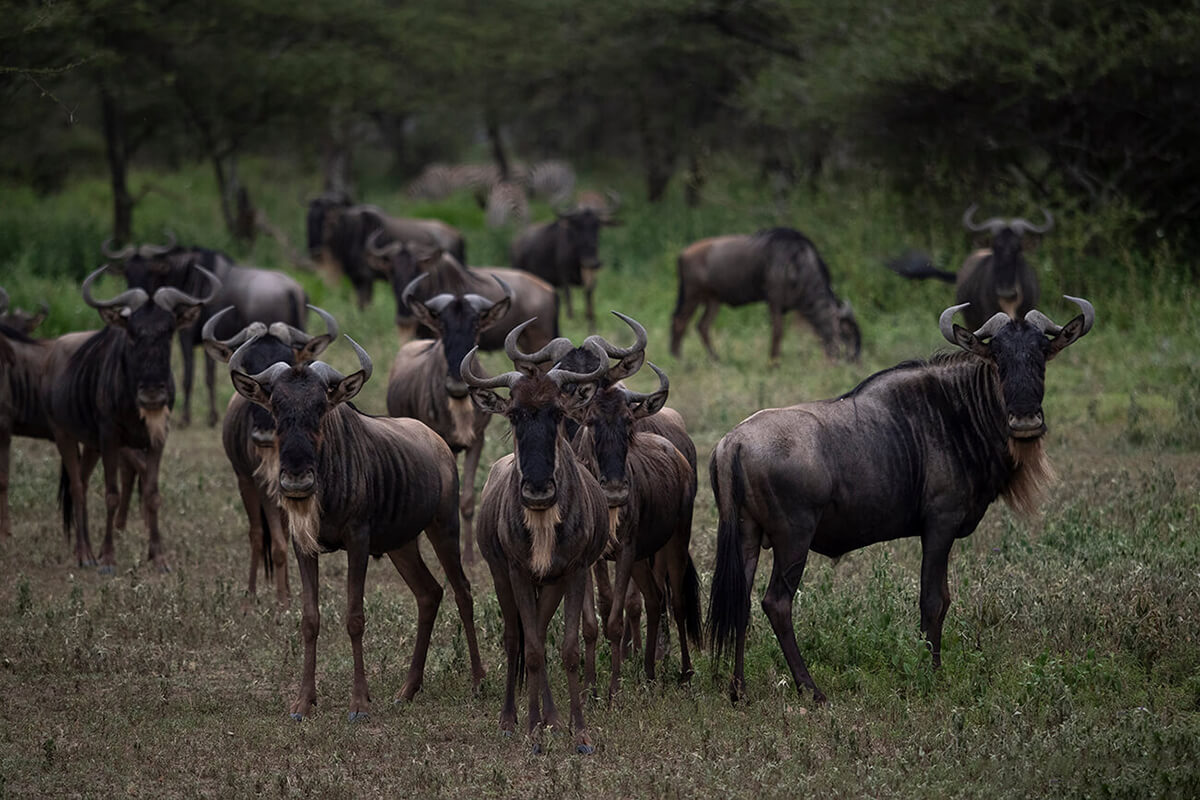
The month of March marks the start of the rainy season in Tanzania. The water transforms the landscape, and green floods the savannah plains. As the rain falls, the Great Migration also begins to leave the Ndutu plains and heads towards the centre of the Serengeti.
Although March is not considered the best time to visit Tanzania, it is still an interesting month, especially for those looking for a safari in Tanzania without many people, taking advantage of low-season deals.
In March, and until May, some Serengeti lodges also close. It is therefore important to check your itinerary carefully and book accommodation before the trip, to make sure they are open. If you do your safari in Tanzania with a local agency, you won’t have to worry about this.
Pros and Cons of Visiting Tanzania in March
✅ Prices are the lowest of the year.
✅ Lots of wildlife and lots of young animals to see.
✅ The parks are not at all crowded.
✅ Migratory birds are still present, and the breeding season and mating rituals continue well into the second half of March.
✅ It is easier to see black rhinos in the Ngorongoro Crater, as the tall, fresh grass draws them out to graze in open areas.
❌ Lots of heavy rain, with high temperatures and very high humidity.
❌ Lots of mosquitoes, which raises the risk of malaria and other tropical diseases.
❌ Storms and heavy showers can cause flooding in some parks.
❌ Some parks in the southern regions close for the whole of the long rainy season.
❌ Trekking on Kilimanjaro is not advisable.
❌ Zanzibar is not recommended and many hotels close temporarily.
April: The Peak of the Rains in Tanzania
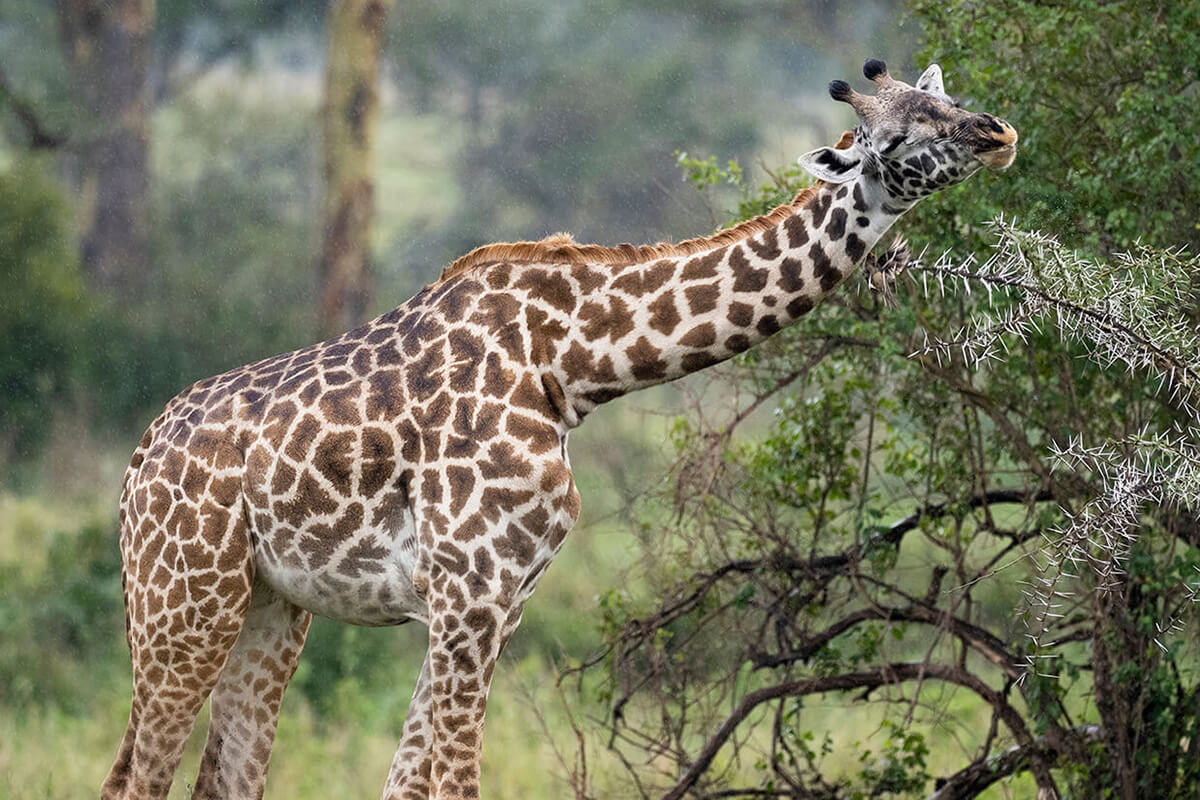
In April there is usually heavy rain in Tanzania, so it is a tricky time to go on safari, especially in the national parks in the south of the country. If you want to go on safari at this time, the most advisable thing is to focus on visiting Serengeti National Park, Tarangire National Park and the Ngorongoro Crater. Bear in mind, though, that some days may be completely washed out (although you can still go on safari when it rains) and that there will be a lot more mud on the tracks that run through the national parks.
The guides are very experienced drivers and know how to handle muddy terrain. Even so, every now and then a vehicle gets stuck. Luckily, they can communicate with other guides by radio, and usually one more vehicle is enough to pull another one out.
Once again, it is a good month to take advantage of low-season deals and reduced prices, and to experience a safari in a much more intimate way, with far fewer tourists.
Also, with the rains there are many more mosquitoes, so it is even more important to take every necessary precaution to avoid bites.
April in Tanzania: Pros and Cons
✅ The parks are especially quiet and it is the time of year when safaris are cheapest.
✅ Wildlife is still abundant, with lots of young and quite a lot of big cat activity.
✅ Birdlife is still outstanding. Migratory birds gather to prepare for their long journey back to Europe and Asia.
✅ It is easier to see black rhinos in the Ngorongoro Crater, as the tall, fresh grass draws them out to graze in open areas.
❌ Some parks in the country are closed. There may be flooding.
❌ Heavy rainfall makes wildlife viewing harder.
❌ Uncomfortably high temperatures and lots of humidity.
❌ More mosquitoes and a higher risk of malaria.
❌ Conditions on Kilimanjaro are among the worst and very demanding.
❌ Zanzibar is not recommended.
Is It Worth Visiting Tanzania in May?
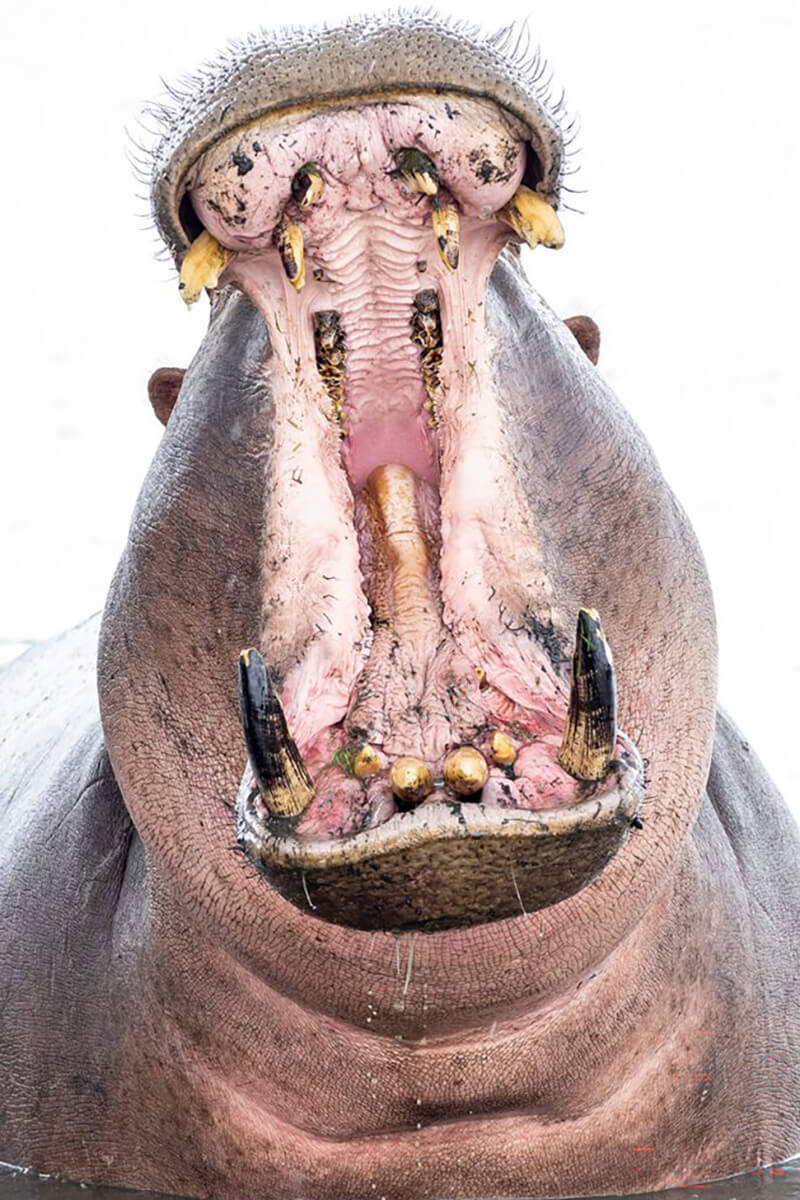
In May, the situation is practically the same as in April. After two intense months of rain, the savannah landscape is green and lush and there is a great variety of birds. Once again, you can go on safari, but it is a more demanding experience. Mind you, seeing a lion walking in the rain also has a very special charm.
Once again, it is a good month for a safari in Tanzania for those on a tight budget, as it is one of the times of year when the price of a safari in Tanzania is lowest.
Pros and Cons of Travelling to Tanzania in May
✅ The landscape is green and lush, perfect for photos of the national park scenery, home to Africa’s great wildlife.
✅ Temperatures and humidity have started to drop, making conditions more comfortable.
✅ The parks are less crowded than in the following months.
✅ Lodges inside the Serengeti offer lower rates.
✅ Birdwatchers can see large flocks of birds heading off to Europe and Asia.
✅ It is easier to see black rhinos in the Ngorongoro Crater, as the tall, fresh grass draws them out to graze in open areas.
✅ The wildebeest mating season takes place towards the end of May, and you can see males locking heads as part of the competition for mates.
❌ Afternoon showers can affect wildlife viewing.
❌ The abundance of water sources as a result of the rains means animals are more spread out and harder to find.
❌ The lush vegetation can make it harder to locate some animals.
❌ There is still a reasonable risk of flooding in May.
Want a closed price for a safari in Tanzania, with no middlemen?Once you know when you want to travel, the next step is to compare real prices. By working directly with verified local operators you avoid intermediaries, and you can adjust the route, the lodges and the budget to the season you have chosen. Tell us your dates and what matters most to you, and we will send you a no-obligation quote. ✓ Personalised safari itineraries |
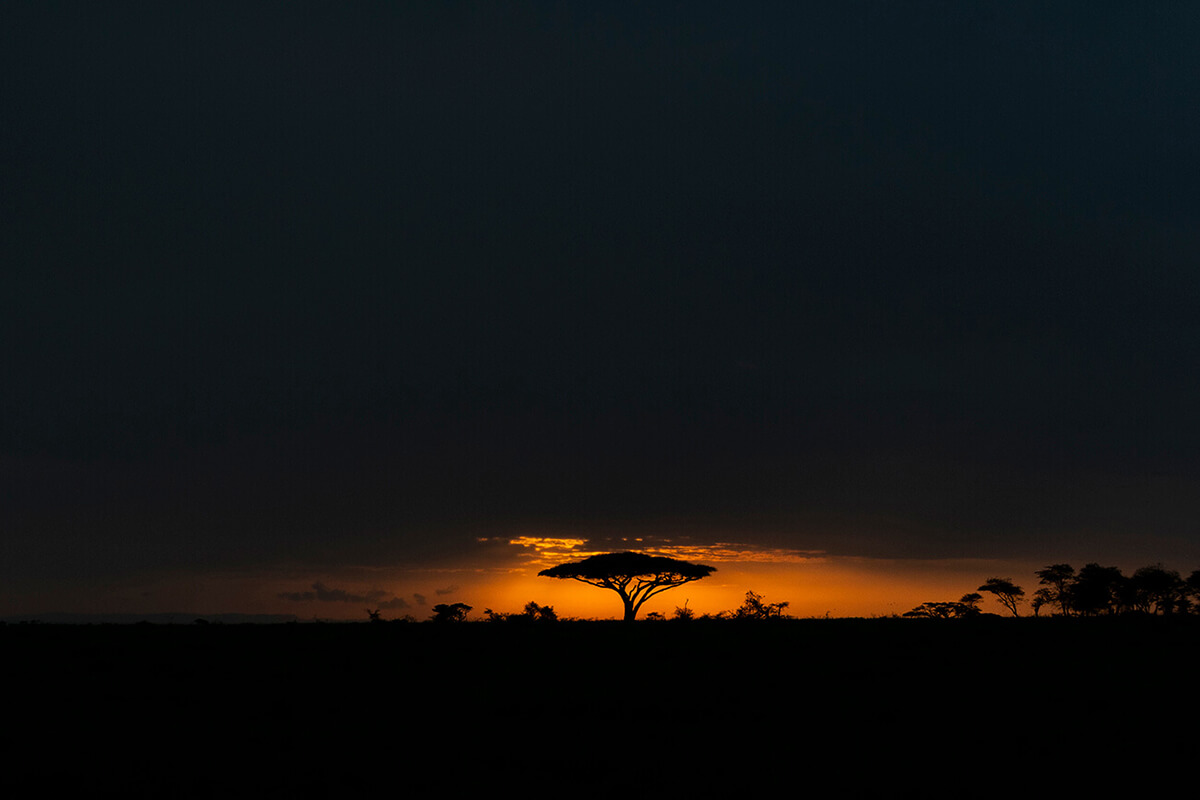
June in Tanzania: The Start of the High Season
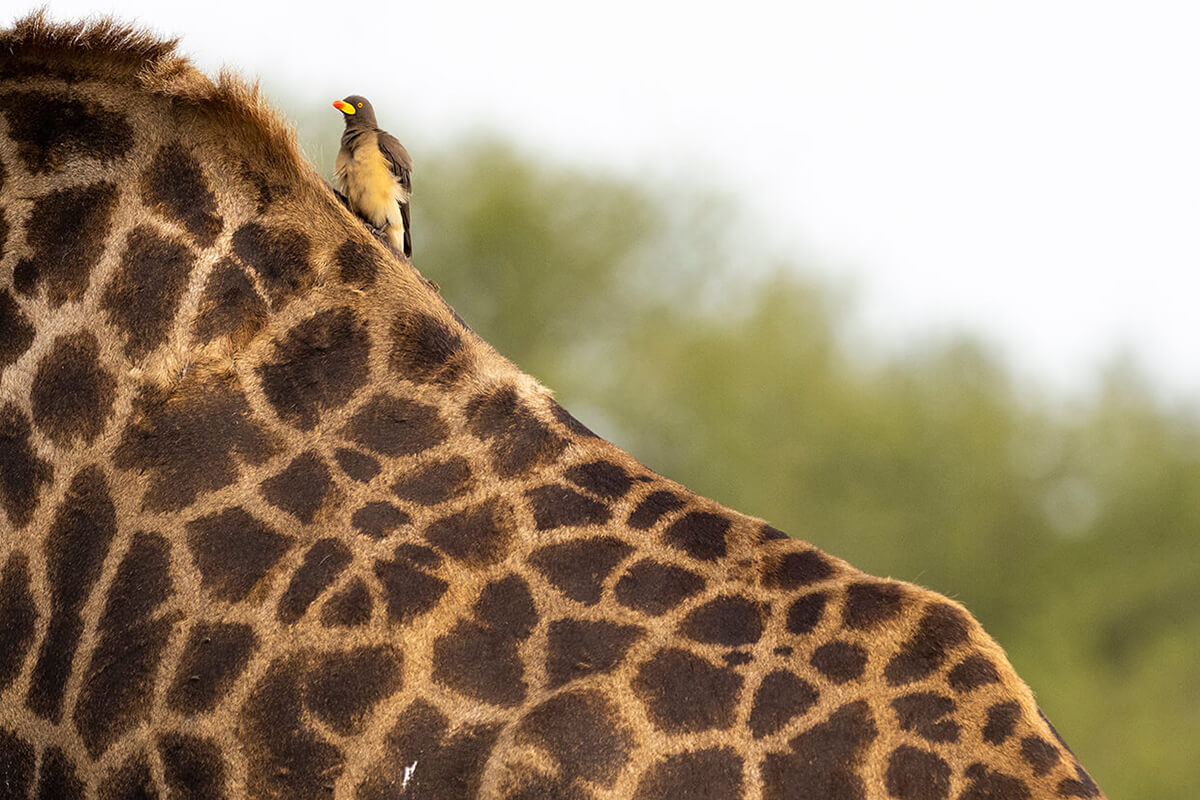
In June the rains come to an end, which makes it the best time to visit Tanzania from a weather point of view. With no rain and the heat of the sun, the vegetation shrinks quickly, which makes wildlife easier to spot, especially lions, leopards and cheetahs, which are very easily camouflaged.
It is also a very interesting time to see the Great Migration, to the west of the Seronera area. If you are very lucky, you may see the wildebeest crossing the Grumeti River. It is an overwhelming scene, in which the wildebeest fight for their lives as they cross the river, before being caught by the starving crocodiles.
This month the peak of the high season has not yet arrived, so there is still a certain calm in the national parks of the north of the country and prices are more competitive. This also means you don’t need to book as far in advance, although I always recommend booking as early as possible to get early-booking discounts.
If you go on safari in June, bear in mind that the nights and mornings are quite cool (especially in the Ngorongoro Crater area). That is why it is important to bring a jacket or a thick jumper.
Best Time to Visit Tanzania: Pros and Cons of June
✅ The weather is more stable and generally very good.
✅ Wildlife is spectacular almost everywhere.
✅ The Great Migration is at its peak.
✅ There are fewer mosquitoes and the risk of malaria is lower.
✅ Kilimanjaro is dry and the skies are clear. It is a great time to attempt the ascent of Africa’s highest mountain.
✅ An ideal time to visit Zanzibar.
❌ The parks are busy.
❌ High-season prices begin.
July, a Great Time to Travel to Tanzania
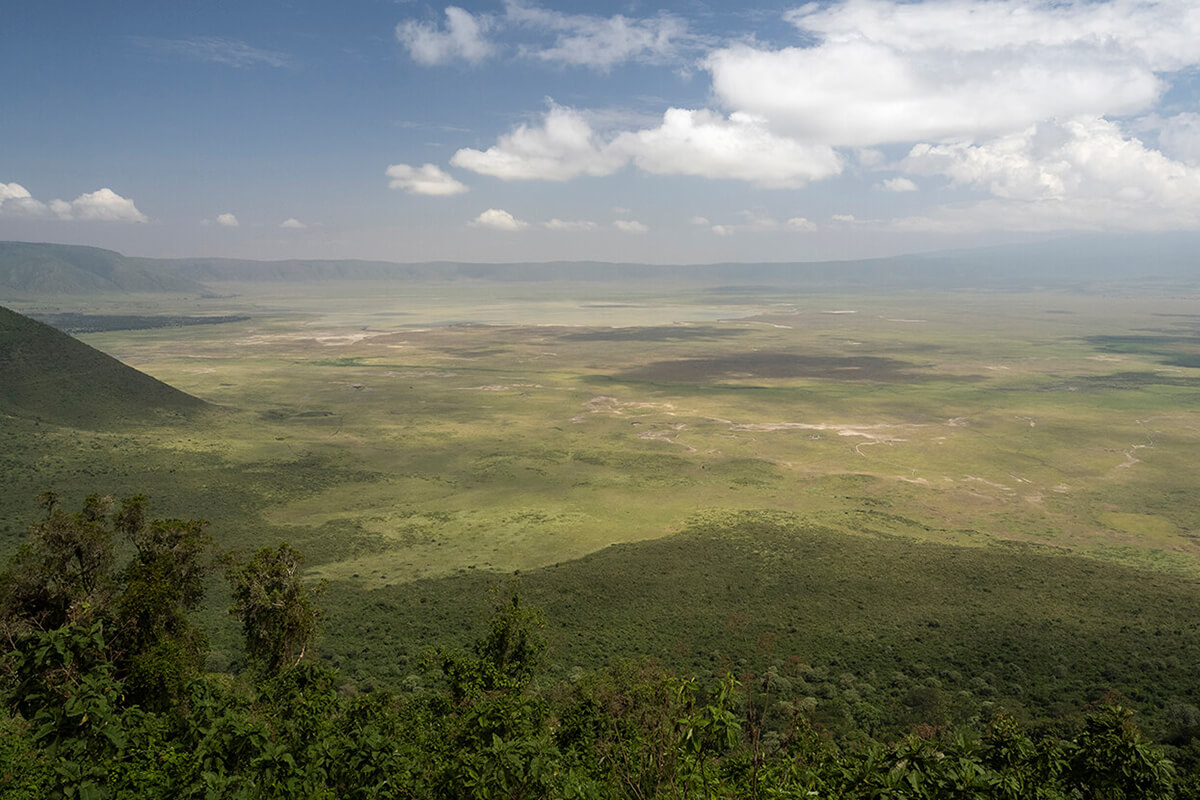
The dry season continues, so July is ideal for going on safari and spotting wildlife more easily and in greater numbers. The lack of water makes animals gather near rivers or waterholes, which also makes them easier to see.
July also marks the peak of the high season. It is when there is the most tourism in Tanzania, especially in the north, and when prices are highest. This also makes it more important to book in advance, ideally around six months ahead.
It is also a very good time to see the Great Migration on the plains of central Tanzania.
Pros and Cons of July in Tanzania
✅ The weather is fantastic and more predictable.
✅ Wildlife viewing is optimal, since the vegetation becomes sparser, making animals easier to see.
✅ Animals gather around water points, making them easier to locate.
✅ The Great Migration is at its peak, with the wildebeest heading north towards Kogatende. At the end of July it is possible to see some river crossings.
✅ An ideal time to visit Zanzibar.
✅ The best month for climbing Kilimanjaro.
✅ Mosquito numbers and the risk of malaria are low.
❌ The parks and hotels are busy.
❌ High-season prices everywhere.
❌ Booking in advance is necessary.
August: The Peak of the High Season in Tanzania
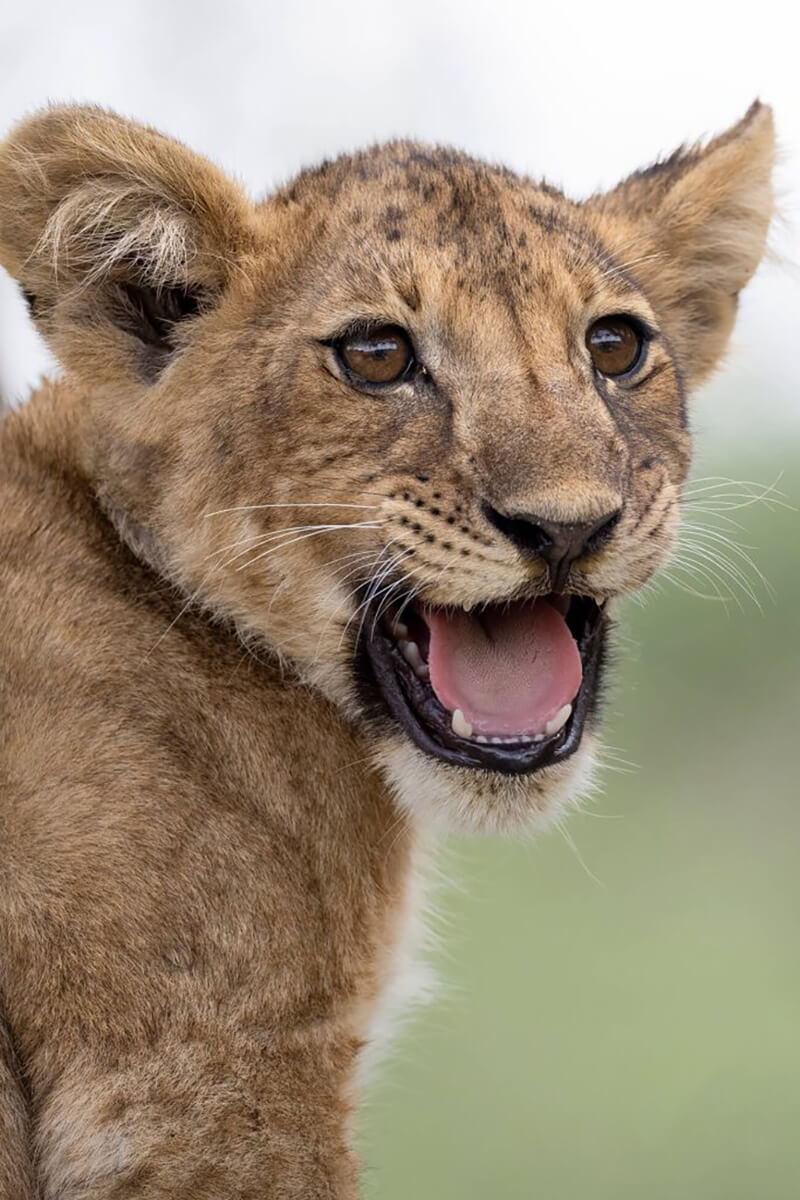
August is the month when Tanzania receives the most visitors, so prices are higher and there are many more vehicles in the national parks. However, in the Serengeti, thanks to its enormous size, there is usually no feeling of overcrowding.
Safari conditions are among the best of the year, since it practically doesn’t rain, there is little vegetation and wildlife can be located more easily near water. It is also a very good time to see the Great Migration, in the north of the Serengeti (to get there, a safari of at least seven or eight days is recommended).
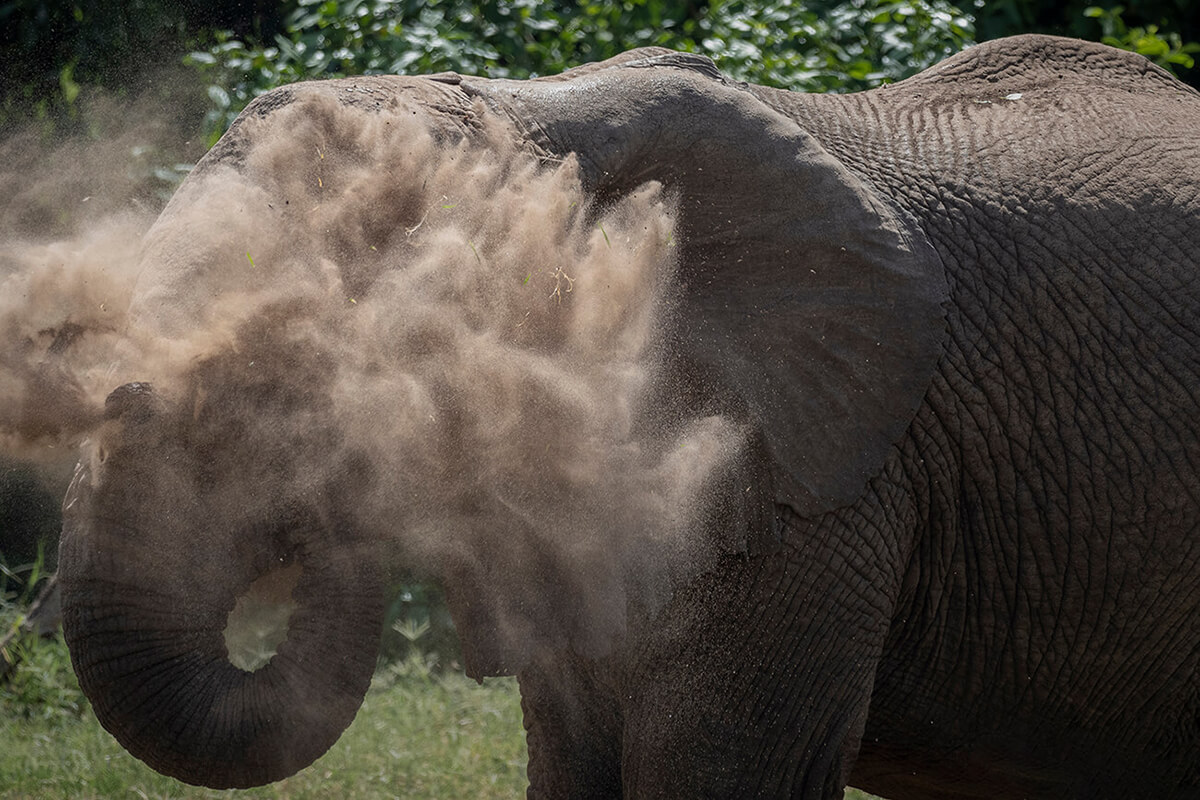
In addition, August is also one of the best times of year to go on a Tarangire safari, when large numbers of elephants and other mammals migrate to this park to drink from the Tarangire River.
If you want to go on safari in Tanzania in August but are looking for a more intimate and peaceful experience, a great option is to visit the national parks in the south of the country, which I cover in more detail in the post on Tanzania safari 5 days itineraries.
The Best and Worst of Visiting Tanzania in August
✅ The weather is truly fantastic. Daytime temperatures are not too high, the days are sunny and the chance of rain is very low.
✅ Wildlife viewing is at its best.
✅ The migratory herds cross the Mara River, possibly the highlight of the Great Migration.
✅ Zanzibar is sublime.
✅ Conditions on Kilimanjaro are excellent.
✅ The mosquito population and the risk of malaria are at their lowest.
❌ The parks and hotels are very busy.
❌ High-season prices apply.
❌ It is not the best time for birdwatchers.
Going on Safari in Tanzania in September, a Great Time
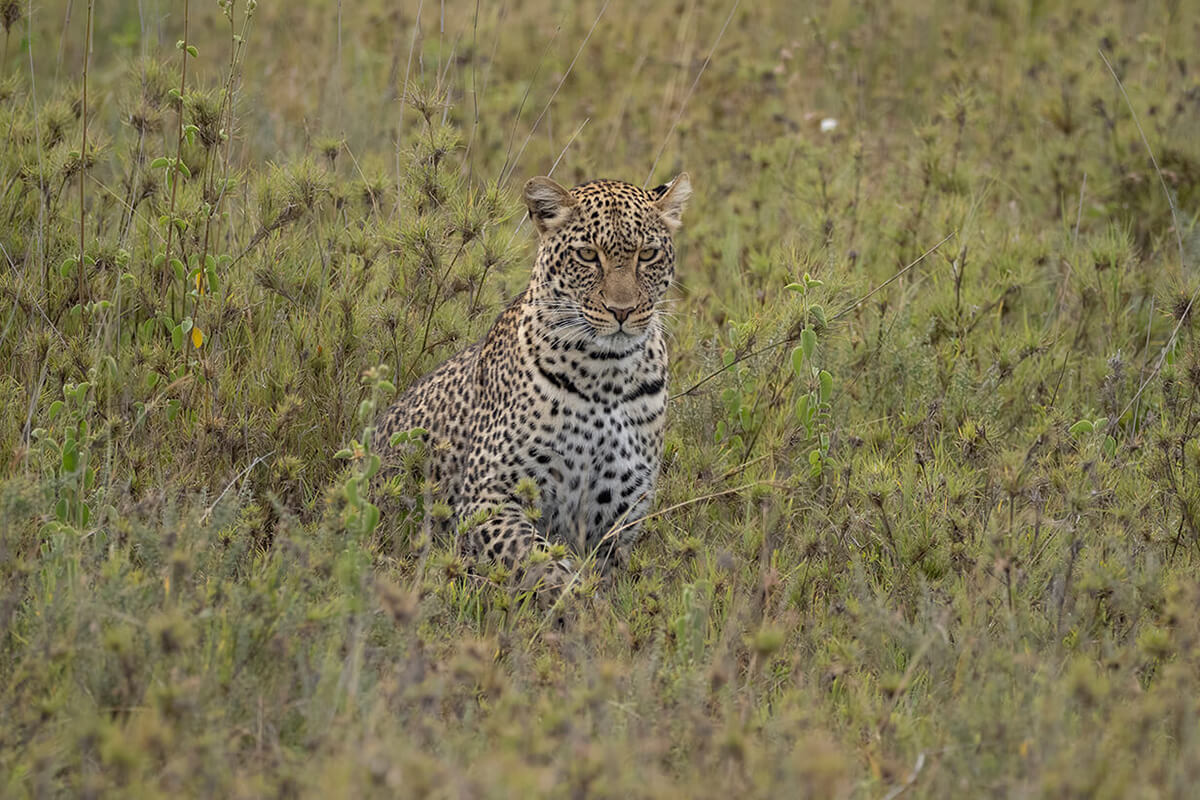
In my view, September is one of the months that make up the best time for a safari in Tanzania. The weather is still very favourable, as the dry season continues, but the number of visitors drops, and this also makes the safari experience even better.
September is also a good month to see the Great Migration in the north of the Serengeti, when the wildebeest begin to return to Tanzania from the Masai Mara.
Pros and Cons of a Safari in Tanzania in September
✅ Prices have started to fall.
✅ Less crowded than in July and August.
✅ The weather is still fantastic.
✅ Wildlife viewing is excellent.
✅ The Great Migration has reached its climax with the Mara River crossings, and it can be seen in the north of the Serengeti.
✅ Conditions for trekking on Kilimanjaro are excellent.
✅ It is an ideal time to visit Zanzibar.
✅ Mosquito levels and the risk of malaria remain low.
❌ Prices are lower than in August, but still high.
❌ Despite being less crowded than in August, the parks and hotels are still full, so booking in advance is necessary.
❌ It is not the best time for birdwatching.
 |
SAFARIS BY LOCALS Your route, adapted to the month you chooseWhether you are aiming for the river crossings in September or the calving in February, the right itinerary makes all the difference. Our local operators will tailor the route, the length of the safari and the lodges to your dates and budget, with direct prices and no intermediaries. |
What Is Tanzania Like in October?
At the beginning of October the situation is very similar to September, with slightly fewer people and slightly cheaper prices. As the month goes on, some rain starts to arrive, heralding the typical rains of November and December.
This makes October a very interesting month for safaris and for enjoying wildlife photography. After the long months of drought, the water revitalises the landscape and the wildlife, and the short afternoon storms often bring dramatic light that is ideal for taking photographs.
In years when the dry season lasts the whole month, wildlife viewing is very easy, as many of the animals gather near the last watercourses in the national parks.
Pros and Cons of Travelling to Tanzania in October
✅ Lower shoulder-season prices compared with the high season.
✅ Less crowded parks and hotels.
✅ Large migratory herds around the Mara River, in the north of the Serengeti.
✅ Arrival of migratory birds from Europe and Asia.
❌ The weather is unpredictable.
❌ Expect showers, mainly in the afternoons.
Tanzania in November: Is It Worth It?
With the arrival of the short rains, the landscape of the national parks changes completely. The dry grasslands turn green within days and the animals, which during the drought had been concentrated near water points, quickly spread out. Even so, November is not a bad month to visit Tanzania. The rains are usually short and heavy, normally in the afternoon, and most of the day is still ideal for safaris.
Another plus is that there is less tourism, an important detail for many travellers who want peace and quiet in the parks. Prices also tend to be somewhat lower and the general atmosphere is more relaxed. All in all, it is a month with a touch of weather uncertainty, but also with plenty of charm if a few showers don’t put you off.
Pros and Cons of Visiting Tanzania in November
✅ Accommodation costs are low.
✅ Fewer visitors in the parks.
✅ Abundant wildlife and very productive safaris.
✅ The Great Migration is in the centre of the Serengeti, heading south, which usually makes it easier to see, even on shorter safaris.
✅ Migratory birds from the Northern Hemisphere begin to arrive.
✅ It is easier to see black rhinos in the Ngorongoro Crater, as the tall, fresh grass draws them out to graze in open areas.
❌ The rains are unpredictable, but they mostly fall in the afternoons.
❌ With the rainfall, Kilimanjaro climbs are more complicated and demanding.
❌ The rains can make wildlife viewing harder.
❌ Mosquitoes become a problem again.
December: The Great Migration Returns to the Southern Serengeti
December marks the start of one of the most special times of the year in the Serengeti: the return of the Great Migration to the southern plains. The first rains have regenerated the tender grass, and hundreds of thousands of wildebeest and zebras begin to arrive to prepare for the calving season.
The landscape is green and alive, with beautiful light at the start and end of the day. The rains are irregular, usually in the afternoons, and tend to have little effect on safaris. In fact, as in November, these storms often create dramatic skies and a perfect atmosphere for photography.
December is also a month with somewhat more tourism, especially around the Christmas holidays, but the southern Serengeti is immense and it is easy to enjoy the wildlife without crowds. If you want to see the migration at a very special moment, December is a month that is well worth it.
The Best and Worst of Travelling to Tanzania in December
✅ Prices remain shoulder-season until 15 December.
✅ Fewer visitors in the parks, which improves wildlife viewing.
✅ More hours of sunshine than in November.
✅ The wildebeest have returned to the southern Serengeti and are beginning to give birth.
✅ A good time for birdwatchers.
✅ It is easier to see black rhinos in the Ngorongoro Crater, as the tall, fresh grass draws them out to graze in open areas.
❌ The weather is unpredictable.
❌ Prices start to rise after 15 December.
❌ The lush vegetation makes it harder to locate animals and birds.
❌ More mosquitoes compared with the June to November period.
A Summary of the Best Time to Visit Tanzania
After all the details about the best time to visit Tanzania and the particularities of each month, it is always useful to have a short summary of all the information:
| Month | Season | Tourist season | Great Migration |
|---|---|---|---|
| January | Dry | Shoulder | Southern Serengeti or Ndutu |
| February | Dry | Shoulder | Ndutu |
| March | Rainy | Low | Ndutu |
| April | Rainy | Low | Central and western Serengeti |
| May | Rainy | Low | Central and western Serengeti |
| June | Dry | High | Northern Serengeti |
| July | Dry | High | Northern Serengeti |
| August | Dry | High | Northern Serengeti and Masai Mara |
| September | Dry | High | Northern Serengeti and Masai Mara |
| October | Dry | High | Northern Serengeti |
| November | Rainy | Shoulder | Northern Serengeti |
| December | Rainy | Shoulder/High (Christmas) | Central and southern Serengeti |
To complement the table above, here are the maximum and minimum temperatures and average rainfall in Tanzania throughout the year. This is very useful information, especially the temperature, when packing your bags. In any case, I always recommend bringing a jumper or jacket, as evenings and mornings can be a little chilly, especially on the day of the Ngorongoro Crater safari.
| Month | Max. Temp. (ºC) | Min. Temp. (ºC) | Total Rainfall (mm) |
|---|---|---|---|
| January | 28 | 17 | 45 |
| February | 28 | 17 | 28 |
| March | 27.5 | 17 | 85 |
| April | 27 | 16.5 | 155 |
| May | 26 | 16 | 130 |
| June | 25 | 13 | 32 |
| July | 24.5 | 13 | 13 |
| August | 26 | 13 | 19 |
| September | 28 | 14 | 20 |
| October | 29 | 16 | 48 |
| November | 30 | 17 | 125 |
| December | 29 | 17 | 80 |
Best Time to Visit Tanzania: Final Thoughts
As you will have seen in this detailed post, every season and month has its pros and cons. In part, the best time to visit Tanzania will depend on each traveller’s priorities:
- For those who want to see the greatest amount of wildlife and don’t mind some crowds and paying a little more, the best time is July, August and September.
- For those looking for a balance between good weather and less tourism, the best time is January and February; although November and December are also very good alternatives.
- For those looking for the lowest prices who don’t mind adapting to the rain, the best time to visit Tanzania would be March, April and May.
In general, as I have repeated throughout, you can go on safari in Tanzania all year round. I recommend April and May less, as the rainfall can be very intense and stop the experience from being as good. Outside those two months, I always find the rest of the year exciting for travelling to Tanzania!
|
YOUR NEXT ADVENTURE AWAITS All the resources for travelling to TanzaniaFind the best trips and safaris to Tanzania with a local agency and get a free, no-obligation quote here. |