
The list of things to do in Tanzania is surprisingly long. This is one of the most incredible countries in East Africa. Its national parks, where savannah dominates, are among the best places to experience a safari and watch wild African fauna. Tanzania also has some stunning landscapes, with Kilimanjaro, the highest mountain in Africa, the most famous of them. Finally, the country has a paradise coastline, especially on the island of Zanzibar.
With this introduction it is easy to see that Tanzania is a very complete country to travel to. Safaris are the big draw, but you can build very varied trips, combining nature, culture and adventure activities according to your own tastes. I hope this guide to the must-see places in Tanzania helps you discover everything that interests you so you can plan a complete, personalised trip.
Things to do in Tanzania: the highlights of the north
Northern Tanzania is home to the most popular national parks and conservation areas. That is why it is the region that receives the most visitors in the country and where most safari routes are concentrated, usually lasting between five and ten days. Its fame is entirely deserved, though: the density of wildlife is much higher than in other parts of the country, which makes it the ideal destination for a first trip to Tanzania.
These are the top sights to see in northern Tanzania:
1. Serengeti National Park
The endless plains of Serengeti National Park are famous worldwide. This is mainly thanks to the incredible Great Migration, the phenomenon that takes place every year between this national park and the Masai Mara safari reserve in Kenya (the Masai Mara National Reserve).
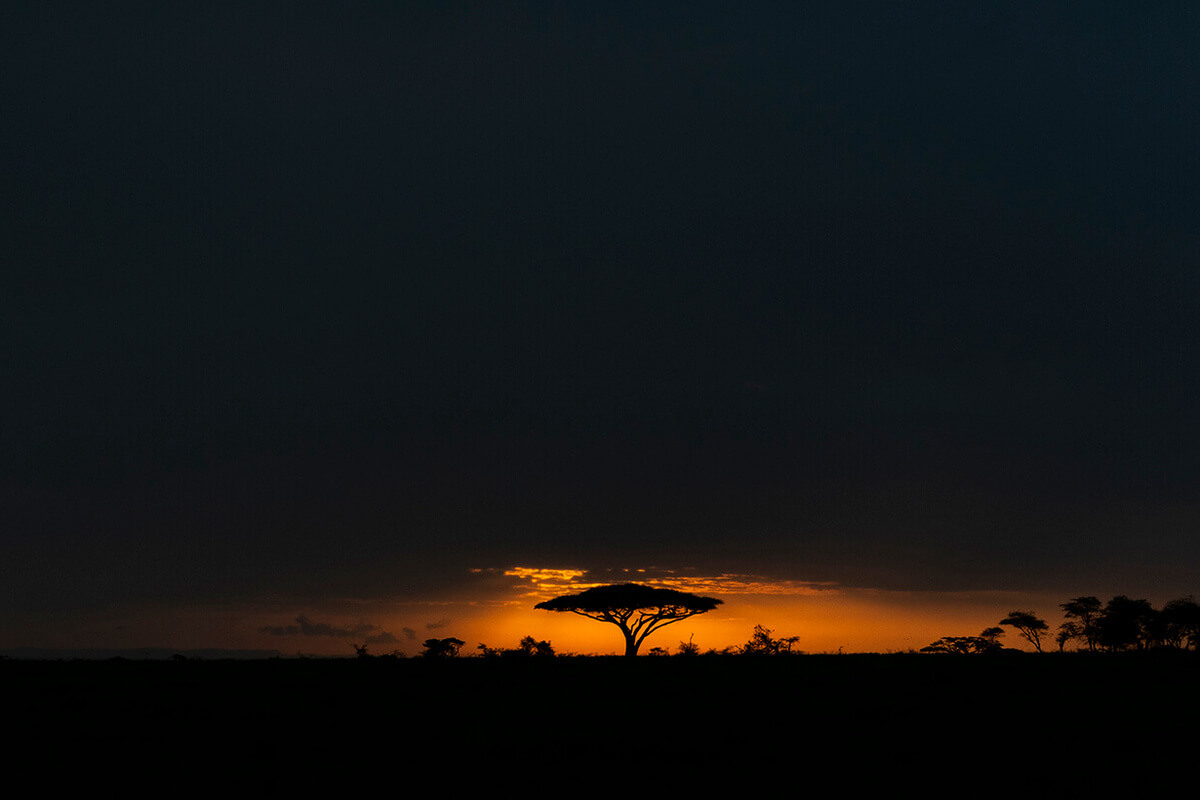
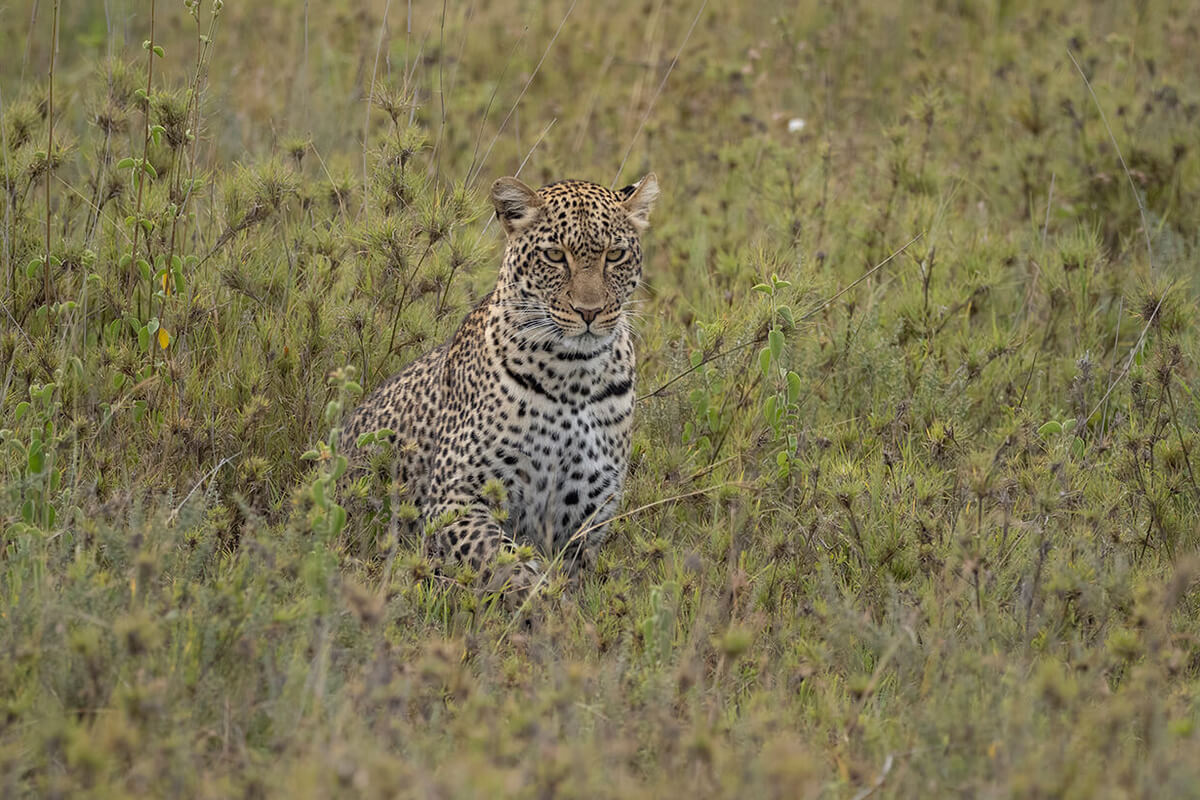
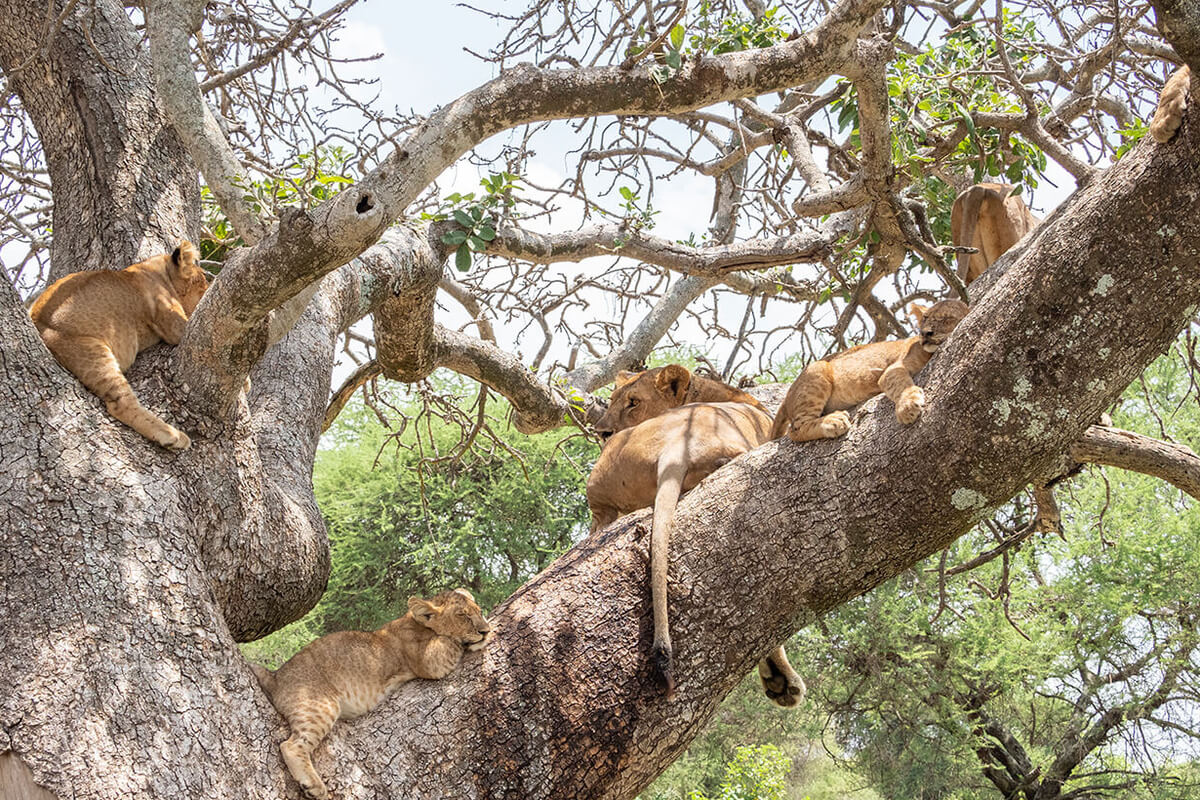
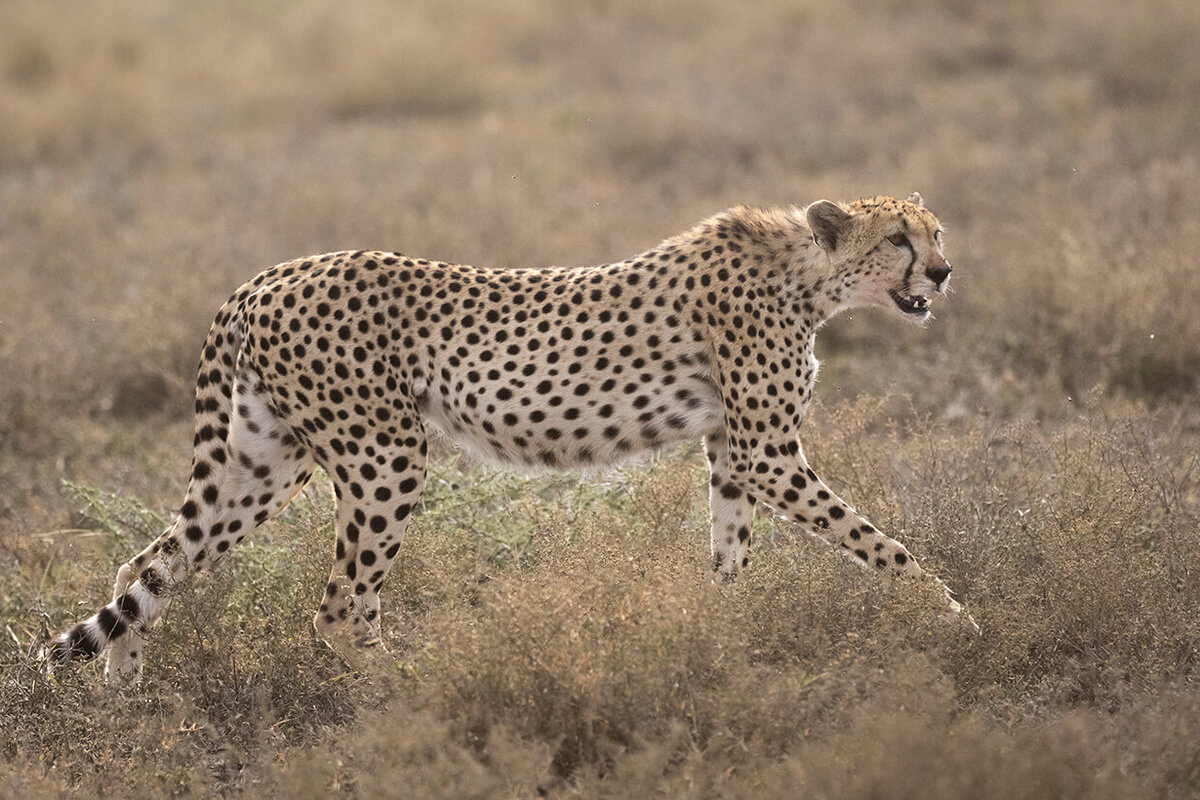
One of the things that makes the Serengeti so special is its density of predators. It is one of the places on the planet where you have the best chances of seeing lions, leopards and cheetahs, the three great African cats. Lion sightings in particular are very frequent, and you can often see them resting on top of the iconic kopjes. It is a scene reminiscent of the settings of the legendary film The Lion King.
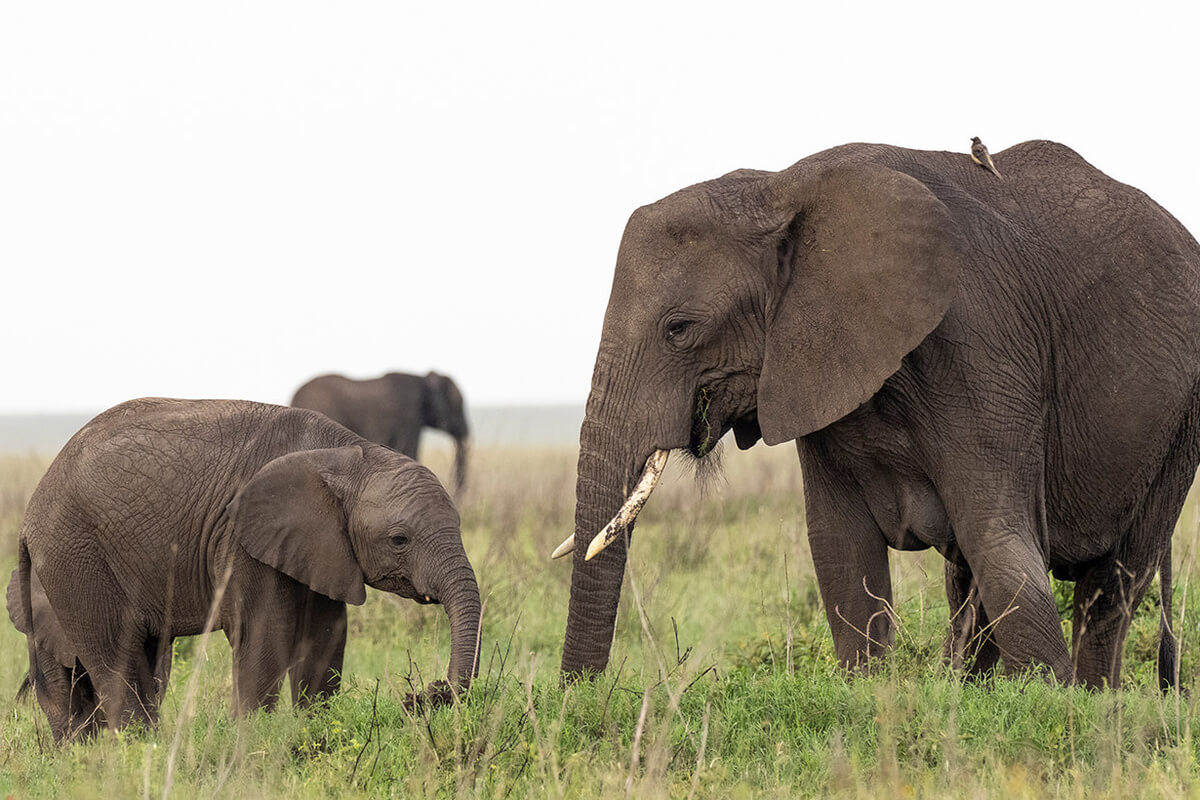
Besides these, inside the park you can also see elephants, giraffes, zebras, impalas, Thomson’s gazelles and hippos, among others.
Given the sheer size of the Serengeti, you need to spend at least one night inside the park to visit it properly (although two or three nights is best). For accommodation you can choose the public campsites or one of the tented lodges (all built from large tents and fitted with all the necessary furniture and a bathroom, so they are very comfortable while still keeping the wild essence of the place). The best way to organise all this logistics is to book a safari with a Tanzania local tour operator.
2. Tarangire National Park
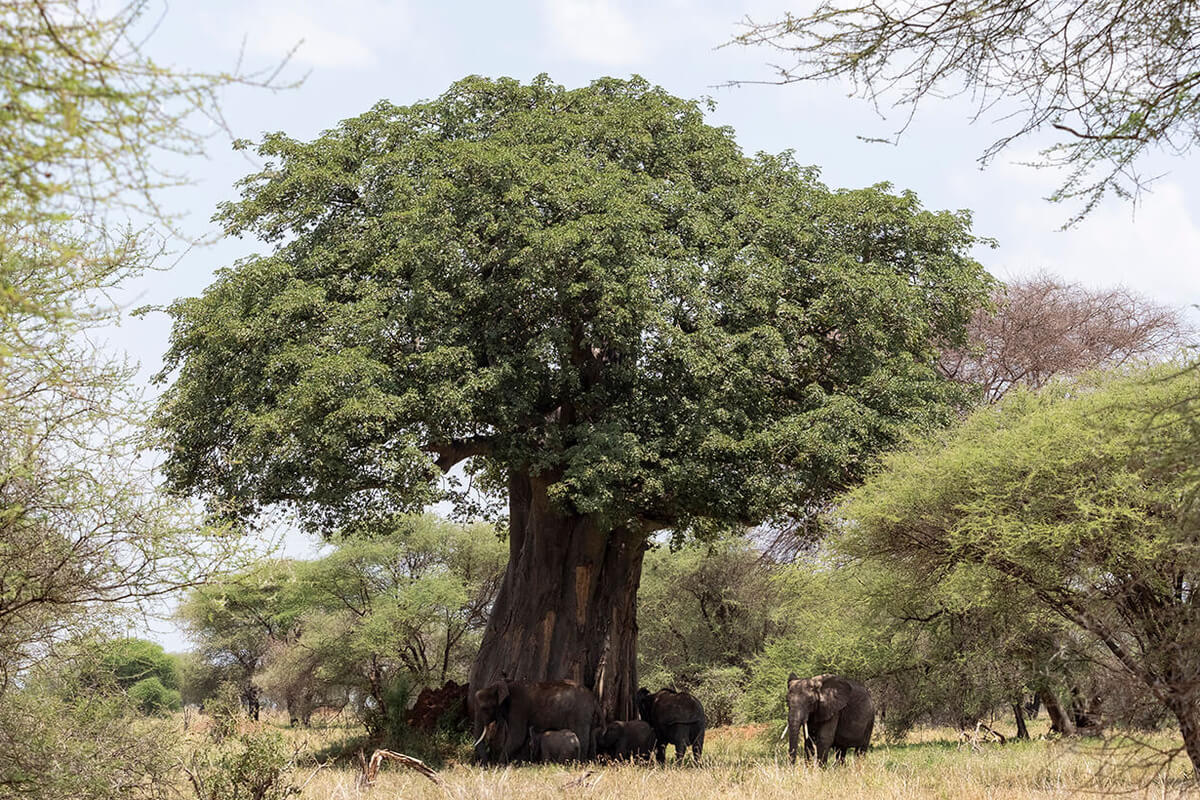
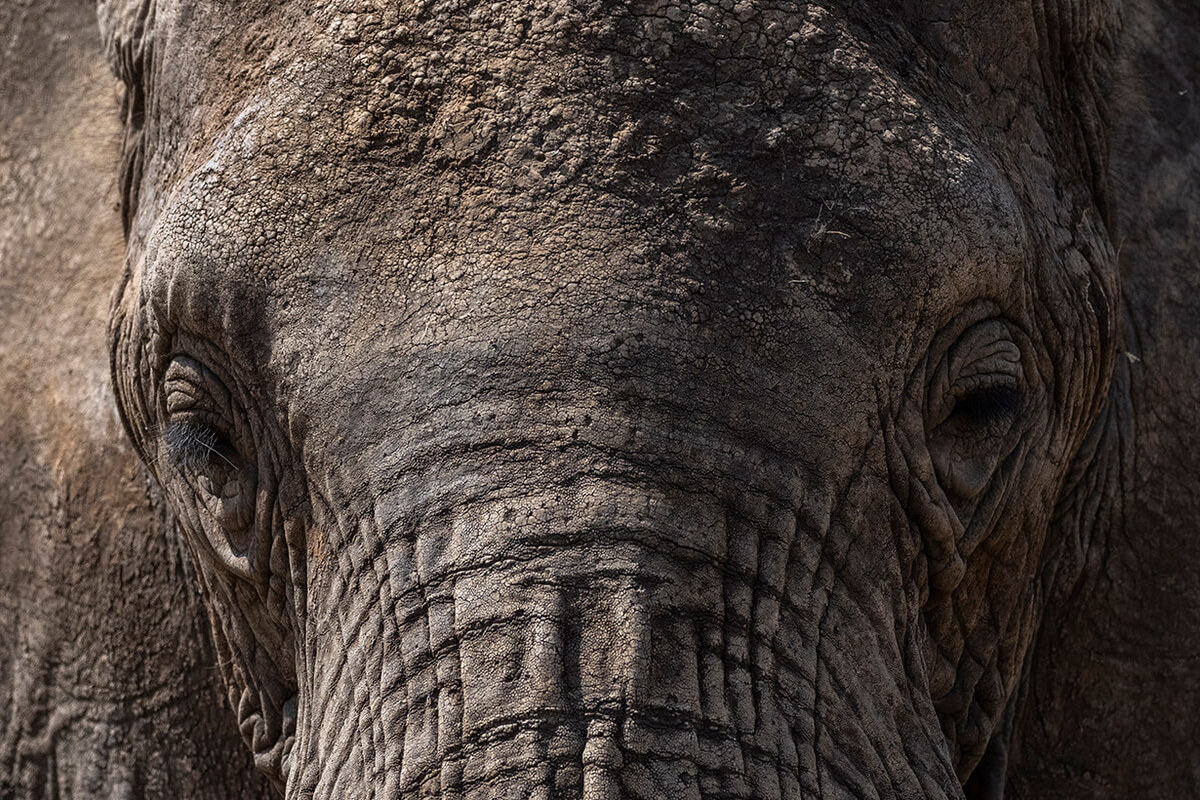
Tarangire National Park is another of the emblems of safaris in northern Tanzania. The park is best known for its elephants and baobabs. You can also see lots of giraffes, zebras, buffalo, wildebeest and many other herbivores. In recent years the density of lions has also increased, and sightings are more and more frequent. With a bit more luck, you can also spot leopards and cheetahs.
The wildlife in this park, and therefore the quality of the safaris, is largely conditioned by the rains and by the Tarangire River, which runs through the area. Especially during the dry season (June to October), this river is one of the few watercourses in the region, which causes a migration of herbivores towards the park, and predator sightings increase as well. During these months Tarangire National Park is a must among the things to do in Tanzania.
Outside these months the density of wildlife is not as high, but it is still a very interesting park. Above all, since it lies halfway between Arusha and the Serengeti, it is a good place to stop and spend a day (or an afternoon or morning) on safari.
 |
SAFARIS BY LOCALS Get a free quote for your Tanzania trip from trusted local operatorsIf you would rather organise your trip to Tanzania directly with local operators, I can connect you with the best options. Just complete the form and, depending on the type of safari you are looking for, I will put you in touch with the most suitable operators. I will also be available to answer any questions you have throughout the planning process, so your safari is even more incredible and hassle-free. |
3. Ngorongoro Crater
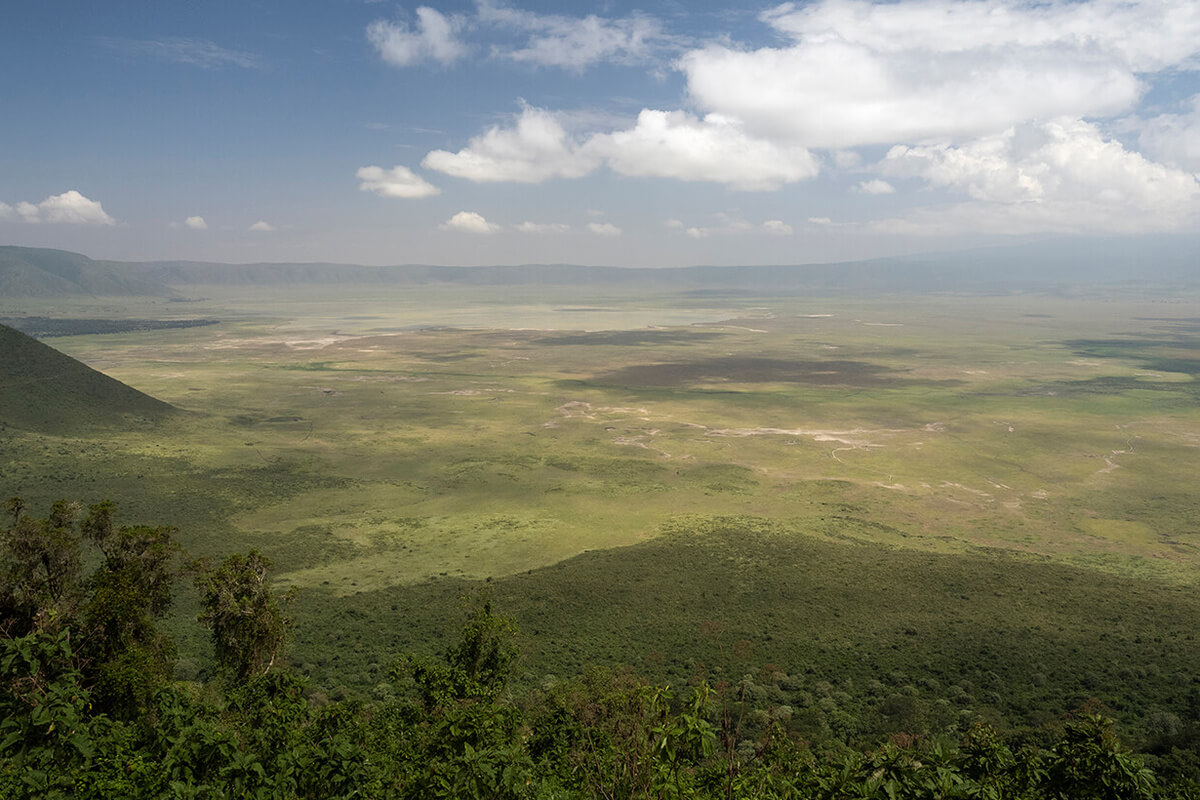
The Ngorongoro Crater safari takes you into what is really a huge caldera 20 kilometres across, home to more than 25,000 animals of different species. It is the place in Africa with the highest density of wild animals. For this reason it is, without a doubt, one of the best things to do in Tanzania on safari.
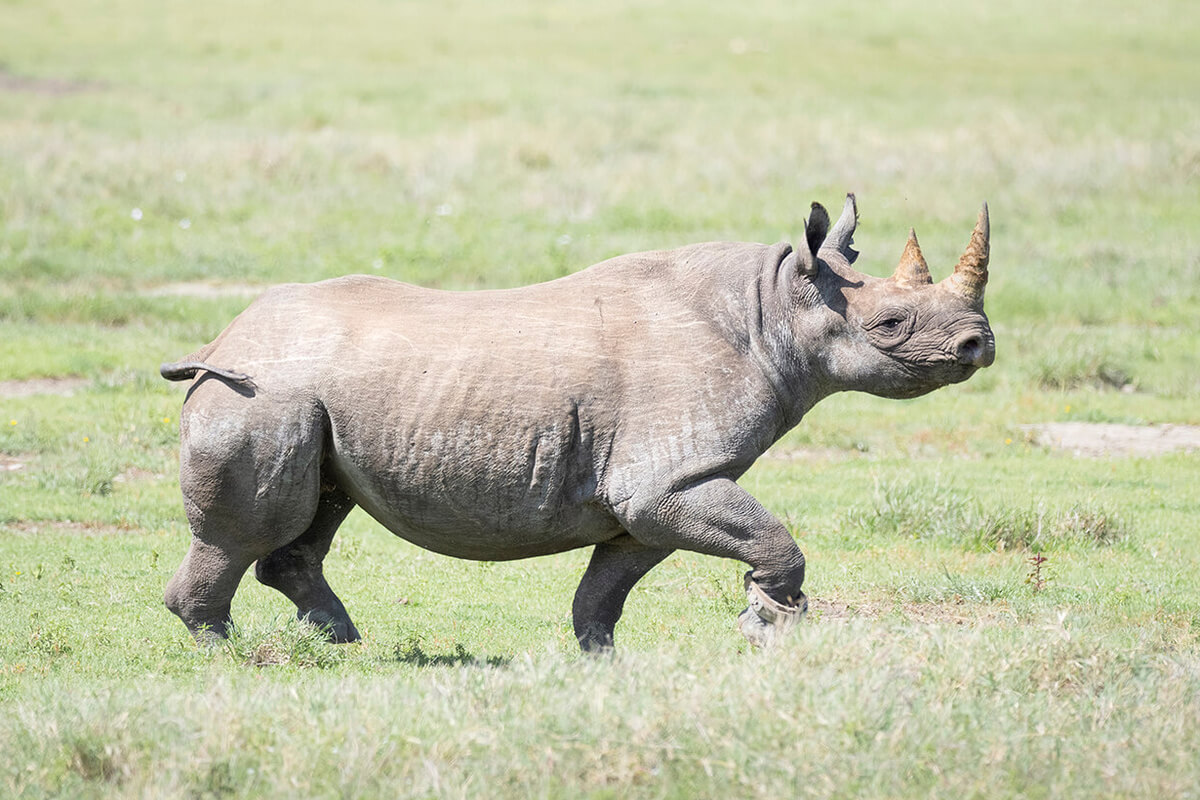
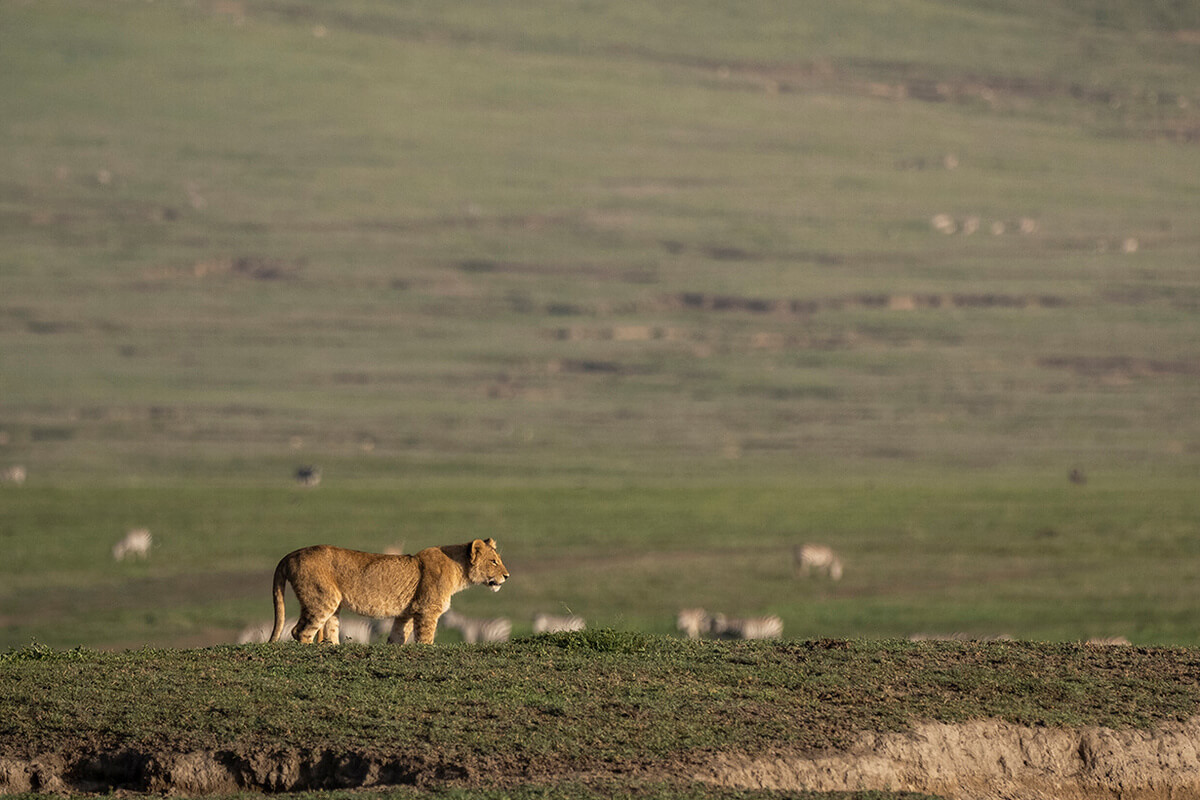
It is usual to spend half a day or a full day on safari inside the crater. The sightings of some male lions with their thick, impressive manes are spectacular. It is also normal to see buffalo, elephants, zebras and, with luck, black rhinos. In fact, the Ngorongoro Crater is the ideal place to try to find the African Big 5 (lion, leopard, elephant, buffalo and rhino).
4. Lake Ndutu
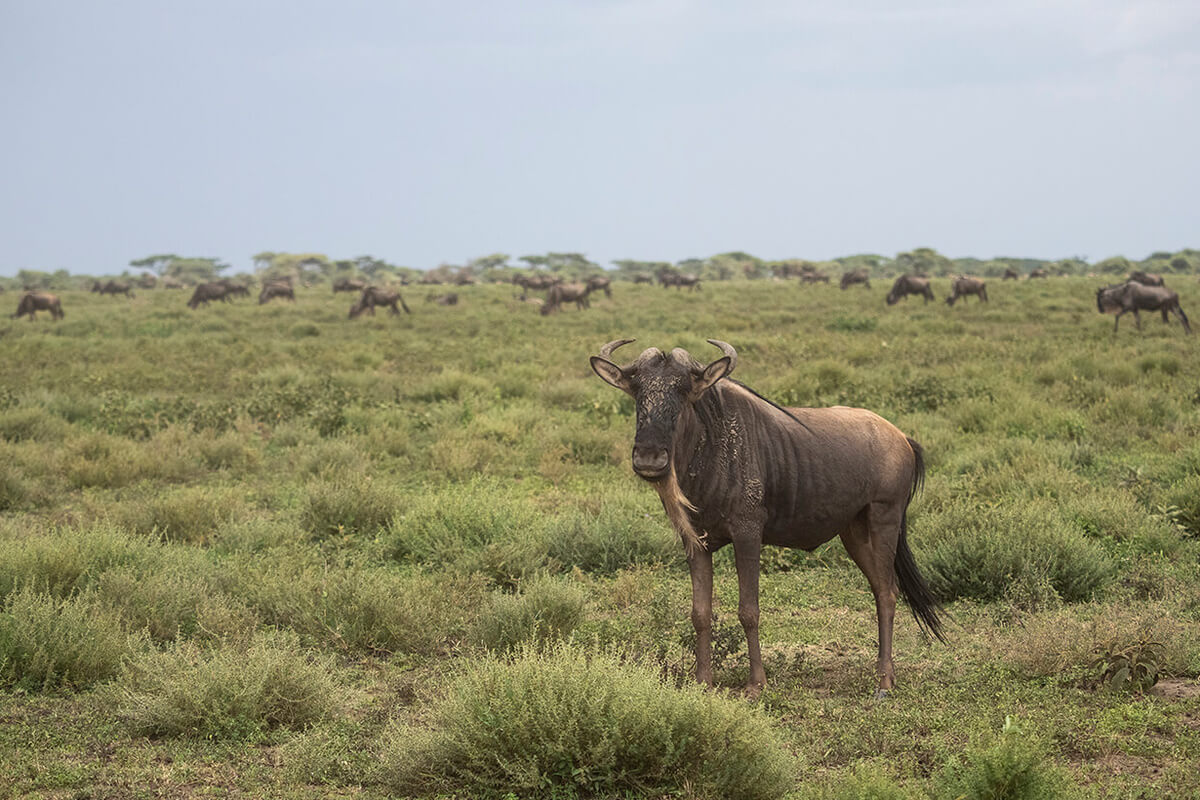
Lake Ndutu is not as famous and popular as the places above, but for me it is a must among the things to do in Tanzania (especially for photography lovers) if you visit the country between January and March. During these months the whole Great Migration of wildebeest and zebras gathers around this lake, which lies within the Ngorongoro Conservation Area, and half a million wildebeest calves are born, along with thousands of zebra and gazelle foals. This moment is known as the calving season.
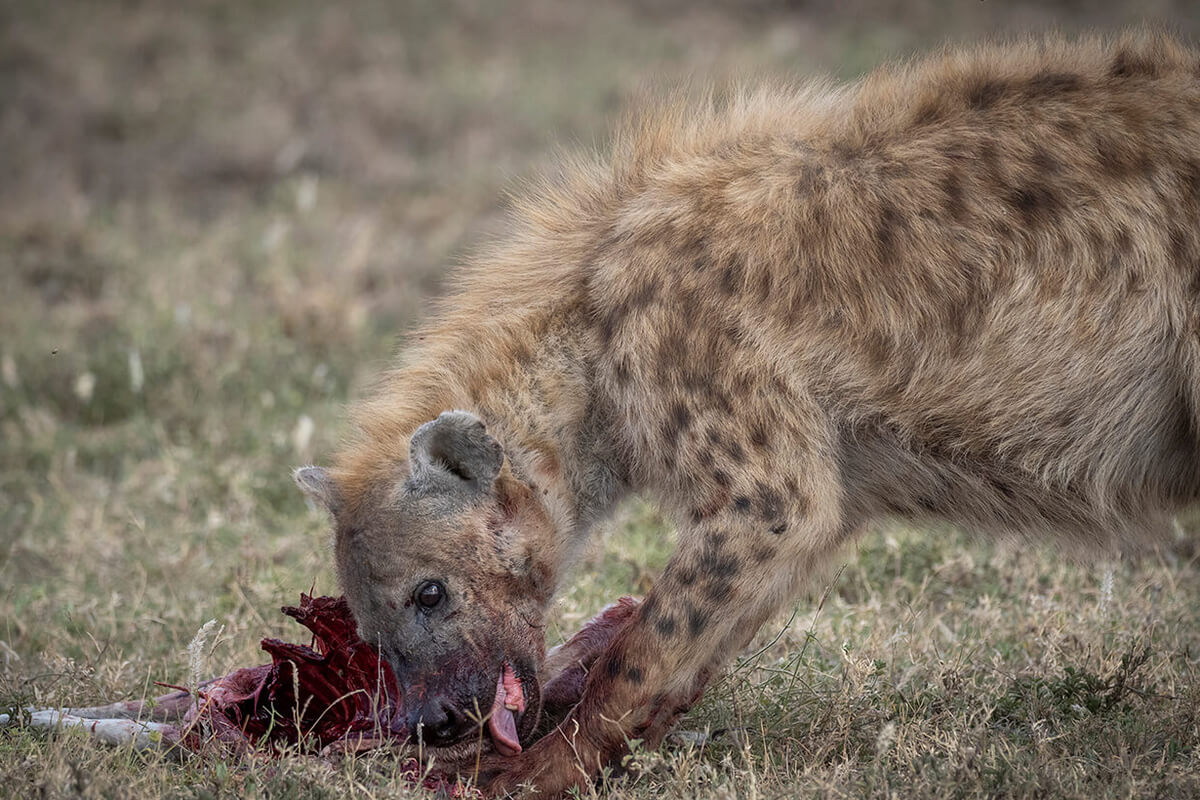
This makes for a fascinating scene, one of the most impressive natural phenomena on the planet. In addition, the abundance of herbivores and young means that large numbers of predators also gather around Lake Ndutu. Sightings of lions, leopards, cheetahs and hyenas are therefore very common. You can even see other, far more elusive cats such as the caracal or the serval.
However, if you want to visit Lake Ndutu during the calving season, you need a mid-range or high budget and should book well in advance. There is not much accommodation in this remote area, which lies in the south of Serengeti National Park.
Other highlights to see in northern Tanzania
On a Tanzania safari of 5 days you usually only have time to see a few of the national parks mentioned above. But on a slightly longer route you can sometimes include some extra visits to lesser-known places that are also very interesting.
In my view, these are some interesting places to see in Tanzania if you want to add an extra stop to your safari route:
5. Materuni Waterfall
Materuni Waterfall is a lovely 70-metre-high cascade in the middle of the forest that covers the lower slopes of Kilimanjaro.
The waterfall is only 15 kilometres from the town of Moshi, so it is very easy to visit from there. However, you can also visit it from Arusha, the city where most safaris in Tanzania begin. Itineraries that include Materuni Waterfall usually also let you see the traditional coffee plantations of the area and enjoy a lunch of traditional Tanzanian food.
6. Arusha National Park
If you have an extra day during a route through northern Tanzania, it is also worth adding Arusha National Park to the itinerary. The density of wildlife in this national park is not as high as in other parts of northern Tanzania, but it stands out for its varied landscapes and the chance to go on walking or canoe safaris. It is also a very good area for watching and photographing a wide variety of birds. It is also one of the best places in Tanzania to see monkeys, notably the black-and-white colobus monkeys of Kilimanjaro.
Inside Arusha National Park lies Mount Meru, the second-highest mountain in Tanzania. You can climb this peak on a four-day route, and it is compulsory to go with a local guide and porters.
7. Mto wa Mbu
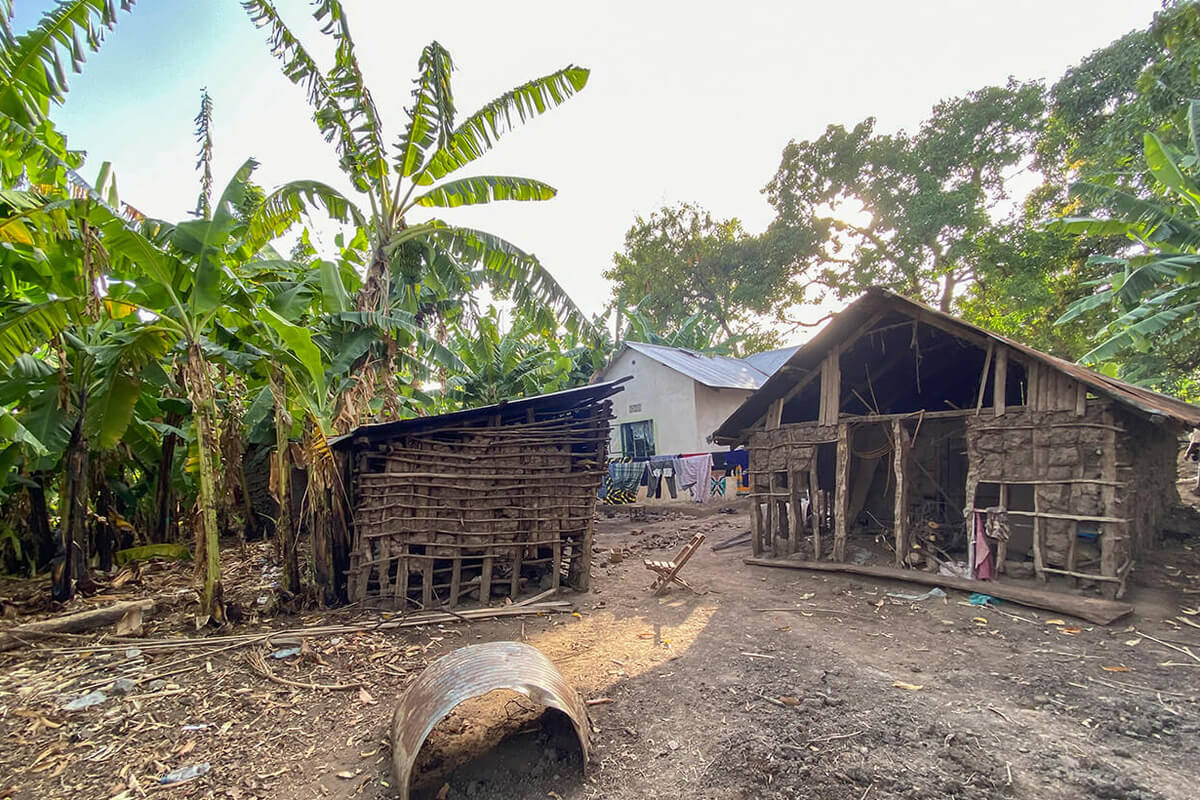
Mto wa Mbu is an interesting town to visit in Tanzania if you are looking for a cultural immersion activity during a safari with an English-speaking safari guide in Tanzania. This former village has grown considerably in recent years and is now a small town of 40,000 inhabitants. However, it is set in a completely rural environment and still keeps a lively yet relaxed atmosphere.
One of the features that makes Mto wa Mbu special is the coexistence of Tanzania’s different tribes: people from more than 120 of the country’s tribes live here. This makes it very interesting to visit the spice, fruit and craft markets.
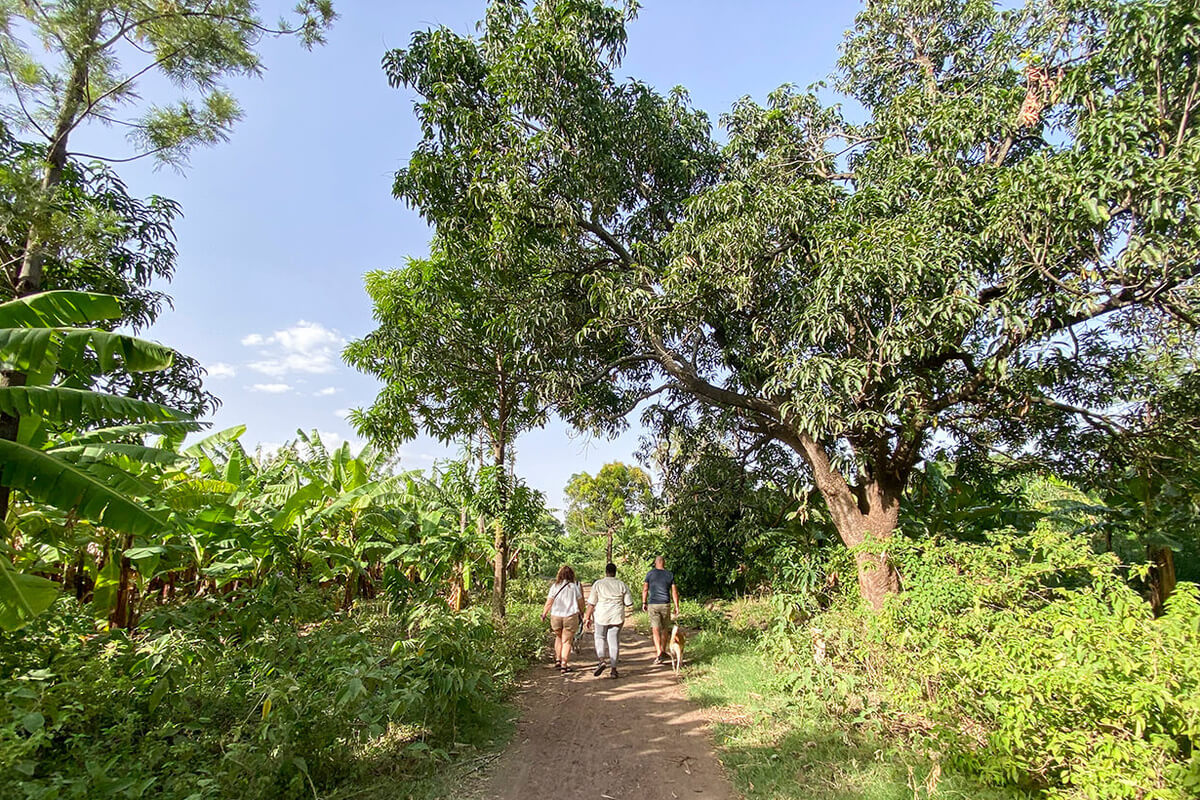
Since you pass through this town on the way from Arusha to the Serengeti, it is sometimes used as an opportunity to stop for a couple of hours and visit its banana plantations with local people. There are more than a dozen spices, and it is fascinating to learn first-hand all the secrets of these plants and how the fruit is used.
8. Lake Natron and the Ol Doinyo Lengai volcano
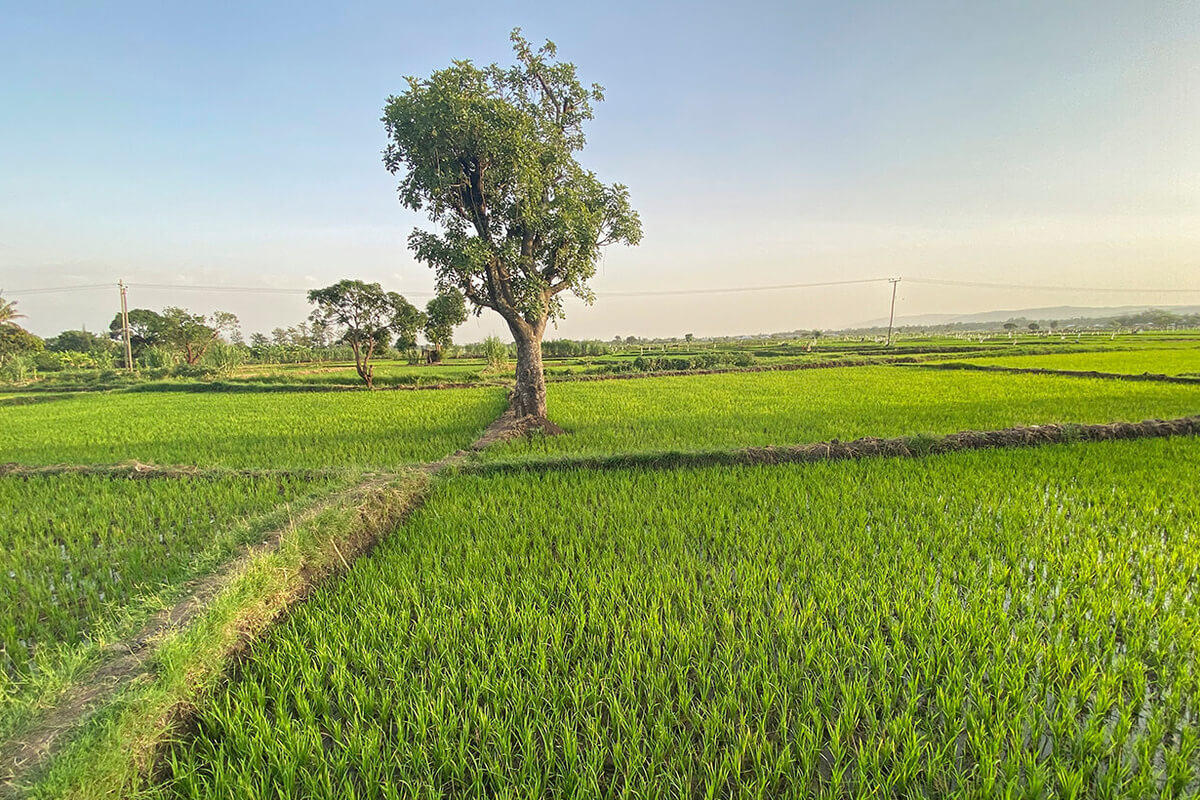
Lake Natron is one of the most surprising places to visit in Tanzania, especially for those looking for unique landscapes and different cultural experiences during a safari. It lies in the north of the country, near the border with Kenya, in a very dry region inhabited only by small Maasai villages.
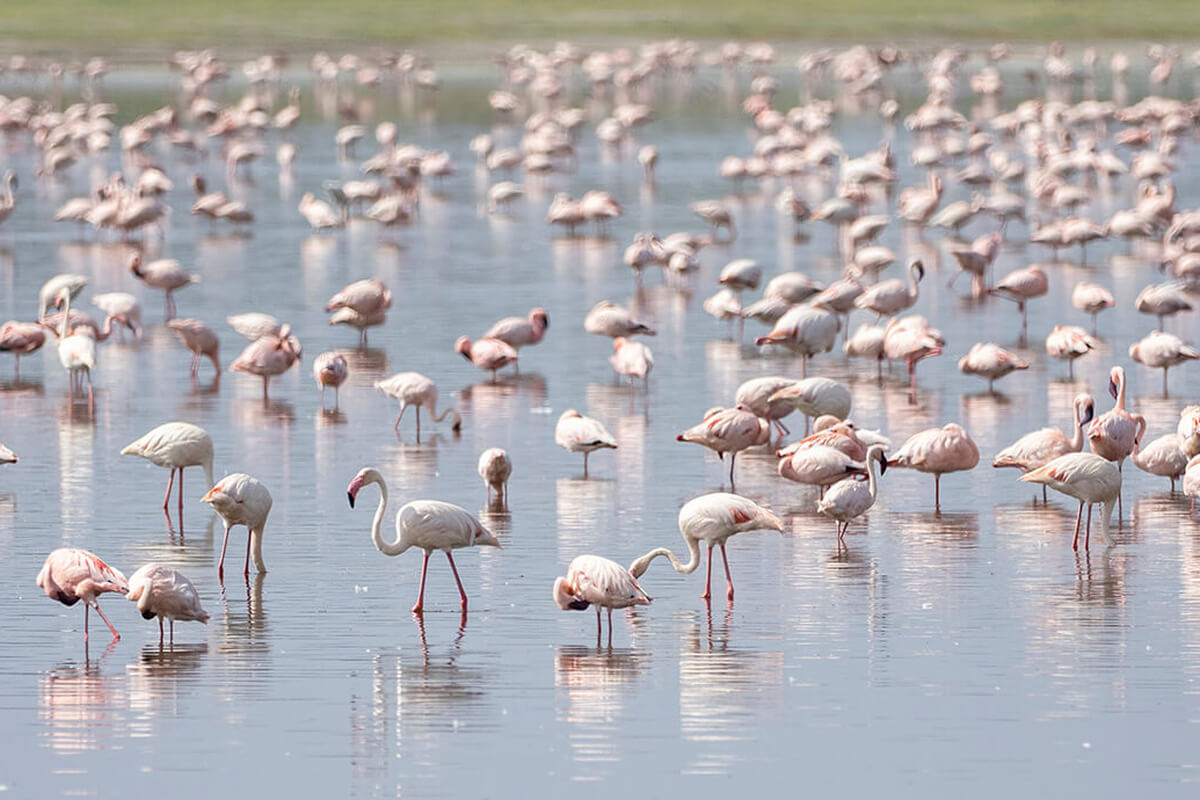
The high sodium and mineral content of this lake makes its waters extremely alkaline and inhospitable to most forms of life, but that does not stop a great variety of birds from being found here, especially flamingos. Near Lake Natron you will also find the Ol Doinyo Lengai volcano, the sacred mountain of the Maasai people. Watching this volcano at sunset or sunrise is already a fabulous experience, but those looking for something more intense can also climb it (a long and demanding route that starts in the early hours of the morning so that you reach the summit at dawn).
|
PLAN YOUR NEXT ADVENTURE Plan Your Dream SafariSave time and enjoy an unforgettable experience with the local operators I have used on my own trips. Fill in the form in under a minute and receive free, no-obligation proposals from the best local operators in Tanzania. |
9. Lake Eyasi
Lake Eyasi is a shallow salt lake about 90 km from the Ngorongoro Crater. Although at some times of year it can be completely dry, between June and November it hosts large numbers of flamingos and other birds, making it a very interesting area for birdwatchers. Besides its natural value, it is notable for the presence of two very distinctive indigenous communities: the Hadzabe, a hunter-gatherer people, and the Datoga, traditionally herders and metalworkers. With the support of a specialist guide, you can make a respectful visit to learn more about their daily life, their language and their bond with the land.
10. Lake Manyara National Park
A few years ago, Lake Manyara National Park was also a regular stop on safaris in the north and a must-see in Tanzania. However, since 2020 the salinity of the lake has increased, and the lake has been gaining ground by flooding the dry land. This has caused a significant drop in the number of birds and has meant that most of the tracks used by 4×4 vehicles, especially in the most interesting areas for wildlife, are now either covered by the lake or very muddy, so they can no longer be used.
So, although the national park is still open and can be visited, the quality of the safaris has declined considerably. That is why it is now preferable to visit Tarangire National Park, which is only a few kilometres away.
11. Things to do in Tanzania: Kilimanjaro
Many mountain and hiking enthusiasts decide to combine a safari in Tanzania with the ascent of the highest and most emblematic mountain in Africa: Kilimanjaro. It is not a climb that is accessible to everyone, but for people who are prepared, it really is one of the best things to do in Tanzania.
When planning a climb of this mountain, there are a few things you need to be clear about:
- There are several ascent routes, ranging from 5 to 8 days. To acclimatise more gradually and reduce the chances of suffering from altitude sickness, the longer ones are recommended. One of the best options is the Lemosho route, which can be done in seven or eight days.
- The trek up Kilimanjaro cannot be done independently; you must go with an agency, and a guide, porters and cooks are compulsory.
- It is a demanding route, above all because of the altitude. You therefore need to be in good physical shape. Also, if you suffer any strong symptom of altitude sickness during the climb, it is important to descend to a lower altitude to ease the symptoms and avoid any serious consequences.
- It is advisable to bring the right equipment for the cold, especially on the final days, when temperatures can drop a lot.
- You also need to book in advance, as places can fill up during the dry season (July to October and December to February), which is when conditions for the climb are best.
If you want to see Kilimanjaro National Park without making the ascent, you can also take routes through the lower slopes of this national park lasting one or two days.
Things to do in Tanzania: the highlights of the south
Although it is a less common option and, in my view, less advisable for a first independent trip to Tanzania, there is also a group of very interesting national parks in the south of the country. The best option is to take safaris of between seven and ten days, to explore the whole area and have a better chance of seeing the animals that are hardest to find.
The most interesting places to see in southern Tanzania are the following:
13. Nyerere National Park
For travellers who really want to experience a wild and inhospitable area, Nyerere National Park is one of the highlights of Tanzania. It is the largest national park in Africa, with an area of more than 30,000 km², and forms part of the former Selous reserve complex.
This national park is bathed by several rivers and lagoons, and most of the wildlife is concentrated around the water points. Along the rivers there are large numbers of hippos and crocodiles, and it is also common to see elephants bathing or drinking. In fact, the chance to go on boat safaris is very interesting, as it gives you a very close view of this wildlife.
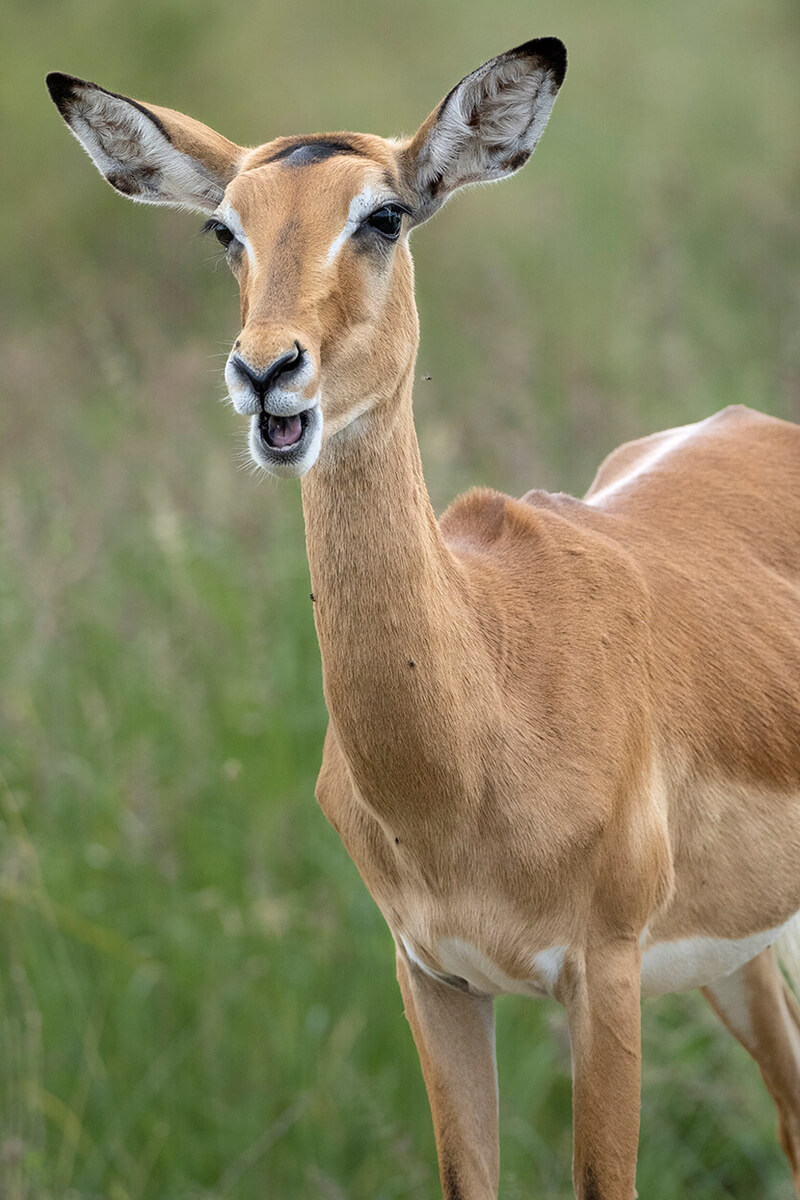
During 4×4 safaris you can easily see elephants, giraffes, buffalo and a great variety of antelopes. However, spotting predators is harder. The most common cats are lions, but even so they are not always easy to find. You can also sometimes see African wild dogs, as this is one of the few places in Tanzania where you can watch these fascinating canids.
Bear in mind too that the low number of tourists in the interior of this park means that most animals are not used to the noise and presence of vehicles. For this reason they sometimes tend to move away from the cars, making long sightings of certain species somewhat more difficult.
14. Mikumi National Park
Mikumi National Park borders Nyerere National Park to the south, so both parks are part of the same ecosystem and the animals you can see are the same.
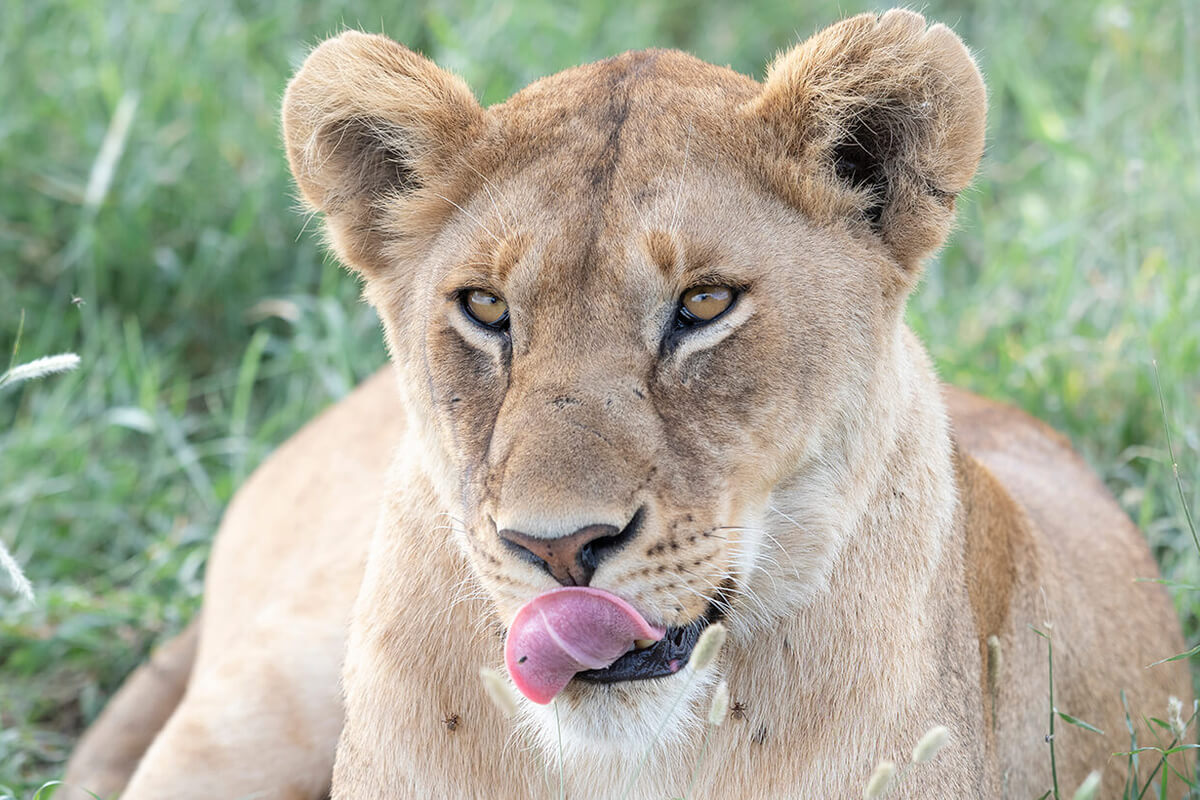
Across this conservation area there are zones of denser vegetation, where wildlife sightings can be harder, alongside open savannah plains reminiscent of the Serengeti landscapes. This is where lion sightings are most common, especially in the early morning and late afternoon.
15. Ruaha National Park
Ruaha National Park is another wild park in southern Tanzania, but one where you can also enjoy top-quality safaris, especially during the dry season (June to October).
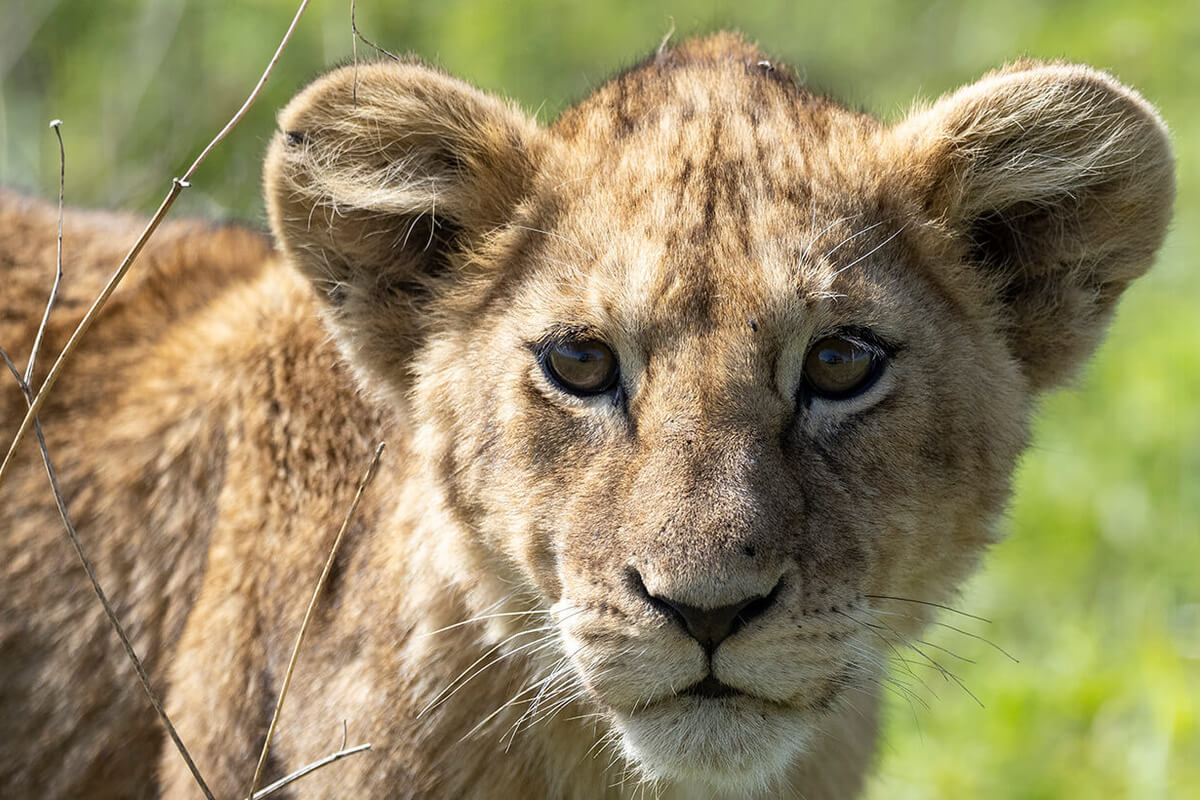
It is true that finding animals, especially predators, can be harder than in northern Tanzania. But few feelings compare with being completely alone watching a pride of lions or a pack of African wild dogs. That is why some people decide to travel all the way to this park, which is one of the great emblems of what to see in southern Tanzania.
16. Udzungwa Mountains National Park
The mountainous Udzungwa Mountains National Park, about twenty minutes from Mikumi National Park, is also one of the places to visit in Tanzania, above all for combining safaris with other activities. To get to know this national park you have to explore it on foot, but there are different trekking routes suited to visitors’ levels. All excursions are made accompanied by a park ranger.
Apart from the scenic beauty of these mountains, which are covered in lush jungle vegetation, one of the park’s great emblems is the Udzungwa red colobus, a highly threatened primate species endemic to these mountains. The Sanje Waterfall, with a drop of 170 metres, is also particularly notable.
Want to see the north and the south in one trip?Tell us your dates, your interests and how many days you have, and local operators will put together a route tailored to you, with direct prices and no middlemen. No obligation. ✓ Personalised safari itineraries |
17. Things to do in Tanzania: Zanzibar highlights
If you want to combine a safari with a few days at the beach, the island of Zanzibar becomes a must among the things to do in Tanzania. This paradise island in the Indian Ocean is known for its white-sand beaches and turquoise waters, but also for its rich history and culture, the result of a blend of African, Arab and Indian influences. It is an ideal place to rest after a safari, but also to discover markets, spices and traditional architecture, and to enjoy activities such as snorkelling or diving.
Some of the island’s top spots are:
- Stone Town: The historic heart of Zanzibar, with narrow alleyways, spice markets and architecture influenced by Arab and colonial styles.
- Secret Island: A hidden islet surrounded by crystal-clear waters, perfect for relaxing in an exclusive setting.
- Mnemba Atoll: One of the best places for snorkelling and for sailing among dolphins in transparent waters.
- Paje: A coastal village very popular with surfing and kitesurfing fans, with a long beach and a relaxed atmosphere.
- Blue Lagoon: A small, intensely coloured lagoon, ideal for swimming and snorkelling among corals.
- Kae Beach: One of the best beaches for enjoying the sunset, with bars and live music by the sea.
18. One last secret in Tanzania: Gombe National Park
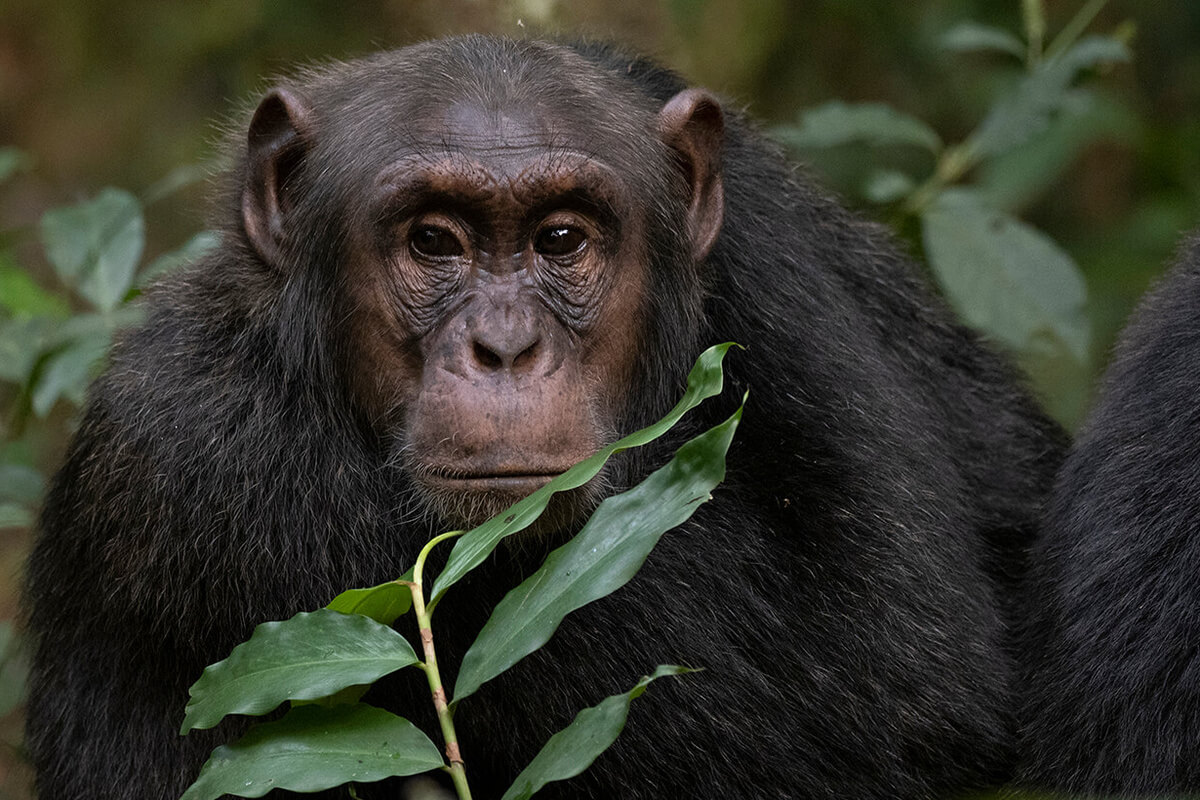
Although it is not one of the most touristy places to visit in Tanzania, I did not want to end this list without mentioning that Tanzanian lands also have jungle areas where you can see wild chimpanzees. Many people decide to travel to Uganda on a self-drive safari to see these fascinating primates, but when preparing an itinerary for Tanzania it is worth bearing in mind that you can also go chimpanzee trekking there.
The best-known place to see chimpanzees in Tanzania is Gombe National Park, the land where Jane Goodall began her research on these primates. The reason the park does not receive a large number of visitors is its distance from the country’s other tourist spots.
To reach Gombe National Park you need to fly to the city of Kigoma (there are direct flights from Arusha and also from Dar es Salaam) and then take a boat journey of between one and two hours. It is a long crossing, but it takes you into one of the most extraordinary forests in East Africa.
|
SAFARIS BY LOCALS Customise your Tanzania safari with the best local operatorsIf you want a personalised safari in Tanzania, I can connect you with trusted local operators who will send you a proposal based on your interests. Just complete the form and, depending on the type of safari you are looking for, I will put you in touch with the most suitable ones. I will also be on hand to answer any questions you have throughout the planning process. An easy, affordable way to organise your safari. |
Map of the things to do in Tanzania
If you want to locate the different national parks and other places I have mentioned in this post, this map showing all the top places to see in Tanzania may be very helpful:

