5-day safari itineraries in Tanzania are among the most popular options. They let you discover the most iconic national parks and ecosystems in Tanzania, with the chance to see Africa’s great mammals in the wild, and without the cost of the trip shooting up. If you have more time or a bigger budget, it is always advisable to choose a slightly longer itinerary (seven to ten days is ideal), but if not, 5 days is enough for an unforgettable experience.
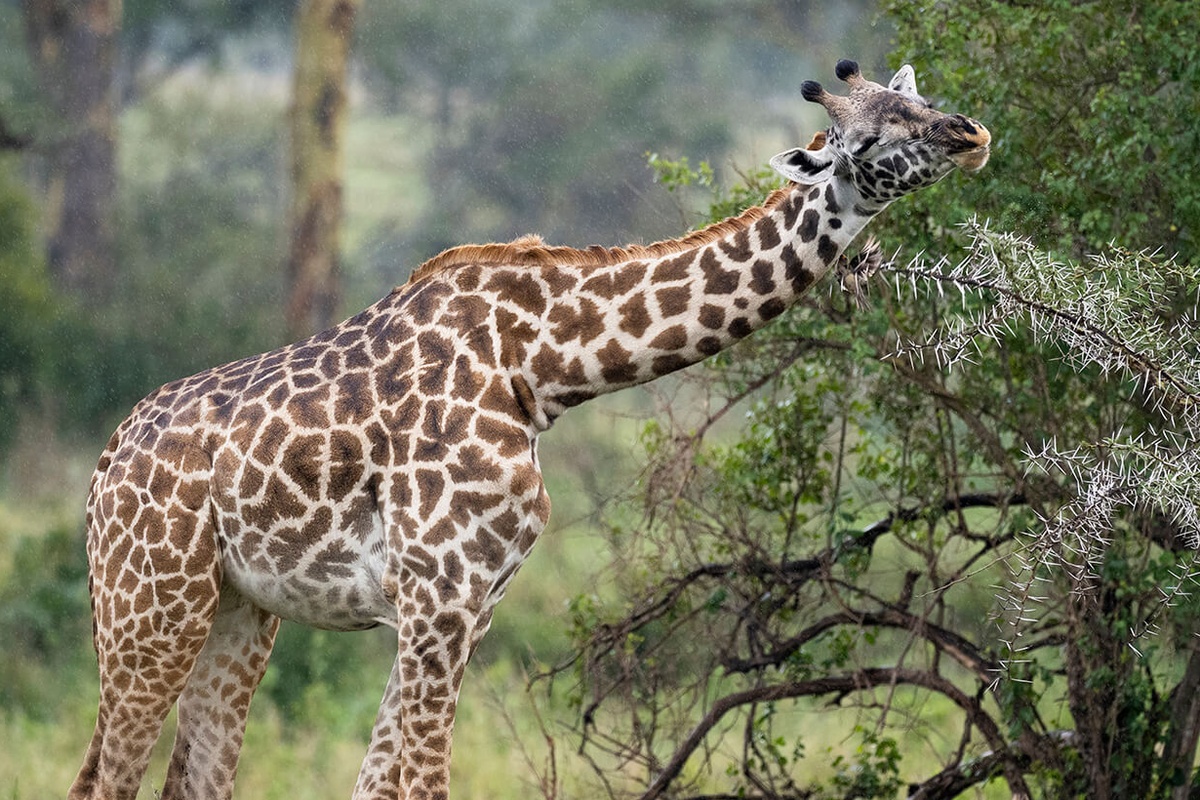
With a well-designed route, on a safari of 5 days in Tanzania you will most likely see lions, cheetahs, leopards, elephants, giraffes, buffalo and a variety of antelope species. With a bit of luck, you can also see black rhinos in Ngorongoro Crater. So it is possible to see the legendary Big Five.
[ez-toc]
Tanzania Safari 5 Days: Four Different Itineraries
1. Classic 5-Day Northern Tanzania Itinerary
Northern Tanzania is home to the national parks with the highest density of animals, which is why safaris there tend to be the most spectacular. In particular, three of the parks are among the best places on the planet to go on safari:
- Serengeti National Park
- Ngorongoro Crater
- Tarangire National Park
This classic 5-day itinerary through northern Tanzania lets you focus on these three places, so you can enjoy top-quality safaris on every single day.
Day 1: A First Safari in Tarangire National Park
Safaris in northern Tanzania usually start in Arusha, and from there the drive to the entrance of Tarangire National Park takes a little over three hours. This means you normally reach the park between ten and eleven in the morning.
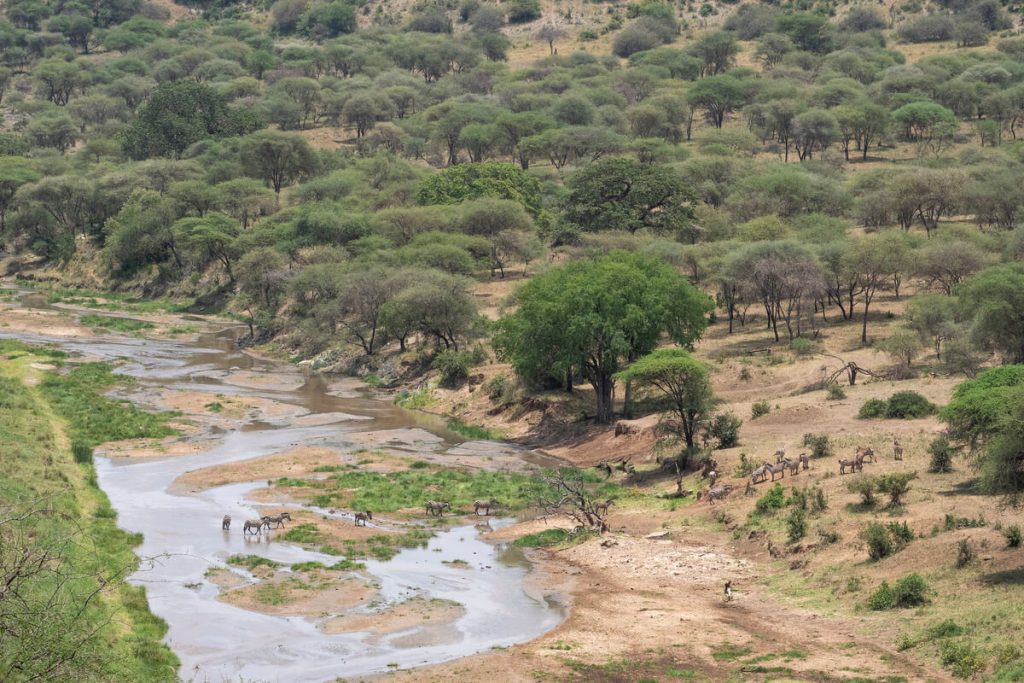
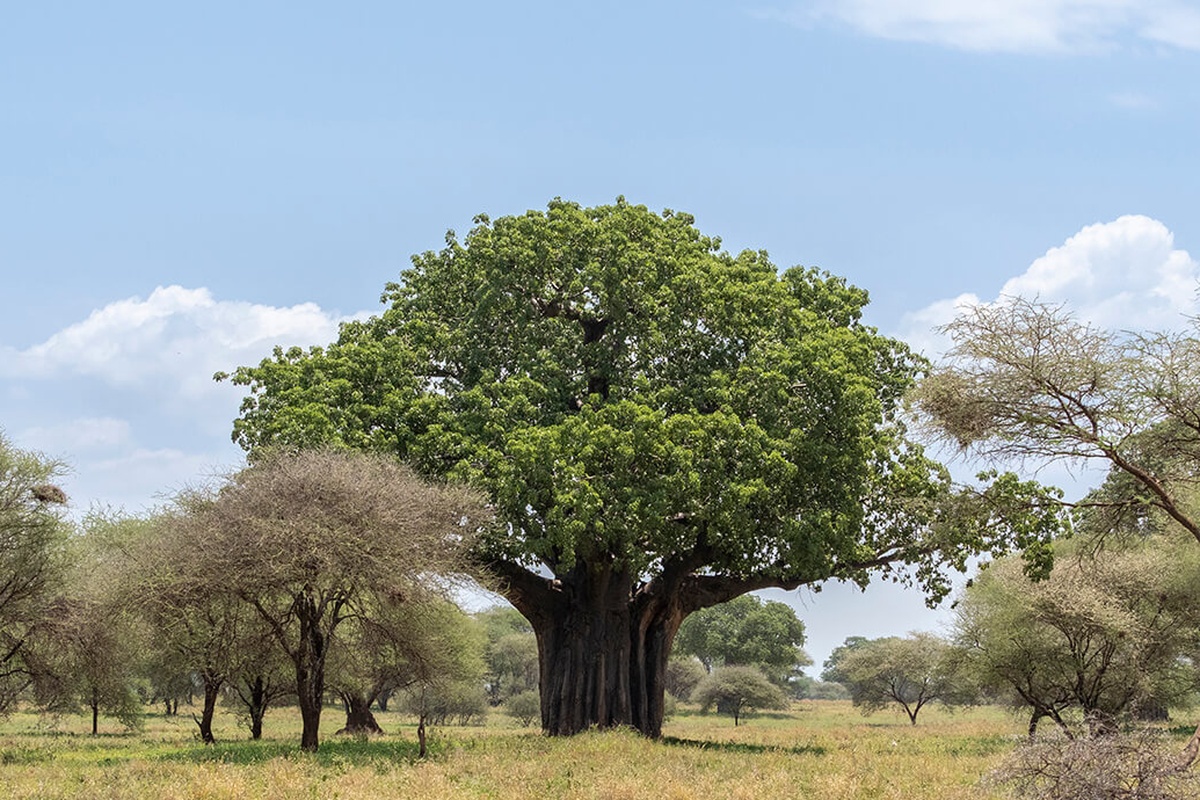
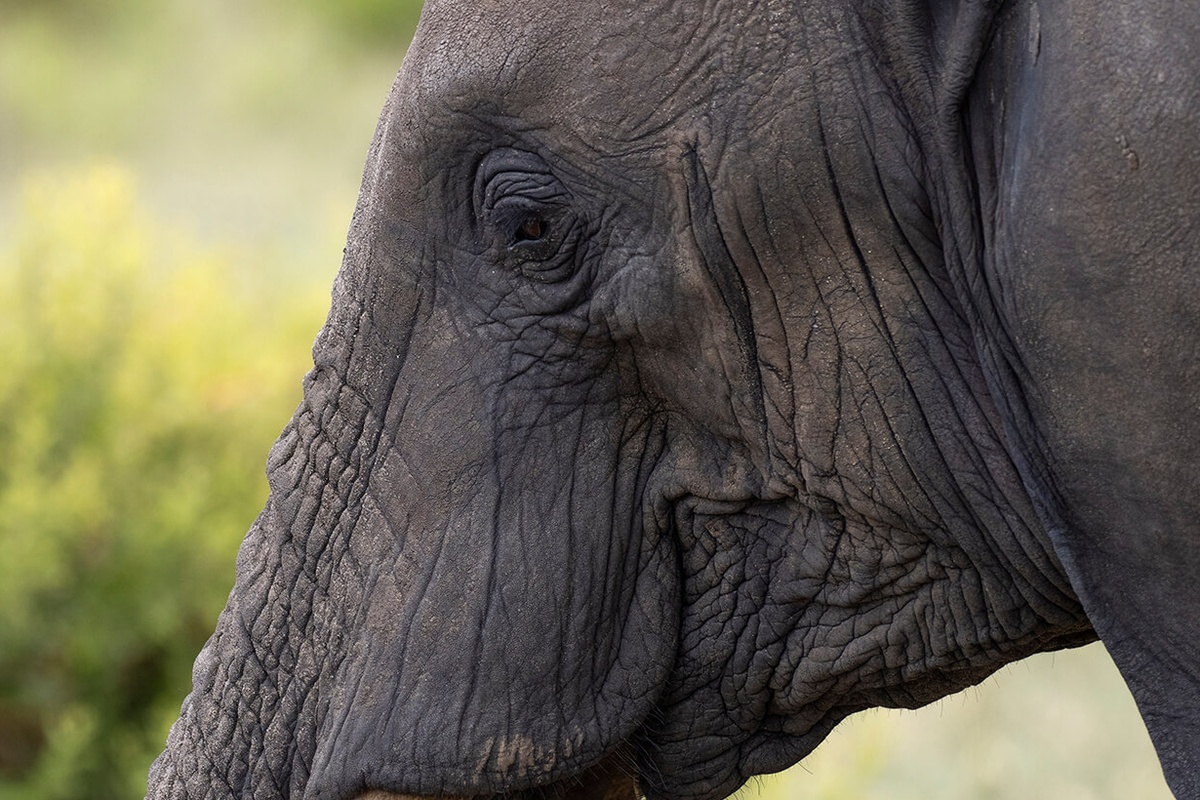
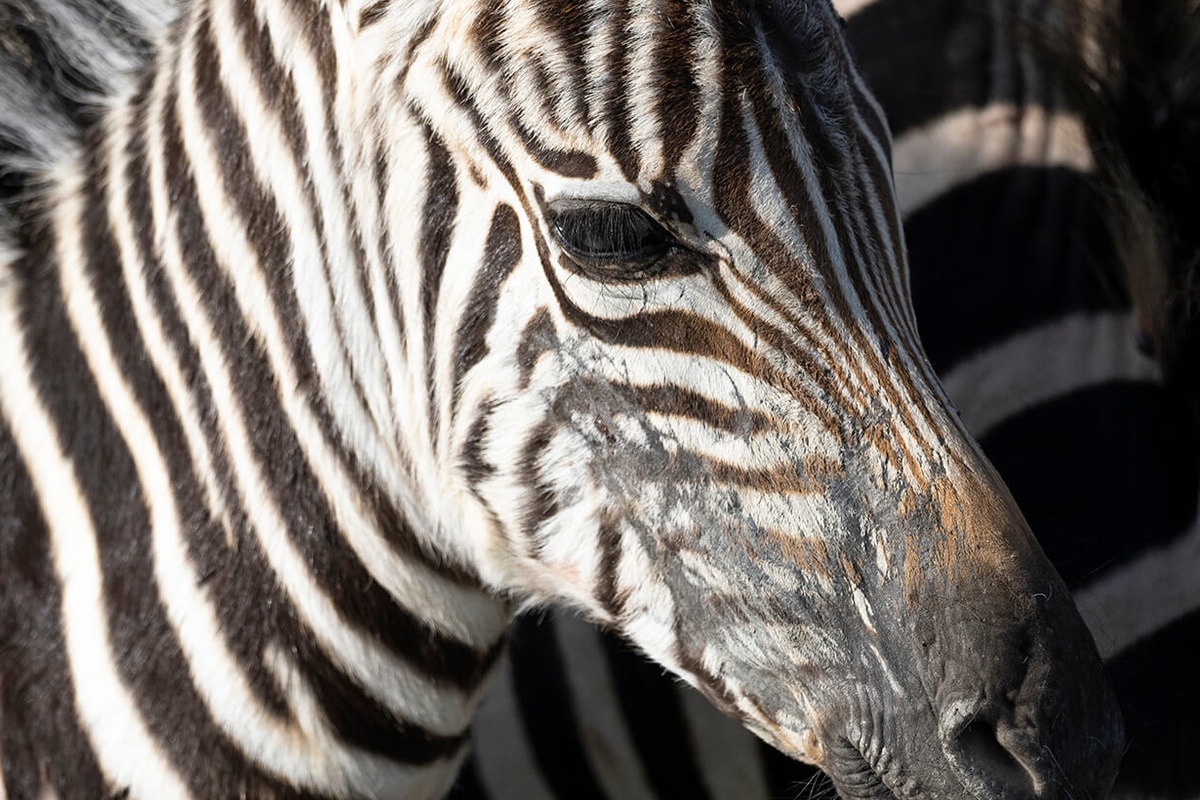
Entering Tarangire National Park is the first safari experience for a lot of people. And the first few minutes are always very exciting. It doesn’t usually take long before the first zebras, wildebeest or impalas appear. And it is also common not to have to wait many more minutes before you find your first elephants, the real stars of this national park.
The concentration of elephants in Tarangire is surprisingly high from June to October (the dry season), but they can easily be seen all year round. There are also chances to spot lions, leopards or cheetahs. To me, it is a fascinating park. To find out more about this park and my safari experience there, you can read my Tarangire safari guide.
After about two hours of safari, the best thing to do is have a picnic inside the park and then carry on with the safari during the afternoon, until four o’clock. Since this 5-day Tanzania safari itinerary is fairly condensed, it is advisable to finish the first day with a long hour in the car to Mto Wa Mbu or Karatu. These two towns are on the way to the Serengeti, which helps shorten the long drive on the second day of the safari.
Free quote
Want a Tanzania safari of 5 days? Get it priced
Tell us when you want to travel, which parks interest you and your budget. You will receive a free, no-obligation proposal for your Tanzania safari of 5 days from local operators, without intermediaries.
Day 2: Entering the Central Serengeti
Serengeti National Park is one of the wildest and most unspoilt parks you can visit in Tanzania. It protects an area of almost 13,000 km², and it is also surrounded by the Ngorongoro Conservation Area, which covers more than 8,000 km². This makes the journey there a long one, but the reward is enormous.
For this reason, the second day of this safari involves a long drive. It is therefore worth starting the day early, leaving Mto Wa Mbu or Karatu at around seven in the morning. After about forty-five minutes by car from Mto Wa Mbu (twenty minutes from Karatu), you reach Lodoare Gate, the entrance gate to the Ngorongoro Conservation Area, the region you have to cross to reach the Serengeti.
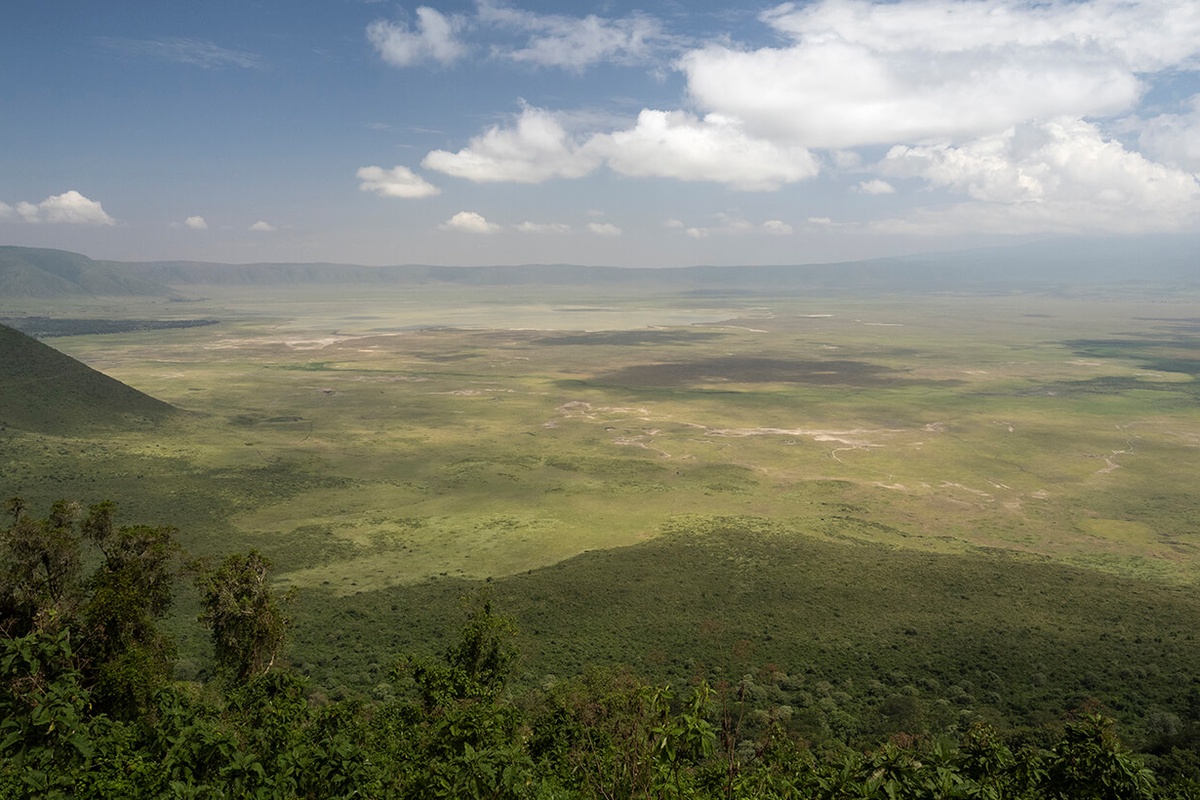
Once you enter this conservation area, the road becomes much more winding and a 4×4 is essential. Guides always joke that this road gives you a pleasant African massage, as the car shakes constantly. But it’s worth staying awake, because the scenery is wonderful from the very start. First you pass through a very forested area, at about 2,000 metres above sea level, and then you reach a panoramic viewpoint over Ngorongoro Crater.
After that, the road begins a steep descent until you reach a savannah ecosystem, the classic Serengeti landscape. From then on it is common to see giraffes, zebras, Thomson’s gazelles, impalas, buffalo… However, it is best not to linger too long, as there is still a long way to go to the Serengeti.
In total, the whole stretch from Lodoare Gate (the entrance to the Ngorongoro Conservation Area) to Naabi Hill Gate (the entrance gate to Serengeti National Park) takes between three and four hours.
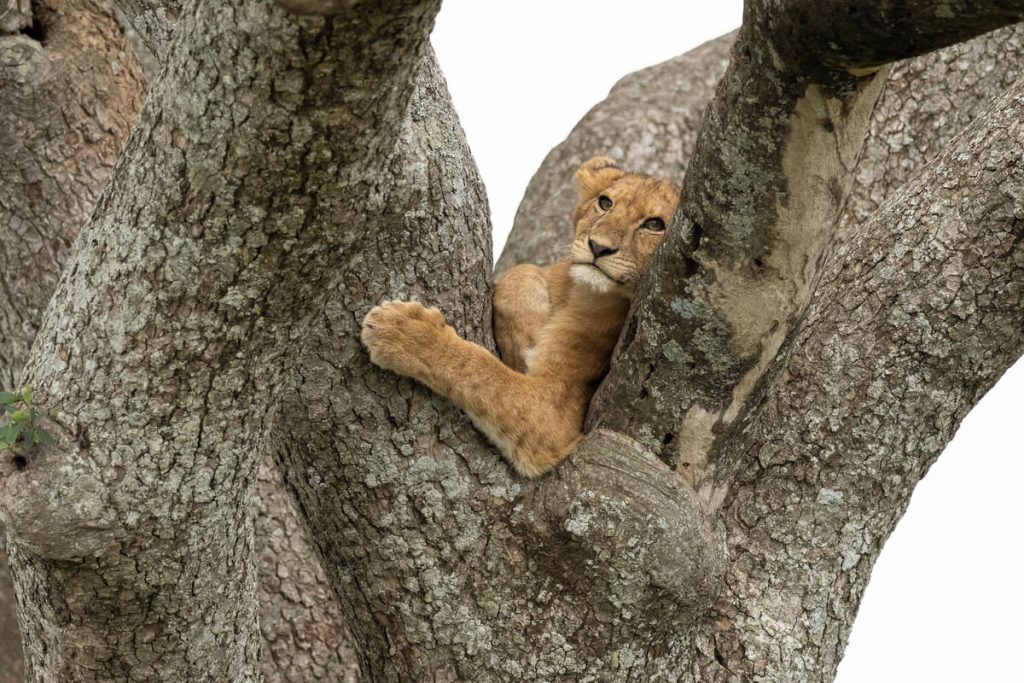
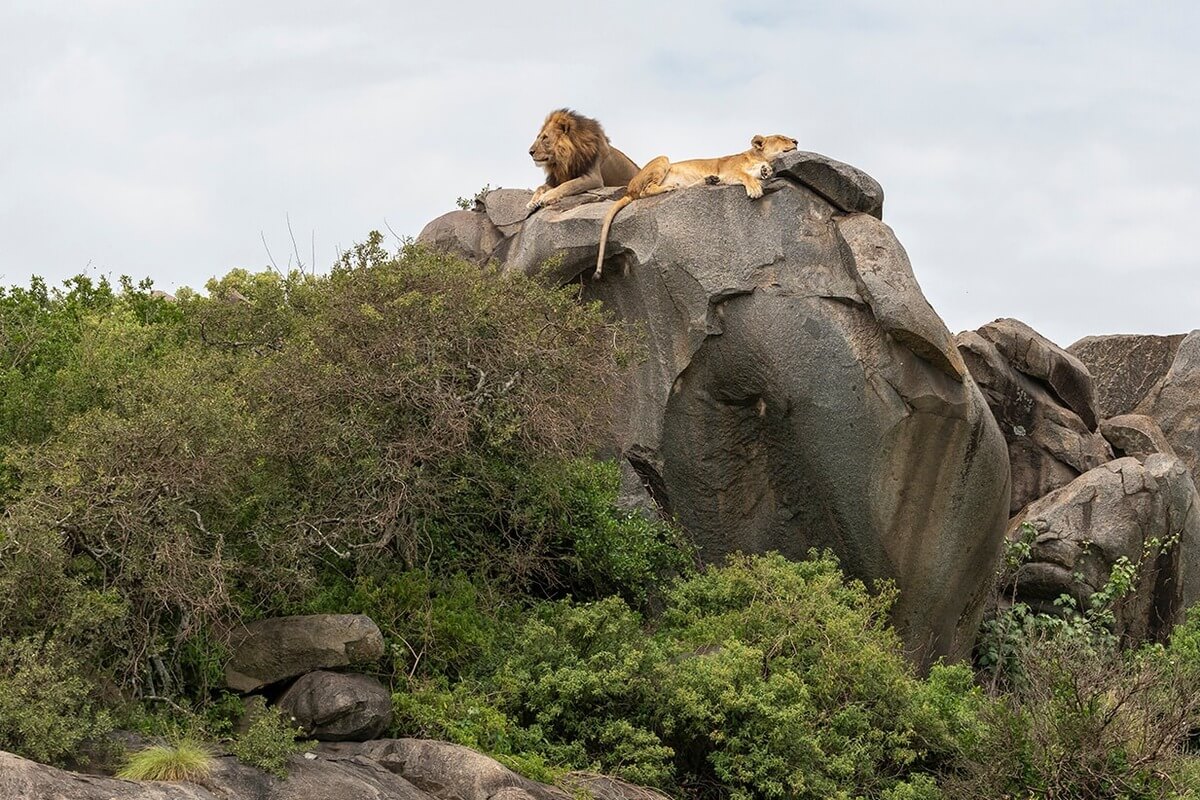
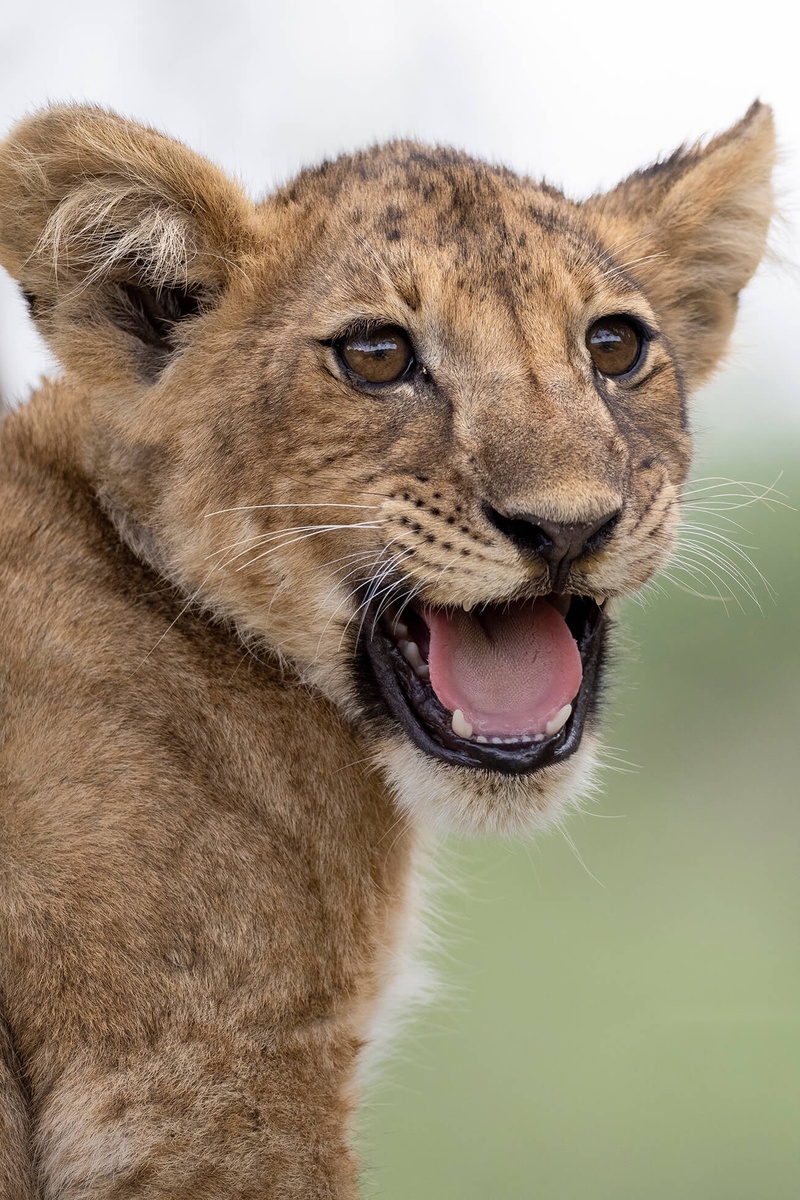
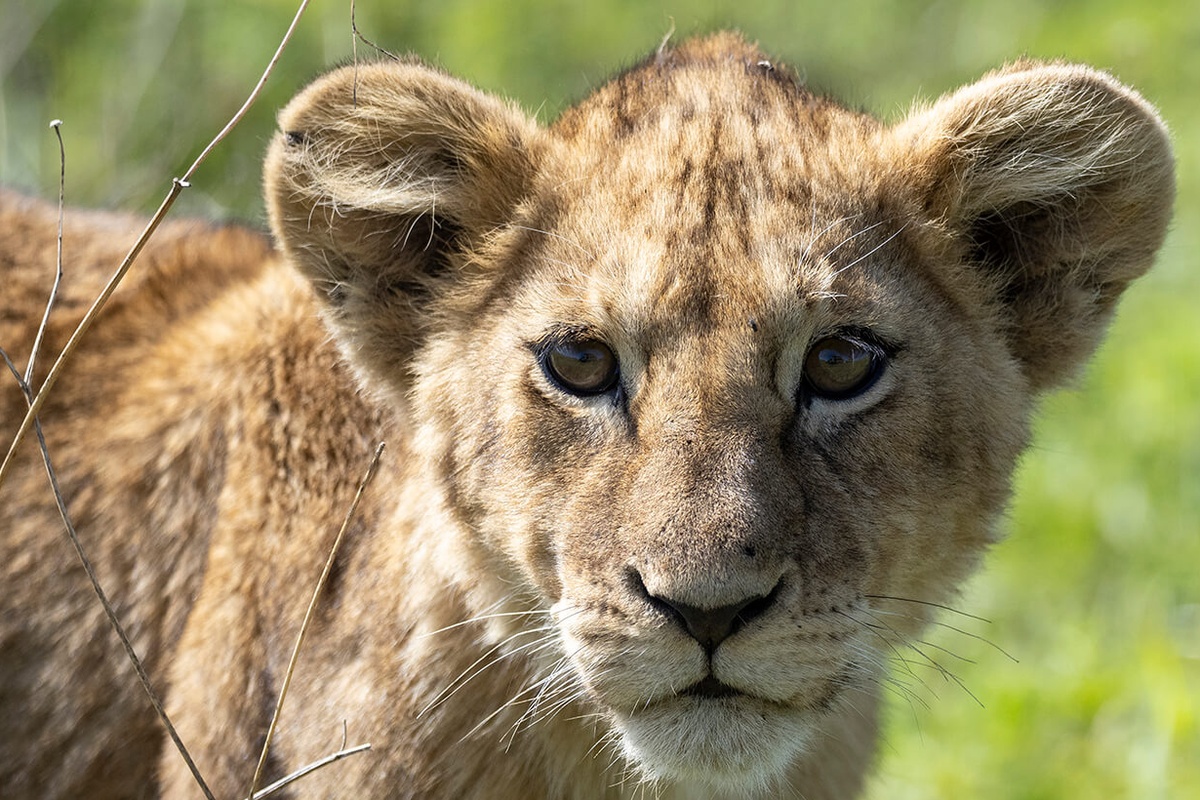
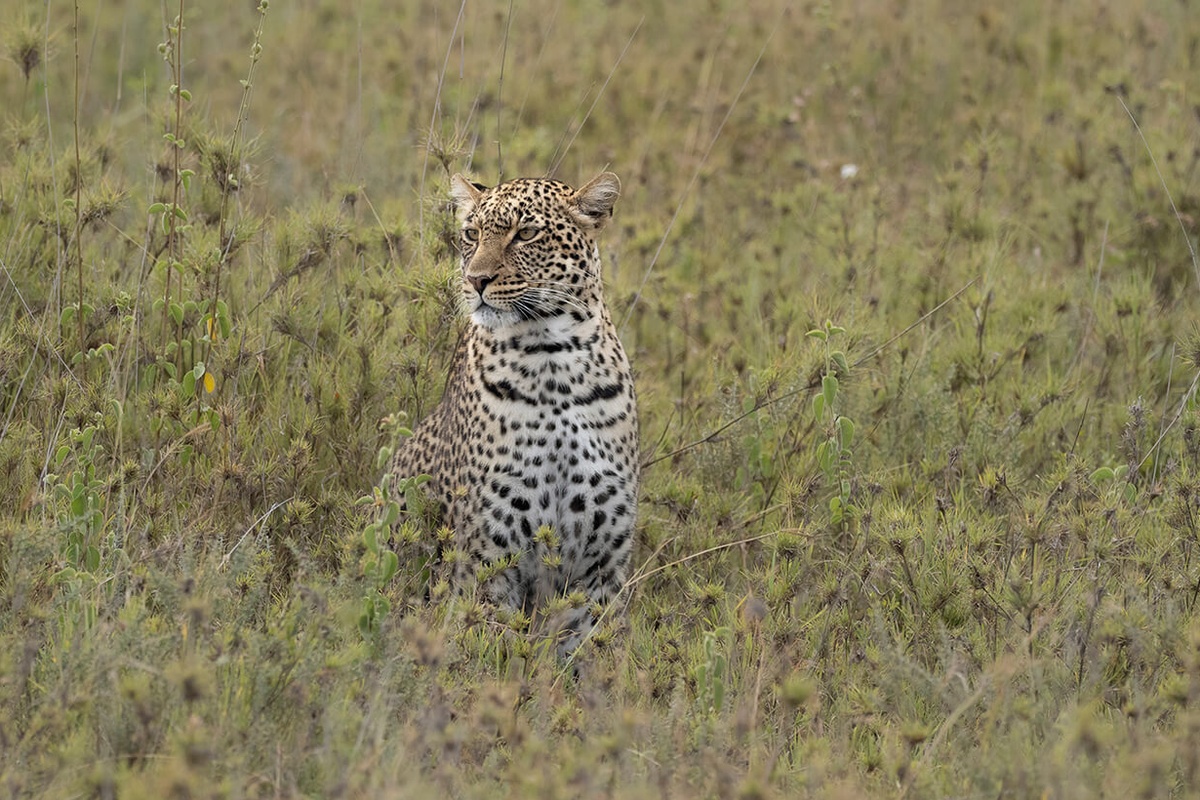
Once inside Serengeti National Park, and especially when you reach the central Seronera area, the real show begins. The savannah landscape is mesmerising, but its true stars are the animals. The Serengeti has a very high density of predators, partly thanks to the abundance of herbivores. That is why it is very common to see lions, but also cheetahs and leopards.
On the second day, you will usually have time in the afternoon to go on safari through the best areas of the Central Serengeti. It is an experience that is hard to forget. If you want to know more, you can find further information and my own experience in my Serengeti safari guide.
Day 3: A Full Day of Safari in the Serengeti
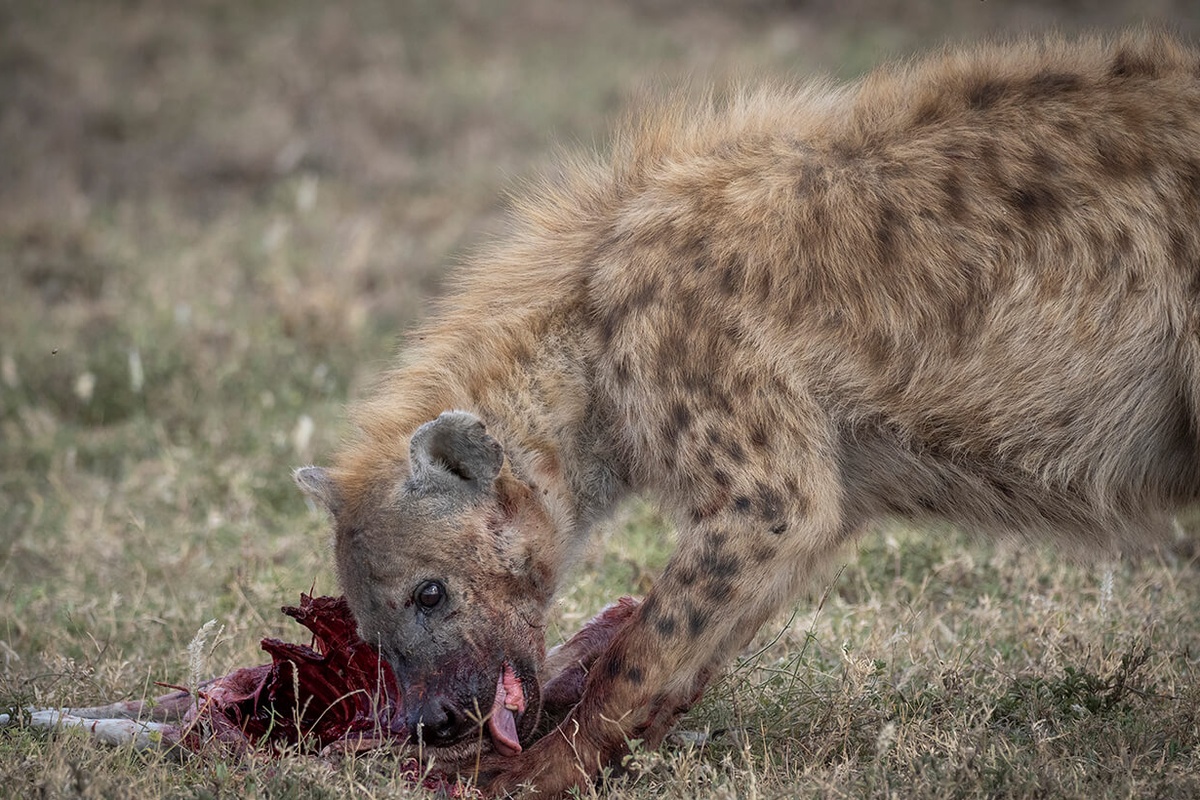
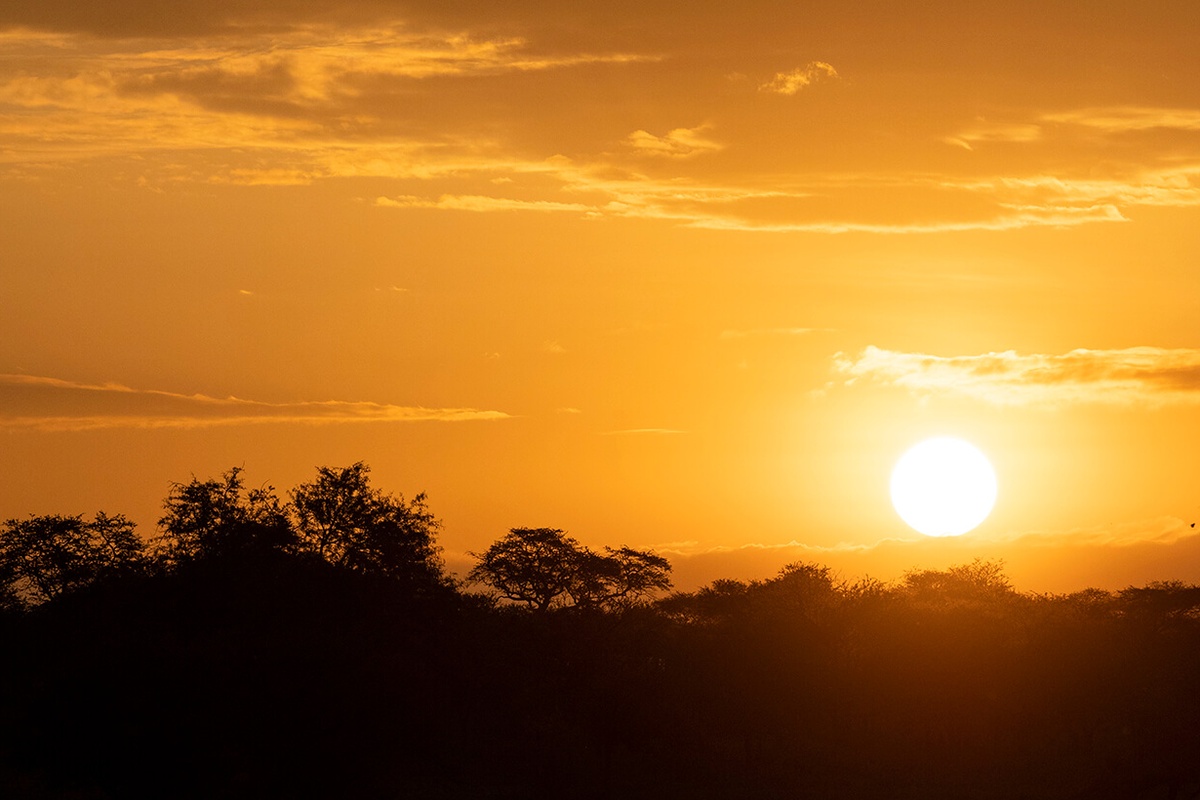
Having a full day to enjoy the Serengeti is wonderful. If you are going with a guide, which is the most common way of doing this 5-day safari in Tanzania, I recommend telling them that you want to start early so you can watch the sunrise during the safari. As well as being a magical moment, dawn is the ideal time to see predators (lions, leopards, cheetahs and hyenas) on the move; and with luck you might witness some action.
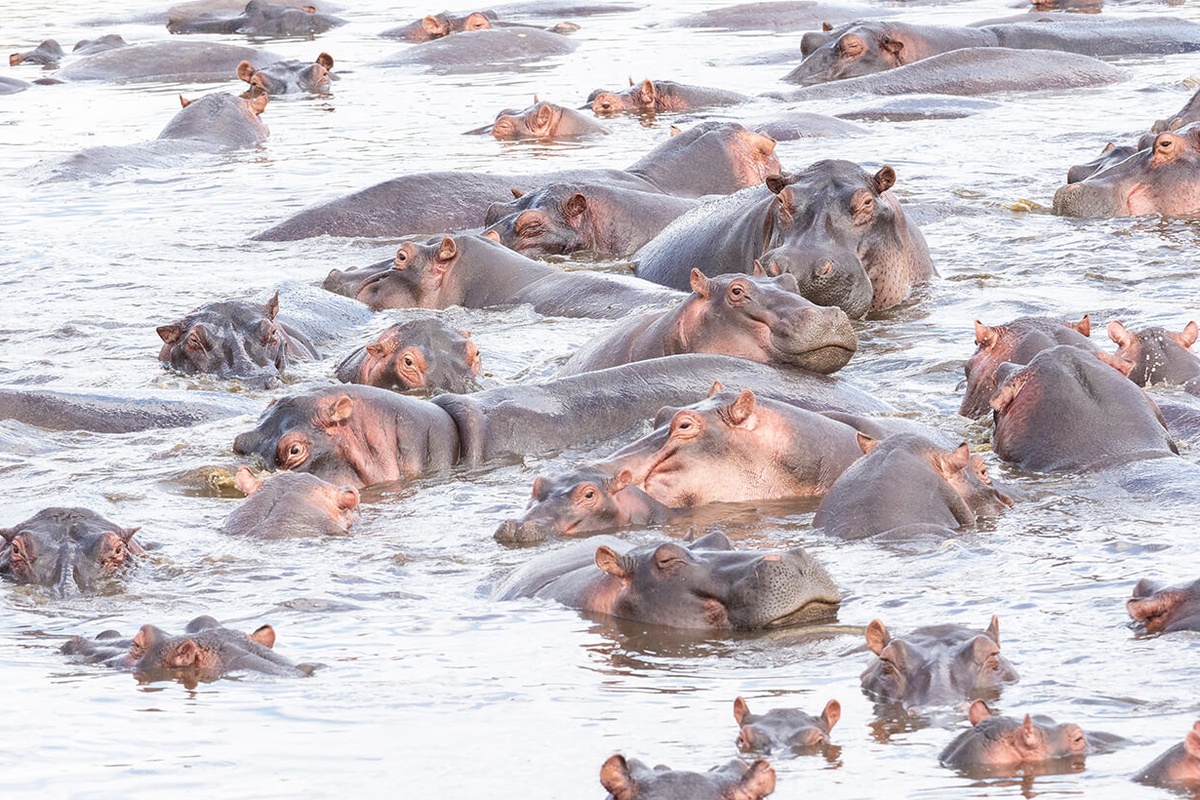
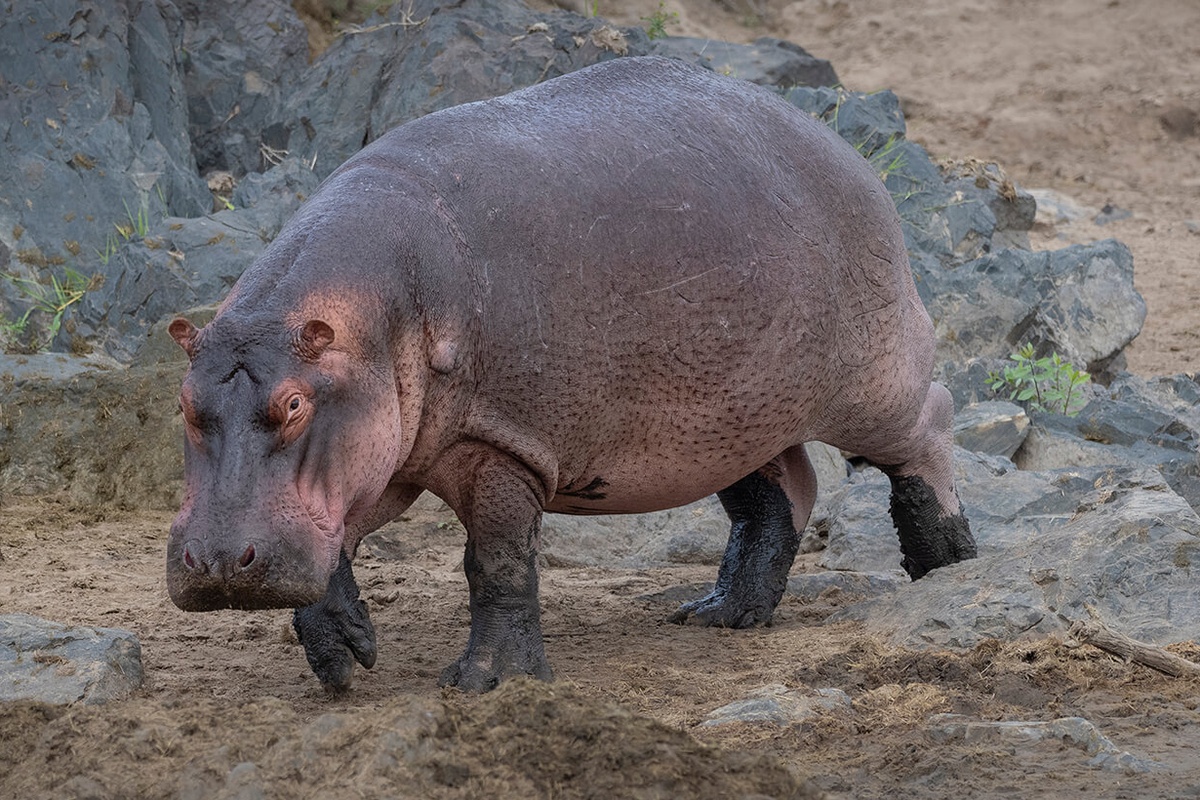
The first hours of the morning are usually very active and the sightings are wonderful. Later, as it gets hotter, activity starts to die down. That is a good time to visit the Serengeti’s natural pools, where hippos are the big stars. It is great fun to watch and photograph these curious, noisy mammals.
Since the Serengeti is huge, during the day you can visit very different areas, taking different tracks. This is why it is usual to have a picnic lunch, so that you can explore without rushing and without having to go back to your lodge or camp to eat.
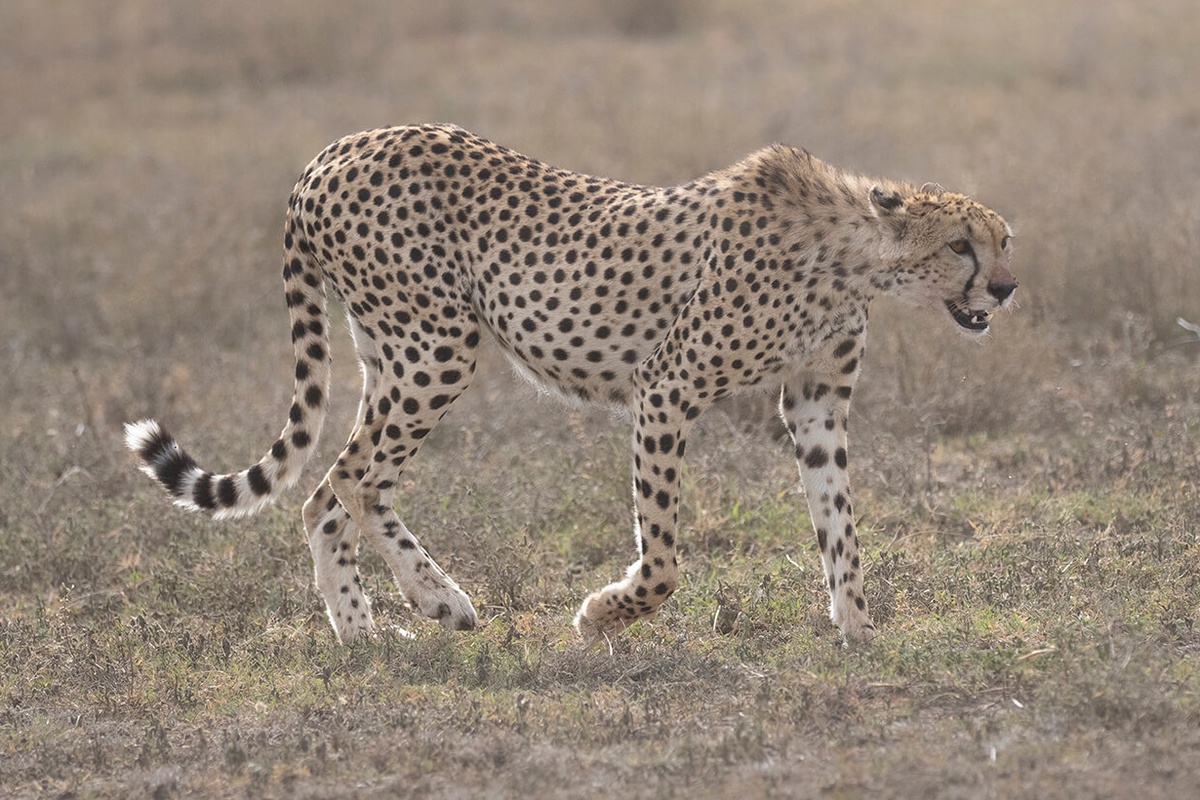
The afternoon, especially when the temperature starts to drop, is also an ideal time of day to look for the Serengeti’s big cats.
Day 4: From the Serengeti to Ngorongoro Crater
The fourth day of this safari also begins in the heart of the Serengeti. You can normally make the most of the morning to go on one last safari in this spectacular area. Once again, it is best to get up early so you can start the safari a few minutes before sunrise.
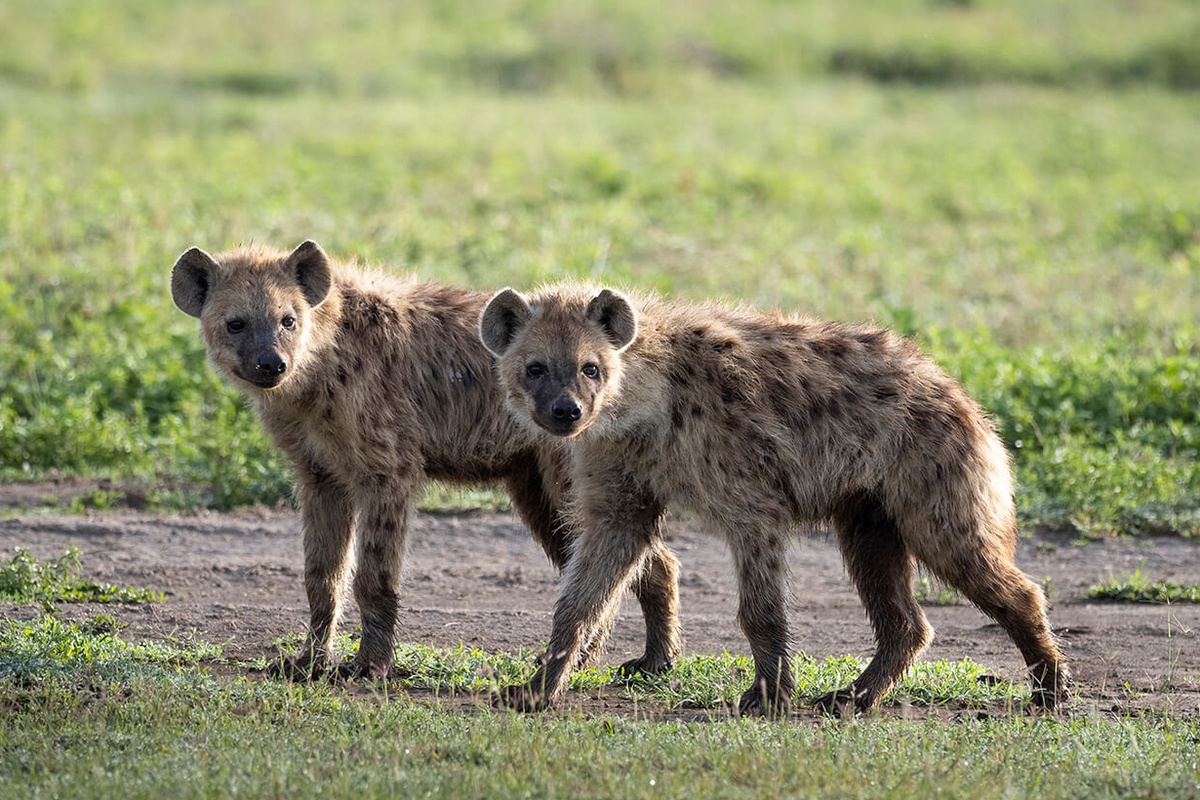
At mid-morning, it is time to begin the journey back. In particular, the drive from the Seronera area of the Serengeti to Ngorongoro Crater takes about four hours. The route is the same as on the way out and, once again, you can keep seeing plenty of animals along the way.
Day 5: The Magical Eden of Ngorongoro
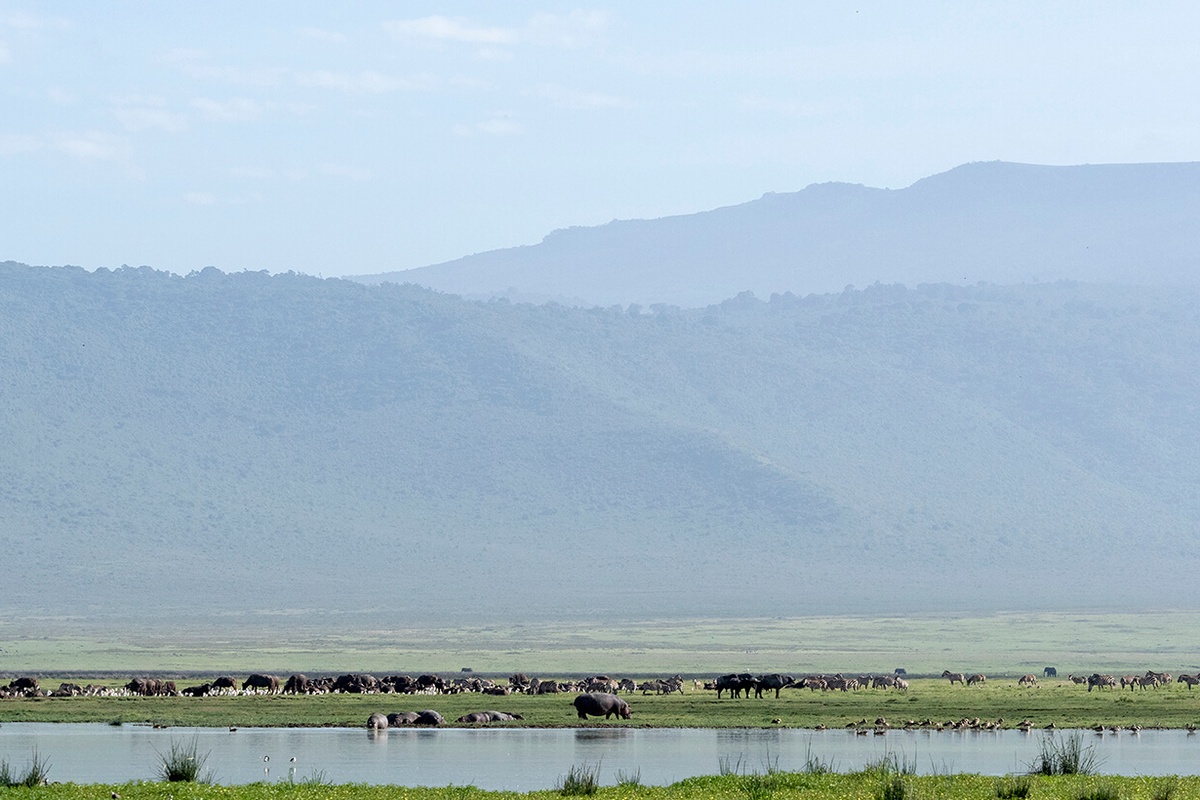
The last day of this classic 5-day safari in Tanzania ends with a morning exploring the inside of Ngorongoro Crater. This enormous caldera, 20 kilometres across, is the habitat of more than 25,000 animals of many different species, which live there all year round. It is one of the best areas for safaris in Tanzania at any time of year, and one of the few places where it is relatively common to spot the black rhino. Lion sightings are also frequent, and lately it is not unusual to see servals, a small African wild cat that is quite difficult to find.
After about four or five hours of intense safari, it is time to leave Ngorongoro Crater and begin the return to Arusha, which marks the end of this experience, as intense as it is unforgettable.
How Much Does This Classic Tanzania Safari Cost?
This 5-day safari itinerary through northern Tanzania is one of the most popular, so there are options for every budget.
On the one hand, you can go on group safaris (six to seven people per vehicle) and sleep in tents at campsites inside the national parks. It is a fairly basic type of safari, but all the operators have plenty of experience and are very well organised. If you book through a local operator, an itinerary like this one in a group costs between USD 1,000 and 1,200 per person, depending on the time of year and the operator.
If you would like to do this itinerary privately and sleep in accommodation with a private bathroom, a proper bed and many more comforts, then I also recommend organising it with a local operator. It is the cheapest option because you avoid intermediaries. A private safari like this one, for two people, can cost around USD 2,000 per person (although the price can vary depending on your choice of accommodation and the tourist season).
The classic northern route
Tarangire, Serengeti and Ngorongoro: want this route?
Send us your dates and budget and we will adapt the classic northern Tanzania itinerary to you, with local operators.
✓ Local operators, no intermediaries
✓ Route adapted to your dates and budget
✓ Free, no obligation
2. 5-Day Tanzania Safari: A Photography Itinerary to See the Calving Season
Unlike the previous itinerary, a classic circuit that can be done at any time of year, this 5-day Tanzania safari proposal takes you to a very specific area of the north of the country where, for a couple of months a year, a unique phenomenon takes place. It is an itinerary I recommend above all to photography enthusiasts.
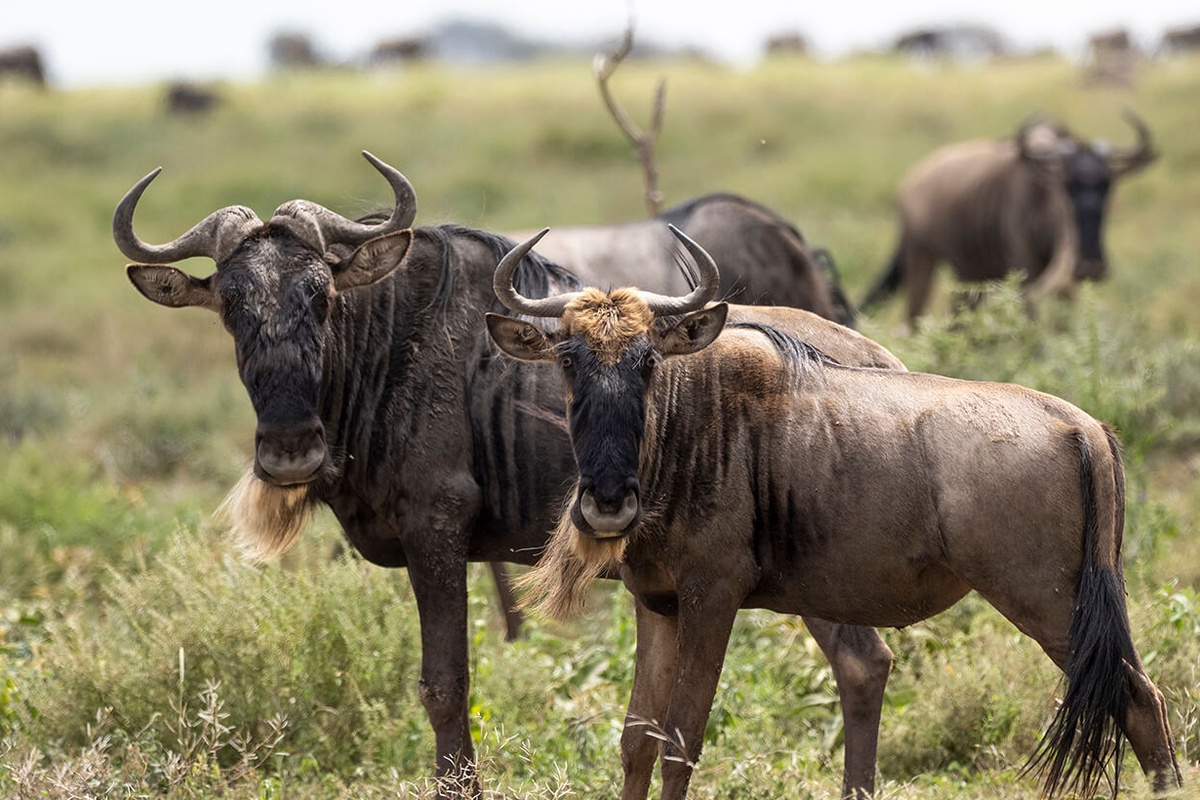
Specifically, this route is designed to witness the calving season, the time of year when the great wildebeest migration moves to the south of the Serengeti to give birth. Between January and February, half a million wildebeest calves are born.
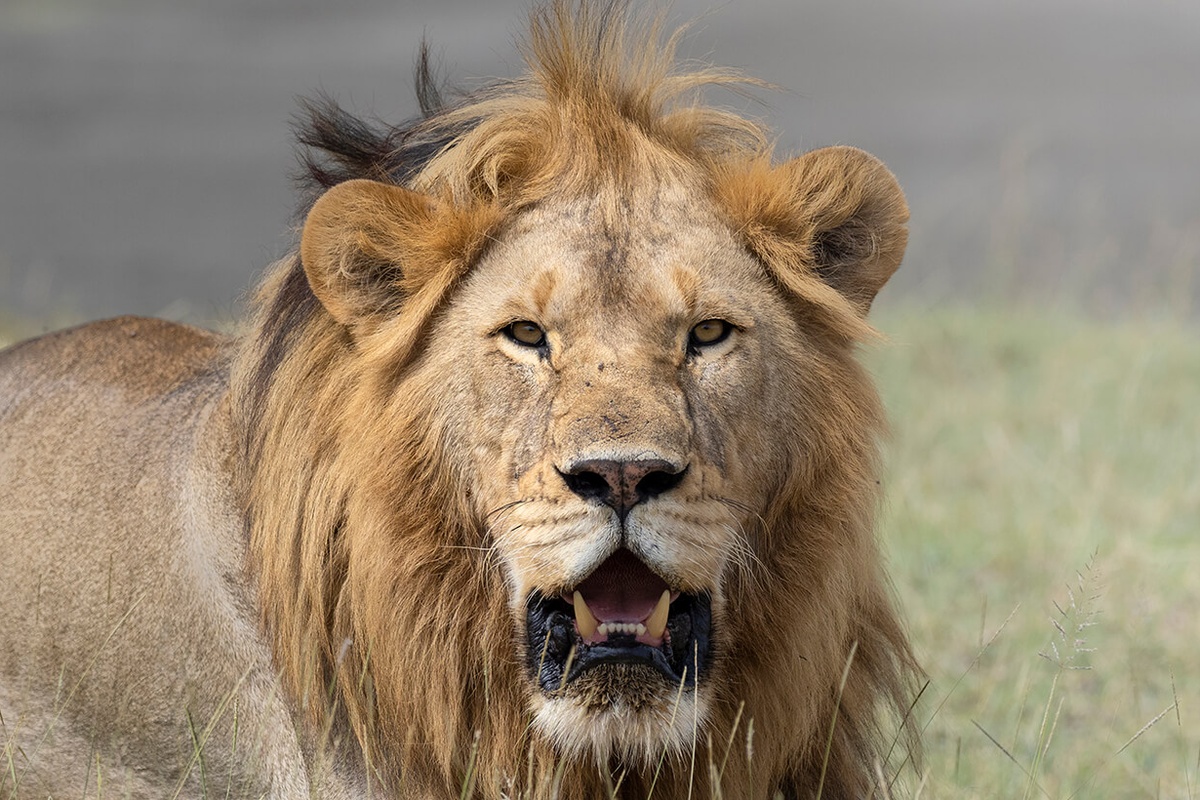
That is why going on safari in this area, known as the Ndutu area, within the Ngorongoro Conservation Area, is a spectacular experience. It is not only a unique opportunity to see the great migration phenomenon, but also to watch the great predators of the savannah (lions, leopards, cheetahs and hyenas) as they take advantage of the vulnerability of the calves to hunt.
Day 1: From Arusha to Ndutu
This type of safari is more exclusive, and it can only be done privately. The usual approach is to arrive in Arusha the day before and, after a night there, start early in the morning on the 5-day Tanzania safari itinerary.
The drive from Arusha to Ndutu is quite long, about seven hours by car. But if you only have five days, it is best to do the whole journey in a single day so you can make the most of the following days in Ndutu.
The first part of the journey is on a tarmac road, and once you leave Arusha you can see the typical rural landscape of northern Tanzania. After about three hours by car, you reach Lodoare Gate, the entrance gate to the Ngorongoro Conservation Area. From there, the road becomes more winding, but also considerably more spectacular.
It takes about four hours to reach the Lake Ndutu area, where the great migration is concentrated during the months of January and February. You usually arrive there in the early afternoon, with time for a first safari.
Days 2 and 3: Enjoying the Magic of Ndutu
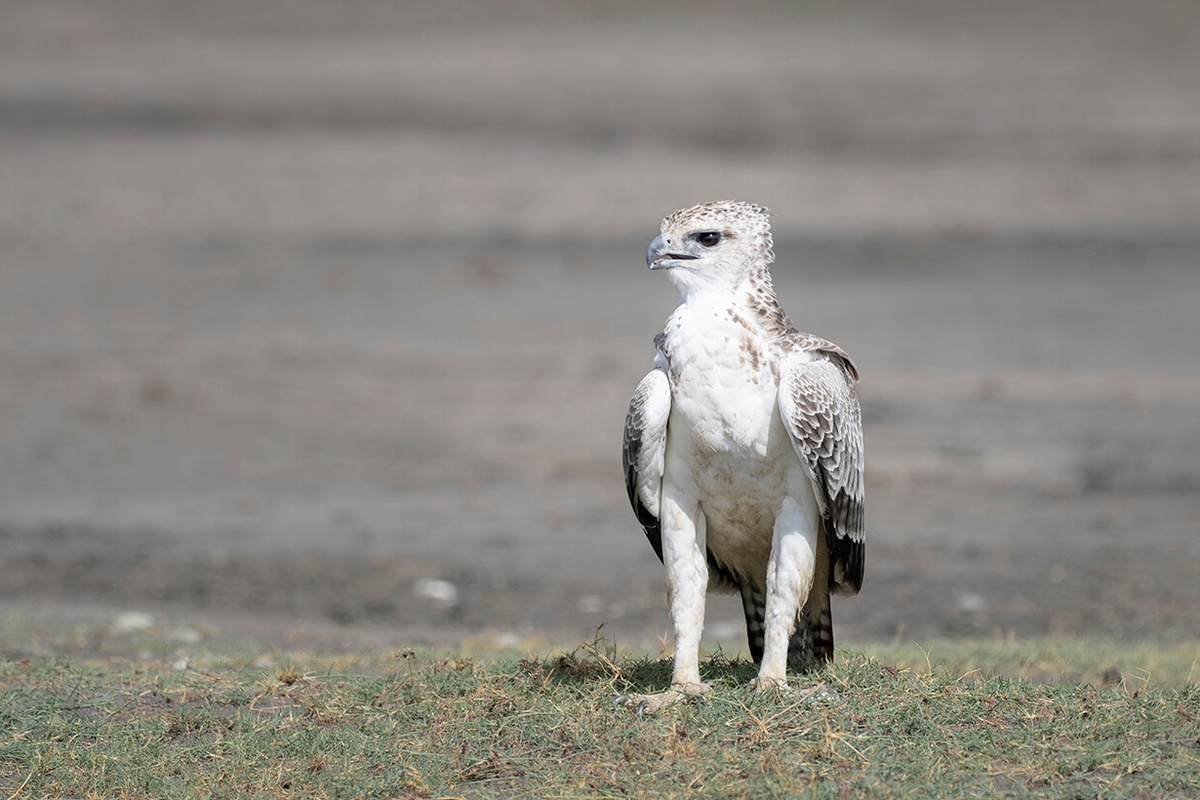
Being able to spend two days in the Lake Ndutu area during the calving season is a dream for many nature lovers. The safaris are action-packed, as there are constantly hunting scenes involving predators, especially cheetahs and lions, and the photographic opportunities are countless. In fact, in some years you can also see caracals or servals there.
Going on safari from sunrise to sunset can be tiring, but I recommend making the most of the daylight hours, as you never know when an extraordinary scene will surprise you. Early in the morning, the soft light and the cool air make the animals very active, while at dusk the sunset paints the landscape in golden tones and creates a magical atmosphere.
In addition, Ndutu is one of the few areas of the Serengeti ecosystem where it is possible to drive off-road, which lets you approach the animals respectfully and follow them if they start a hunt or an interesting movement.
Day 4: From Ndutu to Ngorongoro Crater
After one last morning of safari in Ndutu, possibly with more incredible sightings, it is time to leave this area at midday.
The drive that day takes about three and a half hours, to the rim of Ngorongoro Crater. The cool air and forested landscape of this place contrast with the savannah that was the focus of the previous days. It is a good moment to rest before the final safari the next morning.
Day 5: Safari in Ngorongoro Crater
If you visit northern Tanzania, it is practically a must to dedicate half a day to a Ngorongoro Crater safari. It is a UNESCO World Heritage Site, and one of the most impressive places to observe and photograph African wildlife.
Although it can be a little more touristy than other areas, the density of animals inside the crater is spectacular. In just a few hours, and with a bit of luck, you can see lions, black rhinos, hyenas, elephants and countless herbivores. It is one of those experiences that, despite high expectations, does not disappoint.
The best approach is to start the safari at first light, right at sunrise, and spend five or six hours exploring the inside of the crater. After that, you can enjoy a picnic lunch inside the crater before starting the return to Arusha.
How Much Does a 5-Day Tanzania Safari to See the Calving Season Cost?
This itinerary is more expensive than the previous one, as it can only be done privately. In addition, in the Ndutu area all the accommodation is mid-range or high-end. If you book a safari similar to this one with a local operator, you can expect a cost of around USD 2,350 per person.
If you want to avoid the long drive from Arusha to Ndutu, you can also get there by light aircraft. This flight costs around USD 350 per person.
3. 5-Day Route Through the Northern Serengeti and Lake Natron
For those who want to see the greatest number of places during a 5-day safari in Tanzania, this is one of the recommended options. It is an intense safari, with quite a few hours in the car, but it follows an unusual route into the Serengeti, passing through Lake Natron and entering the Serengeti via the northern plains of this national park.
On short 5-day safaris, I usually prefer to visit fewer places so that more time can go to the safari itself, that is, to looking for and observing animals. For this reason, this itinerary is not my favourite. However, for those who want more variety of landscapes and are happy to spend less time looking at animals, this 5-day Tanzania itinerary is a highly recommended option.
Day 1: From Arusha to Lake Natron
This itinerary starts with a drive of about five hours to reach Lake Natron. The first part of the journey, as far as Mto wa Mbu, is on a tarmac road. From this small town, closely tied to banana production, the route continues along dirt tracks that are only suitable for 4×4 vehicles. You cross a fairly inhospitable area where there are still small Maasai villages.
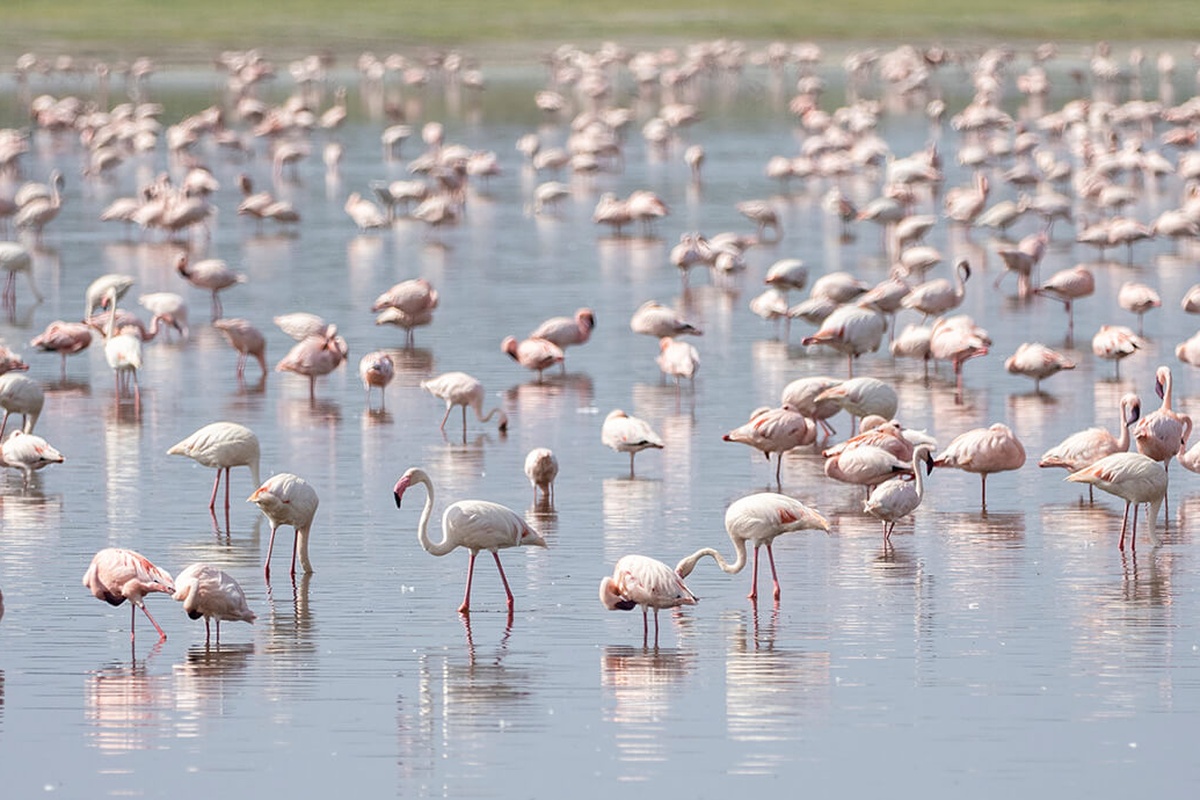
Finally, the Ol Doinyo Lengai volcano appears on the horizon, the sacred mountain of the Maasai and one of the symbols of Lake Natron. This lake is one of the most unusual in Tanzania: it is a saline lake with reddish waters, toxic to some species, which attracts a huge number of flamingos. It is also common to see a giraffe or zebra walking near the lake.
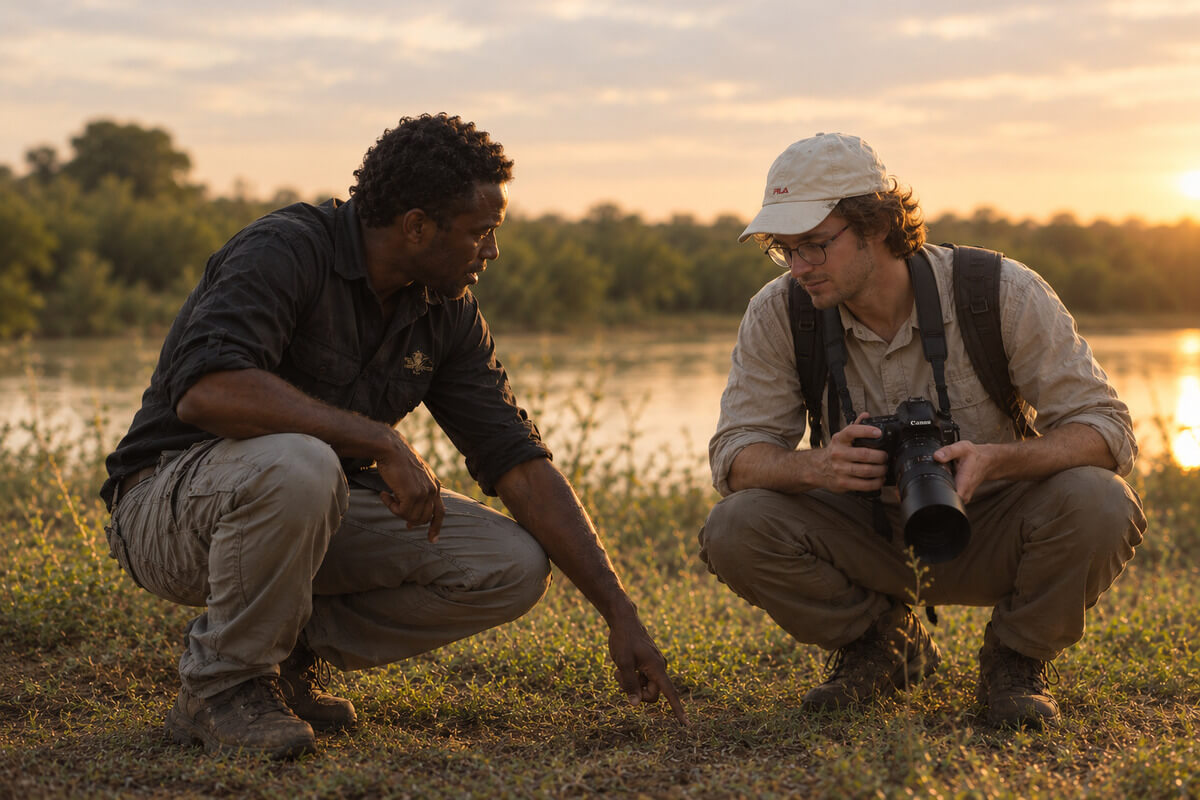
This area is interesting for walking activities. Accompanied by a Maasai guide, you can walk along the shore of the lake or go on an excursion to some waterfalls. In the evening, the sunset with views of the Ol Doinyo Lengai volcano is one of the most special moments of the route.
Day 2: Heading to the Northern Serengeti
After an early breakfast, the journey continues along tracks that climb from the Rift Valley up to the great plains of the Serengeti. This area is the heart of one of the richest and most spectacular ecosystems in the world. It is not usual to enter the Serengeti through the northern part of this national park, but it is a great opportunity to see the great migration between July and August or from October to November. However, you cannot always see the large herds of wildebeest, as they are constantly on the move.
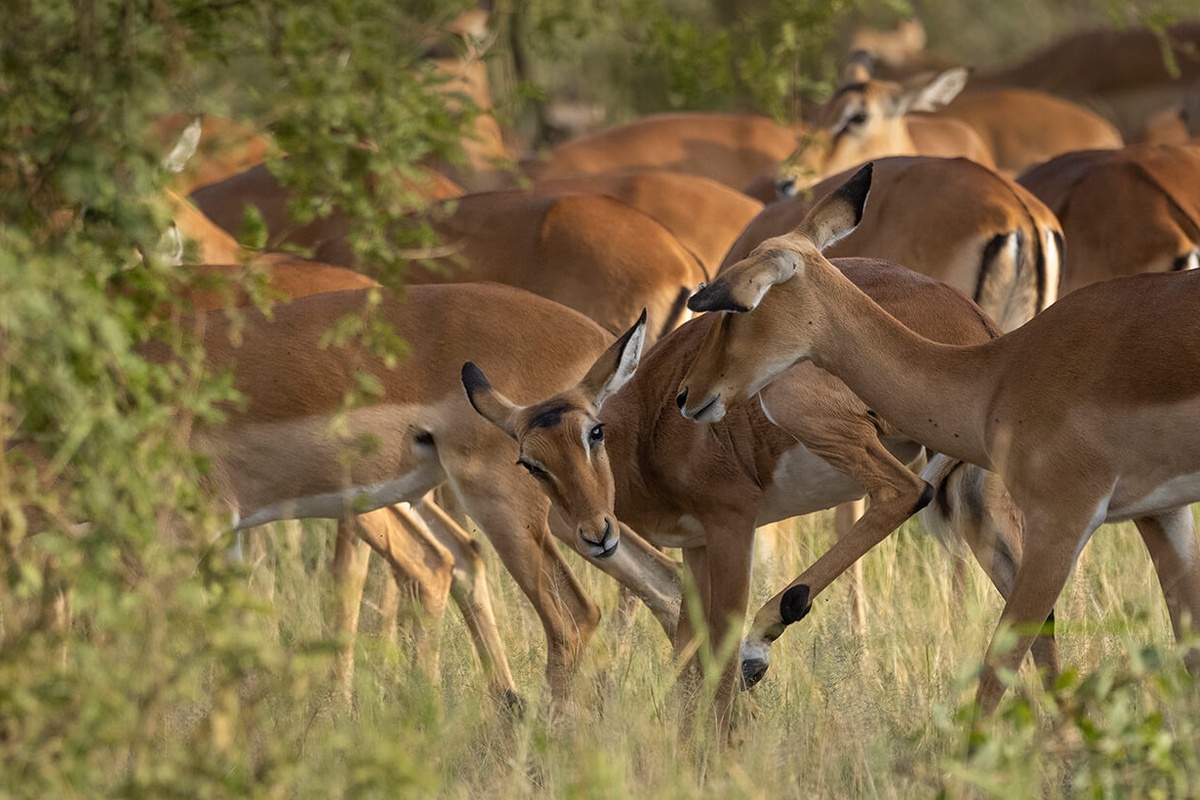
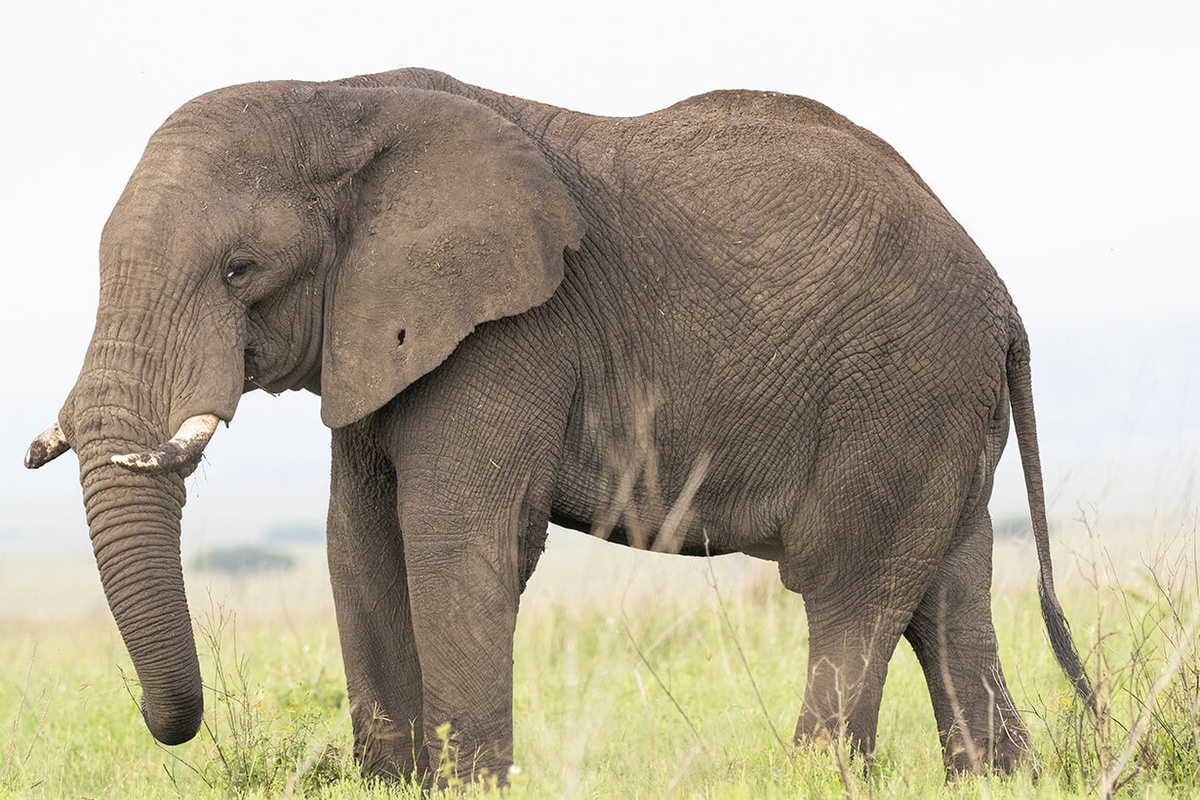
In any case, from the moment you enter Serengeti National Park, a thrilling safari begins. You can see animals constantly. Apart from impalas, wildebeest, giraffes, zebras and gazelles, the Serengeti also has large populations of elephants, buffalo and hyenas. In addition, it has one of the highest concentrations of lions, cheetahs and leopards.
During the safari on this second day, you usually explore the northern plains until early afternoon, before heading south to the central area, in Seronera, where it is advisable to spend two nights.
Day 3: A Full Day of Safari in the Heart of the Serengeti
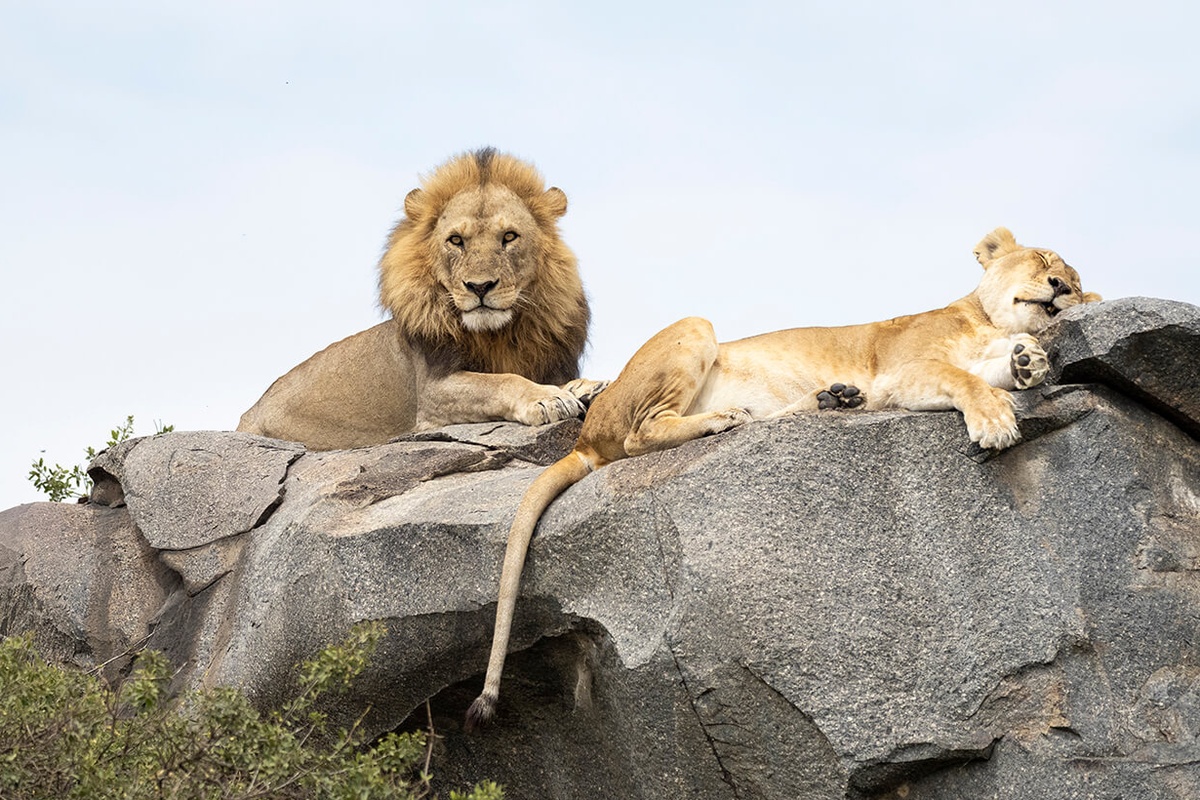
Dedicating a full day of safari to the Serengeti is always a guarantee of spectacle. In addition, depending on the time of year and the position of the great migration, it is sometimes possible to go looking again for the thousands of wildebeest and zebras. This is always a good idea, since predators follow the migration closely, and with a bit of luck you can see hunting scenes.
For those with a larger budget, you can also spend this morning on a hot-air balloon safari. It is a very exclusive experience that can be enjoyed in the centre of the Serengeti, and it costs around USD 500 per person.
Day 4: Ngorongoro Crater
The fourth day of this itinerary is one of the most intense and longest. After a safari of a couple of hours in the Serengeti, taking advantage of the great opportunities to see animals at sunrise, it is time to leave the Serengeti and set off on a drive of about four hours to Ngorongoro Crater.
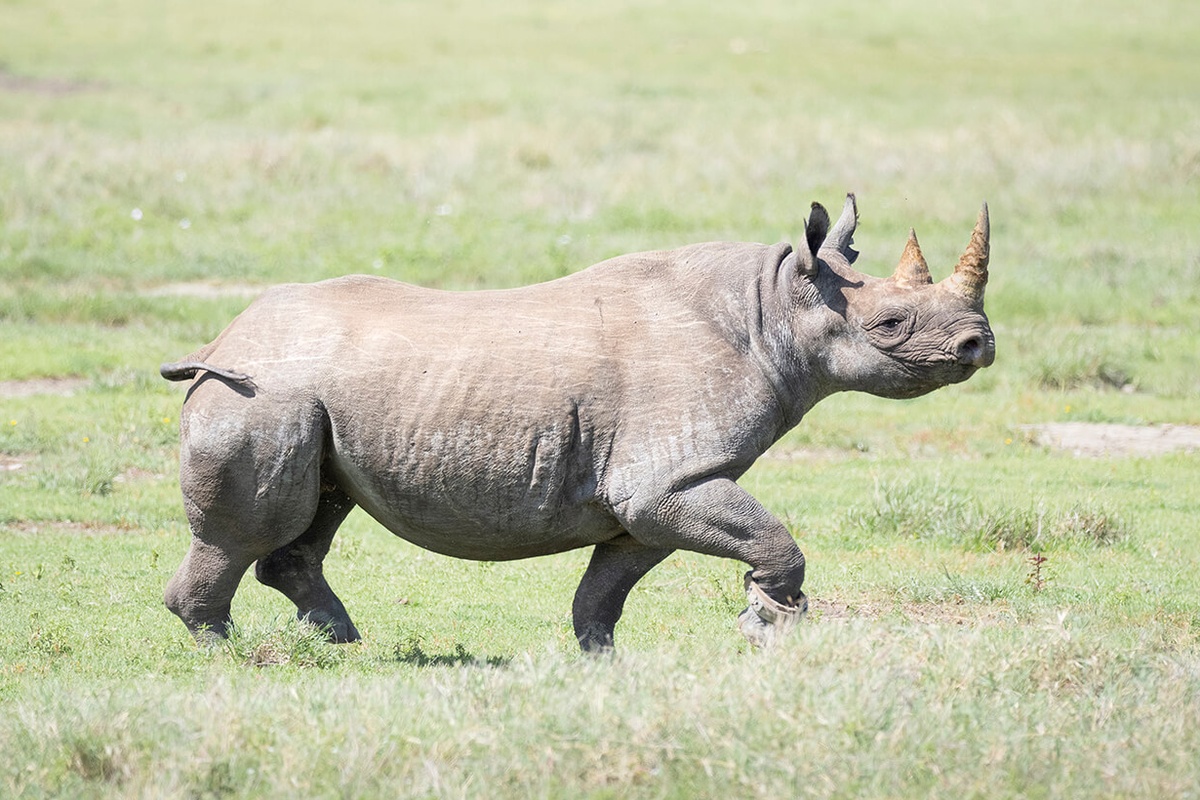
The aim is to reach the Ngorongoro Crater area at around twelve noon, so you can have a quick lunch and spend the whole afternoon on an unforgettable safari inside Ngorongoro Crater. It is one of the best places in Africa to see the Big Five in just a few hours: lion, elephant, buffalo, leopard and black rhino.
Six in the evening is the deadline for leaving the crater and returning to your accommodation.
Day 5: One Last Safari in Tarangire National Park
This 5-day safari in Tanzania ends with a final safari in Tarangire National Park, the park of elephants and baobabs. This park, sometimes underrated, is one of the most interesting in northern Tanzania.
After about five hours of safari and one last picnic inside the park, it is time to return to the city of Arusha, which is about three and a half hours from Tarangire National Park.
How Much Does a Safari Like This Cost?
This 5-day Tanzania safari itinerary cannot be done in a group either. So it is a route that has to be booked privately. The most convenient and affordable way is to book directly with a local operator, so you can fully customise the safari and get a better price.
Although the cost can vary, especially depending on the accommodation, a safari like this costs around USD 2,150 per person for two participants. If there are more of you, the price per person goes down.
Serengeti, Natron or the south
Not sure which of the four routes to choose?
Tell us how you like to travel and what you want to see, and we will propose the route that best fits your 5 days, adapted to your dates and budget.
4. 5-Day Safari in the National Parks of Southern Tanzania
Finally, there is also the option of going on a 5-day safari in Tanzania to discover the national parks of the south of the country. These are much larger reserves where the density of wildlife is lower, but this also means fewer visitors, so hours can go by without seeing another vehicle.
Honestly, I think that for a first safari in Tanzania the earlier itineraries are better. But for people with more experience of safaris and travelling in Africa, this itinerary is very interesting for continuing to explore the magic of Tanzania, away from the most popular routes.
Day 1: From Dar es Salaam to Nyerere National Park
Safaris in southern Tanzania start in the city of Dar es Salaam. From there, reaching the national parks requires a long drive of about six hours.
At midday or in the early afternoon, you arrive at the first national park on this route: Nyerere National Park. It is the largest national park in Africa, and along its rivers and lagoons there are large numbers of crocodiles and hippos. These waterways attract wildlife during the dry season (from June to October) and make it easier to see animals.
During the first afternoon inside this reserve, after a day with a lot of driving, a good idea is to go on a boat safari. It is quite a different experience from safaris in a 4×4, as it lets you get quite close to the crocodiles and hippos, and also see land mammals from another perspective.
Day 2: A Full Day of Safari in Nyerere National Park
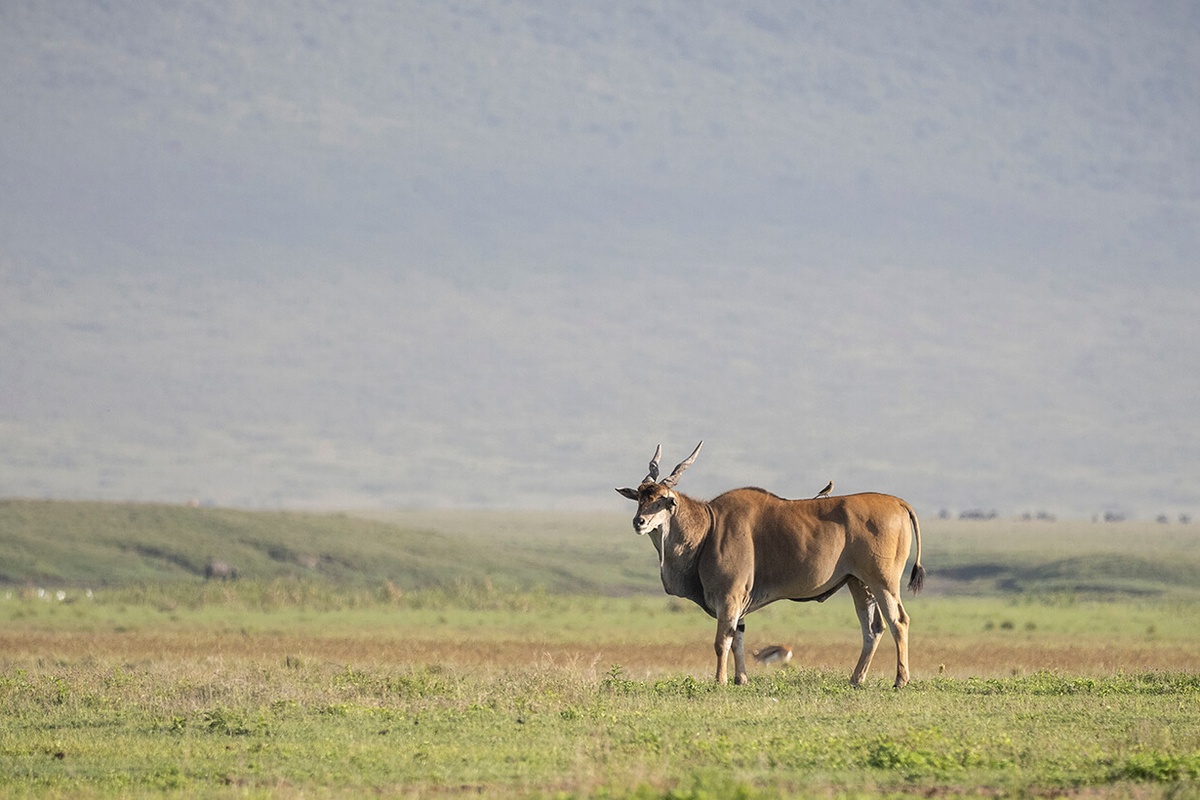
Dedicating a whole day, from sunrise to sunset, to a long safari in this national park is the best way to observe the varied wildlife of Tanzania. It is common to see elephants, giraffes, buffalo, zebras, wildebeest, kudus, waterbuck and elands. But seeing predators, which are much more elusive and scarce, is usually more difficult.
However, especially in the dry season, there is a moderate chance of seeing lions. In addition, Nyerere National Park is the Tanzanian conservation area with the best chances of seeing the endangered African wild dogs, also known as painted dogs.
Day 3: From Nyerere National Park to Mikumi National Park
The third day of this 5-day safari in Tanzania begins with a very exciting activity: a walking safari inside Nyerere National Park. These safaris are always done accompanied by two armed guides, for safety, and focus heavily on the interpretation of animal tracks and everything that goes unnoticed on drives. In general, you see less wildlife on walking safaris, but it is not unusual to see a giraffe, a zebra or an impala.
After this experience, which usually lasts between two and three hours, the itinerary continues with the drive to Mikumi National Park, where you usually arrive in the mid-afternoon. Along the way you can keep seeing plenty of wildlife, and you pass through areas where there are chances of seeing lions and leopards.
Day 4: Udzungwa Mountains National Park
On this day you leave the savannah environment behind to visit the mountainous Udzungwa Mountains National Park, which is about twenty minutes from Mikumi National Park. To get to know this forested national park, the best option is to go trekking, always accompanied by a park ranger. The main goal for most visitors to the park is to see the Udzungwa red colobus, a highly threatened species of monkey that is endemic to these mountains.
However, these mountains also surprise visitors with their vegetation and scenery, where the Sanje Waterfall, with a drop of 170 metres, stands out in particular.
Day 5: From Mikumi to Dar es Salaam
After a final safari in Mikumi National Park, it is time to begin the long journey back, about six or seven hours, to the city of Dar es Salaam. This marks the end of this safari route through some of the least visited national parks in Tanzania.
How Much Does a 5-Day Safari in Southern Tanzania Cost?
Accommodation prices and entrance fees in the national parks of southern Tanzania are lower than in the north, which are much more popular and touristy. On the official website of the Tanzania national parks you can see all the details on this.
For this reason, a private safari for two people like this one generally costs around USD 1,750 per head.
Practical Information for a 5-Day Safari in Tanzania
Is It Better to Do a 5-Day Safari with an Operator or Independently?
Although independent travel in Tanzania is possible, and you can even hire a 4×4 and go on safari on your own, it is not an option I would recommend if you have no previous experience of this type of trip. Mainly because it is not easy to find your way around Tanzania’s enormous national parks, or to drive on some of the dirt tracks. In addition, to have more chances of seeing animals (especially big cats and rhinos), it is essential to understand the ecosystems of the national parks and the patterns the wildlife follows.
That is why I am in favour of doing safaris with a Tanzania tour operator. However, to get better prices and be able to customise the experience, the best option is to book directly with a local operator. If you are interested in receiving an itinerary proposal and a quote from several trusted local operators, you can fill in this form. I will put you in touch with local operators that I know personally, and that offer a reliable, high-quality service for discovering Tanzania.
How Much Does a 5-Day Safari in Tanzania Cost?
The Tanzania safari cost depends on several factors, but in general, regardless of the length of the route, the following costs apply:
| Private (2 people) | Group | |
|---|---|---|
| Camping | Between 250 and 300 USD per adult | Between 200 and 250 USD per adult |
| Standard accommodation | Between 300 and 400 USD per adult | Between 250 and 300 USD per adult |
| Mid-range accommodation | Between 400 and 600 USD per adult | Between 300 and 400 USD per adult |
| Luxury accommodation | +600 USD per adult | +500 USD per adult |
So the cheapest way to do a 5-day safari in Tanzania is to join a group. In this case, you can find options for around USD 1,000 per person.
If you go on a private 5-day safari, you should usually expect to spend around USD 2,000 per person.
Is 5 Days Enough for a Safari?
I am passionate about Africa and safaris, and for me five days is a little tight. I think that to enjoy a complete safari, with plenty of time inside the national parks searching for and observing the animals, the best option is a route of between seven and ten days.
However, I also believe that 5 days of safari is enough for a fairly complete experience and a chance to see most of the most emblematic animals, such as lions, elephants, cheetahs, giraffes… So if you don’t have more days or want to keep the cost of the trip under control, I encourage you to go for a 5-day route. I’m sure it won’t disappoint you!
More Information About Tanzania
If you are thinking of going on safari in Tanzania or have already decided to go, you will surely find these other posts on this blog useful:
Tanzania safari cost: how much does it cost in 2025?
Organising a Tanzania safari with a local tour operator in 10 steps
Safari in Tanzania: discovering the plains of the Serengeti
Tarangire safari: guide to Tarangire National Park (Tanzania)
Independent travel in Tanzania: travel guide
Your Tanzania safari
Ready to plan your 5-day safari in Tanzania?
Request a free, no-obligation quote and receive a proposal from local operators, without intermediaries. It only takes a few minutes to tell us what you have in mind for your Tanzania safari of 5 days.