Wondering about the Kenya safari cost is one of the most common questions when you start planning a trip to this destination. Most people already know it is an expensive experience, and it is hard to get below 200 dollars per person per night, even when travelling independently. Kenya itself is not an expensive country; what pushes up the price of safaris is the need for a 4×4 and, above all, the park entrance fees.
In this post you will find a detailed breakdown of all the costs and the best tips to keep the price of your Kenya safari as low as possible.
Kenya safari cost on a private, solo trip: how much did I spend?
On my independent trip to Kenya, which lasted 11 days and allowed me to spend three full days and one morning on safari in the Masai Mara, as well as visiting other reserves and national parks, I spent a total of 3,200 USD, not including flights or travel insurance.
I travelled alone, which made it considerably more expensive. But you should also bear in mind that I did this safari in 2023, and since then national park entrance fees have gone up and the agencies have had to raise their rates a little too. So a similar trip today would cost me about 3,500 USD in low season and 3,800 USD in high season.
For this trip I chose to rent a 4×4 with a driver through a local agency, but I booked the accommodation myself. In general, if you choose mid-range or standard accommodation and eat in restaurants (which are usually those of the lodges themselves, as they tend to be in remote areas), the total cost is not very different from booking a fully organised safari with a local agency.
In my case, since I was on a long trip and wanted to keep to a tight budget, I managed to cut my costs a little by eating mostly canned pulses bought at the supermarket and staying in simple places.
In detail, this is the breakdown of the Kenya safari cost for the trip I did:
- Car rental with driver: 1,320 USD (including fuel, the guide’s meals and the park entrance fees for the vehicle and the guide; the price per day was 120 USD).
- National park entrance fees: 670 USD (1 day in Ol Pejeta, 2 days in Samburu National Reserve, 4 days in the Masai Mara, 2 days in Lake Nakuru National Park).
- Accommodation: 715 USD (meals were only included at Ol Pejeta and Samburu Riverside Camp. You can see the details of the places where I slept in the post about my independent trip to Kenya).
- Food and water: 95 USD (I ate a few meals at some of the lodges or at a local restaurant during the drives, but on most days I had lunch and dinner from food I had bought at the supermarket that needed no cooking, mainly pulses).
- Additional activities: 135 USD (this includes the activity to see the northern white rhinos at Ol Pejeta, the entrance to Thomson’s Falls, the boat trip on Lake Naivasha and a short walk along the Mara River).
- Tips: 175 USD.
- Visa: 50 USD.
- Local SIM card: 12 USD (5 GB for 30 days).
- Airport transfer to my accommodation in Nairobi: 25 USD (round trip)
I have given the prices above in US dollars because that is the currency used on safari in Kenya.
As for flight prices, in my case I had previously done a 10-day Uganda safari, so I paid 175 USD to fly from Entebbe to Nairobi. I then continued my trip to Tanzania, and that flight cost me 155 USD.
If you buy a flight from Europe to Kenya, the usual price is between 600 and 800 euros return, as long as you book more than six months in advance.
💡 Get a free quote for your trip to Kenya from my trusted local agencies
If you prefer to organise your trip to Kenya with trusted local agencies, I can help you get in touch with the best options. Just fill in this form and, depending on the type of safari you are looking for, I will put you in contact with the most suitable agencies. I will also be available to answer any questions you have throughout the planning process. That way your safari will be even more amazing and hassle-free!
How to save money on a trip to Kenya
As you will have seen from the breakdown of the Kenya safari I did, with very simple accommodation and food, it is hard to reduce the costs of this trip. However, the price can easily shoot up if you do not book your safari with the right agency.
So I recommend following these tips to keep the cost of your safari as low as possible:
Book your safari with a local agency
This is the most important tip, and the one I repeat most often. The best way to save money when preparing a safari is by avoiding intermediaries. This means booking your safari directly with a local Kenya tour operator. It also means your money goes straight into the local economy, and it makes it easier to customise your safari.
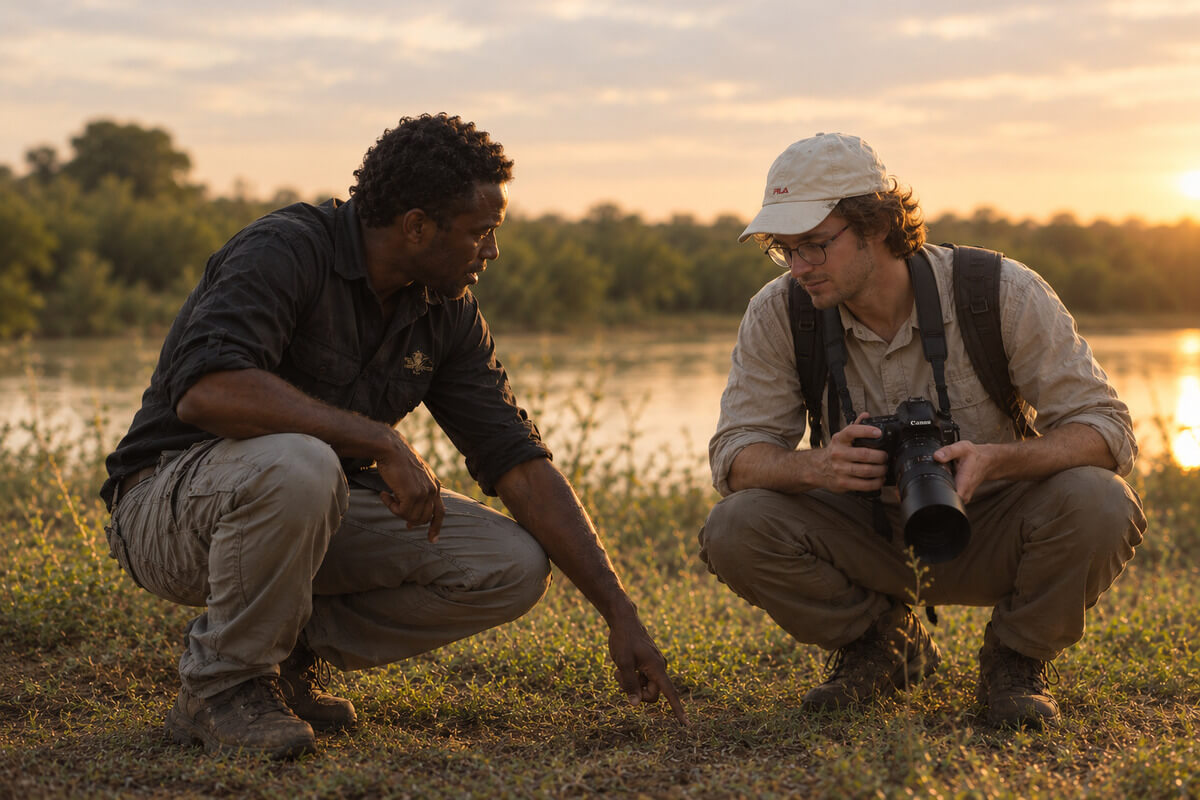
With local agencies the usual approach is to book the whole safari itinerary. Their quote therefore includes the 4×4, the guide, the accommodation, meals and national park entrance fees. However, you can also hire just the car and guide, and organise accommodation, meals and activities yourself. As I said, the price difference is not usually very big, unless you do as I did and keep your meals and accommodation very simple.
The only drawback of local agencies is that it is hard to know which ones are reliable and offer a quality service. That is why I created this form, so you can request a quote from trusted local agencies that I know personally.
Book your safari in advance
Another way to save is to book your safari more than six months ahead. Local agencies usually offer early-booking discounts, as this makes their logistics easier and lets them prepare the season better.
So if you already know you want to go on safari, I recommend booking as early as possible, and buying your plane tickets early too.
Go on safari in Kenya outside the high season
Another way to cut the price of a Kenya safari a little is by travelling during the low-season months. The months with the fewest tourists, when travelling to Kenya is cheapest, are January to May.
What is more, because there are fewer vehicles in the national parks, you can enjoy extraordinary wildlife sightings without other cars or noise around you. An incomparable experience.
Travel in a group to reduce the cost of your Kenya safari
Finally, another way to drastically reduce the cost of a safari in Kenya is to opt for a group safari. The best option is to go with a group of friends or family (four to six people), so you can split the shared costs (car and guide) while still being comfortable with the group and customising the experience.
If you are only one or two people, you can also book a group safari with a local agency. However, these safaris are low cost: you sleep in very basic accommodation and the itineraries cannot be customised.
I really enjoy wildlife photography and, although I have done the odd group safari, I have enjoyed private safaris far more because of the much greater flexibility and being able to decide the pace of the vehicle and how long to wait. In general, I have found that people have little patience, and very often to see extraordinary moments you need to be a little patient and wait for the animals to become active.
For this reason, I recommend going on a private safari whenever you can. But if you are on a tight budget, group options are good alternatives too.
|
PLAN YOUR NEXT ADVENTURE Want a safari that fits your budget and your pace?Tell us your dates, group size and travel style, and trusted local operators will send you a tailored quote with no intermediaries and no commitment. |
Kenya safari cost: all the expenses broken down
To understand the Kenya safari cost, it is far more useful to know exactly how the cost of a whole trip around the country is made up. This is handy if you decide to travel independently in Kenya, or if you are going to Uganda with a local agency, so you can understand the trip costs and judge whether the budget is right.
Flight to Kenya
The first expense for a safari in Kenya is usually the flight to Nairobi. From many European cities there are no direct flights, and in general you will need one or two stopovers.
As always, flights vary quite a lot and get more expensive in high season (July to September). If you book with a reasonable amount of notice, the usual price is between 600 and 800 euros.
Kenya entry visa
To enter Kenya you currently need to obtain a tourist visa. You must apply for it online through this website, and since approval can take more than a week, it is best to apply about three or four weeks before your trip.
This visa allows you to travel in Kenya for a maximum of 90 days. It costs 50 USD.
If, besides Kenya, you plan to enter Uganda or Rwanda, it is more efficient to apply for the East African Tourist Visa. This visa is valid for 90 days from the day of arrival and lets you move freely between Kenya, Uganda and Rwanda. When applying for it, it is important to do so through the embassy of the first country you will visit. This visa costs 100 USD.
Transport, a major part of the Kenya safari cost
To go on safari in Kenya’s national parks you need a 4×4 vehicle. Safaris are generally done in 4×4 vans or Toyota Land Cruisers. The latter are sturdier and more comfortable, but also a little more expensive.
Currently, the price of renting a vehicle for a safari, with a guide, is as follows:
- About 90 USD a day for a 4×4 van.
- About 120 USD for a Toyota Land Cruiser.
The prices above are for the vehicle rental and the driver, but do not include fuel or the park entrance fees for the vehicle and the guide.
Since 2025 it is less advisable to rent a car and travel completely independently in Kenya (without a guide or driver), because you are no longer allowed into the Masai Mara without a guide. However, you can hire a guide just to enter this reserve, and the cost is usually around 40 USD per day.
National park and reserve entrance fees
National park and reserve entrance fees are another of the heaviest components in calculating the Kenya safari cost. Working out these fees is somewhat confusing, as it varies depending on whether it is a national park (run by the government) or a national reserve (run by the local communities).
Currently, the costs of the main places to go on safari in Kenya are as follows:
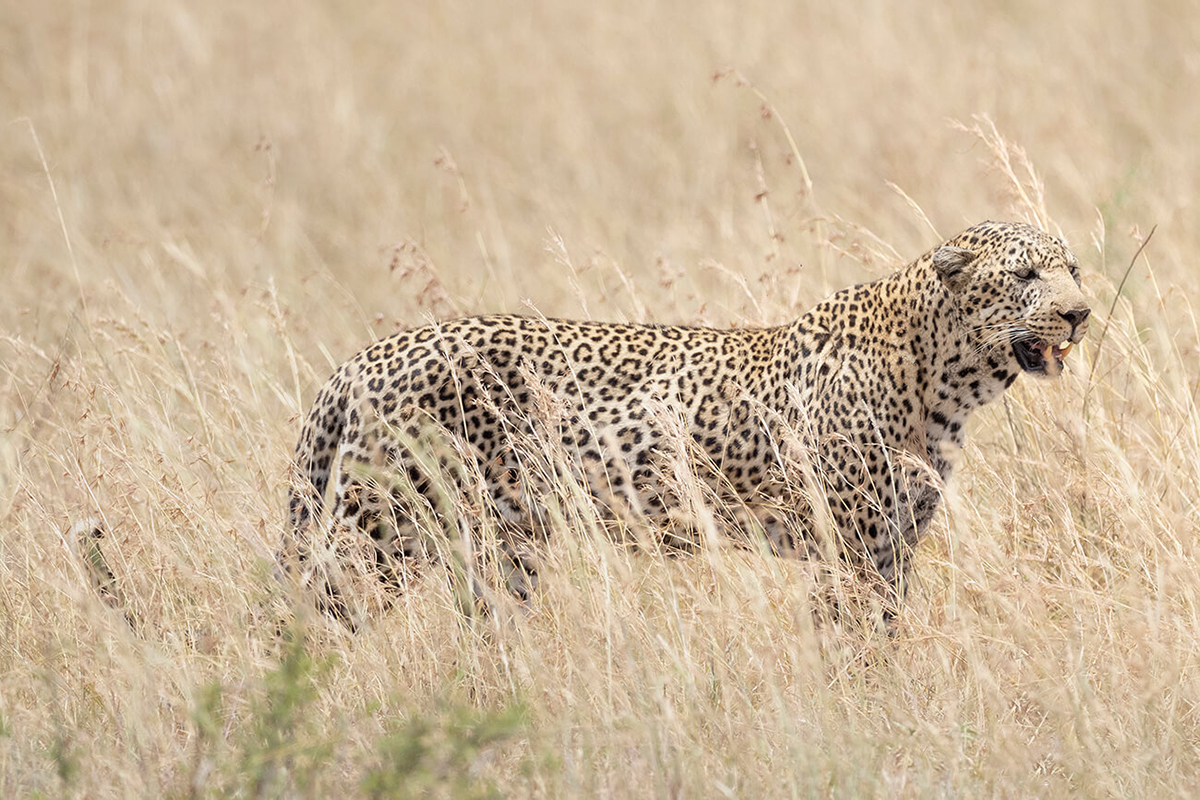
Masai Mara
Since 2024 the entrance fees for the Masai Mara National Reserve have increased and the way it works has also changed a little.
Currently, entry from 1 January to 30 June costs 100 USD per person.
From 1 July to 31 December it costs 200 USD per person.
In addition, the ticket is valid for 12 hours (it used to be 24 hours). So if you sleep outside the national reserve, it lets you be inside the Masai Mara from 6 in the morning until 6 in the evening. If you sleep inside the park, the ticket lets you leave until 10 in the morning; otherwise you have to pay for an extra day.
On top of this, you must also pay the guide’s entrance fee (1,000 KES) and the vehicle fee (400 KES for vehicles with fewer than 6 seats and 1,000 KES for vehicles with up to 12 seats).
On the official Masai Mara website you can confirm the current entrance fees.
Samburu National Reserve
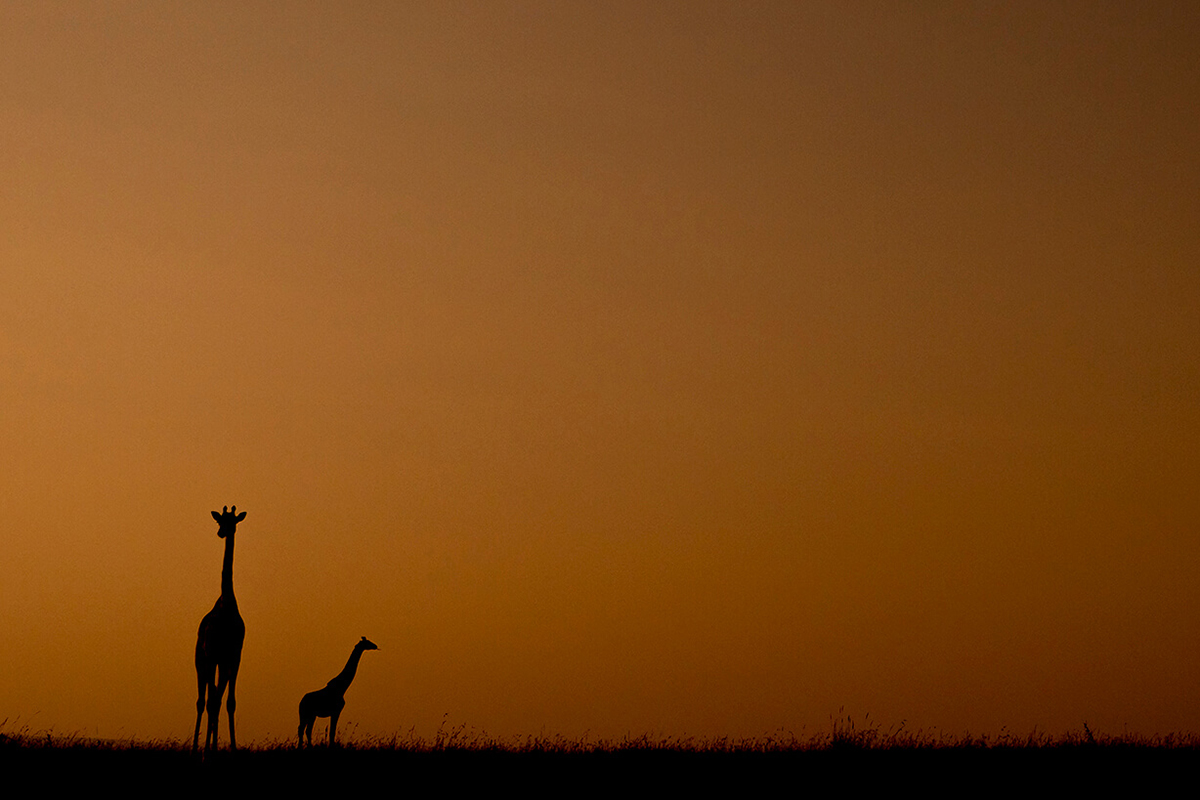
For Samburu National Reserve, the cost is currently 90 USD per person. Here the ticket is valid for 24 hours.
The guide’s fee is 800 KES, while the vehicle fee is 800 KES if it has fewer than 6 seats, and 1,600 KES if it has up to 12 seats.
Lake Nakuru National Park
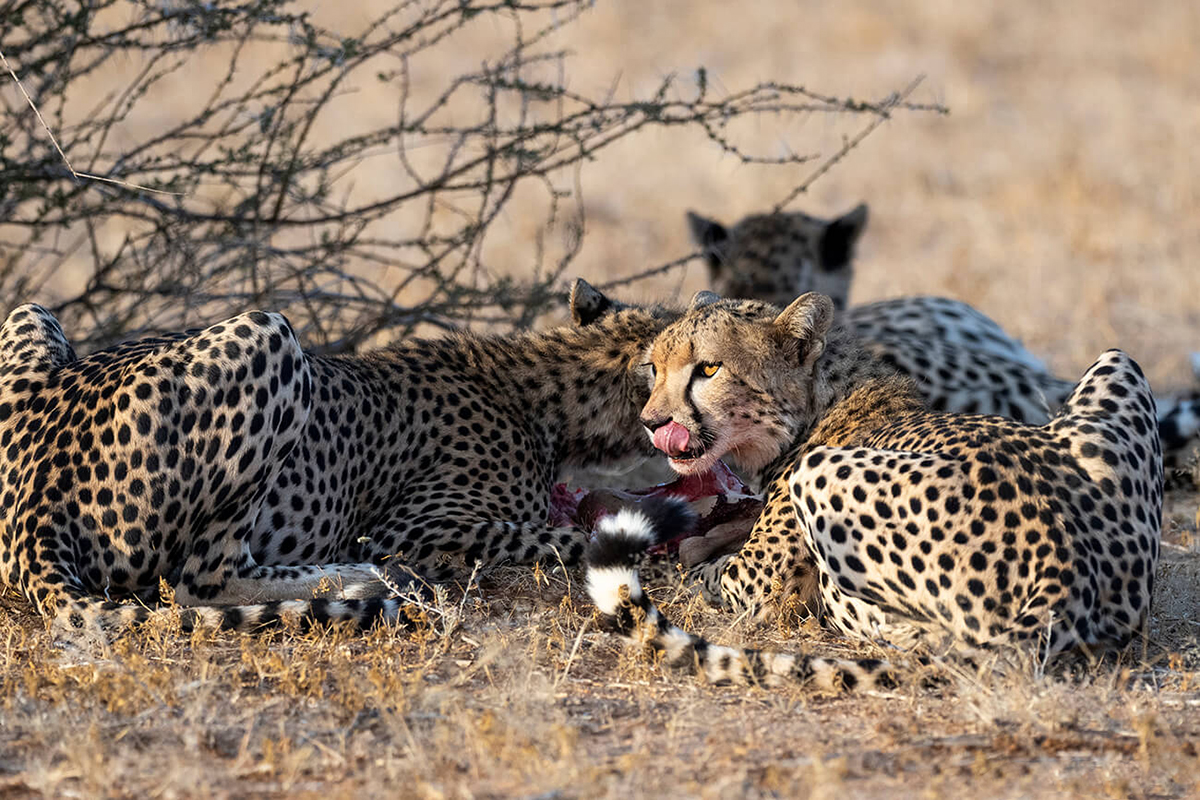
For Lake Nakuru National Park the entrance fee is 60 USD and lets you stay inside the park for 24 hours. However, if you decide to leave and re-enter during this period, you will have to pay the entrance fee again, even if 24 hours have not passed.
You must also pay the guide’s fee, which costs 215 KES, and the vehicle fee, which is 300 KES for vehicles with fewer than 6 seats and 1,030 KES for vehicles with up to 12 seats.
Amboseli National Park
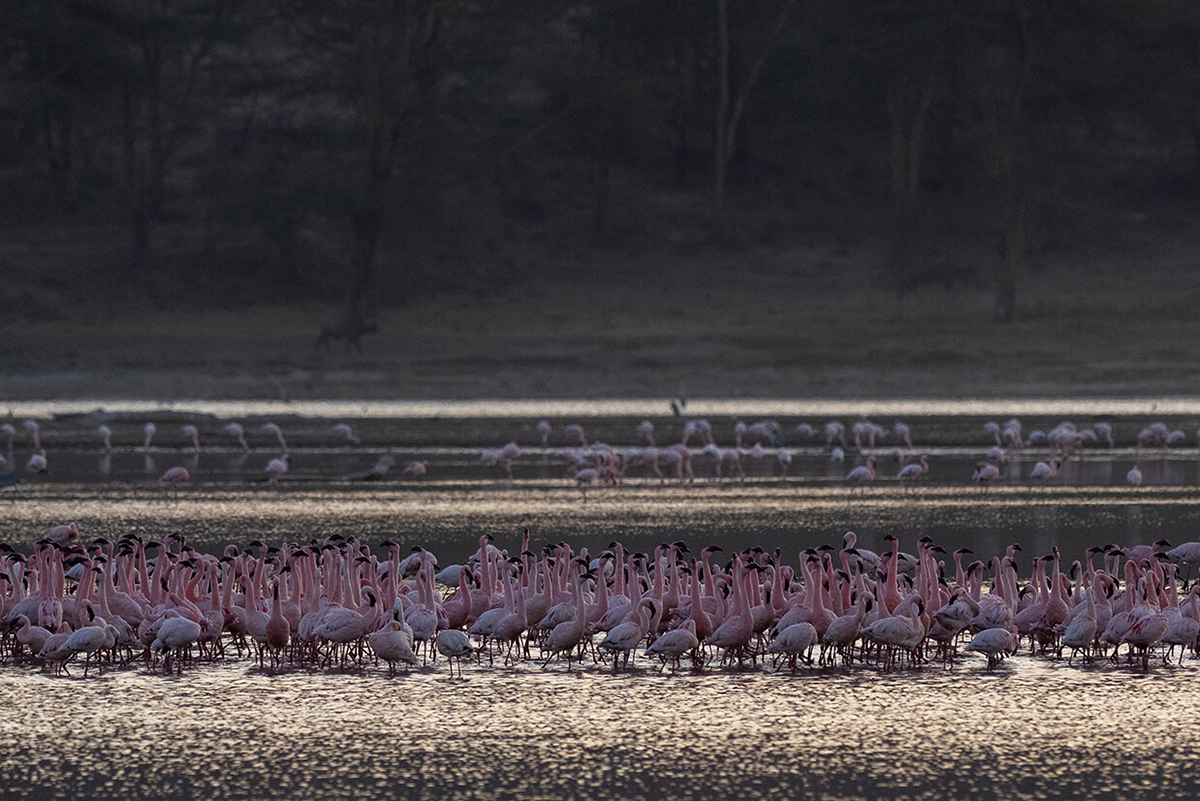
In Amboseli National Park the entrance fee for foreign adults also costs 60 USD. It is also valid for 24 hours and, unlike Lake Nakuru National Park, in Amboseli you are allowed to leave the park and re-enter on the same ticket.
As for the guide’s fee, the price is 860 KES. For the vehicle you have to pay 300 KES or 1,030 KES, depending on whether it has fewer than six seats or not.
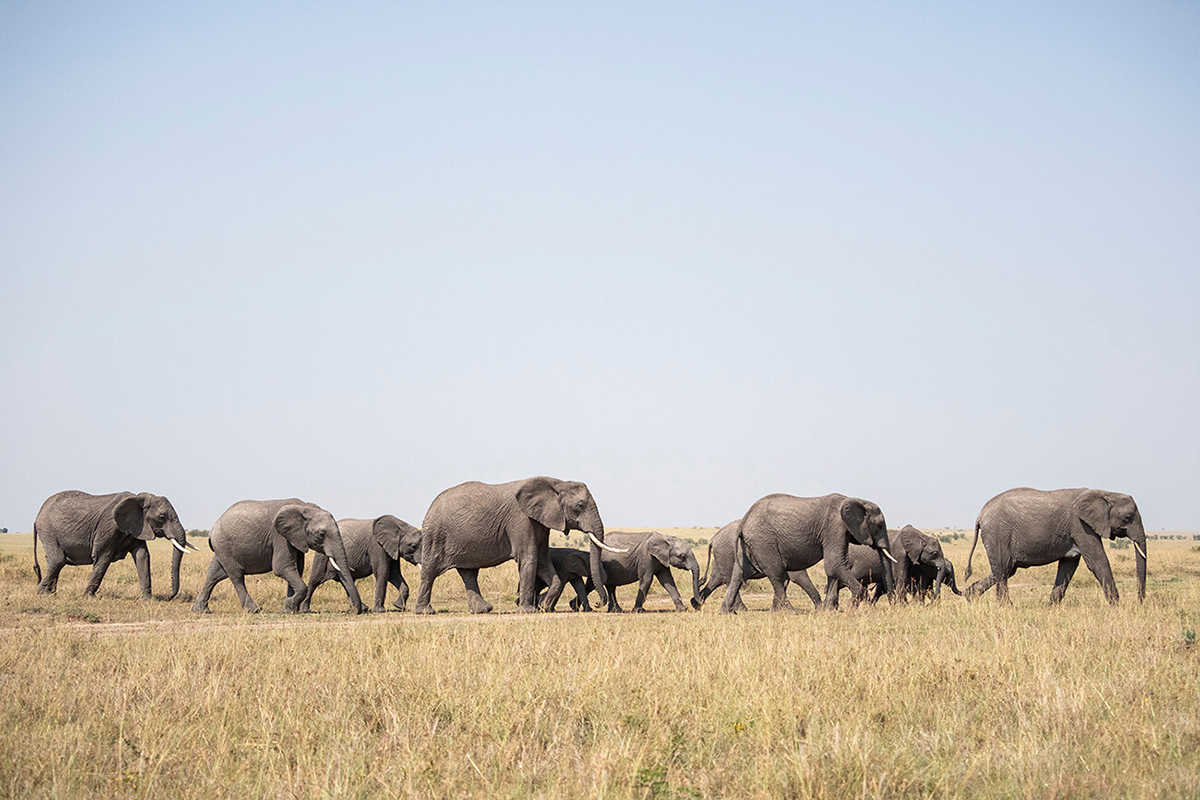
Ol Pejeta Conservancy
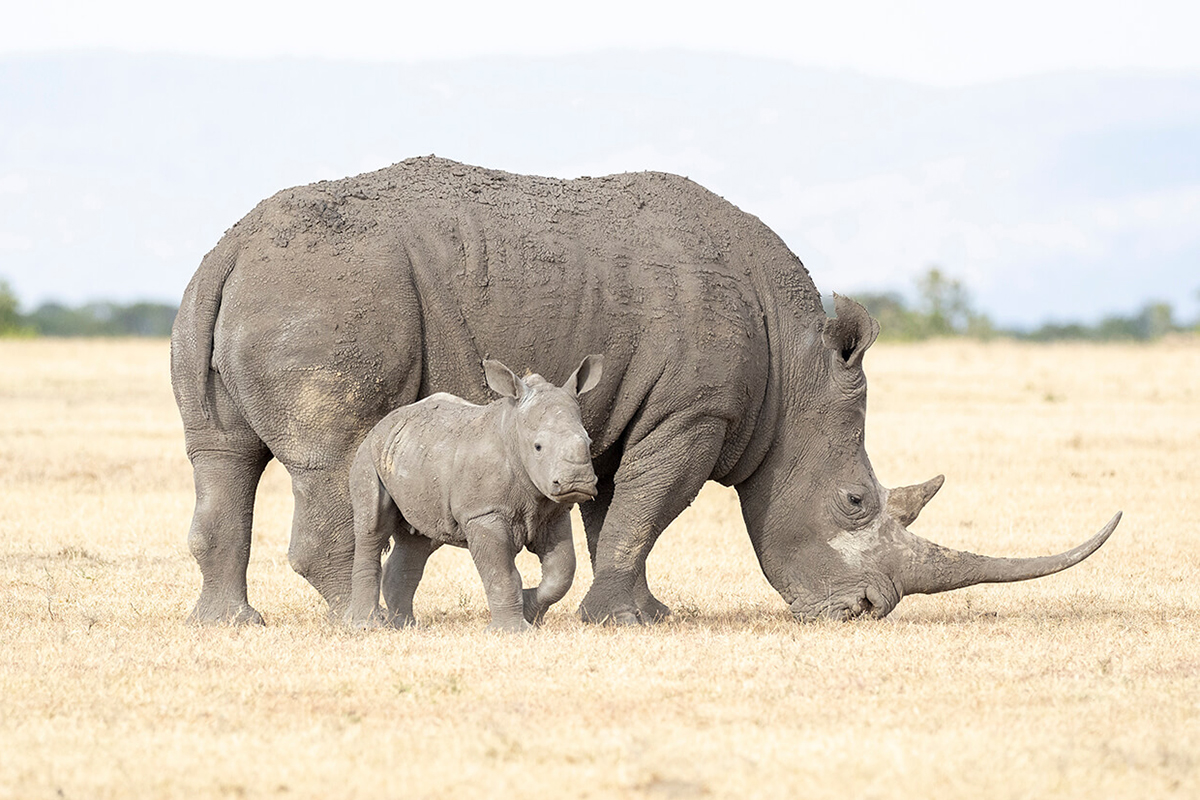
To visit the Ol Pejeta Conservancy, you currently have to pay 110 USD per person, valid for 24 hours. In this case, the ticket only allows a single entry. So if you leave the reserve you cannot go back in, even if 24 hours have not passed.
You must also pay the guide’s fee, which costs 2,000 KES, and the vehicle fee: 1,000 KES for vehicles with up to 6 seats and 5,000 KES for vehicles with up to 14 seats.
Park fees add up fast. Get one closed price instead.A local operator can quote vehicle, guide, accommodation and entrance fees in a single clear budget, with direct prices and no intermediaries. ✓ Personalised safari itineraries |
Additional activities
In Kenya the activity par excellence is the safari, and once you have paid the entrance fee to the national parks or reserves there is no further cost. However, you can do some additional activities, such as a boat trip on Lake Naivasha, a walk along the Mara River with a ranger, or a hot-air balloon flight over the Masai Mara.
To give you an idea, this is the cost of some of the most popular activities to do in Kenya during a safari:
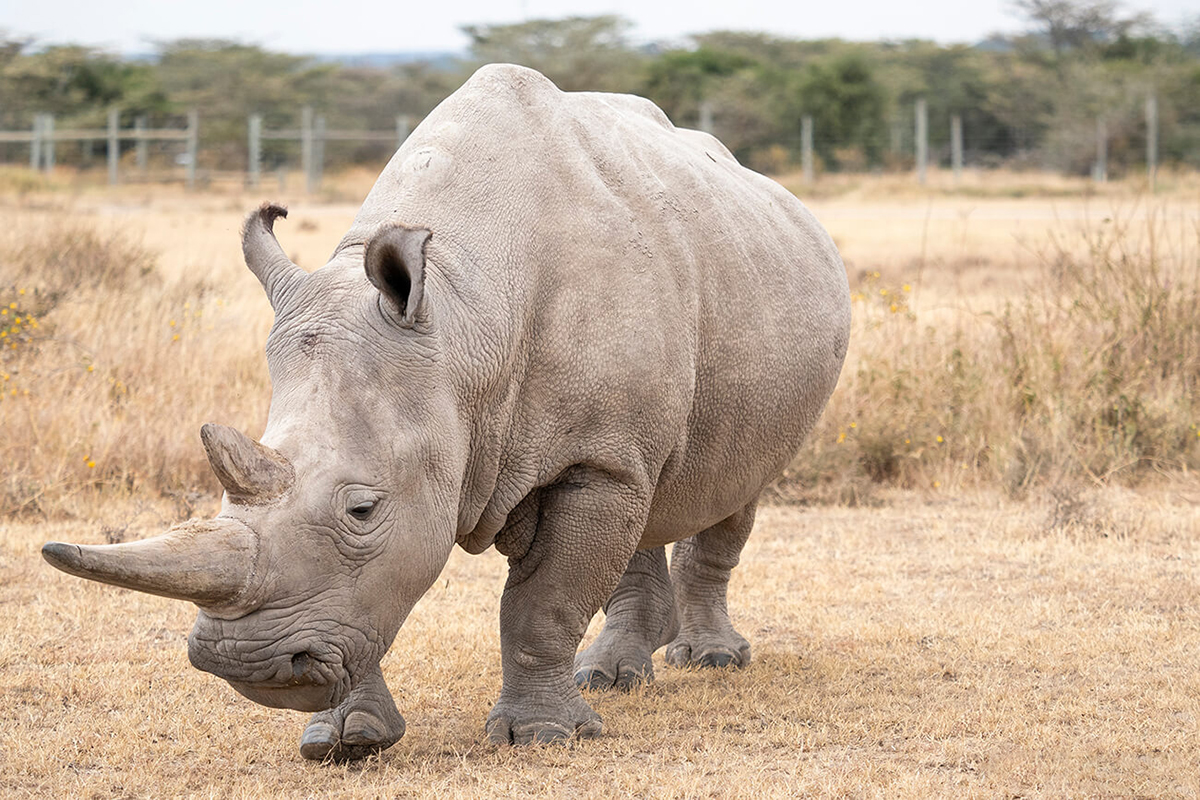
- Activity to see the northern white rhinos at Ol Pejeta: 70 USD per person.
- Boat trip on Lake Naivasha: 30 USD per person.
- 1-hour walk along the Mara River: between 7 and 10 USD per person.
- Visit to a Maasai village: between 35 and 45 USD per person.
- Hot-air balloon flight over the Masai Mara: between 450 and 500 USD per person.
Accommodation, the most variable part of the Kenya safari cost
Kenya is a country where tourism is quite well developed, so there is a wide variety of accommodation at different budgets. In general, the most expensive option is always sleeping inside the national parks, but it has the advantage of letting you start your game drives earlier without losing time on transfers. It is also a much more immersive experience.
In general, you can expect to pay the following for accommodation:
- High-end accommodation: between 300 and 400 USD per person per night (meals included).
- Mid-range accommodation: between 200 and 300 USD per person per night if it is inside the national park, and between 100 and 200 USD if it is outside the national park (meals included).
- Budget accommodation or camping: between 15 and 50 USD per person per night (meals not included).
If you want an idea, this is the current price of the places where I slept during my independent trip to Kenya:
- Ol Pejeta Stables: 70 USD per person (full board)
- Samburu Riverside Camp: 85 USD per person (full board)
- Dovenest Lodge: 25 USD per person (meals not included)
- Masai Mara Crocodile Camp: 50 USD per person (meals not included)
- Lillypond Camp: 15 USD per person sleeping in a tent or 18 USD in a room (meals not included)
- Kozi Suites Nairobi Airport: 43 USD per person (meals not included)
Food
Eating at local restaurants in Kenya is not expensive at all, and you can easily eat for under 650 KES (about 4.30 euros). However, most of the lodges in the national parks (both those inside and those at the gate) are in fairly remote areas, which makes restaurant prices higher. Many lodges only accept full-board bookings; but where they do accept room-only bookings, meals usually have a minimum cost of around 15 USD per person.
If you want to cut your food costs, you can do as I did and buy canned food at supermarkets that can be eaten without cooking.
Tips, an addition to the Kenya safari cost
Tips in Kenya are not compulsory, but within the safari industry they are usually expected by guides and also by the staff of lodges and hotels. So I recommend factoring them in when calculating the cost of a safari in Kenya.
Some indicative amounts for tips are:
- For the driver: between 10 USD and 15 USD per day per person.
- Hotel staff: between 2 USD and 10 USD per day per person. (There is usually a general tip box for all the staff.)
It is better to tip in the local currency, that is, the Kenyan shilling.
Cost of a customised Kenya safari with a local agency
With all the details above it is easy to work out the cost of a Kenya safari, and it is a useful tool above all for assessing quotes from local agencies. In general, what most affects the price of a safari is the choice of accommodation.
As a rough guide, the cost of a Kenya safari with a local agency falls within these ranges (for a private safari for two people):
- Safari with standard accommodation/camping: between 300 and 400 USD per person per day.
- Safari with mid-range accommodation: between 400 and 600 USD per person per day.
- Safari with luxury accommodation: over 600 USD per person.
The best option for a cheap Kenya safari is always to go in a group and sleep in simple accommodation. In this case, safaris usually cost around 200 USD per person per day.
However, the ranges above are only estimates. To find out the specific price of a safari, depending on the number of people and the time of year, I recommend requesting quotes from several local agencies. You can use this form to be put in touch with trusted local agencies in Kenya that I know personally.
 |
SAFARIS BY LOCALS Talk to the people who actually run the safariCompare your budget with real quotes from verified local operators in Kenya. Your safari is planned around your dates, group and comfort level, and you deal with the operators directly. |
Other useful posts for planning a safari in Kenya
If you are planning a safari in Kenya, on this site you will find many other posts with extensive explanations of most of the country’s destinations. Here are some of the most-read ones: