Going on safari is an expensive activity, which is why it is important to choose a good Tanzania itinerary. Knowing which are the best parks and which is the best route is essential if you want to make the most of every hour of this trip. Besides, Tanzania has plenty of other areas worth visiting, beyond the classic national parks in the north of the country.
That is why in this post you will find what, in my opinion, is the best Tanzania itinerary, especially for a first safari or first experience in the country. But I have also written about 6 alternatives, some designed for travellers with less time, and others for people who want to explore more remote parts of the country or discover its culture.
The best Tanzania itinerary: a 10-day route
This 10-day route through Tanzania is the one I usually recommend for a first trip to the country, especially for people who are passionate about wildlife watching and photography. That is why most days are devoted to 4×4 safaris, although I have also included an area with great scenic appeal, Lake Natron.
I also currently think that any Tanzania itinerary should include the Lake Ndutu area. It is especially popular from January to March, when the great migration gathers here for the birth of thousands of wildebeest and zebras, but it is really an interesting area all year round, particularly for seeing lions and cheetahs. A few years ago I might also have recommended Lake Manyara National Park, but after a period of extreme flooding in the area, the quality of the safaris there has dropped considerably. For that reason I do not usually recommend it.
If you are looking for a Tanzania itinerary with a greater variety of activities, whether cultural or beach-based, you can also take inspiration from the alternatives I suggest below.
Day 1: Arrival in Arusha
The flight to Tanzania, usually landing at Kilimanjaro International Airport, is long and tiring. So on the first day of this Tanzania itinerary the best thing to do is to head to Arusha, a city an hour from the airport, and use the afternoon to rest or get to know the city a little.
In Arusha it is well worth strolling through the markets. The Central Market (Soko Kuu) and the Kilombero Market are especially famous.
If you have more time, you can also take a cultural visit to the coffee plantations or visit the Chemka Hot Springs. Another option, if you don’t mind a few more hours in the car, is to use the afternoon to head towards Tarangire National Park, so you can sleep near the park and get much more out of the next day’s safari.
💡 Request a free quote to travel to Tanzania with the local agencies I trust
If you prefer to organise your trip to Tanzania with trusted local agencies, I can help you get in touch with the best options. Just fill in this form and, depending on the type of safari you are after, I will put you in contact with the most suitable agencies. I will also be available to answer any questions you have throughout the planning process. That way your safari will be even more incredible and hassle-free!
Day 2: Safari in Tarangire National Park
On the second day of this Tanzania itinerary, it is time for the first safari. It is an experience you never forget, especially when it is the first time you see an elephant, lion or giraffe in the wild.
If you spent the night in Arusha, the best plan is to have an early breakfast and set off for Tarangire National Park at around seven in the morning. The drive to the entrance of this national park takes about two and a half hours.
Once at the park entrance, you need to get the permits and pay the entrance fee (if you are travelling with a local agency, the guide takes care of all this), and then the safari begins.
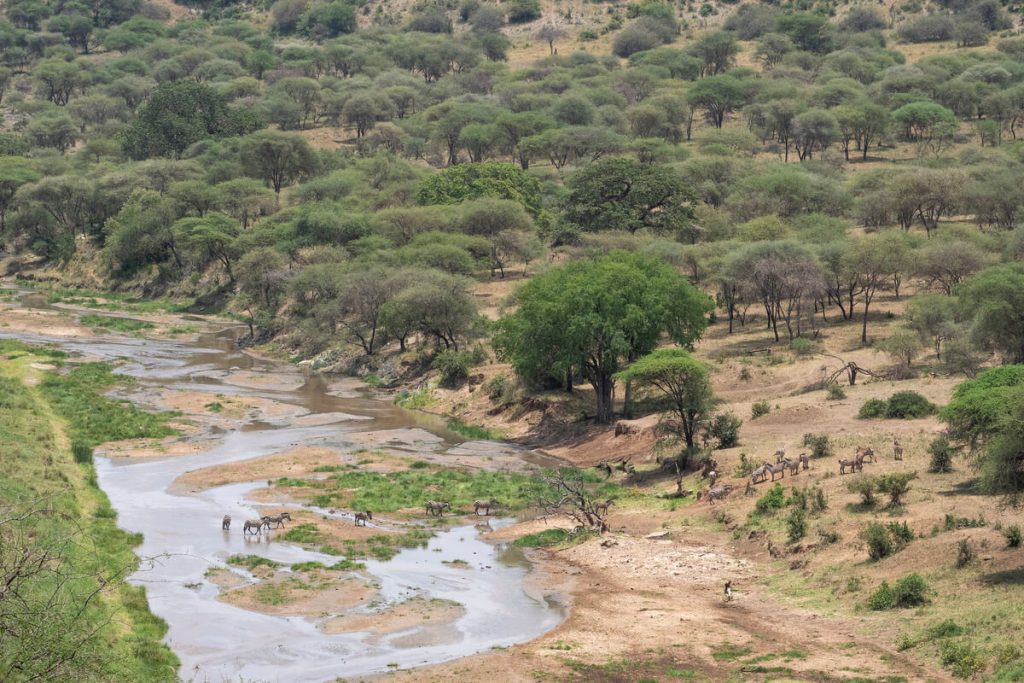
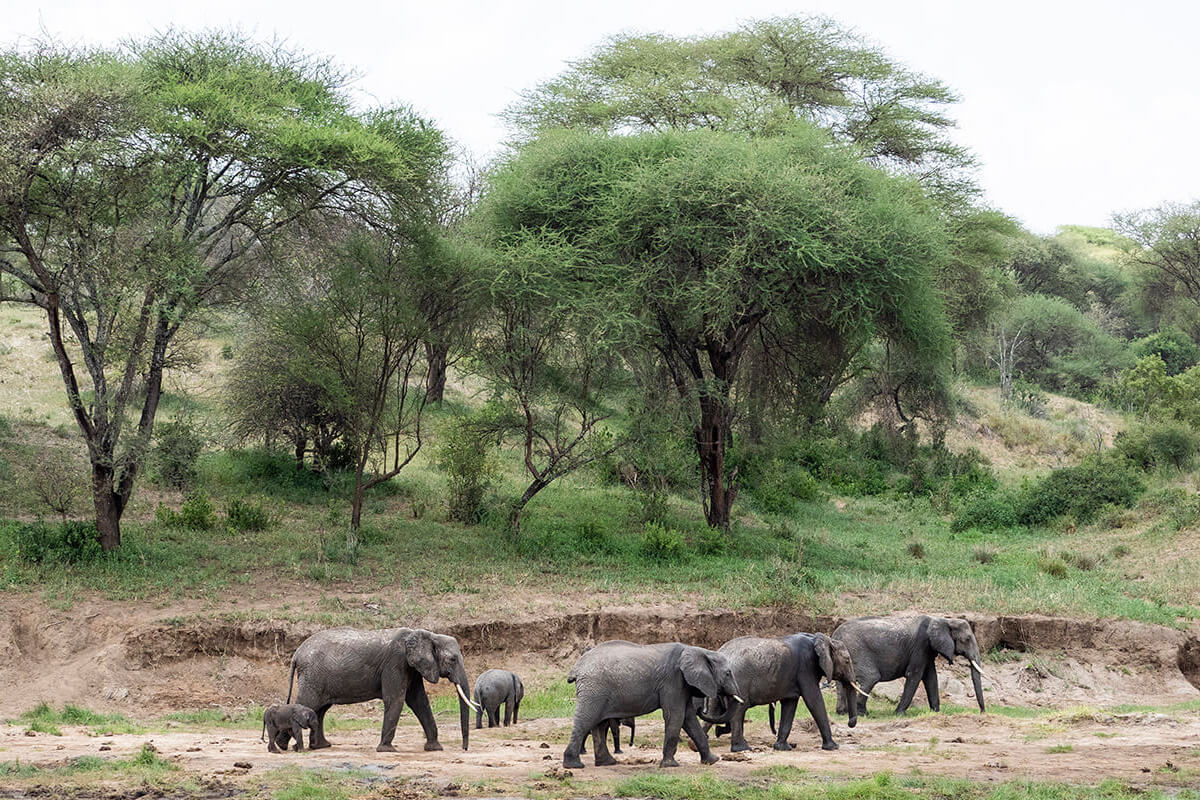
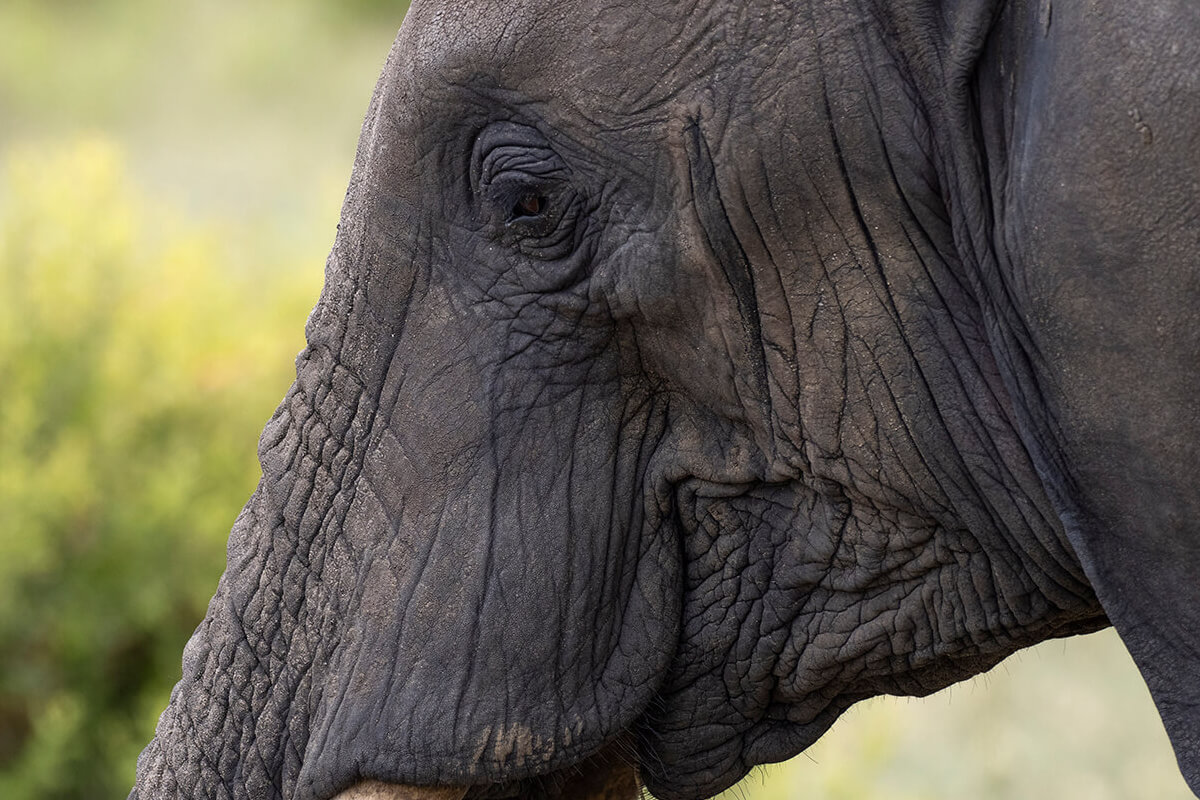
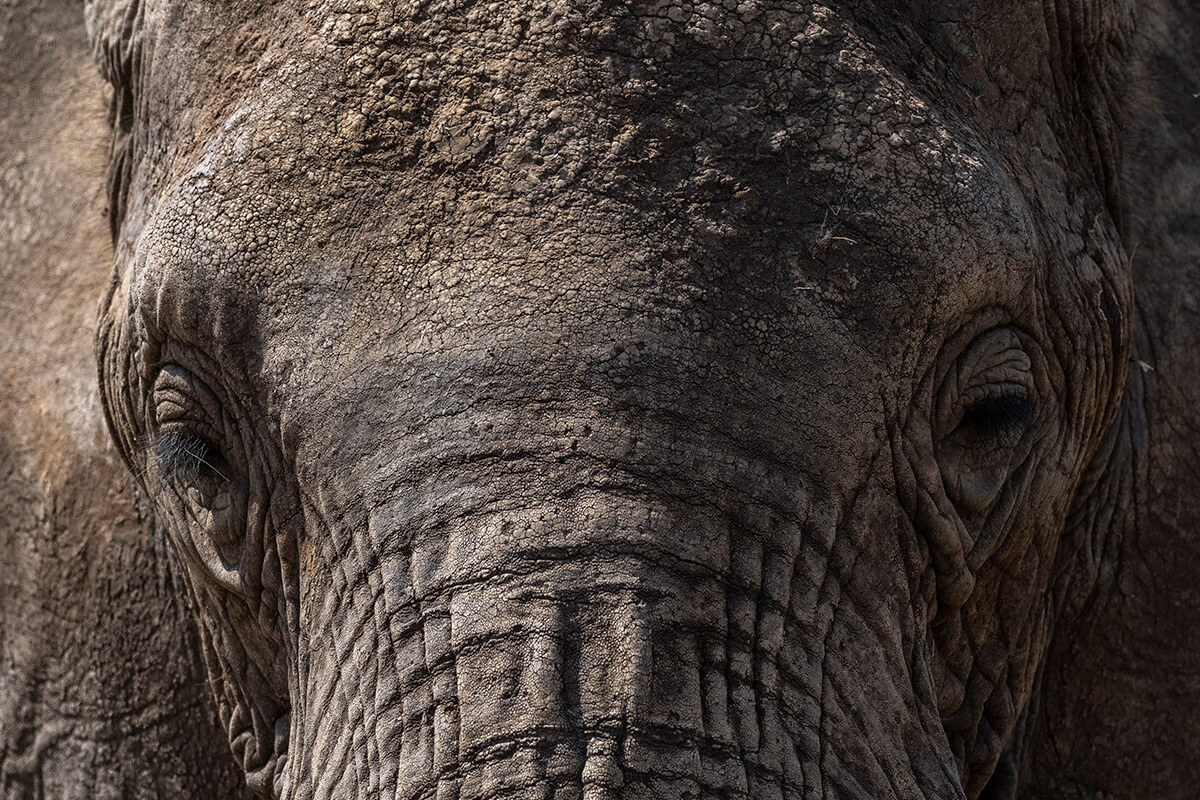
Tarangire National Park is currently one of the most interesting in northern Tanzania. The Tarangire River that runs through the park is one of the main sources of water in the area, which attracts a huge number of mammals. The number and density of elephants in this national park is extraordinary, especially from July to October. Many of the sightings are also quite close, making for an indescribable experience. However, whenever an elephant passes close to the vehicle, it is important to stay silent, as these large mammals are very sensitive to noise and could react aggressively to a shout.
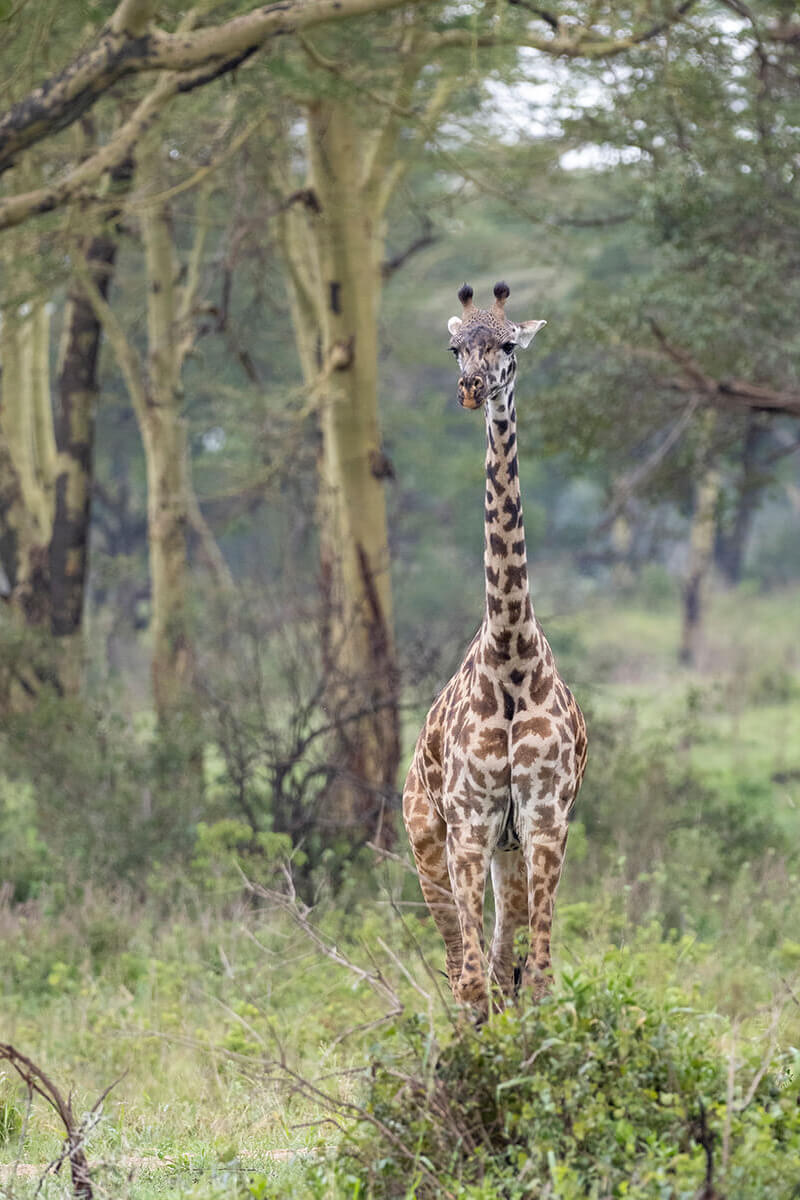
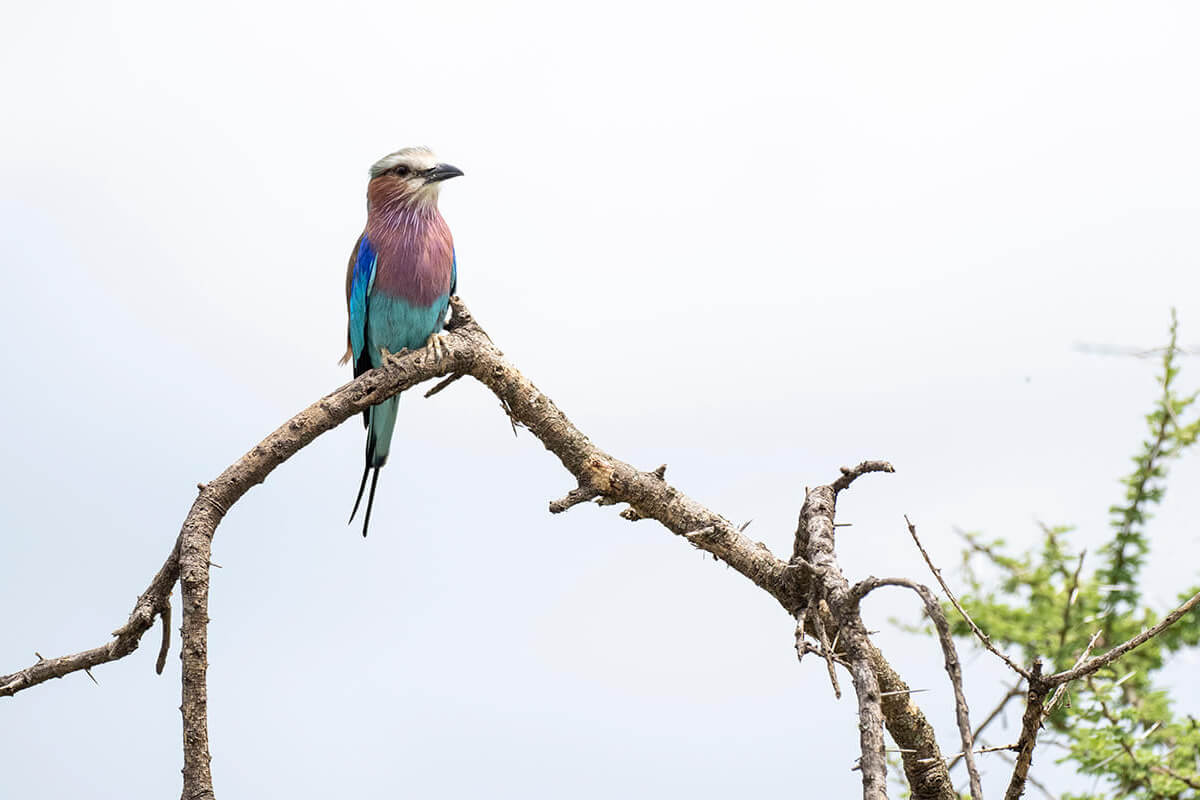
In addition, this national park is home to many other typical herbivores, such as giraffes, zebras, wildebeest, impalas… and a great variety of birds.
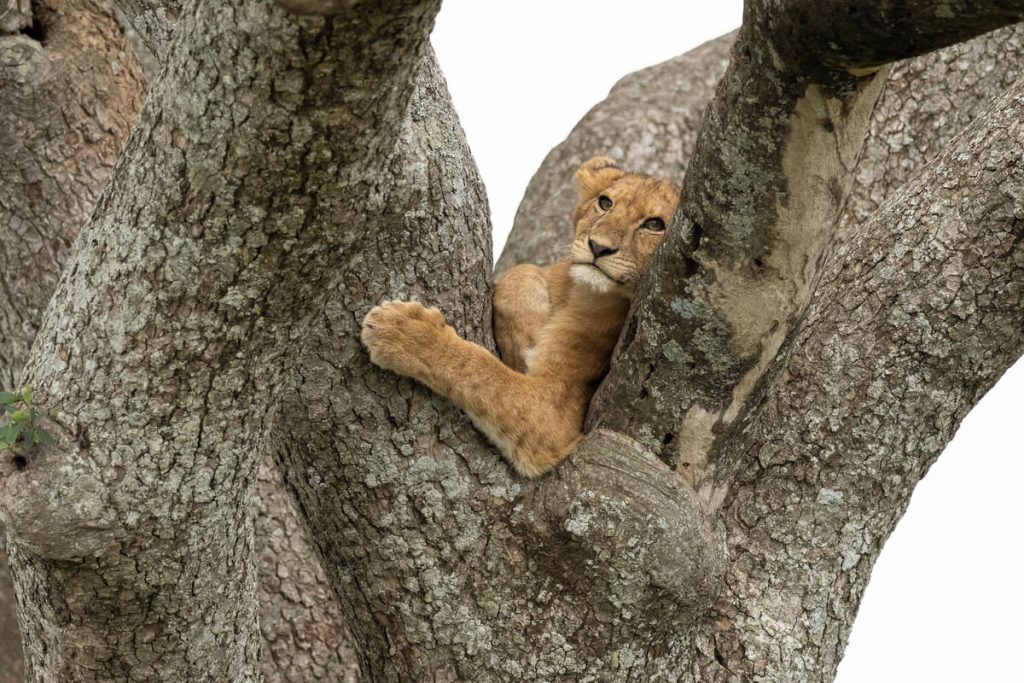
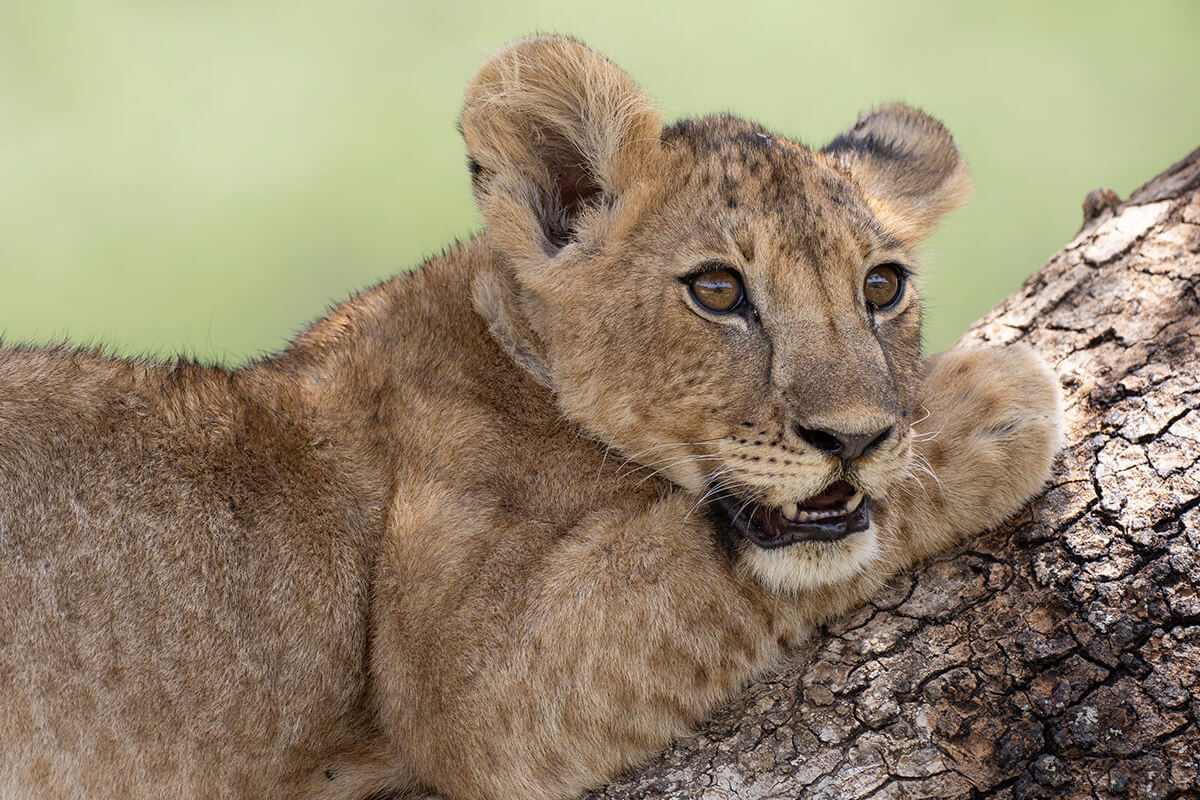
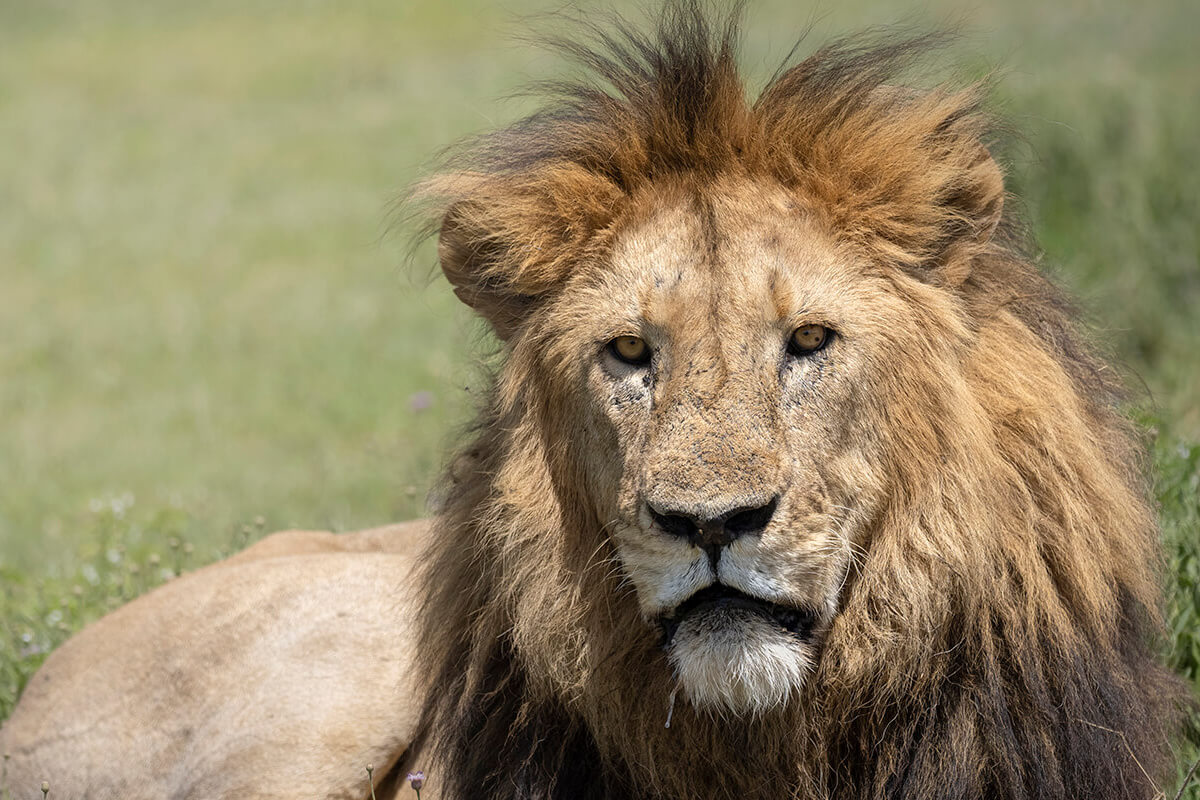
As for predators, you can occasionally see lions, leopards and cheetahs, with lions being the ones you see regularly. In fact, there are more than 700 lions across the whole national park. Some of them have even got used to climbing trees to rest away from the annoying tsetse flies. These are the famous “tree-climbing lions“.
On the tours offered by Tanzania tour operators, the usual plan is to spend the whole morning on safari, then stop for a picnic lunch at Matete Picnic Site or Silale Swamp Picnic Site. After lunch, although it is hotter and there are fewer animals, the safari usually continues for an hour or two before leaving the national park and heading to the village of Mto Wa Mbu, where there is a wide choice of accommodation.
If you have a bigger budget, you can also choose to sleep inside Tarangire National Park, so you can continue the safari until sunset. The first and last hours of daylight are always the best for watching the big cats at their most active.
Day 3: Lake Natron
The landscape of Lake Natron, with the silhouette of the Ol Doinyo Lengai volcano, is one of the most beautiful in Tanzania. That is why I think it is well worth including in this Tanzania itinerary.
The drive from Mto Wa Mbu to Lake Natron takes about 3 hours. It is a journey along a dirt track, where only 4×4 vehicles are recommended, crossing the Rift Valley and passing alongside traditional Maasai villages.
During the last part of the route you enter the Lake Natron conservation area, where you have to pay an entrance fee of 35 USD per person. After that, the best thing to do is go to the accommodation first for lunch and rest a little after the long and tiring drive.
In the afternoon, it is time to discover this landscape. For me the best activity is to head to the shores of Lake Natron and take a walk accompanied by a Maasai guide. The scenery is stunningly beautiful, and you can also see flamingos and, with a bit of luck, a zebra or giraffe walking across the plains around the lake. Having the chance to see these animals on a walking tour is very special, and very different from watching them from the comfort of a vehicle.
To end the third day of this Tanzania itinerary, there is nothing better than enjoying a beautiful sunset in the Lake Natron conservation area.
Day 4: Lake Natron to northern Serengeti
On this day, the journey continues northwards, leaving the landscapes of Lake Natron behind. After an unforgettable sunrise and breakfast, it is time to get back into the 4×4 vehicles and start the drive towards the plains of the northern Serengeti. As the vehicle gains altitude, you can still enjoy the last panoramic views over Lake Natron and the Rift Valley, a landscape that is hard to forget.
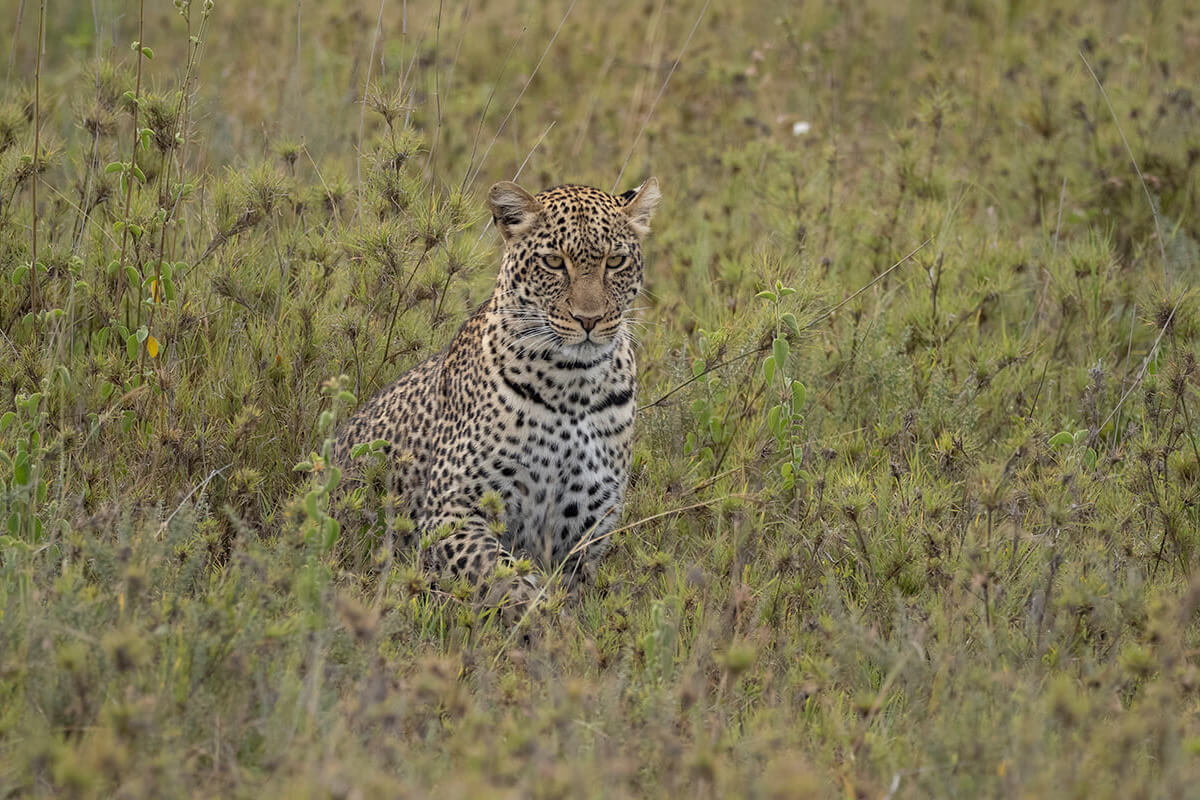
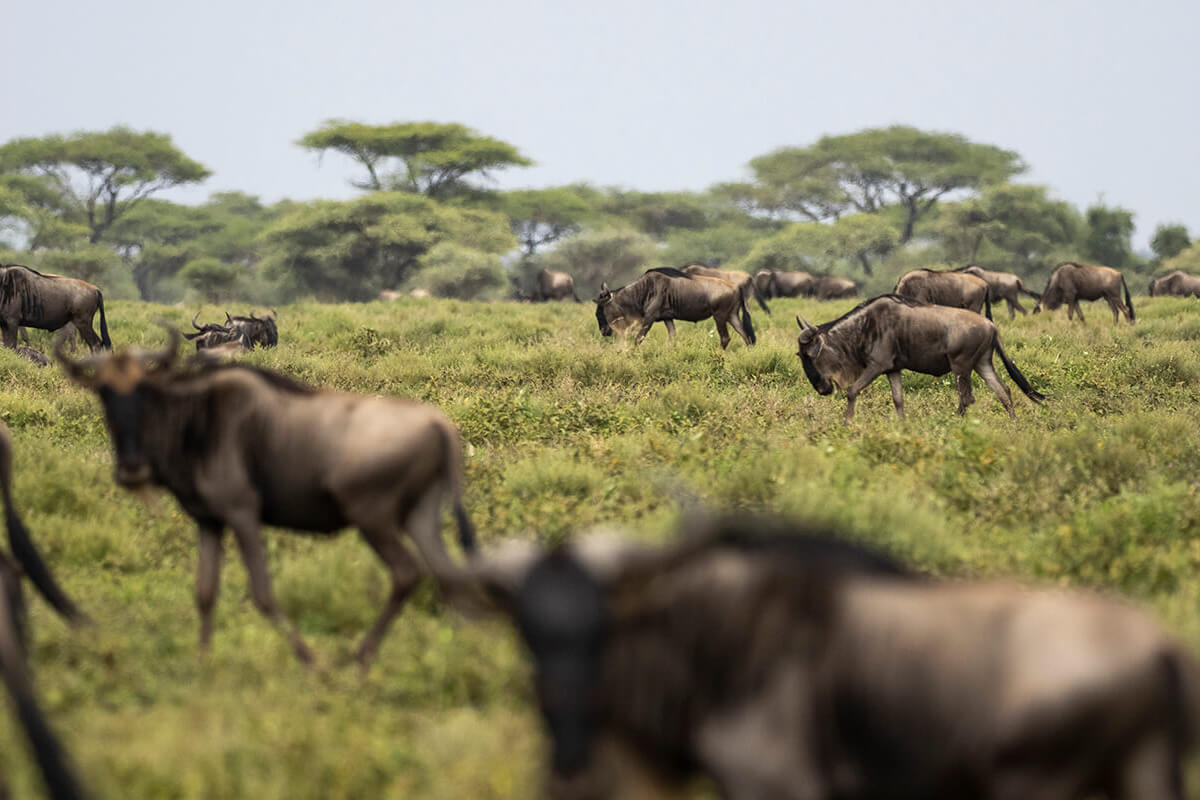
Finally, the road passes near the village of Wasso, a small rural settlement, and around midday you reach Serengeti National Park. On this route, you enter the national park through Klein’s Gate, a very uncrowded area. Once inside the park, one of the most exciting safaris of this Tanzania itinerary begins. The whole of the northern Serengeti is famous for its high density of herbivores, which in turn means there are also plenty of predators. It is an area where sightings of lions, leopards and cheetahs are common. In addition, between October and December you can normally see the great wildebeest migration in this part of the Serengeti. The guides usually know where the big herds of wildebeest are at any given time, and always do everything they can to get close.
After an intense afternoon of safari, I advise you to spend your first night in the Serengeti at one of the lodges in the north of the national park, so you can keep exploring this region over the following days.
Day 5: Northern Serengeti, one of the great moments of this Tanzania itinerary
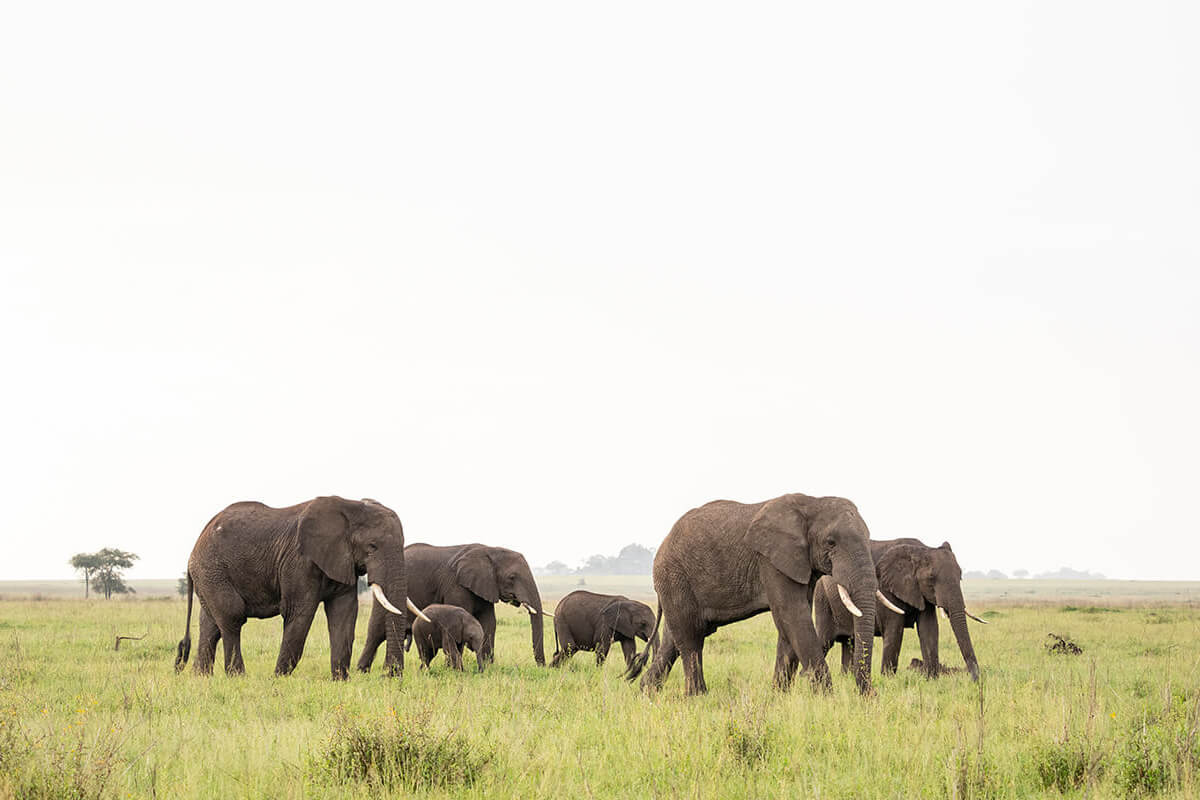
Shorter Tanzania itineraries do not usually reach the northern Serengeti, which makes this area much wilder and means far fewer vehicles. This translates into high-quality wildlife sightings. Often there is only one vehicle watching the most emblematic species, such as elephants or the big cats.
That is why it is normally best to dedicate a whole new day of safari to the northern Serengeti, starting early in the morning to enjoy a sunrise in the middle of the savannah. If you like photography and get the chance to photograph a lion, leopard or cheetah lit by the first rays of the day, you will hardly forget that magical moment…
In addition, from July to September, in the northern Serengeti you can witness one of the most impressive spectacles in nature: the wildebeest crossing of the Mara River. A dramatic yet majestic scene, considered one of the great moments you can experience on safari. However, if you are lucky enough to see it, it is important to remember to experience it responsibly: never get out of the vehicle and make sure the car does not block the animals’ crossing points. In recent times there have been cases of disrespect towards the animals, and it is essential to avoid any action that interferes with such a delicate moment.
The usual plan on this safari day is to have a picnic lunch, and afterwards I recommend spending the afternoon looking for predators in the areas close to the lodge, so you can photograph them in the best light of the day. Bear in mind that night safaris are not allowed, so you need to be back at the lodges shortly after sunset.
|
PLAN YOUR NEXT ADVENTURE Want a northern Serengeti route like this one?Tell us your dates and what you want to see, and local operators will build a Tanzania itinerary around you, with direct prices and no intermediaries. |
Day 6: Transfer to central Serengeti
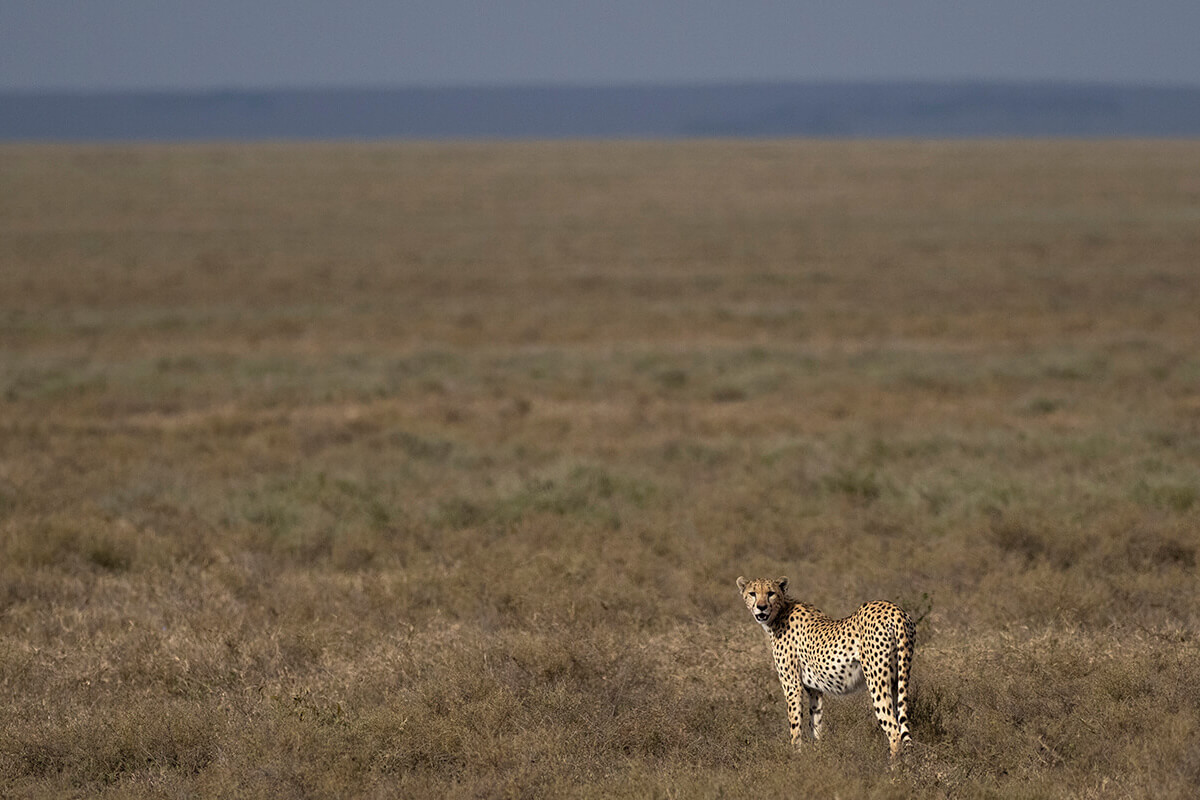
I designed this Tanzania itinerary for travellers who love nature and photography, and who know that within the monotony of a 4×4 safari there are always different scenes and moments. So this new day starts just like the previous one, searching for animals in the Serengeti at sunrise.
From mid-morning, it is time to start heading down to the centre of the national park, to the Seronera area. It is a much busier area, although since it is so vast, vehicles rarely pile up. It is also worth spending an afternoon on safari here. The landscape changes slightly, and in the central Serengeti, for example, kopjes (small rocky hills) are common, creating a very distinctive landscape. It is also common to see lions resting on top of these hills, which make excellent natural viewpoints.
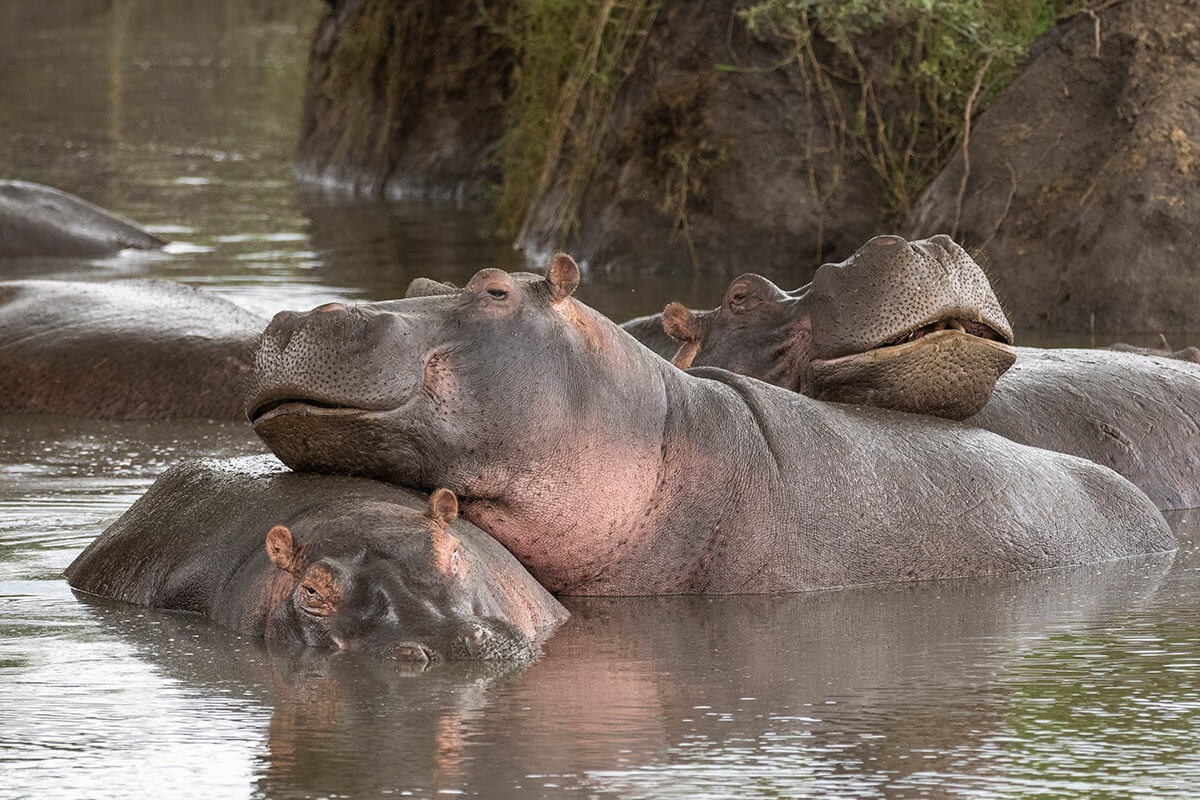
Also, in the central Serengeti there are several natural pools where large numbers of hippos gather. It is worth spending a while watching these curious mammals. Their characteristic sounds are some of the funniest on the savannah.
All this makes this new afternoon of safari an excellent opportunity to keep enjoying one of the most impressive ecosystems on the planet.
Day 7: Morning safari and transfer to Ndutu
On this last morning in the Serengeti, I recommend two activities: if your budget allows a hot-air balloon flight (it costs around 500 USD per person) it can be a memorable activity, letting you see the animals from a completely different perspective; if you prefer to save that cost, then you can do one last 4×4 safari in the Serengeti, which is sure to give you some memorable moment.
After that, it is time to begin the drive out of Serengeti National Park. In this case, the best option is to leave the park through Naabi Hill Gate.
From there, to continue with these intense safari days, you need to drive south into the Ngorongoro Conservation Area to reach the Lake Ndutu region. It is a very special area, and one that is worth visiting at any time of year.
Day 8: A safari in the Lake Ndutu region
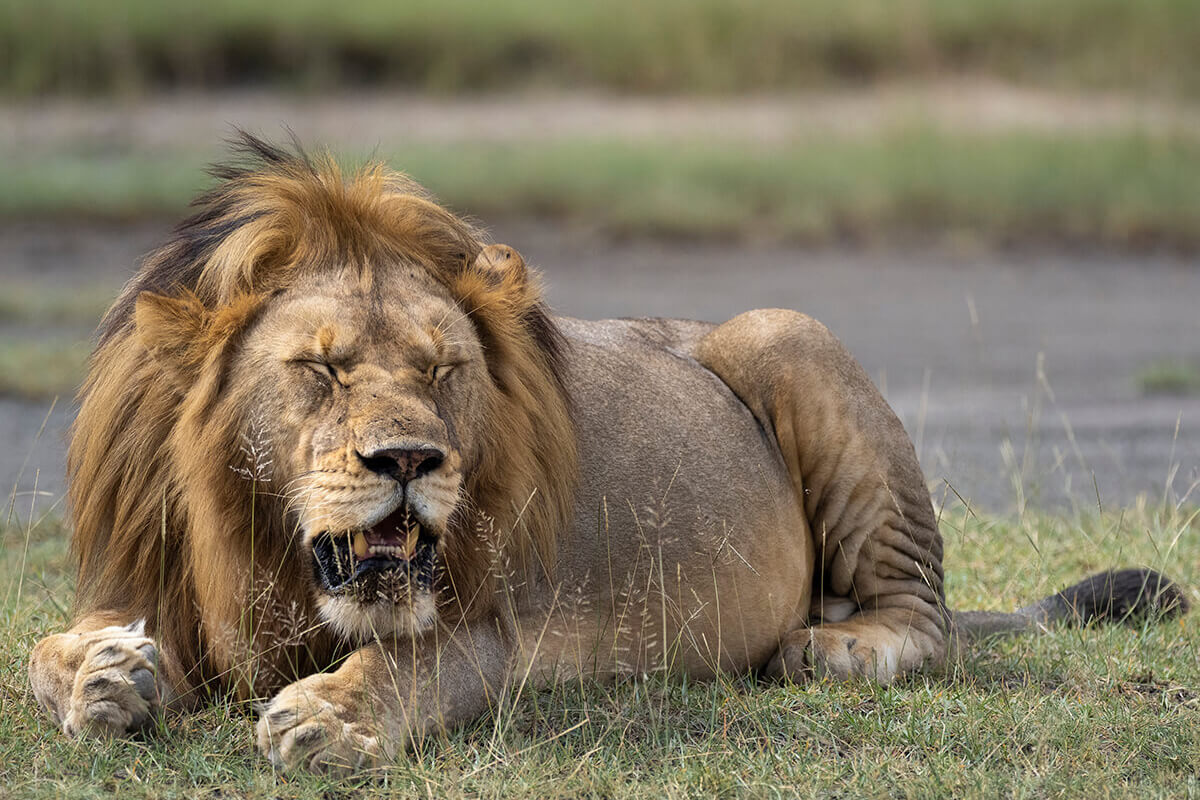
The Lake Ndutu region, in the south of Serengeti National Park and within the Ngorongoro Conservation Area, is also one of the most spectacular places to go on safari in northern Tanzania. This area has become famous in recent years, especially as a very good place to see lions and cheetahs, and also other more elusive species of cat such as the caracal or the serval.
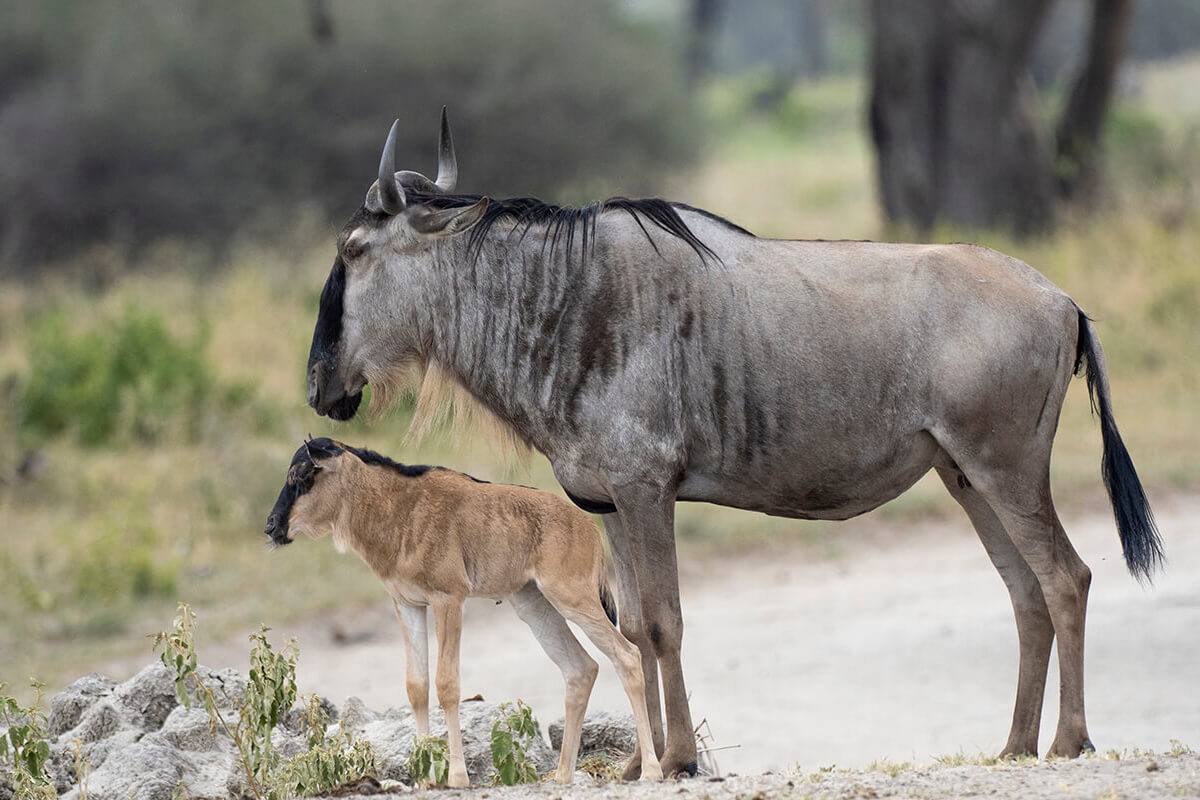
Ndutu is really most popular between January and early March, when the great migration is in this area and the new generations of wildebeest, zebras, gazelles and impalas are born. This moment is known as the calving season. The great abundance of young animals also makes it a very good time to see predators in action.
Even so, during the rest of the year it is still a good time to see the big cats of the African savannah, since they are territorial animals and are always found in the same area. For that reason, summer is also a good time to visit this area, especially if you are lucky enough to see some lion or cheetah cubs.
On this day of the Tanzania itinerary the star activity is still 4×4 safaris. It is also worth going to the lake, where there is usually a large concentration of flamingos.
Day 9: Ndutu to Ngorongoro
After one last morning safari near Lake Ndutu, it is time to head to one of Tanzania’s great icons: the Ngorongoro Crater safari.
However, the drive there is quite long, about five hours, but you can keep seeing plenty of animals along the way. It is also common to make a few stops to stretch your legs and enjoy the scenery of the Ngorongoro Conservation Area.
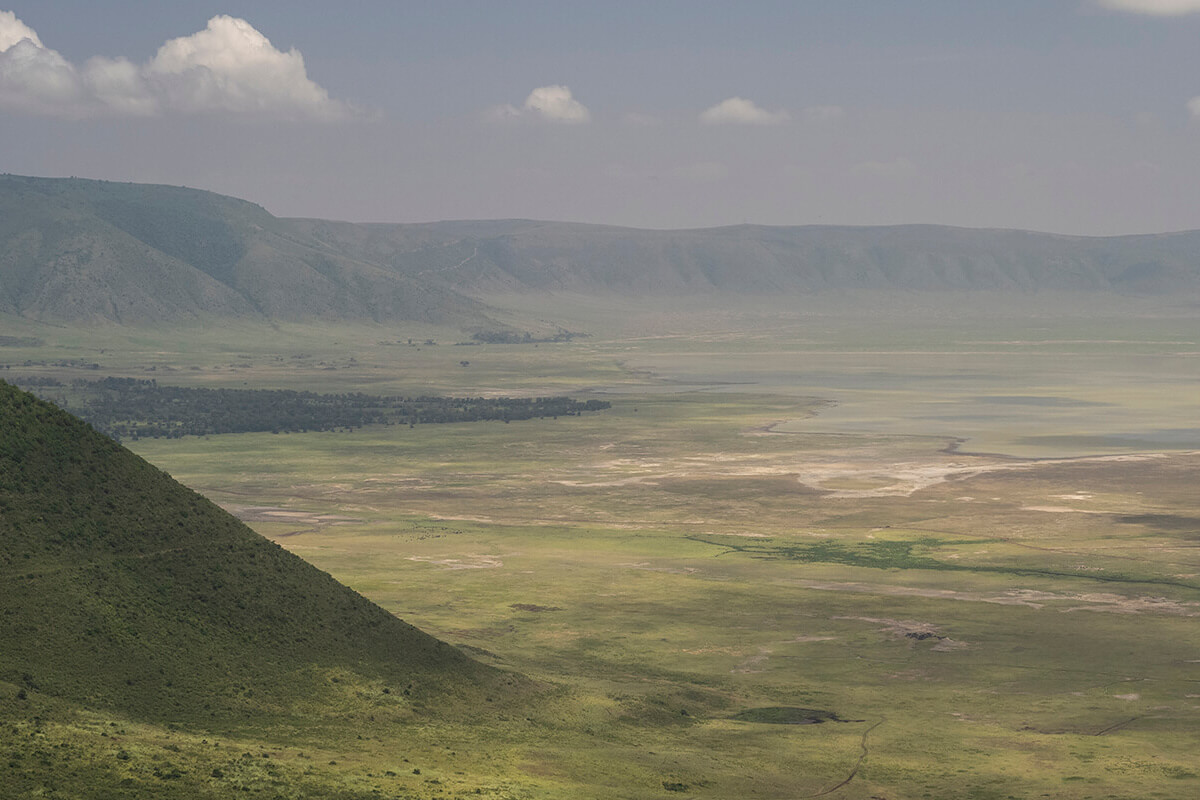
The usual plan is to arrive at the crater rim in the early afternoon and spend a restful afternoon there, in quite a different landscape. The lodges are at an altitude of around 2,000 metres, in a much cooler area with more vegetation.
Day 10: Ngorongoro and return to Arusha, the end of the Tanzania itinerary
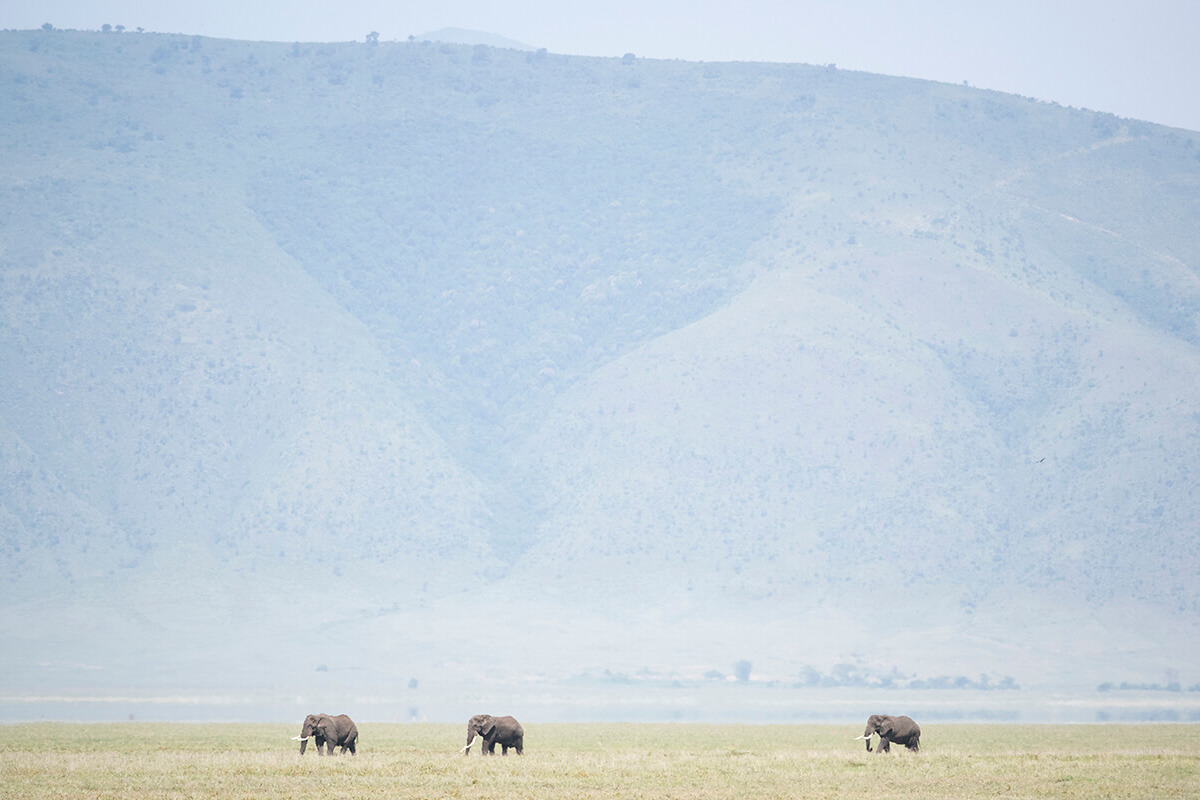
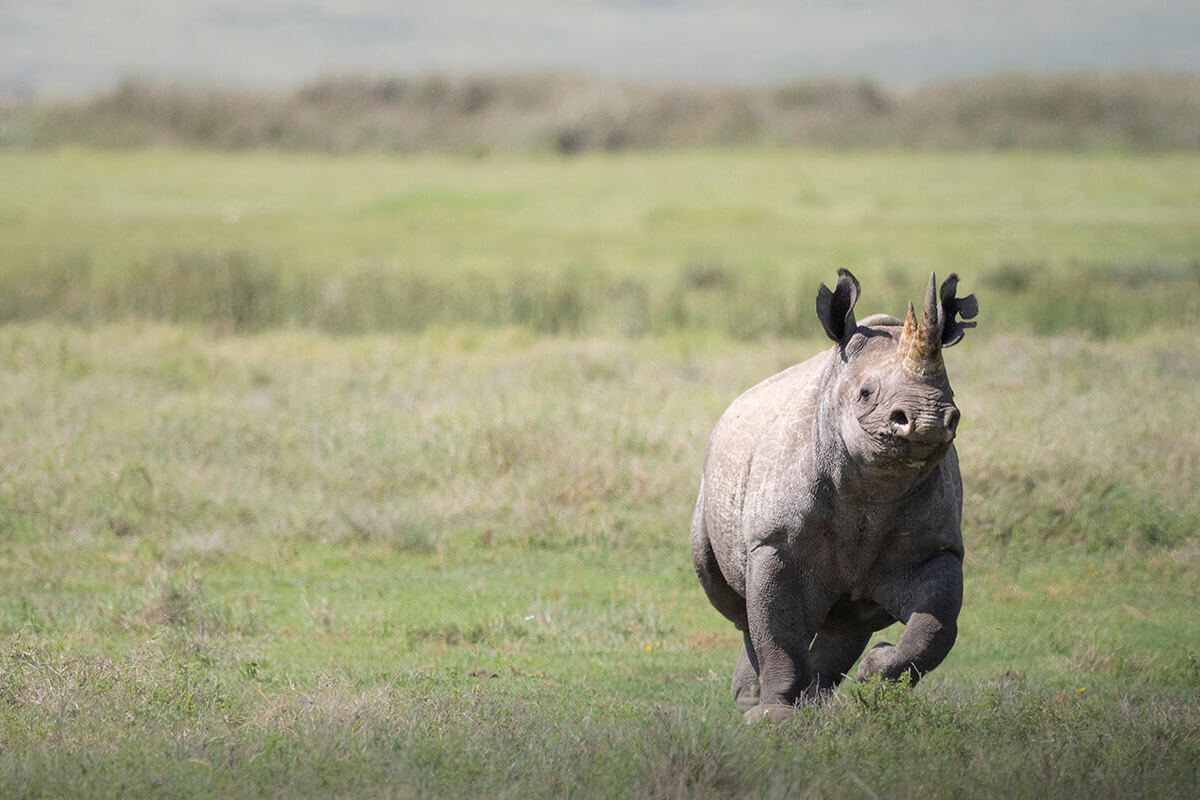
The last day of this Tanzania itinerary begins with an exciting safari of about five or six hours inside the Ngorongoro Crater. This huge caldera, 20 kilometres in diameter, is home to more than 25,000 animals of different species, which live there all year round. It is an area where safaris are sublime throughout the year, and one of the few places in the country where you can quite regularly see black rhinos.
That said, since the Ngorongoro Crater is one of the most popular spots in Tanzania, my main piece of advice is to get up early and start the safari just as the crater access gates open, at six in the morning. The first two hours of the day are the most interesting, partly because the animals are much more active, and partly because there are far fewer vehicles inside the crater.
After the safari, you normally go back up to the crater rim for lunch and then visit the crater viewpoint.
Finally, this Tanzania itinerary ends with the drive back to Arusha, which takes about three hours by car.
 |
SAFARIS BY LOCALS Adapt this 10-day route to your datesWould you like to do this Tanzania itinerary with a private guide, at your own pace and in the right season? Local operators will tailor it to your budget, with no commitment. |
Alternative Tanzania itineraries: 7 different proposals
As I mentioned, the Tanzania itinerary above is the route I would follow if I only had ten days to spend in the country. It is a route focused especially on safaris, above all in areas where you can see Africa’s big cats, which for me are always the main goal on safari, and I love photographing and watching them.
However, I know that not everyone is looking for this experience. I know travellers who, after about four days of safari, preferred to change activity and see other things in Tanzania. That is why in these other Tanzania itineraries I have put forward some alternatives, both in terms of the length of the route and the variety of activities.
In the end, these are only examples. The good thing about safaris, especially if you book a Tanzania safari with a local tour operator, is that the routes are 100% customisable, and everyone can adapt them to their tastes and budget.
10-day Tanzania itinerary: wildlife and culture
If you want to follow a 10-day Tanzania itinerary, but also discover the culture of some regions of the country in more depth, I would recommend this itinerary:
- Day 1: Arrival in Arusha
- Day 2: Safari in Tarangire National Park
- Day 3: Transfer to Lake Natron and an activity in the afternoon
- Day 4: Full day at Lake Natron, where you can visit waterfalls and take part in cultural activities with the Maasai.
- Day 5: Drive from Lake Natron to the northern Serengeti, for an afternoon safari.
- Day 6: Full day of safari in the Serengeti, looking for the Big 5.
- Day 7: Last morning of safari in the Serengeti and transfer to the Ngorongoro Crater, for an afternoon safari inside the crater.
- Day 8: Lake Eyasi and the Hadzabe and Datoga tribes
- Day 9: Cultural visit to Mto Wa Mbu and return to Arusha
- Day 10: Trek to Materuni Waterfall and visit to the coffee plantations.
As you will have seen, this itinerary follows a similar path to the first one I proposed, but devotes less time to safaris (you spend one day less in the Serengeti and do not visit Lake Ndutu).
Instead, it adds visits to three things to do in Tanzania if you are interested in cultural activities
Lake Eyasi
The lake Eyasi is a shallow salt lake about 90 km from the Ngorongoro Crater. Although at some times of the year it can be completely dry, between June and November it hosts a large number of flamingos and other birds, which makes it a very interesting area for bird lovers. Besides its natural value, it stands out for the presence of two very distinctive indigenous communities: the Hadzabe, a hunter-gatherer people, and the Datoga, traditionally herders and metalworkers. With the support of a specialist guide, it is possible to make a respectful visit to learn more about their daily life, their language and their bond with the land.
Mto Wa Mbu
Mto wa Mbu is an interesting Tanzanian town. This former village has grown considerably in recent years, and is now a small town of 40,000 inhabitants. However, it is set in a completely rural environment and still keeps a lively yet relaxed atmosphere.
One of the things that makes Mto wa Mbu special is the coexistence of the different tribes of Tanzania; in fact, there are people from more than 120 tribes of the country. This makes it very interesting to visit the spice, fruit and craft markets.
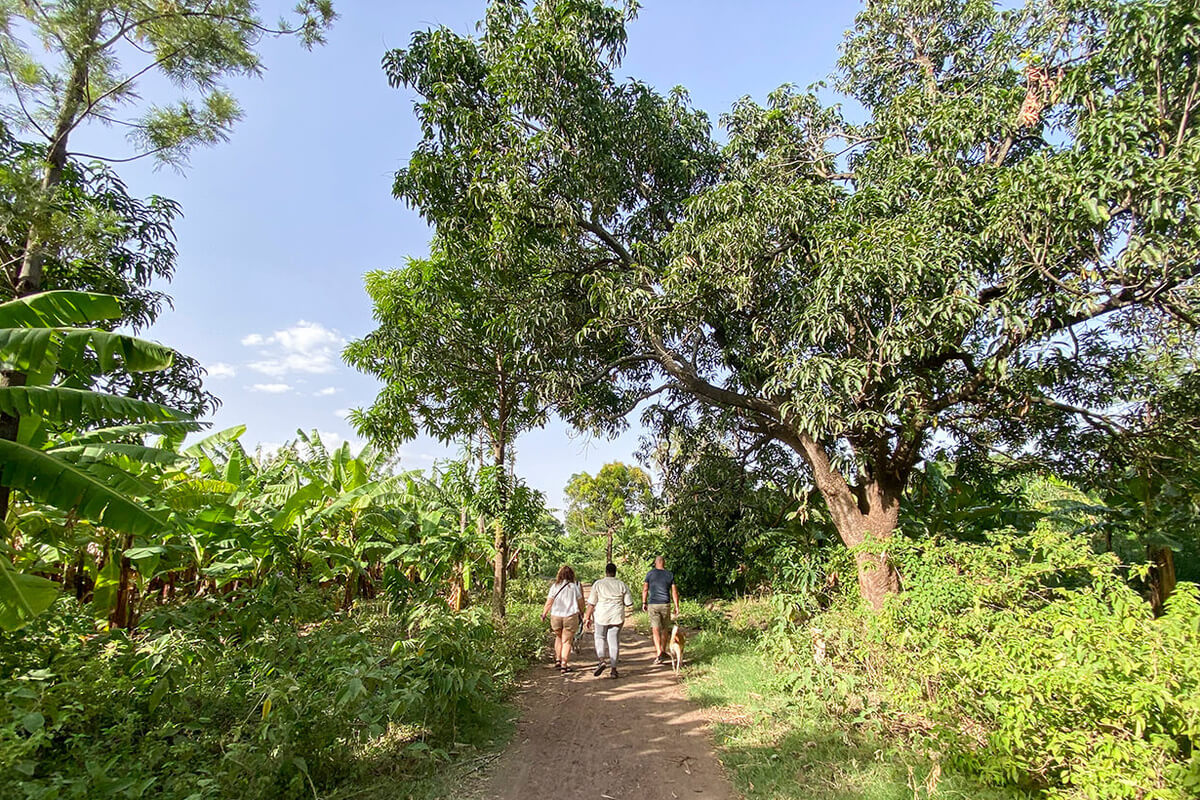
Since you pass through this town on the way from Arusha to the Serengeti, the local communities organise various activities, especially to show the banana plantations. There are more than a dozen spices, and it is fascinating to learn first-hand all the secrets about these plants and how the fruit is used.
Materuni Waterfall
The Materuni Waterfall is a beautiful 70-metre waterfall located inside the forest that covers the lower slopes of Kilimanjaro. You have to walk a little to reach it, but it is not a difficult hike even though it is at 2,500 metres above sea level.
This waterfall is only 15 kilometres from the town of Moshi, so it is very easy to visit from there. However, it can also be visited from Arusha, the city where most safaris in Tanzania begin. Itineraries that include the Materuni Waterfall usually also let you get to know the traditional coffee plantations of the area and enjoy a lunch of traditional food from this part of Tanzania.
15-day route in Tanzania: northern Tanzania and Zanzibar
If you want to follow a Tanzania itinerary that combines safaris with a few beach days, I recommend an itinerary of about 10 days on the mainland (you could follow either of the two itineraries I have set out) and spending five days getting to know Zanzibar.
When visiting Zanzibar, you can do many activities independently, or book day tours through your accommodation or online.
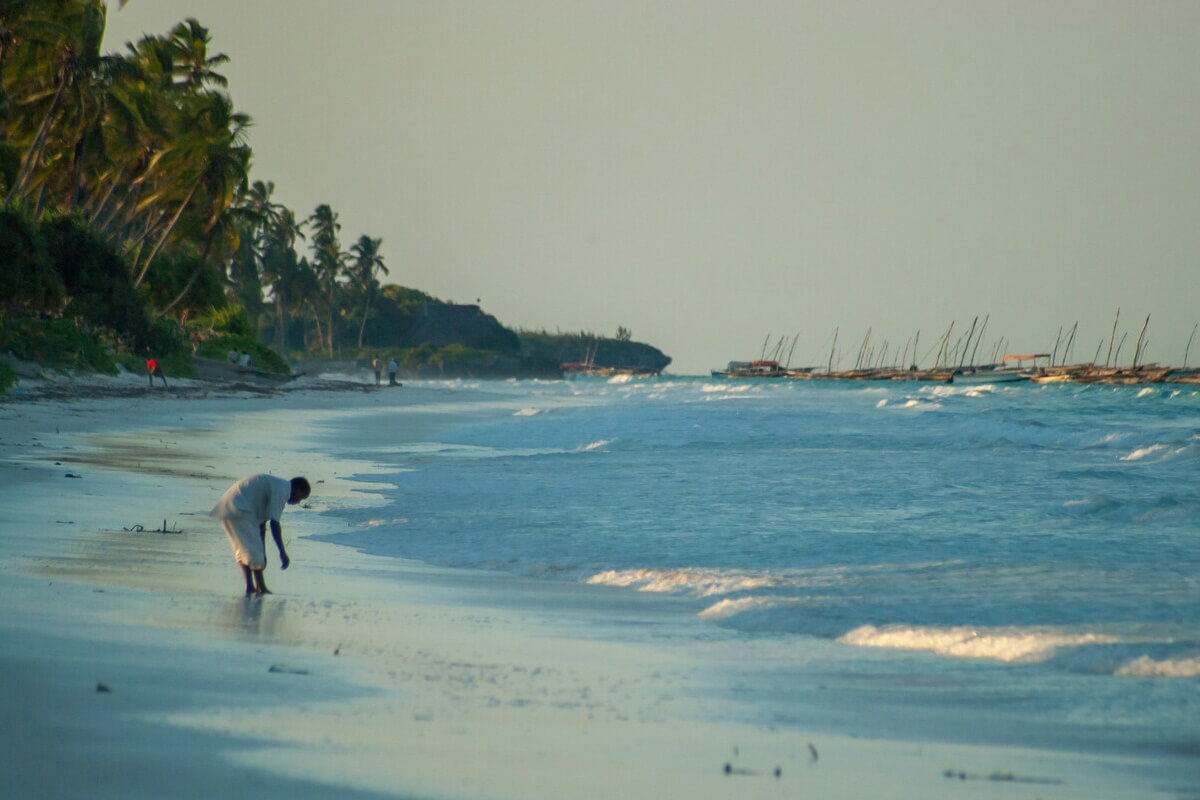
Some of the most notable places on this island are:
- Stone Town: The historic heart of Zanzibar, with narrow alleyways, spice markets and architecture influenced by Arab and colonial styles.
- Secret Island: A hidden islet surrounded by crystal-clear waters, perfect for relaxing in an exclusive setting.
- Mnemba Atoll: One of the best places to snorkel and sail among dolphins in transparent waters.
- Paje: A coastal village very popular with kitesurfers, with a long beach and a relaxed atmosphere.
- Blue Lagoon: A small lagoon of intense colour, ideal for swimming and snorkelling among corals.
- Kae Beach: One of the best beaches for enjoying the sunset, with bars and live music by the sea.
Safari and Kilimanjaro: an adventure trip to Tanzania
Another very interesting and complete Tanzania itinerary is the option of combining the climb of Kilimanjaro, the highest peak in Africa, with a safari in the national parks of northern Tanzania.
In this case, I recommend doing the Kilimanjaro trek first, as it is the most demanding part of the trip. Bear in mind that the climb cannot be done independently, because every group must be accompanied by a guide and several porters. The cheapest way to book it is with a local agency.
There are several routes up Kilimanjaro, but for good acclimatisation, I think the most recommendable is the Lemosho route, which can be done in seven days.
So, the itinerary I would recommend in this case would be the following:
- Day 1: Arrival in Arusha and transfer to Moshi.
- Day 2: First day of the Kilimanjaro trek on the Lemosho route (Moshi – Londorossi Gate – Forest Camp)
- Day 3: Second day of the Kilimanjaro trek (Forest Camp – Shira Camp 1)
- Day 4: Third day of the climb (Shira Camp 1 – Shira Camp 2 – Moir Hut)
- Day 5: Fourth day of the Kilimanjaro trek (Moir Hut – Lava Tower – Barranco Camp)
- Day 6: Fifth day of the route (Barranco Camp – Karanga Camp – Barafu Camp)
- Day 7: Sixth day of the trek (Barafu Camp – Kilimanjaro Summit – Mweka Hut)
- Day 8: Last day of the trek (Mweka Hut – Moshi)
- Day 9: Start of the safari with the transfer from Moshi to Tarangire National Park and an afternoon safari.
- Day 10: Transfer from Tarangire National Park to the central Serengeti and an afternoon safari.
- Day 11: Full day of safari in the Serengeti.
- Day 12: Morning safari in the Serengeti and drive to the rim of the Ngorongoro Crater.
- Day 13: Safari inside the Ngorongoro Crater and return to Arusha.
Express Tanzania itinerary: a 5-day route
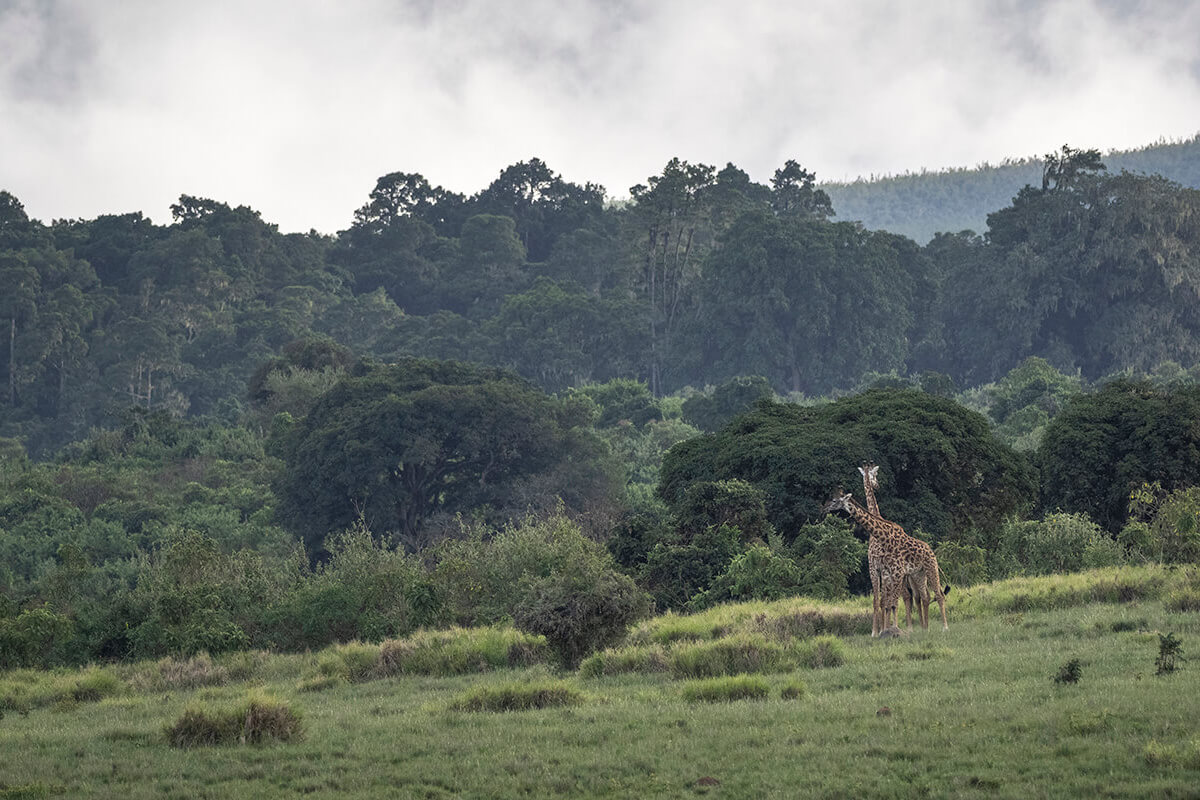
If you have a tight budget or few days for a Tanzania itinerary, the minimum number of days I recommend to enjoy a safari in Tanzania is five. Five days is enough time to see some of the northern national parks in depth.
There are several interesting routes for a Tanzania safari in 5 days, but my favourite for a first trip to the country would be the following:
- Day 1: Safari in Tarangire National Park
- Day 2: Drive to central Serengeti and afternoon safari
- Day 3: Full day of safari in the Serengeti
- Day 4: Last safari in the Serengeti and transfer to the Ngorongoro Crater
- Day 5: Safari inside the Ngorongoro Crater and return to Arusha
Alternatively, if you want to discover a much lesser-known part of Tanzania, in five days you can also do a route through the national parks of the south of the country. In this case, the usual route is:
- Day 1: From Dar es Salaam to Nyerere National Park
- Day 2: A full day of safari in Nyerere National Park
- Day 3: From Nyerere National Park to Mikumi
- Day 4: Udzungwa Mountains National Park
- Day 5: From Mikumi to Dar es Salaam
After a route like this, many people also decide to spend a few days in Zanzibar, as internal flights there are not expensive at all. On this paradise island I recommend spending between four and five days.
Tanzania itinerary: northern national parks and chimpanzees
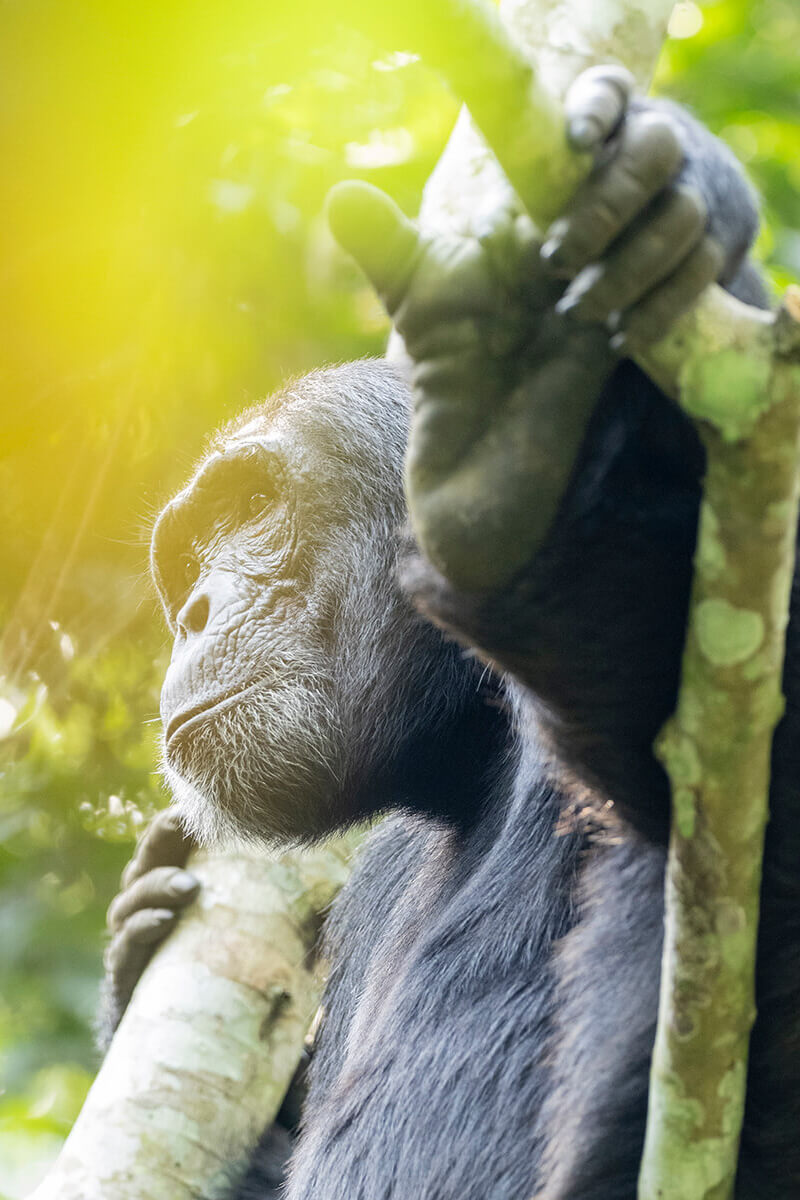
Although it is much more common to travel to Uganda to see chimpanzees and mountain gorillas, in Tanzania you can also see chimpanzees in the wild. But the national park where you can see these primates is quite far away, so it is not usually included in standard Tanzania itineraries.
If you want to go, I recommend first doing a five- or six-day safari in the national parks of the north of the country.
Then, to see chimpanzees you should follow this route:
- Day 1: Flight from Arusha to the city of Kigoma and boat trip to Gombe National Park (the boat journey takes between 1 and 2 hours).
- Day 2: Trek to see chimpanzees in Gombe National Park.
- Day 3: Flight from Kigoma to Arusha or Dar es Salaam, and then on to Zanzibar or back to your home country.
If you have a few more days, I recommend doing a second trek to see chimpanzees. These primates can also be seen in Mahale Mountains National Park, but it is usually more expensive.
Northern Tanzania in 8 days
If you are looking for a slightly shorter itinerary, of about 8 days, then I would recommend following this route:
- Day 1: Arrival in Arusha
- Day 2: Safari in Tarangire National Park
- Day 3: Transfer to the central Serengeti area and afternoon safari.
- Day 4: Full day of safari in the Serengeti
- Day 5: Full day of safari in the Serengeti
- Day 6: Last morning of safari in the Serengeti and transfer to the Ngorongoro Crater.
- Day 7: Morning safari in the Ngorongoro Crater and return to Arusha.
- Day 8: A day visiting the Materuni Falls or taking a walking safari in Arusha National Park.
If you want to follow this Tanzania route between January and March, then I recommend making a few changes and spending one or two nights in the Lake Ndutu region, to see the great migration and the calving.
Tips for following one of these Tanzania itineraries
If you are planning to travel to Tanzania, I recommend treating the Tanzania itineraries above only as proposals to inspire you. It is best to read a little about the country and end up designing a fully personalised route adapted to your tastes.
If you have any questions, you can get in touch with me or request a personalised quote from one of the local agencies I trust so they can help you design the best route according to the season and your interests.
This practical information may also be useful for organising a route through Tanzania:
How to organise a trip to Tanzania
When it comes to going on safari, there are three ways to organise it:
- Independently: renting a car and doing the whole route and safaris on your own.
- With a local agency: booking a safari (guide, 4×4 vehicle, accommodation and permits) with an agency in the country, so you avoid intermediaries and pay a much more affordable price.
- With an international agency: booking an already defined route with an international agency, which basically acts as an intermediary, making the safari considerably more expensive.
I always recommend booking the trip with a local agency, as it is much cheaper, but also safer and simpler than doing it independently (finding your way around the national parks and spotting animals without experience can be quite difficult). In addition, with local agencies you can do low-budget group safaris or completely private, personalised routes.
To contact trusted local agencies, you can use this form, and I will put you in touch with agencies I know personally.
How much does a safari in Tanzania cost?
For full details on the Tanzania safari cost you can read the guides I have written. But in short, these would be the price ranges for a Tanzania itinerary with a local agency:
However, bear in mind that prices vary depending on the number of people and also on the time of year.
Get a clear price for your Tanzania itineraryRanges are a good starting point, but your real price depends on your dates and group size. Ask local operators for a quote with direct prices and no middlemen, with no obligation. ✓ Personalised safari itineraries |
How many days do I recommend for a safari in Tanzania?
For a trip to Tanzania I generally recommend spending at least 7 to 10 days in the country. However, if you don’t have more time or you have a tighter budget, I would recommend dedicating at least 5 days to a safari.
|
YOUR NEXT ADVENTURE AWAITS Ready to turn this Tanzania itinerary into your trip?Speak with verified local operators, compare their proposals and choose the safari that fits you best. Quick, free and with no commitment. |