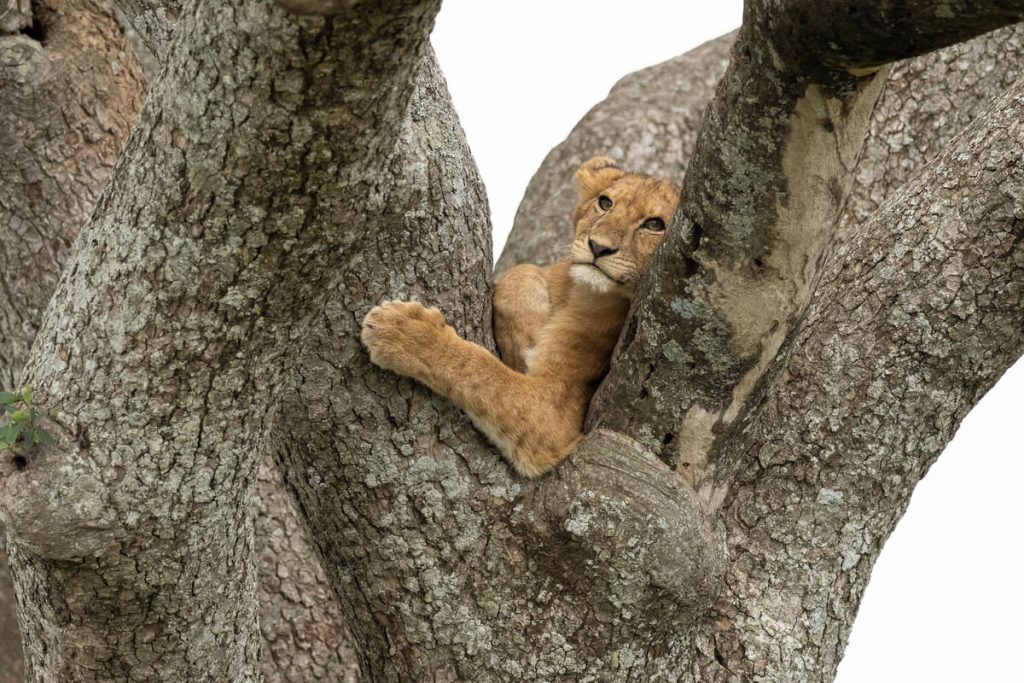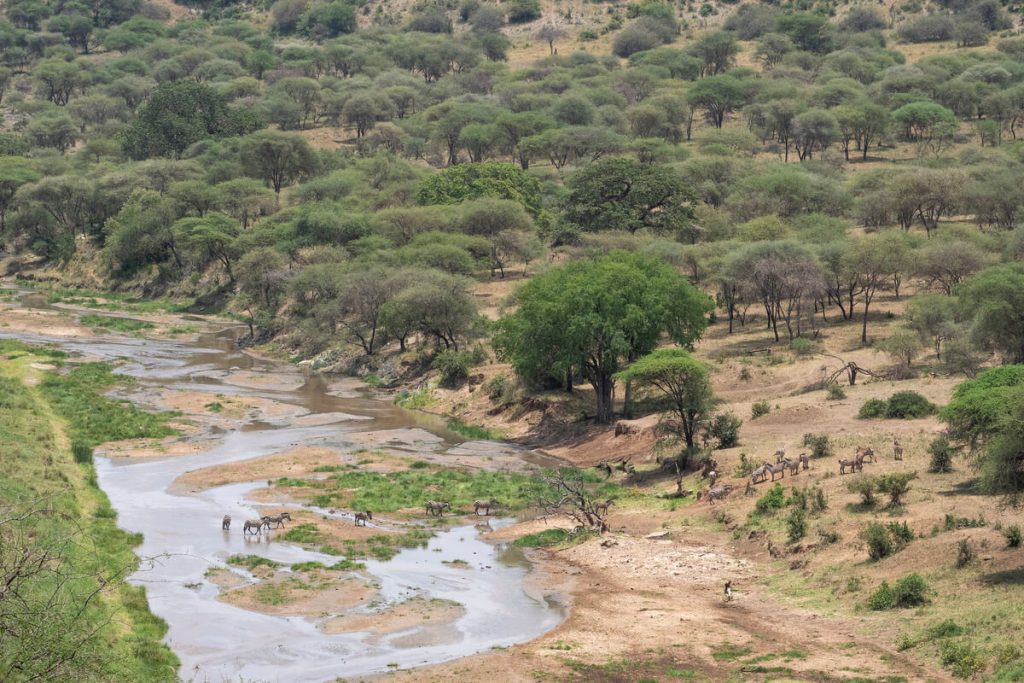
A Tanzania 7 day safari is an excellent way to experience the best of the African bush. Some of the national parks in the north of the country are among the best places on the continent to feel the thrill of a safari, thanks to the great density of wildlife in these conservation areas. The country’s great emblem is the Serengeti, home to the largest population of wild lions, but on a 7-day trip to Tanzania it is also well worth spending a few days getting to know some of the other national parks.
Since the long trip through Africa that I made in 2023, I have been completely in love with the country. I am still in touch with some of the local guides in Tanzania, and together with them, drawing on my experience and theirs, I have designed the most complete 7-day Tanzania safari itinerary.
Tanzania 7 day safari: the itinerary day by day
Day 1: Arrival in Arusha
The city of Arusha is the gateway to safaris in northern Tanzania. Most international flights land at Kilimanjaro Airport, an hour from the city, usually in the middle of the morning or during the afternoon. That is why it is best to stay in the city on the first day and simply rest a little after the journey.
If you book the safari with a local tour operator in Tanzania, the airport pick-up and the hotel in Arusha, the first of this 7-day trip to Tanzania, will generally be included in the itinerary. If you book your accommodation independently (I recommend doing so through Booking.com and choosing options with good recent reviews), you can usually also arrange the transfer from the airport, paying between 35 and 40 dollars per vehicle.
What to do in Arusha
If you arrive in Arusha in the middle of the morning or early in the afternoon and want to do something in the city, you can visit some of its vibrant markets. The Central Market (Soko Kuu) and the Kilombero Market are especially famous. If you go on your own, bear in mind that these are very busy areas where you will easily stand out as a tourist, so I recommend carrying nothing of value and strolling discreetly. Although it is not an especially dangerous place, there are some pickpockets, so you will need to look after your phone, wallet and passport.
As a precaution, and I advise this for any destination, before the trip I suggest you take a photo of your passport and save it in the cloud (you can email it to yourself or store it on Google Drive or Dropbox).
Where to stay in Arusha
Arusha has a large number of hotels and also lodges on the outskirts of the city, so there are options for every taste and budget. I recommend one of these:
- Mount Meru Hotel. This is an upmarket hotel on the outskirts of Arusha with beautiful views of Mount Meru. If you are looking for peace and rest before a 7-day safari in Tanzania, this is a very good option.
- Cresto Safari Lodge. This small guesthouse is about thirty minutes from Kilimanjaro Airport, in a quiet part of the city.
- The Charity Hotel. It is quite popular with the best Tanzania tour operators, as it offers excellent value for money and very good quality services.
Day 2: From Arusha to Tarangire National Park
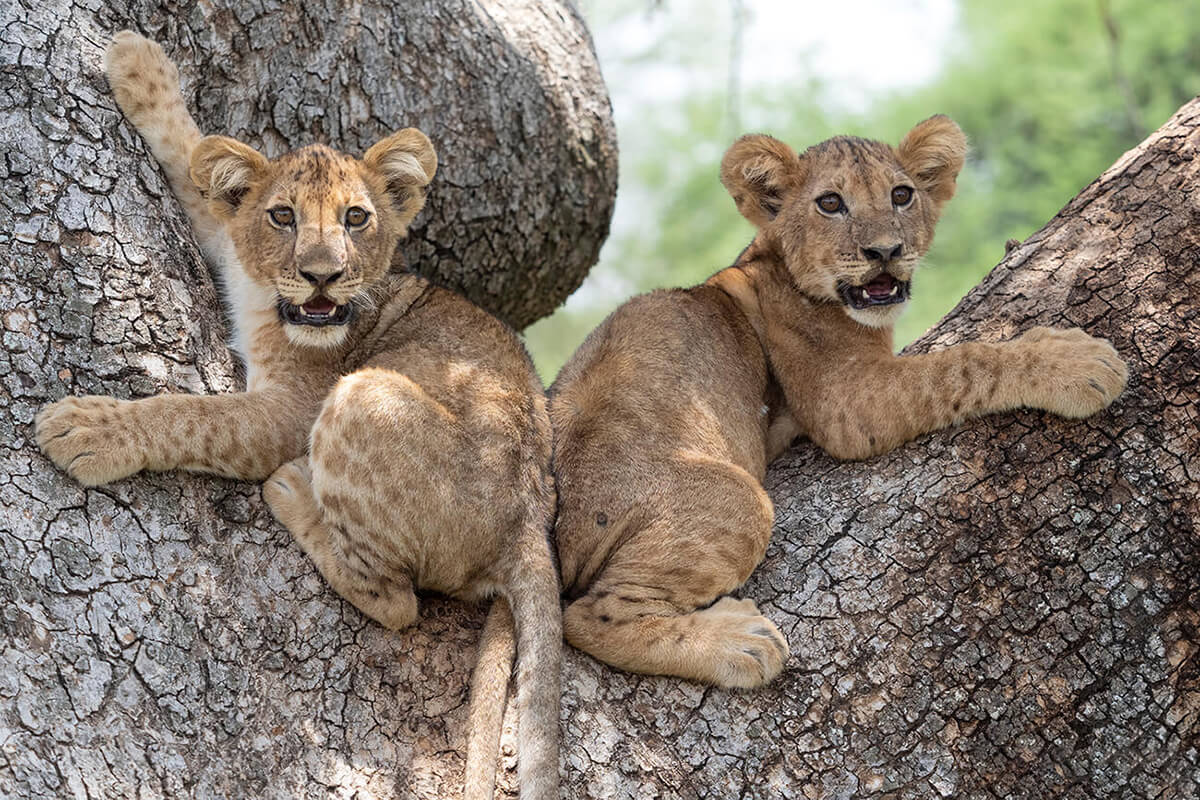
The ideal national park for the first safari of your 7-day trip to Tanzania is Tarangire National Park. It is a reserve about two and a half hours from the city of Arusha, and it is quite easy to reach by a road in good condition. What is more, once inside the park you rarely need to drive far before seeing your first elephants, giraffes, zebras, wildebeest… With a little luck, it is also a park that is quite good for spotting lions and leopards, and from time to time you may even see a cheetah.
Usually you spend two or three hours on safari in the morning before stopping for a picnic at the designated spots inside the national park. At these picnic spots there are always monkeys (especially velvet monkeys) watching for any distraction so they can steal people’s food. So I recommend eating something quick and never leaving your food unattended (especially the bananas!). If a monkey does come to steal something from you, it is best not to confront them. A bite could be dangerous (above all because of the diseases they could transmit)…
After lunch, you can continue the safari for about three more hours before leaving the park and driving to Mto Wa Mbu or Karatu to spend the night.
What wildlife can you see in Tarangire National Park?
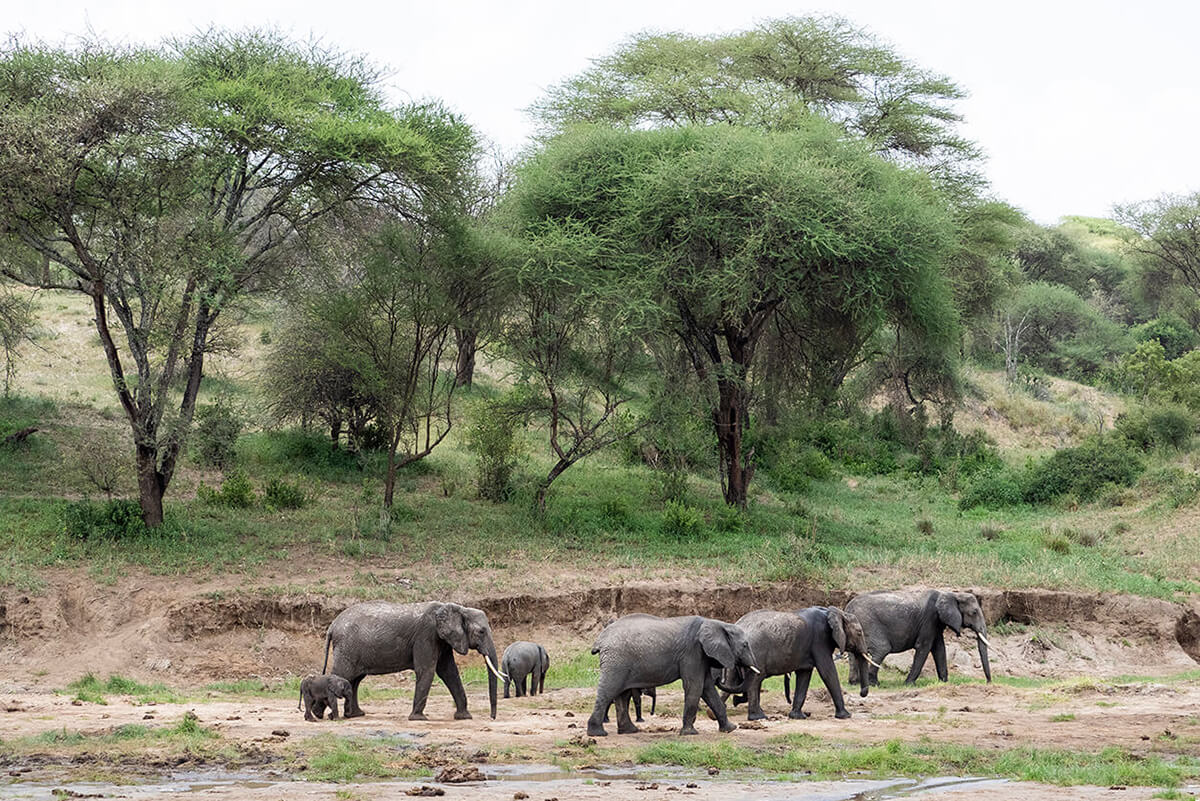
The Tarangire River, which runs through this national park, is one of the most important sources of water in the area, which means the concentration of wildlife is quite high. In recent years, part of the wildlife from Lake Manyara National Park has also moved naturally into this park, making safaris more and more productive.
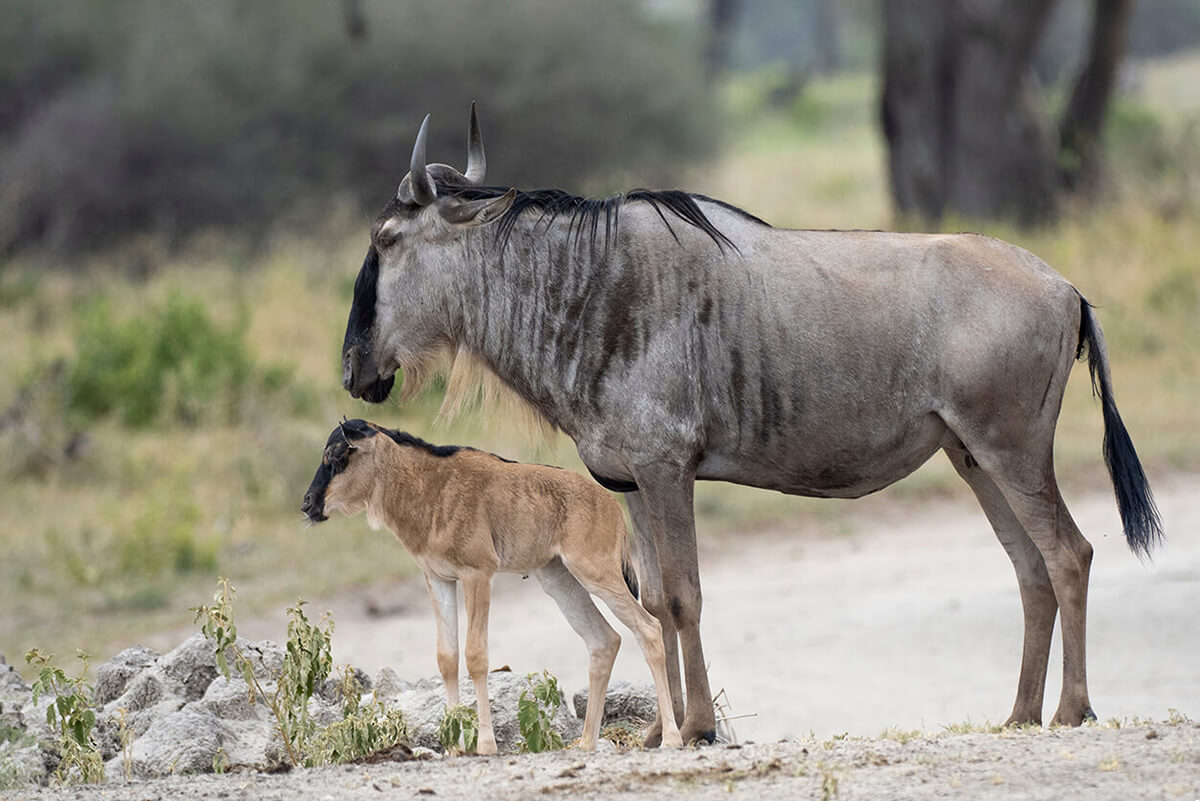
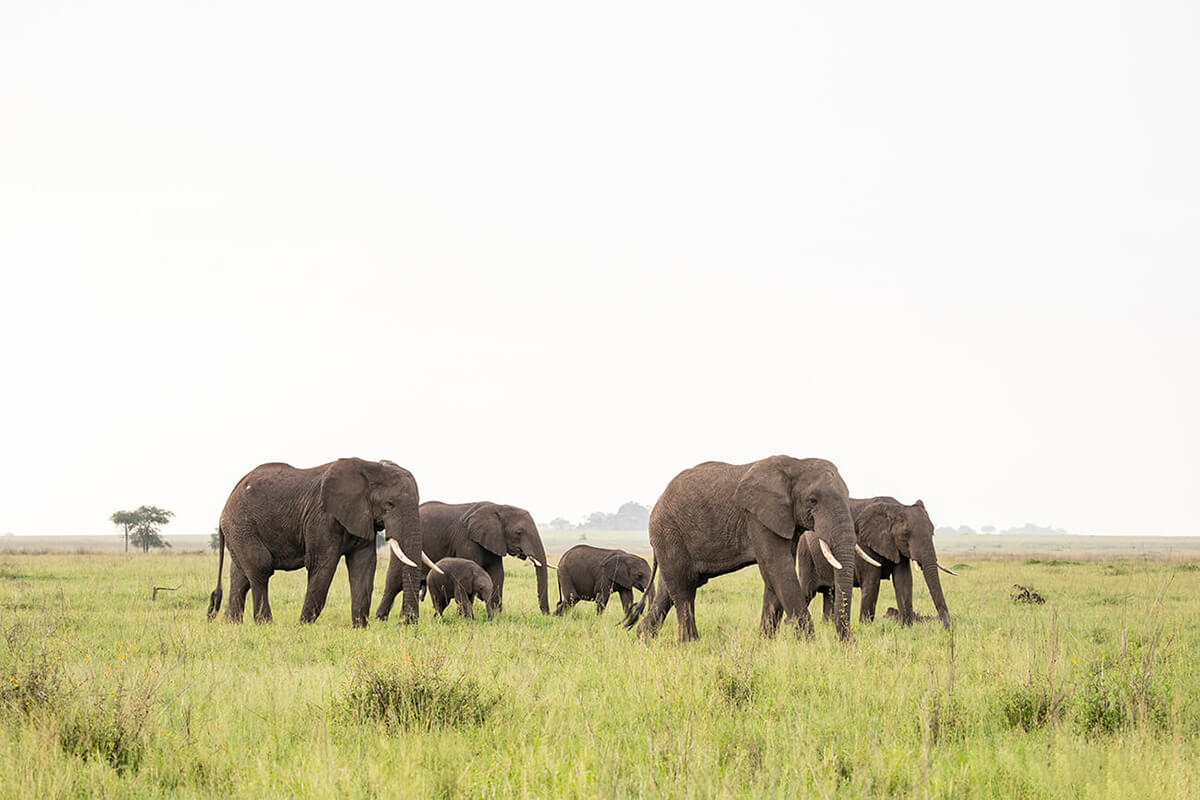
On safari you can see most of Africa’s best-known mammals: elephants (there are loads of them!), giraffes, zebras, buffalo, waterbuck, wildebeest, velvet monkeys … The only member of the Big 5 you cannot see in Tarangire is the rhino.
As for the big cats, all three species are present: lions (the most common), leopards and cheetahs.
The park is also an excellent destination for birdwatching, with more than five hundred species recorded.
Useful information for visiting this national park
- Entrance fee: For non-resident adults, the entrance fee is 59 USD per day (24 hours).
- Best time to visit the park: The best months to visit this national park are July to October. These months coincide with the dry season, and since it hardly rains, the Tarangire River becomes the only body of water in the area. This draws a migration of herbivores into the park (around 250,000 animals), which in turn attracts several predators. That said, the park can be visited all year round and a safari here is always worthwhile.
Where to stay near Tarangire National Park
If your budget and itinerary allow it, it is always best to sleep inside the national parks so you can make the most of the best hours for game drives (the first and last light of the day). Inside the park, I recommend staying at one of these:
- Tarangire Sopa Lodge. This is one of the most recommended places to stay inside Tarangire National Park. It is surrounded by baobabs and it is not unusual to see elephants or giraffes near the lodge. The facilities, as at all lodges of the Sopa chain, are of high quality.
- Tarangire Baobab Tented Camp. Here all the accommodation is made of canvas, in large tents, but with every comfort. It is an ideal option for sleeping fully immersed in the national park’s ecosystem, hearing the animals from very close by. It is also quite an expensive option, aimed at travellers with a high budget.
- Camping: You can also sleep in the national park’s public campsites (you need to bring all the equipment). They cost 35.40 USD.
Another common option is to sleep in the village of Mto Wa Mbu, 1 hour by car from the park entrance, or in Karatu. In these two places, I recommend one of these options:
- Farm of Dreams Lodge. This lodge is in Karatu, halfway between Tarangire National Park and the Ngorongoro Conservation Area. It has spacious, well-kept facilities and is ideal for people looking for mid-range accommodation during a safari.
- Suricata Boma Lodge. Here travellers can sleep in bungalows, again with every comfort. It is well located near Tarangire National Park and Lake Manyara National Park, on the outskirts of the village of Mto Wa Mbu.
- Marera Valley Lodge. This lodge is also in Karatu. It is not an especially good area for wildlife, but it is a good place to rest before continuing the safari in Tanzania in 7 days.
|
PLAN YOUR NEXT ADVENTURE Want a 7-day Tanzania safari with a local operator?Tell us your dates and budget and we will put you in touch with local operators who can design this route for you, with direct prices and no intermediaries. |
Day 3: The long road to Central Serengeti
The 7-day safari in Tanzania continues with a long drive to the Seronera area, or Central Serengeti, inside Serengeti National Park. This national park is enormous (13,000 km²) and is surrounded by the Ngorongoro Conservation Area (8,000 km²). Getting there is therefore a long journey. It is a road suitable only for 4x4s, but it will take you towards the great African savannah.
From Mto Wa Mbu, the drive to the Serengeti entrance gate, Naabi Hill Gate, takes between five and six hours. From the moment you enter the Ngorongoro Conservation Area (after the first forty-five minutes by car), you will notice the change from the forested landscape on the upper slopes of Ngorongoro Crater to savannah. You can also often see some animals along the way, especially Thomson’s gazelles, impalas, zebras and giraffes.
Once inside Serengeti National Park, after a compulsory stop at Naabi Hill Gate to validate your entry permits, the real show begins. As well as the hypnotic savannah landscape, there is a very high density of predators. That is why it is very common to see lions, but also cheetahs and leopards.
In the afternoon you will usually have time for a safari through the best areas of Central Serengeti. It is an experience that is hard to forget. If you want to know more, you can read further information and my own experience in my guide to going on a Serengeti safari.
💡 Get a free quote for your trip to Tanzania with my trusted local agencies
If you would rather organise your trip to Tanzania with trusted local agencies, I can help you get in touch with the best options. Just fill in this form and, depending on the kind of safari you are looking for, I will put you in contact with the most suitable agencies. I will also be available to answer any questions you have throughout the planning process. That way your safari will be even more incredible and hassle-free!
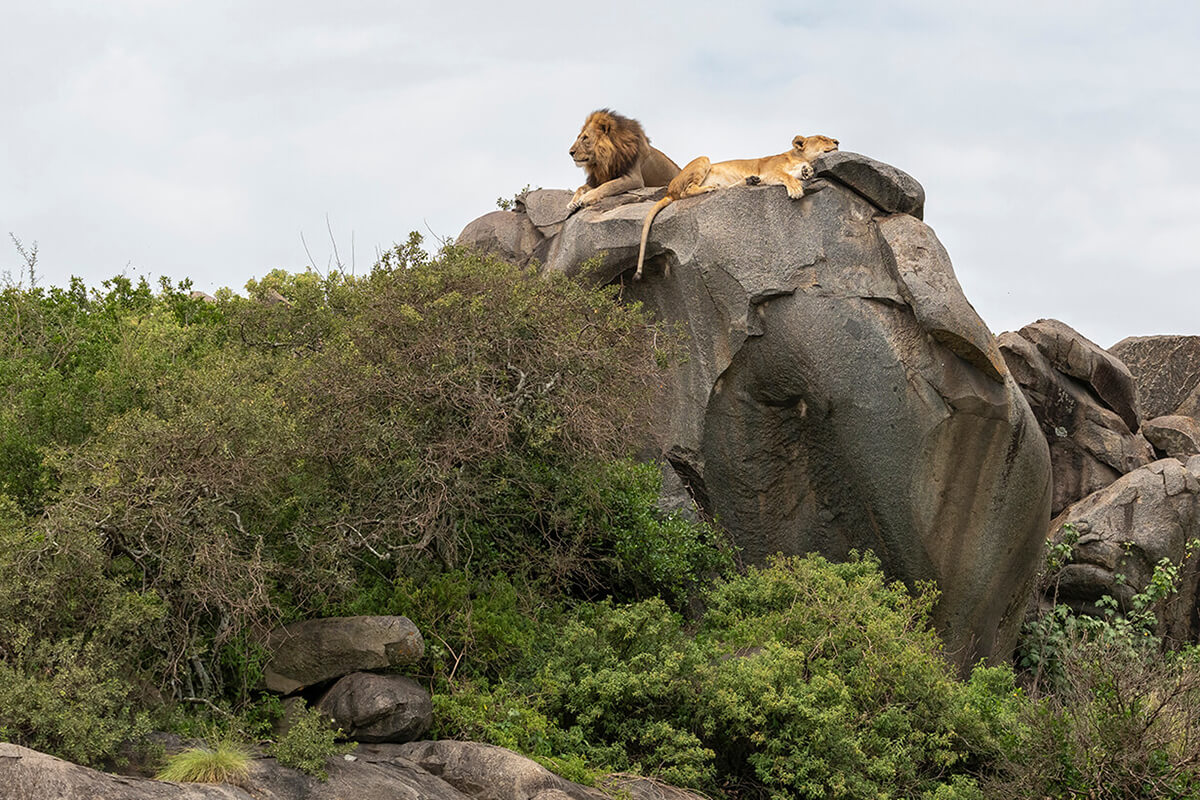
Wildlife of Serengeti National Park
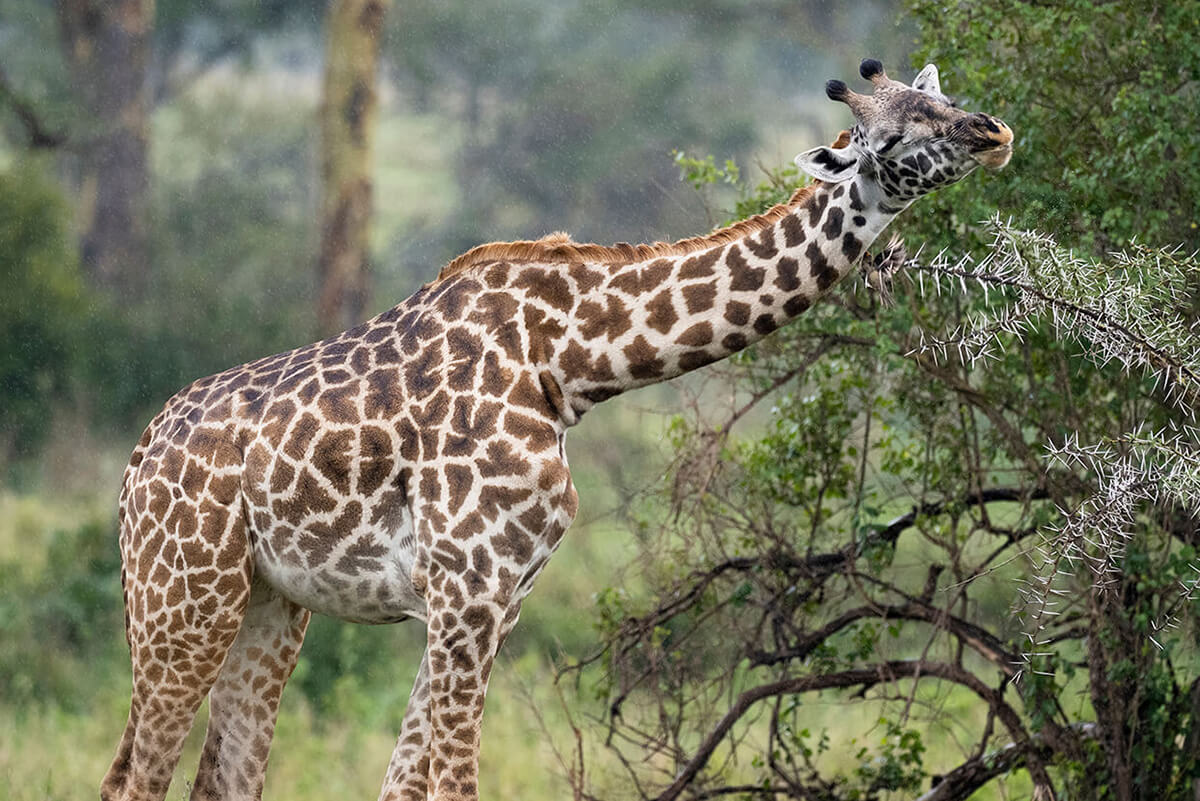
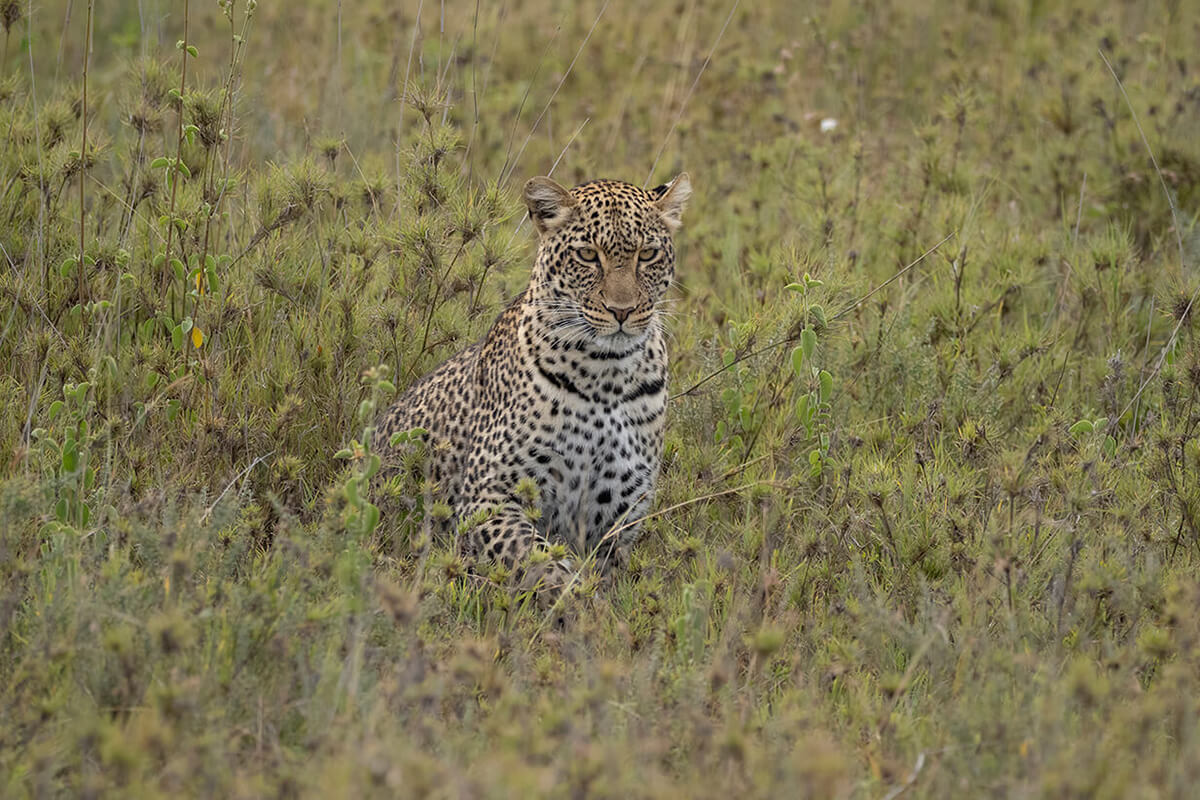
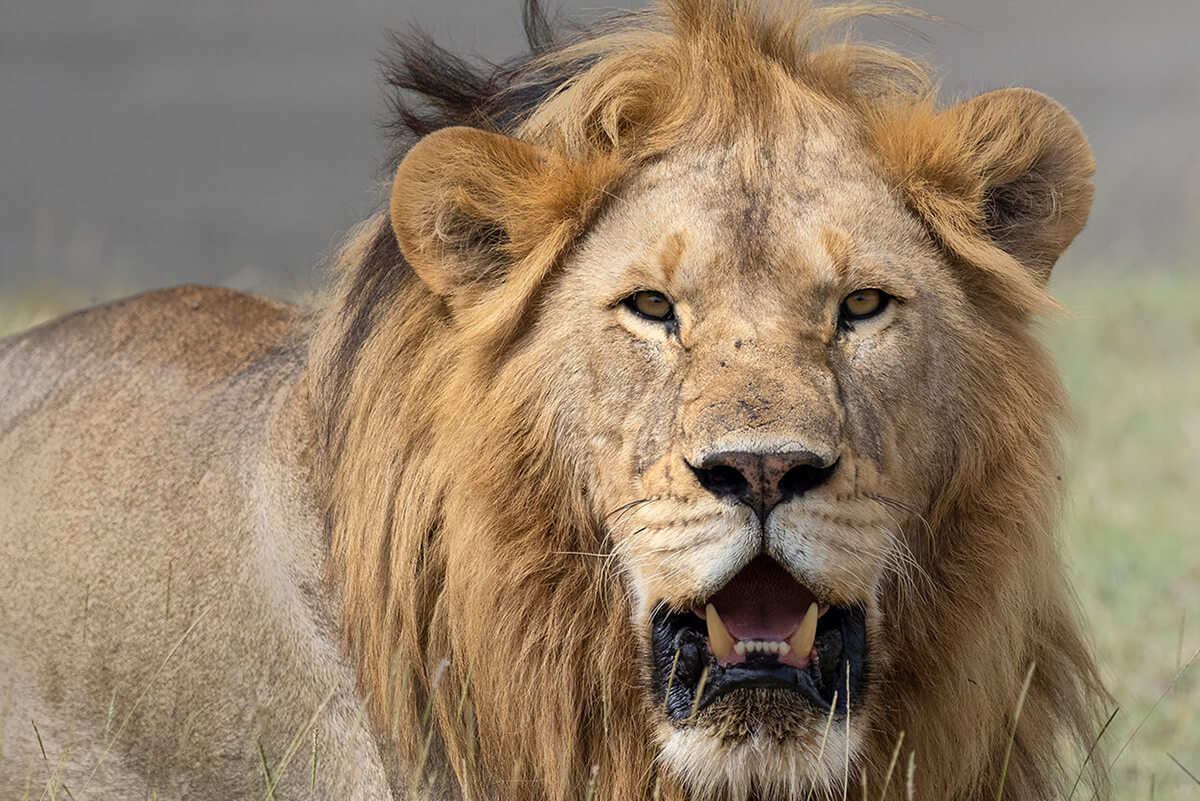
The Serengeti National Park is the star destination of Tanzania, and one of the places where you can see the most wildlife during a 7-day Tanzania itinerary. Among the mammals, this national park has buffalo, elephants, giraffes and zebras, as well as a great variety of antelopes: impalas, Thomson’s gazelles, topis and elands. The Serengeti’s savannah habitat is also ideal for watching the great African cats. Lions are very abundant and it is quite common to see them on every safari. You can also hope to spot a cheetah on the plains in the south-east of the park, while leopards prefer the wooded areas near the Seronera River.
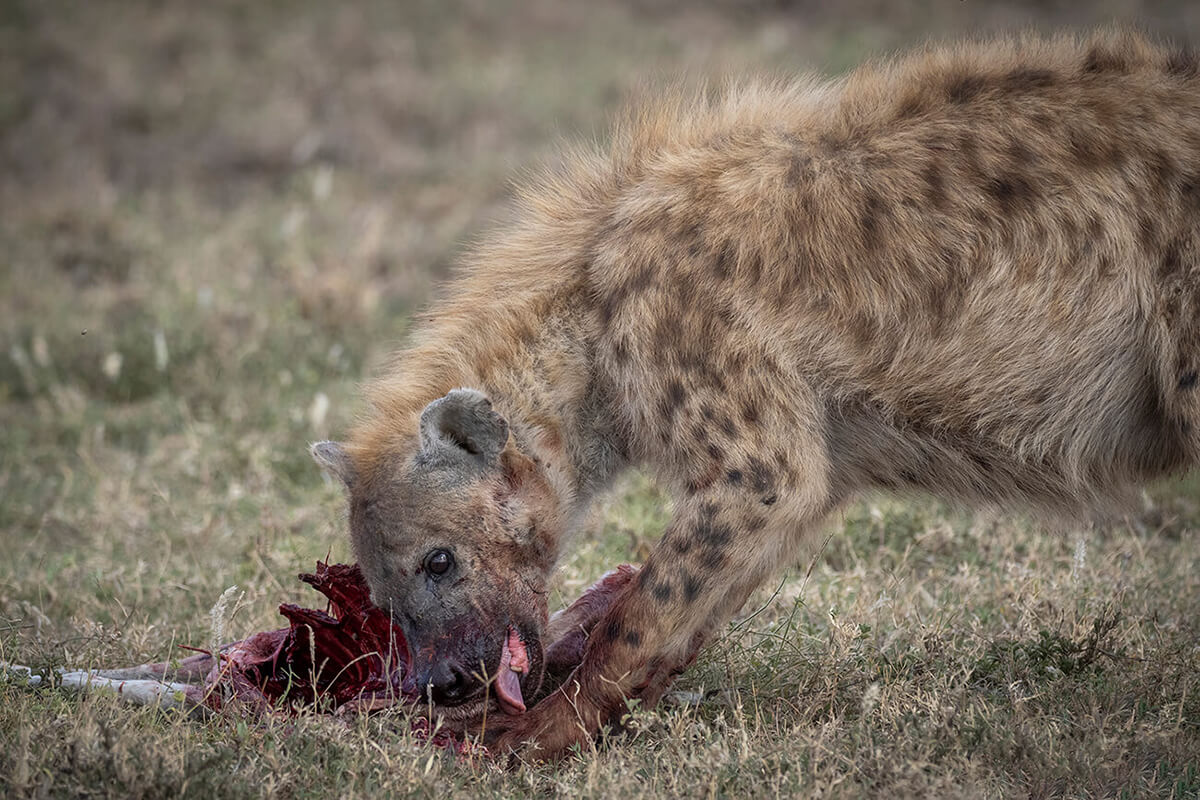
The park is also the stage for the great wildebeest migration, always followed by hyenas and jackals.
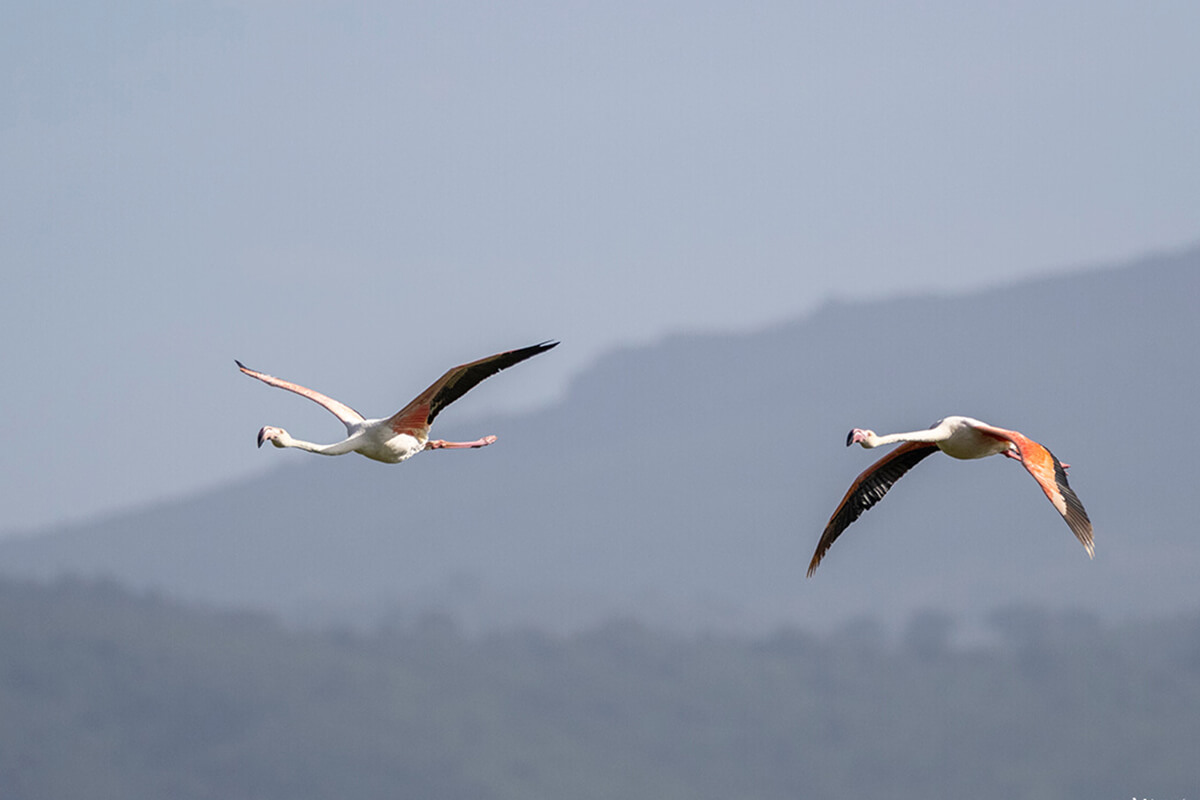
Beyond the mammals, the Serengeti is also a paradise for bird lovers. Up to 500 different species have been recorded. So during a safari I recommend not focusing only on the big emblematic species, and paying attention to all the details and beauty the Serengeti has to offer.
Practical information for going on safari in Serengeti National Park
- Entrance fee: For non-resident adults, the entrance fee is 83 USD per day (24 hours). Bear in mind too that if you enter the Serengeti by car, you will have to cross the Ngorongoro Conservation Area and therefore pay 70.80 USD per adult for the outward and return journeys.
- Best time to visit the Serengeti: This national park is wonderful at any time of year. However, conditions are generally considered more favourable during the dry season, which runs from late June to October. This period offers the best wildlife viewing overall, with the wildebeest migration as the high point.
Where to sleep inside Serengeti National Park
The vast size of Serengeti National Park and the long journey to get there mean that you can only sleep inside the national park, as there is no town nearby. Inside the park there is the option of sleeping in private lodges or in the public campsites. The lodges are mostly in the central area of the national park (Seronera), and some of the best rated are:
- Ikoma Wild Camp. This camp is in the buffer zone of Serengeti National Park, that is, just outside the most protected part of the park. This means walking safaris and night drives can be done from here. The rooms are large tents, and there is also a dining area and other common areas. It is a simple place to stay but with excellent service and good reviews.
- Zawadi Camp. This tented camp, with a rustic, traditional look, is one of the most famous in the Serengeti. It suits travellers with a medium or high budget. It is in the Seronera area, in the heart of the Serengeti, so the quality of the safaris near the camp is very high.
- Kon Tiki Serengeti Camp. This camp offers comfort without losing the wild essence and the connection with nature. You also sleep in large tents, but with a good bed and a private bathroom. It also stands out for the quality of its food.
As for camping, the campsites are also found mainly in the Seronera area. There are several, but they are all only a few kilometres from each other and offer the same facilities (toilets and a covered area for cooking and eating). So I think it makes little difference where you sleep. I have slept at the Nguchiro Public Campsite and the Nyani Public Campsite, and in both cases the experience was very similar.
Whether you sleep in a lodge or a campsite, keep in mind that you will be sleeping in the middle of the national park, with no barrier between you and the wild animals. Sometimes lions, elephants, buffalo or hippos walk right past the tents. That is why it is very important not to leave your tent without your guide, especially at night. If you sleep in the public campsites, try to avoid having to go to the toilet in the middle of the night…
Day 4: A full day on safari in the Serengeti
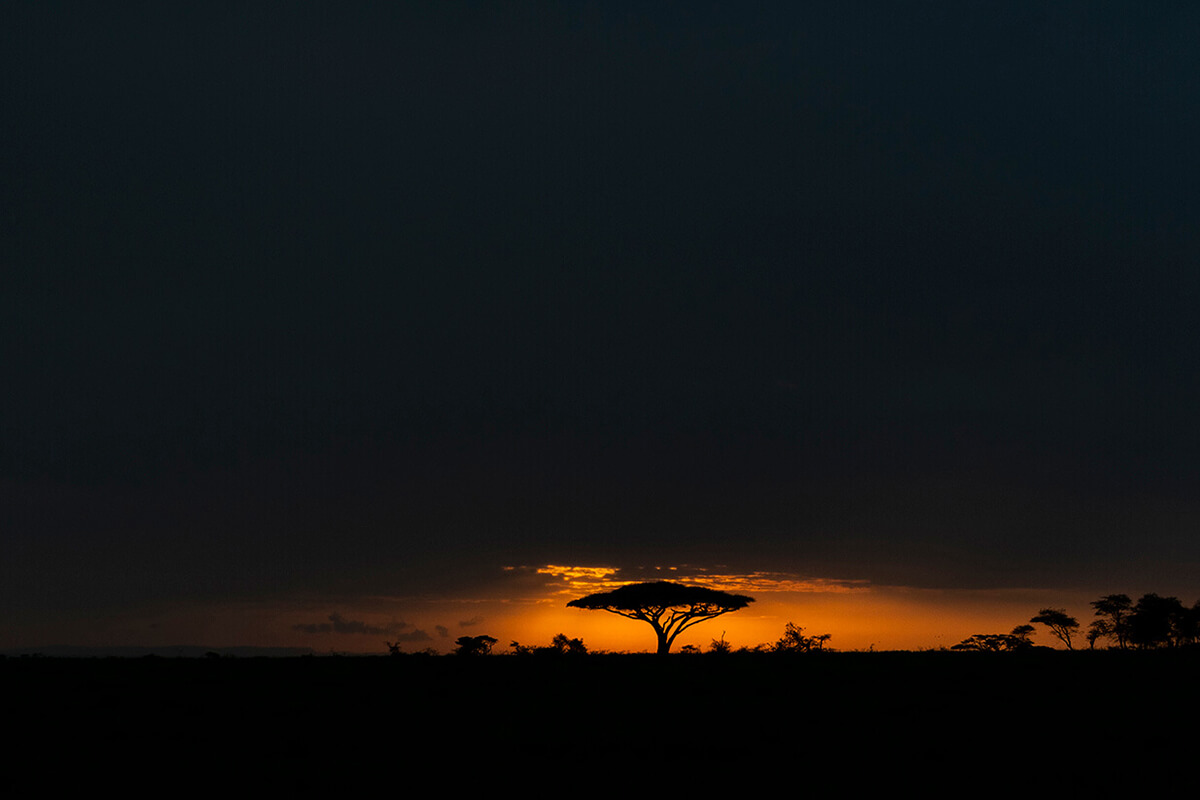
After a first night inside Serengeti National Park, probably listening to the characteristic “laughs” of the hyenas or the roar of a male lion marking his territory, the 7-day Tanzania route begins with a new safari in the Central Serengeti area. This area is exceptional for seeing predators, so I encourage you to get up early and start the safari a few minutes before sunrise. The first two hours of daylight are the most productive for seeing big cats, since they are much more active when it is not hot. So you may well see a leopard patrolling its territory or climbing a tree, or a hunting scene with a cheetah trying to catch a Thomson’s gazelle.
During these drives through the Serengeti, most guides also head for the kopjes, small rocky hills that are very characteristic of the Serengeti. Lions are quite commonly seen at these spots. It is a scene that always reminds me of the film The Lion King.
If you travel with a guide, I recommend trusting him and his knowledge throughout the day, to discover all the magic of Serengeti National Park on safari. You will most likely see lions, leopards and, perhaps, a cheetah, although cheetahs are more abundant on the plains in the south of the Serengeti and also in the north.
Want to see the Serengeti at sunrise, with an expert guide?Local operators know exactly where and when to find the big cats. Ask for a no-obligation quote and we will adapt this route to your dates. ✓ Personalised safari itineraries |
Day 5: Searching for the great migration (Ndutu or Northern Serengeti)
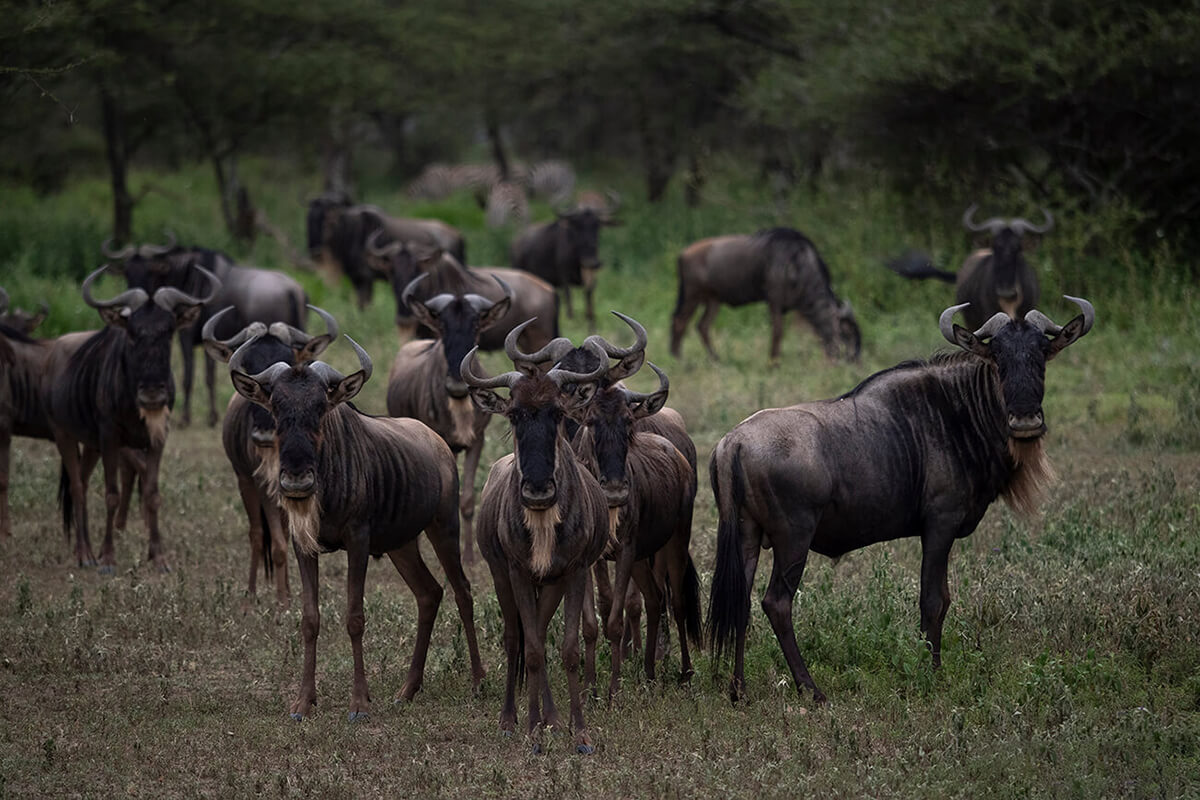
On a 7-day trip to Tanzania, I think it is worth devoting one day to trying to see the great migration. As you have probably seen in a documentary, the great migration is the annual cycle of millions of wildebeest moving between Serengeti National Park and the Masai Mara National Reserve (in Kenya) in search of the areas with the most food. Every year they follow the same route, moving from the north of the Serengeti to the south, in the area around Lake Ndutu.
Depending on the month of your trip, you will need to look for the great migration in the northern Serengeti or head south to the Lake Ndutu area. In fact, January and February, when the herds are around Lake Ndutu, are among the most special times to watch this phenomenon. These are the calving months, when thousands of wildebeest, zebras and impalas are born. This also makes it a very good time to see big cats, and hunting scenes are frequent, since the cats take advantage of the vulnerability of the young to feed.
What route does the great migration follow each year?
The great wildebeest migration within the Serengeti-Mara ecosystem is an eternal cycle, in which millions of ungulates (mainly wildebeest, but also zebras) are constantly on the move in search of new grazing. The herds follow a circular movement, from south to north and back south again: they leave the Masai Mara National Reserve (Kenya), cross Serengeti National Park (Tanzania) and reach the Lake Ndutu region, in the Ngorongoro Conservation Area (Tanzania). From there, they head back up to the wide plains of the Serengeti until they reach the Masai Mara again.
To observe this unique phenomenon, the best area varies according to the time of year:
- January: The first herds arrive in the south of the Ngorongoro Conservation Area.
- Late January to early March: The wildebeest gather around Lake Ndutu. During these months the calving takes place, the impressive birth of half a million wildebeest calves. It is a unique spectacle, which is why, in my proposals for a Tanzania safari of 5 days, one of the options I recommend most if you travel at this time is a route centred on Lake Ndutu.
- Mid-March to late May: The animals start moving north and large concentrations form in central and western Serengeti.
- Early June to late July: Most of the herds are in the heart of the Serengeti and begin their gradual movement north, towards the Masai Mara.
- August and September: In early August they reach the north of the Serengeti and the spectacular, dramatic crossings of the Mara and Talek rivers take place. During this period, the migration enters the Masai Mara, with September the most recommended time to witness it in Kenya.
- Early October to mid-November: In early October, the herds set off again towards Tanzania. In these months, the north of the Serengeti is the prime setting for watching the migration. By mid-November, the large groups are already in the centre of the park, in the Seronera area.
- Mid-November to late December: Throughout December, the wildebeest continue their journey south through the Serengeti to the pastures of Lake Ndutu.
Where to stay in the Lake Ndutu area
The Lake Ndutu area is a very specific part of the Ngorongoro Conservation Area, and there is little accommodation there. In fact, many of the camps are temporary (made with large tents) and only operate when the great migration is in the area. However, there are also a few permanent lodges that accept bookings throughout the season.
I recommend some of these options:
- Ndutu Safari Lodge. It is one of the few permanent lodges in the Lake Ndutu area. It is mid-range and an option within reach of most travellers.
- Angata Migration Ndutu Camp. This is a mobile camp, set up only when the great migration reaches Lake Ndutu. It is in a prime location for watching the great migration and the predators’ hunting scenes. It is also mid-range, in tented camp style.
- Ndutu Heritage Camp. This is also a very traditional camp in the Ndutu area, offering high-quality services without losing the traditional spirit of safaris. Again, the rooms are large tents, but with a private bathroom and every comfort.
Day 6: On the road to Ngorongoro Crater
After a last morning safari near Lake Ndutu or in the Serengeti (depending on where the great migration is), it is time to leave this area and head for one of Tanzania’s great emblems: Ngorongoro Crater.
To get there, you have to retrace the same route as on the way in. Once again, that means around five hours by car on a rather bumpy track. Fortunately, most safari vehicles have a cushion on the seat to make the ride a little more comfortable despite the jolts.
If there are no hitches on the way, you usually reach the crater rim in the early afternoon. The climate there is very cool, as it is at an altitude of about 2,000 metres. In the afternoon I recommend resting and enjoying some quiet time after several intense days of safari.
Where to stay at Ngorongoro Crater
There is no accommodation inside the crater, so you have to sleep on the rim, at an altitude of about 2,000 metres. Among the lodges and tented camps, the most recommended are:
If you are looking for a cheaper option, there is also Simba Campsite, a public campsite (similar to those in the Serengeti). It was renovated a couple of years ago and is in very good condition. There are toilets and showers with hot water. At night it is quite normal for buffalo to wander between the tents, and to hear the roar of a distant lion.
|
YOUR SAFARI STARTS HERE Prices, lodges and vehicle: all in one clear quotePark fees, camps and 4×4 add up quickly. Request a quote with direct prices from local operators, without intermediaries and with no commitment. |
Day 7: Ngorongoro Crater and back to Arusha
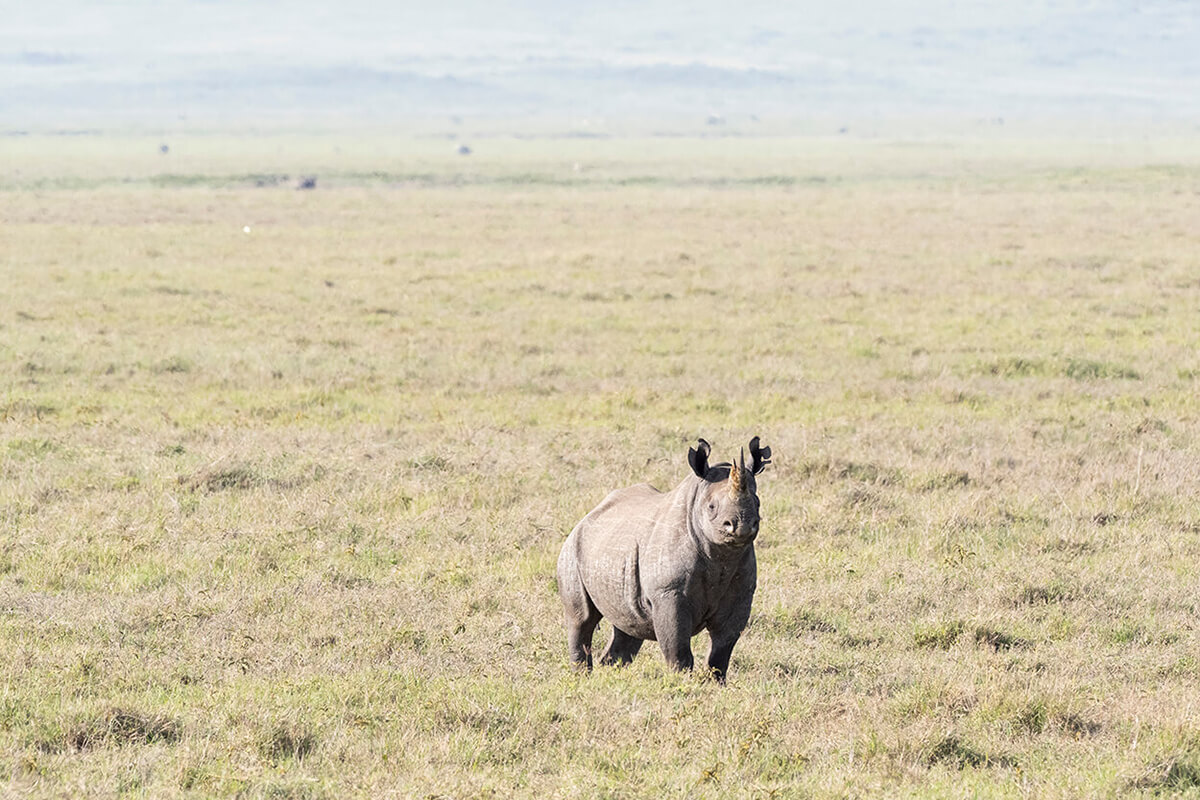
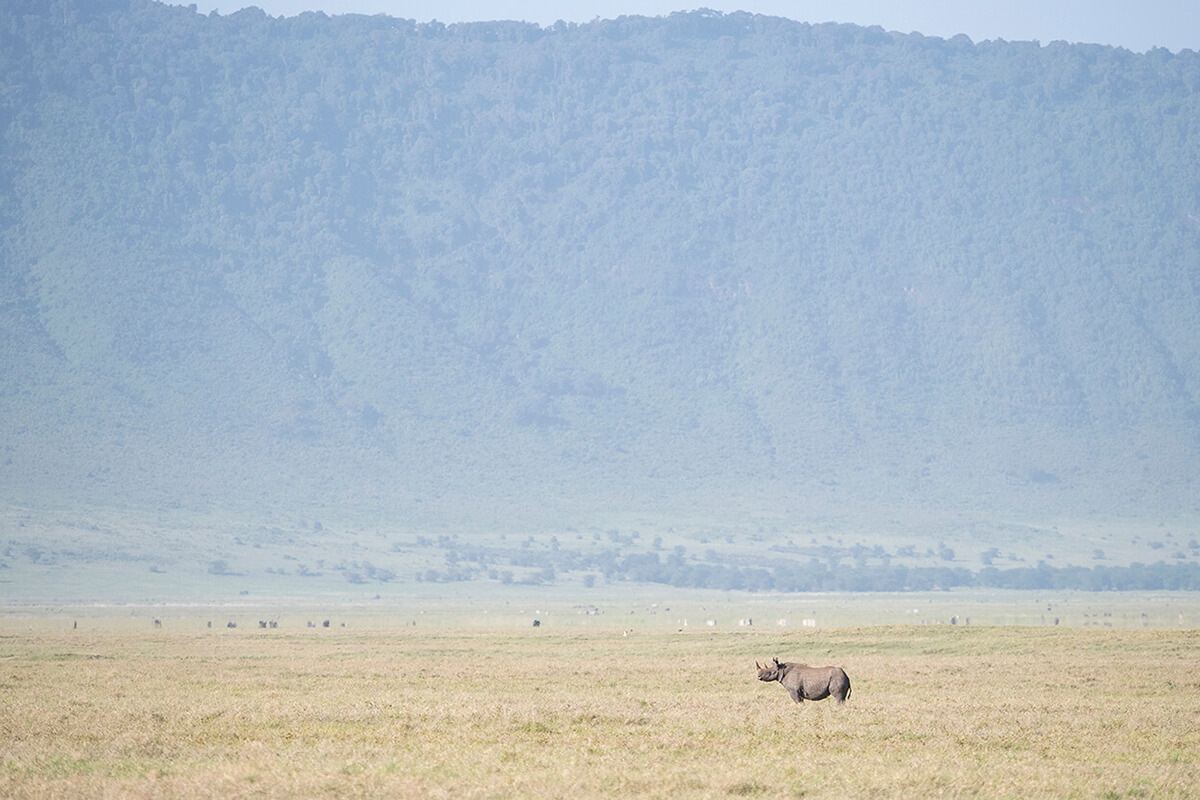
Finishing the Tanzania 7 day safari with a Ngorongoro Crater safari is the ideal ending for this route. During the five or six hours of safari you will see that Ngorongoro Crater, which is really a caldera, is the habitat of more than 25,000 animals of different species, which live there all year round. It is an area where safaris are sublime all year round, and one of the few places in the country where black rhinos can be seen quite regularly. For many people, seeing the black rhino completes the sighting of the emblematic Big 5 (rhino, lion, buffalo, elephant and leopard).
That said, since Ngorongoro Crater is one of the most popular spots in Tanzania, my advice is that on that day you get up early and start the safari just as the crater access gates open, at six in the morning. The first two hours of the day are the most interesting, partly because the animals are much more active, and partly because there are far fewer vehicles inside the crater.
After the safari, you normally go back up to the crater rim for lunch and then visit the crater viewpoint.
Finally, the 7 days in Tanzania would end with the drive back to Arusha or to Kilimanjaro International Airport.
What animals can you see in Ngorongoro Crater?
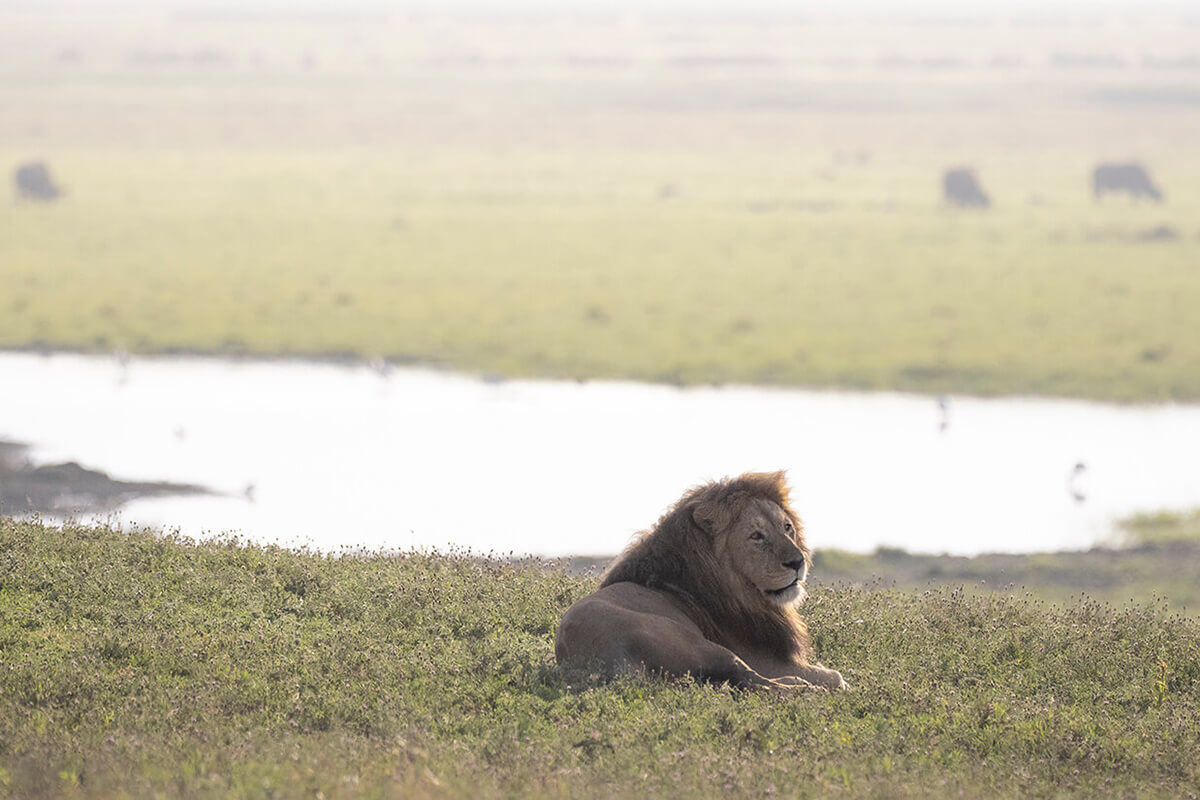
The floor of Ngorongoro Crater is one of the best places on a 7-day safari in Tanzania to see black rhinos. Sightings of elephants, buffalo and lions are also common. The leopard, the last member of the Big 5 list, is the hardest to spot in Ngorongoro Crater.
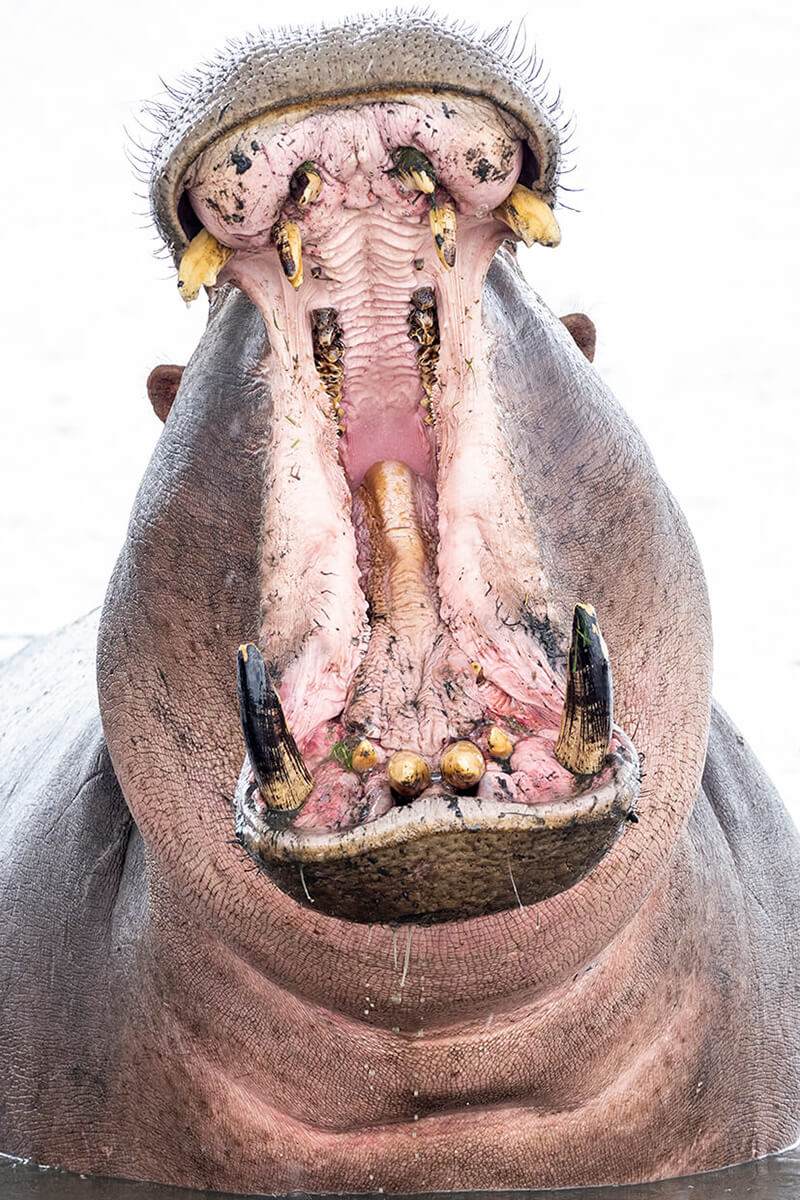
You can also see plenty of herbivores, such as impalas, wildebeest and zebras. There are also some pools and lakes with quite a few hippos. In recent years, sightings of servals have also become more frequent.
Practical information for Ngorongoro
- Entrance fee : You have to pay 70.80 USD per adult to enter the Ngorongoro Conservation Area, and also 295 USD per vehicle to go on safari inside the crater.
- Best time : Ngorongoro Crater is one of the places in Tanzania where safaris are exceptional all year round, since the animals living in the crater do not migrate to any other area. That said, March and April are when there can be the most rainfall, which can affect the safaris a little.
Tanzania 7 day safari: alternatives to the itinerary above
The Tanzania itinerary above is what I would do if I had only seven days to see the country. For me it is an ideal route, focused essentially on safaris, which I consider the most spectacular and distinctive thing about Tanzania.
However, I am aware that some travellers prefer to spend a day getting to know other landscapes in Tanzania, or delving into the interesting cultural side of this country.
In these cases, I recommend cutting one of the days in the Serengeti, and doing one of these two activities instead:
- Spend a day in the Lake Eyasi area to meet the Hadzabe and Datoga tribes. You can read more about it in my post on the best itineraries in Tanzania.
- Spend a day visiting the Materuni waterfalls and touring the coffee plantations. From a scenic and cultural point of view, it is a very interesting area, and it can be visited in a day from Arusha.
Do I recommend going to Zanzibar on a 7-day trip to Tanzania?
From my point of view, visiting Tanzania in 7 days is enough for a complete safari route, but a little too tight to also fit in Zanzibar. I generally recommend doing at least 5 days of safari in Tanzania, since on 4-day routes a lot of time is lost in transfers and the time spent looking for animals ends up being very short. To go to Zanzibar and make the most of it, I would recommend at least three days. So in total it would be a minimum of eight days.
If you have a little more time, it would be even better to do a ten-day route through the country (you can see some proposals for Tanzania itineraries here), so you can do a 7-day safari route and then finish with three days in Zanzibar.
Remember that if you are planning to travel independently in Tanzania, you can consult my guide to the country with all the practical information and preparations needed to get to know this destination.
|
YOUR NEXT ADVENTURE AWAITS Ready to plan your 7 days in Tanzania?Skip the endless comparing: tell us when you want to travel and what you would like to see, and local operators will prepare a tailor-made route for you, with no obligation. |