Travelling to Tanzania and going on safari is a dream for many nature and animal lovers. We have all been captivated by documentaries about the great African savannah and its wildlife. But it is also true that tourism has gradually changed these destinations. That is why, before planning a trip like this, it is only natural to ask yourself whether Tanzania is still worth visiting. Especially given that it is quite an expensive destination.
In the articles I publish, I am always honest and base what I say on my own experiences. This one is no exception.
I’ll tell you straight away that, for me, Tanzania is absolutely worth visiting in 2026. It is a fascinating destination that I have been lucky enough to visit several times, and it is in the top 10 of my favourite trips on the planet. But it is also a place where planning your trip consciously is extremely important, so that you have a magical experience and tourism has a positive impact on nature and on the people who live there.
I encourage you to keep reading: the question of whether Tanzania is worth visiting deserves a few paragraphs and reflections…
Why travelling to Tanzania is incredible: my conclusion
From my point of view, Tanzania is definitely worth visiting, as long as you enjoy nature and watching wild animals in their natural habitat.
Going on safari teaches you patience as you observe the rhythms of nature and wait for luck to smile on you so that you see a lion or a cheetah, or come across the great migration in the middle of the savannah. The excitement of a first safari, of seeing an elephant for the first time, is hard to describe and impossible to repeat.
That is how I would describe a trip to Tanzania: excitement and surprises. It is the kind of trip that leaves nobody indifferent.
What’s more, although the days are quite intense and can be tiring, the sun sets between six and half past six in the evening, so there is always time in the afternoon to relax at your accommodation and eat well, in idyllic, peaceful places.
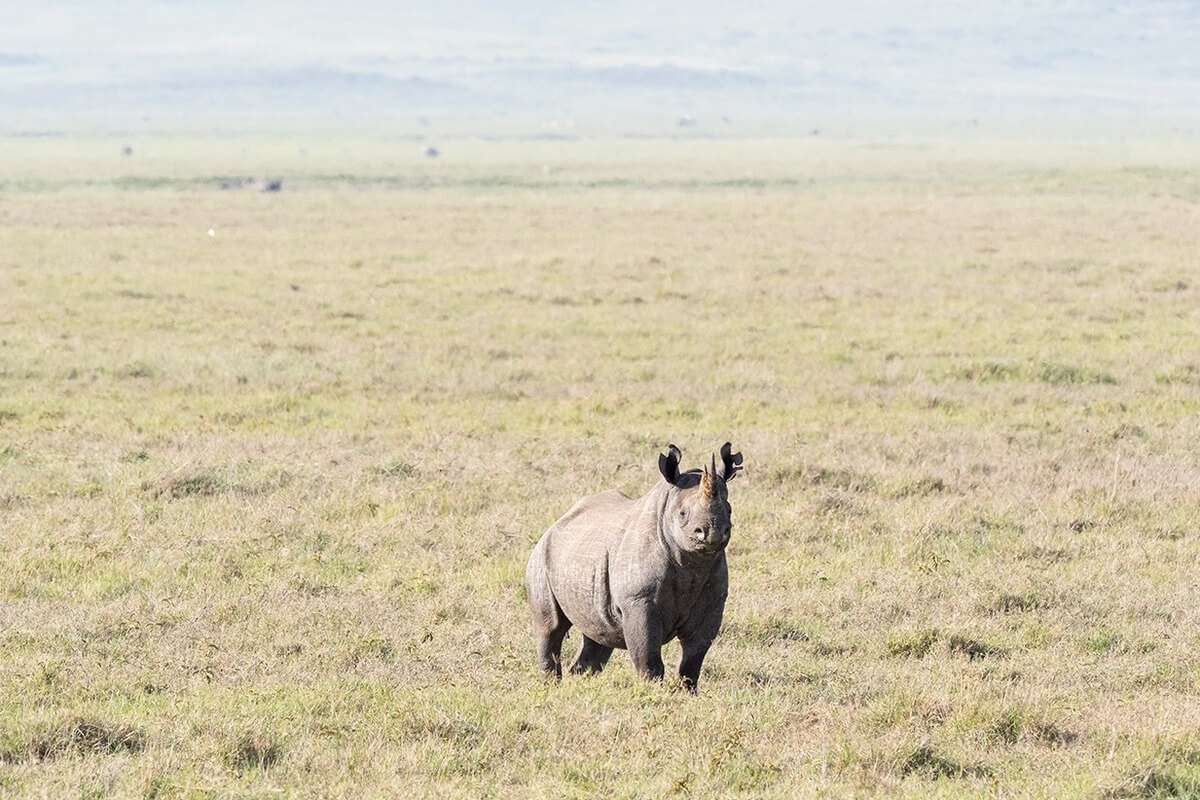
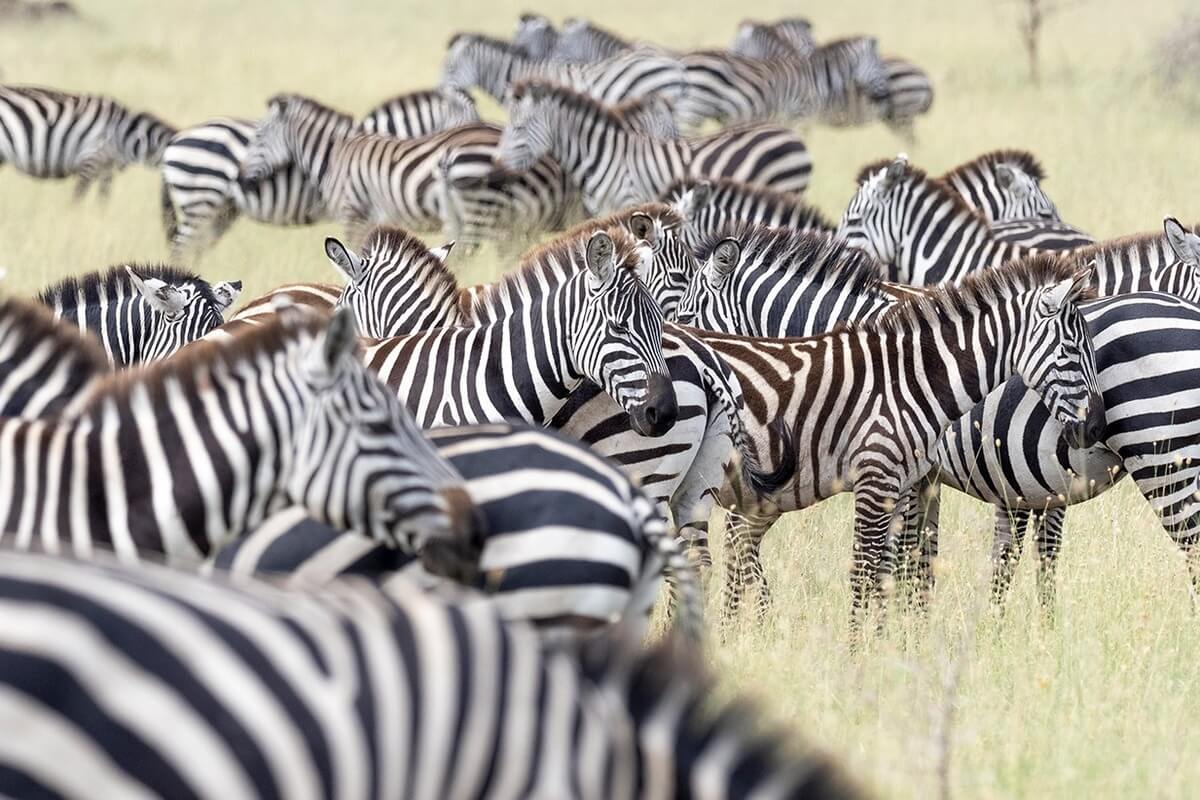
For me, the safaris in Tanzania are among the best on the continent. Especially in Serengeti National Park and the Ngorongoro Crater, the number of animals you can see is fascinating, and so is how often you spot species that are very hard to find elsewhere, such as the big cats or rhinos.
And although classic 4×4 safaris are the star attraction and the main activity of the trip, you can also do other things: walking safaris, excursions to waterfalls or volcano climbs, activities to get to know the country’s culture, relaxing on the beaches of Zanzibar or climbing Kilimanjaro, the roof of Africa.
Travelling to Tanzania is thrilling. And all it takes is a little help and local knowledge to plan something unforgettable.
Is Tanzania worth visiting?
Convinced Tanzania is for you? Get it priced
Tell us your dates, interests and budget, and local operators will prepare a tailor-made proposal for your Tanzania safari. Free, no obligation and without intermediaries.
Is Tanzania worth visiting? 12 reasons to visit this country
1. Crossing the plains of Serengeti National Park
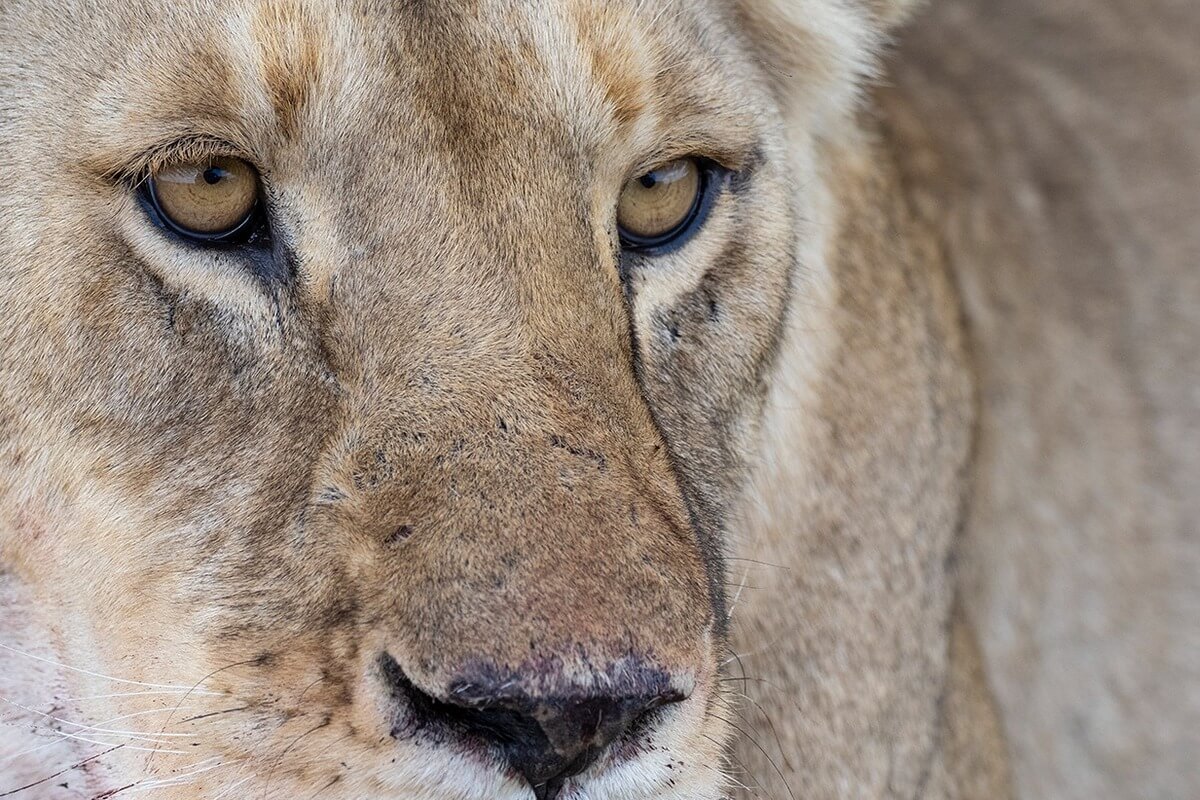
With an area of almost 15,000 km², Serengeti National Park is the second largest in the country. As you enter the park and see how endless its plains are, it seems impossible that you could ever find an animal there. But you only need to drive along a few of its tracks to start seeing wildlife. The density of fauna in the Serengeti is very high, and it is one of the national parks with the most lions (currently around 4,000).
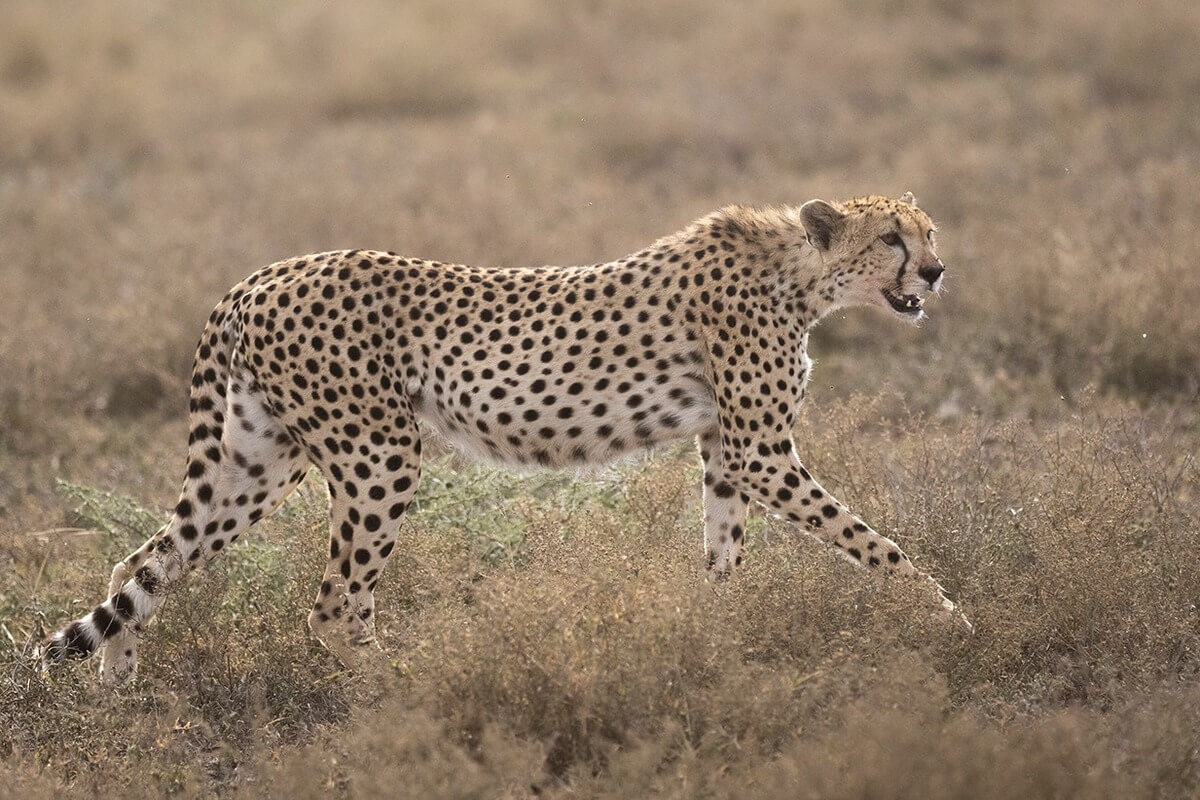
The vast expanses of the Serengeti also mean that the pressure of tourism on this ecosystem is lower. Sometimes, especially in high season, vehicles inevitably pile up at some sightings; but it is also perfectly possible to see a lion, cheetah or leopard (usually the most sought-after animals) completely on your own. You just need a bit of luck and patience.
2. Witnessing the great migration
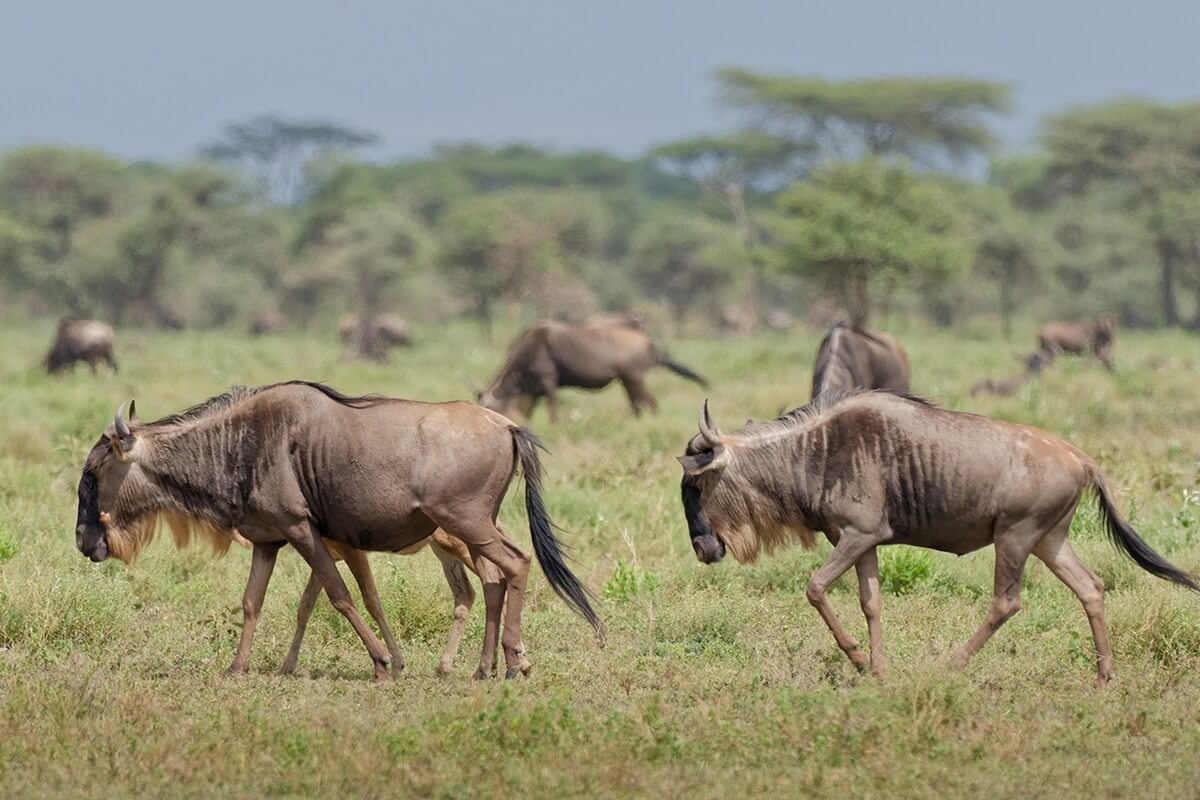
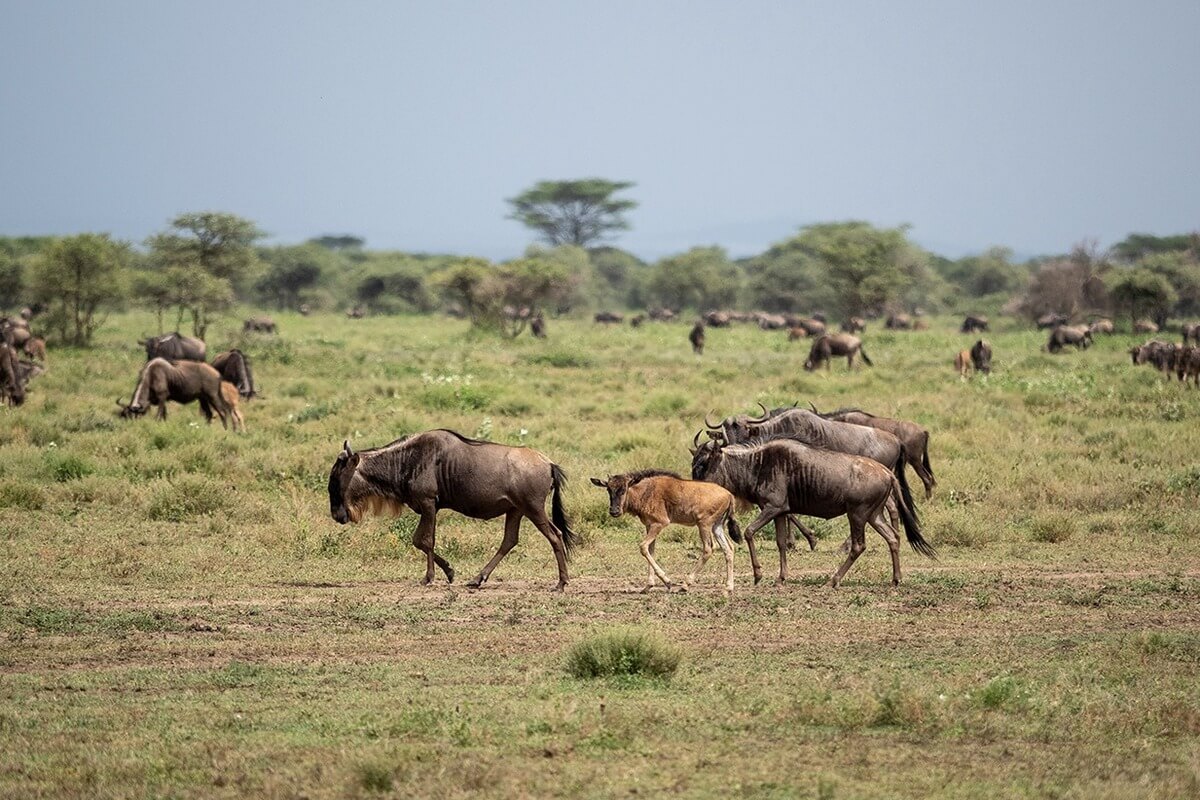
Although the great migration can be seen on a Kenya vs Tanzania safari, the millions of wildebeest, accompanied by zebras, impalas and gazelles, spend most of the year in Tanzania. That is why this country offers a unique opportunity to watch this natural spectacle.
When you travel to Tanzania, you can see the great migration in different places depending on the time of year:
- From January to March the wildebeest gather in the south of the Ngorongoro Conservation Area, specifically around Lake Ndutu. During these months the calving takes place, the birth of half a million wildebeest calves. It is an extraordinary phenomenon, not only because of the huge number of herbivores you can see, but also because there are many hunting scenes, especially from lions and cheetahs, which take advantage of the defenceless calves to hunt and feed.
- In April and May, the wildebeest begin their journey north in search of fresh grazing. During this period you can see the great migration in the centre and west of Serengeti National Park.
- In June and July, practically all the wildebeest are concentrated in the centre of the Serengeti, and they keep moving towards the border between Serengeti National Park and the Masai Mara National Reserve.
- During August, the wildebeest and the herbivores that accompany them reach the north of the Serengeti and the dramatic crossings of the Mara and Talek rivers begin. The great migration then arrives in the Masai Mara, in Kenya, so September and October are the months when you are least likely to see this phenomenon in Tanzania.
- In late October and November, the great migration returns to Tanzania. Once again, the north of the Serengeti is the ideal place to witness it.
- In December, as the month goes on, the wildebeest cross the Serengeti to reach Lake Ndutu.
Being able to witness this never-ending cycle, at any time of year, is reason enough to say that Tanzania is worth visiting.
3. Seeing lions on top of the kopjes and remembering “The Lion King”
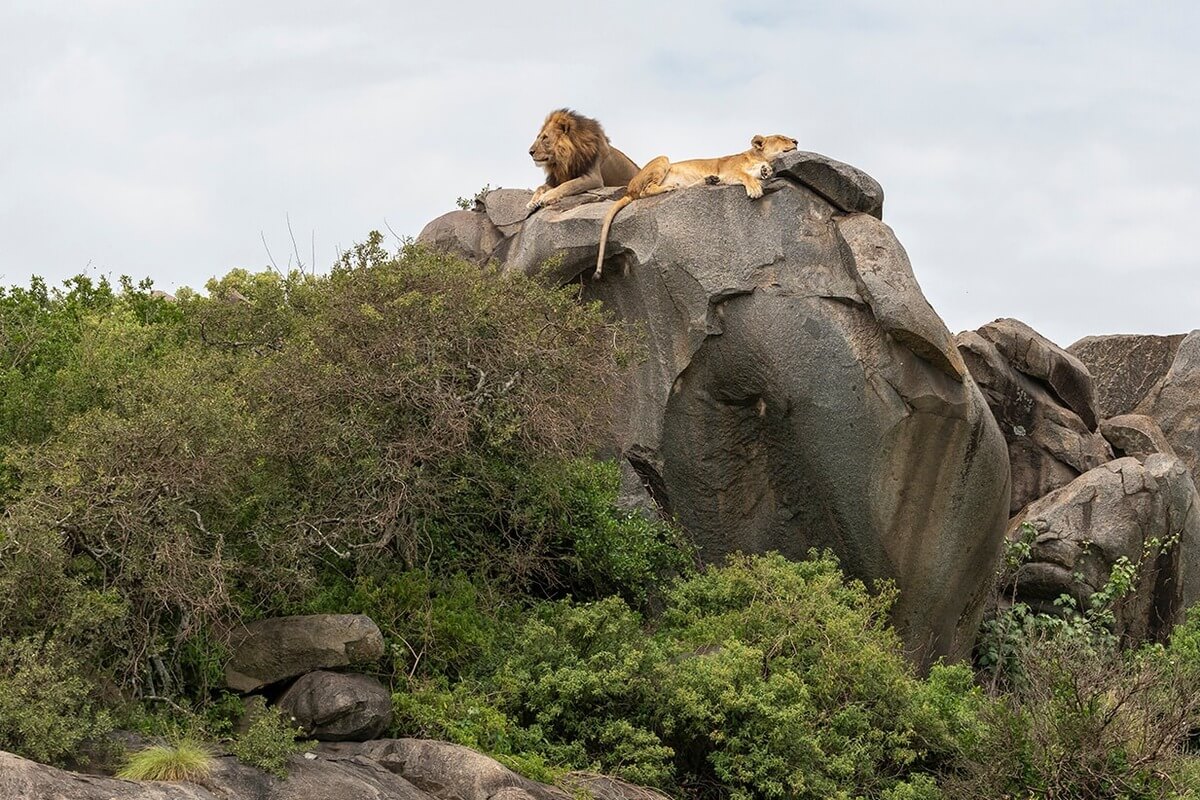
Who hasn’t seen “The Lion King”? And what if I told you that in Tanzania you can see a landscape very similar to the film’s “Pride Rock”, with lions resting on the rocks?
In the Serengeti, there are rock formations called kopjes, which are one of the lions’ favourite places to rest and survey their territory. The height of these huge blocks of rock is ideal for the big cats, as it allows them to scan the savannah for prey or threats.
On my safaris in Tanzania with a local tour operator, I remember with great emotion the moments when we approached the kopjes and scanned the tops of the rocks and every crevice looking for a lion. I have been lucky enough to see lions there, and it is truly impressive.
4. The Ngorongoro Crater
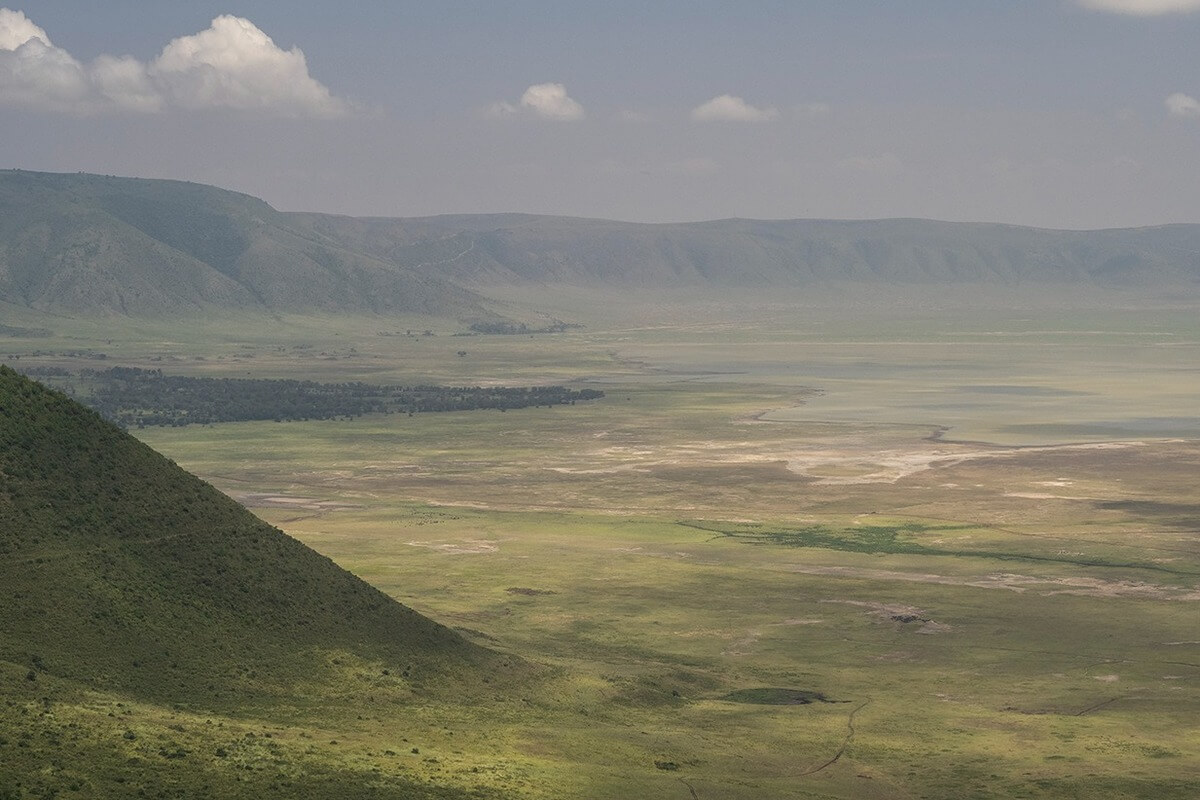
How amazing is it that there is a crater in Tanzania (well, actually a caldera) full of wild animals? This is another reason why Tanzania is worth visiting. Seeing the Ngorongoro Crater and, above all, driving through it in a 4×4 is indescribable.
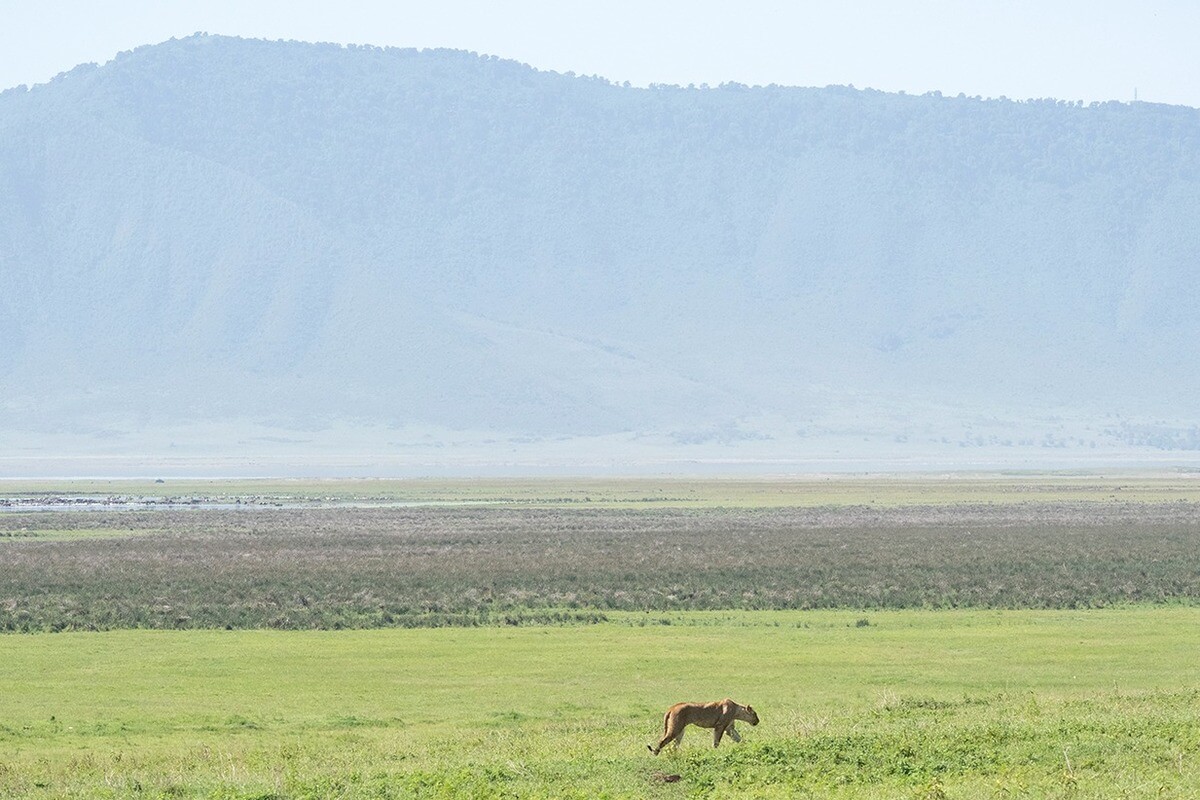
I have been on safari in Uganda, Kenya, Tanzania, South Africa and Botswana, among others, and I can assure you that a Ngorongoro Crater safari has something special. As you drive around this caldera, wherever you look, you constantly see animals. And if you are lucky enough to spot one of the dominant male lions of this territory, you will be spellbound. In very few places have I seen lions so big and with such an impressive mane.
To give you some context, the famous Ngorongoro Crater is home to around 25,000 mammals, including elephants, giraffes, zebras, lions, leopards, rhinos and much more. These animals live permanently inside this natural amphitheatre, which is surrounded by walls more than 500 metres high. It is the place with the highest density of large mammals in Africa. It also has the highest density of lions on the continent.
5. Tarangire National Park, home to elephants, baobabs and plenty of surprises
The Serengeti and the Ngorongoro Crater get most of Tanzania’s fame. They are the country’s two great emblems, and the reason why many nature-loving travellers want to travel to Tanzania.
However, Tarangire National Park is another reason why exploring this country is well worth it. This park has grown in popularity in recent years, and wildlife sightings are increasingly frequent and of higher quality.
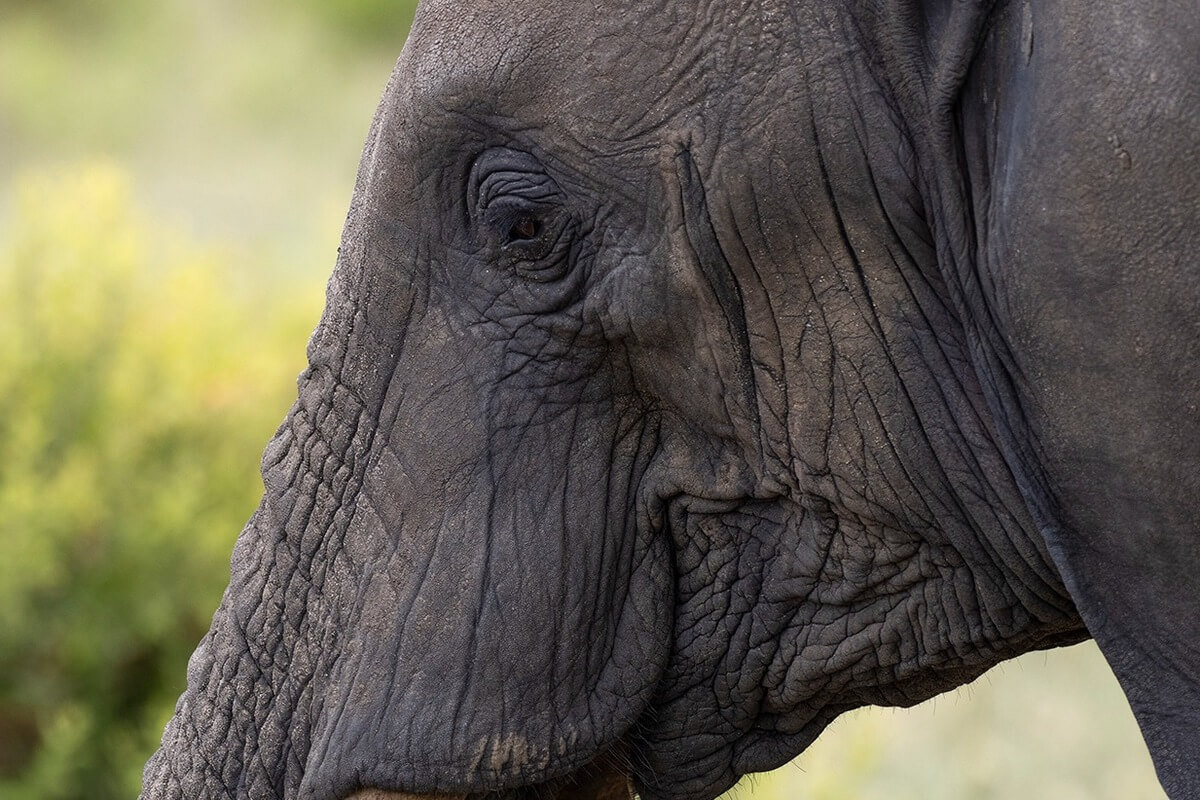
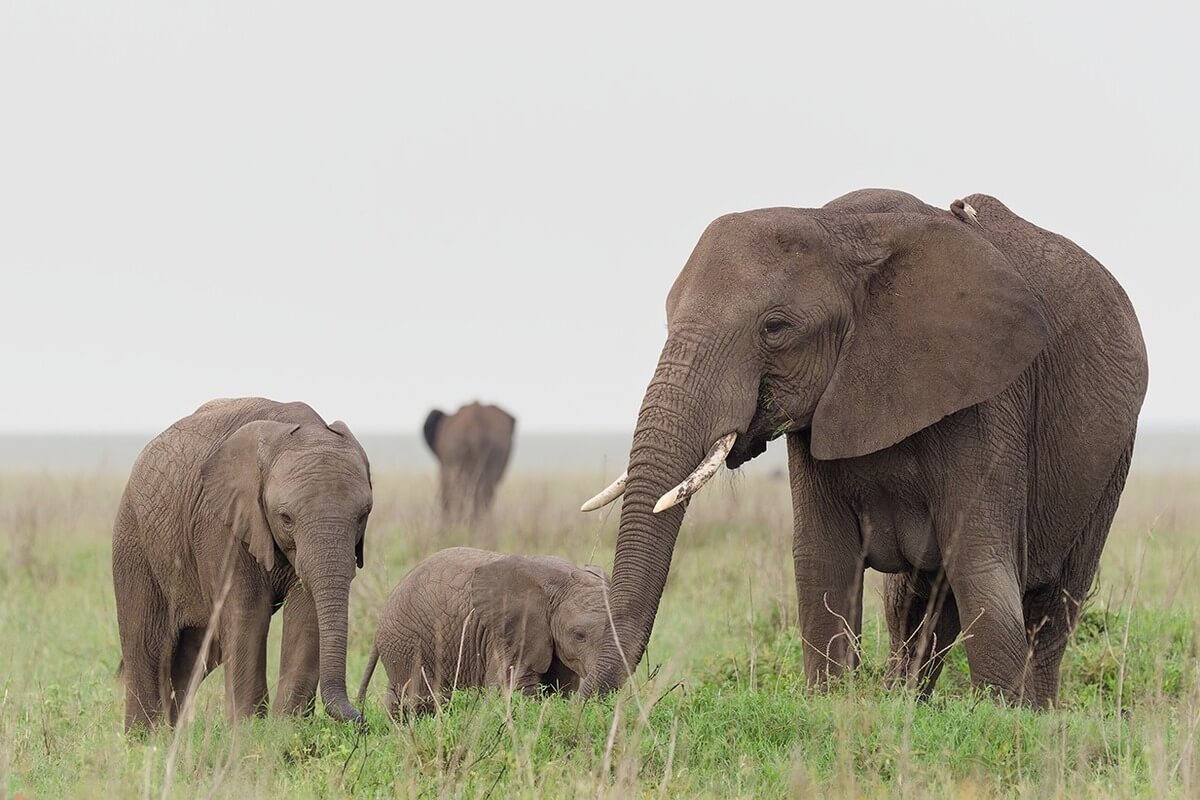
On a Tarangire safari there is one thing that is almost guaranteed: you will see elephants and baobabs. The largest land animals on the planet and the trees with the thickest trunks in the world. Two iconic species of the animal and plant kingdoms.
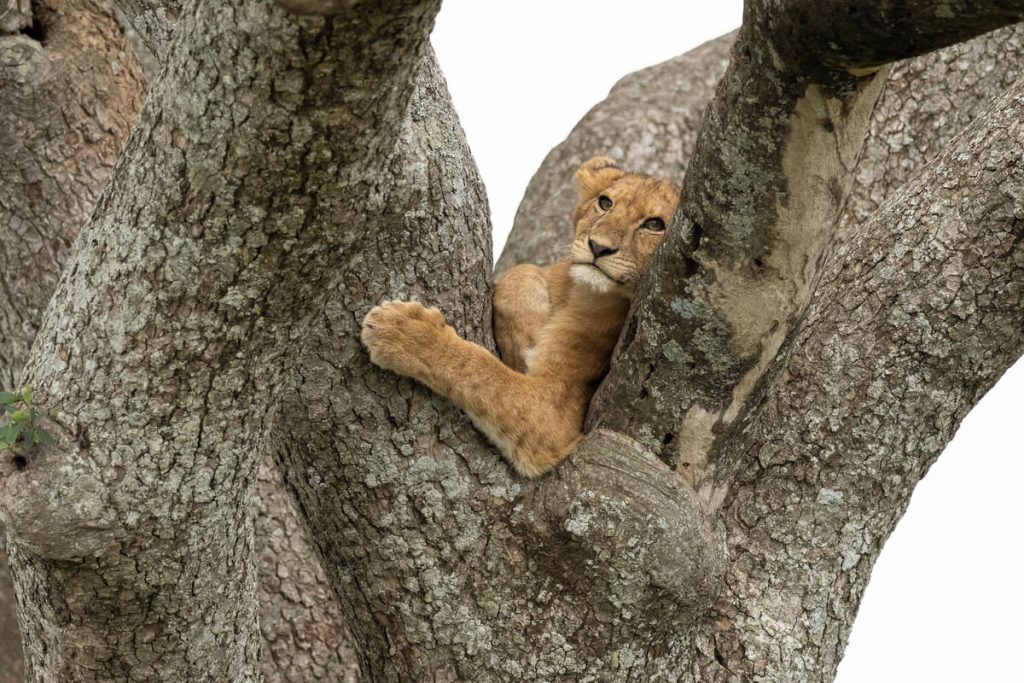
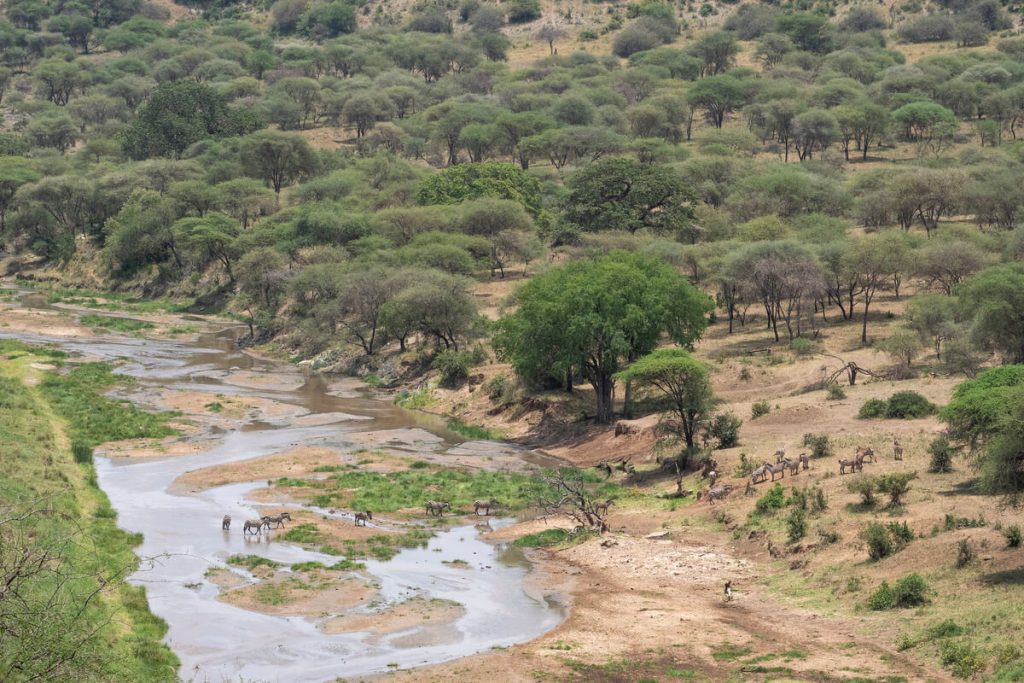
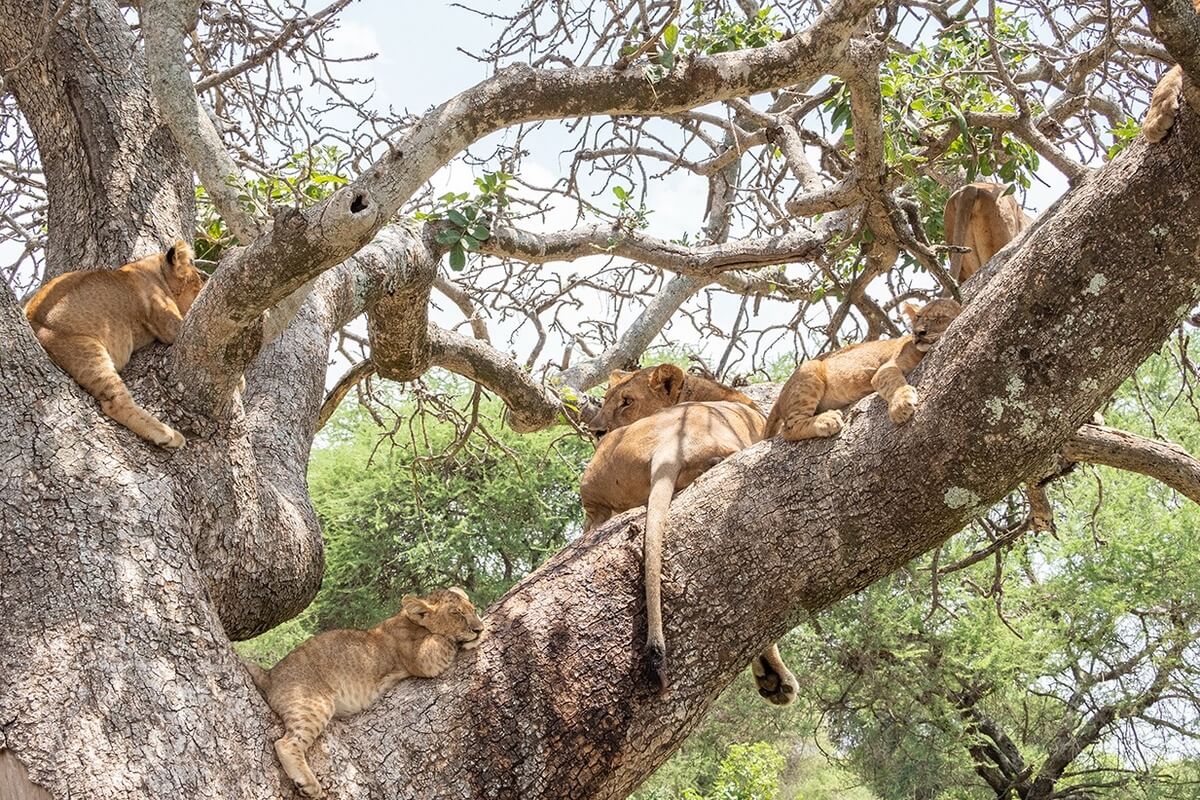
Besides this, the Tarangire River is one of the main water sources in the area during the dry season, and this also attracts a huge number of herbivores and, consequently, many predators. Leopard and lion sightings have been quite common lately. What’s more, if you are lucky you may see some of the tree-climbing lions of this region of Tanzania. These are lions that have become used to climbing and resting in trees, something normally associated more with leopards. These lions used to be found mainly in Lake Manyara National Park, but they have gradually moved to Tarangire National Park, which is now a much more interesting destination than the former.
6. Climbing Kilimanjaro, the roof of Africa
If you enjoy hiking and active travel, another reason why Tanzania is worth visiting is the chance to climb Kilimanjaro, the highest mountain in Africa. This mountain of volcanic origin can be climbed without great technical knowledge. However, given the altitude, you need to take certain precautions and be in good physical shape.
To climb it you must hire a guide, a cook and two porters. This makes it quite expensive. And the best option is to book a group ascent with one of the best Tanzania tour operators. It is not permitted to make the ascent independently.
The most popular routes are the Marangu route (5 days) and the Machame route (7 days). The second, because it ascends more gradually, has a higher success rate, as you are less likely to suffer from altitude sickness.
For those who don’t want to take on the climb, there are also one- or two-day hikes on the lower slopes of Kilimanjaro National Park. There are also interesting waterfalls in the area, such as the Materuni waterfall and the Marangu waterfall.
Serengeti, Ngorongoro, Tarangire
Which parks do you want on your route?
Tell us how many days you have, your interests and your budget, and local operators will propose a tailor-made itinerary. Free quote, no obligation and no intermediaries.
7. Relaxing in Zanzibar, another reason to visit Tanzania
If you have never been on safari and aren’t sure whether you will enjoy this type of trip, I recommend a route of between four and six days. People who are less used to observing nature calmly and patiently sometimes find the safari routine monotonous, especially if the safari lasts more than six days, because the first days and experiences are always exciting. That is why I recommend this length for people less accustomed to nature tourism and wildlife watching.
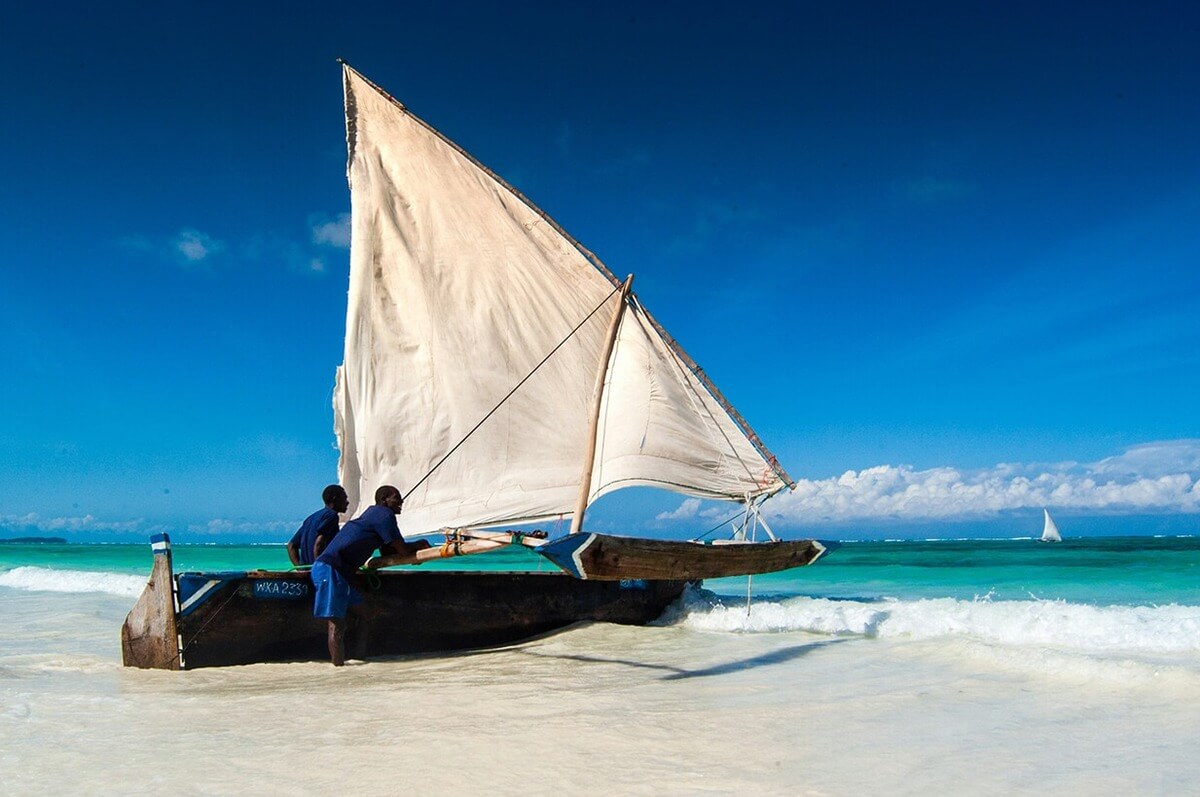
The great thing about Tanzania is that safari days can be combined with other destinations within the country. I have already mentioned that one possibility is a trek up Kilimanjaro, but for those looking for peace and relaxation, the island of Zanzibar is ideal.
Getting to Zanzibar after a safari is very easy, as there are flights from Arusha airport, from Kilimanjaro airport (1 hour from Arusha) and even from the Serengeti (although this option is more expensive).
In Zanzibar you can enjoy beautiful beaches, very friendly local culture, snorkelling and, above all, tranquillity. It is a great place to end a safari with a few days of rest.
Some of the island’s highlights are:
- Stone Town: The historic heart of Zanzibar, with narrow alleyways, spice markets and architecture influenced by Arab and colonial styles.
- Secret Island: A hidden islet surrounded by crystal-clear waters, perfect for relaxing in an exclusive setting.
- Mnemba Atoll: One of the best places for snorkelling and sailing among dolphins in transparent waters.
- Paje: A coastal village very popular with surfers and kitesurfers, with a long beach and a laid-back atmosphere.
- Blue Lagoon: A small lagoon of intense colour, ideal for swimming and snorkelling among corals.
- Kae Beach: One of the best beaches for watching the sunset, with bars and live music by the sea.
8. Having a high chance of seeing cheetahs and leopards
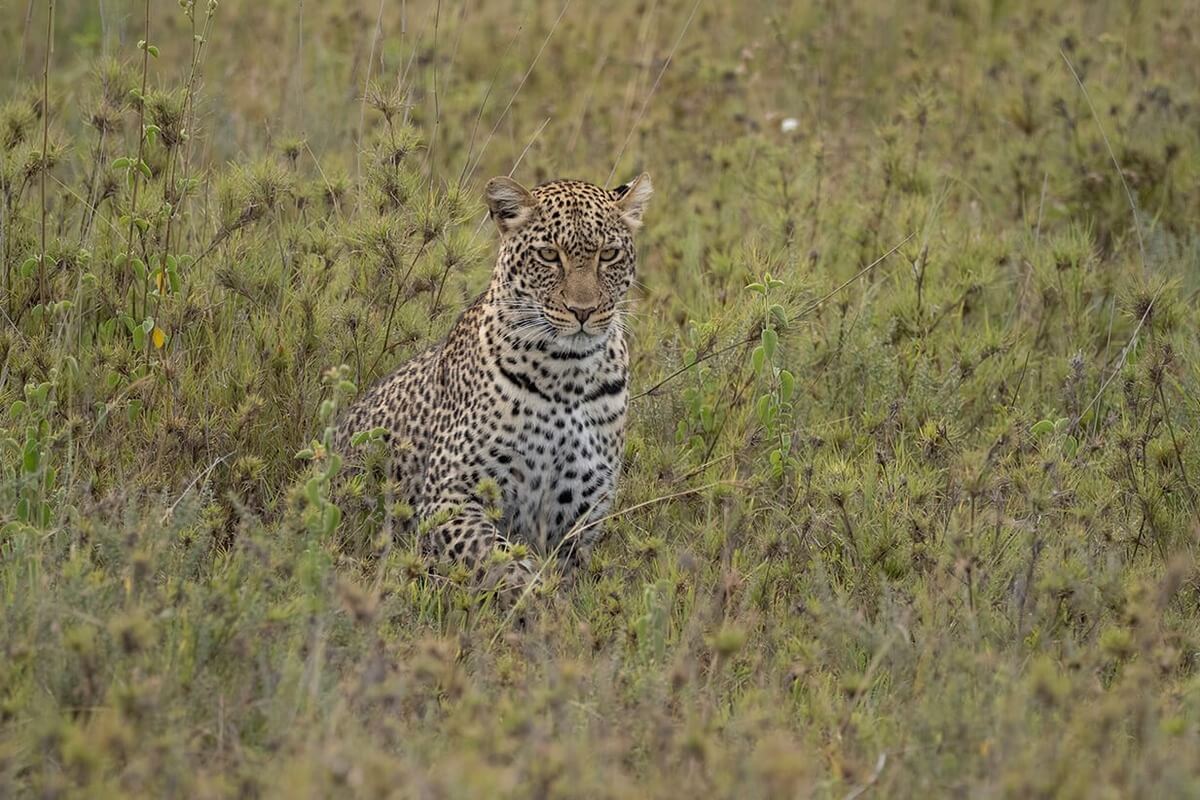
Back to safaris, which in the end are still the main attraction of travelling to Tanzania, this country is one of the best safari destinations for seeing Africa’s big cats: lions, cheetahs and leopards.
If you have read some of my safari guides, you will already have noticed from my texts and photos that I have a real soft spot for these animals. I could spend days and days watching and photographing them. And Tanzania strikes me as a sublime destination for this.
On the one hand, the density of big cats is quite high, especially in the Serengeti, and there are also specific areas that are particularly good for spotting each of them. That is why it is important to go on safari with good guides and good local operators.
On the other hand, the sheer breadth of the savannah also makes it easier to spot and follow these animals. And, for example, the Serengeti (and also Ndutu during the calving) is the place where you are most likely to witness a hunting scene. It is a harsh, raw moment, but it is part of the natural cycle of the savannah and, for many travellers, ends up being one of the most intense scenes of the whole safari.
9. The possibility of including cultural activities in your safari
Another reason why Tanzania is such an attractive destination is the chance to add a cultural experience to your safari route.
When you think of the people of Tanzania, the first image that comes to mind is probably that of the Maasai. They are a pastoralist, traditionally semi-nomadic people who have lived for centuries on the savannah of Tanzania and Kenya. That is why their culture attracts so much interest.
It is true that many safari routes include a visit to a “Maasai boma”, the small village where a community lives. But you need to be careful here, because not all visits are respectful. It is important to choose carefully which visits to make and to do so ethically. Some operators stop at very touristy places with questionable practices: the benefit to the local community is minimal, a show is put on that is undignified for them, and visitors photograph people without asking permission. None of this benefits the communities or their culture, which ends up reduced to a mere attraction.
That is why I recommend researching carefully before deciding which activities you want to do. A good way to get closer to Maasai culture is to stay at Maasai-owned and Maasai-run establishments. They usually organise activities to share their culture with guests in a far more responsible way, in which the visitor is a guest who takes part and interacts, rather than a mere spectator. Two very interesting projects in this regard are the Osiligilai Maasai Lodge and the Lake Natron Maasai Guest House. However, they are not on the most common routes, so it is worth bearing them in mind from the start when planning your trip, because they may involve a detour or extra days.
If you have fewer days and don’t want to stray so far, there are also interesting, responsible and respectful cultural options. One of them is the village of Mto wa Mbu, near Lake Manyara and on the way to the Ngorongoro and the Serengeti, which makes it very easy to fit into a short route. Its appeal lies not in the Maasai, but in the multicultural nature of its people and in local farming, especially banana growing. Another option is an experience focused on coffee and local food in the Materuni waterfalls area, which can be done as a day trip from Arusha.
Finally, it is also possible to visit the Hadzabe and Datoga peoples around Lake Eyasi. The Hadzabe, moreover, are one of the last hunter-gatherer peoples in Africa, which makes the encounter especially striking. But, as with Maasai bomas, it is essential to find out how the activity is run: who organises it, where the money goes, and whether people’s time and privacy are respected.
10. Getting to know lesser-visited and little-known places
Although the national parks in northern Tanzania are very popular and receive visitors all year round, the country also offers destinations that are still little known and much quieter.
One example is the area around Lake Natron and the Ol Doinyo Lengai volcano, in the north of the country. It is a territory where the Maasai still live and which stands out for its scenic beauty: a salt lake with reddish waters, an almost lunar landscape and a volcano that the Maasai consider sacred.
On the other hand, it is also possible to take safari routes through the national parks of southern Tanzania, leaving from Dar es Salaam. The setting is very different from the north, with more enclosed spaces and more trees and bushes. Also, because there are fewer visitors, the wildlife is less used to vehicles and people, so some sightings can be harder to come by.
But that is precisely where the charm lies. Going on safari in places such as Nyerere National Park, Mikumi National Park or Ruaha National Park is a very different and much more authentic experience: you enjoy nature with very few people around, with the feeling of exploring an almost untouched territory, and every sighting is experienced more intensely because it takes more effort to get. That said, bear in mind that some of these parks are harder to reach, so they usually suit longer trips and travellers who want to get off the beaten track.
11. The chance to see chimpanzees
Seeing chimpanzees in Kibale Forest National Park, in Uganda, is the most common option. But what not everybody knows is that you can also see these fascinating primates when you travel to Tanzania.
Specifically, you can currently see chimpanzees in two national parks in Tanzania: Gombe National Park and Mahale National Park. In both parks, the chances of seeing chimpanzees on a trekking activity are very high, because there are groups that are used to humans and therefore do not run away when they hear or see them.
The only thing to bear in mind is that these two parks are far from the usual routes through Tanzania, and you need to fly to the city of Kigoma.
For this reason, you need at least three additional days so that you can dedicate one day to trekking to see chimpanzees.
In any case, this is another reason to visit Tanzania, and another example of the fascinating nature of this country.
12. Sleeping in the middle of the savannah
Serengeti National Park has the particularity of being surrounded by a conservation area. This means there are no nearby settlements at its gates, so when you visit the Serengeti, you usually sleep inside the national park. In other countries this is not so common: although there are lodgings inside national parks, people often sleep outside them because it is cheaper.
Spending a night in the middle of the Serengeti savannah is a thrilling experience and another of the reasons why Tanzania is worth visiting. At night you can often hear lions roaring in the distance, hyenas whooping or elephants trumpeting. Sometimes animals even come close to the camps, so the feeling is that the safari never ends…
There are two options for sleeping in the Serengeti:
- Sleeping in public campsites. This is the usual option on low-budget group safaris and low-cost private safaris. You sleep in small tents, either individual or shared by couples. The campsites have shared toilets and showers, as well as a shelter where you cook and eat.
- Sleeping in tented lodges. On mid-range or luxury safaris, you usually stay in tented camps. The rooms are usually built with canvas structures, although they normally have a small brick-built bathroom. These lodgings offer every comfort but, since they are surrounded by nature and have canvas walls, they let you hear the sounds of the savannah during the night.
In either case, it is important to be very careful at night and at dawn, especially when leaving your tent. There is no barrier separating the lodgings from the savannah, so animals can approach the camp. For this reason, walking around is usually done accompanied by a guide or by the lodge’s rangers. It is an unforgettable experience, but it is also important to always follow the staff’s instructions and not to move around the camp without first checking the safety rules.
Your Tanzania route
Which of these 12 reasons is yours? Design your route
Serengeti, the migration, Ngorongoro, Tarangire, Zanzibar… Tell us what excites you most and we will adapt the itinerary to your dates and budget.
✓ Local operators, no intermediaries
✓ Route adapted to what you want to see
✓ Free quote, no obligation
4 situations in which it is better not to travel to Tanzania
As I have said, I believe that for most people Tanzania is worth visiting. Although this destination is more popular than it was a few years ago, it still offers an authentic experience and the chance to see Africa’s fascinating wildlife.
However, there are situations in which it is better not to make this trip or, at least, to postpone it for a few months.
1. Pregnant women
One clear case in which I would not recommend travelling to Tanzania is for pregnant women or those trying to conceive in the near future. There is a risk of Zika virus transmission in Tanzania, a disease that can cause serious problems during pregnancy, especially birth defects in the foetus.
In addition, although the risk can vary depending on the area and the time of year, malaria is also present in much of the country. For all these reasons, I think Tanzania is not the most suitable destination during pregnancy. In any case, if you have any doubts, the most important thing is to consult a doctor who specialises in travel medicine before planning your trip.
2. People with serious back problems
Unless you have a high budget and can fly to the Serengeti, getting from Arusha to the Serengeti means about 7 hours by car. The first part, from Arusha to the entrance gate of the Ngorongoro Conservation Area, is on a good asphalt road, so it is a comfortable journey.
However, from the entrance to the Ngorongoro Conservation Area onwards the road is dirt, and the journey is bumpier. There are quite a few potholes, so if you have back problems it could be a drawback, as it takes about four hours. There are some stops along the way and the guides do not drive fast. But it is not the most comfortable thing in the world. If you don’t have back problems, you will get used to the “African massage” without any trouble. 😉
3. If you are travelling on a tight budget
Travelling to Tanzania and going on safari is not especially cheap. The park entrance fees alone come to around 70 US dollars a day. On top of that, you have to pay for the 4×4 vehicle, the guide, and accommodation and food in remote areas. For this reason, to make the most of the destination you need a budget of around 150-200 US dollars per person per day, as a minimum.
If you have a tighter budget and can’t go on any safari, I don’t think it is worth visiting Tanzania. For a cheap safari, the best option is to go to South Africa, where you can easily do self-drive safaris with ordinary rental cars and pay much lower national park entrance fees.
4. If you have no interest in nature
Although it may seem obvious, I wouldn’t recommend travelling to Tanzania to people who have no interest in nature or curiosity to discover it. After all, most of the country’s attractions are related to its national parks, its landscapes and the chance to watch wild animals in their natural habitat.
That doesn’t mean you need to be passionate about wildlife to enjoy a safari. In fact, I think travelling to Tanzania can be an excellent opportunity to discover nature, learn about animals and understand how important it is to protect them. But if what you are looking for is a trip focused exclusively on big cities, technology and shopping, there are probably other destinations that suit your interests better.
Tanzania or Kenya: which is more worth visiting?
Kenya and Tanzania are neighbouring countries and share very similar ecosystems, although with some important differences. For this reason, one of the questions I receive most often is whether it is better to go on a Kenya vs Tanzania safari. I have been able to travel to both destinations and I think both are incredible, but, in short, here is how they differ:
- Wild, endless landscapes. In Tanzania, Serengeti National Park is much larger than the most popular reserves in Kenya. This lets you enjoy immense plains and a greater sense of being in wild territory, especially in high season, when there is more tourism.
- Variety of landscapes: on the usual routes through Kenya it is easier to combine different ecosystems in a single trip. The landscapes of the Masai Mara have nothing to do with those of Amboseli or Samburu.
- Concentration of wildlife: the Ngorongoro Crater is one of the most special places in Africa for watching animals. Wherever you look, you constantly see wildlife, thanks to the enormous density of mammals living inside it.
- The great migration: Tanzania lets you witness different stages of this spectacle throughout the year. Between January and March, the Ndutu area is especially interesting: it coincides with the calving, the wildebeest birthing season, and it is common to see many hunting scenes involving lions and cheetahs.
- A more remote experience: in Tanzania, the long journeys to the Serengeti and the chance to sleep in camps in the middle of the savannah make the safari much more immersive. That said, you have to be prepared to spend quite a few hours in the vehicle.
- More affordable safaris: although prices are similar in both countries, national park entrance fees are lower in Tanzania, so group safaris and camping safaris tend to be a little cheaper. On private safaris there is no difference, since accommodation in Tanzania (especially in the Serengeti) is more expensive.
All in all, for me Tanzania is the best option if you dream of contemplating the immensity of the African savannah and experiencing a wild, authentic safari. But Kenya also has plenty to offer, especially for the variety of landscapes and how easy it is to see wildlife in places such as the Masai Mara. The best choice will depend on what you are looking for in your trip.
Practical information for travelling to Tanzania and going on safari
If you have already made up your mind to travel to Tanzania, here are some tips and practical information to help you start planning your safari.
It is a destination I know very well, so I hope the information in this guide helps you prepare this unforgettable trip.
Best time to visit Tanzania
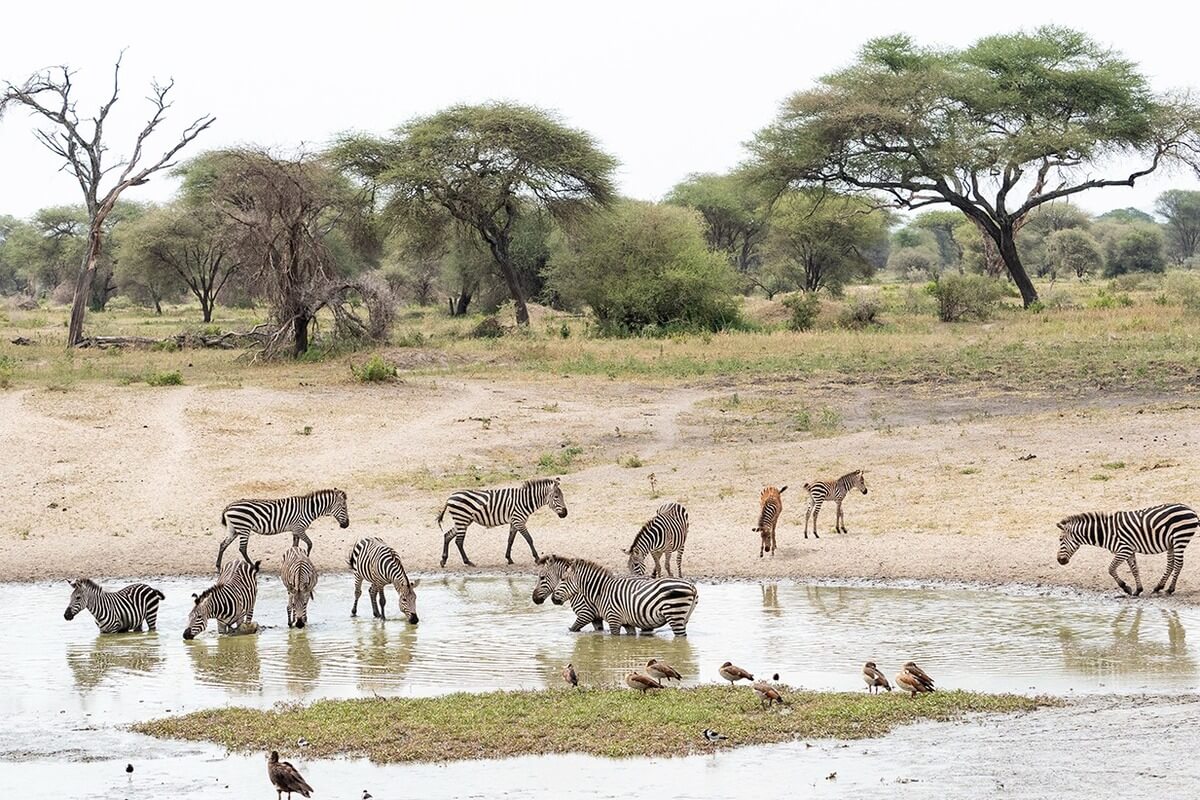
When deciding on the best time to visit Tanzania, there are two important factors to take into account:
- The weather. Tanzania has a rainy season and a dry season, and the dry season is better for seeing animals (there is less vegetation and the animals are less scattered). Specifically, the dry season runs from June to October and from January to February, although in January and February there are occasionally a few showers.
- The tourist high season. Although the vast size of Tanzania’s national parks means there is no feeling of overcrowding or large crowds of vehicles, high season pushes prices up and means more people everywhere. In particular, high season in Tanzania runs from June to December, with visitor numbers peaking in July, August and the second half of December.
For me, September, October, January and February are the best months to get to know this country.
How to book a safari in Tanzania
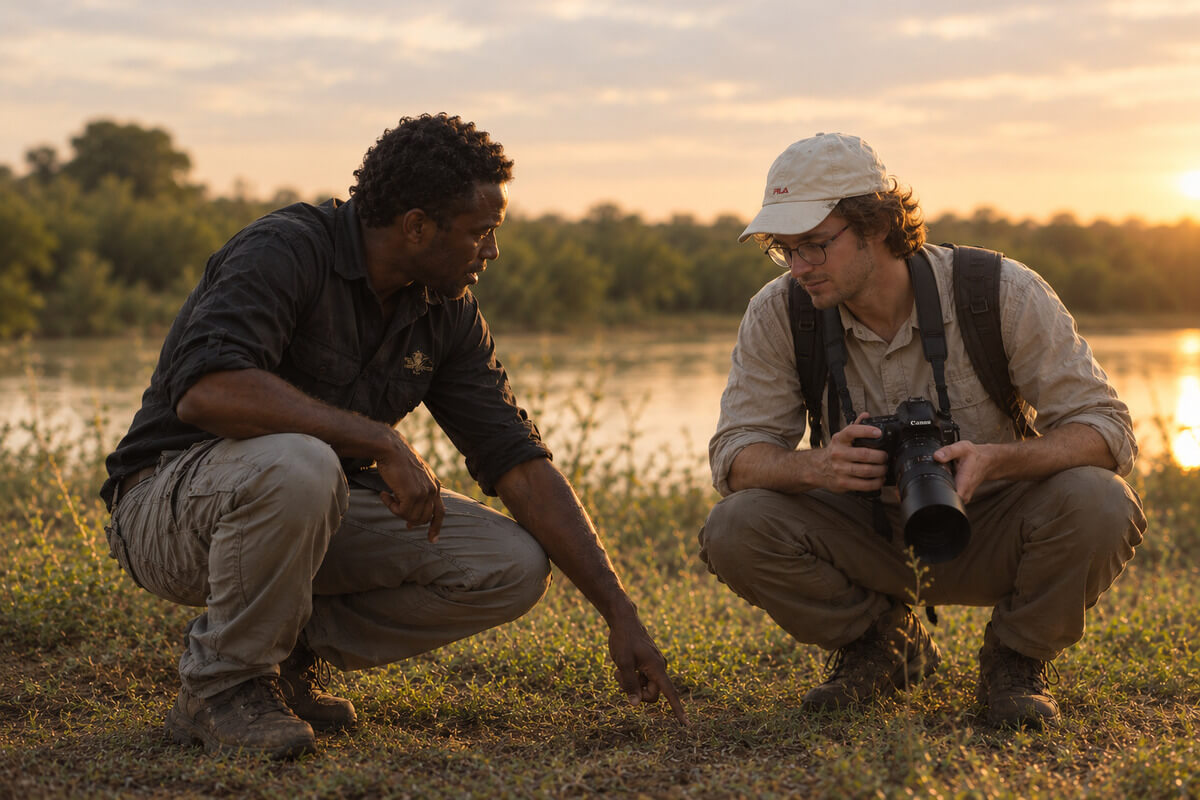
For me, the best advice I read when preparing my independent trip to Tanzania, and one I still share 100%, is that the best way to travel to Tanzania is to organise it with a local operator. No middlemen, and you can customise the route, the activities and the accommodation.
In this case, choosing the local operator in Tanzania is essential. A good operator makes all the difference. A quality local operator should meet all of the following:
- A good website and a presence on social media.
- Genuine, good reviews on Tripadvisor or Google.
- Good customer service, with quick and clear replies.
- Real quotes with no hidden costs.
- A licence and all the up-to-date documentation needed to run safaris legally.
In recent years, the number of local operators has grown enormously, and with it the difficulty of telling which ones really offer a quality service. On top of this, it is now relatively easy to fake reviews or inflate social media followers, which can create a false sense of trust.
If you don’t want to spend hours researching and comparing operators, you can use this form and I will personally put you in touch with trusted local operators that I have travelled with or know first-hand. Also, if you are interested in an English-speaking safari guide in Tanzania, on a group trip with fairly exclusive routes and accommodation, you can look at the proposals they have designed with me. They are my favourite routes and the ones I recommend most.
Once you have one or several local operators, these are the steps to follow to get everything well organised before travelling to Tanzania:
- Do a little research on what to see in Tanzania and decide what you want to visit and for how many days. These are all the Tanzania guides I have written, based on my experiences in this country.
- Decide the travel dates (this can be approximate).
- Ask for a quote and a personalised itinerary from a local operator in Tanzania. You can use this form to get put in touch with my trusted local operators. If you want the safari to be in English, it is important to say so on the form.
- Customise and adjust the local operators’ itinerary. The first itinerary they send you is always a first draft, which you can then customise (either by changing the itinerary or the accommodation). Also, the price they quote may vary depending on the accommodation.
- Confirm the safari with a first payment, normally between 20 and 30% of the total. As the payment is made in US dollars, it is worth checking beforehand what exchange-rate fees your bank or card charges.
- Book your flights and travel insurance.
- Pay the full amount about 3 or 4 weeks before the start of the safari. Some operators also accept the final payment on arrival at the destination, although for me this is less advisable, since you will have to carry a lot of cash.
- Enjoy the magical experience of travelling to Tanzania.
How much does a trip to Tanzania cost?
For full details on the Tanzania safari cost, you can read the guides I have written. But, in short, these would be the price ranges for an itinerary in Tanzania with a local operator:
| Private (2 people) | Group | |
|---|---|---|
| Camping | Between 250 and 300 USD per adult | Between 200 and 250 USD per adult |
| Standard accommodation | Between 300 and 400 USD per adult | Between 250 and 300 USD per adult |
| Mid-range accommodation | Between 400 and 600 USD per adult | Between 300 and 400 USD per adult |
| Luxury accommodation | 600+ USD per adult | 500+ USD per adult |
However, bear in mind that prices vary depending on the number of people and also on the time of year. The best way to save money is to go on a Tanzania group safari.
More information for planning a route through Tanzania
These are some of our guides about travelling to Tanzania:
- The best Tanzania itineraries
- How to book an English-speaking safari guide in Tanzania
- Things to do in Tanzania
- The 10 best Tanzania tour operators
- Tanzania safari in 5 days
Frequently asked questions about travelling to Tanzania
Is it safe to travel to Tanzania?
Generally, yes. Safaris in the national parks of the north are a very organised type of trip, with guides and vehicles provided by the operator, and travellers do not usually have problems. As in any destination, in cities such as Arusha, Dar es Salaam or Stone Town you should look after your phone and wallet, avoid displaying valuables and avoid walking around at night.
How many days do I need for a safari in Tanzania?
If it is your first safari, between four and six days is a good length: it lets you see the essentials without it becoming repetitive. If you also want to add Zanzibar, Kilimanjaro or chimpanzees, I would count on ten to twelve days as a minimum.
Do I need a visa to travel to Tanzania?
Yes, EU citizens need a visa to enter Tanzania. It can be obtained on arrival in the country or through this website. Approval of the application can take more than a week, so it is advisable to apply well in advance of the trip. It costs 50 US dollars.
Is any vaccination compulsory for travelling to Tanzania?
A yellow fever certificate is only required if you arrive from a country where the disease is endemic or have had a long stopover there. If you fly directly from Europe, it is not compulsory. For example, if you have a stopover in Nairobi, it is worth checking the length and conditions. Hepatitis, tetanus and typhoid vaccinations are advised. And depending on the length of your trip, other vaccines may be recommended. The best thing is to visit a travel medicine clinic a few months beforehand to get all the health information.
Is it better to go to Tanzania with a local operator or independently?
For me, with a local operator. Organising a safari in Tanzania independently is complicated and usually works out worse, and with a trusted local operator you can customise the route, activities and accommodation without middlemen. That said, choosing the operator is key, so look for genuine reviews, clear quotes and a valid licence.
Your Tanzania safari
Ready to turn your Tanzania trip into a real plan?
Request a free, no-obligation quote and receive a proposal from local operators, without intermediaries, adapted to the best time to go, your interests and your budget.